How we built this comparison
This page combines traveler discussion patterns, published price ranges, flight schedules, and seasonal data to help you decide between Ecuador and Usa.
- Reviewed 70+ Reddit threads from r/travel, r/solotravel, r/Ecuador, r/USAtravel
- Verified costs and logistics against current booking platforms (e.g., Booking.com, Skyscanner, Hostelworld)
- Cross-referenced seasonal patterns and weather data from meteorological sources
⚡ Quick Answers
⚡ The TL;DR Verdict
For most independent travelers prioritizing exploration and budget, Ecuador is the clear choice, offering incredible value and diverse experiences for around $40-100 per day. The USA serves those who prefer established infrastructure, vast national parks, and a higher comfort level, with daily costs generally ranging from $100-250 or more.
- Choose Ecuador: You want your money to go further, explore diverse ecosystems (Andes, Amazon, Galapagos) without breaking the bank, and enjoy a more immersive, less structured travel experience.
- Choose Usa: You prioritize convenience, access to world-renowned national parks, diverse culinary scenes, and a range of accommodation options, and are prepared for higher travel expenses.
- Choose Both: Consider both if you have a longer travel window (4+ weeks) and want to experience extreme contrasts, perhaps starting with a budget-friendly Ecuador adventure before a shorter, higher-spending trip through a specific USA region like the Southwest.
Choose Ecuador
Choose Ecuador if you're an adventurous, budget-conscious traveler seeking unparalleled natural diversity and profound cultural immersion. Explore the Amazon rainforest, trek the Andean highlands, or discover unique wildlife in the Galapagos Islands – all for a fraction of the cost elsewhere. It's best for those who thrive on authentic experiences, from bustling markets in Quito to serene cloud forests.
Choose Usa
Opt for the USA if your ideal trip involves seamless travel, world-class infrastructure, and iconic landscapes with a higher comfort level. It's best for families and those prioritizing convenience to explore vast national parks like Yellowstone or Zion, indulge in diverse culinary scenes in cities like New York, and enjoy well-established tourist amenities. Be prepared for a premium price tag for these experiences.
📊 Visual Scorecard
🌤 When to Visit
Average high temperatures (°C). Green = best months, orange = avoid.
Quick Comparison
| Category | Ecuador | Usa | Winner |
|---|---|---|---|
| Costs & Value | Significantly cheaper across the board: food, transport, accommodation, activities. | Higher costs for almost everything, requiring a larger budget for comparable experiences. | Ecuador |
| Nature & Outdoors | Andes Mountains, Amazon rainforest, Pacific coast, and Galapagos Islands in a compact area. | Vast national parks (e.g., Yellowstone, Yosemite), diverse landscapes from deserts to temperate rainforests. | Ecuador |
| Food Scene | Hearty Andean dishes, fresh seafood, tropical fruits, and cheap street eats. | Global culinary capital, diverse regional specialties, and high-end dining experiences. | Usa |
| Getting There | International flights primarily into Quito (UIO) or Guayaquil (GYE), often with one stop from North America. | Numerous direct international flights into major hubs across the country from almost anywhere. | Usa |
| Getting Around | Extensive, affordable public bus network, shared taxis, and walking in cities. | Car-dependent outside major cities, expensive domestic flights, limited intercity public transport. | Ecuador |
| Accommodation | Wide range of budget hostels, comfortable guesthouses, and mid-range hotels. | Extensive options from budget motels to luxury resorts, but generally at higher price points. | Ecuador |
| Culture & History | Rich Indigenous heritage, well-preserved colonial cities, and pre-Columbian sites. | Diverse cultural influences, historical sites from colonial to civil rights eras, modern pop culture. | Ecuador |
| Safety | Requires vigilance in cities, petty theft common, some areas best avoided, but generally safe for tourists. | Varies by region and city, gun violence is a concern in specific areas, but generally high personal safety for tourists. | Usa |
| Nightlife | Local bars, salsa clubs, and backpacker hangouts in major cities and tourist towns. | Extensive range of bars, clubs, live music venues, and entertainment districts in every major city. | Usa |
| Digital Nomads & Long Stays | Very affordable cost of living, good internet in cities, friendly visa policies for extended stays. | Higher cost of living, requires specific visas for long-term work/stay, excellent infrastructure. | Ecuador |
💸 Costs & Value
Ecuador consistently offers exceptional value. A budget traveler can easily get by on $40-60 USD per day, including a hostel bed ($10-20 USD), street food like empanadas ($0.50-$1…
Ecuador

Usa
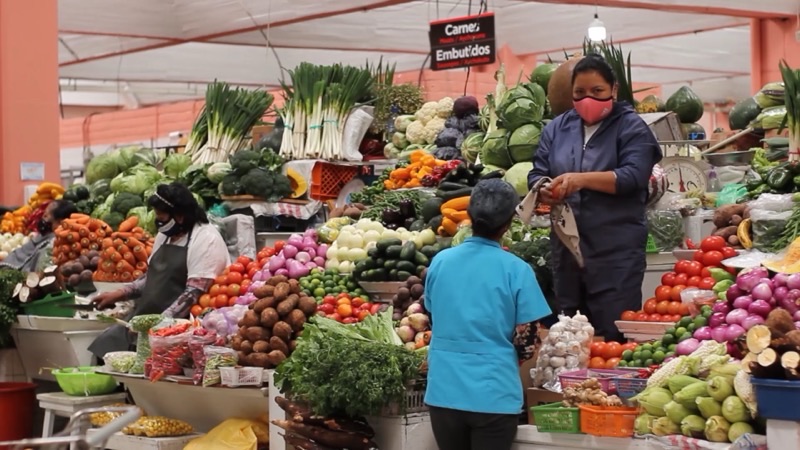
Ecuador consistently offers exceptional value. A budget traveler can easily get by on $40-60 USD per day, including a hostel bed ($10-20 USD), street food like empanadas ($0.50-$1 USD), a full lunch 'almuerzo' for $3-5 USD, and local bus rides ($0.35-$1 USD). Mid-range travelers might spend $70-120 USD, staying in comfortable guesthouses ($40-70 USD) and enjoying restaurant meals. The main exception is the Galapagos Islands, which can push daily costs to $200-500+ USD, but land-based trips can lower this.
The USA presents a stark contrast in pricing. A budget traveler often needs $100-150 USD per day, staying in motels or hostels ($40-80 USD), relying on fast food or groceries ($15-30 USD per meal), and navigating public transport or ride-shares, which add up. Mid-range budgets typically start at $150-250+ USD, covering decent hotels ($100-180 USD) and restaurant meals ($20-40 USD per person). Car rentals are often essential for exploring outside major cities, adding $40-80+ USD daily plus gas. Ecuador is the obvious pick for travelers focused on stretching their budget without sacrificing experience.
- Winner: Ecuador
- Why: Ecuador offers dramatically lower costs for accommodation, food, and transport, allowing for longer trips and more activities.
- Who this matters for: Budget-conscious backpackers, long-term travelers, and anyone wanting to maximize their travel duration.
⛰️ Nature & Outdoors
Ecuador packs an incredible array of ecosystems into a relatively small country. Within a few hours drive from Quito, you can be high in the Andes, exploring Cotopaxi National…
Ecuador
Usa
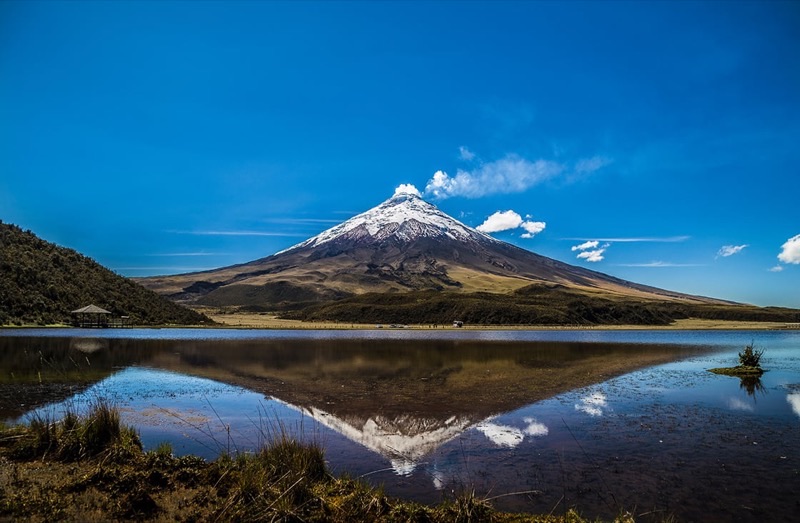
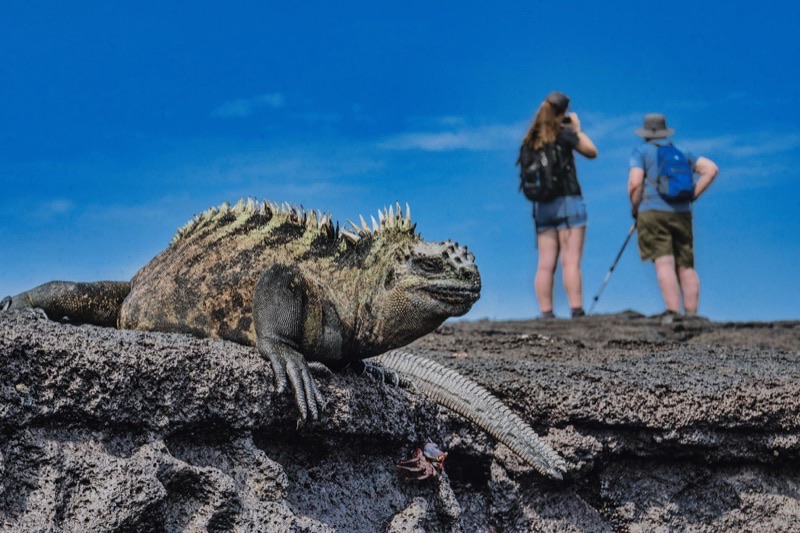
Ecuador packs an incredible array of ecosystems into a relatively small country. Within a few hours drive from Quito, you can be high in the Andes, exploring Cotopaxi National Park, or descending into the Mindo cloud forest. The Amazon basin is accessible from cities like Tena, offering jungle treks and wildlife encounters. The Pacific coast provides surfing opportunities, and of course, the Galapagos Islands showcase unparalleled biodiversity. The diversity and proximity of these environments are hard to match; you can go from snow-capped peaks to tropical beaches in a single day.
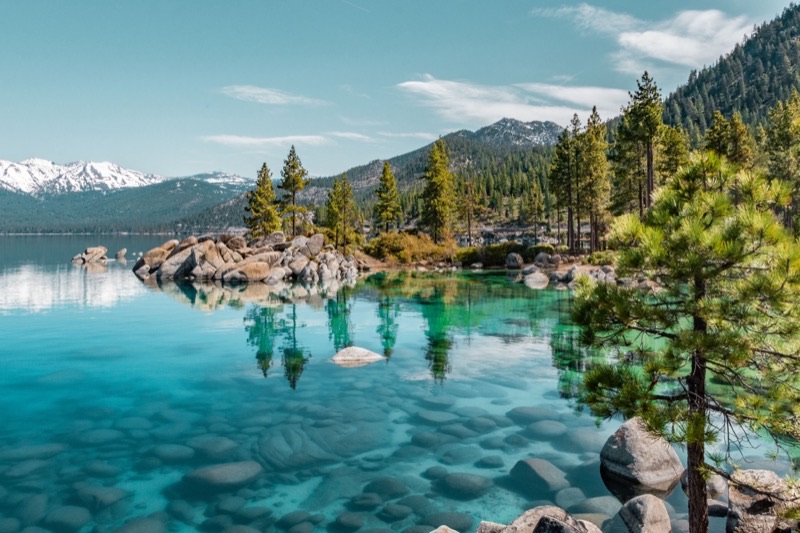
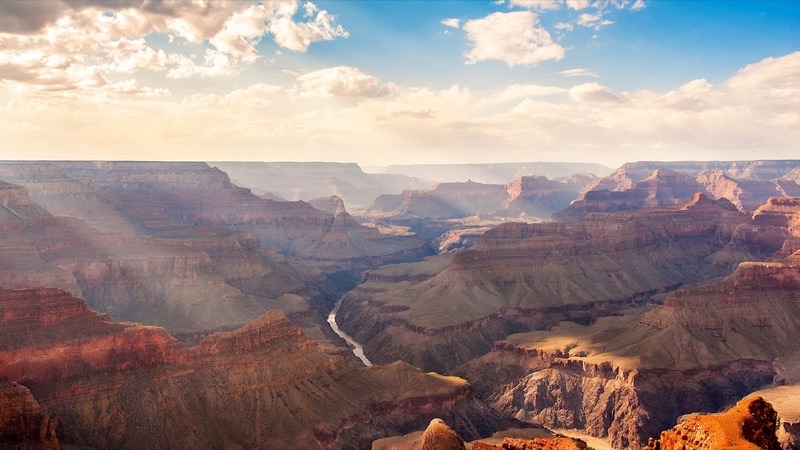
The USA offers immense natural beauty spread across a continent. Iconic locations like Grand Canyon, Zion, and Arches National Parks in the Southwest, or the forests of the Pacific Northwest, are awe-inspiring. Yellowstone's geysers and wildlife are world-renowned. However, accessing these often requires significant travel distances and sometimes a car. While the scale is immense, the sheer density of distinct natural experiences within a smaller, more accessible area gives Ecuador an edge. For travelers seeking a concentrated burst of unique natural environments, Ecuador is the superior choice.
- Winner: Ecuador
- Why: Ecuador offers an unparalleled variety of distinct ecosystems (Andes, Amazon, Coast, Galapagos) in a highly accessible and compact country.
- Who this matters for: Adventurers, wildlife enthusiasts, hikers, and those with limited time who want to experience multiple natural environments.
🍽️ Food Scene
Ecuadorian cuisine is comforting and generally revolves around staples like potatoes, corn, plantains, and various meats. You'll find 'locro de papa' (potato soup), 'fritada'…

Ecuador
Usa
Ecuadorian cuisine is comforting and generally revolves around staples like potatoes, corn, plantains, and various meats. You'll find 'locro de papa' (potato soup), 'fritada' (fried pork), and 'ceviche' (often with shrimp) along the coast. Street food is abundant and cheap, with 'empanadas' and 'llapingachos' (potato patties) common. In cities like Quito, you'll find modern takes on traditional dishes and some international options, but the overall gastronomic range is smaller and less experimental than in the USA.
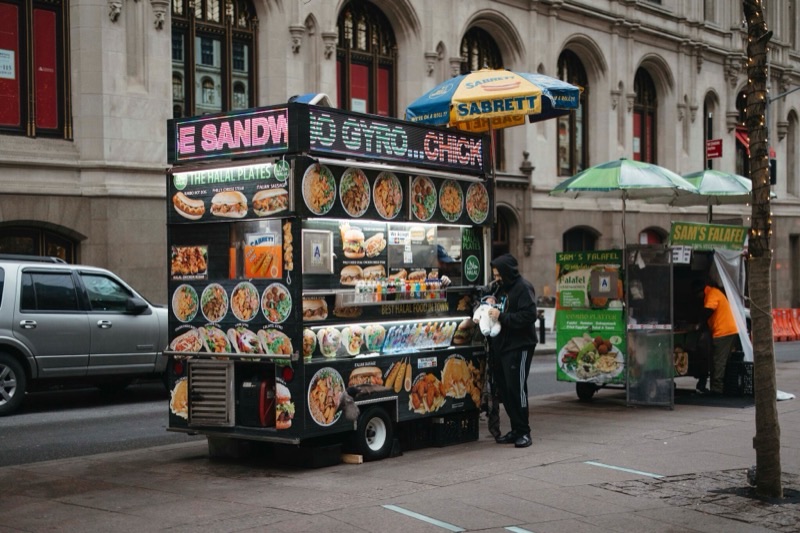
The USA is a global culinary powerhouse, with every major city offering an astounding array of international cuisines alongside regional specialties. From New Orleans' Creole food to Texas BBQ, California's farm-to-table movement, and New York's pizza and diverse ethnic enclaves, the options are endless. High-end dining, experimental cuisine, and dietary-specific options (vegan, gluten-free) are widely available. While Ecuador offers authentic, affordable local flavors, the USA simply wins for sheer variety, quality, and innovation in its food scene. For serious food explorers, the USA is the place to go.
- Winner: Usa
- Why: The USA offers an incredibly diverse and sophisticated food scene, with a vast range of cuisines, high-end dining, and regional specialties not found elsewhere.
- Who this matters for: Foodies, travelers seeking global culinary adventures, and those with specific dietary needs or preferences.
✈️ Getting There
Most international flights to Ecuador land at Mariscal Sucre International Airport (UIO) in Quito or Jose Joaquin de Olmedo International Airport (GYE) in Guayaquil. From major…

Ecuador

Usa
Most international flights to Ecuador land at Mariscal Sucre International Airport (UIO) in Quito or Jose Joaquin de Olmedo International Airport (GYE) in Guayaquil. From major North American cities like Miami, Houston, or Atlanta, direct flights are available, typically taking 5-7 hours. From Europe, flights often involve one stop and take 10-14 hours. Prices can vary, but expect around $400-800 USD round trip from the US East Coast.
The USA boasts an extensive network of international airports (e.g., JFK, LAX, ORD, ATL, DFW), offering direct flights from virtually every corner of the globe. This means more options, greater flexibility, and often more competitive pricing due to higher competition. Flight times from Europe are 7-10 hours, and from Asia, 10-15+ hours. The sheer volume and accessibility of direct flight routes make arriving in the USA significantly more convenient than in Ecuador. For ease of international travel, the USA is the stronger option.
- Winner: Usa
- Why: The USA has significantly more direct international flight options into numerous major hubs, offering greater convenience and flexibility for travelers.
- Who this matters for: Travelers prioritizing direct flights, minimizing travel time, or coming from diverse international origins.
🚌 Getting Around
Ecuador's public transportation system is a budget traveler's dream. Intercity buses are plentiful, comfortable enough, and incredibly cheap; a 4-hour journey from Quito to Baños…
Ecuador

Usa
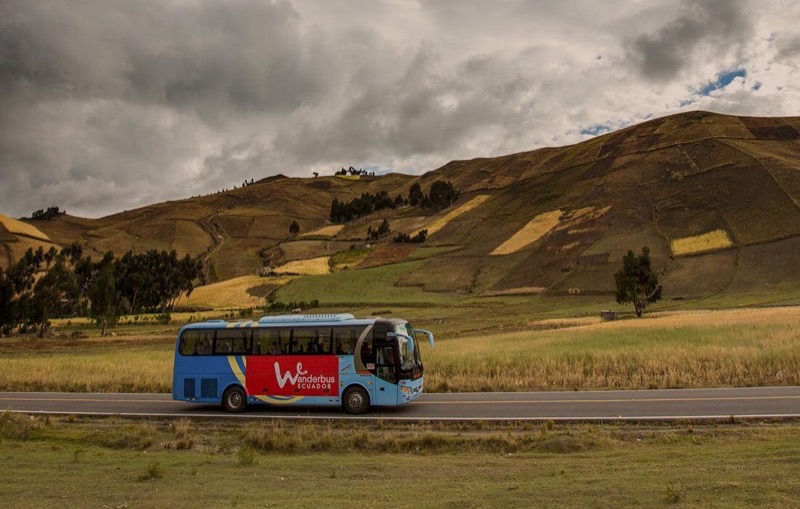
Ecuador's public transportation system is a budget traveler's dream. Intercity buses are plentiful, comfortable enough, and incredibly cheap; a 4-hour journey from Quito to Baños might cost $5-8 USD. Within cities, local buses are $0.35, and taxis/ride-shares are very affordable, with a typical 15-minute ride costing $3-5 USD. Many towns and city centers are walkable, reducing the need for constant transport. Navigating Ecuador without a personal car is entirely feasible and economical.
In contrast, the USA is largely car-dependent. While major cities like New York, San Francisco, and Chicago have decent public transport (e.g., NYC subway ride $2.90), it's often inefficient or nonexistent for intercity travel outside of select corridors. Domestic flights can be expensive, often $150-400+ USD for a cross-country hop. Renting a car is often a necessity for exploring national parks or smaller towns, adding significant costs ($40-80+ USD per day, plus fuel and insurance). For independent travel without a car, Ecuador is the undisputed winner.
- Winner: Ecuador
- Why: Ecuador offers an incredibly efficient, affordable, and extensive public transport network (buses, taxis) that makes travel without a car easy and cheap.
- Who this matters for: Budget travelers, those who prefer not to drive abroad, and backpackers moving between destinations frequently.
🛌 Accommodation
Accommodation in Ecuador is excellent value. A clean, comfortable hostel bed in cities like Quito or Cuenca can be found for $10-20 USD. Private rooms in guesthouses ('hostales')…
Accommodation in Ecuador is excellent value. A clean, comfortable hostel bed in cities like Quito or Cuenca can be found for $10-20 USD. Private rooms in guesthouses ('hostales') typically run $30-50 USD. Mid-range hotels with amenities like private bathrooms and breakfast are often $50-80 USD. Even boutique hotels offer good prices compared to other regions. It's easy to find quality accommodation without excessive spending, particularly outside of the Galapagos.
The USA has an enormous range of accommodation, from budget motels and hostels ($40-80 USD for a basic room/bed) to high-end luxury hotels and resorts ($200-500+ USD). While the variety is expansive, prices are consistently higher for comparable comfort levels. A simple, clean hotel room often starts at $80-120 USD, even in smaller towns. Finding good value for money requires careful booking, often months in advance, especially near national parks or during peak season. For travelers seeking comfortable, affordable stays without extensive planning, Ecuador is the preferred destination.
- Winner: Ecuador
- Why: Ecuador provides significantly better value for accommodation across all budget levels, offering comfortable stays at much lower prices.
- Who this matters for: Travelers prioritizing budget and wanting more comfort for their money, long-term travelers.
🏛️ Culture & History
Ecuador offers a profound immersion into Indigenous and colonial history. Quito's historic center, a UNESCO World Heritage site, is filled with well-preserved churches (e.g., La…
Ecuador offers a profound immersion into Indigenous and colonial history. Quito's historic center, a UNESCO World Heritage site, is filled with well-preserved churches (e.g., La Compañía de Jesús with its gold leaf interior) and plazas, reflecting centuries of Spanish influence. Beyond the colonial, sites like Ingapirca showcase Inca ruins, and many Indigenous communities maintain traditional ways of life, visible in markets like Otavalo. The blend of Indigenous traditions with Spanish colonial architecture and customs creates a distinct cultural fabric that is deeply felt and easily accessible.
The USA's history is multifaceted, from early colonial settlements (e.g., Boston's Freedom Trail), sites of the American Revolution, and battlefields of the Civil Rights movement (e.g., Selma, Montgomery). Modern American culture, from jazz in New Orleans to Hollywood films, also holds significant global influence. However, the cultural experience often feels more spread out and segmented, requiring travel between distinct regions to grasp its full breadth. For a concentrated, immersive experience with a strong sense of ancient and colonial past, Ecuador provides a more cohesive and readily encountered cultural narrative. Ecuador wins for a more direct, deeply rooted historical and cultural immersion.
- Winner: Ecuador
- Why: Ecuador offers a more concentrated and accessible immersion into well-preserved Indigenous and colonial history and traditions.
- Who this matters for: History buffs, cultural explorers, and those interested in pre-Columbian and colonial heritage.
🚨 Safety
Ecuador requires a good level of street smarts. Petty theft, especially pickpocketing and bag snatching, is common in crowded areas like bus terminals and markets in Quito and…
Ecuador requires a good level of street smarts. Petty theft, especially pickpocketing and bag snatching, is common in crowded areas like bus terminals and markets in Quito and Guayaquil. Avoiding walking alone at night in certain city areas, using licensed taxis, and not displaying valuables are standard precautions. While violent crime against tourists is less common, it does occur. Current events can sometimes impact regional stability, so checking local advisories is wise before travel. Tourists generally have safe experiences by being aware of their surroundings and making sensible choices.
Safety in the USA varies dramatically by location. Major cities have areas with higher crime rates, but tourist zones are generally well-patrolled. The pervasive issue of gun violence is a concern, though it rarely affects tourists directly. Petty crime exists, as in any country, but personal safety is generally high in most tourist destinations and rural areas. Infrastructure like emergency services is robust and easily accessible. While Ecuador can be navigated safely with awareness, the USA generally offers a higher baseline of personal safety and less need for constant vigilance. The USA wins for perceived and actual general personal safety for tourists.
- Winner: Usa
- Why: The USA generally offers a higher level of personal safety for tourists in most destinations, with less need for constant vigilance against petty crime.
- Who this matters for: Solo female travelers, first-time international travelers, and those who prioritize a low-stress, secure environment.
💃 Nightlife
Ecuador's nightlife is concentrated in major cities like Quito and Guayaquil, and tourist hubs like Baños. In Quito, the La Mariscal district offers a mix of bars, discotecas, and…
Ecuador's nightlife is concentrated in major cities like Quito and Guayaquil, and tourist hubs like Baños. In Quito, the La Mariscal district offers a mix of bars, discotecas, and salsa clubs where locals and tourists mix. Beers might cost $2-4 USD, and cocktails $5-8 USD. Baños has a more backpacker-focused scene with smaller bars. While there's certainly an opportunity to dance and enjoy local music, the scale and variety are smaller than in a larger, wealthier country.
The USA has some of the world's most iconic nightlife scenes. Cities like New York, Miami, Las Vegas, and New Orleans offer everything from world-famous dance clubs and rooftop bars to intimate jazz clubs and dive bars. Live music venues are abundant, and entertainment districts pulse with energy. Drinks can be pricey ($8-15 USD for a beer or cocktail in a city), but the sheer volume of options, the quality of performances, and the overall scale of entertainment are unmatched. For those seeking diverse, high-energy, and globally recognized nightlife, the USA is the clear winner.
- Winner: Usa
- Why: The USA boasts a far greater variety, scale, and sophistication of nightlife, from iconic clubs to diverse live music venues, across its major cities.
- Who this matters for: Party-goers, music enthusiasts, and anyone looking for a wide range of evening entertainment options.
💻 Digital Nomads & Long Stays
Ecuador is a strong contender for digital nomads due to its exceptionally low cost of living. Renting an apartment in Quito or Cuenca can be as low as $300-600 USD per month.…
Ecuador is a strong contender for digital nomads due to its exceptionally low cost of living. Renting an apartment in Quito or Cuenca can be as low as $300-600 USD per month. High-speed internet is readily available in urban centers, often costing $20-40 USD per month. Food, transport, and leisure activities are all budget-friendly. Ecuador allows many nationalities to stay for 90 days without a visa, and extending or applying for longer-term visas (like a 'rentista' visa for passive income) is relatively straightforward compared to many countries. The pleasant climate in the Andes (e.g., Cuenca) is also a draw.
The USA, while offering excellent infrastructure, reliable internet (often $50-80 USD per month), and a high standard of living, is prohibitively expensive for most digital nomads without a high income. Monthly rent in major cities can easily exceed $2000-3000 USD, and even smaller towns are pricey. Visa requirements for long-term stays or working remotely without a US-based employer are complex and generally not favorable for casual digital nomadism. While the quality of life can be high, the financial barrier and visa hurdles make it less accessible for extended remote work. Ecuador is the clear winner for ease, cost, and welcoming policies for digital nomads and long-term stays.
- Winner: Ecuador
- Why: Ecuador offers a dramatically lower cost of living, good internet, and more straightforward visa options for extended stays, making it ideal for digital nomads.
- Who this matters for: Digital nomads, remote workers, and anyone planning an extended stay on a budget.
🎯 The Decision Framework
Choose Ecuador If…
- You want to spend less than $70 per day for a comfortable trip.
- You desire access to rainforest, mountains, and beaches within a single country.
- You are excited by the prospect of exploring the Galapagos Islands.
- You prefer to rely on inexpensive public transportation over renting a car.
- You seek an authentic immersion into Indigenous and colonial South American culture.
- You want your money to last longer for extended travels.
- You appreciate hearty, budget-friendly local cuisine and fresh tropical fruits.
- You are comfortable with a good level of street awareness and basic Spanish.
Choose Usa If…
- You are comfortable with a daily budget exceeding $100-150.
- You want to explore vast, well-maintained national parks like Yellowstone or Zion.
- You prioritize convenience and direct international flights.
- You want access to a world-class, diverse culinary scene and fine dining.
- You prefer the familiarity of established travel infrastructure and high safety standards.
- You enjoy the freedom of road-tripping and renting a car.
- You seek extensive nightlife and entertainment options in major cities.
- You want to experience varied regional cultures and modern popular culture.
📅 Sample Itineraries
Weekend in Ecuador (3 Days)
💡 Use local buses or shared taxis (camionetas) for inter-city travel to save money; a 3-hour journey might cost only $5-7.
Weekend in Usa (3 Days)
💡 Purchase a MetroCard for the NYC subway to save on individual fare costs; a 7-day unlimited pass costs $34.
One Week in Ecuador (7 Days)
💡 Book tours directly from local operators in Baños for better prices on activities like rafting or canyoning, often saving $10-20 compared to booking through a hotel.
One Week in Usa (7 Days)
💡 Many museums in Washington D.C. are free, offering significant savings on cultural activities compared to other major US cities.
❓ Frequently Asked Questions
What are the typical flight times and costs from North America to each destination?
Flights from major North American cities to Ecuador (Quito or Guayaquil) typically take 5-7 hours with one stop, costing around $400-800 USD round trip. To the USA, direct flights are common, taking 2-6 hours depending on distance, with costs varying widely from $200-600 USD for domestic or short international routes.
Which country is better for budget backpackers?
Ecuador is significantly better for budget backpackers. Hostel beds range from $10-20 USD, meals can be found for $3-5 USD, and bus transport is incredibly cheap. A daily budget of $40-60 USD is very achievable for independent travelers.
How do language barriers compare?
In Ecuador, Spanish is essential outside of major tourist hubs; English is less common. In the USA, English is spoken nationwide, though Spanish is widely used in certain regions and major cities, generally posing fewer communication challenges for English speakers.
What are the visa requirements for tourists?
Most nationalities, including US and Canadian citizens, can enter Ecuador for up to 90 days without a visa. For the USA, citizens from many countries require a visa, while others (like Europeans, Australians) can enter for up to 90 days under the Visa Waiver Program (ESTA), requiring pre-approval.
Which country offers better outdoor adventure activities?
Ecuador offers a concentrated hub of adventure: volcano climbing (Cotopaxi), Amazon jungle treks, white-water rafting (Baños), and unique Galapagos wildlife encounters. The USA has vast national parks for hiking, climbing, and skiing, but the diversity of highly accessible, distinct adventure types in Ecuador is a strong point.
What's the best time to visit each country?
Ecuador, being on the equator, has varied microclimates. The Andes are generally dry from June-September. The coast is hot and humid, with a rainy season from December-May. The Galapagos are good year-round. The USA's best time depends on the region: generally spring and fall for temperate areas, winter for skiing, and summer for national parks (though it can be crowded).
Is it easy to find vegetarian/vegan food in each destination?
Finding vegetarian options in Ecuador requires more effort, often limited to rice, beans, and plantains, though major cities are improving. Vegan can be challenging. In the USA, vegetarian and vegan options are widely available and increasingly common in most restaurants, especially in urban areas, making it much easier for those with dietary preferences.
What are the major differences in local currency and payment methods?
Ecuador uses the US Dollar (USD) as its official currency, simplifying transactions for US travelers and making conversions easy. Cash is widely used, especially outside cities. The USA also uses USD, but card payments are ubiquitous, and contactless payments are common. ATMs are easily found in both countries, though fewer in rural Ecuador.
Ready to plan your next trip?
Get a free custom itinerary for Ecuador, Usa, or both — built from real traveler insights.
👥 Travelers Also Compared
🎟️ Book Tours & Experiences
Hand-picked tours and activities for both destinations — book with free cancellation
Experiences via Viator — free cancellation on most tours