How we built this comparison
This page combines traveler discussion patterns, published price ranges, transit details, and seasonal data to make the Edinburgh vs Dublin decision easier to resolve.
- Reviewed r/travel, r/VisitingIreland, and r/Scotland posts about Edinburgh vs Dublin decisions, synthesizing hundreds of first-hand traveler opinions
- Cost data from Numbeo and recent Reddit trip reports (2025–2026)
- Weather data from Open-Meteo climate normals
- Attraction entry prices verified against official sites (March 2026)
- Transit prices and times verified against Lothian Buses and Dublin Bus/Luas official fares
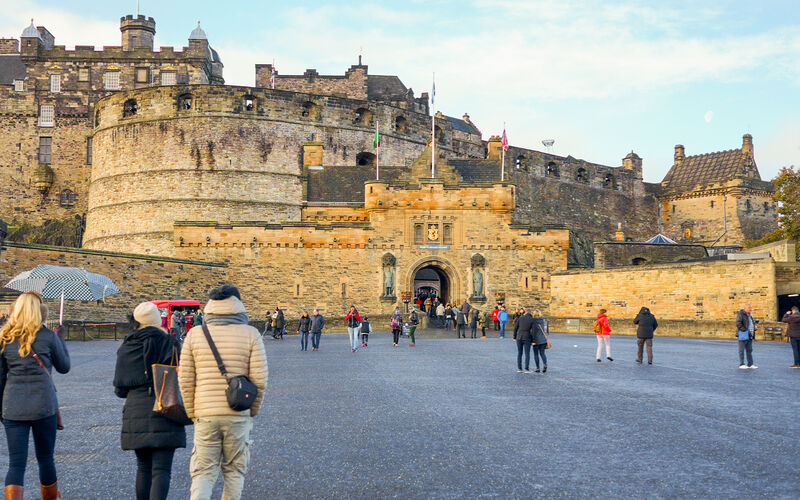
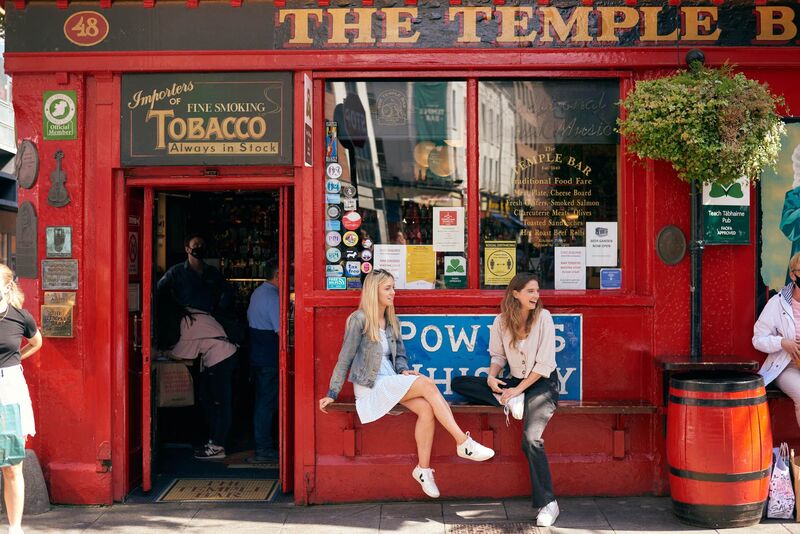
⚡ The TL;DR Verdict
Edinburgh for dramatic medieval history, whisky, and visual wow factor. Dublin for pub culture, live trad music, and the best social atmosphere in the British Isles. Mid-range budget: Edinburgh £60–100/day vs Dublin €65–100/day (~£55–85).
- Choose Edinburgh: History buffs, hikers, whisky enthusiasts, photographers, anyone who wants to walk a medieval city with a volcano in it.
- Choose Dublin: Literary travelers, pub crawlers, live music lovers, anyone who wants warmth and social energy over scenic grandeur.
- Budget snapshot: Edinburgh: £60–100/day mid-range; Dublin: €65–100/day mid-range.
Choose Edinburgh
History lovers, hikers, whisky enthusiasts, and photographers who want dramatic medieval scenery and some of the most cinematic cityscapes in Europe.
Choose Dublin
Pub lovers, solo travelers, literary pilgrims, and anyone who wants to be swept up in the Irish craic — live trad sessions, warm locals, and Guinness done right.
Quick Comparison
| Category | 🏰 Edinburgh | 🍺 Dublin | Winner |
|---|---|---|---|
| Daily Budget (mid-range) | £60–100/day | €65–100/day (~£55–85) | Tie |
| Visual Beauty | Castle, volcanic rock, Arthur's Seat, Georgian New Town | Georgian squares, colorful pubs, River Liffey | Edinburgh |
| Historic Sightseeing | Castle, Royal Mile, Holyrood, Greyfriars | Trinity College, Kilmainham Gaol, Dublin Castle | Edinburgh |
| Pub Culture & Nightlife | Excellent whisky bars, traditional pubs | Temple Bar, live trad music, Guinness pints | Dublin |
| Food Scene | Modern Scottish cuisine, seafood, haggis | Modern Irish cuisine, seafood, soda bread | Tie |
| Walkability | Compact Old Town, hilly terrain | Flat, very walkable city center | Dublin |
| Day Trips | Loch Lomond, Stirling, St Andrews, Highlands | Wicklow Mountains, Kilkenny, Howth, Cliffs of Moher | Edinburgh |
| Weather (peak season) | 14–18°C May–Sep, often grey but dramatic | 15–20°C May–Sep, similarly unpredictable | Tie |
| Literary & Cultural Heritage | UNESCO City of Literature, Robert Burns, Trainspotting | Joyce, Wilde, Beckett, Yeats — literary royalty | Dublin |
| Getting There | Edinburgh Airport (EDI) — good European connections | Dublin Airport (DUB) — larger hub, more routes | Dublin |
| Solo Travel Vibe | Easy to meet people, great hostel scene | Incredibly social, locals talk to strangers in pubs | Dublin |
🍽️ Food & Dining
Edinburgh's food scene has transformed dramatically over the past decade. The city now punches well above its weight with a concentration of excellent restaurants on and around the Royal Mile, in Leith (the port district), and throughout the New Town. Scottish seafood is the star: Loch Fyne oysters, hand-dived scallops, and wild salmon appear on menus from casual bistros to Michelin-starred spots. Budget eating options include Greggs (yes, really — it's a cultural institution), fish and chips from The Tailend (~£9–13), and the beloved Old Town pubs that serve decent bar food from £8–14. Traditional Scottish dishes worth trying: haggis, neeps and tatties (~£10–14), cullen skink (smoked haddock soup, ~£7–10), and cranachan (raspberry and whisky cream dessert, ~£6).
Dublin's food has also levelled up substantially. The city's restaurants range from Irish-influenced modern European to excellent Southeast Asian and Middle Eastern. The Dublin Food Trail through the city center is walkable and free to explore. Key foodie spots: the English Market equivalent — the Dublin Food Market on Meeting House Square for artisan stalls. A proper Dublin coddle (sausage and bacon stew, ~£10–14 in a traditional pub), soda bread with smoked salmon, and of course the Full Irish breakfast (~€9–14) are essential. Craft beer is big: Porterhouse Brewing, Trouble Brewing, and Kinnegar are excellent local options.
Price comparison
Budget meals (pub lunches, fish and chips, bakery): £7–12 in Edinburgh, €7–13 in Dublin. Mid-range sit-down dinner: £20–35pp in Edinburgh, €22–40pp in Dublin. The Dublin city center markup is real — restaurants within 500m of Temple Bar run 20–30% more than comparable spots a 10-minute walk away. In Edinburgh, the Royal Mile carries a tourist premium; Leith and Bruntsfield offer better value.
Winner takeaway
- Winner: Tie
- Why: Edinburgh edges it for seafood and Scottish specialties worth seeking out. Dublin wins for social eating — pubs with live trad music where you stay for 3 hours over a pint and a pie are genuinely special. Both cities reward eating slightly off the main tourist streets.
- Who this matters for: Matters most if food and restaurant experience are a central part of how you travel.
🏰 Historic Sightseeing
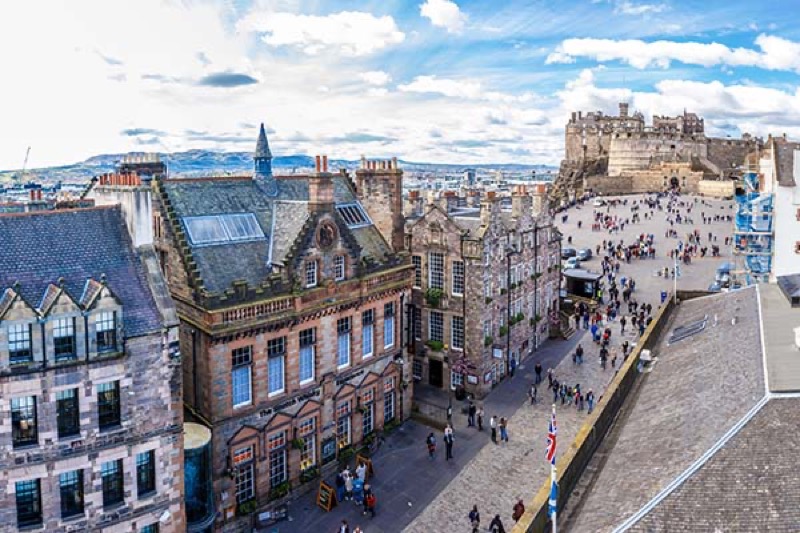
Edinburgh is one of the most visually arresting cities in Europe. The Old Town is built on and around a volcanic plug — Castle Rock — with Edinburgh Castle perched 130 metres above the city. The Royal Mile runs from the castle down to Holyrood Palace, passing closes (narrow alleyways), medieval tenements, St Giles' Cathedral, and the Scottish Parliament building. Entry to Edinburgh Castle costs £19.50 for adults and is worth every penny — the Crown Jewels, the Stone of Destiny, and the One O'Clock Gun. Holyrood Palace (£17.50) was Mary Queen of Scots' home. Greyfriars Kirkyard (free) has some of the best Gothic atmosphere in Britain and the famous Greyfriars Bobby story. For free sightseeing, the Royal Museum of Scotland is world-class and completely free.
Dublin's historic core is dense but different in character — it's a city of Georgian architecture, literary pubs, and revolutionary history rather than medieval drama. Trinity College Dublin and the Book of Kells (€16 adults) is a genuine bucket-list experience — the Long Room library alone is worth the entry. Kilmainham Gaol (€8) is one of Europe's most important historical sites, where leaders of the 1916 Easter Rising were executed. Dublin Castle (free exterior, €8 guided state apartments) is 1000 years of Irish history. Christ Church and St Patrick's Cathedral (€7–8 each) add medieval weight to the city. The National Museum of Ireland — Archaeology branch (free) houses the Ardagh Chalice and treasures from pre-Viking Ireland.
Winner takeaway
- Winner: Edinburgh
- Why: Edinburgh wins on visual historic drama — medieval castle, volcanic geography, and an intact Old Town that looks like a movie set. Dublin's historic sightseeing is excellent but more spread out and less visually immediate. For pure "I'm in a historic city and I can see it" impact, Edinburgh is hard to beat.
- Who this matters for: Matters most for history lovers, architecture enthusiasts, and first-time visitors to the British Isles.
🍺 Pub Culture & Nightlife
This is Dublin's crown jewel. The Irish pub is a cultural institution unlike anything in Scotland — or arguably anywhere in the world. Temple Bar is the obvious tourist zone, but the real Dublin pub experience is in the "village pubs" a few streets back: Mulligan's (oldest pub in Dublin, 1782), The Stag's Head, The Long Hall, O'Donoghue's (where The Dubliners launched), and Kehoe's on South Anne Street. Live trad sessions (traditional Irish music) happen most nights across dozens of pubs — completely free, starting around 9–10pm, and the energy is electric. Dublin also has a legitimate craft beer scene, solid cocktail bars in the Liberties neighborhood, and a late-night culture that keeps going until 2:30am on weekends.
Edinburgh is no slouch on pubs — Scottish pub culture is warm, welcoming, and fuelled by some of the world's best whisky. The Edinburgh pub scene concentrates around the Grassmarket, Cowgate, and the New Town. The Oxford Bar (made famous by Ian Rankin's Rebus novels), Deacon Brodie's, The Bow Bar (exceptional whisky selection), and Whiski Bar are all worth visiting. Edinburgh has more concentrated whisky expertise than anywhere outside Speyside — multiple distilleries offer tours (Scotch Whisky Experience on the Royal Mile, Holyrood Distillery). Nightlife is solid rather than exceptional — Cowgate has the club scene, but it's not a European club destination.
Winner takeaway
- Winner: Dublin
- Why: Dublin wins decisively for pub culture. Live trad music sessions, the communal pub atmosphere, and the Irish warmth toward strangers make Dublin pubs a genuinely special experience. Edinburgh has excellent whisky bars but the social energy in pubs simply doesn't match Dublin's. If pub culture is your priority, Dublin is your city.
- Who this matters for: Matters most for solo travelers, social travelers, and anyone who wants live music as part of their nightly routine.
💰 Cost Comparison
Edinburgh and Dublin are broadly similar in cost — both mid-tier for Western Europe, cheaper than London or Paris, pricier than Eastern Europe. Here's the 2026 reality:
| Expense | 🏰 Edinburgh (£) | 🍺 Dublin (€ / ~£) |
|---|---|---|
| Hostel dorm | £22–35/night | €24–38/night |
| Budget hotel | £70–100/night | £80–120/night |
| Mid-range hotel | £100–180/night | £110–190/night |
| Budget meal | £7–12 (pub lunch, bakery) | €8–13 (café, pub carvery) |
| Sit-down dinner | £20–35/person | €22–40/person |
| Pint of beer | £4.50–6.50 | €5.50–7.50 (Guinness ~€5.50) |
| Transit (single bus) | £2.00 (flat fare) | €2.00–2.60 (Leap Card discount) |
| Major attraction entry | £17.50–19.50 (Castle/Holyrood) | €8–16 (Trinity/Kilmainham) |
| Daily total (mid-range) | £60–100/day | €65–100/day (~£55–85) |
Where Edinburgh is more expensive: August (Edinburgh Festival) sees accommodation prices triple to quadruple. Edinburgh Castle entry at £19.50 is steep. Whisky tastings add up fast (£15–30/session). Quality restaurants in the New Town can push £40–60pp with wine.
Where Dublin is more expensive: City center hotels average 15–20% higher than Edinburgh equivalents. Pints at Temple Bar tourist pubs run €6.50–8 — walk two streets back and it's €5.50. Taxi costs are high across the city. Guinness Storehouse entry is €25–30 (book online for discounts).
Winner takeaway
- Winner: Tie (Edinburgh edges it outside August)
- Why: Outside Edinburgh Festival season (Aug), Edinburgh is marginally cheaper — especially for accommodation. Dublin's higher central hotel prices and pub premium in tourist areas push its average up. During August, Edinburgh becomes one of the most expensive cities in Europe. Plan around that.
- Who this matters for: Matters most for budget-conscious travelers, those visiting in August, and anyone planning a multi-week British Isles trip where costs compound.
🚶 Getting Around
Both cities are walkable, but in different ways. Edinburgh's Old Town is extremely compact — Edinburgh Castle to Holyrood Palace is just 1.6km down the Royal Mile. You can walk the main historic sites in a day without using transit. The catch: Edinburgh is hilly. Arthur's Seat (251m peak) is a proper 45-minute hike from the city center. The Old Town is built on a steep ridge. If you have mobility concerns or just don't want to walk uphills with a day pack, Lothian Buses cover the city well (flat £2 fare, day ticket £4). There's no tube/metro — Edinburgh rejected a subway in a 1990s referendum that still generates arguments.
Dublin is flat and very easy to navigate. The city center — from Trinity College to St Patrick's Cathedral to the Guinness Storehouse — is about 2km across and almost entirely level. The Luas tram system (two lines) and Dublin Bus cover the suburbs. The Leap Card (€10 deposit) saves 20–30% on fares. The only navigation challenge is the one-way street system, which makes cycling slightly chaotic. For most tourists, walking and the occasional Luas tram covers everything. Dublin Bikes (city bike share) are widely available for €3.50/3-day pass and hugely popular.
Winner takeaway
- Winner: Dublin (for ease)
- Why: Dublin wins on flat terrain and ease of navigation. Edinburgh is walkable but hilly — the climbs are part of the charm, but can be tiring after a full day of sightseeing. For travelers with mobility concerns, Dublin is much more accessible. For everyone else, both are genuinely walkable; Edinburgh's hills add character.
- Who this matters for: Matters most for travelers with mobility limitations, families with strollers, and those who want to cover a lot of ground without fatigue.
🌦️ Best Time to Visit
Both cities share the Atlantic climate reality: weather is unpredictable year-round. Pack layers, always carry a waterproof, and don't plan your trip around sunshine. That said, there are clear seasonal patterns:
Data: Open-Meteo climate normals. Temperatures are daily highs/lows in Celsius. Rainfall is monthly totals.
Season guide
May–June: Best overall for both cities. Temperatures are pleasant (15–18°C), days are long (up to 17 hours in Edinburgh at midsummer), and crowds are building but manageable. Book accommodation 6–8 weeks ahead for this period.
August — Edinburgh only: The Edinburgh Festival Fringe (world's largest arts festival) transforms the city. If that's your thing, it's life-changing. If not, avoid — accommodation prices triple, the Old Town is packed, and queues are everywhere. Dublin in August is simply peak summer, pleasant and busy but no special events.
September–October: Arguably the sweet spot for both. Summer crowds thin, prices drop, and the autumn light on Edinburgh's stone buildings and Dublin's Georgian squares is beautiful. Whisky festival season in Scotland adds extra reason to visit Edinburgh in late October.
November–February: Cold, grey, and affordable. Edinburgh is atmospheric in winter — the Christmas markets are excellent, Hogmanay (New Year) is legendary, and the city is far less crowded. Dublin in winter is cosy pub season at its best — no better place to be inside with a pint when it's raining outside.
Winner takeaway
- Winner: Tie (May–June and Sept–Oct for both)
- Why: May–June and September–October are the sweet spots for both cities. August in Edinburgh is brilliant if you want the Festival, avoid if you don't. Dublin's weather is slightly milder year-round. Edinburgh gets significantly more daylight in summer — a real bonus for sightseeing. Both are great in winter for pub culture over city-wide tourism.
- Who this matters for: Matters most for anyone traveling on a budget (avoid Edinburgh in August), planning around specific events, or optimising for daylight hours and outdoor sightseeing.
🏨 Where to Stay
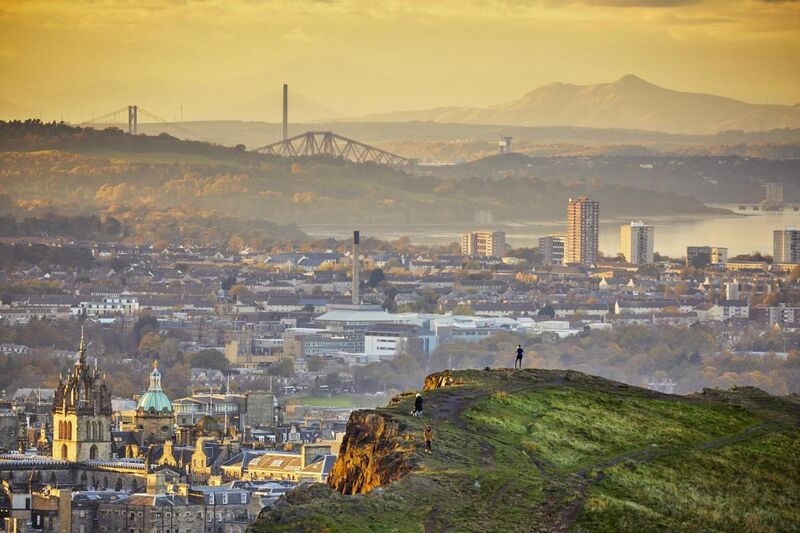
Edinburgh neighborhoods
Old Town — The Royal Mile, Grassmarket, Cowgate. Maximum atmosphere and convenience. Expensive, noisy on weekends (Cowgate club scene), and full of tourists — but you can walk to everything. Ideal for a first visit.
New Town — Georgian grid north of Princes Street. More upmarket hotels, quieter streets, excellent restaurants and boutiques. 10-minute walk to the castle. Best for mid-range/luxury stays.
Leith — Edinburgh's port district, 2km north of the Old Town. The city's most exciting food neighborhood, with great independent restaurants, coffee shops, and a grittier local vibe. Best value accommodation and the Royal Yacht Britannia is here. Lothian Bus routes make it easy to reach the center.
Bruntsfield/Marchmont — Residential area south of the Meadows. Very popular with students, excellent independent cafés and pubs, significantly cheaper than Old Town. 20-minute walk from the castle.
Dublin neighborhoods
City Centre (D2/D1) — Temple Bar, Grafton Street, around Trinity College. Maximum convenience for sightseeing. Hotels here are the most expensive in Ireland — expect €130–200+/night for mid-range. Worth it if budget allows, because you walk everywhere.
Portobello/Ranelagh (D6) — Dublin's most desirable local neighborhood. Georgian houses, excellent cafés and restaurants, young professional crowd. 20-minute walk or a short Luas tram ride to center. Much better value than the city center.
Smithfield/Liberties (D7/D8) — Up-and-coming areas west of the center, near Guinness Storehouse and Kilmainham Gaol. More affordable, good craft beer bars, increasingly gentrified. Great for budget travelers who want a local feel.
Winner takeaway
- Winner: Depends
- Why: Edinburgh's Old Town is more atmospheric for a first stay. Dublin's city center is more expensive but supremely convenient. Both cities have great budget neighborhoods a short distance from the sights. In Edinburgh, Leith is the best-value-for-experience option. In Dublin, Portobello beats Temple Bar for locals, value, and quality of life.
- Who this matters for: Matters most for anyone trying to balance budget and convenience, or those wanting a more local experience beyond the tourist core.
🎒 Day Trips
Edinburgh's day trip roster is genuinely exceptional — it's the gateway to some of Scotland's most dramatic landscapes. You don't need a car for the best of them:
Loch Lomond & The Trossachs (1h by train to Balloch + bus) — Scotland's first and most accessible national park. Boat tours, hiking, and proper Highland scenery. A full-day classic.
Stirling (45min by train, £10–18 return) — Stirling Castle rivals Edinburgh Castle for history and beats it for crowds. Where Robert the Bruce defeated the English at Bannockburn. Compact, beautiful, underrated.
St Andrews (1h by bus, £10–14 return) — Home of golf, the oldest university in Scotland, and the evocative ruins of St Andrews Cathedral. Great for a half-day.
The Scottish Highlands — Full-day bus tours depart Edinburgh daily to Loch Ness, Glencoe, and Eilean Donan Castle (~£40–60/person). The scenery is dramatic and the distances make a private tour or rental car worthwhile for more than one day.
Rosslyn Chapel (30min by bus, free entry) — The Da Vinci Code chapel, 600-year-old stone carvings, genuinely stunning. Worth combining with Dalkeith Country Park.
Dublin's day trips lean toward Irish scenery and historic towns:
Wicklow Mountains (1h by bus or DART + walk) — Glendalough monastic ruins, valleys, and lakes. One of Ireland's most beautiful landscapes and easily accessible without a car.
Howth (30min by DART, €4 return) — Fishing village on a headland, excellent seafood, cliff walk, and views back to Dublin Bay. Perfect half-day.
Kilkenny (1.5h by bus, €20–28 return) — Medieval city with an excellent castle, craft culture, and some of Ireland's best traditional pubs. Underrated day trip.
Cliffs of Moher (3h by bus, requires organized tour ~€35–45) — Ireland's most famous natural landmark. Bus tours run daily from Dublin. Long day but iconic.
Belfast (2h by bus, €15–25 return) — Another country, different culture, Titanic Quarter, and political murals. Fascinating full day from Dublin.
Winner takeaway
- Winner: Edinburgh
- Why: Edinburgh's day trip roster edges it — the Scottish Highlands are among the most dramatic landscapes in Europe, and Stirling Castle is world-class. Dublin's day trips (Wicklow, Howth, Kilkenny) are excellent but somewhat less varied. Both cities are great bases for regional exploration; Edinburgh has the edge for sheer visual drama in surrounding landscapes.
- Who this matters for: Matters most for hikers, nature lovers, photography enthusiasts, and anyone who wants to see rural UK/Ireland beyond the capital city.
🔀 Why Not Both?
Edinburgh and Dublin are natural companions on a British Isles trip — they're completely different cities that complement each other beautifully. The journey between them is simple: Ryanair and Aer Lingus both fly direct in 1.5 hours, with return flights from £30–80 if booked in advance. Alternatively, the Stena Line Cairnryan-Belfast ferry (2h crossing) combined with a 2h Translink bus to Dublin makes for a scenic overland option.
The cities play to different strengths. Edinburgh gives you medieval drama, whisky, and spectacular landscape; Dublin gives you warm social culture, literary heritage, and the world's best pub nights. Travelers who've done both consistently say they got entirely different things from each city — zero overlap, total complementarity.
Suggested split itineraries
7 days: 3 nights Edinburgh (Castle, Royal Mile, Holyrood, Arthur's Seat) → Fly → 4 nights Dublin (Trinity, Kilmainham, Temple Bar, day trip Howth or Wicklow)
10 days: 4 nights Edinburgh (day trip Stirling or Loch Lomond) → Fly → 4 nights Dublin → 2 nights Belfast (with Titanic Quarter + Giant's Causeway)
14 days: 5 nights Edinburgh → 2 nights St Andrews/Loch Lomond → Fly from Glasgow → 4 nights Dublin → 3 nights Galway/West of Ireland
See also: Scotland vs Ireland: Which Country to Visit? for a broader country-level comparison.
Winner takeaway
- Winner: Depends
- Why: If you have 7+ days in the British Isles, do both. A 1.5h Ryanair flight and you've accessed two completely different cultures and cities. If you must pick one: first-timer who wants scenery and history → Edinburgh. First-timer who wants social culture and pubs → Dublin.
- Who this matters for: Matters most for anyone with a week or more who is deciding how to structure a British Isles trip.
🎯 The Decision Framework
Choose Edinburgh If…
- Dramatic medieval history and architecture matter most to you
- You want to hike Arthur's Seat and see the castle on a volcanic rock
- Whisky is a priority — Scotland is the source
- You're a photographer who wants cinematic urban landscapes
- Day trips to Scottish Highlands, Loch Lomond, or Stirling are on your list
- You love literary culture (UNESCO City of Literature)
- You're visiting in August and want the Fringe Festival
- You prefer a more compact, hilly city you can walk in a day
- You want "visual wow factor" and a city that looks like no other in Europe
Choose Dublin If…
- Pub culture and live trad music sessions are non-negotiable
- You want the friendliest, most social city in the British Isles
- Literary pilgrimage matters: Joyce, Wilde, Beckett, Yeats
- You're a solo traveler who wants to meet people easily
- Guinness Storehouse, Kilmainham Gaol, and the Book of Kells are on your list
- A flat, easy-to-navigate city suits you better than a hilly one
- You're visiting around St Patrick's Day (March 17)
- You want better access to the west of Ireland as a base
- You prefer a warmer social atmosphere over dramatic scenery
❓ Frequently Asked Questions
Is Edinburgh or Dublin better for a first-time visitor?
Edinburgh wins on visual drama and historic sightseeing — the castle, Old Town, and Arthur's Seat are genuinely stunning. Dublin wins on pub culture, live music, and social atmosphere. Reddit consensus: if you care most about scenery and history, Edinburgh edges it. If you want the craic, pints, and live trad music, Dublin is your city. Most travelers who've done both say Edinburgh surprised them more.
How far apart are Edinburgh and Dublin?
About 350 km as the crow flies. There's no direct train — the best options are a ~1.5-hour direct flight (Ryanair, Aer Lingus from ~£30–70), or the Stena Line ferry from Cairnryan to Belfast (~2h) followed by a 2h bus to Dublin. Most travelers fly. If you're doing both cities on one trip, allow at least a half-day for travel.
Which is cheaper, Edinburgh or Dublin?
Dublin is marginally more expensive for accommodation, Edinburgh more expensive for attraction entry fees. Edinburgh mid-range budget: £60–100/day. Dublin mid-range: €65–100/day (~£55–85 at current rates). The real cost difference is modest. Where Edinburgh costs more: whisky tours, castle entry (£19.50 adults), and Edinburgh Festival accommodation (prices triple in August). Where Dublin costs more: central hotels average 20% more than Edinburgh equivalents.
How many days do you need in Edinburgh?
3 full days covers the main highlights: Edinburgh Castle, the Royal Mile, Arthur's Seat, Holyrood Palace, and the Scottish National Museum. 4–5 days lets you add Leith, the New Town, a whisky distillery tour, and a day trip to Stirling or St Andrews. You won't run out of things to do — Edinburgh rewards slow exploration.
How many days do you need in Dublin?
2–3 days covers the city center: Trinity College and the Book of Kells, Guinness Storehouse, Dublin Castle, St Patrick's Cathedral, and Grafton Street. Add a 4th day for Kilmainham Gaol and a Temple Bar pub crawl at a proper pace. Day trips to the Wicklow Mountains or Howth are easy half-days from the city.
What's the best time to visit Edinburgh?
May–June for long daylight (up to 17 hours), good weather (14–18°C highs), and manageable crowds. July–August is the Edinburgh Festival season — incredible energy but accommodation costs triple and the city is packed. September–October has beautiful autumn light, fewer crowds, and whisky festival season. Avoid Edinburgh in August if you hate crowds or tight budgets. Winter (Nov–Feb) is dramatic and affordable but prepare for grey skies and 7°C.
What's the best time to visit Dublin?
May–September for the best weather (15–20°C highs) and longest days. March 17 (St Patrick's Day) is epic — massive street parties, the whole city in green, but accommodation books months in advance. June–August are peak tourist months; city center is busy but the atmosphere is great. November–February is mild by British Isles standards (6–10°C) — cheaper, quieter, and the pub culture is exactly as warm indoors.
Can you do a day trip from Edinburgh to Dublin or vice versa?
Technically possible with a 1.5h flight, but not worth it — you'd spend 4–5 hours on airports and transit for barely 4 hours in the city. These cities work much better as separate 3–4 night stays on a longer UK/Ireland trip. If you're short on time, pick one and do it properly.
Ready to plan your British Isles trip?
Get a free custom itinerary for Edinburgh, Dublin, or both — built from real traveler insights, not generic templates. We'll match your pace, interests, and budget.
🎟️ Book Tours & Experiences
Hand-picked tours and activities for both destinations — book with free cancellation
Experiences via Viator — free cancellation on most tours