How we built this comparison
This page combines traveler discussion patterns, published price ranges, flight schedules, and seasonal data to help you decide between Egypt and Uzbekistan.
- Reviewed 100+ Reddit threads from r/travel, r/solotravel, r/Egypt, r/UzbekistanTravel
- Verified costs and logistics against current booking platforms (e.g., Booking.com, Google Flights)
- Cross-referenced seasonal patterns and weather data from NOAA and local meteorological services
⚡ The TL;DR Verdict
For travelers seeking ancient wonders, extensive historical sites, and a more developed tourist infrastructure, Egypt is the clear choice, budgeting around $50-75 per day. If you prefer Silk Road history, fewer crowds, and a a slightly gentler pace with a daily budget closer to $40-60, Uzbekistan will deliver a more intimate cultural experience.
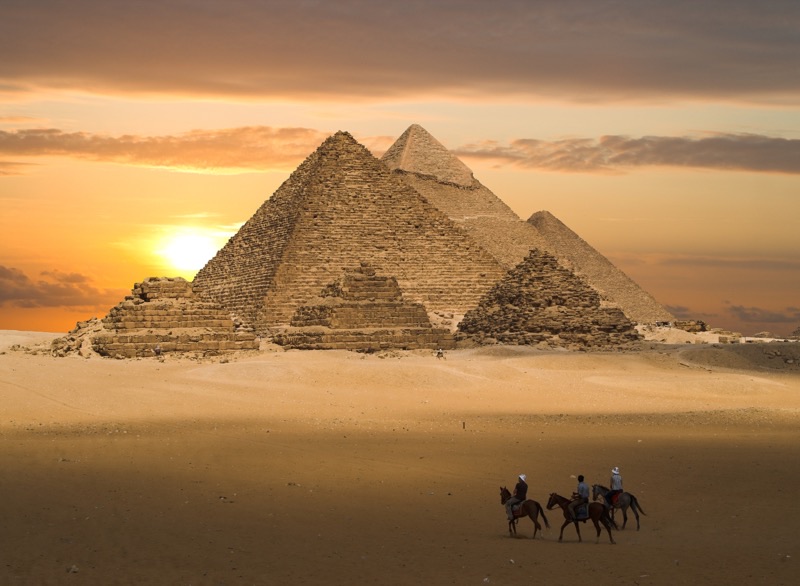
- Choose Egypt: You want to stand before millennia-old monuments like the Pyramids and Luxor Temple, cruise the Nile, and have access to established tour options and desert adventures.
- Choose Uzbekistan: You are drawn to Silk Road cities, intricate Islamic architecture, fewer tourist crowds, and a sense of discovery in a country just opening up to tourism.
- Choose Both: If you have a month or more and a significant budget, combining them offers a survey of two foundational civilizations, but plan for separate trips to appreciate each fully.
Choose Egypt
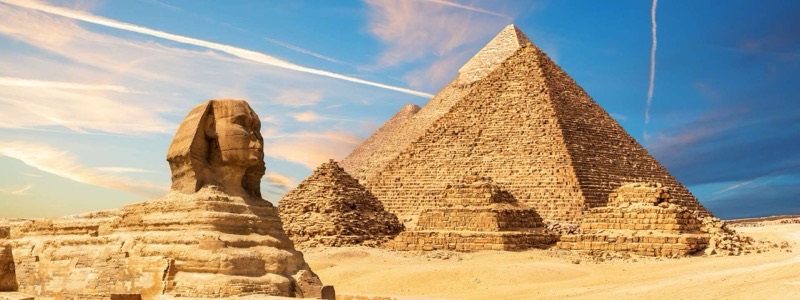
Choose Egypt if your dream involves standing awestruck before the Giza Pyramids and the Sphinx, or sailing down the timeless Nile past ancient temples like Karnak and Philae. It's best for history enthusiasts and first-time international travelers who appreciate a well-trodden path with extensive guided tours and readily available infrastructure, budgeting $50-75 daily for a grand adventure.
Choose Uzbekistan
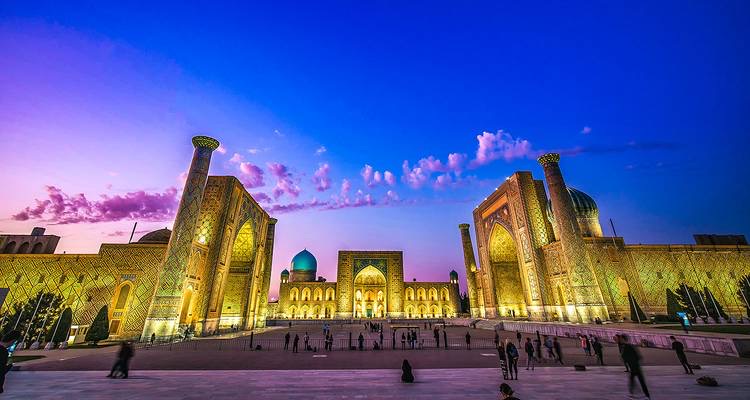
Opt for Uzbekistan if you crave the mystique of the ancient Silk Road, exploring breathtaking Islamic architecture like Samarkand's Registan Square and the walled city of Khiva with fewer crowds. This destination is ideal for cultural explorers and independent travelers seeking an intimate, immersive experience and authentic interactions, with a comfortable daily budget of $40-60 to discover its hidden gems.
Quick Comparison
| Category | Egypt | Uzbekistan | Winner |
|---|---|---|---|
| Costs & Budget | Budget travel possible ($40-60/day), but tourist traps exist. Accommodation and transport are affordable. | Extremely budget-friendly ($30-50/day). Local transport, food, and accommodation are very cheap. | Uzbekistan |
| Culture & History | Ancient Egyptian civilization, pharaohs, pyramids, temples, and mummies. Cairo and Luxor are central. | Silk Road history, Islamic architecture, madrassas, mosques, and Sufi traditions. Samarkand, Bukhara, Khiva. | Egypt |
| Getting There | Major international hub (Cairo CAI) with direct flights from many continents. Long-haul, 10-14 hours from North America. | Limited direct international flights, often requiring a layover in Istanbul (IST), Dubai (DXB), or other hubs. Total travel time is longer. | Egypt |
| Getting Around | Mix of trains, buses, ride-sharing, and Nile cruises. Road conditions vary. Can be chaotic. | Excellent, affordable high-speed trains (Afrosiyob) connect major cities. Buses and shared taxis fill gaps. | Uzbekistan |
| Food & Drink | Hearty, filling Egyptian dishes like koshary, ful medames, taameya (falafel). Tea and coffee are staples. | Central Asian cuisine: plov, shashlik, lagman, samsa. Strong tea culture, less alcohol availability. | Tie |
| Safety & Security | Generally safe for tourists, but harassment (especially for solo women), scams, and aggressive vendors are common. Political stability improved. | Very safe, low crime rates. Harassment is rare. Less exposure to scams than in Egypt. Welcoming atmosphere. | Uzbekistan |
| Accommodation | Wide range from budget hostels to luxury hotels. Boutique hotels in historic districts (Cairo, Luxor) are options. | Guesthouses (often family-run), small boutique hotels, and hostels are prevalent. Good value for money. | Uzbekistan |
| Nature & Outdoors | Nile River, vast deserts (White Desert, Black Desert), Red Sea coast for diving/snorkeling. Limited mountains. | Mountains (Tian Shan, Pamir-Alay), Aral Sea remnants, desert landscapes (Kyzylkum). Opportunities for hiking. | Egypt |
| Solo Travel | Possible, but requires confidence. Female solo travelers face more challenges with harassment. Established hostel scene. | Very welcoming and safe for solo travelers, including women. Easy to meet other travelers, low harassment. | Uzbekistan |
| Shopping & Souvenirs | Khan el-Khalili bazaar for spices, papyrus, alabaster, cotton. Haggling is expected. | Silk carpets, ceramics, traditional textiles (suzani), spices. Less pressure, but haggling is still common. | Tie |
💰 Costs & Budget
Egypt offers a budget experience if you are careful. A daily budget of $40-60 USD covers basic guesthouses, local food like koshary (around 30 EGP / $1 USD) and falafel, and…
Egypt
Uzbekistan
Egypt offers a budget experience if you are careful. A daily budget of $40-60 USD covers basic guesthouses, local food like koshary (around 30 EGP / $1 USD) and falafel, and intra-city travel via ride-sharing apps like Uber or Careem. Entrance fees to major sites like the Pyramids of Giza (540 EGP / $17.50 USD) or Karnak Temple (450 EGP / $14.50 USD) are fixed costs that add up. Haggling is common in souks and for taxis. Scams can inflate prices if you are not vigilant.
Uzbekistan is a traveler budget dream. A daily spend of $30-50 USD is generous. Dorm beds can be found for $5-10 USD, and private rooms for $20-30 USD. Meals, like a plov dinner (around 30,000 UZS / $2.50 USD) or lagman, are cheap and filling. Intercity trains are very affordable; for example, a ticket from Tashkent to Samarkand on the Afrosiyob high-speed train is around 100,000-150,000 UZS ($8-12 USD). Entrance fees to mosques and madrassas are usually 20,000-50,000 UZS ($1.50-4 USD). For value, Uzbekistan is the better choice.
- Winner: Uzbekistan
- Why: Uzbekistan consistently provides a lower cost of travel across accommodation, food, and transport, with fewer high-pressure sales situations.
- Who this matters for: Budget-conscious backpackers and long-term travelers.
📜 Culture & History
Egypt provides an overwhelming immersion in ancient civilization. From the Pyramids of Giza, the only remaining ancient world wonder, to the temples of Luxor and Karnak, the…
Egypt
Uzbekistan
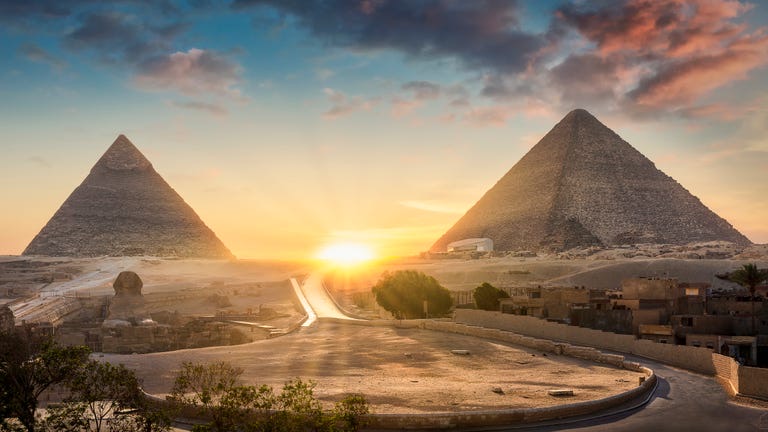
Egypt provides an overwhelming immersion in ancient civilization. From the Pyramids of Giza, the only remaining ancient world wonder, to the temples of Luxor and Karnak, the Valley of the Kings, and the Egyptian Museum in Cairo, the scale of history is immense. The culture is deeply rooted in this past, alongside a contemporary Arab-Islamic identity. The Nile River is the lifeline around which much of this history developed, with cruises offering a direct connection to these sites. The impact of pharaonic rule and subsequent Roman, Coptic, and Islamic periods is evident in layers across the country.
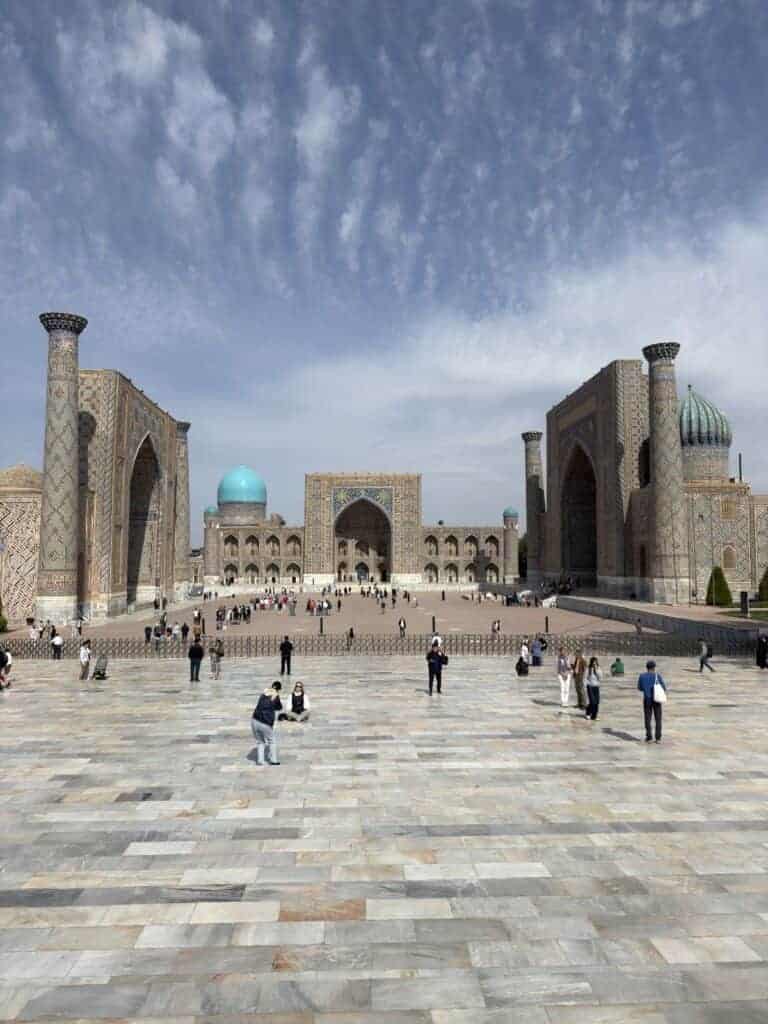
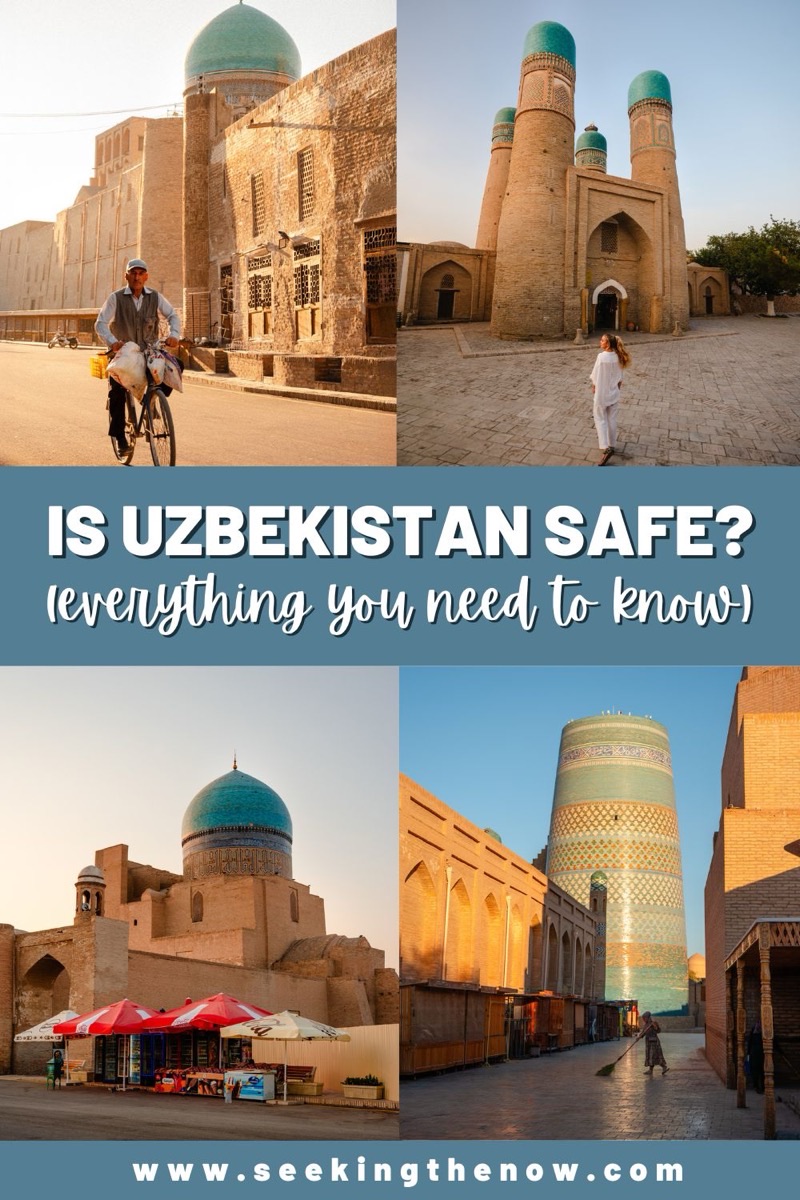
Uzbekistan offers a different type of historical depth, primarily focused on the Silk Road and Islamic Golden Age. Cities like Samarkand, with Registan Square and its three grand madrassas (Ulugbek, Sher-Dor, Tilya-Kori), Bukhara, with its ancient trading domes and Lyab-i Hauz complex, and Khiva, a walled desert city, transport you to a bygone era of caravans and scholars. The architecture is intricate, with blue tiles and geometric patterns. The history is intertwined with figures like Tamerlane and the development of astronomy and mathematics. While Egypt offers older artifacts, the atmosphere of preserved Silk Road cities in Uzbekistan is uniquely powerful. For sheer ancient scale and impact, Egypt wins.
- Winner: Egypt
- Why: Egypts ancient civilization presents a longer and more universally recognized history, with monuments on a scale unmatched.
- Who this matters for: Travelers obsessed with ancient civilizations and grand historical structures.
✈️ Getting There
Cairo International Airport (CAI) is a significant hub in Africa and the Middle East, offering direct connections from major cities across Europe, Asia, and North America. For…

Egypt
Uzbekistan
Cairo International Airport (CAI) is a significant hub in Africa and the Middle East, offering direct connections from major cities across Europe, Asia, and North America. For example, a direct flight from New York (JFK) to Cairo (CAI) takes around 10-12 hours, with airlines like EgyptAir. Flights from London (LHR) are around 5 hours. This accessibility makes planning a trip to Egypt relatively straightforward, even if it is a long-haul journey for many. Visa processes are also streamlined, with e-visas available for many nationalities.
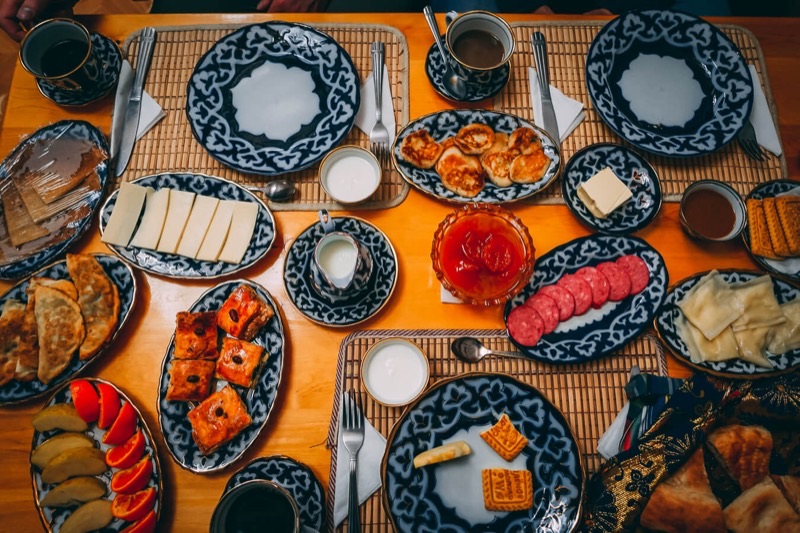
Reaching Uzbekistan typically involves at least one layover from most Western countries. Tashkent International Airport (TAS) is the main gateway. Common routes involve connecting flights through Istanbul (Turkish Airlines), Dubai (Flydubai), or Frankfurt (Uzbekistan Airways). A flight from New York, for instance, might take 16-20 hours including the layover. Flights from London could be 7-9 hours with a stop. While connections are improving, the journey is generally longer and less direct than to Egypt. The Uzbek e-visa system is efficient, but the travel time remains a factor. Egypts direct flight options and global connectivity give it an advantage.
- Winner: Egypt
- Why: Egypt has more direct flight options from major global cities, making the journey simpler and often shorter.
- Who this matters for: Travelers with limited vacation time or those who prefer fewer layovers.
🚂 Getting Around
Getting around Egypt involves a mix of options. For long distances between major cities like Cairo, Luxor, and Aswan, overnight sleeper trains or regular day trains are common,…
Egypt
Uzbekistan
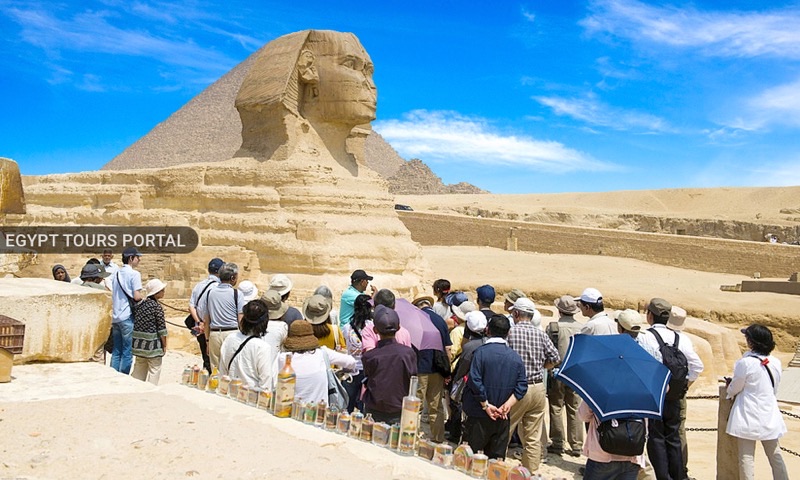
Getting around Egypt involves a mix of options. For long distances between major cities like Cairo, Luxor, and Aswan, overnight sleeper trains or regular day trains are common, costing around 600-1000 EGP ($20-33 USD) for a sleeper. Buses are cheaper but less comfortable. Within cities, ride-sharing apps like Uber and Careem are highly recommended for fair pricing and avoiding taxi negotiation (e.g., a 30-minute ride in Cairo might be 70-100 EGP / $2-3 USD). Nile cruises between Luxor and Aswan are a popular and relaxing way to see sites, typically costing $500-1500+ USD for a 3-4 night trip.
Uzbekistan excels in intercity transport, particularly with its modern, efficient Afrosiyob high-speed train system. These trains connect Tashkent, Samarkand, Bukhara, and Shakhrisabz quickly and affordably (e.g., Tashkent to Samarkand in 2 hours for around 100,000-150,000 UZS / $8-12 USD). Slower, cheaper trains are also available. For destinations not covered by trains, shared taxis (marshrutkas) and buses are readily available and inexpensive. Within cities, local taxis are cheap, but agree on a price beforehand or use apps like Yandex Go. The train system in Uzbekistan makes travel between historical cities extremely convenient and comfortable. Uzbekistan offers a more pleasant and reliable travel experience.
- Winner: Uzbekistan
- Why: Uzbekistans modern and affordable high-speed train network connects its main tourist cities efficiently and comfortably.
- Who this matters for: Independent travelers who value comfort, efficiency, and predictability in intercity travel.
🍲 Food & Drink
Egyptian food is generally simple, hearty, and uses pulses, rice, and vegetables extensively. Koshary, a mix of rice, macaroni, lentils, chickpeas, and tomato sauce, is a national…
Egypt
Uzbekistan
Egyptian food is generally simple, hearty, and uses pulses, rice, and vegetables extensively. Koshary, a mix of rice, macaroni, lentils, chickpeas, and tomato sauce, is a national dish and costs around 30-50 EGP ($1-1.50 USD). Ful medames (fava beans) and taameya (Egyptian falafel, made with fava beans instead of chickpeas) are common breakfast items. Grills like kofta and shawarma are popular. Sweet options include basbousa. Alcohol availability varies, generally limited to tourist hotels and specific restaurants. Tea (shai) and coffee are widely consumed. Finding diverse international food outside of Cairo and major tourist zones can be hard.
Uzbek cuisine is centered around plov, a rice dish with meat (usually lamb or beef), carrots, and onions, which is a significant cultural item (costing 30,000-50,000 UZS / $2.50-4 USD). Shashlik (skewered grilled meat) and lagman (noodles with meat and vegetables) are other staples. Samsa (savory pastries baked in a tandoor) are popular street food. Bread (non) is revered. Green tea is the national drink, served everywhere. Alcohol, including local wine and beer, is available, particularly in Tashkent and Samarkand, but less prevalent than in Egypt. Both countries offer delicious, affordable local food, but their styles are quite different. It is a matter of personal preference.
- Winner: Tie
- Why: Both countries offer distinct, delicious, and affordable local cuisines that cater to different palates.
- Who this matters for: Foodies interested in different regional culinary traditions.
🚨 Safety & Security
Egypt has made strides in tourist safety, with increased police presence at major sites. However, street harassment, particularly for solo female travelers, is a concern. Scams,…
Egypt has made strides in tourist safety, with increased police presence at major sites. However, street harassment, particularly for solo female travelers, is a concern. Scams, overcharging, and persistent vendors are common issues, requiring visitors to be firm and assertive. Pickpocketing can occur in crowded areas like Khan el-Khalili bazaar. Transportation can be chaotic, and road safety standards are lower. Political demonstrations are generally contained to specific areas, but it is wise to monitor local news. Overall, a traveler needs a higher level of vigilance in Egypt.
Uzbekistan is widely regarded as a very safe travel destination. Crime rates are low, and tourists generally experience a welcoming and respectful atmosphere. Harassment or aggressive sales tactics are far less common than in Egypt. While minor scams can occur, they are not a pervasive issue. The country is politically stable, and the presence of authorities is more reassuring than intimidating. Women travelers report feeling safe, even when traveling solo. The biggest safety concerns might be basic road safety outside of city centers or uneven pavements. For a generally worry-free experience, Uzbekistan is the clear winner.
- Winner: Uzbekistan
- Why: Uzbekistan offers a significantly more relaxed and safer environment for travelers, with very low crime rates and minimal harassment.
- Who this matters for: Solo female travelers, first-time international travelers, and those seeking a low-stress environment.
🏨 Accommodation
Egypt offers a broad spectrum of accommodation. In Cairo, you can find hostels for $10-20 USD, comfortable 3-star hotels for $40-70 USD, and international luxury chains for $150+…
Egypt offers a broad spectrum of accommodation. In Cairo, you can find hostels for $10-20 USD, comfortable 3-star hotels for $40-70 USD, and international luxury chains for $150+ USD. Luxor and Aswan also have a range of options, including charming boutique hotels along the Nile for $50-100 USD. Booking in advance, especially for higher-rated properties, is recommended. Some budget hotels might not meet Western standards of cleanliness, so reviews are important. For backpackers, many hostels cater to social travelers.
Uzbekistan excels in providing authentic and affordable accommodation, particularly in its Silk Road cities. Guesthouses, often family-run establishments within old city walls, are common, offering private rooms for $20-40 USD, often including breakfast. These provide a personal touch and insight into local life. Hostels are available in major cities for $5-15 USD for a dorm bed. Boutique hotels in beautifully restored madrassas or traditional houses are also available for $50-80 USD. The value for money is consistently high, and the quality for the price often surpasses what is found in Egypt. For comfort and local character at a low price, Uzbekistan is a stronger contender.
- Winner: Uzbekistan
- Why: Uzbekistan provides consistently good value accommodation, particularly its charming guesthouses, which often include breakfast and offer a local experience.
- Who this matters for: Travelers seeking good value, local immersion, and traditional aesthetics in their lodging.
🏜️ Nature & Outdoors
Egypts natural attractions are diverse and significant. The Nile River is its most prominent feature, offering tranquil cruises and a green ribbon through the desert. The Western…
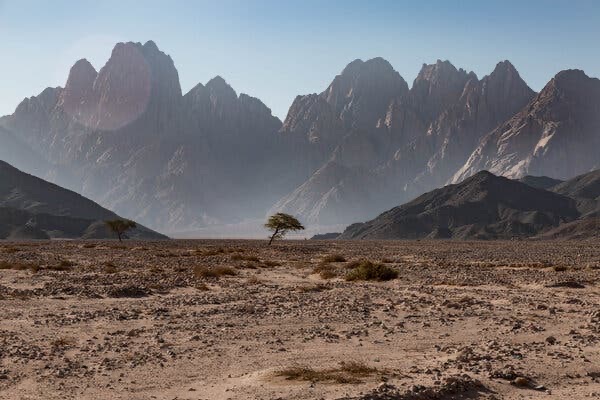
Egypts natural attractions are diverse and significant. The Nile River is its most prominent feature, offering tranquil cruises and a green ribbon through the desert. The Western Desert holds spectacular formations like the White Desert, with its chalk-white rock structures, and the Black Desert, covered in volcanic stones. Overnight camping trips are popular here, costing around $100-200 USD per person. The Red Sea coast (Sharm el-Sheikh, Hurghada, Dahab) is renowned for its coral reefs and marine life, drawing divers and snorkelers from across the globe. Sinai also offers opportunities for desert trekking and climbing Mount Sinai. This combination of desert, river, and sea makes Egypt a strong choice for outdoor activities.
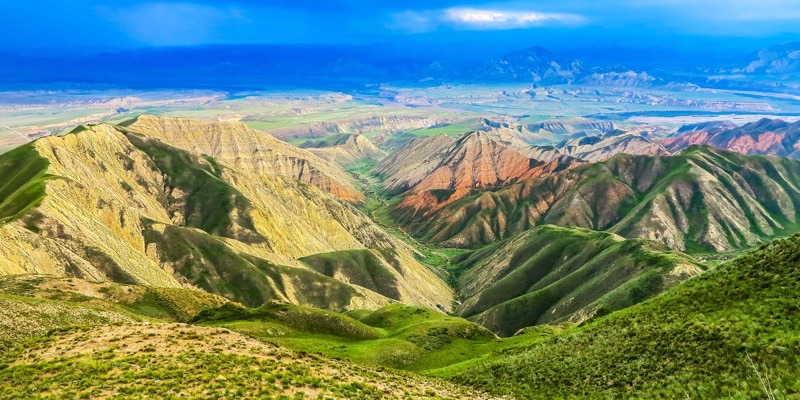
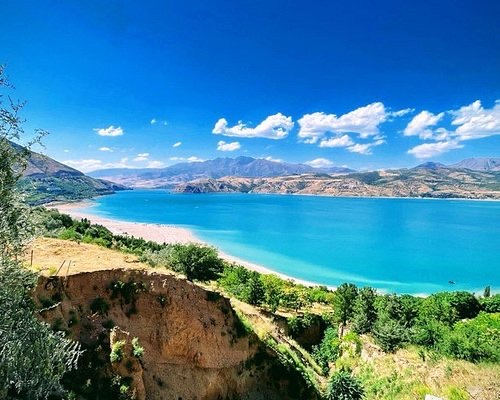
Uzbekistan also offers natural escapes, though they are less integrated into the main tourist routes. The country has mountains (Tian Shan and Pamir-Alay ranges) offering hiking opportunities, particularly in spring and autumn. The Chimgan Mountains near Tashkent are popular for day trips or weekend treks. The Kyzylkum Desert covers much of the country, with yurt camps offering a taste of nomadic life, typically costing $50-100 USD per night including meals. The stark, tragic landscapes around the shrinking Aral Sea also draw a small number of visitors, though it is a remote journey. While Uzbekistan has its nature, Egypts Red Sea and Western Desert offer more accessible and famous natural wonders.
- Winner: Egypt
- Why: Egypt offers globally recognized natural attractions like the Red Sea reefs and the surreal White Desert, alongside the iconic Nile River.
- Who this matters for: Divers, snorkelers, desert adventurers, and those who prioritize famous natural landmarks.
🚶♀️ Solo Travel
Solo travel in Egypt is certainly done by many, but it demands a robust personality. Navigating the constant attention from vendors, taxi drivers, and sometimes opportunistic…
Solo travel in Egypt is certainly done by many, but it demands a robust personality. Navigating the constant attention from vendors, taxi drivers, and sometimes opportunistic individuals can be draining. Female solo travelers often report significant levels of unwanted male attention and harassment, making it a more challenging experience despite efforts by authorities. Staying in hostels and joining tours can alleviate some of these issues by providing companionship and structure. Learning a few Arabic phrases helps, but it is a place where you need to be constantly aware of your surroundings and interactions. The experience can be rewarding for resilient adventurers.
Uzbekistan is an excellent choice for solo travelers. Its low crime rates and genuinely welcoming population mean you can explore cities like Samarkand and Bukhara with minimal concern. Harassment is rare, and locals are often curious and helpful. The well-developed hostel network in major cities makes it easy to meet other travelers. Public transport is straightforward and safe. While English is not widely spoken outside of tourist areas, people are patient and keen to assist. Female solo travelers consistently report feeling safe and respected. For a comfortable and generally hassle-free solo journey, Uzbekistan is the clear winner.
- Winner: Uzbekistan
- Why: Uzbekistan offers a much safer and more comfortable environment for solo travelers, particularly women, with minimal harassment.
- Who this matters for: Solo travelers, especially women, who prioritize safety, comfort, and minimal hassle.
🛍️ Shopping & Souvenirs
Shopping in Egypt is an experience, especially at places like Cairo's Khan el-Khalili bazaar. Here you will find an abundance of items: papyrus scrolls, alabaster carvings, cotton…
Shopping in Egypt is an experience, especially at places like Cairo's Khan el-Khalili bazaar. Here you will find an abundance of items: papyrus scrolls, alabaster carvings, cotton goods, spices, perfumes, and silver jewelry. Haggling is not just common; it is expected and a core part of the transaction. Prices can start at multiples of the real value. Expect lively interactions and a generally high-pressure sales environment. Learning to say no firmly is essential. The goods often reflect the ancient heritage of the country.
Uzbekistan offers beautiful, handcrafted items that reflect its Silk Road legacy. Major purchases include silk carpets from Bukhara, intricate ceramics from Rishtan, and embroidered textiles called suzani. You can also find spices, dried fruits, and miniature paintings. The pressure to buy is generally lower than in Egypt, though haggling is still part of the culture, especially in larger bazaars like Siab Bazaar in Samarkand or Chorsu Bazaar in Tashkent. Prices are often more transparent. Both destinations offer genuine, locally crafted goods, but the shopping atmosphere is different. If you enjoy the art of negotiation, Egypt can be more engaging, but for a more relaxed browse, Uzbekistan might be preferred.
- Winner: Tie
- Why: Both countries offer unique, authentic artisanal goods and a distinct shopping experience.
- Who this matters for: Travelers who enjoy cultural souvenirs and the process of negotiation.
🎯 The Decision Framework
Choose Egypt If…
- You want to see the Pyramids of Giza and other wonders of the ancient world.
- You dream of a Nile River cruise, seeing temples from the water.
- You are fascinated by hieroglyphs, mummies, and pharaonic history.
- You enjoy snorkeling or diving in the Red Sea with incredible marine life.
- You are prepared for a lively, sometimes chaotic travel environment.
- You want direct flights from major international hubs.
- You are interested in Coptic Christian history and monasteries.
- You enjoy the challenge of haggling for goods in ancient souks.
Choose Uzbekistan If…
- You are drawn to the intricate blue-tiled architecture of Silk Road cities.
- You prefer fewer crowds at historical sites.
- You want to travel efficiently between cities on modern high-speed trains.
- You seek an extremely budget-friendly travel experience.
- You prioritize feeling very safe and welcomed as a solo traveler, especially as a woman.
- You are interested in Islamic Golden Age history and Sufi traditions.
- You want to experience authentic guesthouses and local hospitality.
- You enjoy eating delicious plov and other Central Asian dishes.
❓ Frequently Asked Questions
Which country is better for a two-week trip?
For a two-week trip, Egypt offers a more concentrated and established circuit covering Cairo, Luxor, Aswan, and possibly a Red Sea resort. This allows you to experience its main historical and natural sites without feeling rushed. Uzbekistan can also be done in two weeks, focusing on Tashkent, Samarkand, Bukhara, and Khiva, with less travel time between cities due to efficient trains.
What is the best time of year to visit each country?
For Egypt, the best time is October to April, when temperatures are cooler (average 20-25°C). Summers (May-September) can be extremely hot (40°C+). For Uzbekistan, spring (April-May) and autumn (September-October) offer pleasant weather (average 20-28°C) for sightseeing. Summers can be very hot, and winters cold with snow.
Is English widely spoken in either country?
In Egypt, English is understood and spoken by many in the tourism sector, hotels, and major cities, but less so in rural areas. In Uzbekistan, Russian is more widely understood, especially among older generations, while younger people in tourist cities might have basic English. Translation apps are useful for both.
What are the visa requirements for US citizens for each country?
US citizens can obtain an e-Visa for Egypt prior to arrival, or a visa on arrival at major airports for $25 USD. For Uzbekistan, US citizens can also obtain an e-Visa online, which is generally processed within a few days and costs $35 USD. Always check the latest requirements before travel.
Which country has better internet and connectivity?
Both countries have decent internet connectivity in major cities. Egypts hotels and cafes generally offer Wi-Fi, and local SIM cards (e.g., Vodafone, Orange) are affordable (e.g., 20GB for 200 EGP / $6.50 USD). Uzbekistan also has good mobile coverage (e.g., Ucell, Mobiuz) and affordable data (e.g., 20GB for 60,000 UZS / $5 USD). Wi-Fi in guesthouses is usually reliable.
Are there opportunities for ethical tourism or cultural exchange?
In Egypt, cultural exchange often happens organically, though structured ethical tourism might require research into specific community-based projects. In Uzbekistan, staying in family-run guesthouses and visiting local workshops (e.g., silk production, ceramic studios) provides good opportunities for genuine cultural exchange and direct support to local communities. Always research providers.
What is the typical flight time from New York to each destination?
A direct flight from New York (JFK) to Cairo (CAI) typically takes around 10-12 hours. For Uzbekistan, flights from New York to Tashkent (TAS) will involve at least one layover, usually in Istanbul or Dubai, making the total travel time around 16-20 hours.
Which country has more varied landscapes?
Egypt offers a strong contrast between the lush Nile Valley, vast sandy and white deserts, and the coral reefs of the Red Sea. Uzbekistan features expansive deserts, the receding Aral Sea, and significant mountain ranges, but its primary draw is less about landscape variety and more about its historical cities.
Ready to plan your next trip?
Get a free custom itinerary for Egypt, Uzbekistan, or both — built from real traveler insights.
🎟️ Book Tours & Experiences
Hand-picked tours and activities for both destinations — book with free cancellation
Experiences via Viator — free cancellation on most tours