How we built this comparison
This page combines traveler discussion patterns, published price ranges, flight schedules, and seasonal data to help you decide between England and Germany.
- Reviewed 50+ Reddit threads from r/travel, r/solotravel, r/London, r/Germany, r/uktravel for traveler sentiment and specific tips.
- Verified costs for accommodation, transport, and attractions against current booking platforms like Booking.com, DB Bahn, and National Rail.
- Cross-referenced seasonal weather patterns and activity recommendations with meteorological data sources and popular travel guides.
⚡ Quick Answers
⚡ The TL;DR Verdict
For most travelers prioritizing historical sites, diverse city experiences, and a familiar language, England edges out Germany, especially with its free museum access in London. Those seeking efficient travel, clearer weather, and a higher budget efficiency for a similar experience will find Germany a better fit. Plan for £70-£120 ($90-$150) daily in England, or €60-€100 ($65-$110) in Germany.
- Choose England: Travelers who prioritize spoken English, a vast array of free museums, traditional pub culture, and a distinct royal history should pick England.
- Choose Germany: Travelers seeking efficient rail networks, more predictable weather, extensive outdoor activities like hiking, and a slightly lower cost of living will prefer Germany.
- Choose Both: If you have 10-14 days, you can experience London and Berlin via a connecting flight (around 1.5-hour flight) to see two distinct European approaches.
Choose England
Choose England if you dream of exploring world-class, free museums like the British Museum in London, soaking in centuries of royal history, and experiencing a vibrant pub culture. It's best for those who prioritize a familiar language, iconic landmarks, and a deep dive into historical narratives, budgeting around £70-£120 daily for a rich experience.
Choose Germany
Germany is ideal for travelers who value exceptional efficiency, from its autobahns to its punctual rail network, and enjoy a blend of vibrant city life in Berlin with stunning natural landscapes like the Bavarian Alps. It's perfect for budget-conscious adventurers seeking predictable weather and extensive hiking, expecting to spend around €60-€100 daily for a high-quality trip.
📊 Visual Scorecard
🌤 When to Visit
Average high temperatures (°C). Green = best months, orange = avoid.
Quick Comparison
| Category | England | Germany | Winner |
|---|---|---|---|
| Costs & Budget | London is expensive, outside is more reasonable. Public transport and accommodation are key budget areas. | Generally more budget-friendly than England, especially for food and beer. Efficient train travel can add up. | Germany |
| Culture & History | Roman, medieval, and industrial heritage. London offers free access to major museums like the British Museum. | Extensive WWII and Cold War history. Strong emphasis on medieval towns and castles like Neuschwanstein. | England |
| Food & Drink | Pub fare, fish and chips, curry. London is a food city with global options. Good craft beer scene. | Hearty, traditional cuisine like sausages, schnitzel, pretzels. Excellent beer culture and quality. Many bakeries. | Germany |
| Nightlife | London has a club scene (Fabric, Ministry of Sound) and numerous pubs. Manchester and Liverpool offer music venues. | Berlin is known for techno clubs (Berghain, Sisyphos). Munich has beer halls. Cologne is known for Carnival. | Germany |
| Nature & Outdoors | Rolling hills, coastline, national parks like the Lake District. Weather is variable. | Mountains, forests, lakes, and rivers. Bavarian Alps, Black Forest, Rhine Valley. Generally clearer weather for activities. | Germany |
| Accommodation | Higher prices, especially in London. Many chain hotels, B&Bs outside cities. Hostels are common. | Generally more affordable, diverse options from guesthouses to design hotels. Good hostel networks. | Germany |
| Getting Around | Extensive London Underground. Intercity trains are fast but expensive. Buses are cheaper. Driving is left-hand side. | Efficient Deutsche Bahn rail network. Autobahn for fast driving. Excellent city public transport. Driving is right-hand side. | Germany |
| Day Trips | Easy access from London to places like Bath, Oxford, Brighton, Windsor Castle. Good variety. | Day trips from Berlin to Potsdam, Spreewald. From Munich to Neuschwanstein, Salzburg (Austria). | England |
| Weather & Seasons | Temperate, often rainy, mild summers (~18-22°C/64-72°F). Cool, damp winters (~2-8°C/36-46°F). | More continental. Warmer summers (~20-25°C/68-77°F), colder winters with snow (~-5-5°C/23-41°F). | Germany |
| Safety & Security | Generally safe. Pickpocketing in tourist areas. Common sense precautions apply. | Generally very safe. Low crime rates. Similar precautions for tourist areas. | Tie |
💸 Costs & Budget
England, particularly London, can be a significant drain on the wallet. A typical daily budget for a mid-range traveler in London might be £100-£150 ($125-$190), accounting for a…

England

Germany
England, particularly London, can be a significant drain on the wallet. A typical daily budget for a mid-range traveler in London might be £100-£150 ($125-$190), accounting for a budget hotel like a Premier Inn (around £90-£120/$115-$150), tube travel (£8-£15/$10-$19), and meals (£30-£50/$38-$63). Outside London, regions like the Peak District or Cornwall can bring costs down to £70-£100 ($90-$125) per day, with accommodation like B&Bs or guesthouses starting from £60 ($75) and meals around £20-£35 ($25-$45). Public transport outside major cities is less extensive and can be costly, making a car rental a consideration at £30-£50 ($38-$63) per day.
Germany offers a better value proposition for a similar quality of experience. In cities like Berlin or Munich, a mid-range daily budget is closer to €80-€120 ($88-$132). Accommodation at a Moxy Hotel might be €70-€100 ($77-$110), public transport in cities like Berlin (e.g., a 24-hour pass) costs €8.80 ($9.70), and meals can range from a €7 ($7.70) Döner Kebab to a €20 ($22) traditional dinner with beer. Rural areas or smaller cities like Leipzig are even more budget-friendly, with budget hotels around €50-€80 ($55-$88) and local meals from €10 ($11). Train travel via Deutsche Bahn can be cost-efficient if booked in advance, with deals like the Quer-durchs-Land-Ticket offering unlimited regional travel for €42 ($46) for one person. Overall, Germany allows for a more comfortable travel experience without the constant budget watch. Germany wins on overall daily cost efficiency.
- Winner: Germany
- Why: Germany offers consistently lower daily expenses for accommodation, food, and local transportation, providing better value.
- Who this matters for: This matters most for budget-conscious travelers and those planning longer trips.
🏛️ Culture & History
England presents a deep dive into centuries of history, from Roman ruins in Bath (Roman Baths entry £27/$34) to medieval castles like Warwick Castle (entry from £34/$43) and the…
England

Germany
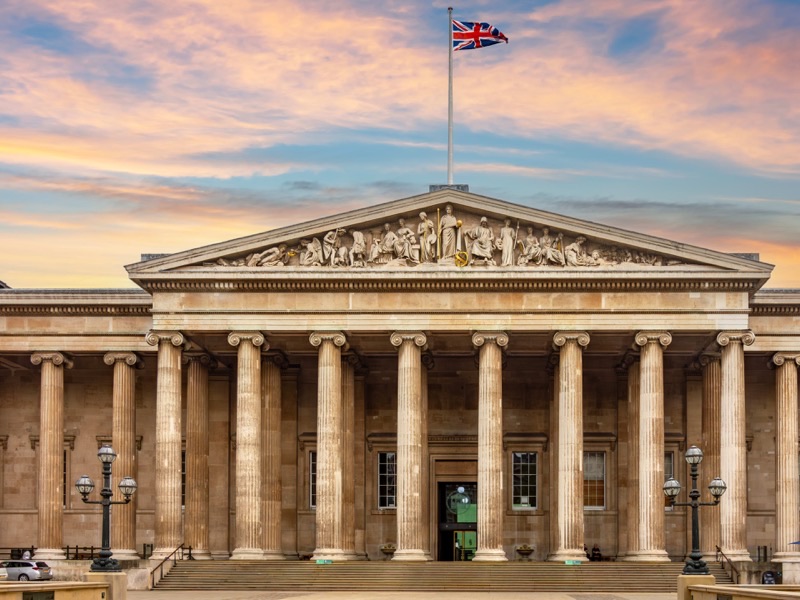
England presents a deep dive into centuries of history, from Roman ruins in Bath (Roman Baths entry £27/$34) to medieval castles like Warwick Castle (entry from £34/$43) and the Tower of London (£35/$44). London itself functions as a massive cultural hub, with museums like the British Museum, National Gallery, and Tate Modern offering free general admission. The country's literary history is prominent, with Shakespeare's Globe Theatre (tours £17/$21) and various literary sites across the country. The industrial revolution's impact is visible in places like Manchester's Science and Industry Museum. Visitors can engage with everything from ancient stone circles at Stonehenge (£28/$35) to political history at the Houses of Parliament.
Germany offers a distinct historical narrative, heavily influenced by its 20th-century history. Berlin provides access to sites like the Brandenburg Gate (free), the Reichstag building (free, booking required), and the Berlin Wall Memorial (free). Museums like the Pergamon Museum (€12/$13) and Topography of Terror (free) provide detailed insights. Medieval history is preserved in towns like Rothenburg ob der Tauber and Heidelberg, with its castle ruins (€9/$10). The country also boasts fairy-tale castles such as Neuschwanstein Castle (from €17.50/$19). While Germany’s museums are generally not free, they are well-maintained and informative. England's free access to prominent national museums and broader historical scope makes it a slightly stronger choice for general culture. England offers wider historical scope with easier, free access to its top cultural institutions.
- Winner: England
- Why: England's free admission to its national museums in London and its broader historical scope offer more accessible cultural experiences.
- Who this matters for: This matters for travelers interested in a wide array of historical periods and those looking for budget-friendly cultural activities.
🍽️ Food & Drink
England's food scene extends beyond traditional pub grub. While fish and chips (£12-£18/$15-$23) and Sunday roasts (£15-£25/$19-$32) are staples, London is a global culinary…

England

Germany
England's food scene extends beyond traditional pub grub. While fish and chips (£12-£18/$15-$23) and Sunday roasts (£15-£25/$19-$32) are staples, London is a global culinary center with everything from Michelin-starred dining to diverse street food markets like Borough Market. Indian curry houses are a prominent feature, with a main dish costing £12-£18 ($15-$23). Craft beer is popular, with many independent breweries and taprooms (a pint around £5-£7/$6-$9). Outside London, regional specialties like Cornish pasties (£4-£6/$5-$7.50) or Yorkshire puddings are found, but culinary diversity is less pronounced.
Germany's food and drink culture is defined by its quality, heartiness, and regional variations. Expect dishes like Bratwurst, Currywurst (€4-€7/$4.40-$7.70), Schnitzel (€15-€25/$16.50-$27.50), and Spätzle. Bakeries offer excellent bread and pastries (e.g., a Bretzel for €1.50-€3/$1.65-$3.30). The beer culture is central, with specific regional styles (like Kölsch in Cologne or Weissbier in Bavaria) and beer gardens offering a convivial atmosphere (a liter of beer for €8-€12/$8.80-$13.20). Wine regions along the Rhine and Moselle also produce quality Rieslings. The focus on fresh, local ingredients and a strong emphasis on baking and brewing traditions gives Germany an edge in consistent quality. Germany offers more consistent quality and a clearer culinary identity.
- Winner: Germany
- Why: Germany offers consistently high-quality, regionally distinct food and a deep-rooted, accessible beer culture.
- Who this matters for: This matters for travelers who appreciate traditional, hearty cuisine and a prominent, affordable beer scene.
🕺 Nightlife
England's nightlife primarily revolves around its pubs, which serve as community hubs (pint £5-£7/$6-$9). London offers a club scene with venues like Fabric or Ministry of Sound…
England

Germany
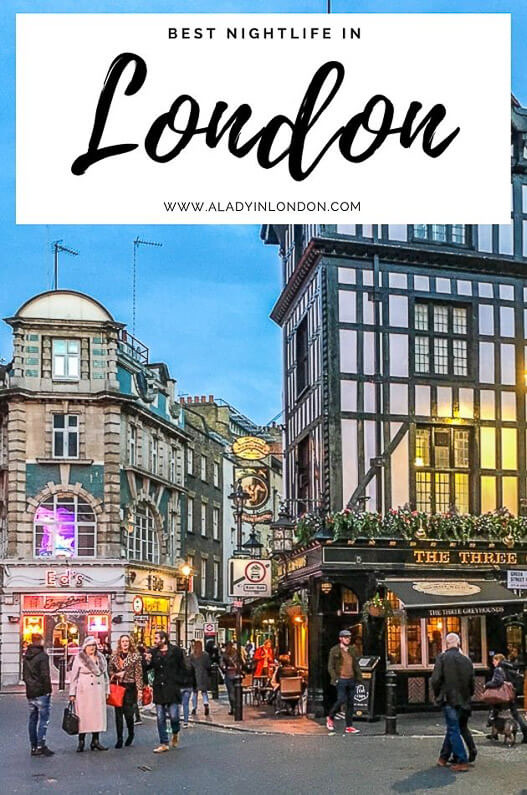
England's nightlife primarily revolves around its pubs, which serve as community hubs (pint £5-£7/$6-$9). London offers a club scene with venues like Fabric or Ministry of Sound (entry £20-£40/$25-$50), though many smaller clubs have closed. Cities like Manchester and Liverpool have a history of live music venues and independent bars. Beyond London, clubbing options diminish, but local pubs remain a fixture. Evening entertainment often involves theater (West End tickets from £30/$38) or concerts.
Germany, particularly Berlin, is a nightlife destination. Its techno club scene (e.g., Berghain, Sisyphos, often with strict entry policies and entry fees of €15-€30/$16.50-$33) is internationally recognized, with parties lasting through the weekend. Munich's beer halls, like the Hofbräuhaus, provide a communal drinking experience (liter of beer €10-€12/$11-$13.20). Cologne hosts a large Carnival celebration. Smaller cities also have their share of bars and pubs, but the emphasis on late-night, high-energy electronic music in Berlin gives Germany a distinct edge. Germany offers more diverse and intense nightlife experiences, especially in Berlin.
- Winner: Germany
- Why: Germany, especially Berlin, provides a more distinct and renowned nightlife, particularly for clubbing and electronic music.
- Who this matters for: This matters for younger travelers and those specifically seeking electronic music clubs or large-scale beer hall experiences.
🏞️ Nature & Outdoors
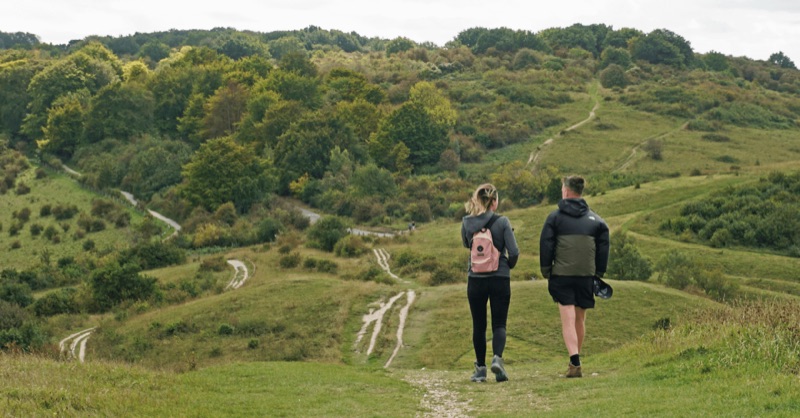
England offers varied natural landscapes, from the dramatic coastlines of Cornwall and Dorset to the rolling hills of the Cotswolds and the rugged fells of the Lake District…
England

Germany
England offers varied natural landscapes, from the dramatic coastlines of Cornwall and Dorset to the rolling hills of the Cotswolds and the rugged fells of the Lake District National Park. Activities include hiking (e.g., Scafell Pike), coastal walks (South West Coast Path), and cycling. The Peak District and Snowdonia (now in Wales, but often visited from England) provide opportunities for rock climbing and caving. However, England's weather is unpredictable, with rain a common occurrence, which can affect outdoor plans. Access to many walking paths is free, though car parking in popular areas might cost £5-£10 ($6-$13).
Germany's natural environments are extensive and well-maintained. The Bavarian Alps offer skiing and hiking, with access to trails and cable cars like the Zugspitze (return ticket from €68/$75). The Black Forest is known for its dense woods and hiking trails. The Rhine Valley combines historical castles with river cruises (€20-€40/$22-$44). Germany also has numerous lakes, such as Lake Constance, suitable for water sports. Its more continental climate generally provides clearer summers and more predictable winters for snow sports. National parks and natural areas are often free to access, with well-marked trails. Germany’s larger and more diverse natural landscapes, coupled with more predictable weather, give it an edge. Germany provides a wider range of outdoor environments with better conditions.
- Winner: Germany
- Why: Germany offers more diverse and extensive natural landscapes, including mountains, and generally more reliable weather for outdoor activities.
- Who this matters for: This matters most for hikers, skiers, nature photographers, and those seeking outdoor adventures.
🏨 Accommodation
Accommodation in England, especially London, can be a major budget item. A basic hostel dorm bed in London can cost £30-£60 ($38-$75) per night, while a budget hotel room in zones…
Accommodation in England, especially London, can be a major budget item. A basic hostel dorm bed in London can cost £30-£60 ($38-$75) per night, while a budget hotel room in zones 2-3 (like a Travelodge or Premier Inn) often starts at £80-£150 ($100-$190). Outside London, prices drop, with B&Bs or guesthouses in smaller towns ranging from £60-£100 ($75-$125). Options are plentiful but value for money can be challenging to find. Booking well in advance is crucial for popular areas or during peak seasons.
Germany generally offers more favorable accommodation pricing and a good range of options. A hostel dorm bed in Berlin might be €25-€45 ($28-$50), and a budget hotel room in a city center could be €70-€120 ($77-$132). Guesthouses (Gasthäuser) in rural areas or smaller towns often provide good value, starting from €50 ($55). Germany also has a strong network of youth hostels (Jugendherbergen) which are well-maintained. The quality-to-price ratio is often better in Germany, with well-designed and clean accommodations available at more accessible price points. Germany offers better value and more diverse types of accommodation.
- Winner: Germany
- Why: Germany provides better value for money in accommodation, with a good range of options across all budget levels.
- Who this matters for: This matters for all travelers, but especially those on a budget or seeking comfortable stays without overspending.
🚆 Getting Around
Getting around England, particularly London, relies heavily on the Underground (Tube), with daily caps on Oyster or contactless payments (e.g., £8.10/$10.20 for zones 1-2).…
Getting around England, particularly London, relies heavily on the Underground (Tube), with daily caps on Oyster or contactless payments (e.g., £8.10/$10.20 for zones 1-2). Intercity train travel with companies like Avanti West Coast or LNER is efficient but can be expensive, with a peak single from London to Manchester costing £80+ ($100+). Booking well in advance or using a BritRail Pass (from £165/$208 for 2 days) is advisable. National Express buses offer a cheaper, slower alternative (e.g., London to Manchester for £20-£30/$25-$38). Driving is on the left, and roads can be narrow, especially in rural areas; fuel is expensive (around £1.50-£1.70/liter or $7.50-$8.50/gallon).
Germany boasts an efficient and extensive public transport system. Deutsche Bahn (DB) trains are generally reliable and fast, connecting major cities with high-speed ICE trains (e.g., Berlin to Munich from €30-€100/$33-$110, depending on booking). Regional trains are also effective. Cities have integrated public transport systems (U-Bahn, S-Bahn, trams, buses) that are easy to navigate (e.g., a single Berlin ticket €3/$3.30). The Autobahn network allows for fast driving, often without speed limits in sections, and fuel prices are comparable to England (around €1.70-€1.90/liter or $7-$8/gallon). Car rental is a good option for exploring rural areas. Germany's transport infrastructure is more interconnected and generally offers better value and speed for long-distance travel. Germany's superior and more affordable rail network makes travel simpler.
- Winner: Germany
- Why: Germany's Deutsche Bahn system is more efficient, often more affordable for long distances, and its cities have highly integrated public transport.
- Who this matters for: This matters for travelers who plan to visit multiple cities or regions and prefer train travel over driving.
🗺️ Day Trips
England excels in the variety and accessibility of its day trips, especially from London. Within a 1-2 hour train ride, you can reach historical cities like Bath (train from…
England excels in the variety and accessibility of its day trips, especially from London. Within a 1-2 hour train ride, you can reach historical cities like Bath (train from London Paddington, ~£30-£50/$38-$63 return), famous for its Roman Baths and Georgian architecture. Oxford and Cambridge offer university exploration (trains ~£20-£40/$25-$50 return). Coastal escapes to Brighton (train ~£20-£35/$25-$44 return) or historical sites like Windsor Castle (train ~£15-£25/$19-$32 return) are also straightforward. The relative compactness of Southern England means many destinations are within easy reach, offering diverse experiences from ancient history to seaside charm. Public transport is typically efficient for these routes.
Germany also offers good day trip options. From Berlin, Potsdam with its palaces (e.g., Sanssouci Park, free; palace entry €14/$15.40) is a quick S-Bahn ride (included in Berlin ABC ticket, €4/$4.40). The Spreewald biosphere reserve offers canoeing and traditional villages within an hour's drive. From Munich, the iconic Neuschwanstein Castle (train to Füssen and bus, total around €30-€40/$33-$44 return, plus castle entry) is a popular destination, albeit a longer journey. Salzburg in Austria is also accessible from Munich (train €20-€40/$22-$44 return). While Germany's day trips are rewarding, England's density of varied, easily accessible options from its capital gives it a slight edge. England offers a greater density of varied and easily accessible day trips from its main hubs.
- Winner: England
- Why: England's main cities, especially London, offer a higher concentration of diverse and easily accessible day trip options by public transport.
- Who this matters for: This matters for travelers based in major cities who want to explore diverse regions without changing their base accommodation.
☀️ Weather & Seasons
England's weather is notoriously variable, often described as temperate with frequent rain showers throughout the year. Summers (June-August) are generally mild, with average…
England's weather is notoriously variable, often described as temperate with frequent rain showers throughout the year. Summers (June-August) are generally mild, with average temperatures in London ranging from 18-22°C (64-72°F), but heatwaves can push temperatures higher. Winters (December-February) are cool and damp, with averages between 2-8°C (36-46°F) and occasional light snow, particularly in northern areas. Spring and autumn are pleasant but unpredictable. This variability means packing layers and waterproofs is essential at any time of year. Planning outdoor activities requires flexibility, as a clear morning can quickly turn into a rainy afternoon.
Germany experiences a more continental climate, leading to more distinct seasons. Summers (June-August) are typically warmer than in England, with average temperatures in Berlin and Munich ranging from 20-25°C (68-77°F), making it suitable for outdoor activities like hiking or lake swimming. Winters (December-February) are colder, with more consistent snowfall, especially in the south (e.g., Bavarian Alps), averaging -5-5°C (23-41°F). This allows for reliable winter sports. Spring and autumn offer pleasant temperatures and fewer crowds. The clearer distinction between seasons and the potential for warmer, drier summers or snow-covered winters make Germany a more predictable choice for specific seasonal activities. Germany's more predictable seasonal weather is better for planning activities.
- Winner: Germany
- Why: Germany offers more distinct and predictable seasons, with generally warmer summers and colder, snowier winters, aiding activity planning.
- Who this matters for: This matters for travelers seeking specific seasonal experiences like warm summer hiking or reliable winter sports.
🚨 Safety & Security
England is generally a safe country for travelers. Major cities like London have visible police presence, and emergency services are reliable (999). The main concerns for tourists…
England is generally a safe country for travelers. Major cities like London have visible police presence, and emergency services are reliable (999). The main concerns for tourists are pickpocketing, particularly in crowded areas like Tube stations, markets (e.g., Camden Market), or around major attractions (e.g., Trafalgar Square). Petty crime is present, but violent crime against tourists is rare. Using common sense, keeping valuables secure, and being aware of surroundings, especially at night or in less populated areas, are recommended. Public transport is safe, though busy. Alcohol consumption is a part of British social life, and related incidents can occur in late-night areas, but generally do not target tourists.
Germany is also considered a very safe country for travelers, with low crime rates. Similar to England, the primary concerns are petty theft and pickpocketing in busy tourist zones like the Brandenburg Gate in Berlin or Oktoberfest in Munich. Cities are well-lit, and public transport systems are safe and operate efficiently. Emergency services (112) are responsive. There is a visible police presence in most urban areas. While demonstrations can occur in major cities, they are usually peaceful and well-managed. Both countries require standard travel precautions, but neither presents significant safety risks that would deter a typical traveler. Both England and Germany are equally safe for general travel with common sense.
- Winner: Tie
- Why: Both countries maintain a high level of safety for travelers, with similar precautions needed for petty crime in busy areas.
- Who this matters for: This matters for all travelers, especially solo travelers or families, as both destinations offer peace of mind.
🎯 The Decision Framework
Choose England If…
- You want to speak English exclusively for your entire trip.
- You prioritize free access to major national museums like the British Museum.
- You are interested in royal history and medieval castles like Windsor.
- You enjoy traditional pub culture and classic pub meals.
- You want to experience a diverse, global food scene in London.
- You appreciate rolling green countryside and dramatic coastlines like Cornwall.
- You are planning easy, varied day trips from London to places like Bath or Oxford.
- You prefer a temperate, often mild climate, even if it means more rain.
Choose Germany If…
- You want excellent value for money on accommodation, food, and drink.
- You prioritize efficient, reliable, and often cheaper train travel across the country.
- You are interested in modern history, particularly WWII and Cold War sites in Berlin.
- You seek traditional, hearty cuisine like sausages, schnitzel, and quality beer.
- You are looking for a renowned electronic music club scene in Berlin.
- You prefer more distinct seasons with warmer summers and snowy winters.
- You want to explore extensive natural landscapes like the Bavarian Alps or Black Forest.
- You enjoy well-organized cities with clean, efficient public transport.
📅 Sample Itineraries
Weekend in England (3 Days)
💡 Save money on transport by purchasing an Oyster card or using a contactless payment card, capping daily fares at around £8.10 for central London.
Weekend in Germany (3 Days)
💡 Purchase a Berlin WelcomeCard for €25-50, which provides free public transport and discounts on attractions, saving significant costs over a few days.
One Week in England (7 Days)
💡 Book train tickets between cities in advance through National Rail Enquiries to secure cheaper fares, often saving 30-50% compared to last-minute purchases.
One Week in Germany (7 Days)
💡 Consider purchasing a 'Quer-durchs-Land-Ticket' from Deutsche Bahn for €42 per person (less for groups) for unlimited regional train travel across Germany for one day, ideal for day trips.
❓ Frequently Asked Questions
Which country is cheaper for a two-week trip?
Germany is generally cheaper. A two-week trip for a mid-range traveler might cost around $2,000-$2,500 in Germany (excluding flights) compared to $2,800-$3,500+ in England, especially if including London. Daily expenses for food and local transport are noticeably lower in Germany.
What are the typical flight times from the US to England versus Germany?
Direct flights from major East Coast US cities (like New York) to London (LHR) average 6-7 hours. To Frankfurt (FRA) or Berlin (BER), direct flights average 7-8 hours. West Coast flights add an additional 3-5 hours to these times for both destinations.
Is it easy to get around without knowing the local language in Germany?
Yes, in major German cities and tourist areas, English is widely spoken, especially by younger generations. However, learning a few basic German phrases like 'hello' (Guten Tag) and 'thank you' (Danke) will enhance your experience and is appreciated by locals.
Which country has better public transport for intercity travel?
Germany's Deutsche Bahn (DB) rail network is generally considered more efficient and offers better value for intercity travel than England's rail system. DB tickets can be more affordable when booked in advance, with a wider range of regional pass options.
Which destination is better for solo female travelers?
Both England and Germany are very safe for solo female travelers. Standard precautions, such as avoiding walking alone late at night in unlit areas and keeping an eye on belongings in crowded places, apply to both. Germany might offer slightly cheaper hostels with good communal facilities.
What are the main differences in weather between England and Germany?
England has a milder, more oceanic climate with more frequent rain and generally cooler summers (avg. 18-22°C/64-72°F). Germany has a more continental climate, leading to warmer summers (avg. 20-25°C/68-77°F) and colder winters with more consistent snow (avg. -5-5°C/23-41°F).
Can I use a credit card everywhere in both countries?
Credit cards are widely accepted in England. In Germany, while acceptance is growing, cash is still preferred in many smaller shops, bakeries, and some restaurants, especially outside major cities. It's advisable to carry some euros (€) in Germany.
Which country offers more accessible historical sites?
England, particularly London, offers many major historical and cultural institutions like the British Museum and National Gallery with free general admission. While Germany has numerous historical sites, most museums and castles require an entry fee (e.g., Pergamon Museum €12).
Ready to plan your Europe trip?
Get a free custom itinerary for England, Germany, or both — built from real traveler insights.
👥 Travelers Also Compared
🎟️ Book Tours & Experiences
Hand-picked tours and activities for both destinations — book with free cancellation
Experiences via Viator — free cancellation on most tours