How we built this comparison
This page combines traveler discussion patterns, published price ranges, flight schedules, and seasonal data to help you decide between England and Greece.
- Reviewed 100+ Reddit threads from r/travel, r/solotravel, r/GreeceTravel, r/London, r/UKTravel.
- Verified costs and logistics against current booking platforms like Google Flights, Booking.com, and local transport sites.
- Cross-referenced seasonal patterns and weather data from meteorological services.

⚡ Quick Answers
⚡ The TL;DR Verdict
For most travelers seeking a balance of good weather, incredible food, and reasonable costs, Greece is the stronger pick. England offers a deep cultural dive but at a higher price point. If your budget is tight, aim for Greece, expecting to spend $50-$100/day. If you are prepared for $80-$150/day and value specific cultural institutions, England is a good fit.
- Choose England: Choose England if history, museums, theatre, and diverse city life are top priorities, and you are comfortable with a higher daily spend. Its ideal for those who prefer cooler weather and extensive public transport.
- Choose Greece: Choose Greece if sun, beaches, ancient ruins, delicious food, and a more relaxed pace appeal to you, especially on a mid-range budget. Its perfect for island hoppers and those seeking Mediterranean experiences.
- Choose Both: Consider doing both if you have 3+ weeks and a generous budget, perhaps starting in London for culture then flying to Athens for island adventures. A direct flight between them takes around 3.5-4 hours.
Choose England
Choose England if you're drawn to world-class theatre in London's West End, exploring historic castles like Windsor, and immersing yourself in vibrant city life paired with cozy pub culture. It's best for culture enthusiasts who appreciate cooler weather, extensive public transport, and are comfortable with a higher daily budget for a deep dive into history and diverse experiences.
Choose Greece
Opt for Greece if your ideal trip involves sun-drenched beaches, exploring ancient marvels like the Acropolis, and savoring fresh Mediterranean cuisine by the Aegean Sea. It's perfect for island hoppers and history lovers seeking a relaxed pace on a mid-range budget, eager to experience vibrant local life in places like Mykonos or Santorini.
📊 Visual Scorecard
🌤 When to Visit
Average high temperatures (°C). Green = best months, orange = avoid.
Quick Comparison
| Category | England | Greece | Winner |
|---|---|---|---|
| Food & Drink | Diverse international cuisine in cities, traditional pub fare, afternoon tea, craft beer culture. | Fresh Mediterranean ingredients, souvlaki, seafood, olive oil, ouzo, affordable tavernas. | Greece |
| Costs & Budget | Generally high, especially in London. Accommodation and transport are major expenses. Daily budget $80-$150. | More affordable, particularly outside major islands/Athens. Food and local transport are good value. Daily budget $50-$100. | Greece |
| Culture & History | Medieval castles, Roman ruins, literary heritage, royal history, world-class museums, theatre. | Ancient Greek and Roman ruins, Byzantine churches, mythology, island traditions, Orthodox faith. | Tie |
| Beaches & Nature | Dramatic coastlines, rolling hills, national parks (Lake District, Peak District), cooler climate. | Iconic sandy beaches, turquoise waters, volcanic landscapes, dramatic cliffs, warm Mediterranean climate. | Greece |
| Nightlife | Diverse London clubs, traditional pubs, live music venues, theatre. Earlier closing times outside cities. | Late-night tavernas, beach bars, high-energy clubs on islands (Mykonos, Ios), relaxed atmosphere. | Greece |
| Getting There | Major international hubs (Heathrow, Gatwick), many direct flights from global cities. Flight times 7-8h from East Coast US. | Athens is main hub, many direct flights from Europe, fewer direct long-haul. Flight times 9-10h from East Coast US. | England |
| Getting Around | Extensive rail network, efficient London Underground, good bus services, driving on left. | Extensive ferry system for islands, intercity buses (KTEL), driving on right, rental cars recommended on mainland/larger islands. | England |
| Accommodation | Expensive in cities, traditional B&Bs, boutique hotels, country estates. Diverse range. | Affordable guesthouses, island studios, villas, luxury resorts on popular islands. Charm and local character. | Greece |
| Safety | Generally safe, moderate petty crime in cities, good emergency services. High awareness. | Generally safe, low crime rates, some petty theft in tourist areas. Laid-back atmosphere. | Tie |
| Weather & Seasons | Temperate, often mild, rainy year-round. Summers are pleasant, winters are cool. | Mediterranean, hot dry summers, mild wet winters. Long sunny periods. | Greece |
🍽️ Food & Drink
England offers incredible variety, especially in London. You can find almost any global cuisine, from Michelin-starred restaurants to street food at Borough Market, where a…

England

Greece
England offers incredible variety, especially in London. You can find almost any global cuisine, from Michelin-starred restaurants to street food at Borough Market, where a gourmet burger might cost £10-£15 ($13-$19). Traditional pub fare, like fish and chips or a Sunday roast, at a place like The Churchill Arms in Kensington, runs £15-£20 ($19-$25). Breakfast at a cafe is usually £8-£12 ($10-$15). Outside London, prices drop slightly, but fine dining remains expensive. A pint of beer averages £5.50-£7 ($7-$9) in London. Grocery stores like Tesco or Sainsbury's allow for budget meals, with a weeks basics costing around £40-£60 ($50-$75).
Greece excels with its fresh, simple, and flavorful ingredients. Street food like a gyros pita costs a mere €3-€5 ($3.50-$6) in Athens or on the islands. A main dish at a taverna, such as moussaka, fresh fish, or grilled octopus, typically ranges from €10-€20 ($12-$24) in popular tourist spots like Plaka. In less touristy towns or during the off-season, you can enjoy a full meal for €8-€15 ($9-$18). A bottle of local wine is often €5-€10 ($6-$12) at a supermarket. Coffee and a pastry for breakfast are €4-€7 ($5-$8). Groceries from chains like AB Vassilopoulos are quite affordable, a weeks shopping around €30-€50 ($35-$60). Greece simply offers better value and a more consistently delightful food experience across all price points.
- Winner: Greece
- Why: Greece provides consistently delicious, fresh, and affordable food, making it a clear winner for everyday dining and culinary exploration.
- Who this matters for: This matters most for foodies and budget-conscious travelers.
💰 Costs & Budget
England is a more expensive destination, particularly if you spend significant time in London. Budget accommodation like a hostel bed can cost £30-£50 ($38-$65) per night, while a…
England

Greece
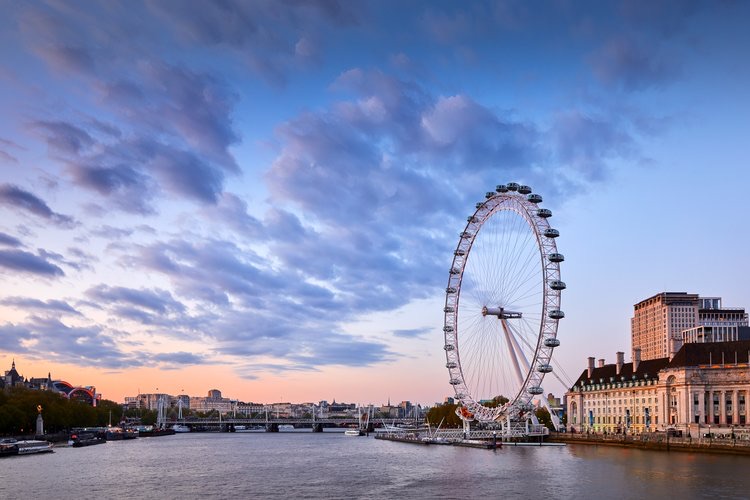
England is a more expensive destination, particularly if you spend significant time in London. Budget accommodation like a hostel bed can cost £30-£50 ($38-$65) per night, while a basic hotel room starts at £80-£120 ($100-$150). Public transport in London is efficient but costly, a single Tube ride is £2.80-£6.70 ($3.50-$8.50) depending on zones. Museum entry is often free for permanent collections, but special exhibitions and attractions like the Tower of London (£30/$38) add up. Eating out frequently, even moderately, will quickly increase costs. A conservative daily budget for a solo traveler is £60-£100 ($75-$125), rising to £120-£180 ($150-$230) with more activities or nicer lodging.
Greece offers much better value for money. A hostel bed can be found for €20-€35 ($24-$42) in Athens or some islands, with basic hotel rooms starting at €50-€80 ($60-$95). Local buses are very affordable, often €1.20-€2.00 ($1.50-$2.50) per ride. Ferry costs can add up for island hopping, but local flights might be competitive. Entry to historical sites like the Acropolis is €20 ($24). Food is a major saving, with delicious and inexpensive meals. Overall, a comfortable daily budget for Greece might be €40-€80 ($50-$95), allowing for good food and activities. Santorini and Mykonos are exceptions, with prices closer to Englands, but most of Greece is significantly cheaper. Greece offers far greater budget flexibility and delivers more for each dollar spent.
- Winner: Greece
- Why: Greece consistently provides better value for money across accommodation, food, and local experiences, making travel more accessible.
- Who this matters for: This is crucial for budget travelers and those wanting longer trips.
🏛️ Culture & History
England is a deep dive into history, from Roman baths in Bath to medieval castles like Warwick Castle (£28/$35 entry). London alone offers the British Museum (free entry),…

England

Greece
England is a deep dive into history, from Roman baths in Bath to medieval castles like Warwick Castle (£28/$35 entry). London alone offers the British Museum (free entry), National Gallery (free), and the Tower of London (£30/$38). You can explore literary sites like Shakespeares birthplace in Stratford-upon-Avon (£24/$30) or the Jane Austen Centre in Bath (£17/$21). The countries royal history is visible everywhere, from Buckingham Palace to Windsor Castle. Its cultural institutions are among the worlds best, offering extensive collections and performances, such as a West End show which can cost £50-£150 ($65-$190). The countries narrative is one of empire, innovation, and enduring traditions, all easily accessible.
Greece is the cradle of Western civilization, with ancient sites that fundamentally shaped modern thought. The Acropolis in Athens (€20/$24), Delphi (€12/$14), and Olympia (€12/$14) are just a few examples of historical places that demand attention. Beyond the classical, Byzantine churches and monasteries, like those in Meteora (€3/$3.50 per monastery), showcase a different, equally compelling historical layer. The islands each have their own traditions, architecture, and local festivals. Greek mythology feels alive in the landscape. While England offers a broader range of historical periods in one small area, Greeces ancient sites are more foundational and arguably more impactful for those interested in the origins of Western culture. Its a tie, depending on whether you prefer classical origins or a broader historical sweep.
- Winner: Tie
- Why: Both countries offer immense cultural and historical depth, catering to different interests, making it impossible to declare one superior.
- Who this matters for: This matters for history buffs, art lovers, and those seeking deep cultural immersion.
🏖️ Beaches & Nature
England boasts impressive natural beauty, often overlooked. Its national parks, such as the Lake District, offer hiking, boating, and scenic drives with hills and lakes. Coastal…
England
Greece
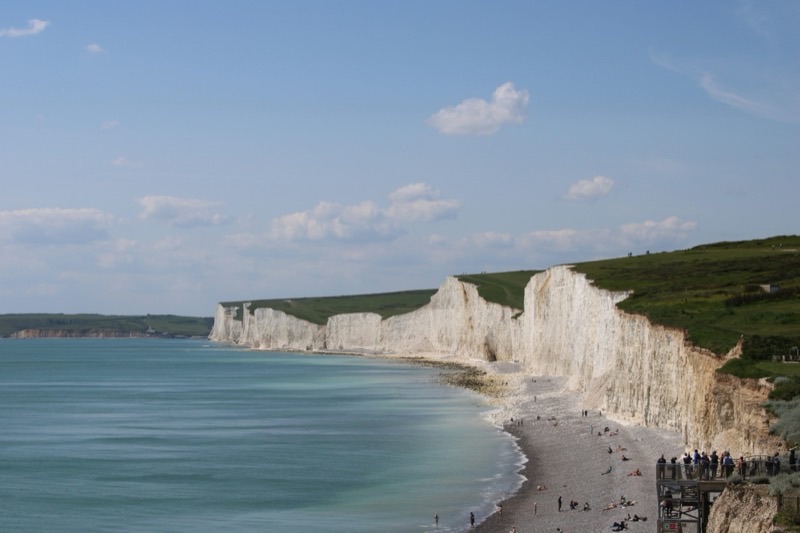
England boasts impressive natural beauty, often overlooked. Its national parks, such as the Lake District, offer hiking, boating, and scenic drives with hills and lakes. Coastal areas like Cornwall feature rugged cliffs and surfing beaches, while the Jurassic Coast in Dorset has fossil-rich shores. The Cotswolds provide quintessential rolling hills and charming villages. The weather is often mild, but rain is common, even in summer. Beaches are generally pebble or shingle, with colder water temperatures, and often more for walking and enjoying the view than swimming. While pleasant, Englands nature is typically green and pastoral, requiring active engagement to appreciate fully.
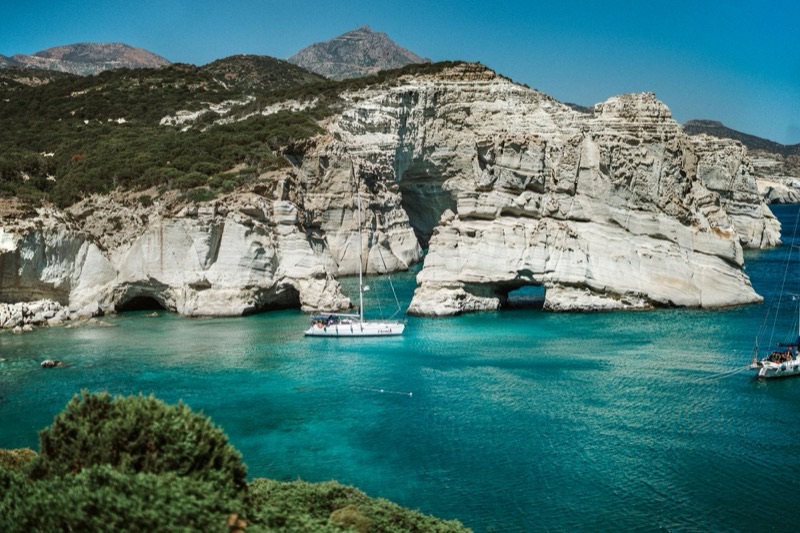
Greece is defined by its Mediterranean climate and thousands of islands, offering some of the worlds most sought-after beaches. Think Navagio Beach (Shipwreck Beach) in Zakynthos, Elafonisi Beach with its pink sand in Crete, or the volcanic Red Beach in Santorini. The waters are warm, clear, and ideal for swimming, snorkeling, and watersports. Beyond the beaches, destinations like Meteora offer incredible geological formations and monasteries perched on rock pillars. Crete has dramatic gorges and hiking trails. The natural landscape is often dry, rocky, and dramatic, contrasting with the lushness of the sea. For sheer visual impact, warmth, and variety of coastal experiences, Greece is the clear victor.
- Winner: Greece
- Why: Greece offers superior beaches, warmer waters, and consistently sunny weather, making it ideal for coastal relaxation and activities.
- Who this matters for: This matters most for beach lovers, sun worshipers, and those seeking water-based activities.
🍸 Nightlife
Englands nightlife is diverse, particularly in London. You can find superclubs like Ministry of Sound or Fabric, theatre productions in the West End, comedy clubs, and countless…
England

Greece
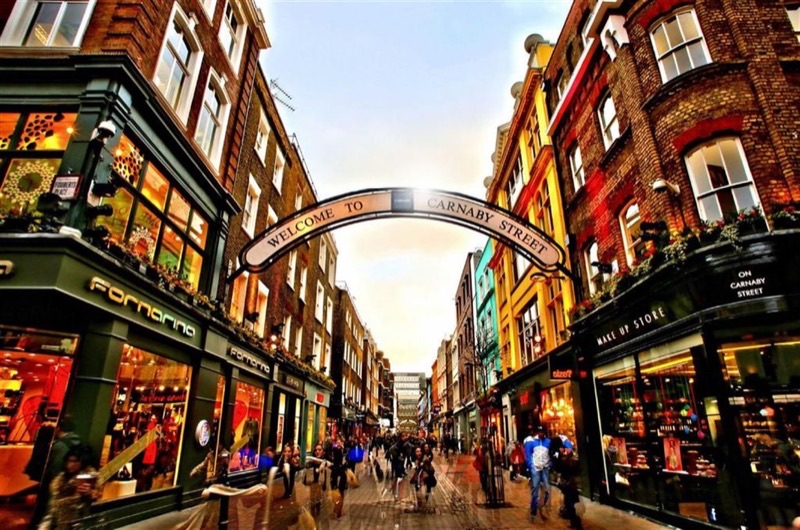
Englands nightlife is diverse, particularly in London. You can find superclubs like Ministry of Sound or Fabric, theatre productions in the West End, comedy clubs, and countless traditional pubs, which are often the heart of local social life. Outside London, major cities like Manchester, Liverpool, and Bristol also have robust club scenes and live music venues. Pubs typically close around 11 PM or midnight, with clubs staying open much later. Drink prices, especially in London, can be high: a cocktail might cost £12-£18 ($15-$23). The atmosphere can vary from high-energy to laid-back. The theatre scene is a major draw, offering a different kind of evening entertainment.
Greece embraces a later, more relaxed approach to nightlife that often transitions into high-energy dancing. Tavernas stay open late, offering food, drinks, and sometimes live music. Beach bars on islands like Mykonos and Ios are legendary for their parties that continue until sunrise, with cocktails ranging from €10-€15 ($12-$18). In Athens, areas like Gazi have a dense concentration of bars and clubs. The weather allows for outdoor gatherings, making street life a significant part of the evening experience. Greeces nightlife feels more integral to the culture, less structured, and generally starts later and lasts longer. For sheer fun, atmosphere, and warmth, Greece wins.
- Winner: Greece
- Why: Greeces nightlife is more integrated into the daily culture, often outdoors, and consistently lasts longer into the early morning hours, especially on the islands.
- Who this matters for: This matters for party-goers, social travelers, and those who enjoy late evenings.
✈️ Getting There
England is exceptionally well-connected globally. London Heathrow (LHR) and Gatwick (LGW) are two of the busiest airports in the world, serving a vast network of direct flights…
England is exceptionally well-connected globally. London Heathrow (LHR) and Gatwick (LGW) are two of the busiest airports in the world, serving a vast network of direct flights from almost every major city globally. From New York (JFK), a direct flight to London typically takes around 7-8 hours. From Los Angeles (LAX), it is about 10-11 hours. Multiple airlines offer competitive routes, making it easier to find deals and convenient schedules. The sheer volume of flights and airline choices often translates to better pricing and more flexibility for international travelers. Other major airports like Manchester (MAN) and Birmingham (BHX) also offer international connections, further enhancing accessibility.
Greeces main international gateway is Athens International Airport (ATH). While it has good connections across Europe, direct long-haul flights from North America are less frequent and often more expensive than those to London. From New York (JFK) to Athens, a direct flight usually takes 9-10 hours, while from Los Angeles (LAX), it involves a connection and is 13+ hours. During peak summer, more seasonal direct flights appear to popular islands like Santorini (JTR) or Crete (HER) from European hubs. However, for most international travelers, flying into Athens and then connecting to an island via domestic flight or ferry is the standard procedure. The broader and more frequent direct flight options give England an advantage in overall ease of access from outside Europe.
- Winner: England
- Why: England has more direct long-haul flights from diverse global origins, often with more competitive pricing and shorter total travel times.
- Who this matters for: This is crucial for travelers coming from outside Europe, especially North America or Asia.
🚌 Getting Around
Englands public transport system is comprehensive, particularly its rail network. Intercity trains connect major cities like London, Manchester, Edinburgh, and Bath, offering…
Englands public transport system is comprehensive, particularly its rail network. Intercity trains connect major cities like London, Manchester, Edinburgh, and Bath, offering comfortable but sometimes expensive travel. Booking in advance can yield significant savings. London boasts one of the worlds most efficient (though costly) subway systems, the Tube, alongside extensive bus routes. Outside of London, cities also have good bus networks. Driving is on the left, and navigating city centers can be challenging with congestion charges and narrow streets. For exploring the countryside, a car offers flexibility, but parking can be an issue. Overall, it is possible to see much of England without a car due to the strong public transport backbone.
Greece relies heavily on its ferry system for island hopping, which can be a slow but scenic way to travel. High-speed ferries are faster but more expensive. On the mainland, the intercity bus system (KTEL) is reliable and affordable, connecting most towns. Athens has a modern metro system. Driving is on the right, and a rental car is highly recommended for exploring the mainland or larger islands like Crete, as public transport can be less frequent in rural areas. However, navigating narrow island roads or Athenian traffic can be stressful. The primary challenge in Greece is connecting islands efficiently; while ferries are plentiful, delays are common, and flying between islands can be costly. Englands unified, efficient, and less weather-dependent system makes it easier for general tourism.
- Winner: England
- Why: England offers a more interconnected and reliable public transport network, especially for intercity travel and without relying on often delayed ferries.
- Who this matters for: This matters for travelers who prefer not to drive or are on a tighter schedule.
🏨 Accommodation
Accommodation in England, especially in London, is expensive. A basic hotel room in a central London area like Bloomsbury can easily cost £100-£180 ($125-$230) per night. Hostels…
Accommodation in England, especially in London, is expensive. A basic hotel room in a central London area like Bloomsbury can easily cost £100-£180 ($125-$230) per night. Hostels are around £30-£50 ($38-$65). Outside London, prices drop, with B&Bs in towns like York or Bath ranging from £70-£120 ($90-$150). You can find charming country cottages or unique boutique hotels, but they come at a premium. Booking far in advance is crucial for popular periods and locations. While the quality is generally high, finding good value can be a challenge for budget and mid-range travelers.
Greece offers a wider range of accommodation that feels more aligned with traveler budgets. On the islands, you can find simple, family-run studios or guesthouses for €40-€70 ($48-$85) per night, often with sea views or near beaches. Basic hotels in Athens start around €50-€80 ($60-$95). Even on popular islands, if you book outside the absolute peak season (July/August) or away from the most central spots, you can find excellent deals. Luxury villas and resorts are plentiful, especially in Santorini and Mykonos, but the mid-range and budget options are where Greece shines. The local hospitality often adds to the experience, making even basic stays feel welcoming. Greece provides superior value and charm in its accommodation options.
- Winner: Greece
- Why: Greece provides significantly better value and a wider array of charming, affordable, and well-located accommodation options.
- Who this matters for: This is important for all travelers, but especially those on a budget or seeking local character.
🚨 Safety
England is a very safe country for tourists. Major cities like London have moderate levels of petty crime, such as pickpocketing, especially in crowded tourist areas like Oxford…
England is a very safe country for tourists. Major cities like London have moderate levels of petty crime, such as pickpocketing, especially in crowded tourist areas like Oxford Street or on the Tube. Serious crime against tourists is rare. Emergency services are efficient and reliable. Locals are generally helpful, though sometimes reserved. Awareness of surroundings and keeping valuables secure is recommended, as in any large city. Driving on the left can be a minor hazard for unfamiliar drivers, but overall, visitors can feel very comfortable exploring the country, even solo at night in most areas. Neighborhoods are clearly defined, and most areas frequented by tourists are well-policed.
Greece is also a very safe destination, particularly on the islands where crime rates are exceptionally low. In Athens, like any capital, pickpocketing and minor scams can occur around major tourist sites like the Acropolis or Monastiraki Square. Violent crime against tourists is exceedingly rare. The local culture is generally friendly and welcoming, and people often feel secure walking around late at night. Emergency services are available, though response times might vary compared to more developed nations. The biggest safety concerns might be scooter accidents on islands or ferry delays in bad weather, rather than crime. Both countries offer a high degree of safety for travelers, with similar precautions needed in crowded urban areas. Its a tie, as both are generally very secure for visitors.
- Winner: Tie
- Why: Both England and Greece offer high levels of safety for travelers, requiring standard precautions as in any popular tourist destination.
- Who this matters for: This is important for solo travelers, families, and anyone prioritizing peace of mind.
☀️ Weather & Seasons
England has a temperate maritime climate, meaning it experiences mild temperatures and rainfall throughout the year. Summers (June-August) are generally pleasant, with average…
England has a temperate maritime climate, meaning it experiences mild temperatures and rainfall throughout the year. Summers (June-August) are generally pleasant, with average highs around 20-22°C (68-72°F), but rain showers are always a possibility. Spring (April-May) and Autumn (September-October) offer cooler, often crisp weather, with averages around 10-15°C (50-59°F). Winters (November-March) are cool and damp, with averages around 5-8°C (41-46°F), and occasional snow. The weather can be unpredictable, making layering clothing a necessity. Sunshine hours are considerably lower than in Southern Europe, especially outside of summer. For outdoor activities, especially those not tied to direct sunlight, its fine, but its rarely a destination chosen for its climate.
Greece enjoys a classic Mediterranean climate, making it a sun-seekers dream. Summers (June-August) are hot and dry, with temperatures often exceeding 30°C (86°F), especially on the mainland and some islands, perfect for beach activities. Spring (April-May) and Autumn (September-October) are ideal for sightseeing and hiking, with warm, sunny days around 20-25°C (68-77°F) and pleasant evenings. Winters (November-March) are mild in coastal areas and on islands, around 10-15°C (50-59°F), but can be colder and wetter in the north and mountainous regions. Greece boasts many more sunshine hours than England, making it a more reliable choice for warm, clear weather. For most travelers who prefer warmth and sunshine, Greece is the obvious winner.
- Winner: Greece
- Why: Greece offers a consistently warmer, sunnier, and more predictable climate, ideal for outdoor activities and relaxation, especially from spring to autumn.
- Who this matters for: This is critical for sun seekers, beach lovers, and those preferring warm weather for their trip.
🎯 The Decision Framework
Choose England If…
- You want to explore ancient castles and royal palaces.
- You are excited by world-class museums with free entry for permanent collections.
- You plan to catch a West End theatre show.
- You prefer cooler, milder weather for walking tours.
- You appreciate diverse international cuisine in major cities.
- You can easily navigate via extensive train and subway systems.
- You want to experience traditional pub culture.
- You are interested in literary history and charming old towns.
Choose Greece If…
- You dream of spending days on warm, sandy beaches.
- You are eager to explore ancient ruins like the Acropolis.
- You want to go island hopping via ferry.
- You prioritize delicious, affordable Mediterranean food.
- You love a late-night, relaxed dining and social scene.
- You prefer sunny, hot weather for most of your trip.
- You are looking for better value accommodation.
- You want to explore diverse landscapes from volcanic islands to monasteries.
📅 Sample Itineraries
Weekend in England (3 Days)
💡 Purchase an Oyster card or use contactless payment for the Tube and buses; a daily cap for zones 1-2 is around £15, offering good value for extensive travel.
Weekend in Greece (3 Days)
💡 Consider buying a combined ticket for Athens' archaeological sites for €30, which grants access to the Acropolis and six other sites, saving on individual entry costs.
One Week in England (7 Days)
💡 Book train tickets in advance for significant savings, especially for longer journeys like London to Bath or Manchester. Look for 'Advance' fares.
One Week in Greece (7 Days)
💡 For island hopping, book ferries and domestic flights well in advance, especially during peak season, to secure better prices and ensure availability on popular routes like Athens-Santorini.
❓ Frequently Asked Questions
Which destination is better for a family trip?
Greece often edges out England for families due to its warmer weather, numerous beaches, and generally more relaxed pace outside major cities. Kids often enjoy the history of ancient sites, and the food is widely appealing. England offers many family-friendly attractions like theme parks and interactive museums, but the weather can be less reliable and costs higher, particularly in London.
Is it cheaper to fly to England or Greece?
Generally, flights to London (England) from North America and many other global hubs are more frequent and often cheaper than flights to Athens (Greece). This is due to London being a major global aviation hub. Expect to save $100-$300 on average on long-haul flights to England compared to Greece, though deals vary.
What is the best time of year to visit each country?
For England, late spring (May-June) or early autumn (September) offer pleasant temperatures and fewer crowds. For Greece, spring (April-May) and autumn (September-October) are ideal, providing warm weather for beaches and comfortable temperatures for sightseeing, avoiding the intense summer heat and peak crowds.
Can I easily travel between England and Greece?
Yes, you can easily fly between England and Greece. Direct flights from London airports to Athens typically take around 3.5 to 4 hours. Budget airlines like Ryanair or EasyJet often offer competitive fares, especially if booked in advance, sometimes as low as $50-$100 for a one-way ticket.
Which country has better hiking opportunities?
Both offer good hiking. England has extensive walking trails in national parks like the Lake District or Peak District, with green hills and varied terrain. Greece offers more dramatic, rugged hikes, especially on islands like Crete (Samaria Gorge) or the unique landscapes around Meteora, with more consistent sunny weather. Your preference depends on climate and scenery.
Is public transport reliable in both countries?
Public transport is highly reliable in England, with an extensive train and bus network covering most of the country and an efficient underground in London. Greece has good intercity buses on the mainland and a strong ferry network for islands, but ferry delays are common in bad weather. For seamless, predictable travel, England's public transport is generally more robust.
Which destination is better for solo female travelers?
Both England and Greece are very safe for solo female travelers. England's well-connected cities and free museums make solo exploration easy. Greece's laid-back island culture and friendly locals are also very welcoming. Basic precautions against petty theft in crowded tourist areas apply to both. Its a matter of personal preference for atmosphere and activities.
How much should I budget for daily expenses in each country?
For England, a mid-range daily budget is typically $80-$150, including moderate accommodation, meals, and some attractions. For Greece, you can expect to spend $50-$100 daily for a similar mid-range experience, with significant savings on food and local transport. London in particular can push Englands budget much higher.
Ready to plan your European trip?
Get a free custom itinerary for England, Greece, or both — built from real traveler insights.
👥 Travelers Also Compared
🎟️ Book Tours & Experiences
Hand-picked tours and activities for both destinations — book with free cancellation
Experiences via Viator — free cancellation on most tours