How we built this comparison
This page combines traveler discussion patterns, published price ranges, flight schedules, and seasonal data to help you decide between England and Italy.
- Reviewed 100+ Reddit threads from r/travel, r/solotravel, r/London, r/ItalyTravel, r/UKtravel, r/Rome, etc.
- Verified costs and logistics against current booking platforms like Google Flights, Booking.com, Rail Europe, and local attraction websites.
- Cross-referenced seasonal patterns and weather data from meteorological services for accurate climate expectations.
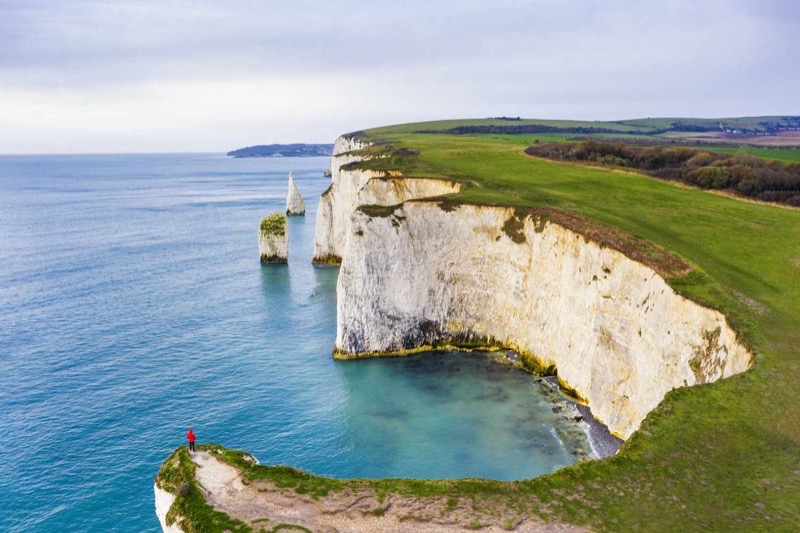
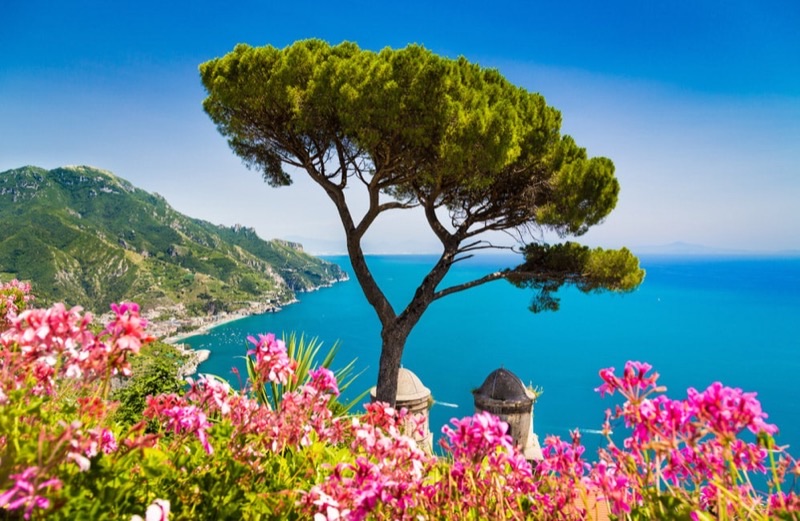
⚡ Quick Answers
⚡ The TL;DR Verdict
Choose England if you value extensive museum access, a strong pub culture, and a more predictable travel experience focused on historical cities. Daily budgets typically range $100-180 USD. Pick Italy for a trip centered on unparalleled food, ancient Roman and Renaissance sites, and a more sun-drenched, relaxed pace. Daily budgets often fall between $90-160 USD, offering slightly better value for some core experiences. For most first-time European travelers seeking iconic experiences and culinary delights, Italy often delivers a more memorable journey.
- Choose England: Travelers who appreciate detailed historical narratives, efficient public transport, varied regional accents, and a pub at every corner. Great for those who enjoy walking cities like London or exploring the academic atmosphere of Cambridge.
- Choose Italy: Individuals whose priority is exceptional food, wine, ancient architecture, and warm weather. Ideal for those who want to wander through Roman forums, taste authentic pasta, or relax by coastal waters.
- Choose Both: If you have three weeks or more and want a comprehensive European tour. Start with England's capital, then take a direct flight (around 2-2.5 hours) to a major Italian hub like Rome or Milan to experience two distinct cultures.
Choose England
England is perfect for travelers who thrive on deep historical dives and structured cultural experiences. Explore the British Museum, stroll through charming Cotswolds villages, and savor traditional pub fare in a bustling London borough. It's best for those seeking intellectual stimulation, efficient public transport, and a reliable, albeit sometimes rainy, adventure, with budgets around $100-180 USD.
Choose Italy
Italy beckons to those craving sensory indulgence, from savoring fresh pasta in Rome's Trastevere to marveling at Michelangelo in Florence. It's ideal for foodies, art enthusiasts, and romantics seeking sun-drenched days exploring ancient ruins or relaxing on the Amalfi Coast. Expect a more spontaneous, vibrant journey where daily budgets often offer exceptional value for culinary delights, typically $90-160 USD.
📊 Visual Scorecard
🌤 When to Visit
Average high temperatures (°C). Green = best months, orange = avoid.
Quick Comparison
| Category | England | Italy | Winner |
|---|---|---|---|
| Food & Drink | Pub meals, diverse international cuisine in cities, afternoon tea, real ales. Often hearty and comfort-focused. | Pasta, pizza, regional specialties, gelato, espresso, wine. Food is central to the cultural experience. | Italy |
| Culture & History | Roman ruins, medieval castles, literary heritage, industrial revolution sites, royal history. Free museum access in London. | Ancient Roman Empire, Renaissance art and architecture, Etruscan sites, Catholic Church influence. Often ticketed access. | Tie |
| Costs & Budget | Higher accommodation and transport costs, especially in London. Free museum entry helps balance. Average $100-180/day. | Generally lower food and local transport costs. Accommodation can be similar. Average $90-160/day. | Italy |
| Getting Around | Extensive, efficient, but expensive train network. Excellent London public transport. Driving outside cities is manageable. | Good intercity train network, less reliable local buses. Driving can be challenging in cities. Ferries for islands. | England |
| Accommodation | Hotels, B&Bs, guesthouses. London prices are high. Countryside offers charming options. Hostels common. | Hotels, agriturismos (farm stays), guesthouses, villas. Generally good value outside major hubs. Hostels common. | Tie |
| Nightlife | Pub culture is central. Diverse club scene in major cities. Live music venues. Theatre district. | Aperitivo tradition. Later dinners. Wine bars, clubs in big cities. More about social dining. | England |
| Nature & Scenery | Rolling hills, dramatic coastlines, national parks (Lake District, Peak District), chalk cliffs. | Alps, Dolomites, Mediterranean coastlines, volcanoes, lakes (Como, Garda), rolling Tuscan hills. | Italy |
| Weather & Seasons | Temperate, often unpredictable. Mild winters, warm summers. Rain is common year-round. Best in late spring/early autumn. | Mediterranean climate. Hot, dry summers, mild winters (south). Colder winters (north). Best in spring/early autumn. | Italy |
| Safety | Generally safe. Low violent crime. Petty theft in tourist areas. Road safety is good. | Generally safe. Petty theft (pickpocketing) common in crowded areas. Driving can be aggressive. | England |
| Solo Travel | Very solo traveler friendly. English language, easy navigation, strong hostel culture, pubs for socialising. | Solo travel friendly, especially in major cities. Language barrier can exist. Social dining and hostels are options. | England |
🍝 Food & Drink
England offers a range of eating experiences, though its traditional food often gets a bad rap. London, in particular, has some of the worlds best international food, from Borough…
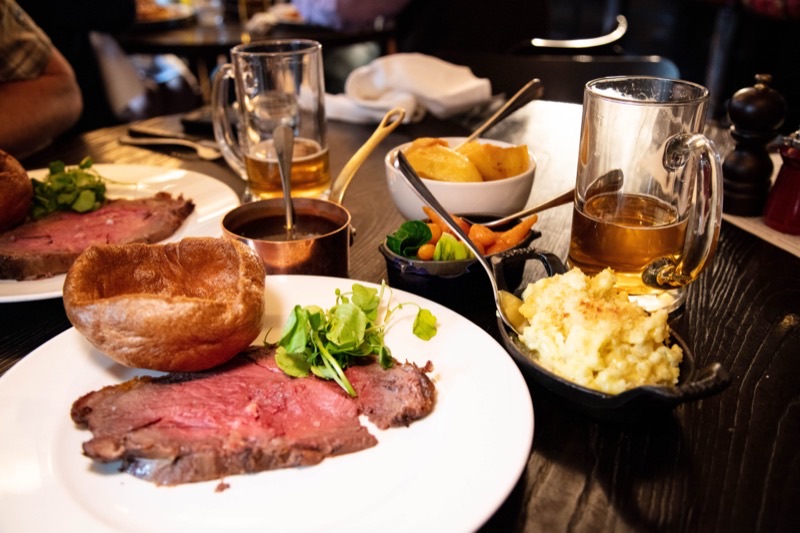
England
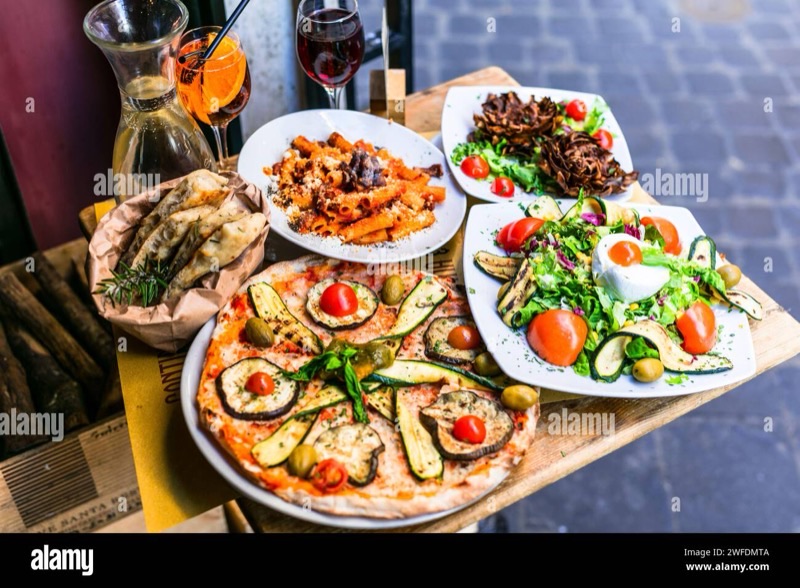
Italy
England offers a range of eating experiences, though its traditional food often gets a bad rap. London, in particular, has some of the worlds best international food, from Borough Market street food to Michelin-starred establishments. A traditional pub lunch, like fish and chips or a Sunday roast, costs around £12-£20 ($15-$25). Expect to pay £5-£7 ($6-$9) for a pint of ale in London. Outside the capital, prices drop slightly. Areas like Cornwall offer good seafood, and Manchester has a thriving curry mile. The pub culture is strong, a social hub for locals and visitors alike, offering a selection of local beers and ciders.
Italy is undeniably a food lovers paradise, with each region boasting its own distinct dishes. Rome offers classic Cacio e Pepe or Carbonara for around €12-€18 ($13-$20) at a trattoria. Florence specializes in Florentine steak, while Naples is the birthplace of pizza, where a margherita can be as little as €5 ($5.50). Gelato is widely available for €3-€5 ($3.50-$5.50), and espresso costs around €1-€2 ($1.10-$2.20) at a bar. Food is an integral part of daily life, with meals often stretching for hours, accompanied by local wines. The quality and freshness of ingredients are consistently high, even in more casual eateries. tabiji verdict: Italy wins this by a wide margin; its food culture is a primary reason to visit.
- Winner: Italy
- Why: Italy consistently delivers a higher quality and more central culinary experience, with food being a cornerstone of its culture.
- Who this matters for: Anyone whose trip revolves around eating well and trying specific regional dishes.
🏛️ Culture & History
England provides a broad sweep of history from Roman Londinium to the Victorian era. The British Museum (free entry) houses artifacts from around the world, while the Tower of…
England
Italy
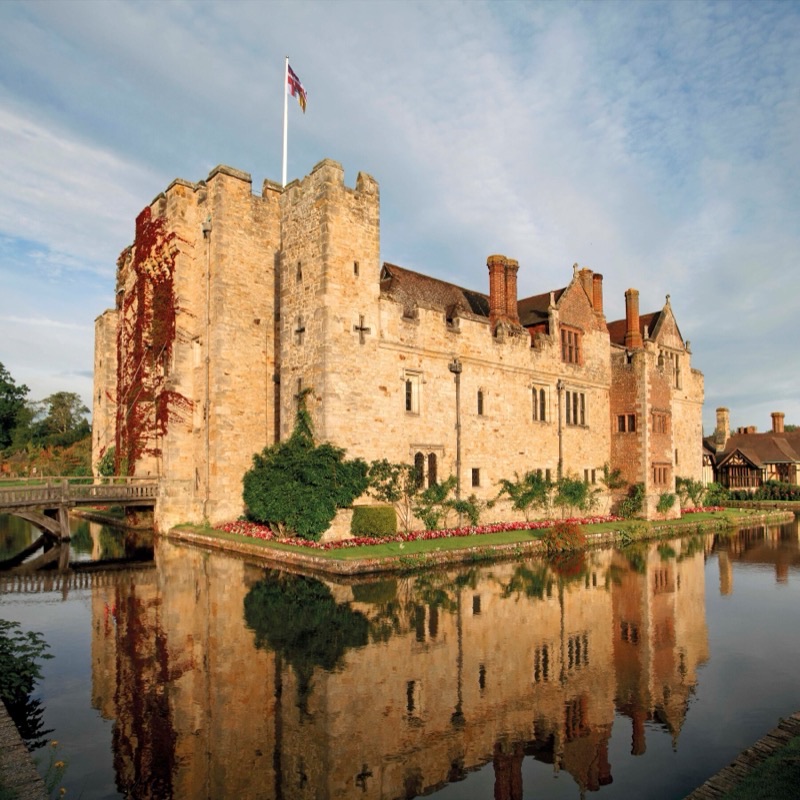
England provides a broad sweep of history from Roman Londinium to the Victorian era. The British Museum (free entry) houses artifacts from around the world, while the Tower of London (£30/$38 entry) offers a look into royal history. Warwick Castle (£25-£35/$32-$45) gives a sense of medieval life, and Bath showcases Roman baths (£28/$36). Literary history is strong, with Stratford-upon-Avon (Shakespeares birthplace, £24/$30) and the university towns of Oxford and Cambridge. Its historical sites are well-preserved and accessible, with many major London museums offering free general admission, making cultural exploration budget-friendly.
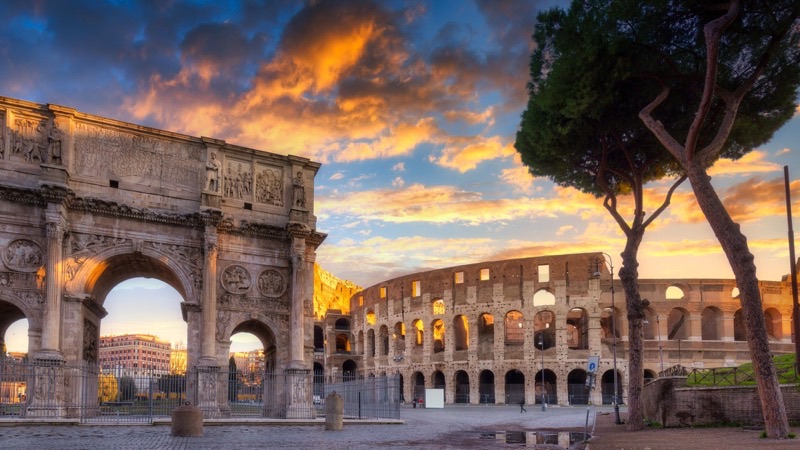
Italy is home to some of humanitys most impactful historical sites and artistic achievements. Rome offers the Colosseum (€18/$20) and Roman Forum, while the Vatican City includes St Peters Basilica and the Vatican Museums (€17/$18.50). Florence is the heart of the Renaissance, with the Uffizi Gallery (€25/$27) and Michelangelos David at the Accademia Gallery (€16/$17.50). Venice offers a unique historical cityscape. The sheer density of art, architecture, and ancient ruins is unparalleled. While many sites require paid entry, the impact of seeing these places firsthand is profound. tabiji verdict: Both countries offer immense historical depth; England for its breadth and free museums, Italy for its foundational Western heritage.
- Winner: Tie
- Why: Both countries offer deep, distinct, and world-shaping historical narratives and cultural artifacts.
- Who this matters for: Historians, art enthusiasts, and anyone interested in Western civilization roots.
💸 Costs & Budget
England, particularly London, can be an expensive destination. A budget hotel in London might cost £80-£150 ($100-$190) per night, while a meal at a casual restaurant (not a pub)…
England
Italy
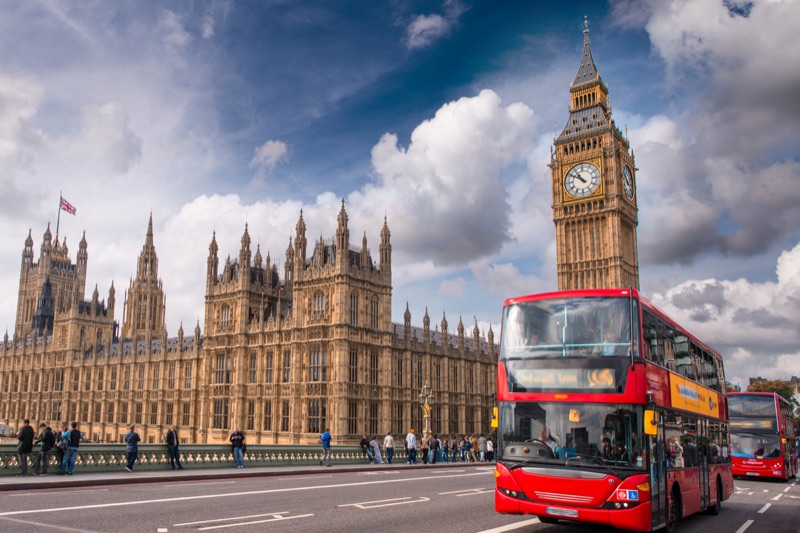
England, particularly London, can be an expensive destination. A budget hotel in London might cost £80-£150 ($100-$190) per night, while a meal at a casual restaurant (not a pub) is often £15-£25 ($19-$32). Public transport in London uses an Oyster card or contactless payment; a single tube journey can be £2.70-£6.70 ($3.40-$8.50) depending on distance. Intercity train travel is costly, with London to Manchester often £50-£100 ($63-$126) if not booked far in advance. Free entry to many major museums like the British Museum or National Gallery helps offset other costs. Outside London, prices are usually 20-30% lower.
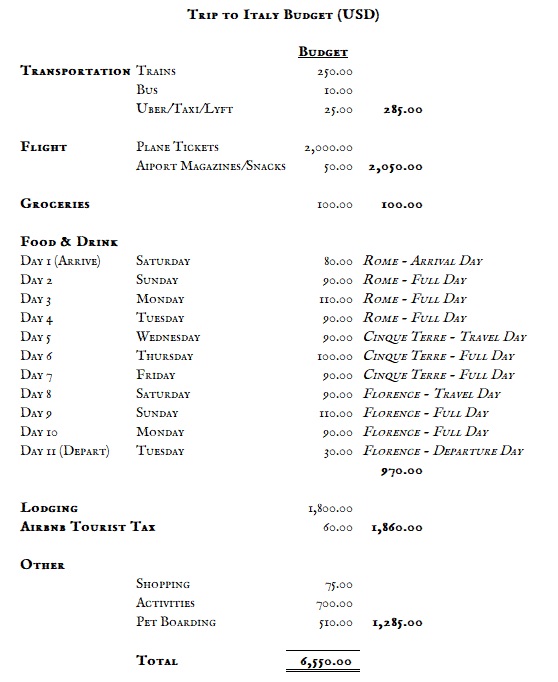
Italy offers slightly better value for many aspects of travel. A decent mid-range hotel in Rome or Florence might be €70-€130 ($75-$140) per night. Eating out, especially if you stick to trattorias and local cafes, is more affordable; a pasta dish is often €10-€15 ($11-$16.50). Local bus or metro tickets in cities are typically €1.50 ($1.65). Intercity train travel, particularly on regional lines or if booked in advance on high-speed trains, can be reasonable; Rome to Florence starts around €25 ($27) if booked early. Wine and coffee are also significantly cheaper. tabiji verdict: Italy offers a more budget-friendly experience for everyday expenses like food and local transport.
- Winner: Italy
- Why: Daily expenses, especially for food and short-distance transport, are generally lower in Italy.
- Who this matters for: Budget-conscious travelers or those planning longer trips.
🚆 Getting Around
Englands public transport is generally efficient and extensive. London boasts the Tube, buses, and DLR, all easily navigated with an Oyster card or contactless payment. Intercity…
England

Italy
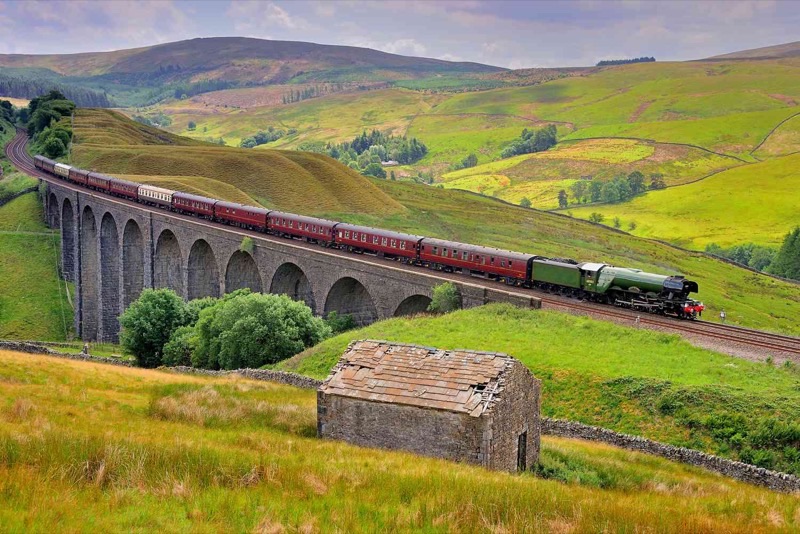
Englands public transport is generally efficient and extensive. London boasts the Tube, buses, and DLR, all easily navigated with an Oyster card or contactless payment. Intercity trains connect major cities well, but tickets can be very expensive, especially for last-minute bookings; booking months ahead can yield tickets from London to Manchester for £30-£50 ($38-$63). Driving is feasible outside of major cities, with good road networks and clear signage, though narrow country lanes are common. Fuel costs are high (around £1.50/liter or $7.50/gallon). Buses are also a more affordable alternative for intercity travel, though slower.
Italys train network is excellent for connecting major cities like Rome, Florence, and Venice with high-speed Frecciarossa or Italo trains. A high-speed ticket from Rome to Florence can be €25-€50 ($27-$55) if booked in advance. Regional trains are slower but cheaper. City public transport (buses, metro) exists but can be less reliable than in England, especially outside of Rome or Milan. Driving in Italy is generally not recommended for tourists in cities due to ZTLs (limited traffic zones) and aggressive driving styles; however, renting a car is good for exploring rural areas like Tuscany or Puglia. Ferries connect mainland to islands like Sicily or Sardinia. tabiji verdict: England wins for its overall ease of navigation and reliable, extensive public transport network within its cities and across the country, despite higher costs.
- Winner: England
- Why: England offers a more predictable and user-friendly transport system, particularly within cities and for intercity trains.
- Who this matters for: Travelers who prefer to rely on public transport and want clear, efficient routes.
🏨 Accommodation
Accommodation in England varies greatly by location. London is particularly expensive, with budget hotel rooms (like Premier Inn or Travelodge) starting from £80-£150 ($100-$190)…

England
Italy
Accommodation in England varies greatly by location. London is particularly expensive, with budget hotel rooms (like Premier Inn or Travelodge) starting from £80-£150 ($100-$190) per night. Mid-range hotels are often £150-£250 ($190-$320). Outside London, prices drop, and you can find charming B&Bs for £70-£120 ($90-$150) in smaller towns or the countryside. Hostels are widely available in major cities, with dorm beds costing £25-£50 ($32-$63). Airbnbs are prevalent but subject to local regulations.
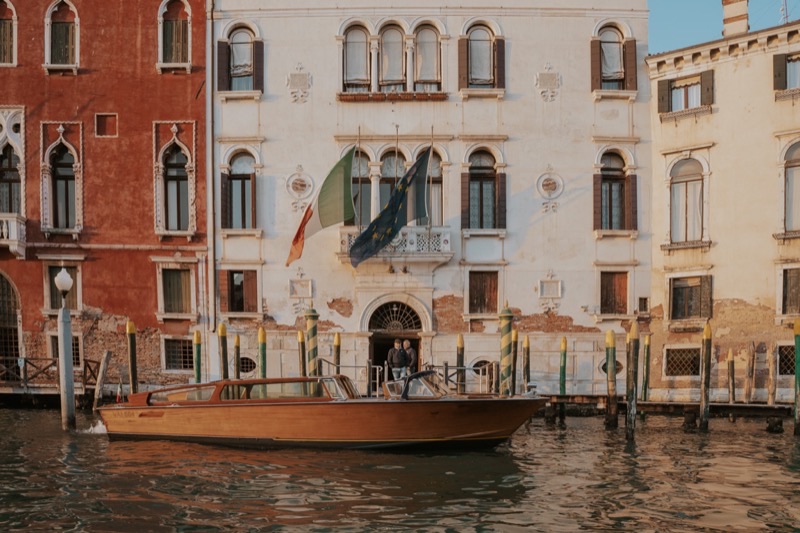
Italy offers a range of accommodation types, from city hotels to unique agriturismos in rural areas. A mid-range city hotel in Rome or Florence might be €70-€130 ($75-$140) per night, while boutique options are €150-€250 ($165-$275). Hostels are common in major tourist destinations, with dorm beds around €20-€40 ($22-$44). Agriturismos, particularly in Tuscany or Umbria, offer good value and an authentic experience, often including meals, for €80-€150 ($90-$165) per night. Availability and price can fluctuate wildly based on season, especially in popular coastal areas or during major festivals. tabiji verdict: Both countries offer a good range of accommodation options; Italy has unique rural stays while England excels in reliable hotel chains.
- Winner: Tie
- Why: Both offer extensive options catering to different budgets and styles, with unique regional offerings.
- Who this matters for: Travelers seeking specific types of stays, from budget hostels to luxury boutique hotels.
🍻 Nightlife
Englands nightlife often centers around its robust pub culture. Pubs typically close around 11 PM to midnight, offering a relaxed atmosphere for drinks and conversation. London…
Englands nightlife often centers around its robust pub culture. Pubs typically close around 11 PM to midnight, offering a relaxed atmosphere for drinks and conversation. London has a diverse and dynamic club scene, with venues like Fabric or Ministry of Sound attracting international DJs, and entry fees typically £15-£30 ($19-$38). Live music venues are plentiful, from small independent gigs to large arenas. The West End theatre district provides world-class shows, with ticket prices ranging from £30-£150 ($38-$190). Other cities like Manchester, Liverpool, and Bristol also have vibrant club and music scenes.
Italian nightlife is generally more focused on the aperitivo hour and late dinners. Aperitivo, typically from 6 PM to 9 PM, involves drinks (often €8-€12/$9-$13) accompanied by complimentary snacks, a social ritual before dinner. Clubs are found in major cities like Rome, Milan, and Florence, and they tend to open late, often not getting busy until after midnight. Entry fees can be €10-€25 ($11-$27). Smaller towns might have local bars or piazzas where people gather for drinks and conversation. The emphasis is less on large-scale clubbing and more on social interactions over food and drink, often extending late into the night. tabiji verdict: England wins for its distinct pub culture and a wider, more varied club and entertainment scene accessible to many.
- Winner: England
- Why: Englands pub culture is a well-established, accessible, and social nightlife option, complementing its diverse club and theatre scenes.
- Who this matters for: Those who prioritize a social drinking scene, live entertainment, or extensive club options.
🌳 Nature & Scenery
England offers a subtle, varied landscape. The Lake District provides glacial valleys and lakes, good for walking and boating. The Peak District has rolling hills and gritstone…
England offers a subtle, varied landscape. The Lake District provides glacial valleys and lakes, good for walking and boating. The Peak District has rolling hills and gritstone edges. The Jurassic Coast in Dorset presents dramatic cliffs and fossil-rich beaches. Cornwall and Devon feature rugged coastlines and sandy coves. The Cotswolds are known for their gentle hills and honey-colored villages. While not as dramatic as some European counterparts, Englands countryside is accessible and well-maintained, offering many walking trails.
Italy boasts incredibly diverse and impactful natural beauty. The Dolomites in the north provide towering limestone peaks, ideal for hiking and skiing. The Amalfi Coast offers postcard-worthy cliffs plunging into the Mediterranean. Tuscany is famous for its rolling hills, vineyards, and cypress-lined roads. Lakes Como and Garda offer stunning alpine lake scenery. Sicily has Mount Etna, an active volcano. Its coastlines, from the rugged Ligurian coast to the sandy beaches of Sardinia, are a major draw. The sheer variety and scale of Italys natural landscapes are truly impressive. tabiji verdict: Italy wins for its dramatic, diverse, and iconic natural landscapes, from mountains to coastlines.
- Winner: Italy
- Why: Italys natural landscapes are more varied, grand, and often more distinct in their beauty.
- Who this matters for: Outdoor enthusiasts, photographers, and those seeking varied natural backdrops.
☀️ Weather & Seasons
England has a temperate climate, known for its unpredictability. Summers (June-August) are warm, often reaching 20-25°C (68-77°F), but rain is always a possibility. Winters…
England has a temperate climate, known for its unpredictability. Summers (June-August) are warm, often reaching 20-25°C (68-77°F), but rain is always a possibility. Winters (December-February) are mild, usually 0-10°C (32-50°F), with occasional frost or snow, particularly in the north. Spring (April-May) and autumn (September-October) offer pleasant temperatures, often 10-18°C (50-64°F), and are considered good times to visit for fewer crowds and good light. Packing layers and a waterproof jacket is always advisable, regardless of the season.
Italy primarily experiences a Mediterranean climate, meaning hot, dry summers and mild, wet winters, especially in the south. Summer temperatures (June-August) frequently exceed 30°C (86°F), making sightseeing uncomfortable in cities; coastal areas offer relief. Winters (December-February) in the south are mild (10-15°C/50-59°F), while the north, especially near the Alps, can be much colder with snow. Spring (April-May) and autumn (September-October) are ideal, with comfortable temperatures (18-25°C/64-77°F) and fewer crowds. These shoulder seasons provide excellent weather for exploring cities and enjoying the outdoors without extreme heat. tabiji verdict: Italy offers a more consistently pleasant and warmer climate, particularly during the shoulder seasons, which are ideal for travel.
- Winner: Italy
- Why: Italy generally provides more reliable warm and sunny weather, especially in its shoulder seasons, which are ideal for tourism.
- Who this matters for: Sun-seekers, those sensitive to cold, or travelers preferring predictable good weather.
🚨 Safety
England is generally a very safe country for travelers. Violent crime is low, though it does exist, particularly in specific urban areas and not typically affecting tourists. The…
England is generally a very safe country for travelers. Violent crime is low, though it does exist, particularly in specific urban areas and not typically affecting tourists. The main concern for visitors is petty theft, especially pickpocketing in crowded tourist spots like Londons West End, markets, or on public transport. Its always wise to be aware of surroundings and keep valuables secure. Road safety standards are high, with strict enforcement of traffic laws. Emergency services are reliable and easily accessible.
Italy is also generally safe for tourists, but petty crime is a more noticeable issue. Pickpocketing is very common in major tourist hubs such as Rome (around the Colosseum, Trevi Fountain, Termini station), Florence, and Naples, particularly on crowded buses or trains. Visitors should be extra vigilant with bags and wallets. While violent crime against tourists is rare, scams can occur, especially around major attractions. Driving in Italian cities can be aggressive and chaotic, requiring confidence and experience. Emergency services are well-established. tabiji verdict: England edges out Italy due to a lower prevalence of petty crime and a generally calmer urban environment for tourists.
- Winner: England
- Why: England has a slightly lower incidence of common tourist-targeted petty crime like pickpocketing.
- Who this matters for: Solo travelers, families, or those with a higher concern for personal safety and theft.
🚶♀️ Solo Travel
England is an excellent destination for solo travelers. The lack of a language barrier (for English speakers) immediately reduces stress. Navigation is straightforward, especially…
England is an excellent destination for solo travelers. The lack of a language barrier (for English speakers) immediately reduces stress. Navigation is straightforward, especially with Londons public transport system. Hostels are plentiful and often high quality, providing good opportunities to meet other travelers; a dorm bed can be £25-£50 ($32-$63). Pubs offer a natural, relaxed setting for a solo drink or meal, and many have communal tables. It feels very safe to walk alone at night in most central areas. There are countless free museums and walking tours, making independent exploration easy and affordable.
Italy is also quite welcoming for solo travelers, particularly in its major cities like Rome, Florence, and Venice. The main challenge can be the language barrier if you do not speak basic Italian, though English is widely understood in tourist areas. Eating alone can feel less common in Italy, where meals are a social event, but many trattorias are used to solo diners, and casual pizzerias are fine. Hostels are available, with dorm beds around €20-€40 ($22-$44), providing social opportunities. Train travel between cities is efficient and safe for solo individuals. While generally safe, the higher prevalence of pickpocketing (as mentioned in Safety) requires solo travelers to be extra vigilant. tabiji verdict: England offers a slightly smoother and more comfortable solo travel experience due to the absence of a language barrier and its ingrained pub social culture.
- Winner: England
- Why: The absence of a language barrier and a strong, accessible pub culture make England particularly easy and comfortable for solo travelers.
- Who this matters for: First-time solo travelers, those who prefer to rely on English, or those seeking easy social interaction.
🎯 The Decision Framework
Choose England If…
- You appreciate historic pubs and real ale culture.
- You want easy navigation with English as the primary language.
- You enjoy extensive free museum access (e.g., British Museum, National Gallery).
- You are interested in diverse cityscapes, from London to Edinburgh.
- You prefer cooler, more temperate weather.
- You want to explore historic castles and literary sites (e.g., Warwick Castle, Stratford-upon-Avon).
- You value reliable and efficient public transportation.
- You seek a travel experience with lower petty crime rates.
Choose Italy If…
- Your trip priority is exceptional food and wine experiences.
- You want to explore ancient Roman and Renaissance art and architecture (Colosseum, Uffizi Gallery).
- You prefer warm, sunny weather, especially in spring or autumn.
- You plan to relax by stunning coastlines or lakes (Amalfi Coast, Lake Como).
- You enjoy the aperitivo tradition and late, social dining.
- You are looking for slightly better value on daily expenses like food and local transport.
- You want to experience a distinct, passionate European culture.
- You are comfortable with some language differences or basic Italian phrases.
📅 Sample Itineraries
Weekend in England (3 Days)
💡 Use an Oyster card or contactless payment on London's public transport; there's a daily fare cap of around $10-15, saving money on multiple rides.
Weekend in Italy (3 Days)
💡 Book tickets for popular attractions like the Colosseum and Vatican Museums online several weeks in advance to bypass lengthy queues and save time.
One Week in England (7 Days)
💡 Pre-booking train tickets in England, especially for longer journeys, can offer significant savings of up to 50% compared to purchasing on the day of travel.
One Week in Italy (7 Days)
💡 Look for 'menu turistico' in smaller Italian towns and restaurants; these fixed-price, multi-course meals often offer excellent value for $20-30.
❓ Frequently Asked Questions
Which country is cheaper to visit, England or Italy?
Italy is generally cheaper for everyday expenses like food, coffee, and local transport. A typical daily budget in Italy might be $90-160 USD, while England, especially London, can be $100-180 USD, largely due to higher accommodation and intercity train costs. However, Englands many free museums can balance out some expenses.
What is the best time of year to visit England versus Italy?
For England, late spring (April-May) and early autumn (September-October) offer pleasant temperatures (10-18°C/50-64°F) and fewer crowds. For Italy, the shoulder seasons (April-May and September-October) are ideal, with warm, comfortable temperatures (18-25°C/64-77°F) and less heat than summer.
Is one country safer for solo travelers?
Both countries are generally safe for solo travelers. England has a slight edge due to lower rates of petty crime like pickpocketing, particularly in major tourist zones. The lack of a language barrier in England also contributes to a feeling of ease for many English-speaking solo visitors.
Which has better food and dining experiences?
Italy wins for its consistently exceptional food and dining experiences. Its culinary traditions are central to its culture, with each region offering distinct, high-quality dishes. England offers good international cuisine, particularly in London, but its traditional food is less universally celebrated compared to Italys offerings.
How do flight times and costs differ from the US?
Direct flights from major US East Coast cities to London typically take around 6.5-7 hours. Flights to Rome or Milan are slightly longer, around 8-9 hours. Costs are often comparable for major hubs, but Italy might see slightly higher prices due to the longer distance, though this varies greatly by airline and season.
Which country is better for history buffs?
This is a tie, as both offer profound historical experiences. England covers Roman, medieval, and industrial history with many free museums. Italy focuses on the ancient Roman Empire and the Renaissance, with an unparalleled density of art and ancient ruins. Your specific historical interest dictates the better choice.
What are the main differences in getting around?
England has a highly efficient and extensive train and public transport network, particularly in London, though intercity trains can be expensive. Italy also has a good intercity train system, but city public transport can be less reliable, and driving in cities is often challenging due to traffic restrictions. England offers easier overall navigation.
Which country has more dramatic natural scenery?
Italy generally boasts more dramatic and varied natural scenery. From the towering Dolomites and the picturesque Amalfi Coast to the active Mount Etna and the lakes of Como and Garda, Italy offers a wider range of impactful landscapes compared to Englands more subtle, rolling hills and charming coastlines.
Ready to plan your European trip?
Get a free custom itinerary for England, Italy, or both — built from real traveler insights.
👥 Travelers Also Compared
🎟️ Book Tours & Experiences
Hand-picked tours and activities for both destinations — book with free cancellation
Experiences via Viator — free cancellation on most tours