How we built this comparison
This page combines traveler discussion patterns, published price ranges, flight schedules, and seasonal data to help you decide between England and Latvia.
- Reviewed 100+ Reddit threads from r/travel, r/solotravel, r/UKtravel, r/Latvia for firsthand experiences.
- Verified costs and logistics against current booking platforms (e.g., Google Flights, Booking.com, Hostelworld) for 2024-2025.
- Cross-referenced seasonal patterns and weather data for optimal travel timing.
⚡ Quick Answers
⚡ The TL;DR Verdict
For most travelers seeking a well-trodden path with diverse options and established infrastructure, England is the easier pick, though pricier, with a daily budget around $100-180 outside London. If youre adventurous and value low costs, Baltic history, and accessible nature, Latvia offers a rewarding experience for $40-80 per day.
- Choose England: If you prioritize grand historical sites, extensive public transport, varied culinary scenes, and dont mind a higher budget.
- Choose Latvia: If you seek a budget-friendly trip, enjoy exploring less-traveled paths, appreciate natural landscapes, and are interested in Post-Soviet culture.
- Choose Both: Consider a longer trip, 2-3 weeks, combining a week in England with a shorter 4-5 day visit to Riga via a budget flight for contrast.
Choose England
England is ideal for travelers seeking rich history and vibrant urban experiences, from exploring ancient castles like Warwick to enjoying London's West End shows. Best for those who appreciate diverse culinary scenes, efficient rail networks, and don't mind a daily budget of $100-180, outside the capital, for quality experiences.
Choose Latvia
Latvia beckons to the budget-conscious adventurer eager to explore unique Baltic charm and vast natural beauty. Wander the Art Nouveau streets of Riga's Old Town, discover Gauja National Park's medieval castles, or immerse yourself in local markets for an authentic, less-traveled experience, all for a rewarding $40-80 daily budget.
📊 Visual Scorecard
🌤 When to Visit
Average high temperatures (°C). Green = best months, orange = avoid.
Quick Comparison
| Category | England | Latvia | Winner |
|---|---|---|---|
| Costs & Budget | Significantly higher daily expenses, especially in London. Public transport and accommodation are major costs. | Very budget-friendly, offering excellent value for accommodation, food, and local transport. Much lower overall spend. | Latvia |
| Culture & History | Centuries of globally recognized history from Roman times to modern monarchy. Diverse museum offerings and literary sites. | Baltic, German, Swedish, and Soviet influences. Art Nouveau architecture in Riga and preserved medieval towns. | England |
| Food & Drink | London offers global cuisine; traditional British food like fish and chips, Sunday roast, and full English breakfast are staples. Excellent pub culture. | Hearty Baltic cuisine with influences from Eastern Europe. Dark rye bread, potatoes, dairy, and seasonal berries are common. Good craft beer scene. | England |
| Nightlife | Extensive options from traditional pubs to high-end clubs, especially in London, Manchester, and Liverpool. Live music and theater are common. | Riga has a concentrated and energetic nightlife in its Old Town. Numerous bars, clubs, and some casinos, generally affordable. | England |
| Nature & Outdoors | Rolling hills, dramatic coastlines, national parks like the Lake District and Peak District. Managed landscapes, popular for hiking. | Dense forests, sandy Baltic Sea beaches, and national parks with less human intervention. Gauja National Park is a key destination. | Latvia |
| Getting There | Major international hubs like London Heathrow (LHR) offer direct flights from around the globe. Many budget flight options within Europe. | Riga International Airport (RIX) is the largest in the Baltics, but direct long-haul flights are less common. Good connections within Europe. | England |
| Getting Around | Extensive national rail network, good bus connections, and comprehensive public transport in cities. Can be expensive. | Reliant on buses and trams in cities. Intercity travel mainly by bus, which is efficient and affordable. Trains are less developed for tourism. | England |
| Accommodation | Wide range from hostels to luxury hotels, but generally expensive, especially in popular cities. Booking in advance is crucial. | Excellent value for money across all types, from hostels to boutique hotels. Apartments and guesthouses are readily available. | Latvia |
| Solo Travel | Very easy to navigate independently, with established hostel networks, numerous group tours, and a culture of hospitality in pubs. | Safe and welcoming for solo travelers, particularly in Riga. Less structured tourism infrastructure outside the capital, but still manageable. | England |
| Safety | Generally safe, but large cities have typical urban concerns like petty theft. Low violent crime rates. | Low crime rates, generally considered very safe for tourists. Petty theft can occur in crowded areas. | Tie |
💸 Costs & Budget
Englands travel costs are among the highest in Europe. Expect to spend $120-200 (approx. £95-160) per day in London, covering a mid-range hostel or budget hotel, eating out a…
England
Latvia
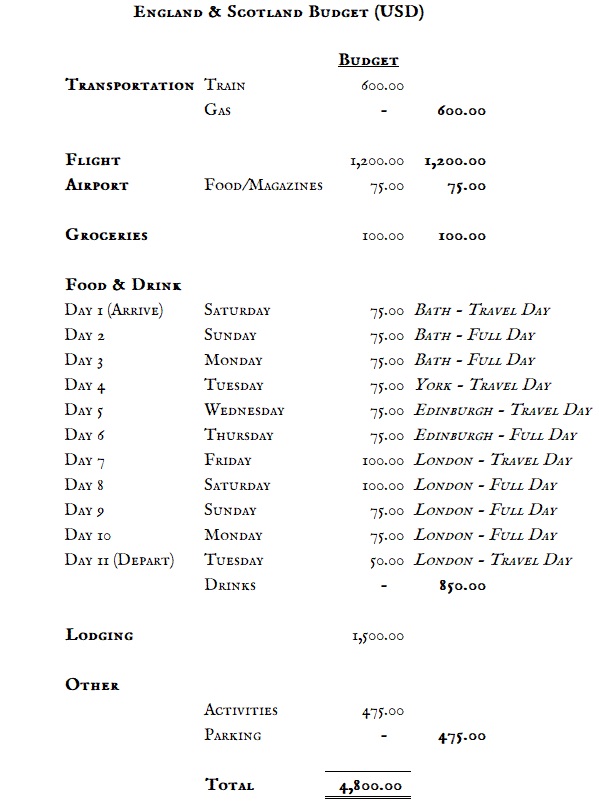
Englands travel costs are among the highest in Europe. Expect to spend $120-200 (approx. £95-160) per day in London, covering a mid-range hostel or budget hotel, eating out a couple of times, and using public transport like the Underground. Outside London, major cities like Manchester or Edinburgh still run $80-150 (approx. £65-120) per day. A typical pub meal costs £12-18 ($15-23), a pint of beer £5-7 ($6-9), and train tickets between cities can be very expensive if not booked far in advance (e.g., London to Manchester £40-80/$50-100 one-way).
Latvia provides a stark contrast in pricing. A daily budget of $40-80 (approx. €35-75) is realistic for a comfortable trip. Hostels in Riga start around €15-25 ($16-27), while a mid-range hotel can be found for €50-80 ($54-87). Eating out at a casual restaurant costs €8-15 ($9-16) for a main dish, and a local beer is often €3-5 ($3-5). Public transport within Riga is €1.15 for a single ticket ($1.25) when bought in advance. Long-distance buses, like to Sigulda, cost around €5-7 ($5-8) one-way, making day trips very affordable. Latvia is the clear winner for budget-conscious travelers.
- Winner: Latvia
- Why: Latvias overall cost of living and tourism services are substantially lower, allowing for a much more extensive trip on a smaller budget.
- Who this matters for: Travelers prioritizing budget and wanting their money to go further.
🏛️ Culture & History
Englands historical narrative is long and globally impactful, spanning Roman ruins, medieval castles, the British Empire, and two World Wars. Major attractions include the Tower…
England
Latvia
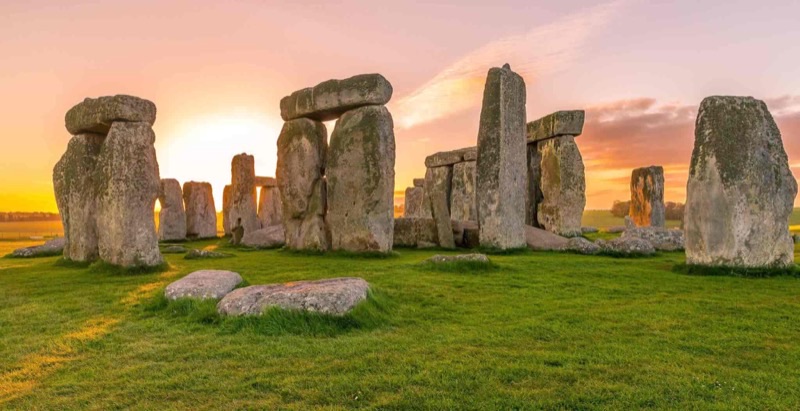
Englands historical narrative is long and globally impactful, spanning Roman ruins, medieval castles, the British Empire, and two World Wars. Major attractions include the Tower of London, Westminster Abbey, the British Museum, and Stonehenge. Literary heritage is strong with sites connected to Shakespeare, Austen, and Dickens. Outside London, places like York with its Viking history or Bath with its Roman baths offer deep dives into different eras. The cultural landscape is broad, from West End theater to local village fetes, catering to many interests.
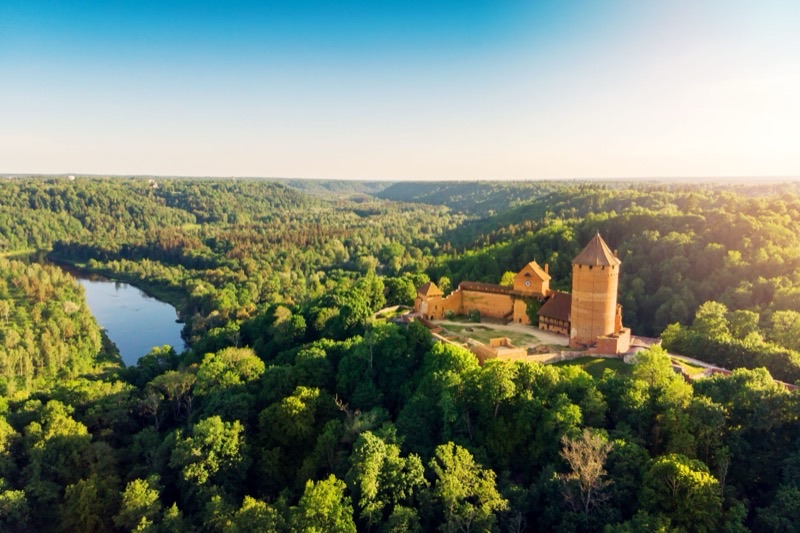
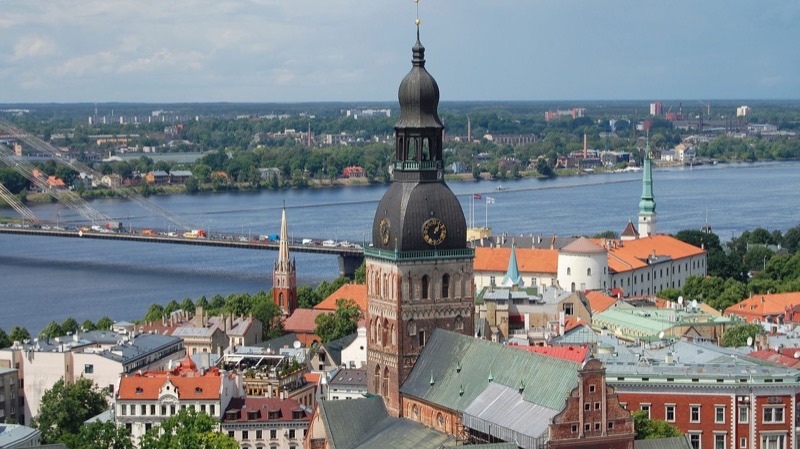
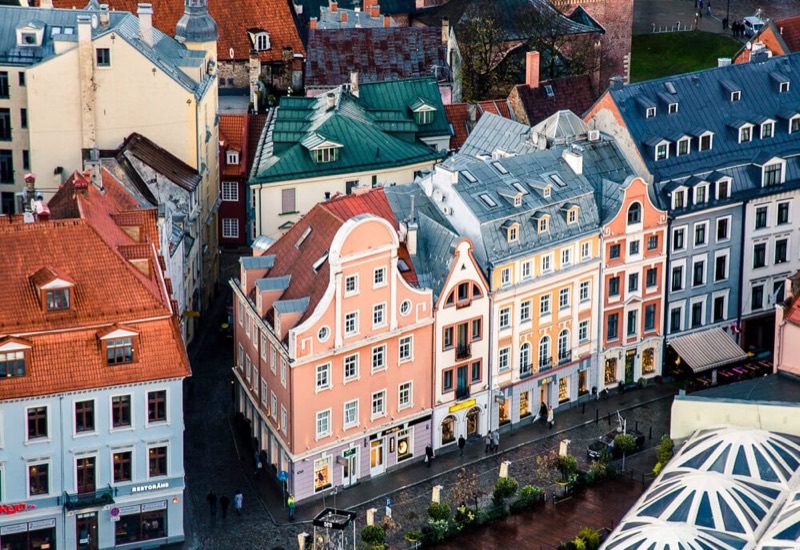
Latvias history is complex, marked by occupations and influences from various powers. Riga is renowned for its Art Nouveau architecture, particularly along Alberta Street, and its well-preserved Old Town, a UNESCO site. The Museum of the Occupation of Latvia provides a stark look at Soviet and Nazi rule. Cēsis and Sigulda offer medieval castle ruins like Turaida Castle, showcasing Livonian heritage. Its a history of resilience and identity, less globally pervasive than Englands, but deeply felt and visually present in its urban and rural landscapes. England offers a broader, more internationally recognized historical and cultural experience.
- Winner: England
- Why: Englands historical footprint is vast and its cultural institutions are extensive, offering a globally recognized depth of experience.
- Who this matters for: Travelers who seek widely recognized historical landmarks, literary connections, and extensive museum collections.
🍽️ Food & Drink
Englands food scene, especially in London, is incredibly diverse. You can find authentic cuisine from nearly every corner of the globe, from Michelin-starred restaurants to casual…

England

Latvia
Englands food scene, especially in London, is incredibly diverse. You can find authentic cuisine from nearly every corner of the globe, from Michelin-starred restaurants to casual street food markets like Borough Market. Traditional British fare includes fish and chips (expect to pay £10-15/$13-19), Sunday roasts, pies, and the ubiquitous full English breakfast. The pub culture is central, with establishments like The Churchill Arms in Kensington offering both traditional food and local ales. Craft beer and artisanal gin scenes are thriving across the country. Outside London, regional specialties like Cornish pasties or Yorkshire puddings are found.
Latvian food is comforting and uses local, seasonal ingredients. Staples include dark rye bread (rupjmaize), potatoes, and various dairy products. Popular dishes include Grey Peas with Speck (pelēkie zirņi ar speķi), often found at places like Folkklubs Ala Pagrabs in Riga, and various soups. The LIDO chain offers a cafeteria-style experience with traditional dishes at very reasonable prices (a meal for €7-12/$8-13). Wild berries and mushrooms are common in season. Riga has a growing number of modern restaurants, but the overall diversity does not match England. Englands culinary range and established pub culture give it the edge.
- Winner: England
- Why: England, particularly London, provides a far more diverse and globally recognized culinary landscape, alongside its strong pub traditions.
- Who this matters for: Food enthusiasts looking for a wide range of international cuisines and a deep dive into pub culture.
🎉 Nightlife
Englands nightlife is expansive and varied. London boasts some of the worlds premier clubs like Fabric and Ministry of Sound, alongside countless pubs, cocktail bars, and live…
England

Latvia
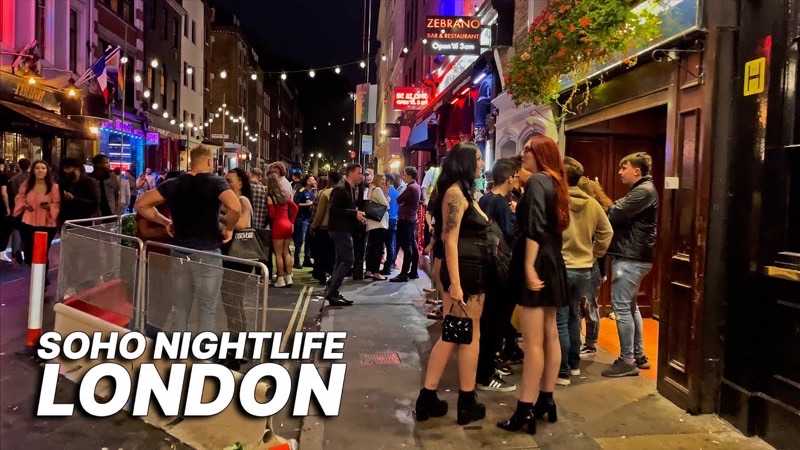
Englands nightlife is expansive and varied. London boasts some of the worlds premier clubs like Fabric and Ministry of Sound, alongside countless pubs, cocktail bars, and live music venues. The West End is famous for its theater district. Cities like Manchester and Liverpool also have significant club scenes and music heritage, offering options from indie rock gigs to EDM nights. A typical night out involves pub hopping, with drinks averaging £6-10 ($8-13) each, followed by a club or late-night bar. Pubs generally close around 11 PM or midnight, with clubs staying open much later.
Latvias nightlife is largely centered in Rigas Old Town, making it very walkable and convenient. There are numerous bars, pubs, and clubs, many of which cater to international visitors. Places like Rockcafe and Golden Bar offer different atmospheres. Drinks are significantly cheaper than in England, often €4-7 ($4-8) for a cocktail or beer. While Riga offers a lively scene, its scale and diversity cannot compete with Englands major cities. England provides a broader selection of nightlife experiences, from intimate jazz clubs to massive dance venues.
- Winner: England
- Why: Englands major cities offer a far greater variety and scale of nightlife options, from pubs to world-renowned clubs and theater.
- Who this matters for: Travelers seeking extensive late-night entertainment, diverse music venues, and established club scenes.
🌲 Nature & Outdoors
Englands countryside is renowned for its pastoral beauty, from the rolling hills of the Cotswolds to the dramatic cliffs of the Jurassic Coast. National Parks like the Lake…
England
Latvia
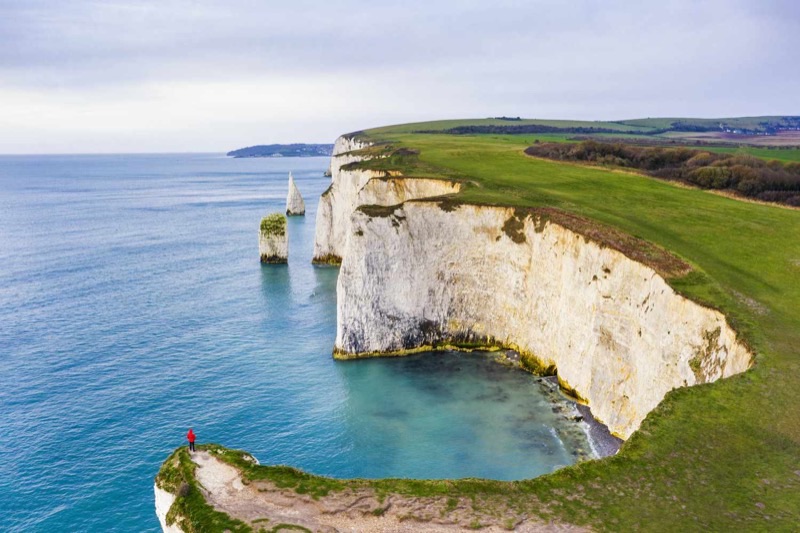
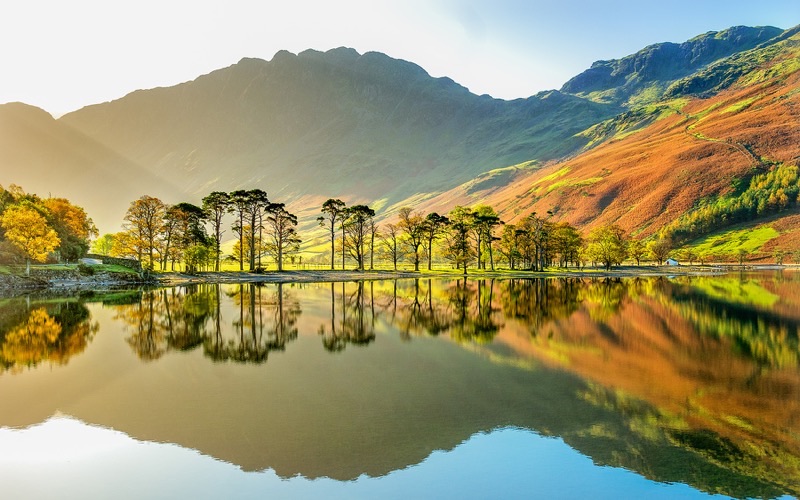
Englands countryside is renowned for its pastoral beauty, from the rolling hills of the Cotswolds to the dramatic cliffs of the Jurassic Coast. National Parks like the Lake District, Peak District, and Yorkshire Dales offer extensive hiking opportunities amidst managed landscapes. Coastal walks are popular, such as along the South West Coast Path. While beautiful, these areas can be quite crowded, especially during peak seasons, and reaching trailheads often requires a car or specific bus routes. Access to nature is often through well-maintained public footpaths.
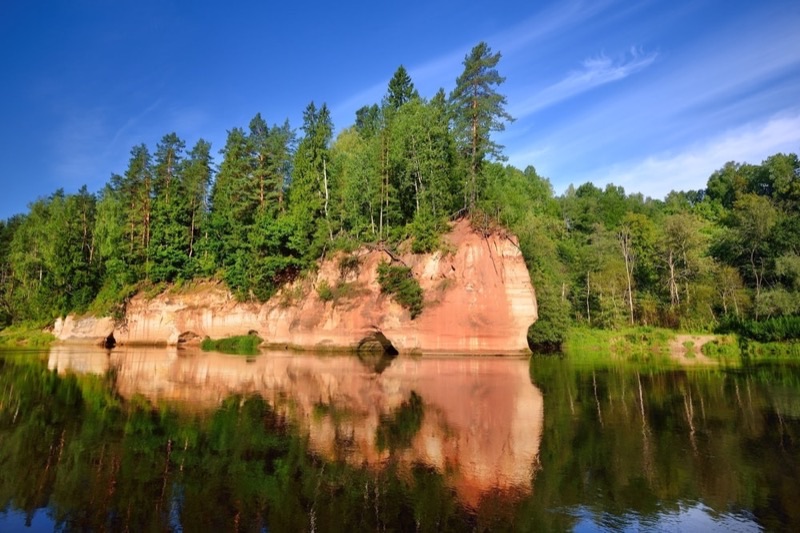
Latvia offers a more rugged and less developed natural experience. Forests cover a significant portion of the country, and its Baltic coastline provides long, sandy beaches with fewer crowds. Gauja National Park, often called the Livonian Switzerland, offers dramatic river valleys, sandstone cliffs, and extensive hiking trails around Sigulda. Kemeri National Park features a vast bog walk with wooden boardwalks. These areas feel wilder and are generally more accessible for serene experiences. Latvia provides a more authentic and less tourist-saturated connection to nature.
- Winner: Latvia
- Why: Latvias nature feels more raw and less developed, offering a peaceful escape into dense forests, bogs, and quiet Baltic beaches.
- Who this matters for: Travelers seeking unspoiled wilderness, serene hiking, and a less crowded natural escape.
✈️ Getting There
England is a global aviation hub. London Heathrow (LHR), Gatwick (LGW), and Manchester (MAN) airports receive direct flights from nearly every continent. A direct flight from New…
England is a global aviation hub. London Heathrow (LHR), Gatwick (LGW), and Manchester (MAN) airports receive direct flights from nearly every continent. A direct flight from New York (JFK) to London (LHR) typically takes around 7 hours and costs $500-800 round trip, depending on the season. Within Europe, budget airlines like Ryanair and EasyJet offer frequent, inexpensive flights to many UK airports. This extensive network means more convenience and often more competitive pricing for initial travel.
Latvias main international gateway is Riga International Airport (RIX). While RIX is the largest airport in the Baltic states and a hub for airBaltic, it has fewer direct long-haul connections compared to England. Travelers from North America typically need one layover, often in a major European city like Frankfurt or Amsterdam, extending total travel time to 9-12 hours. Round trip flights from JFK to Riga can range from $600-1000+. Within Europe, budget airlines serve Riga well, but overall flight options and frequency are less robust than for England. England is simply easier to get to from most global locations.
- Winner: England
- Why: England has more numerous direct international flights and is a significantly larger global aviation hub, offering greater convenience.
- Who this matters for: International travelers seeking direct, frequent, and often more affordable flight options from distant origins.
🚆 Getting Around
Englands transport infrastructure is well-developed. The national rail network connects most major towns and cities, though tickets can be pricey, especially for last-minute…
Englands transport infrastructure is well-developed. The national rail network connects most major towns and cities, though tickets can be pricey, especially for last-minute bookings (e.g., London to Edinburgh off-peak standard can be £70-150/$90-190). National Express and other coach services offer more affordable alternatives for intercity travel. London boasts one of the worlds most comprehensive public transport systems, including the Underground (Tube), buses, and DLR. Oyster cards or contactless payments make city travel easy. Driving is an option but can be challenging with narrow roads and city congestion.
In Latvia, urban public transport in Riga relies on trams, trolleys, and buses, which are efficient and inexpensive (€1.15/$1.25 per ride). For intercity travel, the bus network is the primary method, with services like Lux Express providing comfortable and affordable connections between cities (e.g., Riga to Cēsis for €5-7/$5-8). The train network is less developed for tourist routes, mainly serving commuter lines. While Latvias transport is effective for its size, Englands more extensive rail system and massive urban networks like Londons Tube offer greater convenience and coverage for a wider range of destinations. England wins for its overall ease of navigation across the country.
- Winner: England
- Why: England offers a more extensive and interconnected public transport network, especially its national rail and city systems like the London Underground.
- Who this matters for: Travelers who prefer to rely solely on public transport for all their travel needs, both urban and intercity.
🛌 Accommodation
Accommodation in England is a significant portion of the travel budget. In London, a decent hostel bed costs £30-60 ($38-75) per night, while a mid-range hotel room can easily be…
Accommodation in England is a significant portion of the travel budget. In London, a decent hostel bed costs £30-60 ($38-75) per night, while a mid-range hotel room can easily be £120-200 ($150-250)+. Outside London, prices are lower but still substantial; expect £25-45 ($32-57) for a hostel and £80-150 ($100-190) for a hotel room in cities like Bath or Edinburgh. Airbnb options are plentiful but also reflect the higher cost of living. Booking well in advance, especially for popular destinations and during peak season, is essential to secure reasonable rates.
Latvia excels in offering excellent value for accommodation. Hostels in Riga can be found for €15-25 ($16-27) per night for a dorm bed, and private rooms in guesthouses or budget hotels start from €40-70 ($43-76). Even boutique hotels in Rigas Old Town can often be booked for €80-120 ($87-130), which would be considered budget prices in England. Apartments for rent are also abundant and affordable, providing good options for longer stays or groups. Latvias lower prices allow travelers to upgrade their stay without breaking the bank. Latvia is the clear winner for accommodation value.
- Winner: Latvia
- Why: Latvia offers significantly better value for accommodation across all categories, allowing travelers to stay comfortably at a lower cost.
- Who this matters for: Budget-conscious travelers or those seeking more luxurious stays for less money.
🚶♀️ Solo Travel
England is a highly solo-traveler-friendly destination. Its extensive public transport, clear signage, and widespread English language make independent navigation straightforward.…
England is a highly solo-traveler-friendly destination. Its extensive public transport, clear signage, and widespread English language make independent navigation straightforward. Hostel networks are well-established across major cities, providing opportunities to meet other travelers. Pubs offer a social environment where it is easy to strike up conversations. There are countless organized day tours, walking tours, and experiences designed for individuals. While some areas can be crowded, solo visitors are common and generally feel very safe and supported by the tourism infrastructure.
Latvia is also generally safe and welcoming for solo travelers, especially in Riga. The compact Old Town is easy to explore on foot, and hostels are plentiful, fostering a social atmosphere. English is commonly spoken in tourist areas. Outside Riga, solo travel can be a bit more independent, with fewer organized tours specifically targeting individuals. However, the bus network is reliable, making it easy to reach smaller towns and nature spots. While enjoyable, Latvias solo travel experience is slightly less established and diverse in its offerings compared to England. England provides a slightly easier and more varied experience for the first-time or less experienced solo traveler.
- Winner: England
- Why: England offers a more established and comprehensive infrastructure for solo travelers, including extensive tours and ease of communication.
- Who this matters for: First-time solo travelers or those who prefer structured ease and abundant social opportunities.
🛡️ Safety
England is a very safe country for travelers, with low violent crime rates. The main concerns for tourists are petty theft, particularly pickpocketing in crowded areas like…
England is a very safe country for travelers, with low violent crime rates. The main concerns for tourists are petty theft, particularly pickpocketing in crowded areas like Londons Oxford Street, train stations, or popular attractions. It is always wise to be aware of surroundings and secure belongings. Public transport is safe, even late at night in major cities, though common sense precautions apply. Emergency services are reliable and easily accessible via 999. Overall, travelers should feel secure exploring the country.
Latvia is also considered a very safe country for tourists. Crime rates are low, and visitors generally encounter no issues. As with any urban area, pickpocketing can occur in Rigas Old Town, especially around popular nightlife spots or crowded markets. It is advisable to avoid walking alone late at night in less-trafficked areas, though this is a standard precaution globally. Local police are responsive, and the emergency number is 112. Both nations provide a secure environment for visitors, with similar low-level risks that are easily mitigated by basic awareness. This category is a tie as both countries offer a very safe travel environment.
- Winner: Tie
- Why: Both countries maintain low crime rates and provide a very safe environment for tourists, requiring similar basic precautions.
- Who this matters for: All travelers who prioritize personal safety and peace of mind during their trip.
🎯 The Decision Framework
Choose England If…
- You want to visit globally recognized historical landmarks like the Tower of London or Stonehenge.
- You enjoy classic pub culture with a pint of ale and traditional food.
- You seek diverse culinary experiences, from Indian curries to West End pre-theater meals.
- You prefer seamless travel via an extensive national rail and city underground network.
- You want to experience world-class theater, live music, and diverse nightlife options.
- You are comfortable with higher daily expenses for accommodation and activities.
- You appreciate the familiarity of English as the primary language everywhere.
- You are interested in royal history and visiting palaces like Buckingham Palace.
Choose Latvia If…
- You are looking for a significantly more budget-friendly European travel experience.
- You are interested in unique Art Nouveau architecture and a compact, walkable capital city.
- You want to explore dense, untouched forests, bogs, and quiet Baltic Sea beaches.
- You are intrigued by Post-Soviet history and cultural influences.
- You prefer hearty, traditional Baltic cuisine and affordable local craft beer.
- You enjoy exploring less-traveled paths and a more relaxed tourism pace.
- You are comfortable relying on efficient and cheap public buses for intercity travel.
- You appreciate the chance to experience a different European culture with less tourist saturation.
📅 Sample Itineraries
Weekend in England (3 Days)
💡 Purchase an Oyster card upon arrival in London for efficient and cheaper travel on public transport, saving time and up to 50% on single fares.
Weekend in Latvia (3 Days)
💡 Buy a Riga Pass for 24, 48, or 72 hours to get free public transport and discounts on attractions, potentially saving $10-20 on a two-day itinerary.
One Week in England (7 Days)
💡 Book train tickets in advance, especially for longer journeys, to secure cheaper fares, often saving 30-50% compared to buying on the day.
One Week in Latvia (7 Days)
💡 Utilize local buses and trains for intercity travel; they are significantly cheaper than private transfers and often cost less than $20 for longer routes within Latvia.
❓ Frequently Asked Questions
What is the best time to visit England vs Latvia?
For England, late spring (April-May) and early autumn (September-October) offer pleasant weather and fewer crowds. Summer (June-August) is popular but can be crowded and pricey. Latvia is best visited in summer (June-August) for warmer temperatures (avg 20-25°C), long daylight hours, and outdoor activities. Winters (December-February) are cold with snow, ideal for a different, quieter experience.
What are the visa requirements for US citizens for England and Latvia?
US citizens can visit both England (as part of the UK) and Latvia (as part of the Schengen Area) for tourism purposes for up to 90 days without a visa within a 180-day period. For England, the new ETA scheme will be required eventually. For Latvia, ETIAS will be required by 2025. Always check the latest official government travel advisories before your trip.
What currency is used in England and Latvia?
England uses the Great British Pound (£, GBP). Latvia, as a member of the European Union, uses the Euro (€, EUR). It is advisable to carry some local currency, but credit and debit cards are widely accepted in both countries.
How much flight time difference is there from North America?
From major North American hubs like New York (JFK), a direct flight to London (LHR) averages around 7 hours. Flights to Riga (RIX) typically involve one layover in a major European city, resulting in a total travel time of 9-12 hours or more, making England significantly quicker to reach.
What are typical tipping customs in England and Latvia?
In England, a service charge of 10-12.5% is often added to restaurant bills. If not, leaving 10% is customary for good service. For taxis, rounding up is common. In Latvia, tipping is not as entrenched. Rounding up to the nearest Euro or leaving 5-10% in restaurants for good service is appreciated but not strictly expected. For taxis, rounding up is fine.
Are there any language barriers for English speakers?
In England, English is the official language, so communication is generally effortless. In Latvia, Latvian is the official language. However, English is widely spoken in Riga, especially in tourist areas, hotels, and restaurants. Outside the capital, knowing a few basic Latvian phrases or using translation apps can be helpful, though many younger people will understand English.
What are some unique souvenirs to bring back from each country?
From England, consider bringing back proper English tea (e.g., from Fortnum & Mason), shortbread biscuits, or unique items from museums like the British Museum. From Latvia, look for amber jewelry, traditional linen textiles, Riga Black Balsam (a herbal liqueur), or local crafts from the Central Market.
Is it easy to combine both England and Latvia in one trip?
Combining both is feasible but requires careful planning due to distance and differing costs. A budget flight from a UK airport (e.g., London Stansted) to Riga takes about 2.5-3 hours and costs around $30-100 one-way. For a 10-14 day trip, you could spend 5-7 days in England and 3-5 days in Latvia, offering a contrasting experience of Western and Eastern Europe.
Ready to plan your European trip?
Get a free custom itinerary for England, Latvia, or both — built from real traveler insights.
👥 Travelers Also Compared
🎟️ Book Tours & Experiences
Hand-picked tours and activities for both destinations — book with free cancellation
Experiences via Viator — free cancellation on most tours