How we built this comparison
This page combines traveler discussion patterns, published price ranges, flight schedules, and seasonal data to help you decide between England and Switzerland.
- Reviewed 500+ Reddit threads from r/travel, r/solotravel, r/EnglandTravel, r/Switzerland
- Verified costs and logistics against current booking platforms like Booking.com, Skyscanner, Trainline, SBB
- Cross-referenced seasonal patterns and weather data from meteorological sources for accurate travel advice
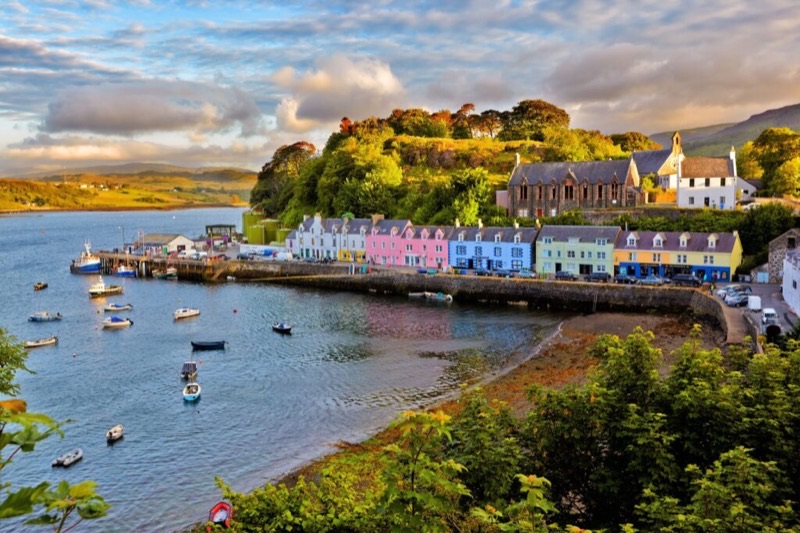
⚡ Quick Answers
⚡ The TL;DR Verdict
For most travelers seeking a diverse trip without constant budget anxiety, England is the practical choice, offering a wide array of experiences for about $80-150 daily. Switzerland, while visually grand, demands a daily budget closer to $150-300+, making it a pick for those prioritizing specific Alpine activities and prepared for the associated costs.
- Choose England: Pick England if you prefer historical city walks, diverse food from many nations, pub culture, and more budget-friendly costs, especially for longer trips or family travel.
- Choose Switzerland: Select Switzerland if your priority is grand mountain landscapes, specific outdoor activities like hiking or skiing, efficient public transport, and you have a substantial travel budget.
- Choose Both: Combine both if you have at least two weeks and can manage two distinct budgets; start in England for cities and history, then take a short flight to Switzerland for the mountains.
Choose England
Choose England if you're a culture enthusiast or budget-conscious family seeking a rich tapestry of experiences without constant budget anxiety. Explore ancient castles, stroll through charming Cotswolds villages, or dive into London's world-class museums and diverse culinary scene. It's perfect for those who want historical depth and vibrant city life at a more accessible price point.
Choose Switzerland
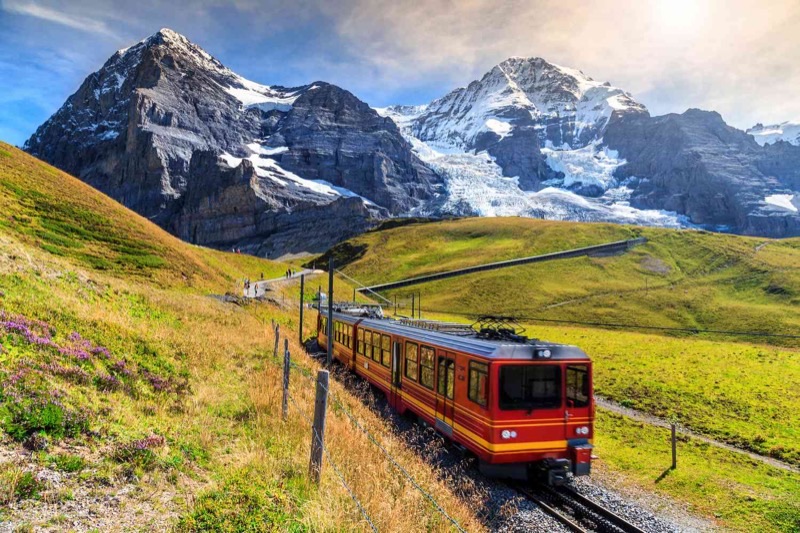
Opt for Switzerland if breathtaking Alpine panoramas and invigorating outdoor adventures are your top priority. It's ideal for hikers, skiers, and nature photographers eager to explore pristine lakes and majestic peaks like those in the Jungfrau region. Be prepared for a premium experience, as this destination truly delivers unparalleled natural beauty for those with a substantial budget.
📊 Visual Scorecard
🌤 When to Visit
Average high temperatures (°C). Green = best months, orange = avoid.
Quick Comparison
| Category | England | Switzerland | Winner |
|---|---|---|---|
| Costs & Budget | Generally affordable, especially outside London. Pub meals from £12 ($15), hostel beds £30 ($38), transport is mid-range. | Consistently expensive. Basic restaurant meals from CHF 30 ($33), hostel beds CHF 45 ($50), transport is high priced. | England |
| Nature & Landscapes | Rolling hills, dramatic coastlines, ancient forests, national parks like the Lake District and Peak District. | Towering Alps, glacial lakes, deep valleys, famous peaks like the Matterhorn and Jungfraujoch. | Switzerland |
| City Experience | London offers museums, theater, diverse food, history. Smaller cities like Manchester, Liverpool, Bath have distinct characters. | Cities like Zurich, Geneva, Lucerne are clean, efficient, often set by lakes with mountain backdrops, but generally quieter. | England |
| Food & Drink | Pub food, diverse international cuisine in cities, afternoon tea, fish and chips. Craft beer scene. | Cheese (fondue, raclette), chocolate, Rösti, cured meats. High cost for restaurant dining. | England |
| Getting Around | Extensive train network, coaches for budget travel, London Underground is efficient. | Extremely efficient and punctual public transport (trains, buses, boats, cable cars), but very expensive. | Switzerland |
| Accommodation | Wide range of hotels, B&Bs, hostels, guesthouses. Prices vary by location and season. | High quality but high priced hotels, some hostels and apartments. Fewer budget options. | England |
| Culture & History | Roman ruins, medieval castles, literary heritage, royal history, free museums. | Alpine traditions, neutrality history, precision watchmaking, strong regional identities. | England |
| Safety & Health | Generally safe, minor crime in cities. Good healthcare, but non-residents pay. | One of the safest countries, very low crime rate. Excellent healthcare, high costs for non-residents. | Switzerland |
| Nightlife | London's diverse club and bar scene, local pubs. Other cities have student-driven nightlife. | Generally quiet outside of specific city areas. Bars and lounges, some clubs in Zurich/Geneva. More relaxed. | England |
| Solo Travel Suitability | Easy to navigate, many hostels, social pub culture, safe in most areas. Good infrastructure. | Extremely safe, efficient transport, but can be less social due to higher costs and quieter atmosphere. Excellent for independent exploration. | Tie |
💰 Costs & Budget
England offers a range of price points. A budget traveler can find a hostel bed in London for £30-45 ($38-57) per night, while a mid-range hotel might cost £100-150 ($125-190). A…
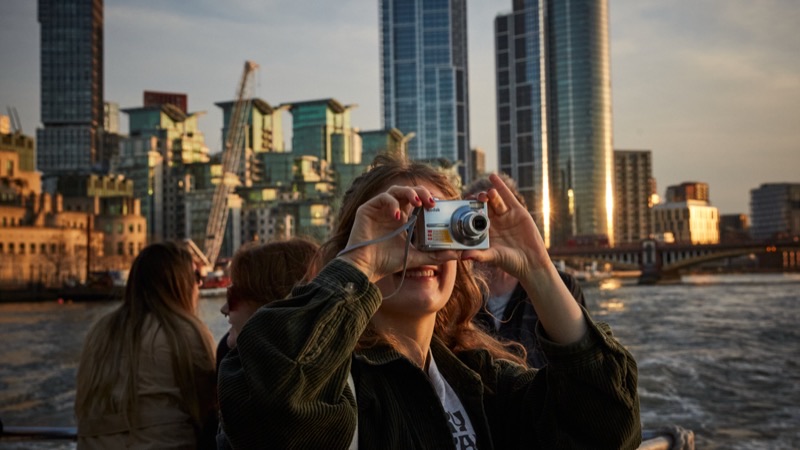
England
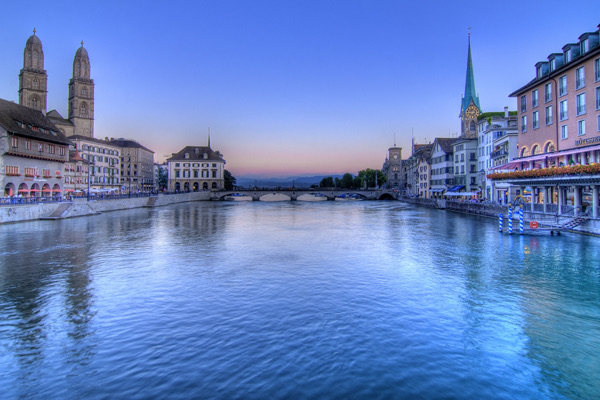
Switzerland
England offers a range of price points. A budget traveler can find a hostel bed in London for £30-45 ($38-57) per night, while a mid-range hotel might cost £100-150 ($125-190). A typical pub meal with a drink might be £15-20 ($19-25). Supermarket groceries are reasonable, allowing for self-catering savings. Intercity trains can be expensive if not booked in advance, but options like National Express coaches provide cheaper alternatives. Daily expenses for a mid-range traveler often sit between $80-$150, excluding major attractions like West End shows which can add £50-100 ($63-125).
Switzerland is notoriously pricey. A simple restaurant meal, like a Rösti or basic pasta, can easily cost CHF 30-40 ($33-44). A coffee is typically CHF 5-6 ($5.50-6.60). Accommodation starts around CHF 50-70 ($55-77) for a hostel bed and easily CHF 150-250 ($165-275) for a basic hotel outside major cities. Transportation, though exceptionally efficient, is a major expense; a Swiss Travel Pass can mitigate this but is itself a significant upfront cost (e.g., a 4-day pass is CHF 281 / $310). Expect to spend $150-$300+ per day, even with careful budgeting. Tabiji verdict: England wins this handily, offering a much more accessible experience for most budgets.
- Winner: England
- Why: England provides significantly more value for money across accommodation, food, and daily expenses, allowing for longer trips or more activities.
- Who this matters for: Budget-conscious travelers, families, and those planning extended stays.
🌳 Nature & Landscapes
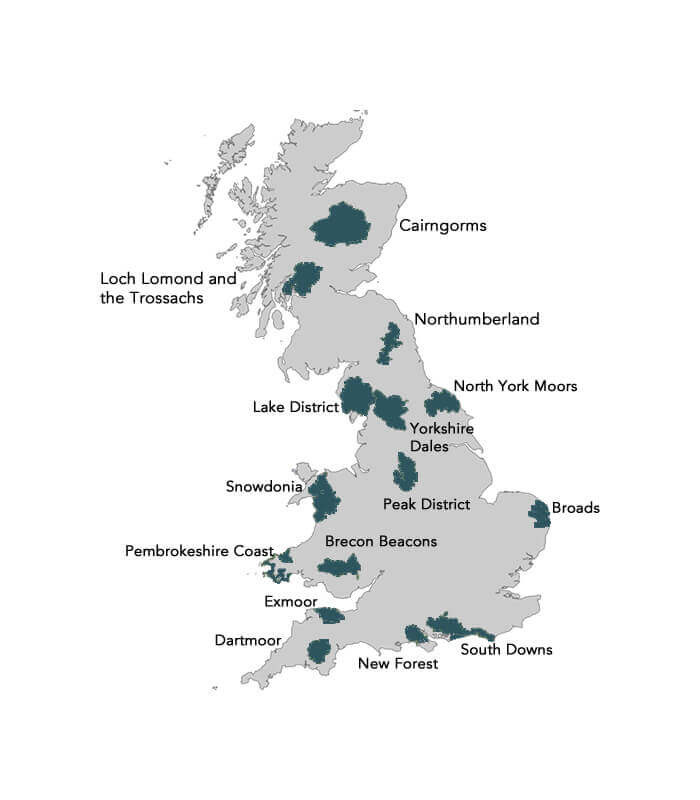
England's landscapes offer a subtle, pastoral charm. The Lake District presents a sequence of lakes and fells suitable for walks and boat trips. Cornwall's coastline features…
England
Switzerland
England's landscapes offer a subtle, pastoral charm. The Lake District presents a sequence of lakes and fells suitable for walks and boat trips. Cornwall's coastline features rugged cliffs and sandy coves. The Peak District provides gritstone edges and moorland walks. The Cotswolds are known for their gentle hills and stone villages. While not possessing the dramatic scale of the Alps, areas like Snowdonia in Wales (often combined with England trips due to proximity) or the Scottish Highlands (a short flight/train away) offer more challenging terrain. England's natural spaces are generally accessible and invite leisurely exploration rather than extreme adventure.
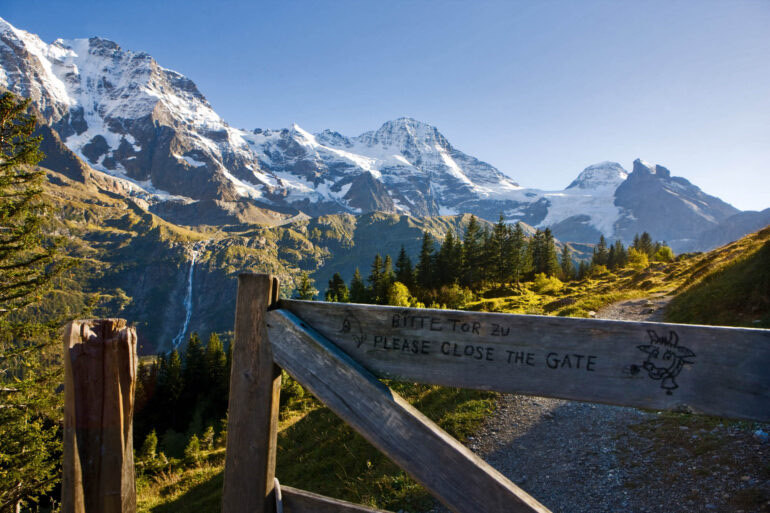
Switzerland's natural environment is its primary draw. The Alps dominate the country, offering peaks over 4,000 meters, extensive glaciers, and numerous hiking trails suitable for all levels, from easy strolls around Grindelwald to multi-day alpine treks. Lakes like Lucerne, Geneva, and Brienz are framed by mountains, providing opportunities for boating and swimming. Iconic sites include the Matterhorn in Zermatt and the Jungfraujoch railway journey, which ascends to the highest railway station in Europe. The cleanliness and preservation of these areas are notable, though access often involves expensive cable cars or mountain railways. Tabiji verdict: Switzerland's grand, imposing natural scenery is a distinct draw for anyone prioritizing mountain experiences.
- Winner: Switzerland
- Why: Switzerland's Alpine landscapes are globally recognized for their scale and accessibility, offering experiences unmatched by England's more subdued beauty.
- Who this matters for: Hikers, skiers, landscape photographers, and those seeking awe-inspiring mountain vistas.
🏙️ City Experience
London delivers a global city experience. The British Museum, National Gallery, and Tate Modern provide extensive cultural immersion without entry fees for main collections. The…
England
Switzerland
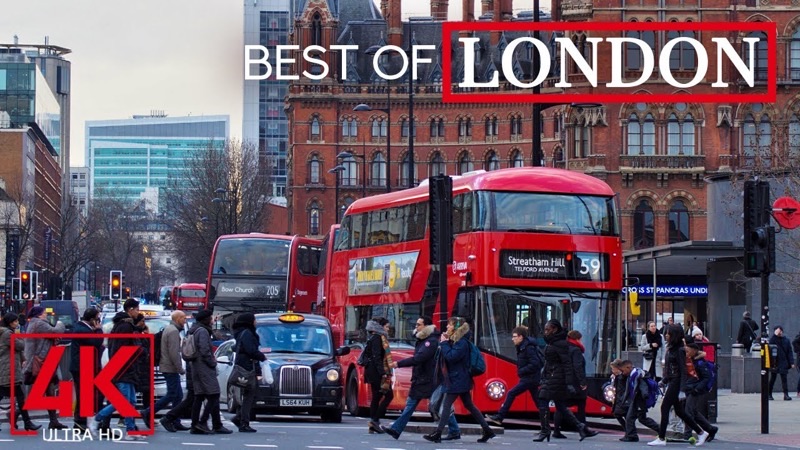
London delivers a global city experience. The British Museum, National Gallery, and Tate Modern provide extensive cultural immersion without entry fees for main collections. The West End offers a range of theater productions. Neighbourhoods like Borough Market for food or Notting Hill for charm offer varied exploration. Beyond London, cities like Bath feature Roman history and Georgian architecture. Manchester and Liverpool present industrial heritage, music history, and modern urban renewal. York is famous for its medieval Shambles and Minster. English cities are generally walkable, with extensive public transport systems, and a lively pub culture forms a social focal point.
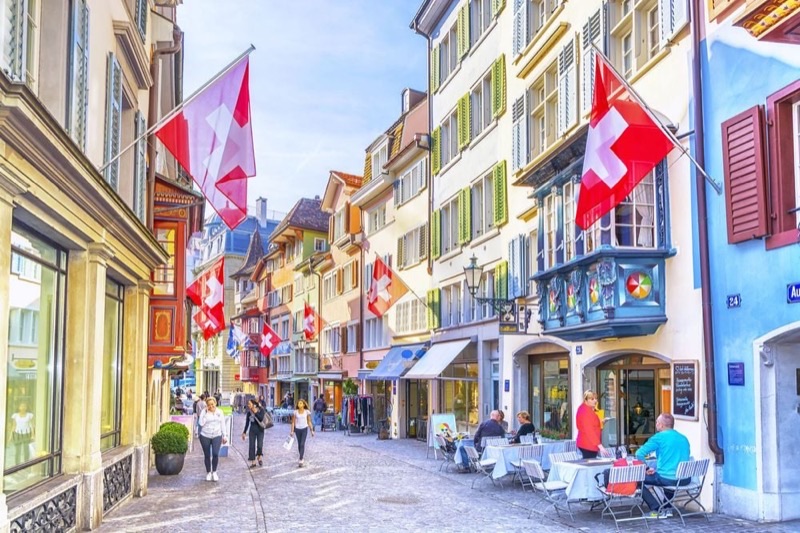
Swiss cities, while clean and well-organized, are typically less expansive and less diverse in their urban offerings compared to England's major centers. Zurich, Switzerland's largest city, is a financial hub with a compact old town, lake access, and museums like the Swiss National Museum. Geneva, with its international organizations, offers a more cosmopolitan feel but is also generally quiet. Lucerne is picturesque, set by its lake and mountains, with the Chapel Bridge being its most famous landmark. These cities provide a pleasant, efficient urban base for exploring the surrounding natural areas, but generally lack the sheer volume of attractions, cultural dynamism, or late-night activity found in major English cities. Tabiji verdict: England's cities offer far more depth and variety for the urban explorer.
- Winner: England
- Why: England's cities, particularly London, provide a richer, more diverse, and more dynamic urban experience with a greater number of attractions and cultural events.
- Who this matters for: Museum enthusiasts, theatergoers, foodies, and those who enjoy exploring large, historically layered cities.
🍽️ Food & Drink
England's food scene has evolved considerably. While traditional pub fare like Sunday roasts and fish and chips remain staples, cities, especially London, offer a global…
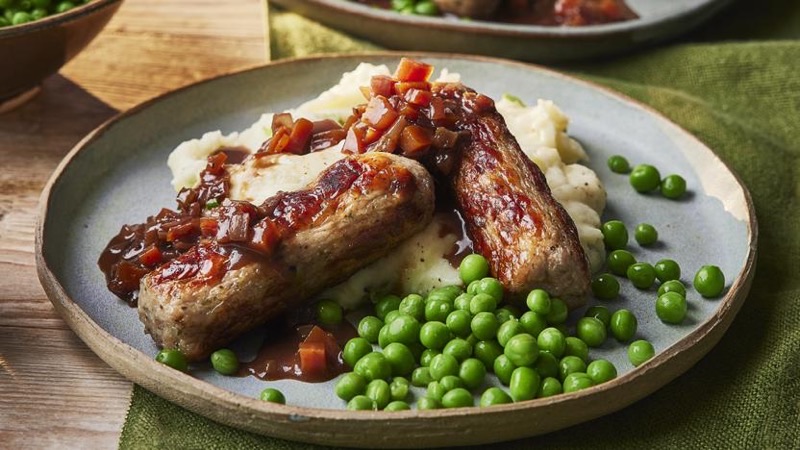
England
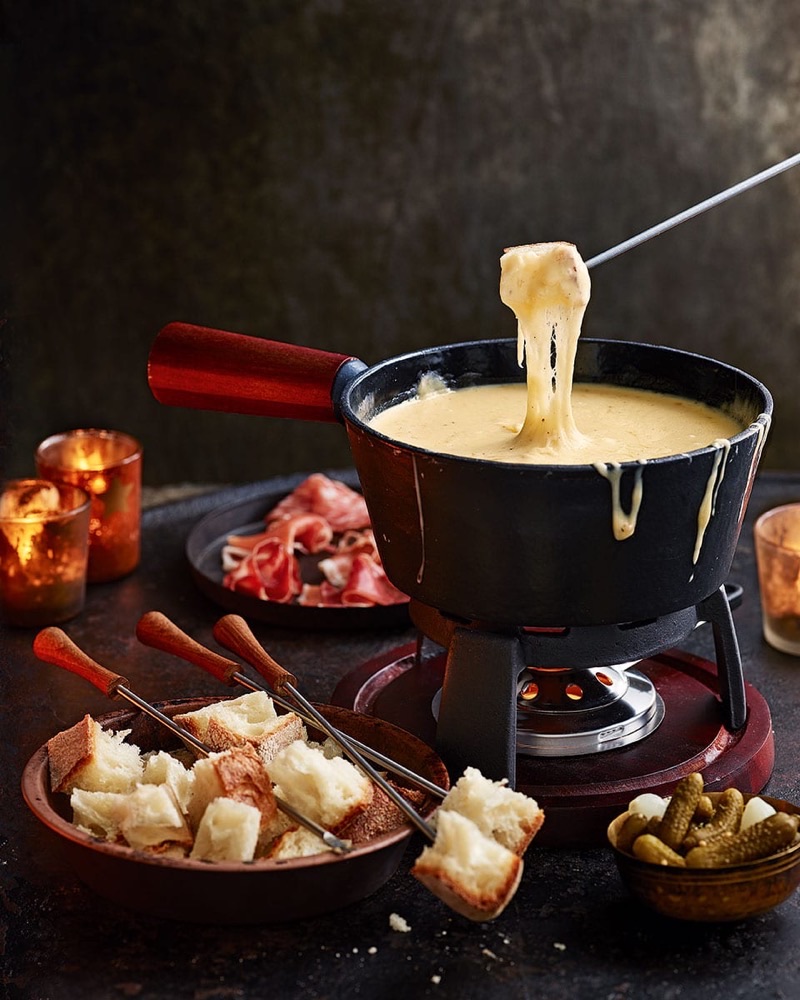
Switzerland
England's food scene has evolved considerably. While traditional pub fare like Sunday roasts and fish and chips remain staples, cities, especially London, offer a global gastronomic array. You can find excellent Indian curries, Thai, Italian, and Middle Eastern food at various price points. Borough Market is a major food destination. Pret A Manger and other chains provide quick, affordable lunch options. The craft beer and gin scenes are strong, with numerous independent breweries and distilleries. Afternoon tea is a cultural ritual, ranging from casual cafe experiences to formal hotel sittings. A decent curry in London might cost £15-20 ($19-25), while a gourmet burger is around £12-16 ($15-20).
Swiss cuisine focuses on regional specialties, primarily dairy-based dishes and cured meats. Cheese fondue and raclette are common, often costing CHF 25-40 ($28-44) per person. Rösti (fried shredded potato) is another staple. Swiss chocolate, from brands like Lindt or Sprüngli, is a high-quality treat. Groceries from Coop or Migros can reduce food costs, but dining out is universally expensive. Portions are typically generous. The drinks scene revolves around local wines and beers, which are good but also priced at a premium, with a pint often costing CHF 8-10 ($9-11). Tabiji verdict: England offers a much wider, more accessible, and more experimental food landscape.
- Winner: England
- Why: England delivers a significantly more diverse and affordable food and drink experience, especially with its world-class international cuisine options in cities.
- Who this matters for: Food explorers, budget-conscious diners, and those who enjoy a lively pub culture.
🚆 Getting Around
England's public transport system is extensive but can be a mixed bag. The train network connects major cities and regions, but tickets can be costly, especially if purchased on…
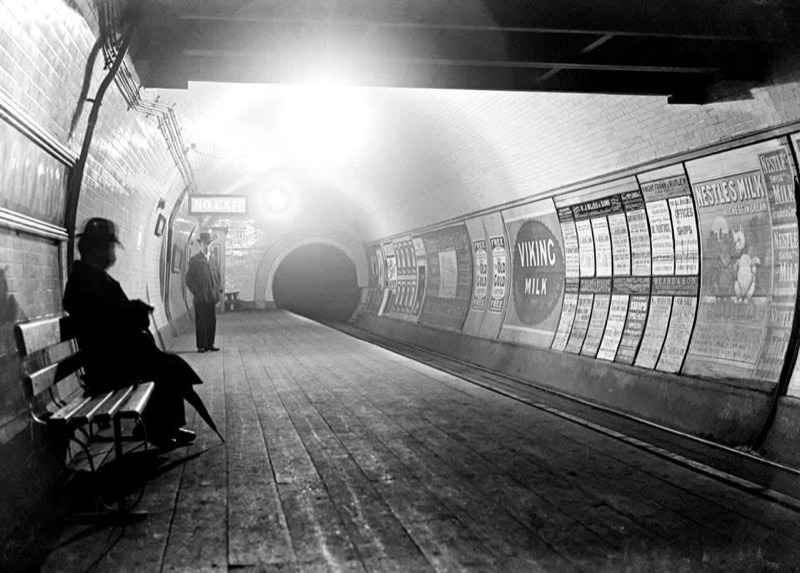
England
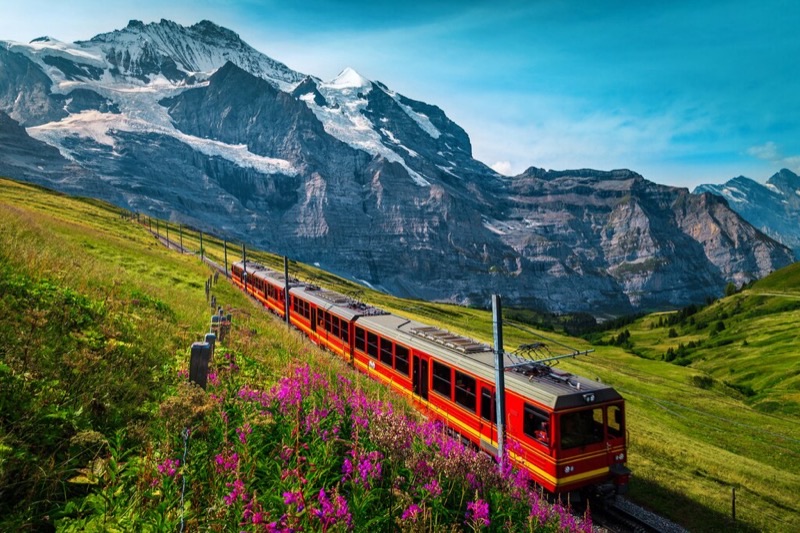
Switzerland
England's public transport system is extensive but can be a mixed bag. The train network connects major cities and regions, but tickets can be costly, especially if purchased on the day. Booking weeks in advance or using a BritRail pass can save money. The London Underground is efficient for navigating the capital, with Oyster cards or contactless payment making travel simple. Outside London, local buses cover smaller towns and rural areas, though less frequently. National Express and Megabus offer budget-friendly coach travel between cities, albeit slower. Driving is an option, but navigating narrow roads and city traffic can be challenging, and parking is often expensive.
Switzerland's public transport is legendary for its punctuality, cleanliness, and integration. Trains (SBB) connect virtually every town and village, running frequently. Buses, boats on the lakes, and a comprehensive network of cable cars and mountain railways seamlessly link up. The Swiss Travel Pass is a popular option, offering unlimited travel on trains, buses, and boats, as well as discounts on mountain excursions and free entry to over 500 museums, but it is a substantial investment. For example, a 15-day pass costs CHF 582 ($640). While expensive, the system delivers an experience where you can rely on getting anywhere on time without a car. Tabiji verdict: Switzerland's public transport network sets a global standard for efficiency and coverage, making travel a breeze despite the cost.
- Winner: Switzerland
- Why: Switzerland's public transport system is unparalleled in its efficiency, punctuality, and comprehensive coverage, allowing stress-free travel even to remote mountain areas.
- Who this matters for: Travelers prioritizing ease of transit, those without a car, and anyone wanting to maximize sightseeing time.
🏨 Accommodation
England offers a broad spectrum of accommodation options. In London, hostel dorms can be found from £30-50 ($38-63) per night, while budget hotels like Premier Inn or Travelodge…
England offers a broad spectrum of accommodation options. In London, hostel dorms can be found from £30-50 ($38-63) per night, while budget hotels like Premier Inn or Travelodge typically start around £80-120 ($100-150) outside peak times. Bed & Breakfasts (B&Bs) are common outside major cities, offering a personal touch and often a cooked breakfast, with prices from £70-120 ($88-150). Countryside cottages and Airbnb rentals are plentiful, especially in tourist regions like the Cotswolds or Lake District. Booking in advance, especially for popular periods, is advisable for better rates.
Swiss accommodation maintains a high standard of quality and cleanliness, but this comes at a significant cost. Even a basic hostel bed in a city like Zurich or Interlaken can be CHF 45-70 ($50-77) per night. Standard hotels often start at CHF 150-250 ($165-275), and in mountain resorts like Zermatt, prices can be considerably higher, easily exceeding CHF 300 ($330) for a moderate room. Options like Airbnb exist but often do not provide substantial savings compared to hotels, especially after cleaning fees. Camping is a viable budget alternative in warmer months. Tabiji verdict: England provides far more flexibility and affordability in lodging, making it easier to find suitable options for various budgets.
- Winner: England
- Why: England offers a much wider range of accommodation types and price points, making it more accessible for travelers with different budgets.
- Who this matters for: Budget travelers, families needing varied room configurations, and those seeking charming independent B&Bs.
🏛️ Culture & History
England's history is layered and accessible. Roman sites like Hadrian's Wall and Bath's Roman Baths offer glimpses into ancient occupation. Medieval castles such as Warwick Castle…
England's history is layered and accessible. Roman sites like Hadrian's Wall and Bath's Roman Baths offer glimpses into ancient occupation. Medieval castles such as Warwick Castle or the Tower of London provide insights into royal and military pasts. England's literary contributions, from Shakespeare's Stratford-upon-Avon to Jane Austen's Bath, are prominent. London's major museums—the British Museum, National Gallery, Victoria and Albert Museum—offer free entry to their main collections, allowing extensive cultural exploration without cost. The royal family's presence, from Buckingham Palace to Windsor Castle, draws many. The pub is a central cultural institution, serving as a community gathering space.
Switzerland's cultural heritage is often tied to its geography and unique political history. Its neutrality is a significant aspect, explored in museums like the Swiss National Museum in Zurich. The Alpine traditions, including yodeling, alphorn playing, and specific folk costumes, are prominent in rural areas. The country is also known for precision industries like watchmaking, with museums dedicated to brands like Patek Philippe in Geneva. Switzerland's linguistic diversity (German, French, Italian, Romansh) creates distinct regional cultures. While it has castles like Chillon Castle on Lake Geneva, they generally do not rival the scale or number of England's historical structures. Tabiji verdict: England's extensive and varied historical sites and institutions provide a richer cultural journey.
- Winner: England
- Why: England presents a deeper and more diverse historical narrative, from ancient empires to royal dynasties, coupled with extensive free access to world-class museums.
- Who this matters for: History buffs, museum visitors, literature enthusiasts, and those interested in royal heritage.
⚕️ Safety & Health
England is generally a safe country for travelers, with major cities experiencing typical urban issues like pickpocketing in crowded tourist areas. Violent crime is rare for…
England is generally a safe country for travelers, with major cities experiencing typical urban issues like pickpocketing in crowded tourist areas. Violent crime is rare for visitors. Common sense precautions are advised, particularly at night in less-trafficked areas. The emergency number is 999. Healthcare facilities are high quality, but visitors without specific reciprocal agreements will need travel insurance to cover medical costs, as National Health Service (NHS) treatment is not free for most non-residents. Pharmacies are widely available for minor ailments. Road safety is comparable to other Western nations.
Switzerland consistently ranks among the safest countries globally, with extremely low crime rates. Travelers can generally feel secure walking alone, even at night, in most areas. The emergency numbers are 112 (general), 117 (police), 118 (fire), 144 (ambulance). Healthcare in Switzerland is exceptionally good, with modern facilities and highly trained professionals. However, it is also very expensive. Comprehensive travel insurance is essential for all visitors to cover any medical emergencies, as even a routine visit can incur substantial charges. Safety in the mountains is also good, with well-marked trails and clear warnings for hazardous conditions. Tabiji verdict: Switzerland offers a distinctly higher level of personal safety and security for travelers.
- Winner: Switzerland
- Why: Switzerland boasts an extremely low crime rate and a pervasive sense of security, making it an exceptionally safe destination for travelers.
- Who this matters for: Solo travelers, families with young children, and those who prioritize peace of mind regarding personal safety.
🍻 Nightlife
England's nightlife primarily revolves around its pubs, which serve as social hubs from late afternoon into the evening. Pubs close at varying times, often around 11 PM or…
England's nightlife primarily revolves around its pubs, which serve as social hubs from late afternoon into the evening. Pubs close at varying times, often around 11 PM or midnight, but some remain open later. London offers a diverse and energetic club scene in areas like Shoreditch, Soho, and Brixton, with options ranging from electronic music venues to live music clubs, open until the early hours. Other major cities like Manchester, Liverpool, and Newcastle also have significant student populations that fuel a lively bar and club culture. Ticket prices for clubs vary but can be £10-25 ($12-32). Drink prices are generally £5-8 ($6-10) for a pint of beer in a pub, higher in clubs.
Switzerland's nightlife is generally more subdued. Zurich and Geneva have the most options, with a selection of bars, lounges, and a few nightclubs. In Zurich, areas like Langstrasse offer a more concentrated nightlife experience. In smaller towns, the evening often concludes with dinner and a drink at a local restaurant or hotel bar. Mountain resorts might have Après-ski bars during winter, but these are typically seasonal. Drink prices are high; a beer can cost CHF 8-10 ($9-11) and cocktails even more. The focus is often on relaxed socialising rather than energetic clubbing. Tabiji verdict: England, especially London, offers a much broader and more accessible array of nightlife options for different tastes.
- Winner: England
- Why: England, particularly its major cities, provides a more varied, energetic, and traditional nightlife experience, centered around its pub culture and diverse club scene.
- Who this matters for: Social travelers, those seeking late-night entertainment, and pub enthusiasts.
🚶♀️ Solo Travel Suitability
England is a strong contender for solo travelers. Its extensive hostel network, especially in cities like London, Edinburgh, and Manchester, makes meeting other travelers…
England is a strong contender for solo travelers. Its extensive hostel network, especially in cities like London, Edinburgh, and Manchester, makes meeting other travelers straightforward. The pub culture provides a natural, low-pressure setting for social interaction. English is the primary language, removing communication barriers. Public transport is comprehensive, and major attractions are easy to access independently. While London can feel overwhelming, smaller cities and the countryside offer more manageable solo experiences. Safety is generally good, requiring typical big-city awareness. Budgeting is manageable, allowing solo travelers to extend their trips or allocate funds to specific experiences.
Switzerland is also excellent for solo travel, especially for those prioritizing safety and efficient logistics. Its extremely low crime rate and dependable public transport mean solo navigation is almost stress-free. English is widely spoken in tourist areas. The challenge for solo travelers is the high cost, which can make dining alone or participating in activities more expensive compared to groups. While hostels exist, they are pricey. The social scene is generally quieter than in England, so making spontaneous connections might require more effort. However, for independent hiking, scenic train journeys, and peaceful contemplation, Switzerland is superb. Tabiji verdict: Both countries offer strong benefits for solo travelers, depending on whether budget and social scene or absolute safety and natural exploration are paramount.
- Winner: Tie
- Why: Both countries offer compelling reasons for solo travelers: England for its social ease and affordability, Switzerland for its safety and independent outdoor activities.
- Who this matters for: Both budget-conscious and social solo travelers (England) and safety-focused, independent, and nature-oriented solo travelers (Switzerland).
🎯 The Decision Framework
Choose England If…
- You want to visit world-class museums with free entry.
- You prefer to experience traditional pub culture and socialize easily.
- Your budget for daily expenses is under $150.
- You are interested in diverse international food options, especially Indian curry.
- You plan to see Roman ruins, medieval castles, and royal palaces.
- You enjoy lively city exploration with extensive public transport.
- You want a wide range of accommodation choices, including budget hostels and charming B&Bs.
- You appreciate literature and theater, especially London's West End.
Choose Switzerland If…
- You prioritize grand Alpine landscapes and specific mountain activities like hiking or skiing.
- You demand extremely efficient and punctual public transport for seamless travel.
- You are prepared for a daily budget exceeding $150, potentially $300+.
- You value an exceptionally high level of personal safety and low crime rates.
- You are a fan of high-quality cheese, chocolate, and specific regional dishes.
- You seek pristine lakes and clean mountain air for a calming escape.
- You enjoy quiet, organized cities that serve as bases for nature excursions.
- You want to experience iconic mountain railways and cable car journeys.
📅 Sample Itineraries
Weekend in England (3 Days)
💡 Purchase an Oyster card or use contactless payment for London transport to save on individual ticket costs; a daily cap is around $10-15.
Weekend in Switzerland (3 Days)
💡 Consider purchasing a Swiss Travel Pass if you plan extensive train travel, as it covers most public transport and offers discounts on mountain excursions, potentially saving hundreds over several days.
One Week in England (7 Days)
💡 For regional travel, booking train tickets in advance can significantly reduce costs; 'advance' fares can be 50% cheaper than 'on the day' tickets.
One Week in Switzerland (7 Days)
💡 The Swiss Half Fare Card can be a worthwhile investment for a week-long trip, providing 50% off all public transport and most mountain railways for around $130 for one month.
❓ Frequently Asked Questions
What are the typical flight times and costs from North America to England and Switzerland?
A direct flight from New York City (JFK) to London (LHR) typically takes around 7 hours and can cost $400-700 USD round trip. From London to Zurich (ZRH) or Geneva (GVA), a direct flight is about 1.5 hours and costs $80-200 USD. From NYC to Zurich/Geneva direct, expect around 8 hours and $600-1000 USD round trip, often more.
Which country is better for a family trip with young children?
England might be a better choice for families with young children due to generally lower costs for activities, food, and accommodation. There are numerous family-friendly attractions like the Warner Bros. Studio Tour London, the London Zoo, and historical sites. Switzerland's high costs for activities and food might strain a family budget, though its safe environment and beautiful outdoor spaces are appealing.
Can I get by with just English in both countries?
Yes, you can get by with English in both countries, especially in tourist areas, major cities, and with younger generations. In England, English is the native language. In Switzerland, while German, French, and Italian are official languages, English is widely understood and spoken in hotels, restaurants, and transport hubs due to its international tourism and business presence.
What are the best times of year to visit England vs Switzerland?
For England, late spring (April-May) and early autumn (September-October) offer pleasant weather and fewer crowds. Summer (June-August) is popular but can be warmer and busier. For Switzerland, summer (June-September) is ideal for hiking and exploring the mountains. Winter (December-March) is for skiing and winter sports, though some mountain passes are closed.
How different are the currencies and payment methods?
England uses the British Pound (£, GBP), and Switzerland uses the Swiss Franc (CHF). Both countries are highly card-friendly, with contactless payments widely accepted. ATMs are common. It's advisable to have some local currency for small purchases, but most major expenses can be paid by card. Exchange rates fluctuate, so check current rates.
Which country offers better outdoor activities beyond city exploration?
Switzerland offers a more dramatic and concentrated range of outdoor activities focused on the Alps, including world-class hiking, skiing, mountaineering, paragliding, and lake activities. England provides gentler outdoor pursuits like countryside walks, coastal path hiking, cycling in national parks, and water sports on lakes, but lacks the grand scale of the Swiss mountains.
Is public transport easy to use in both places for non-locals?
Yes, public transport in both countries is straightforward to use. England's system, particularly in London with its Underground, is well-signed and easy with an Oyster card. Switzerland's system is globally renowned for its efficiency, punctuality, and comprehensive network, with options like the Swiss Travel Pass making it very user-friendly for visitors.
What should I pack differently for each destination?
For England, pack layers for variable weather, a waterproof jacket, and comfortable walking shoes for city exploration and countryside walks. For Switzerland, especially if heading to the mountains, layers are crucial regardless of season, including warm clothing even in summer, robust hiking boots, and specific gear for activities like skiing or serious trekking. A good quality waterproof outer layer is essential for both.
Ready to plan your next trip?
Get a free custom itinerary for England, Switzerland, or both — built from real traveler insights.
👥 Travelers Also Compared
🎟️ Book Tours & Experiences
Hand-picked tours and activities for both destinations — book with free cancellation
Experiences via Viator — free cancellation on most tours