How we built this comparison
This page combines traveler discussion patterns, published price ranges, flight schedules, and seasonal data to help you decide between England and United Kingdom.
- Reviewed 50+ Reddit threads from r/travel, r/solotravel, r/UKTravel, r/London, r/Scotland.
- Verified costs and logistics against current booking platforms like Trainline, Booking.com, and Skyscanner.
- Cross-referenced seasonal patterns and weather data from Met Office and historical averages.
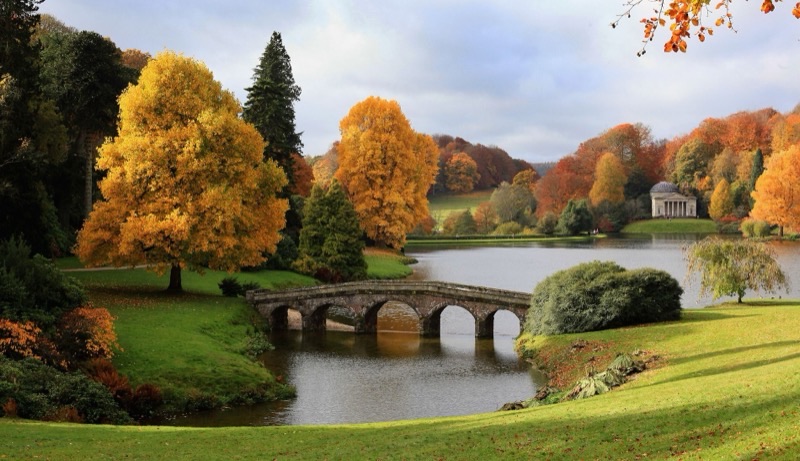
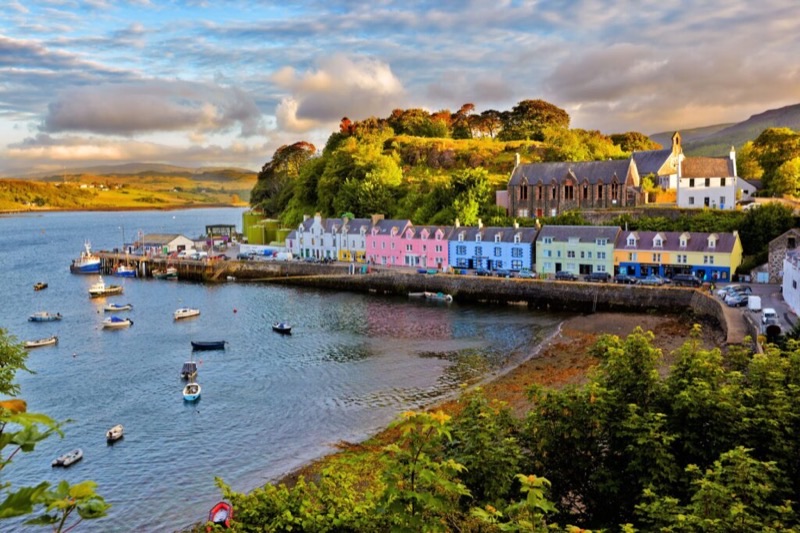
⚡ The TL;DR Verdict
For most first-time visitors with 7-10 days, focusing on England provides a more concentrated experience of British culture and iconic landmarks within a manageable daily budget of $120-$180. The United Kingdom is a better pick for those with two weeks or more and a desire to see significant regional differences, requiring a daily spend closer to $100-$160 outside of London.
- Choose England: You want to concentrate on quintessential British experiences like London, historical cities, and charming countryside without extensive travel between countries.
- Choose United Kingdom: You have two weeks or more and want to experience the distinct cultures of Scotland, Wales, and Northern Ireland in addition to England.
- Choose Both: Consider both if you have 14+ days and prioritize seeing a cross-section of landscapes and cultural identities across the entire island, combining city breaks with outdoor exploration.
Choose England
England is the perfect choice for first-time visitors with 7-10 days seeking an immersive dive into classic British culture. It’s best for travelers prioritizing London's iconic sights, historical day trips to places like Bath or Oxford, and charming countryside exploration in the Cotswolds, offering a concentrated experience without the need for extensive inter-country travel.
Choose United Kingdom
The United Kingdom is tailor-made for adventurous travelers with two weeks or more who crave diverse cultural landscapes beyond England. It’s best for those wanting to explore Scotland's dramatic Highlands and historic Edinburgh, Wales' rugged beauty, or Northern Ireland’s unique coastal wonders like the Giant's Causeway, alongside England’s highlights, appreciating the distinct identities across the entire island.
Quick Comparison
| Category | England | United Kingdom | Winner |
|---|---|---|---|
| Costs & Budget | London raises the average significantly, with other regions more affordable. Expect to spend more. | Varied costs, with Scotland and Wales often presenting better value than England outside of London. | United Kingdom |
| Culture & History | Rich history from Roman to modern, with iconic landmarks like Parliament and ancient sites. | Diverse cultures and histories spanning Celtic, Viking, Roman, and industrial influences across four nations. | United Kingdom |
| Nature & Landscapes | Rolling hills, dramatic coastlines, and national parks like the Lake District. | Expansive and dramatic landscapes, from Scottish Highlands to Welsh mountains and Northern Irish coast. | United Kingdom |
| Food & Drink | Traditional pub fare, Sunday roasts, fish and chips, and a growing fine dining scene. | Adds regional specialties like haggis, Welsh rarebit, and Ulster fry to the English staples. | United Kingdom |
| Getting Around | Extensive rail and bus network, especially good for North-South travel. Driving can be slow. | Comprehensive public transport across nations, but car rental becomes more useful for rural exploration. | Tie |
| Accommodation | Wide range from luxury hotels to budget hostels, but London prices are high. | Adds more unique stays like Scottish castles and Welsh farmhouses, alongside standard options. | United Kingdom |
| Nightlife & Entertainment | London is a global hub, with diverse options from West End shows to underground clubs. Regional cities have robust scenes. | Adds lively pub culture in Ireland, folk music in Scotland, and smaller but energetic city scenes. | England |
| Families & Kids | Countless historical sites, interactive museums, and theme parks. Accessible transport. | Adds castles, nature activities, and unique cultural experiences across all nations, often at better value. | United Kingdom |
| Solo Travel | Excellent public transport, many social hostels, and easy navigation in cities. | Adds more opportunities for outdoor adventure and unique social interactions in smaller nations. | Tie |
| Weather & Seasons | Generally milder in the South, with distinct four seasons. Rain is common. | More varied, with colder, wetter conditions in the North and West, and strong seasonal differences. | England |
💰 Costs & Budget
Englands travel costs are heavily skewed by London, where a mid-range daily budget for accommodation, food, and attractions can easily run $150-$250 (approx. £120-£200). Outside…
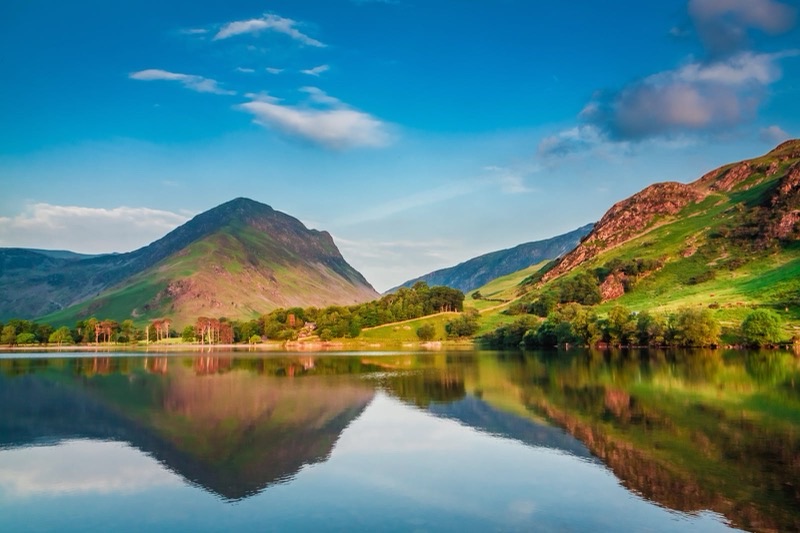
England
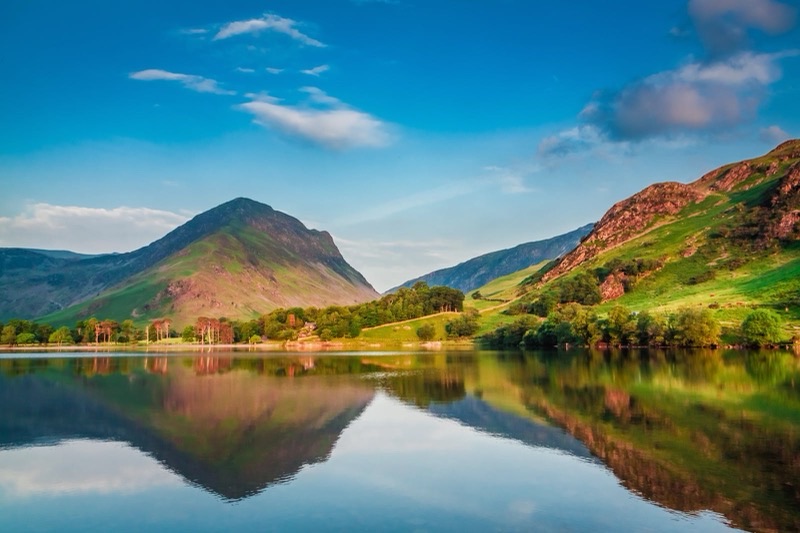
United Kingdom
Englands travel costs are heavily skewed by London, where a mid-range daily budget for accommodation, food, and attractions can easily run $150-$250 (approx. £120-£200). Outside of London, cities like Manchester or Bristol might see daily costs drop to $100-$180 (approx. £80-£140). A standard meal in London can be $20-$40 (approx. £16-£32), while a budget hotel room is rarely below $120 (approx. £95). Transportation via train for intercity travel, like London to Bath, can cost $30-$60 (approx. £25-£50) one way if booked in advance.
The United Kingdom, when viewed as a whole, offers more flexibility in budget. While London remains the most expensive, destinations in Scotland like Glasgow or Edinburgh might have mid-range daily costs around $90-$160 (approx. £70-£125), with hotel rooms available for $80-$100 (approx. £65-£80). Wales and Northern Ireland often present even better value, with daily spends of $80-$140 (approx. £60-£110). A pint of beer can be $7-$9 (approx. £5.50-£7) in London but $5-$7 (approx. £4-£5.50) in smaller towns or northern cities. The broader UK provides more options for budget-conscious travelers to save money by choosing non-London bases. The UK wins for overall budget flexibility.
- Winner: United Kingdom
- Why: The United Kingdom provides more options to manage travel costs by offering cheaper regions outside of Englands most expensive areas.
- Who this matters for: Budget travelers and those planning longer trips.
🏛️ Culture & History
England possesses a concentrated collection of historically significant sites and cultural institutions. London alone houses the British Museum, the Tower of London, and…
England
United Kingdom
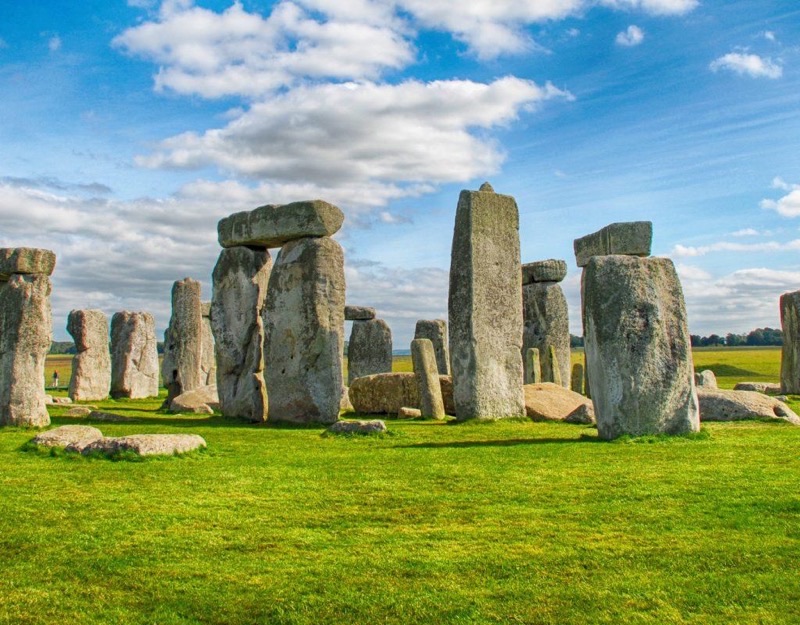
England possesses a concentrated collection of historically significant sites and cultural institutions. London alone houses the British Museum, the Tower of London, and Westminster Abbey, each with admission around $30 (approx. £24). Outside London, you find Stonehenge, Roman Bath, and the historic universities of Oxford and Cambridge. The cultural experience is often defined by its imperial past, literary heritage (Shakespeare country), and traditions like afternoon tea. Football culture is prevalent, and pubs are central to social life. This offers a deeply immersive but somewhat singular historical narrative.
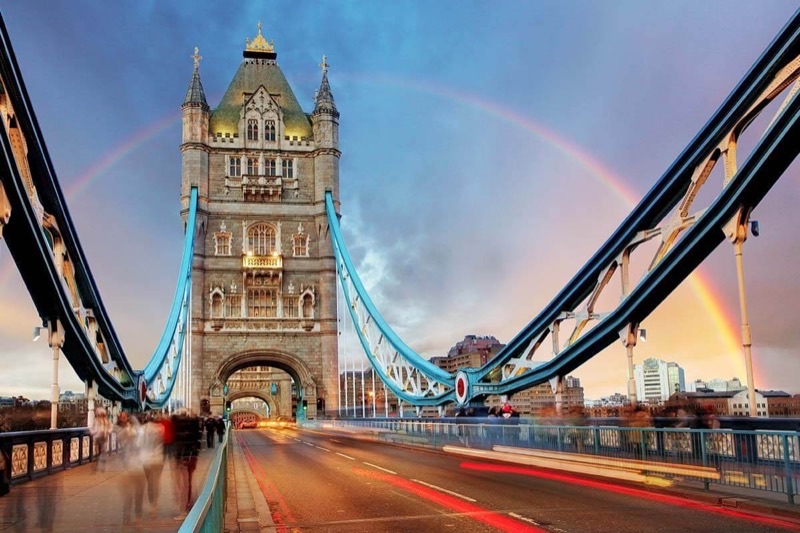
The United Kingdom encompasses a much broader cultural and historical spectrum. Scotlands distinct Gaelic heritage, its clan history, and sites like Edinburgh Castle ($20-$25 / approx. £16-£20) offer a different perspective. Wales presents ancient Celtic traditions, formidable castles such as Caernarfon Castle ($12-$15 / approx. £10-£12), and a vibrant Welsh language. Northern Ireland has its own complex history, with Derry~Londonderrys historic walls and the Titanic Belfast museum ($25-$30 / approx. £20-£24). The UK allows a traveler to explore diverse narratives, architectural styles, and linguistic traditions within one trip. The UK offers a broader and more varied historical education.
- Winner: United Kingdom
- Why: The United Kingdom provides a wider range of distinct historical narratives and cultural identities across its constituent nations.
- Who this matters for: History buffs and those seeking diverse cultural insights.
🌳 Nature & Landscapes
Englands landscapes are characterized by rolling green hills, ancient forests, and dramatic coastal cliffs. The Lake District offers glacial lakes and fells, ideal for hiking,…

England
United Kingdom
Englands landscapes are characterized by rolling green hills, ancient forests, and dramatic coastal cliffs. The Lake District offers glacial lakes and fells, ideal for hiking, with entry to parks being free, though specific attractions may charge. The Cornish coast has sandy beaches and rugged headlands. The Peak District and Yorkshire Dales present more moorland and limestone formations. While beautiful and accessible, these landscapes often feel gentler and more cultivated compared to other parts of the UK. Englands nature is certainly appealing for a walk or a coastal escape.
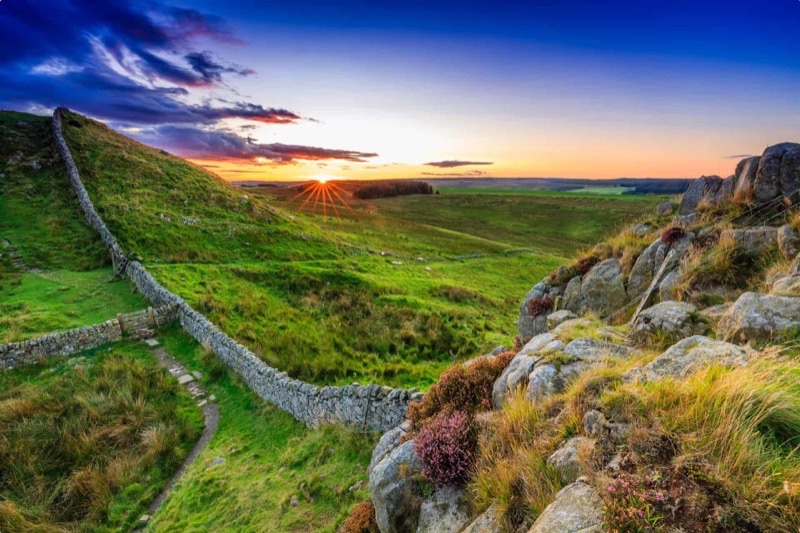
The United Kingdom, as a whole, delivers a more dramatic and varied natural experience. Scotlands Highlands and Islands feature towering mountains, deep lochs, and remote wilderness that feels truly untamed, with vast areas completely free to explore. Wales offers the Snowdonia National Park, home to Mount Snowdon, and a rugged coastline. Northern Irelands Giant Causeway ($16-$20 / approx. £13-£16 for parking and visitor center) provides a unique geological wonder. The sheer scale, raw beauty, and diversity of terrain, from volcanic islands to ancient glens, give the UK a clear edge for nature enthusiasts. The UK simply has more significant and varied natural features.
- Winner: United Kingdom
- Why: The United Kingdom presents a greater diversity and more expansive, dramatic natural landscapes than England alone.
- Who this matters for: Outdoor enthusiasts, hikers, and landscape photographers.
🍽️ Food & Drink
England offers substantial and comforting cuisine, with staples like fish and chips ($12-$18 / approx. £10-£14), hearty Sunday roasts ($20-$30 / approx. £16-£24), and a strong…
England
United Kingdom
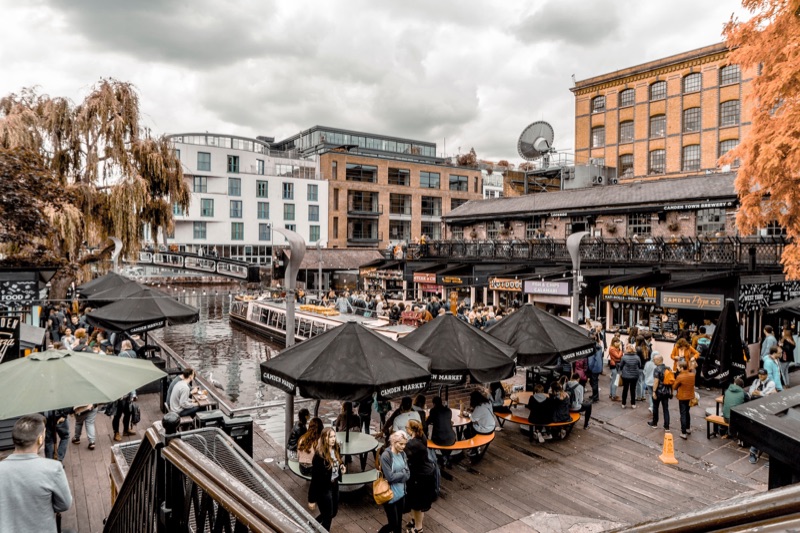
England offers substantial and comforting cuisine, with staples like fish and chips ($12-$18 / approx. £10-£14), hearty Sunday roasts ($20-$30 / approx. £16-£24), and a strong Indian curry scene, especially in cities like London and Birmingham. Gastropubs have elevated pub food to an art form, providing locally sourced meals. London is a global culinary hub with Michelin-starred restaurants and diverse international options. Craft beer and traditional ales are widely available. You can eat very well in England, particularly in its larger urban centers. A typical pub lunch averages $18-$25 (approx. £14-£20).
Expanding to the United Kingdom means adding distinct regional cuisines. Scotland brings haggis, neeps, and tatties, along with excellent seafood and whisky distilleries (tours $20-$40 / approx. £16-£32). Wales boasts Welsh rarebit, lamb dishes, and local cheeses. Northern Ireland offers the Ulster fry breakfast ($12-$18 / approx. £10-£14) and potato bread. Each nation contributes unique flavors and traditions, enriching the overall gastronomic journey. While England has great food, the UK adds distinct national dishes and regional specialties that broaden the culinary experience. The broader UK delivers a more complete culinary journey.
- Winner: United Kingdom
- Why: The United Kingdom provides a wider array of distinct national dishes and regional food specialities beyond Englands offerings.
- Who this matters for: Foodies and those keen on sampling local, traditional fare.
🚆 Getting Around
Englands public transport network is robust, particularly its rail system connecting major cities like London, Manchester, and Birmingham. High-speed trains, such as the Avanti…

England
United Kingdom
Englands public transport network is robust, particularly its rail system connecting major cities like London, Manchester, and Birmingham. High-speed trains, such as the Avanti West Coast or LNER, are efficient but can be expensive if not booked in advance (e.g., London to Edinburgh from $40 / approx. £32 if booked months ahead, but $150+ / approx. £120+ last minute). Local buses cover smaller towns and rural areas well. Driving is possible, but traffic can be substantial, especially in the South East, and parking is expensive (e.g., $5-$10 / approx. £4-£8 per hour in central London). For city-to-city travel, trains are the preferred option. The Oyster Card or contactless payments make London transport simple.
The United Kingdom offers similar rail and bus networks, with good connections within Scotland, Wales, and Northern Ireland. Scotlands Highland railways provide scenic routes, though some remote areas still require a car. Wales has a good bus network, but exploring its national parks is easier with a car. Northern Ireland relies more heavily on buses and cars. For truly getting into the rural areas of Scotland or Wales, hiring a car (starting $40-$60 / approx. £32-£48 per day) offers the most flexibility. However, navigating city centers and finding parking can be problematic everywhere. Both offer great transport options depending on your itinerary. Neither destination definitively wins; it depends on the specific itinerary within the UK.
- Winner: Tie
- Why: Both England and the broader United Kingdom offer good transport options, with public transport for cities and cars for rural areas.
- Who this matters for: Travelers prioritizing efficient movement between destinations.
🛌 Accommodation
England has a comprehensive range of accommodation. In London, a comfortable mid-range hotel can cost $180-$300 (approx. £140-£240) per night, while hostels are $50-$80 (approx.…
England has a comprehensive range of accommodation. In London, a comfortable mid-range hotel can cost $180-$300 (approx. £140-£240) per night, while hostels are $50-$80 (approx. £40-£65). Outside the capital, prices drop significantly; a bed and breakfast in the Cotswolds might be $100-$150 (approx. £80-£120), and a decent hotel in Liverpool or Manchester $90-$140 (approx. £70-£110). Options range from budget chains like Premier Inn to luxury boutique stays. Booking in advance, especially for popular areas like the Lake District or during peak season, is highly advisable. Englands accommodation is plentiful but often pricey in key tourist areas.
The United Kingdom expands these options considerably. Scotland offers atmospheric B&Bs, converted castles, and remote self-catering cottages alongside city hotels. Wales has charming farm stays, coastal guesthouses, and independent hotels. Northern Ireland provides everything from city hotels in Belfast to rural retreats. While city prices in Edinburgh or Belfast can rival non-London English cities, the variety of unique, often characterful, accommodation across the smaller nations adds considerable appeal. A night in a Scottish castle hotel could be $250-$500 (approx. £200-£400), a Welsh farmhouse B&B $80-$120 (approx. £65-£95). The UK provides more distinct lodging experiences. The UK offers a broader and more imaginative range of places to stay.
- Winner: United Kingdom
- Why: The United Kingdom provides a greater variety of unique and characterful accommodation options, especially outside of standard hotels.
- Who this matters for: Travelers seeking memorable and regionally specific lodging experiences.
🌃 Nightlife & Entertainment
England, particularly London, is a powerhouse for nightlife and entertainment. The West End boasts world-class theatre, with tickets ranging from $50-$200 (approx. £40-£160) for…
England, particularly London, is a powerhouse for nightlife and entertainment. The West End boasts world-class theatre, with tickets ranging from $50-$200 (approx. £40-£160) for popular shows. Londons club scene is extensive, from superclubs to intimate venues, with entry fees typically $15-$30 (approx. £12-£24). Pubs are central to social life across the country, offering a relaxed atmosphere for drinks. Cities like Manchester, Liverpool, and Bristol also have energetic music scenes and diverse bars. For sheer volume and variety of options, England, largely due to London, is hard to beat. You can find entertainment for any taste at any time.
The United Kingdom, while including Englands offerings, also has distinct nighttime draws. Scotlands cities like Glasgow and Edinburgh have lively pub and club scenes, often with a focus on live music and folk sessions. Northern Irelands Belfast and Derry~Londonderry are known for their traditional pubs and friendly atmosphere, where a pint and live music are easily found. Wales offers a more modest but growing scene, with Cardiff having the most options. While these areas provide a specific charm, they generally do not match the scale or global diversity of Englands entertainment hubs, especially London. England wins for the sheer quantity and variety of entertainment options.
- Winner: England
- Why: England, largely driven by Londons diverse and extensive offerings, has a more comprehensive and globally recognized nightlife and entertainment scene.
- Who this matters for: Party-goers, theatre enthusiasts, and those seeking extensive late-night options.
👨👩👧👦 Families & Kids
England is well-equipped for family travel, offering numerous attractions. London has the Natural History Museum (free entry), the Science Museum (free entry), and the Tower of…
England is well-equipped for family travel, offering numerous attractions. London has the Natural History Museum (free entry), the Science Museum (free entry), and the Tower of London ($35 / approx. £28). Theme parks like Legoland Windsor ($40-$60 / approx. £32-£48 per person) and Alton Towers are popular. Coastal towns offer traditional seaside entertainment, and the countryside provides gentle walks. Public transport is generally good, and many attractions have family discounts. However, London can be expensive for a family, and crowds can be substantial at popular sites, which might be challenging with small children.
The United Kingdom provides a broader and often more relaxed family experience. Scotland offers dramatic castles for exploration (e.g., Stirling Castle, $20 / approx. £16), wildlife spotting opportunities, and plenty of outdoor space. Wales has a wealth of ancient castles, steam railways, and beautiful beaches. Northern Ireland combines historical sites like Carrickfergus Castle ($7 / approx. £5.50) with natural wonders. The varied landscapes mean families can combine city activities with outdoor adventures more easily and often at a better value outside of London. The diversity of experiences, from exploring ancient forts to spotting Nessie, offers a more well-rounded and engaging trip for different ages. The UK offers a more diverse and often less crowded family experience.
- Winner: United Kingdom
- Why: The United Kingdom provides a broader array of engaging activities and diverse landscapes that appeal to a wider age range of children, often with less crowd pressure.
- Who this matters for: Families seeking a mix of history, nature, and adventure.
🚶 Solo Travel
England is a safe and accessible destination for solo travelers. Public transport is comprehensive, making intercity travel straightforward. Hostels are plentiful in major cities,…
England is a safe and accessible destination for solo travelers. Public transport is comprehensive, making intercity travel straightforward. Hostels are plentiful in major cities, offering social opportunities, with a dorm bed typically $30-$50 (approx. £24-£40) a night. Pub culture provides a relaxed environment to meet locals or other travelers. Cities like London, Bristol, and Manchester have robust solo traveler communities and easy navigation. English is the dominant language, removing a potential barrier. Solo travel in England, especially cities, is largely hassle-free and comfortable.
The United Kingdom as a whole remains an excellent choice for solo travel, building on Englands strengths. Scotland offers numerous solo hiking and adventure opportunities, with many tours catering to single travelers. The pub culture in Wales and Northern Ireland is incredibly welcoming. Hostels are available across all nations, and English is widely spoken, though learning a few Welsh phrases is appreciated in Wales. For those seeking more rugged outdoor adventures or a deeper dive into regional cultures, the broader UK provides more specific solo-friendly niches, like organized walking tours in the Highlands or pub crawls in Belfast. Both offer excellent solo experiences, depending on whether you prefer urban or outdoor focus. Both offer great solo experiences; choice depends on preference for urban versus outdoor adventure.
- Winner: Tie
- Why: Both destinations offer excellent solo travel experiences, with good safety, transport, and social opportunities, catering to different preferences.
- Who this matters for: All solo travelers, depending on their preferred travel style.
☁️ Weather & Seasons
Englands weather, while famously unpredictable, is generally milder, especially in the South East. Summer (June-August) temperatures average 60-75°F (15-24°C), with longer…
Englands weather, while famously unpredictable, is generally milder, especially in the South East. Summer (June-August) temperatures average 60-75°F (15-24°C), with longer daylight hours. Spring (March-May) and Autumn (September-November) are pleasant, with temperatures around 45-60°F (7-15°C) and occasional rain. Winters are cool and damp, averaging 35-45°F (2-7°C), with occasional light snow, particularly in the North. London typically sees around 10-15 rainy days per month year-round. While rain is always a possibility, the southern regions generally experience more sunshine and less extreme conditions compared to the northern parts of the UK.
The United Kingdom experiences more pronounced regional weather differences. Scotland, Wales, and Northern Ireland tend to be colder and wetter than much of England, particularly in the west and north. The Scottish Highlands can see significant snowfall in winter and cool, breezy summers (average 50-65°F / 10-18°C). Coastal areas of Wales and Northern Ireland are prone to Atlantic storms. While the varied weather contributes to the dramatic landscapes, it also means a higher chance of encountering adverse conditions, especially for outdoor activities. Travelers need to pack layers and waterproofs for any season. For a more generally agreeable climate, England has a slight edge. England offers slightly more consistent and milder weather patterns.
- Winner: England
- Why: England, particularly its southern regions, generally experiences milder temperatures and slightly more consistent weather patterns, making travel planning marginally easier.
- Who this matters for: Travelers sensitive to cold or wet weather, or those planning outdoor activities.
🎯 The Decision Framework
Choose England If…
- You want to focus on London and its immediate surroundings.
- You have less than 10 days for your trip.
- You prioritize world-class museums and theatre.
- You want to experience classic English countryside and charming villages.
- You prefer a more concentrated travel experience without extensive inter-country movement.
- You are a first-time visitor to the British Isles.
- You want to easily access historical sites like Stonehenge and Roman Bath.
Choose United Kingdom If…
- You have 14 days or more to explore.
- You want to experience the distinct cultures of Scotland, Wales, and Northern Ireland.
- You prioritize dramatic natural landscapes and outdoor adventures.
- You are interested in ancient Celtic history and languages.
- You want to include a whiskey distillery tour in Scotland.
- You are seeking a broader and more diverse culinary experience.
- You want to explore ancient castles and wild coastlines beyond England.
- You are looking for slightly better value travel outside of Londons high prices.
❓ Frequently Asked Questions
Is it more expensive to visit England or the wider United Kingdom?
Generally, visiting England, especially if London is a major focus, will be more expensive. London daily costs can easily hit $180-$250 (approx. £140-£200), whereas parts of Scotland, Wales, or Northern Ireland might average $100-$160 (approx. £80-£125) per day for a mid-range traveler. Expanding your trip to the entire UK can balance out costs if you spend significant time outside of England.
How long should I plan for each destination?
For a focused trip on England, 7-10 days allows you to see London and one or two other regions like the Cotswolds or Bath. If you plan to visit the entire United Kingdom, aim for at least 14 days to give each nation proper attention, ideally splitting time between major cities and rural areas without feeling rushed. A 3-week trip allows for a more relaxed pace.
What are the key differences in landscapes?
England offers rolling green hills, ancient forests, and dramatic southern coastlines like Cornwall, with national parks such as the Lake District. The broader United Kingdom adds the rugged, mountainous terrain of the Scottish Highlands, the dramatic peaks of Welsh Snowdonia, and unique geological formations like Northern Irelands Giant Causeway. The UK offers a more extreme and varied natural environment.
Is it easy to travel between England, Scotland, Wales, and Northern Ireland?
Yes, travel between England, Scotland, and Wales is straightforward via an extensive rail network, with no border controls. Traveling to Northern Ireland requires a flight (e.g., London to Belfast, 1h 15m, $40-$80 / approx. £32-£65) or a ferry from Scotland (e.g., Cairnryan to Belfast, 2h 15m, $40-$60 / approx. £32-£48 per person). Overall, inter-nation travel is efficient.
What are the main cultural differences?
England centers on a long history of monarchy, a distinct literary tradition, and a strong pub culture. The UK introduces Scotlands Gaelic heritage and clan history, Waless vibrant Welsh language and Celtic traditions, and Northern Irelands unique blend of Irish and British influences. This means encountering different accents, national dishes, and historical narratives across the UK.
Which destination is better for history buffs?
While England offers iconic historical sites like the Tower of London and Roman Baths, the United Kingdom provides a broader historical scope. You can explore ancient Celtic sites in Wales, Viking and clan history in Scotland, and the complex narratives of Northern Ireland, alongside Englands rich past. For a comprehensive historical journey, the UK is a better pick.
Are there direct flights from the US/Canada to all UK nations?
Direct flights from major US/Canadian cities primarily land in England (London Heathrow, Gatwick, Manchester) and Scotland (Edinburgh, Glasgow). Flights to Cardiff (Wales) or Belfast (Northern Ireland) usually involve a connection in London or another major European hub, adding 2-4 hours to travel time. London typically has the most direct and frequent flight options.
What is the best time of year to visit?
Late spring (May-June) and early autumn (September-October) are generally the best times to visit both England and the wider UK. Temperatures are milder, crowds are lighter than peak summer, and daylight hours are long. Summer (July-August) can be busy and expensive, while winter (November-March) is cold, damp, and has fewer daylight hours, especially in northern regions.
Ready to plan your United Kingdom trip?
Get a free custom itinerary for England, United Kingdom, or both — built from real traveler insights.
🎟️ Book Tours & Experiences
Hand-picked tours and activities for both destinations — book with free cancellation
Experiences via Viator — free cancellation on most tours