How we built this comparison
This page combines traveler discussion patterns, published price ranges, flight schedules, and seasonal data to help you decide between Estonia and Israel.
- Reviewed 500+ Reddit threads from r/travel, r/solotravel, r/Estonia, r/Israel, and r/telaviv
- Verified costs and logistics against current booking platforms like Google Flights, Booking.com, and local transport sites
- Cross-referenced seasonal patterns and weather data from meteorological sources
⚡ Quick Answers
⚡ The TL;DR Verdict
For most travelers seeking affordability, ease of movement, and a calmer pace, Estonia is the better pick with daily budgets around €55-100 ($60-110). Israel suits those prioritizing ancient history, diverse religious sites, and a more intense urban energy, but expect daily costs of ₪370-660 ($100-180).
- Choose Estonia: Travelers seeking budget-friendly travel, medieval European cities, quiet natural spaces, and a modern, digital-first experience.
- Choose Israel: Travelers with a strong interest in religious history, archaeological sites, beach cities with a party focus, and desert landscapes.
- Choose Both: If you have 3+ weeks and a larger budget, experience both for a study in contrasts, flying between Europe and the Middle East via a major hub.
Choose Estonia
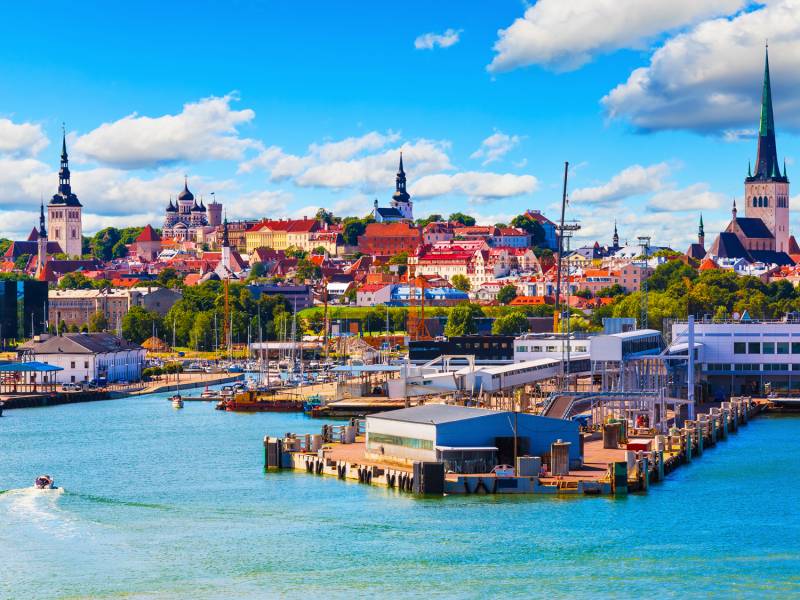
Estonia is ideal for budget-savvy travelers and digital nomads seeking a serene escape. Explore Tallinn's charming medieval Old Town without breaking the bank, or unwind in the quiet natural beauty of Lahemaa National Park. It's perfect for those who appreciate a modern, digital-first experience paired with European history, offering excellent value for money.
Choose Israel
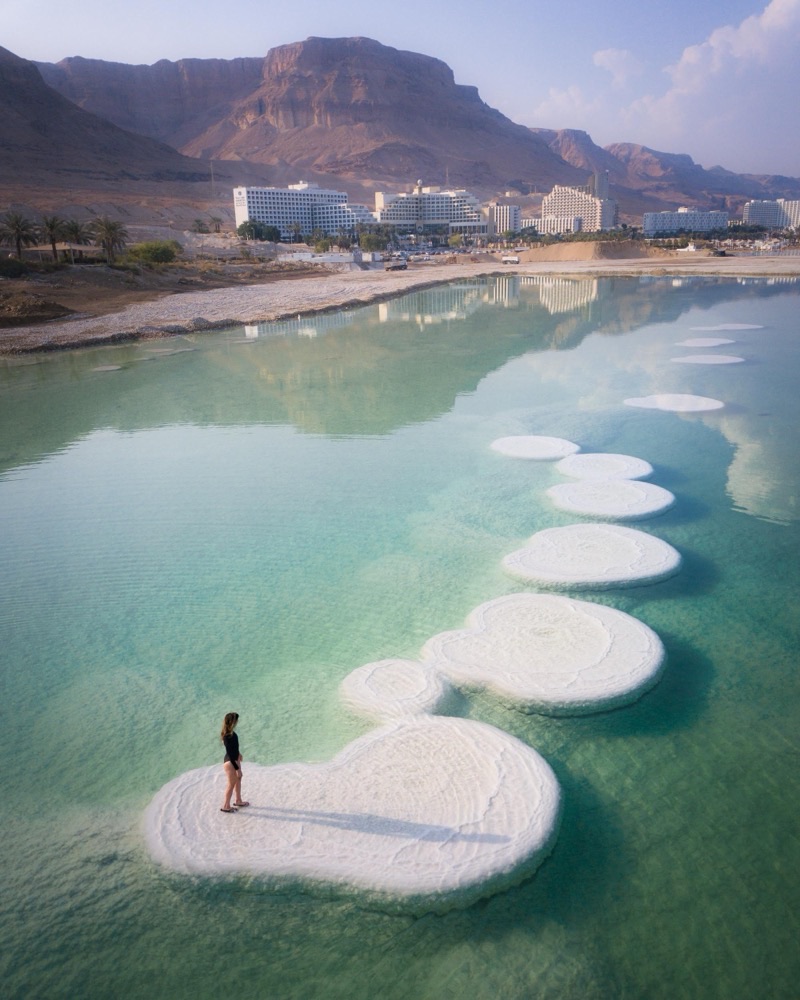
Israel beckons to history enthusiasts and spiritual adventurers craving ancient wonders and vibrant culture. Wander through Jerusalem's sacred Old City, explore the dramatic Masada fortress, or soak up Tel Aviv's energetic beach scene and nightlife. This destination is best for travelers ready to embrace intense experiences and a higher daily budget for unparalleled historical depth.
📊 Visual Scorecard
🌤 When to Visit
Average high temperatures (°C). Green = best months, orange = avoid.
Quick Comparison
| Category | Estonia | Israel | Winner |
|---|---|---|---|
| Costs & Budget | Generally affordable for Europe, especially outside Tallinn. Food, transport, and accommodation are reasonable. | Higher than Western Europe, particularly in Tel Aviv. Food and transport costs add up quickly. Accommodation is pricy. | Estonia |
| Culture & History | Medieval Old Town in Tallinn, Soviet history, Hanseatic league past. Strong digital culture. | Millennia of religious history, archaeological sites, Roman, Ottoman, Crusader influences. Modern art and design in Tel Aviv. | Israel |
| Food & Drink | Hearty peasant food, Baltic influences, modern Nordic cuisine. Craft beer scene. | Mediterranean, Middle Eastern, and Ashkenazi influences. Fresh ingredients, street food, vegan options. Wine regions. | Israel |
| Nature & Outdoors | Forests, bogs, national parks (Lahemaa, Soomaa), islands (Saaremaa). Clean air, quiet spaces. | Deserts (Negev), Dead Sea, Galilee Sea, Red Sea coral reefs (Eilat). Canyons, wadis, hiking trails. | Tie |
| Nightlife | Tallinn's Old Town has pubs and clubs. Craft beer focus. Quieter outside the capital. | Tel Aviv has a reputation for parties, beach clubs, and bars. Jerusalem is calmer. Eilat has resort nightlife. | Israel |
| Getting There & Around | Tallinn Airport (TLL) connects to Europe. Good bus network, ferries to Finland/Sweden. Tallinn is walkable. | Ben Gurion Airport (TLV) is the main international hub. Good bus/train network. Rental cars are common. Security checks are routine. | Estonia |
| Accommodation | Hostels, guesthouses, boutique hotels in Tallinn. Saaremaa farm stays. Good value. | Hostels, boutique hotels in Tel Aviv, religious guesthouses in Jerusalem. Prone to higher prices. | Estonia |
| Safety | Generally very safe. Low crime rates. Scams are rare. Solo female travel is common. | Generally safe for tourists in main areas. Geopolitical tensions require awareness. Security presence is common. Pickpocketing can occur. | Estonia |
| Solo Travel | Easy to navigate, safe, good hostel scene for meeting people. English is widely spoken. | Hostel scene in Tel Aviv/Jerusalem. Can be intense. Good for tours. Meeting people is easy. | Estonia |
| Day Trips | Lahemaa National Park, Tartu, Pärnu. Helsinki by ferry. Many castles and manor houses. | Dead Sea, Masada, Galilee, Caesarea, Bethlehem/West Bank. Diverse historical and natural sites. | Israel |
💰 Costs & Budget
Estonia offers a travel experience that is budget-friendly. A typical mid-range daily budget in Tallinn is €55-100 ($60-110), covering basic accommodation like Hektor Design…
Estonia

Israel
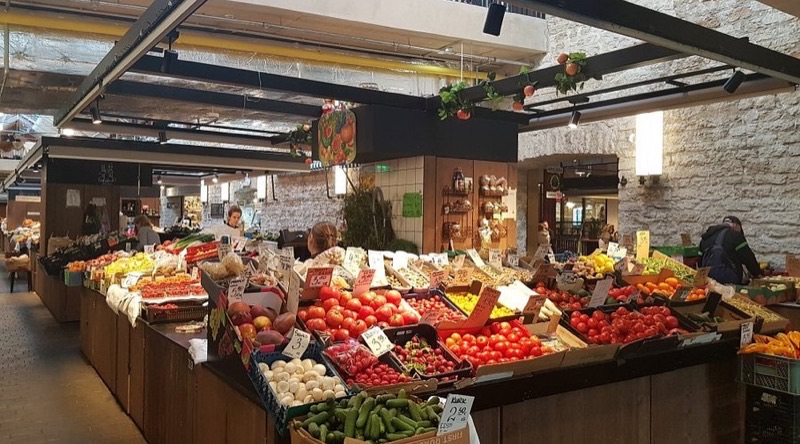
Estonia offers a travel experience that is budget-friendly. A typical mid-range daily budget in Tallinn is €55-100 ($60-110), covering basic accommodation like Hektor Design Hostel (€25-40/$27-44 per night for a private room), meals at local eateries (e.g., LIDO for €10-15/$11-16 per meal), and public transport (€4.50/$5 for a 24-hour ticket). Activities like visiting the Seaplane Harbour Museum cost €15 ($16.50). Outside Tallinn, costs are even lower, with guesthouses in places like Pärnu at €30-50 ($33-55) per night and cheaper meals. Grocery shopping for self-catering significantly reduces food expenses.
Israel presents a higher cost of travel, often on par with or exceeding Western European cities. A mid-range daily budget is around ₪370-660 ($100-180). Accommodation in Tel Aviv, even hostels like Abraham Hostel, can be ₪150-250 ($40-68) for a dorm bed or ₪350-600 ($95-165) for a basic hotel room. Meals at casual restaurants like Miznon or Ha'achim in Tel Aviv range from ₪60-90 ($16-24). Intercity bus tickets from Tel Aviv to Jerusalem cost around ₪16 ($4.50). Entry fees for sites like Masada are ₪29 ($8). Expect to pay a premium for anything in Jerusalem Old City or popular areas of Tel Aviv. Tabiji verdict: Estonia provides a much more accessible travel budget for most people.
- Winner: Estonia
- Why: Estonia provides significantly lower costs for accommodation, food, and activities, making it more accessible for budget-conscious travelers.
- Who this matters for: Travelers prioritizing affordability and stretching their travel funds.
🏛️ Culture & History
Estonia's historical narrative centers on its Hanseatic League past, most evident in Tallinn's Old Town, a UNESCO site with structures like Toompea Castle and St. Olaf's Church.…
Estonia
Israel
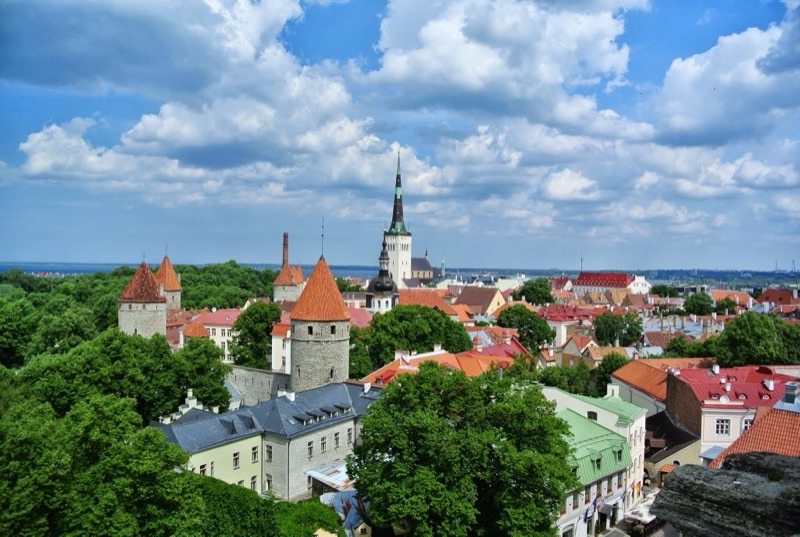
Estonia's historical narrative centers on its Hanseatic League past, most evident in Tallinn's Old Town, a UNESCO site with structures like Toompea Castle and St. Olaf's Church. The country also carries recent Soviet occupation history, explored in museums like the KGB Prison Cells or the Museum of Occupations and Freedom. Its cultural scene includes folk traditions, choral music, and a modern, tech-forward identity (e-Residency, Skype). Tartu, the university city, has a different academic and intellectual atmosphere. The country's history feels contained to specific periods and locations, with a focus on medieval European architecture and 20th-century struggles.
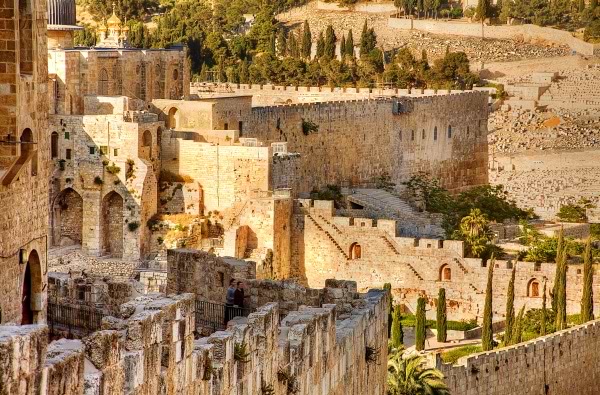
Israel offers a historical depth that spans millennia, encompassing major Abrahamic religions. Jerusalem contains sites like the Western Wall, Dome of the Rock, Church of the Holy Sepulchre, and the City of David archaeological park. Caesarea National Park showcases Roman aqueducts and an amphitheater. Masada is an ancient fortress with a dramatic history. Beyond religious and ancient sites, Tel Aviv has Bauhaus architecture and a distinct modern Israeli culture, seen in its art galleries and design districts. The historical layers here are immense and foundational to global narratives. Tabiji verdict: Israel offers a deeper, more globally significant historical and cultural experience.
- Winner: Israel
- Why: Israel's history stretches back thousands of years with sites central to multiple world religions, offering an unparalleled depth of historical immersion.
- Who this matters for: Travelers deeply interested in ancient history, religious archaeology, and profound cultural narratives.
🍽️ Food & Drink
Estonian cuisine is often described as hearty and practical, with influences from Scandinavian, German, and Russian traditions. Staples include black bread (leib), pork, potatoes,…

Estonia

Israel
Estonian cuisine is often described as hearty and practical, with influences from Scandinavian, German, and Russian traditions. Staples include black bread (leib), pork, potatoes, and various pickled vegetables. Traditional dishes like verivorst (blood sausage) are common in winter. Modern Estonian restaurants, particularly in Tallinn, are experimenting with New Nordic cuisine, such as NOA Chef's Hall or Leib Resto ja Aed, offering refined dishes using local ingredients. Craft beer has a growing presence, with breweries like Põhjala Tap Room. While good, the overall culinary scene is less diverse and internationally recognized than Israel's.
Israel's food scene is a flavorful fusion, drawing on Mediterranean, Middle Eastern, and Ashkenazi Jewish traditions. Street food like falafel, sabich, and shawarma is widely available and delicious. Fresh produce, herbs, and spices are central to dishes like shakshuka, hummus, and tahini. Tel Aviv is a vegan haven, with numerous restaurants catering to plant-based diets. Local markets like Carmel Market in Tel Aviv or Mahane Yehuda in Jerusalem provide sensory experiences. Israeli wines, particularly from the Golan Heights, are gaining recognition. The diversity, freshness, and innovation in Israeli food are hard to match. Tabiji verdict: Israel provides a more diverse, globally recognized, and generally more exciting food scene.
- Winner: Israel
- Why: Israel's food scene is more diverse, globally acclaimed, and offers a wider array of flavors, fresh ingredients, and street food options.
- Who this matters for: Food enthusiasts, vegetarians/vegans, and those seeking vibrant street food experiences.
🌲 Nature & Outdoors
Estonia is a country of forests (over 50% forested), bogs, and a long coastline with many islands. Lahemaa National Park offers hiking trails through forests, along rocky shores,…
Estonia
Israel
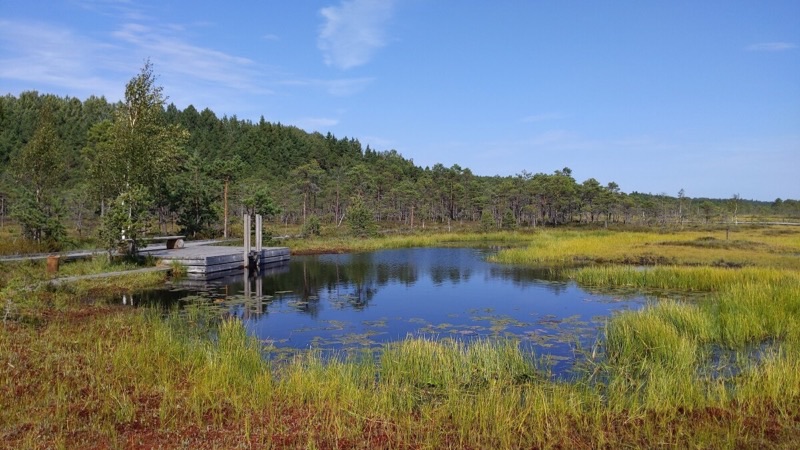
Estonia is a country of forests (over 50% forested), bogs, and a long coastline with many islands. Lahemaa National Park offers hiking trails through forests, along rocky shores, and past historic manors. Soomaa National Park is known for its five seasons, including a 'fifth season' flood that allows canoeing through forests. Saaremaa island provides a calmer pace, unique limestone cliffs, and meteorite craters. The nature here is tranquil, green, and provides opportunities for mushroom picking, berry foraging, and quiet contemplation. It's a land of subtle beauty and expansive, uncrowded spaces.
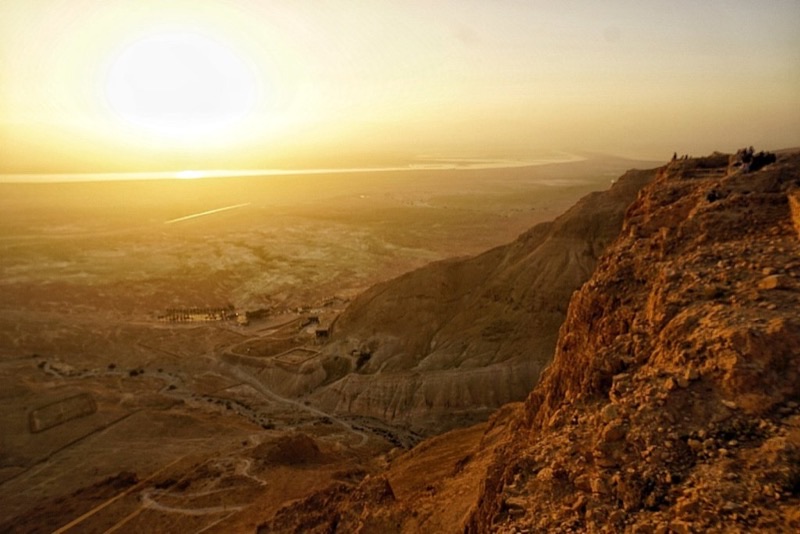
Israel's natural landscapes are dramatically diverse for its size. The Negev Desert in the south offers canyons, wadis, and unique geological formations like Ramon Crater (Makhtesh Ramon), with opportunities for hiking and stargazing. The Dead Sea provides a unique floating experience. The Galilee region in the north has rolling hills, forests, and the Sea of Galilee. Eilat, on the Red Sea, is a destination for snorkeling and diving among coral reefs. The landscapes are more extreme and varied, from lush north to arid south, offering different types of outdoor adventures. Tabiji verdict: Both countries offer exceptional natural experiences, but their offerings are completely different in character.
- Winner: Tie
- Why: Both offer compelling natural settings, but one focuses on green forests and bogs while the other on deserts and seas, making it a matter of preference.
- Who this matters for: Travelers who love spending time outdoors; depends entirely on whether you prefer forests/bogs or deserts/seas.
🍻 Nightlife
Estonia's nightlife is concentrated in Tallinn, specifically in the Old Town and Kalamaja district. There are numerous pubs, cocktail bars, and clubs like Hollywood or Club Studio…
Estonia

Israel
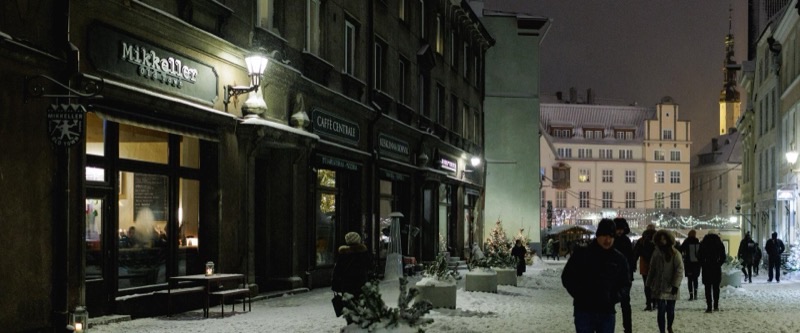
Estonia's nightlife is concentrated in Tallinn, specifically in the Old Town and Kalamaja district. There are numerous pubs, cocktail bars, and clubs like Hollywood or Club Studio that cater to different tastes. The craft beer scene is robust, with places like Põhjala Tap Room or local brewpubs offering a range of options. Nightlife tends to be relaxed during the week and more energetic on weekends, especially during summer. Outside Tallinn, cities like Tartu have a student-driven bar scene, but it is generally much calmer. The overall atmosphere is less intense than in Tel Aviv.
Israel, particularly Tel Aviv, is renowned for its active nightlife. The city offers beach parties, rooftop bars, and clubs that stay open late into the night. Areas like Rothschild Boulevard, Florentin, and the Port area (Namal Tel Aviv) are popular spots. Tel Aviv's party scene is constant, with options ranging from electronic music clubs to live music venues and cozy pubs. Jerusalem's nightlife is more subdued, focused on pubs and cultural events, though it has its own pockets of activity. Eilat offers resort-style parties. The energy in Tel Aviv is contagious and consistently high. Tabiji verdict: Tel Aviv's established reputation for parties and diverse venues gives Israel the edge for nightlife seekers.
- Winner: Israel
- Why: Tel Aviv provides a more dynamic and internationally recognized party scene with a wider selection of clubs and bars that stay open late.
- Who this matters for: Travelers prioritizing lively parties, diverse music venues, and a constant late-night social scene.
✈️ Getting There & Around
Getting to Estonia typically involves flying into Tallinn Airport (TLL), which has direct connections to major European hubs like Helsinki, Riga, Frankfurt, and London. From North…
Getting to Estonia typically involves flying into Tallinn Airport (TLL), which has direct connections to major European hubs like Helsinki, Riga, Frankfurt, and London. From North America, expect one or two layovers, with total travel times often exceeding 9-12 hours. Once in Estonia, the public transport network is efficient. Buses connect all major towns and cities (e.g., Tallinn to Tartu is around €10-15/$11-16, 2.5 hours). Tallinn itself is very walkable, and public transport within the city is good and free for residents. Ferries connect Tallinn to Helsinki (2-3 hours, €20-50/$22-55) and Stockholm. Roads are in good condition for rental cars.
Travel to Israel usually means flying into Ben Gurion Airport (TLV) near Tel Aviv. Direct flights from major North American cities can take 10-12 hours. Israel has a decent public transport system of buses and trains connecting major cities; a train from TLV to Tel Aviv Savidor Central costs ₪13.50 ($3.70). Intercity buses (Egged, Dan) are extensive, but often do not run on Shabbat. Rental cars are popular for exploring beyond cities, but driving requires adapting to local habits. Security checks are standard at airports, borders, and sometimes even shopping malls, which can add time and stress. Tabiji verdict: Estonia offers a simpler, less stressful, and more integrated travel experience with other European destinations.
- Winner: Estonia
- Why: Estonia's integration into the Schengen Area and excellent European connections make entry and intra-country travel simpler, with fewer security procedures.
- Who this matters for: Travelers who prioritize ease of international access, seamless border crossings, and straightforward local transport.
🏨 Accommodation
Estonia provides generally good value for accommodation across various budgets. In Tallinn, you can find quality hostel dorms for €15-25 ($16.50-27.50) at places like Old Town…
Estonia provides generally good value for accommodation across various budgets. In Tallinn, you can find quality hostel dorms for €15-25 ($16.50-27.50) at places like Old Town Alur Hostel or The Monk's Bunk Hostel. Mid-range hotels, such as Hotel Telegraaf or Hotel Palace, typically range from €80-150 ($88-165) per night, especially outside peak season. Guesthouses in smaller towns or rural areas, like those on Saaremaa island, are often €40-70 ($44-77) for a private room. Airbnb options are also plentiful and affordable, especially for longer stays. Booking in advance, particularly for summer, is advisable.
Israel's accommodation landscape is more expensive. In Tel Aviv, a dorm bed at Abraham Hostel can cost ₪150-250 ($40-68), while a basic hotel room in a good location will start from ₪350-600 ($95-165) per night. Jerusalem offers a mix of hostels and religious guesthouses, with similar price points for basic rooms, such as The Post Hostel. Eilat has a range of resorts, which can be pricy. During peak season or holidays, prices can rise significantly, and availability might be limited. The cost-to-quality ratio often feels less favorable compared to Estonia. Tabiji verdict: Estonia provides better value and more accessible options across all accommodation types.
- Winner: Estonia
- Why: Estonia consistently offers better value and more affordable accommodation options across hostels, guesthouses, and hotels.
- Who this matters for: Budget-conscious travelers and those seeking good quality for a reasonable price in their lodging.
🛡️ Safety
Estonia is considered a very safe country for travelers. Crime rates are low, and violent crime against tourists is rare. Petty theft like pickpocketing can occur in crowded areas…
Estonia is considered a very safe country for travelers. Crime rates are low, and violent crime against tourists is rare. Petty theft like pickpocketing can occur in crowded areas of Tallinn Old Town, but it is not a significant concern. Solo female travelers report feeling comfortable and secure, even at night. Road safety is good, and public transport is reliable. The general atmosphere is relaxed, and people are generally respectful. Travelers rarely need to be overly cautious, allowing for a more carefree experience.
Israel is generally safe for tourists in its main population centers and tourist sites, but it exists in a region with ongoing geopolitical tensions. A high security presence, including armed soldiers and police, is common in public spaces, which can be unsettling for some. Tourists should stay informed about current events and avoid sensitive areas. Petty crime like pickpocketing can happen in crowded markets. While most visits are trouble-free, the need for heightened situational awareness and the potential for rapid changes in security status mean it is not as 'easy' a safety profile as Estonia. Tabiji verdict: Estonia offers a more consistently safe and less complex environment for travelers.
- Winner: Estonia
- Why: Estonia offers a consistently high level of safety with very low crime rates and no significant geopolitical concerns, allowing for worry-free travel.
- Who this matters for: Solo travelers, families, and anyone prioritizing a completely relaxed and low-stress safety environment.
🚶♀️ Solo Travel
Estonia is an excellent destination for solo travelers. It is very safe, and navigating independently is straightforward due to good public transport and well-marked attractions.…
Estonia is an excellent destination for solo travelers. It is very safe, and navigating independently is straightforward due to good public transport and well-marked attractions. English is widely spoken, especially among younger generations and in tourist areas, making communication easy. Tallinn has a well-developed hostel scene (e.g., The Monk's Bunk, Tabinoya) where it is easy to meet other travelers. The pace of life is calmer, allowing for independent exploration without feeling overwhelmed. Nature excursions can be done alone or via organized day trips, offering both solitude and social opportunities.
Israel is also suitable for solo travel, but with a different character. The hostel scene in Tel Aviv (Abraham Hostel, The Post Hostel) and Jerusalem is active, making it easy to connect with others. English is widely spoken in tourist areas. However, the intensity of the cities, the historical weight, and the security presence can feel more demanding for some solo travelers. Organized tours are popular for visiting sites like Masada, the Dead Sea, or the West Bank, which can be a good way to meet people. Solo female travelers might experience more unwanted attention than in Estonia. Tabiji verdict: Estonia provides a more relaxed and consistently straightforward experience for solo travelers.
- Winner: Estonia
- Why: Estonia offers a calmer, safer, and easier-to-navigate environment for solo travelers, with strong English proficiency and a welcoming atmosphere.
- Who this matters for: First-time solo travelers, those seeking a peaceful independent journey, and solo female travelers.
🗺️ Day Trips
From Tallinn, Estonia offers several rewarding day trip options. Lahemaa National Park (1-1.5 hours by car/bus) provides nature trails, waterfalls, and manor houses like Palmse…
From Tallinn, Estonia offers several rewarding day trip options. Lahemaa National Park (1-1.5 hours by car/bus) provides nature trails, waterfalls, and manor houses like Palmse Manor. Tartu, the university town (2.5 hours by bus, €10-15/$11-16), offers academic charm and interesting museums like the Estonian National Museum. Pärnu, a beach town (2 hours by bus), is popular in summer. A popular international day trip is to Helsinki, Finland, via a 2-hour ferry ride (€20-50/$22-55). Other options include exploring smaller islands like Prangli or visiting historic castles like Rakvere Castle. The focus is often on nature, small towns, and Baltic history.
Israel excels in day trip potential due to its compact size and concentration of sites. From Tel Aviv or Jerusalem, you can easily visit the Dead Sea and Masada (1.5-2 hours drive/tour), combining history with a unique natural experience. The Galilee region (2-3 hours drive) offers sites like Nazareth, Capernaum, and the Sea of Galilee. Caesarea National Park (1 hour drive) provides Roman ruins. Many travelers also take guided tours to Bethlehem or other parts of the West Bank (e.g., Hebron, Jericho). These trips cover millennia of history, diverse landscapes, and significant religious sites. Tabiji verdict: Israel offers a greater variety of globally significant and impactful day trip destinations.
- Winner: Israel
- Why: Israel provides a wider array of world-renowned historical, religious, and natural sites easily accessible as day trips from major cities.
- Who this matters for: Travelers who want to cover many diverse and historically significant locations within a single trip via short excursions.
🎯 The Decision Framework
Choose Estonia If…
- You want a quieter, more relaxed European experience.
- Your budget is strict (aiming for less than $100/day).
- You enjoy medieval architecture and Hanseatic history.
- You appreciate vast forests, bogs, and clean air.
- You are interested in digital innovation and e-governance.
- You prefer seamless, low-stress border crossings and travel.
- You value excellent public transport and walkability.
- You seek a safe destination for solo travel, especially as a woman.
Choose Israel If…
- You prioritize ancient history and religious archaeology.
- You want to visit sites significant to Christianity, Judaism, and Islam.
- You enjoy a energetic, diverse nightlife, especially in Tel Aviv.
- You are a food enthusiast seeking diverse Middle Eastern flavors.
- You want to experience desert landscapes and unique natural phenomena like the Dead Sea.
- You are prepared for higher travel costs (expecting $100-180+/day).
- You are comfortable with a visible security presence and geopolitical awareness.
- You seek a destination with warm weather for much of the year.
📅 Sample Itineraries
Weekend in Estonia (3 Days)
💡 Consider purchasing a Tallinn Card for free public transport and discounted museum entries, which can save you money if you plan to visit multiple attractions.
Weekend in Israel (3 Days)
💡 Be aware that public transport is limited from Friday evening to Saturday evening (Shabbat) in many areas, so plan your travel or budget for taxis during this time.
One Week in Estonia (7 Days)
💡 Renting a car for 2-3 days, starting from around $35-50 per day, is a practical way to explore Estonia's national parks and islands like Saaremaa at your own pace.
One Week in Israel (7 Days)
💡 Book popular tours, especially those to Masada and the Dead Sea, in advance during peak season to ensure availability and potentially secure better prices.
❓ Frequently Asked Questions
What is the best time of year to visit Estonia versus Israel?
For Estonia, summer (June-August) offers pleasant temperatures (18-25°C), long daylight hours, and many festivals. Winter (December-February) is cold, with snow and short days, but Tallinn's Old Town is charming. Israel is best visited in spring (April-May) or autumn (September-November) when temperatures are mild (20-28°C) and crowds are manageable. Summers (June-August) are very hot (30-40°C), especially inland, while winters are mild with occasional rain in the north.
How long should I plan for a trip to each country?
For Estonia, a good trip focusing on Tallinn and a few day trips or one other major city (like Tartu or Pärnu) is 5-7 days. For a broader exploration including an island like Saaremaa, aim for 10-14 days. For Israel, a minimum of 7-10 days is needed to cover Tel Aviv, Jerusalem, and a trip to the Dead Sea/Masada. To include the Galilee or Eilat, plan for 12-16 days.
Is it easy to get around without a car in both countries?
In Estonia, it's very easy to travel without a car. Tallinn is walkable, and an efficient, affordable bus network connects all major cities and towns. For national parks, local buses or organized tours are available. In Israel, major cities are well-connected by buses and trains, but services often stop on Shabbat (Friday evening to Saturday evening). A rental car provides more flexibility, especially for visiting sites like Masada or the Negev Desert, but it is not strictly necessary for urban exploration.
What are the visa requirements for US citizens for Estonia and Israel?
US citizens do not need a visa for short tourist stays in either Estonia or Israel. For Estonia, as part of the Schengen Area, US citizens can stay for up to 90 days within a 180-day period. For Israel, US citizens typically receive a 90-day tourist visa upon arrival. Always check the latest requirements before travel, as policies can change.
Are there significant language barriers in Estonia or Israel?
In Estonia, Estonian is the official language. However, English is widely spoken, especially by younger generations and in tourist areas, hotels, and restaurants in Tallinn. Russian is also spoken by a significant portion of the population. In Israel, Hebrew is the official language, and Arabic is also widely spoken. English is commonly understood and spoken in all tourist-facing areas, major cities, and among younger people, so navigating without knowing Hebrew is manageable.
What are the common flight times and costs from major US cities?
From major US cities like New York or Chicago, flights to Tallinn (TLL) typically involve one or two layovers in Europe (e.g., Frankfurt, Helsinki) and take 9-14 hours. Costs can range from $600-1000 roundtrip. Flights to Tel Aviv (TLV) can be direct from some US hubs, taking 10-12 hours, or with one layover, extending to 12-15 hours. Costs are often in the $800-1500 roundtrip range, depending on the season and booking time.
What are the differences in local currency and payment methods?
Estonia uses the Euro (€), making it straightforward for European travelers and widely accepted for credit/debit cards. Cash is less frequently used. Israel uses the New Israeli Shekel (₪). Credit and debit cards are widely accepted in cities and larger towns. It is advisable to carry some cash for smaller purchases or markets, especially in Jerusalem Old City. ATMs are readily available in both countries.
Can I visit religious sites easily in both countries?
In Estonia, you can visit churches and medieval religious structures, mainly in Tallinn Old Town or other historical cities. Access is generally open, though some may have entry fees. In Israel, religious sites are central to the travel experience, with numerous important locations for Judaism, Christianity, and Islam across the country. Access is generally open, but certain sites have specific dress codes (shoulders/knees covered), and security checks are common, especially in Jerusalem.
Ready to plan your next trip?
Get a free custom itinerary for Estonia, Israel, or both — built from real traveler insights.
👥 Travelers Also Compared
🎟️ Book Tours & Experiences
Hand-picked tours and activities for both destinations — book with free cancellation
Experiences via Viator — free cancellation on most tours