How we built this comparison
This page combines traveler discussion patterns, published price ranges, flight schedules, and seasonal data to help you decide between Estonia and Italy.
- Reviewed 50+ Reddit threads from r/travel, r/solotravel, r/estonia, r/italy, and r/digitalnomad.
- Verified costs and logistics against current booking platforms for flights, accommodation, and attractions.
- Cross-referenced seasonal patterns and weather data from meteorological sources for accurate climate information.
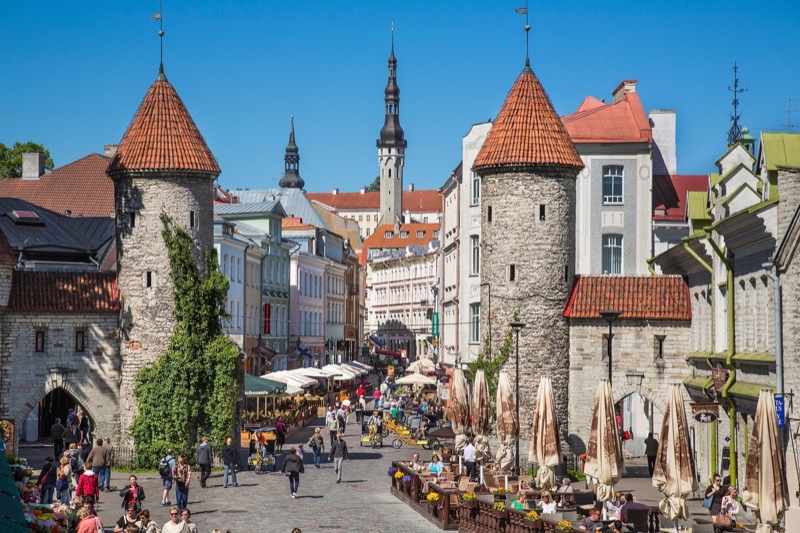
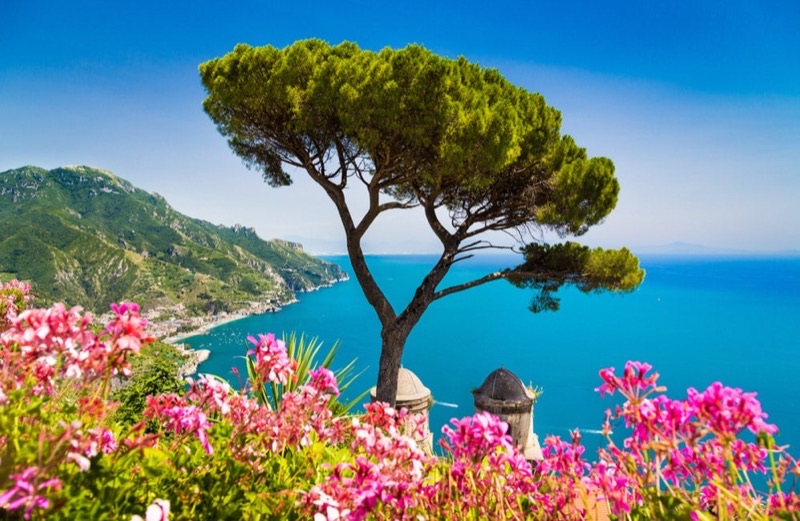
⚡ The TL;DR Verdict
Estonia wins for budget-conscious travelers seeking quiet forests, modern tech cities, and a less crowded experience, often with daily costs around $60-100. Italy is the pick for classic art, history, and food aficionados willing to spend $100-180+ daily for that quintessential European journey.
- Choose Estonia: Solo travelers, digital nomads, and those who prioritize nature, efficiency, and lower costs will find Estonia a rewarding, calm destination. Its well-preserved medieval towns and expansive bogs offer a different kind of European exploration.
- Choose Italy: Couples, families, and travelers focused on world-renowned art, ancient history, and culinary exploration should pick Italy. Its diverse regions provide a range of experiences, from Roman ruins to Tuscan vineyards, though it comes at a higher price point.
- Choose Both: If you have 3-4 weeks and a generous budget, combining a fast-paced Italian art and food tour (10-14 days) with a relaxing, nature-focused week in Estonia (7 days) offers a complete European contrast. Start south and head north, or vice-versa, for a varied trip.
Choose Estonia
Choose Estonia if you're a budget-conscious solo traveler or digital nomad seeking a unique European experience beyond the usual crowds. Explore Tallinn's charming Old Town and vibrant Kalamaja district, then recharge in its expansive national parks like Lahemaa, all while enjoying modern tech amenities and a lower daily spend around $60-100.
Choose Italy
Italy is the quintessential choice for couples and families desiring a rich cultural immersion into world-renowned art, ancient history, and unparalleled culinary delights. Indulge in authentic pasta in Rome, sip Chianti in a Tuscan vineyard, or explore the dramatic ruins of Pompeii, embracing a vibrant, higher-energy journey with a daily budget of $100-180+.
Quick Comparison
| Category | Estonia | Italy | Winner |
|---|---|---|---|
| Costs & Budget | Significantly cheaper for accommodation, food, and transport. Daily budget $60-100. | Higher costs across the board, especially in major cities. Daily budget $100-180+. | Estonia |
| Food & Drink | Hearty, traditional Nordic cuisine with modern twists, craft beer focus. Less variety. | Globally celebrated regional cuisines, fresh ingredients, wine culture. Immense variety. | Italy |
| Culture & History | Medieval Old Towns, Soviet-era remnants, modern tech-driven culture. Less ancient. | Thousands of years of Roman, Renaissance, and Baroque history, art, and architecture. | Italy |
| Nature & Outdoors | Extensive bogs, dense forests, wild coastline, many islands, national parks for hiking. | Diverse landscapes from Dolomites mountains to Tuscan hills, volcanic islands, Mediterranean coastlines. | Tie |
| Nightlife | Tallinn has a focused, lively pub and club scene, particularly in the Old Town. | Major Italian cities have late-night dining, aperitivo culture, and club districts. | Estonia |
| Getting There & Around | Tallinn Airport (TLL) is main hub. Good bus network, ferries to Finland. Easy to navigate. | Multiple major international airports. Extensive train network, but can be complex. | Italy |
| Accommodation | Affordable hostels, guesthouses, and modern hotels. Good value. | Wide range from hostels to luxury hotels, but generally higher prices for comparable quality. | Estonia |
| Safety | Very safe, low crime rates, even in urban areas. Calm environment. | Generally safe, but petty crime like pickpocketing is common in tourist zones. | Estonia |
| Seasons & Weather | Mild, pleasant summers (June-August) with long daylight. Cold, snowy winters. | Hot, crowded summers. Mild winters (south), colder north. Spring/Autumn are ideal. | Tie |
| Solo Travel | Excellent for solo travelers: safe, easy to navigate, good hostels, English widely spoken. | Generally welcoming, but can be overwhelming; pickpocketing risk, less easy to meet others. | Estonia |
💰 Costs & Budget
Estonia offers a genuinely budget-friendly European experience. A hostel bed in Tallinn can be found for €25-40 ($27-43) per night, a hearty lunch for €10-15 ($11-16), and local…
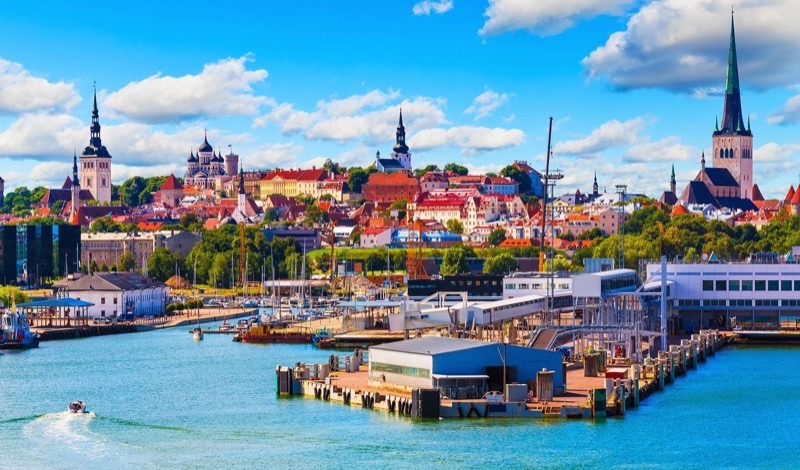
Estonia
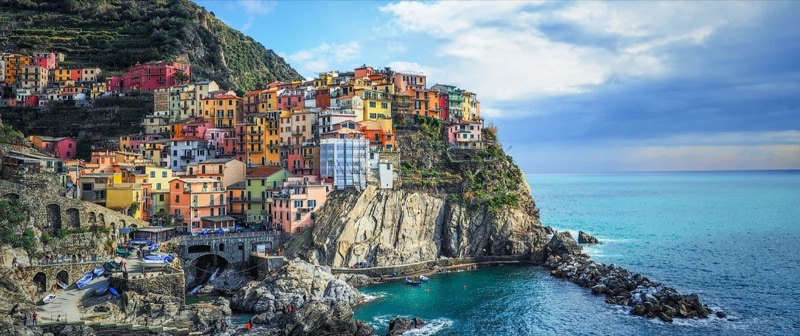
Italy
Estonia offers a genuinely budget-friendly European experience. A hostel bed in Tallinn can be found for €25-40 ($27-43) per night, a hearty lunch for €10-15 ($11-16), and local bus tickets for around €1.50 ($1.60). Entry to major attractions like Tallinn's Kadriorg Palace or Seaplane Harbour Museum typically costs €15-20 ($16-22). Groceries are affordable, allowing for self-catering to reduce expenses further. A week-long trip, including a few excursions, can easily fit within a $500-700 budget for a solo traveler not splurging.
Italy, conversely, represents a higher price tier. A hostel bed in Rome or Florence costs €35-60 ($38-65), while even basic hotel rooms start at €100-150 ($108-162) in popular areas. A simple pasta dish at a trattoria might be €15-25 ($16-27), and a coffee (espresso) is usually €1-2 ($1.08-2.15). Museum entries like the Colosseum or Vatican Museums are €18-25 ($19-27) each, often requiring advance booking. Transportation via high-speed trains adds up, with a Rome-Florence ticket costing €30-60 ($32-65). A realistic daily budget for Italy, including accommodation, two meals, and some activities, sits at $100-180, often more if dining out frequently. For budget-conscious travelers, Estonia is the clear winner; Italy requires careful planning to avoid overspending.
- Winner: Estonia
- Why: Estonia consistently provides a lower cost of living and travel, making it accessible for budget-focused trips.
- Who this matters for: Travelers prioritizing affordability and stretching their travel funds.
🍽️ Food & Drink
Estonian food is hearty and practical, rooted in Nordic traditions with influences from Eastern Europe. Staples include rye bread, potatoes, pork, and various fish. Dishes like…
Estonia
Italy
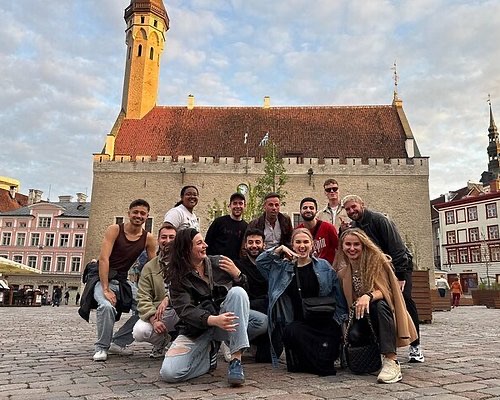
Estonian food is hearty and practical, rooted in Nordic traditions with influences from Eastern Europe. Staples include rye bread, potatoes, pork, and various fish. Dishes like verivorst (blood sausage, seasonal), mulgipuder (porridge with barley and potatoes), or a simple pirukad (pastry) are common. Tallinn has a growing fine dining scene, with places like Leib Resto ja Aed focusing on local ingredients. Craft beer culture is strong, with breweries like Põhjala Tap Room offering a wide selection. While good, the culinary experience is less diverse and globally recognized compared to Italy.
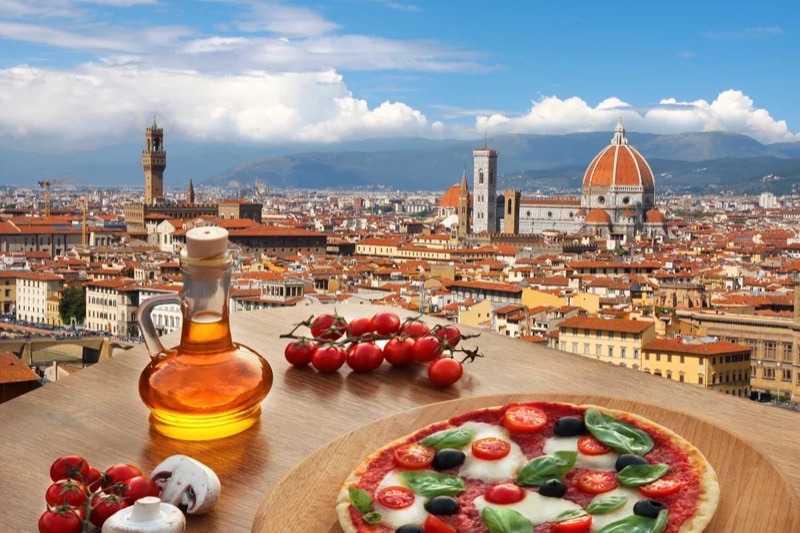
Italy's food culture is unparalleled, with distinct regional cuisines that are famous worldwide. From pizza in Naples and carbonara in Rome to pesto in Genoa and fresh seafood in Sicily, every region offers its specialties. Ingredients are emphasized: fresh pasta, local cheeses like Parmigiano-Reggiano, prosciutto, and olive oil. Eating out is a central part of the experience, from casual pizzerias to Michelin-starred restaurants. The wine culture is deeply ingrained, with countless varietals. A simple meal with wine can be found for €20-35 ($22-38) per person in a mid-range trattoria. For sheer variety, quality, and culinary reputation, Italy stands alone; Estonia offers good food, but it is a different experience entirely. Italy offers a profound food experience for those who appreciate culinary excellence.
- Winner: Italy
- Why: Italy's food and drink culture is globally renowned for its quality, diversity, and deeply embedded culinary traditions.
- Who this matters for: Foodies, gourmands, and anyone who makes dining a central part of their travel experience.
🏛️ Culture & History
Estonia's history centers around its medieval Hanseatic past, especially visible in Tallinn's Old Town, a UNESCO site with cobbled streets, merchant houses, and defensive walls.…
Estonia
Italy
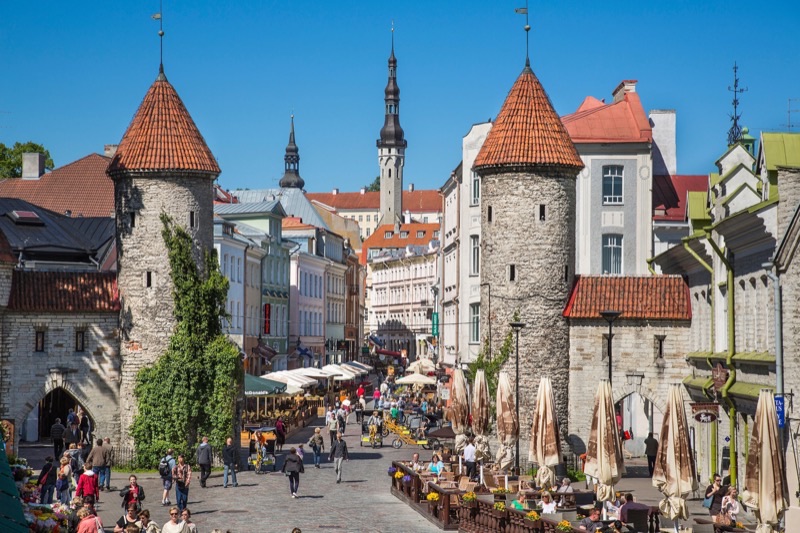
Estonia's history centers around its medieval Hanseatic past, especially visible in Tallinn's Old Town, a UNESCO site with cobbled streets, merchant houses, and defensive walls. The country also bears marks of Soviet occupation, with museums like the KGB Prison Cells or the Museum of Occupation providing insight into this period. Modern Estonian culture is progressive and digitally oriented, pioneering e-residency and emphasizing innovation. The folk traditions and language are distinct but less globally recognized, and there are fewer monumental ancient sites.
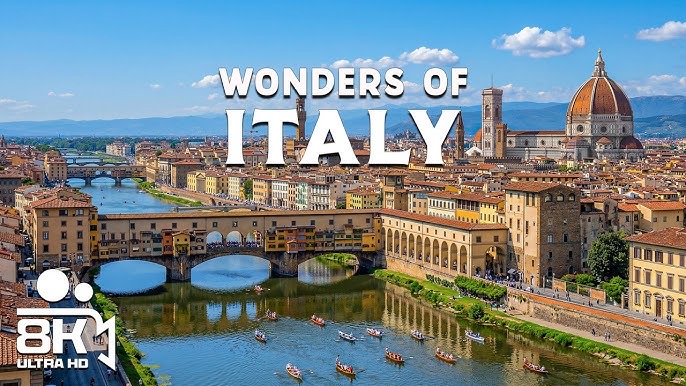
Italy's cultural and historical depth is immense and spans millennia. From the Roman Empire's Colosseum and Roman Forum to the Renaissance art of Florence (Uffizi Gallery, Duomo) and the Baroque splendors of Rome (Vatican City, Trevi Fountain), the country is a living museum. Venice offers unique canal-based architecture, while Pompeii preserves an ancient Roman city. The sheer volume and significance of Italy's historical sites and artistic masterpieces are unmatched globally, attracting millions seeking to witness these iconic creations. For travelers seeking a deep dive into globally significant historical periods and artistic movements, Italy is the unrivaled choice; Estonia offers a more specific, regional history.
- Winner: Italy
- Why: Italy possesses an unparalleled concentration of globally significant historical sites, art, and architectural masterpieces spanning millennia.
- Who this matters for: History buffs, art enthusiasts, and anyone seeking globally recognized ancient and classical heritage.
🌲 Nature & Outdoors
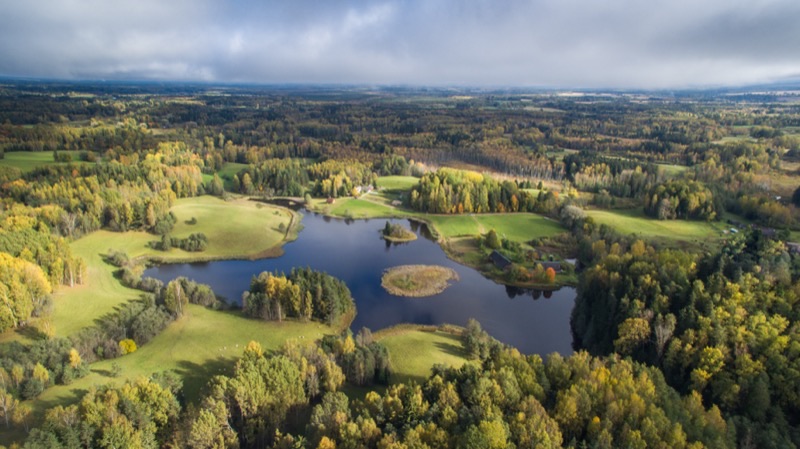
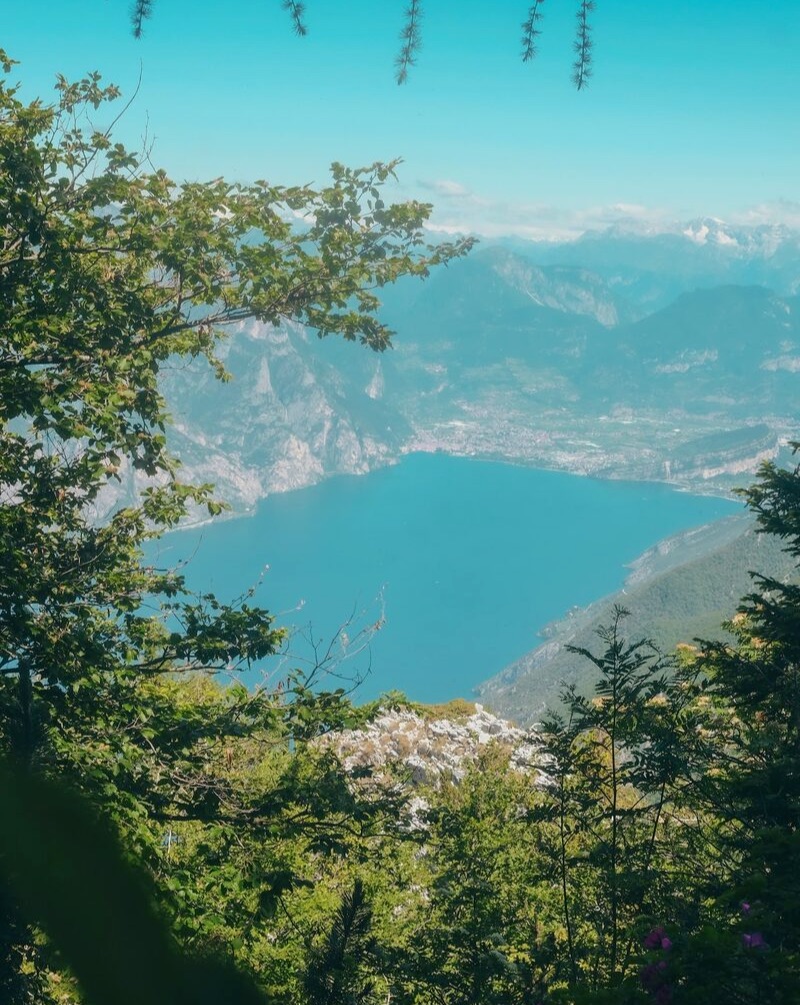
Estonia offers a serene, often wild, natural landscape. Over 50% of the country is forest, and its extensive bogs (like Lahemaa National Park or Soomaa National Park) are a unique…
Estonia
Italy
Estonia offers a serene, often wild, natural landscape. Over 50% of the country is forest, and its extensive bogs (like Lahemaa National Park or Soomaa National Park) are a unique feature, perfect for boardwalk hikes and bog-shoeing. The coastline is dotted with islands like Saaremaa and Hiiumaa, offering quiet beaches and coastal trails. Wildlife spotting, including elk and brown bears, is possible in more remote areas. The outdoor experience is generally calm, uncrowded, and focuses on quiet immersion in nature, ideal for walking and cycling.
Italy presents a dramatic and diverse range of natural environments. The Dolomites in the north provide world-class hiking, climbing, and skiing with striking mountain formations. Tuscany offers rolling hills, vineyards, and cypress-lined avenues. The Amalfi Coast provides dramatic sea cliffs and picturesque towns like Positano, while Sicily features the active volcano Mount Etna and beautiful beaches. The sheer variety—from alpine to Mediterranean, volcanic to coastal—means Italy has something for every type of outdoor enthusiast. Both countries excel in offering distinct natural experiences; Estonia provides quiet, unique Nordic landscapes, while Italy offers dramatic, varied, and widely recognized natural wonders. The choice depends on personal preference for landscape type.
- Winner: Tie
- Why: Both countries offer distinct, high-quality natural environments; Estonia with its bogs and forests, Italy with its mountains and coasts.
- Who this matters for: Travelers who prioritize outdoor activities but are open to different types of natural scenery.
🍻 Nightlife
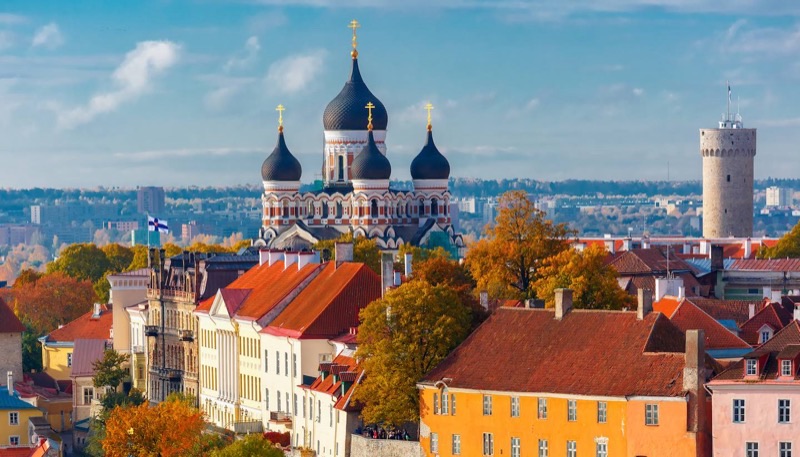
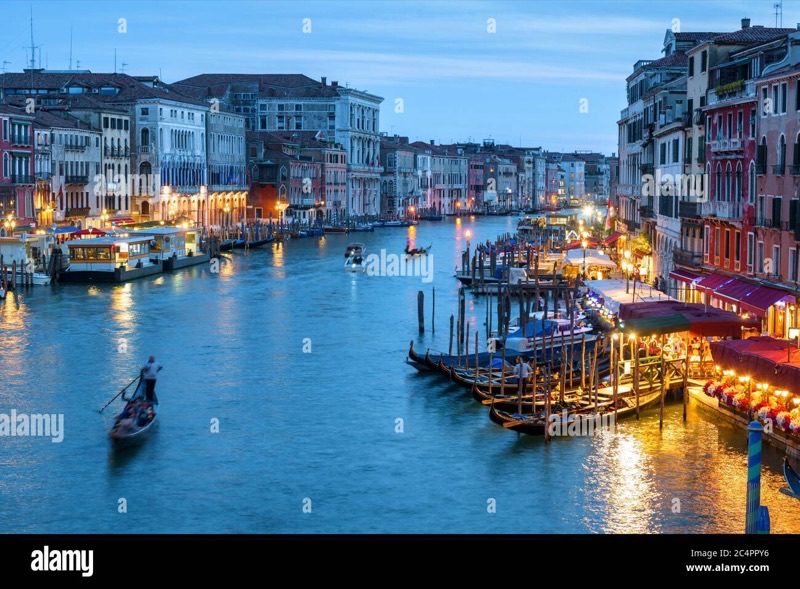
Tallinn, particularly its Old Town, has a surprisingly concentrated and energetic nightlife. There are numerous pubs, craft beer bars like Pühaste Brewery or Hell Hunt, and clubs…
Estonia
Italy
Tallinn, particularly its Old Town, has a surprisingly concentrated and energetic nightlife. There are numerous pubs, craft beer bars like Pühaste Brewery or Hell Hunt, and clubs catering to different tastes, often open late, especially on weekends. Prices for drinks are reasonable; a pint of local beer costs €4-6 ($4.30-6.50). The atmosphere is generally friendly and relaxed, with many establishments within walking distance of each other. Tartu also offers a university-town vibe with various student-friendly bars. It is easy to find a good time without spending a lot of money and often connects with other travelers.
Italian nightlife is more varied by city and often starts later. Major cities like Milan, Rome, and Bologna have discotecas and club districts, but it's often preceded by the aperitivo ritual, where you buy a drink for €8-15 ($8.60-16.20) and get access to a buffet of snacks. Dining out late is also a common evening activity. While clubs exist, they can be more selective or expensive, and a casual pub crawl like in Tallinn is less common. For a more direct, concentrated, and budget-friendly traditional bar and club scene, Estonia offers a better experience. Italy's nightlife is more about extended social dinners and sophisticated pre-drinks. For an easier, more accessible bar and club experience, Estonia takes the lead.
- Winner: Estonia
- Why: Tallinn's concentrated, friendly, and affordable pub and club scene offers a more straightforward and engaging nightlife for many travelers.
- Who this matters for: Younger travelers, solo travelers, and those who prioritize an active, accessible bar and club experience.
✈️ Getting There & Around
Estonia is served primarily by Tallinn Airport (TLL), with direct flights from major European cities like London (approx. 2.5-3 hours) or Frankfurt. From North America, a…
Estonia is served primarily by Tallinn Airport (TLL), with direct flights from major European cities like London (approx. 2.5-3 hours) or Frankfurt. From North America, a connecting flight is always required, typically via a major European hub, totaling 10-14 hours. Once in Estonia, the country has an efficient and affordable bus network connecting major towns and national parks. Public transport within Tallinn is excellent and often free for residents. Ferries connect Tallinn to Helsinki in about 2 hours. Car rental is straightforward for exploring rural areas, with good road quality. It's easy to get around due to its compact size.
Italy boasts several major international airports, including Rome Fiumicino (FCO), Milan Malpensa (MXP), and Venice Marco Polo (VCE), offering extensive direct flights from North America (e.g., NYC to Rome: approx. 8 hours) and across Europe. The country has an excellent and extensive high-speed rail network (Trenitalia, Italo) connecting cities like Rome, Florence, Venice, and Milan, with tickets ranging from €20-80 ($22-86) depending on booking in advance. Local trains and buses cover smaller towns, though regional bus schedules can be less reliable. Driving can be challenging in city centers but offers freedom in rural areas like Tuscany. While Estonia is easy to navigate, Italy's extensive international flight connections and comprehensive rail system make it more accessible for reaching varied destinations within the country and from further afield. Italy wins due to its broader network and accessibility.
- Winner: Italy
- Why: Italy offers a greater number of international flight connections and an extensive, efficient high-speed rail network for internal travel.
- Who this matters for: Travelers seeking convenient access from diverse global origins and efficient inter-city travel within the country.
🏨 Accommodation
Accommodation in Estonia generally offers good value. In Tallinn, a clean, well-located hostel bed in a place like The Red Emperor Hostel can be €25-40 ($27-43) per night.…
Accommodation in Estonia generally offers good value. In Tallinn, a clean, well-located hostel bed in a place like The Red Emperor Hostel can be €25-40 ($27-43) per night. Mid-range hotels, such as the Hestia Hotel Kentmanni or Hotel St. Olav in the Old Town, typically range from €70-120 ($76-130) per night. Outside the capital, guesthouses and rural accommodations are even more affordable. Options are modern, often with good amenities and a focus on design, providing comfort without a premium price tag. Booking a few weeks in advance is usually sufficient, even in peak season.
Italy offers a vast array of accommodation, from budget hostels to luxury villas. However, prices are consistently higher. A hostel bed in Rome or Florence generally costs €35-60 ($38-65). Mid-range hotels in major cities start at €100-150 ($108-162) and can easily exceed €200 ($216) in popular tourist areas or during peak season. Boutique hotels, agriturismos (farm stays) in Tuscany, and seaside resorts offer different experiences but come with corresponding price increases. While the selection is wider in Italy, comparable quality often costs significantly more. For travelers seeking better value and more affordable stays, Estonia is the superior choice; Italy provides choice but demands a larger budget.
- Winner: Estonia
- Why: Estonia consistently provides more affordable and higher-value accommodation options across all categories.
- Who this matters for: Budget travelers and those who want comfortable lodging without significant expense.
🚨 Safety
Estonia is considered one of the safest countries in Europe. Crime rates, including violent crime and petty theft, are very low. Walking alone at night in Tallinn or other major…
Estonia is considered one of the safest countries in Europe. Crime rates, including violent crime and petty theft, are very low. Walking alone at night in Tallinn or other major towns feels secure. Travelers report feeling comfortable and rarely encountering issues. The local population is generally reserved but helpful if approached. Standard precautions, like being aware of your surroundings and not leaving valuables unattended, are sufficient here. There's a prevailing sense of order and respect for public spaces.
Italy is generally safe for travelers, but it's important to be vigilant, especially in crowded tourist areas of major cities like Rome, Florence, Venice, and Naples. Pickpocketing is a common concern in these spots, particularly around attractions like the Colosseum, on public transport, and in busy markets. While violent crime against tourists is rare, bag snatching can occur. Travelers should take sensible precautions: keep valuables secure, avoid flashing expensive items, and be wary of overly friendly strangers or distraction scams. For a travel experience where safety concerns are minimal, Estonia is the clear victor; Italy demands more caution, especially in its popular centers.
- Winner: Estonia
- Why: Estonia consistently ranks among the safest countries in Europe with very low crime rates and a calm atmosphere.
- Who this matters for: Solo female travelers, families, and anyone prioritizing a worry-free, secure travel environment.
☀️ Seasons & Weather
Estonia experiences four distinct seasons. Summers (June to August) are generally mild and pleasant, with average temperatures around 18-22°C (64-72°F) and very long daylight…
Estonia experiences four distinct seasons. Summers (June to August) are generally mild and pleasant, with average temperatures around 18-22°C (64-72°F) and very long daylight hours (up to 19 hours around summer solstice), making it ideal for outdoor activities. Spring (April-May) and Autumn (September-October) are cooler, with changing foliage but can be wet. Winters (November-March) are cold, often snowy, with short daylight hours, offering opportunities for winter sports and cozy city breaks, but can be challenging for extensive outdoor exploration. The long summer days are a real draw for many.
Italy's weather varies significantly from north to south. Summers (June to August) are generally hot and sunny across the country, with southern regions often exceeding 30-35°C (86-95°F), making sightseeing uncomfortable for some. Spring (April-May) and Autumn (September-October) offer the most pleasant weather for touring, with comfortable temperatures and fewer crowds. Winters (November-March) are mild in the south (e.g., Sicily, Puglia) but colder with snow in the mountainous north (Dolomites) and central areas. The high tourist season aligns with hot summer months, leading to crowds. Both countries offer distinct seasonal appeal; Estonia excels in mild, long-day summers, while Italy provides more comfortable shoulder seasons and warm southern winters. The 'winner' depends on preferred climate and activity. For those sensitive to heat, Estonia's summer is preferable to Italy's.
- Winner: Tie
- Why: Both countries offer distinct advantages depending on the preferred season; Estonia's mild, long-day summers contrast with Italy's pleasant shoulder seasons and warm southern winters.
- Who this matters for: Travelers with specific climate preferences or those planning trips during particular seasons.
🚶♀️ Solo Travel
Estonia is an excellent destination for solo travelers. Its high safety ratings, efficient public transport, and compact cities (especially Tallinn) make navigation easy and…
Estonia is an excellent destination for solo travelers. Its high safety ratings, efficient public transport, and compact cities (especially Tallinn) make navigation easy and worry-free. English is widely spoken, particularly among younger generations and in tourist areas, minimizing communication barriers. The hostel scene is developed and social, making it simple to meet other travelers. Estonians are generally reserved but polite and helpful when approached. The country offers peaceful nature experiences and cultural sites that are equally enjoyable alone, without feeling out of place. It provides a calm and independent travel environment.
Italy, while a popular destination, can be more challenging for solo travelers. While generally welcoming, the intense crowds in major tourist areas can be overwhelming, and the risk of petty crime like pickpocketing is higher. Outside of major tourist hubs, English might be less common, requiring some basic Italian phrases. The dining culture often centers around groups or couples, making solo dining feel less integrated, although solo travelers are common in hostels. While hostels are available, the 'romantic' perception of Italy can sometimes make solo travelers feel a bit isolated if they are seeking companionship. For ease, safety, and social opportunities tailored for individuals, Estonia stands out as a better solo travel destination; Italy requires more self-reliance and active effort to connect. Estonia provides a more straightforward and relaxed experience for individuals.
- Winner: Estonia
- Why: Estonia offers a safer, more navigable, and socially accessible environment for solo travelers, with fewer communication barriers.
- Who this matters for: Solo travelers, especially those new to international travel or seeking a more relaxed independent journey.
🎯 The Decision Framework
Choose Estonia If…
- You want to explore medieval architecture without massive crowds.
- You prioritize a low-budget trip, averaging $60-100 daily.
- You enjoy quiet nature experiences like bog walks and forest trails.
- You value high digital connectivity and modern infrastructure.
- You are a solo traveler seeking a safe and easy-to-navigate destination.
- You prefer cooler, mild summers with very long daylight hours.
- You appreciate a focused, accessible craft beer and pub scene.
- You are interested in a unique history involving Hanseatic League and Soviet occupation.
Choose Italy If…
- You are passionate about ancient Roman and Renaissance art and history.
- You want to indulge in world-renowned regional cuisines and wine.
- You are comfortable with a higher daily budget of $100-180+.
- You envision scenic drives through rolling hills and dramatic coastlines.
- You prefer a lively, bustling atmosphere with many iconic sights.
- You plan to travel extensively by train between major cities.
- You are looking for a trip focused on classic, globally famous European experiences.
- You prefer hot, sunny weather for beach time or city exploration (outside peak summer).
❓ Frequently Asked Questions
What's a realistic daily budget difference between Estonia and Italy?
For Estonia, a realistic daily budget for a mid-range traveler is around $60-100, covering a hostel/mid-range guesthouse, two meals, and some attractions. In Italy, expect to spend $100-180+ per day for similar experiences, especially in major cities like Rome or Florence. This includes a hostel/budget hotel, two meals, and museum entries.
How long should I plan to spend in each country?
For Estonia, 5-7 days is sufficient to see Tallinn and take a day trip to Lahemaa National Park or Tartu. For Italy, due to its size and regional diversity, a minimum of 10-14 days is recommended for a first-time visitor to cover 2-3 major cities like Rome, Florence, and Venice.
Is English widely spoken in Estonia and Italy?
In Estonia, English is very widely spoken, especially by younger generations and in all tourist-facing businesses, making communication easy. In Italy, English is common in major tourist cities and hotels, but less so in smaller towns or among older generations, so learning a few Italian phrases is helpful.
Which country is better for nature and hiking?
Both countries offer compelling nature experiences. Estonia excels with unique bog landscapes, dense forests, and quiet coastal areas in national parks like Lahemaa, ideal for peaceful hikes. Italy offers dramatic variety, from the world-class hiking in the Dolomites to the coastal trails of Cinque Terre and the volcanic landscapes of Sicily. Your preference depends on the type of scenery you seek.
What are the flight times like from major European hubs?
From major European hubs like London or Frankfurt, direct flights to Tallinn (TLL) are typically 2.5-3 hours. Flights to major Italian airports like Rome (FCO) or Milan (MXP) are generally 2-3 hours from European hubs. From North America, both require connecting flights, with Italy often having more direct routes to major hubs.
Is public transport efficient in both countries?
Estonia has an efficient and affordable bus network connecting its towns, and Tallinn's public transport is excellent. Italy boasts an extensive and reliable high-speed train network (Trenitalia, Italo) connecting major cities. Both countries offer good internal transport, though Italy's network is more expansive.
Which country has better historical sites?
Italy holds a significant advantage for historical sites, with thousands of years of Roman, Renaissance, and Baroque history evident in its cities, museums, and ruins (e.g., Colosseum, Vatican, Pompeii). Estonia offers well-preserved medieval Old Towns and sites reflecting its Soviet past, providing a different, more localized historical perspective.
Which destination is more suitable for families with young children?
Italy offers more direct attractions for families, like the historical sites in Rome or the beaches, but can be crowded and expensive. Estonia, with its generally safer environment, excellent public parks, and less crowded attractions, could be a calmer and more budget-friendly option for families, particularly for those seeking outdoor activities.
Ready to plan your European trip?
Get a free custom itinerary for Estonia, Italy, or both — built from real traveler insights.
🎟️ Book Tours & Experiences
Hand-picked tours and activities for both destinations — book with free cancellation
Experiences via Viator — free cancellation on most tours