How we built this comparison
This page combines traveler discussion patterns, published price ranges, flight schedules, and seasonal data to help you decide between Estonia and Norway.
- Reviewed 50+ Reddit threads from r/travel, r/solotravel, r/Estonia, r/Norway, etc.
- Verified costs and logistics against current booking platforms like Booking.com, Skyscanner, and local transport sites.
- Cross-referenced seasonal patterns and weather data from meteorological sources for activity recommendations.
⚡ Quick Answers
⚡ The TL;DR Verdict
Most travelers seeking a budget-friendly but culturally rich experience will find Estonia the clear choice, with daily costs often between $60-120. Those prioritizing grand, preserved nature and prepared to spend $150-300+ per day will prefer Norway. Estonia provides a more accessible trip for the majority.
- Choose Estonia: You want Old Town charm, good food, and nightlife for a reasonable price. You are interested in post-Soviet history and a digital-forward society. You are a solo traveler or on a budget.
- Choose Norway: You prioritize epic natural landscapes like fjords and mountains above all else. You have a generous travel budget and appreciate outdoor activities such as hiking and scenic drives. You seek solitude in grand natural settings.
- Choose Both: If you have 2-3 weeks and a varied budget, combine them. Fly into Tallinn, explore, then take a short flight to Oslo or Bergen for a fjord adventure. This provides a balance of cultural depth and natural grandeur.
Choose Estonia
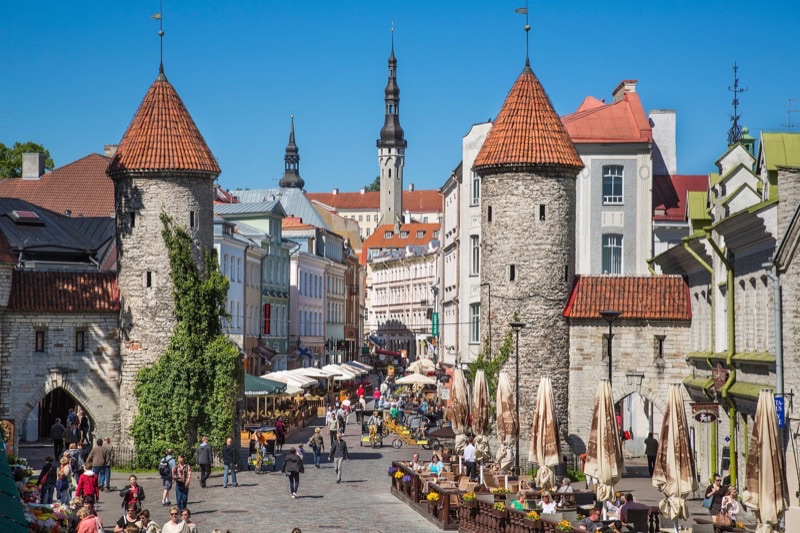
Choose Estonia for an enchanting blend of medieval charm and modern innovation, perfect for budget-conscious explorers or solo travelers. Wander Tallinn's UNESCO Old Town, savor hearty local cuisine, and experience a vibrant digital culture, all while enjoying excellent value. It's ideal for those seeking rich history, lively nightlife, and a unique Baltic experience without breaking the bank.
Choose Norway
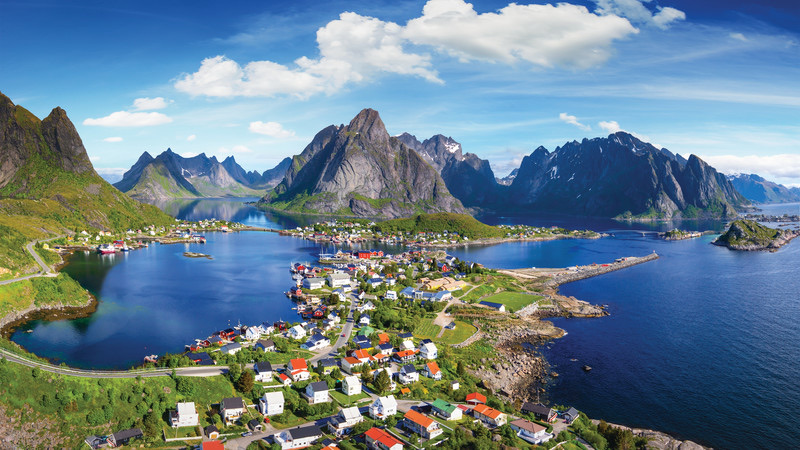
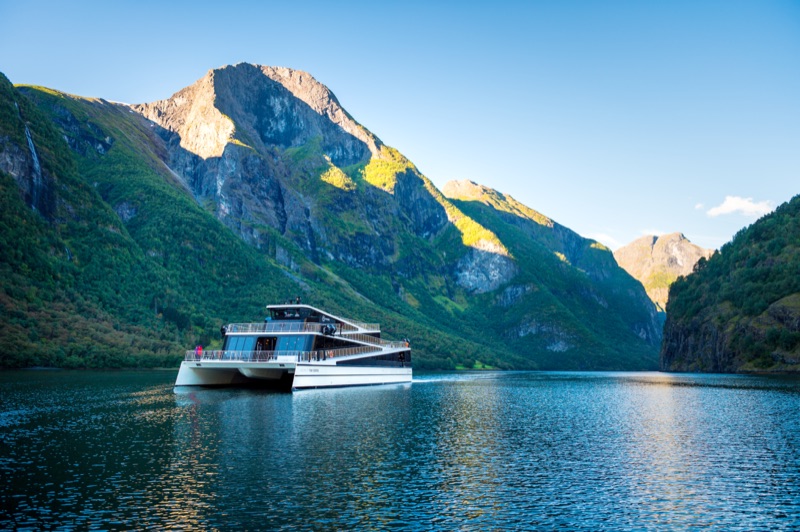
Opt for Norway if your heart yearns for unparalleled natural grandeur and your budget allows for indulgence. Explore the majestic fjords of Geiranger or Nærøyfjord, embark on epic hikes, and drive breathtaking scenic routes like the Atlantic Road. This destination is best for nature enthusiasts, photographers, and adventurers seeking awe-inspiring landscapes and serene solitude.
📊 Visual Scorecard
🌤 When to Visit
Average high temperatures (°C). Green = best months, orange = avoid.
Quick Comparison
| Category | Estonia | Norway | Winner |
|---|---|---|---|
| Costs & Budget | Significantly cheaper across all categories: accommodation, food, transport, and activities. Daily budget $60-120. | Among the most expensive countries globally. High prices for everything from coffee to hotels. Daily budget $150-300+. | Estonia |
| Nature & Outdoors | Dense forests, bogs, coastal islands, and national parks like Lahemaa. Flatter terrain, suitable for gentle hiking. | World-renowned fjords, dramatic mountains, glaciers, and Arctic landscapes. Epic, grand, and challenging hiking. | Norway |
| Culture & History | Medieval Old Town (Tallinn), Soviet history, Hanseatic past, modern digital society. Distinct Nordic-Baltic mix. | Viking heritage, Sami culture, strong maritime history, modern Scandinavian design. Strong national identity. | Estonia |
| Food & Drink | Hearty, simple food with Nordic and Slavic influences. Black bread, sprats, blood sausage. Craft beer scene. | Seafood focused, traditional fare like meatballs, brown cheese. High-end dining. Expensive alcohol. | Estonia |
| Nightlife | Lively bar scene in Tallinn Old Town, diverse clubs, affordable drinks. Younger crowd. | Pubs and bars in major cities, but less concentrated and significantly more expensive. Quieter overall. | Estonia |
| Getting There | Tallinn Airport (TLL) is well-connected to Europe. Short flights from major hubs. Ferry to Helsinki. | Oslo (OSL) and Bergen (BGO) are main international airports. Fewer direct long-haul flights outside Europe. | Estonia |
| Getting Around | Compact cities (Tallinn is walkable). Excellent public transport, Bolt ride-sharing. Regional buses and trains. | Efficient but expensive public transport. Regional trains (scenic but limited). Car rentals expensive but good for fjords. | Estonia |
| Accommodation | Wide range of affordable options: hostels, guesthouses, boutique hotels. Great value. | High prices across all types. Hostels, hotels, cabins are all expensive. Book far ahead. | Estonia |
| Safety | Very safe overall. Low crime rates. Common sense precautions apply in tourist areas. | Extremely safe country. Very low crime rates. Minimal concerns for travelers. | Tie |
| Solo Travel | Easy to meet people, affordable hostels, compact cities, safe, good transport for independent exploration. | Safe and easy to navigate. Expensive, which can make solo travel costs add up quickly. Nature-focused, less social. | Estonia |
💸 Costs & Budget
Estonia is considerably friendlier to a travelers wallet. A budget conscious individual can find hostel beds in Tallinn for $20-30 USD per night, and a decent lunch at a local…
Estonia
Norway
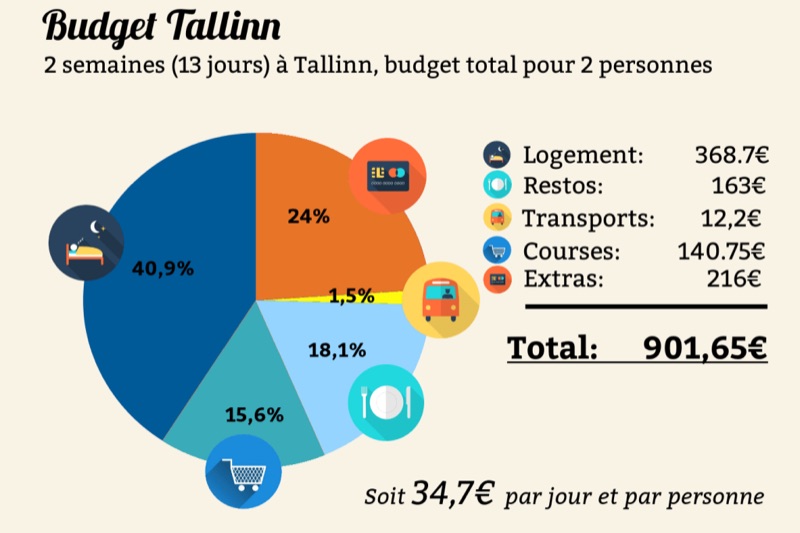
Estonia is considerably friendlier to a travelers wallet. A budget conscious individual can find hostel beds in Tallinn for $20-30 USD per night, and a decent lunch at a local eatery like Kompressor for under $15 USD. Public transport in Tallinn is very affordable, often free for registered residents, and Bolt (similar to Uber) rides are inexpensive, with most city trips under $10 USD. Groceries for self-catering are also reasonable, allowing a comfortable daily spend of $60-120 USD.
Norway is notoriously expensive. A hostel bed in Oslo or Bergen can cost $50-80 USD, and a modest hotel room often starts at $150 USD. Expect to pay $20-30 USD for a simple lunch, and $50 USD or more for an average dinner. A beer often costs $10-12 USD. Public transport, while efficient, is not cheap; a single Oslo tram ticket is about $4-5 USD. Major attractions like fjord tours or scenic train rides add up quickly, making a daily budget of $150-300+ USD realistic. For those on a strict budget, Norway requires careful planning and self-catering. Estonia is the clear winner for budget-conscious explorers.
- Winner: Estonia
- Why: Estonia provides a much more accessible travel experience for most budgets, allowing funds to stretch further.
- Who this matters for: Anyone concerned about their travel expenses, budget travelers, or long-term nomads.
⛰️ Nature & Outdoors
Estonias nature offers a quieter, more subtle beauty centered around forests, bogs, and a long coastline with many islands. Lahemaa National Park, about an hour drive from…

Estonia
Norway
Estonias nature offers a quieter, more subtle beauty centered around forests, bogs, and a long coastline with many islands. Lahemaa National Park, about an hour drive from Tallinn, features hiking trails through old growth forests and past coastal villages. The bogs, like Viru Bog, offer unique boardwalk trails for easy walks and photography. Saaremaa island provides a tranquil escape with juniper fields and dolomite cliffs. While pretty and serene, the landscapes are generally flatter and less dramatic, better for gentle walks and observing wildlife rather than strenuous adventure.
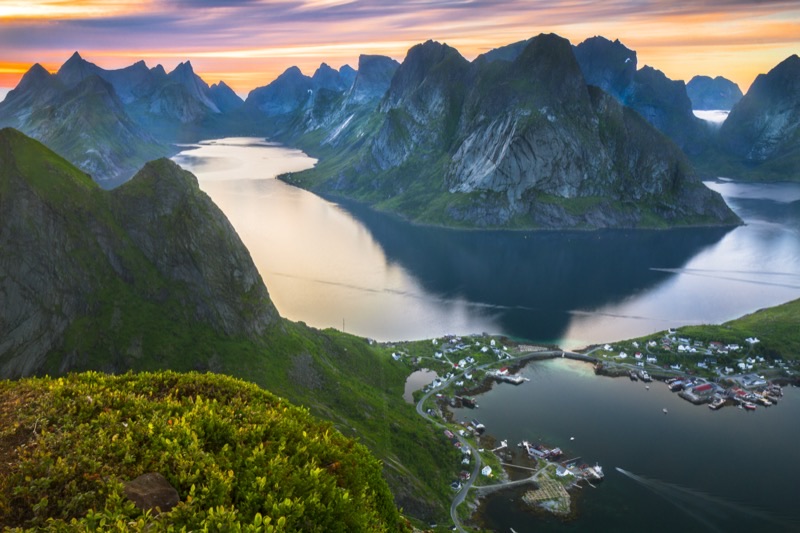
Norway is defined by its epic, truly grand natural spaces. The fjords, like Geirangerfjord and Nærøyfjord, are deep blue waterways carved by glaciers, framed by towering cliffs and waterfalls. The Lofoten Islands in the north offer jagged peaks rising directly from the sea, with fishing villages nestled between. Iconic hikes include Preikestolen (Pulpit Rock), Kjeragbolten, and Trolltunga, all demanding but rewarding with immense views. Glaciers and the Northern Lights in winter add to the dramatic appeal. For travelers seeking profound, powerful natural experiences, Norway stands alone. Norway offers a scale of natural grandeur that Estonia cannot match.
- Winner: Norway
- Why: Norway presents some of the worlds most iconic and dramatic natural landscapes, making it a premier destination for outdoor enthusiasts.
- Who this matters for: Hikers, photographers, nature lovers seeking grand vistas, and those who prioritize natural beauty above all.
🏛️ Culture & History
Estonia provides a layered historical experience, centered heavily around Tallinns UNESCO-listed Old Town, a remarkably preserved medieval Hanseatic merchant city. Visitors can…
Estonia
Norway
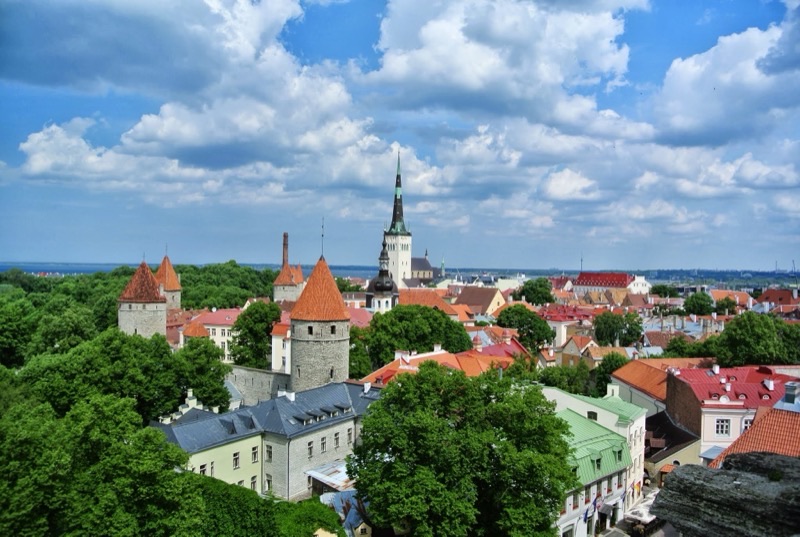
Estonia provides a layered historical experience, centered heavily around Tallinns UNESCO-listed Old Town, a remarkably preserved medieval Hanseatic merchant city. Visitors can explore Toompea Castle, Alexander Nevsky Cathedral, and the extensive city walls. Beyond the medieval, Estonias history includes Soviet occupation, visible in certain architecture and museums like the KGB Prison Cells or the Museum of Occupations. The country also showcases a forward-thinking digital society, a fascinating juxtaposition with its past. This blend of medieval, Soviet, and modern digital identity makes for a compelling cultural journey.
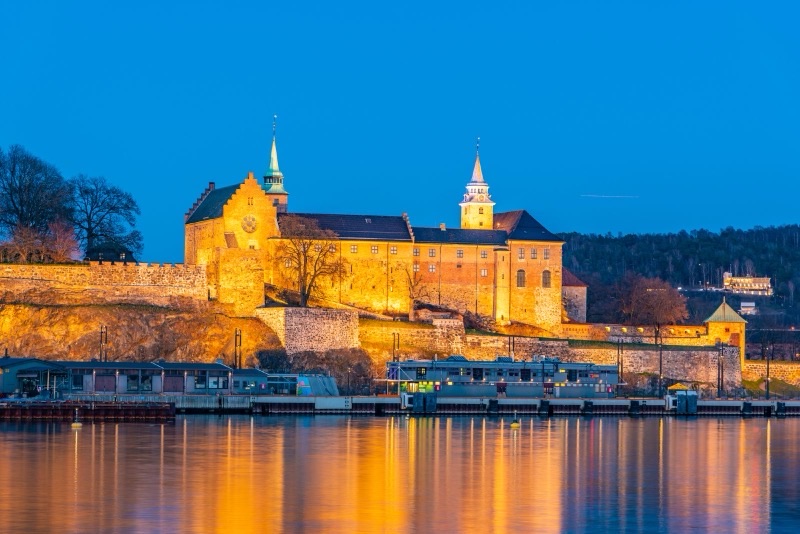
Norway has a proud Viking heritage, celebrated in museums like the Viking Ship Museum in Oslo. Its history also includes a long maritime tradition, explored at the Kon-Tiki Museum. The Sami people in the north represent an indigenous culture with a rich history and distinct way of life. While Norwegian culture is significant, its historical narrative feels more singular compared to Estonias diverse influences. Estonias capital offers a more concentrated and accessible historical experience with its well-preserved Old Town and layers of recent history. Estonia wins for its accessible, multi-layered historical narrative.
- Winner: Estonia
- Why: Estonia offers a more concentrated and diverse historical narrative, from medieval to modern digital society, all within easy reach.
- Who this matters for: History buffs, those interested in medieval cities, post-Soviet history, and cultural contrasts.
🍽️ Food & Drink
Estonian food is generally comforting and uses local ingredients. Expect dark rye bread, pickled sprats, and various pork dishes like verivorst (blood sausage) in winter. Pelmeni,…

Estonia
Norway
Estonian food is generally comforting and uses local ingredients. Expect dark rye bread, pickled sprats, and various pork dishes like verivorst (blood sausage) in winter. Pelmeni, small dumplings, are also popular. Restaurants in Tallinn Old Town, such as Olde Hansa, offer a medieval dining experience, while modern Estonian cuisine can be found at places like Leib Resto ja Aed. The craft beer scene has grown, with numerous breweries and bars offering good quality at reasonable prices, often $5-7 USD for a pint. Cafes are plentiful and serve excellent pastries and coffee.
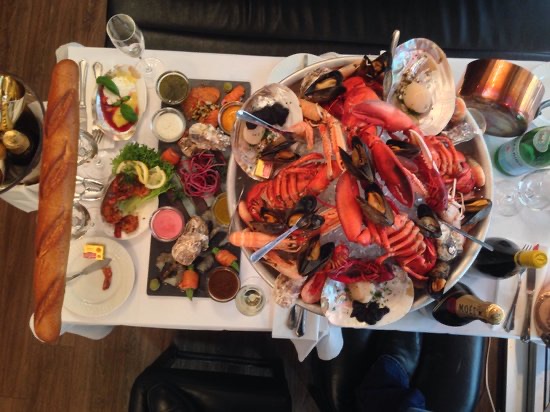
Norwegian food relies heavily on seafood, with salmon, cod, and herring common. Traditional dishes include kjøttkaker (meatballs), fårikål (lamb and cabbage stew), and brown cheese. While there are some excellent high-end restaurants, everyday dining is expensive. A basic sandwich or pastry can cost $8-12 USD, and a main course at a mid-range restaurant is easily $30-50 USD. Alcohol is heavily taxed, making a pint of beer $10-12 USD, and cocktails even more. Self-catering from supermarkets like Kiwi or Rema 1000 is a strategy to reduce food costs significantly. For variety, value, and a more accessible culinary exploration, Estonia provides a better experience. Estonia offers better food value and a more approachable culinary scene.
- Winner: Estonia
- Why: Estonia provides a satisfying culinary experience with local flavors at prices that allow for more exploration.
- Who this matters for: Foodies on a budget, travelers who enjoy hearty traditional dishes, and craft beer enthusiasts.
🍻 Nightlife
Tallinn, particularly its Old Town, has a concentrated and energetic nightlife. There are numerous pubs, cocktail bars, and clubs within easy walking distance. Places like Red…
Estonia

Norway
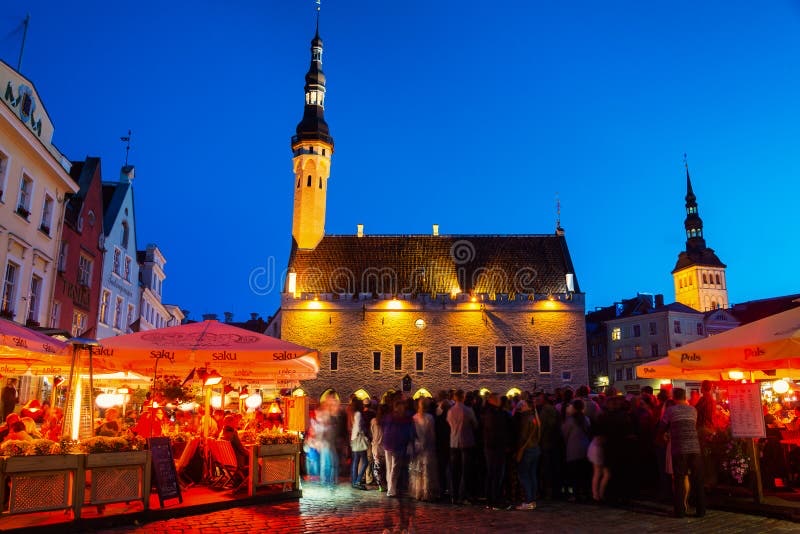
Tallinn, particularly its Old Town, has a concentrated and energetic nightlife. There are numerous pubs, cocktail bars, and clubs within easy walking distance. Places like Red Emperor Bar and Lounge offer a relaxed atmosphere, while clubs such as Hollywood or Club Studio cater to those seeking dancing. Drinks are affordable, with beers around $4-6 USD and cocktails around $8-12 USD. The student population and influx of international visitors contribute to a lively, consistent scene that often extends late into the night. It is easy to find a good time without breaking the bank.
Norways nightlife exists, primarily in Oslo and Bergen, but it is generally much quieter and considerably more expensive. Pubs and bars are common, but they tend to close earlier than in Estonia. Expect to pay $10-12 USD for a single beer and $15-20 USD for a cocktail. Clubs are fewer and farther between, and entry fees can be high. Norwegians often pre-drink at home due to alcohol prices. While you can find places to socialize, the atmosphere is less spontaneous and more subdued. For a vibrant, affordable, and accessible nightlife, Estonia is the clear preference. Estonia offers a much more active and affordable nightlife scene.
- Winner: Estonia
- Why: Estonia provides a more lively, concentrated, and affordable nightlife experience, especially in Tallinn.
- Who this matters for: Younger travelers, party-goers, and anyone who enjoys evening entertainment and socializing.
✈️ Getting There
Getting to Estonia is straightforward, mainly via Tallinn Airport (TLL), which is a modern, efficient, and compact airport very close to the city center. Direct flights are…
Getting to Estonia is straightforward, mainly via Tallinn Airport (TLL), which is a modern, efficient, and compact airport very close to the city center. Direct flights are available from many European cities, including London (approx. 2.5 hours), Berlin, Amsterdam, and Frankfurt, often with budget carriers like Ryanair or AirBaltic. Flight prices are generally reasonable, with return tickets from London sometimes found for $50-100 USD. An additional popular route is the short, scenic ferry ride from Helsinki, Finland (approx. 2 hours), making a multi-country Baltic trip simple and cost-effective.
Norway is served by major international airports like Oslo Gardermoen (OSL) and Bergen Flesland (BGO). While well-connected to Europe, direct long-haul flights from outside Europe are less common, often requiring a connection. Flights from major European hubs can be more expensive than those to Estonia, with return tickets from London often in the $150-300 USD range, depending on the season and carrier. Domestic flights within Norway are frequent but also expensive. Considering the ease of access, frequency of budget options, and multi-modal ferry connections, Estonia offers simpler and cheaper arrival logistics. Estonia provides more affordable and convenient travel options for arrival.
- Winner: Estonia
- Why: Estonia is generally easier and cheaper to reach from major European hubs, with good budget airline connections and a convenient ferry link.
- Who this matters for: Travelers prioritizing cost-effective and straightforward international travel routes.
🚆 Getting Around
In Estonia, navigating cities is simple and affordable. Tallinn Old Town is entirely walkable. The public transport system (trams, buses, trolleys) is efficient and costs around…
In Estonia, navigating cities is simple and affordable. Tallinn Old Town is entirely walkable. The public transport system (trams, buses, trolleys) is efficient and costs around $1.50 USD for a single ticket, with daily passes available. The Bolt ride-sharing app is widely used and very economical, with most inner-city rides costing $5-10 USD. For intercity travel, comfortable and reasonably priced bus services connect major towns like Tartu and Pärnu. Train travel exists but is less extensive than the bus network. Car rental is an option for exploring rural areas, with prices starting around $30-40 USD per day.
Norway has a highly efficient but costly public transport system. Oslo and Bergen are walkable, but bus, tram, and metro tickets in Oslo can be $4-5 USD per ride. Intercity trains, like the famous Bergen Railway, are scenic but very expensive, often costing $100-200 USD for a one-way trip. Buses connect smaller towns. Exploring the fjords often necessitates renting a car, which starts around $70-100 USD per day, plus high fuel costs and numerous toll roads/ferries. The sheer distances and mountainous terrain make travel time-consuming and expensive. Estonias smaller size and lower transport costs provide easier and more affordable internal travel. Estonia offers significantly more budget-friendly and convenient options for getting around.
- Winner: Estonia
- Why: Estonia is smaller and has more affordable public transport, ride-sharing, and car rental options, making internal travel easier and cheaper.
- Who this matters for: Budget travelers, those who prefer not to rent a car, and anyone wanting easy urban navigation.
🏨 Accommodation
Estonia offers excellent value for accommodation. In Tallinn, a clean, centrally located hostel bed can be found for $20-30 USD per night. Guesthouses and Airbnb apartments are…
Estonia offers excellent value for accommodation. In Tallinn, a clean, centrally located hostel bed can be found for $20-30 USD per night. Guesthouses and Airbnb apartments are plentiful, with private rooms often costing $40-70 USD. Boutique hotels in the Old Town start around $80-120 USD. Even luxury options are significantly more affordable than in Norway. Booking a few weeks in advance usually secures good deals, especially outside peak summer.
Norway presents a challenge for accommodation costs. A hostel dorm bed in Oslo or Bergen typically costs $50-80 USD, and often sells out. Mid-range hotels in cities easily start at $150-250 USD per night. Cabins (hytter) in rural areas, popular for nature exploration, are also pricey, often $100-200 USD per night, even for basic ones. Booking well in advance is essential, particularly for popular fjord regions or during peak season. Camping is a cheaper option but requires equipment. For general availability and affordability across various accommodation types, Estonia is the clear winner. Estonia provides better accommodation options for most budgets.
- Winner: Estonia
- Why: Estonia offers significantly more affordable and varied accommodation options, making comfortable stays accessible to more travelers.
- Who this matters for: Any traveler prioritizing value for money in their lodging, from backpackers to mid-range explorers.
🛡️ Safety
Estonia is considered a very safe country for travelers. Violent crime is rare, and petty theft is mainly confined to crowded tourist areas or late-night bars, where vigilance for…
Estonia is considered a very safe country for travelers. Violent crime is rare, and petty theft is mainly confined to crowded tourist areas or late-night bars, where vigilance for pickpockets is advisable. Walking alone at night in major cities like Tallinn is generally safe, though common urban precautions apply. The local police force is responsive and visible. Estonia consistently ranks well on global safety indexes.
Norway is among the safest countries in the world. Crime rates are exceedingly low, and travelers experience minimal issues. Even in larger cities like Oslo, serious crime affecting tourists is almost non-existent. Standard precautions against petty theft in crowded tourist spots are always sensible but rarely necessary. The local population is generally very helpful and trusting. Both nations are excellent choices regarding personal safety. It is a tie, as both destinations offer very high levels of safety for visitors.
- Winner: Tie
- Why: Both Estonia and Norway consistently rank as extremely safe countries with low crime rates, providing peace of mind for travelers.
- Who this matters for: Solo travelers, families, or anyone for whom personal safety is a primary concern during travel.
🧍 Solo Travel
Estonia is an excellent destination for solo travelers. Tallinns compact Old Town is easy to navigate on foot, and the city has a good network of affordable hostels like The Monk…
Estonia is an excellent destination for solo travelers. Tallinns compact Old Town is easy to navigate on foot, and the city has a good network of affordable hostels like The Monk Bunk Hostel or Tabinoya, which facilitate meeting other travelers. English is widely spoken, especially among younger generations. The low cost of living means solo travelers can enjoy meals out, activities, and nightlife without excessive spending. Safety is high, and the efficient public transport and ride-sharing options make independent exploration simple and stress-free.
Norway is also very safe and easy to navigate for solo travelers, with good infrastructure and English widely spoken. However, the high costs are a significant factor. Paying for accommodation, transport, and meals alone can quickly deplete a budget, making solo travel financially challenging. While there are hostels in major cities, they are expensive. Many activities, especially in nature, like car rentals for fjord exploration, are more cost-effective when split among multiple people. The focus on nature also means social opportunities can be fewer outside of cities. For a more well-rounded and budget-friendly solo experience, Estonia holds the edge. Estonia provides a more affordable and socially accessible solo travel experience.
- Winner: Estonia
- Why: Estonia offers a more budget-friendly and socially engaging environment for solo travelers, making it easier to connect with others and explore independently.
- Who this matters for: Budget-conscious solo travelers, those looking to meet other travelers, and individuals seeking ease of navigation and affordability.
🎯 The Decision Framework
Choose Estonia If…
- You want an affordable European trip, with daily costs under $120 USD.
- You are fascinated by medieval Old Towns and post-Soviet history.
- You enjoy lively, affordable nightlife and a good craft beer scene.
- You prefer walking and easy public transport over renting a car.
- You are a solo traveler seeking social hostels and easy connections.
- You appreciate hearty, value-for-money food like black bread and sprats.
- You want a modern, digitally advanced country with a unique identity.
- You are visiting during the shoulder seasons (spring/autumn) for fewer crowds.
Choose Norway If…
- You prioritize seeing dramatic fjords, towering mountains, and grand natural spaces.
- You have a generous travel budget, prepared to spend $150-300+ USD daily.
- You are an avid hiker seeking challenging trails and immense views.
- You want to experience the Northern Lights or the Midnight Sun.
- You are interested in Viking history and the indigenous Sami culture.
- You plan to rent a car and drive scenic routes through the fjords.
- You enjoy outdoor activities like kayaking, cycling, or glacier walks.
- You seek solitude and tranquility in preserved natural environments.
📅 Sample Itineraries
Weekend in Estonia (3 Days)
💡 Purchase a Tallinn Card for 24-72 hours to get free public transport and entry to many attractions, potentially saving $20-$40 on a 3-day trip.
Weekend in Norway (3 Days)
💡 Buy groceries and prepare your own sandwiches or simple meals to significantly reduce food costs, saving $30–$50 per day, especially when exploring remote fjord areas.
One Week in Estonia (7 Days)
💡 Utilize Estonia's excellent bus network for intercity travel; booking tickets online in advance can secure better prices, often saving 10-20% on fares.
One Week in Norway (7 Days)
💡 Booking train tickets in advance, especially 'Minipris' fares on NSB (Vy), can result in significant savings, often cutting the price in half for intercity routes like Oslo to Bergen.
❓ Frequently Asked Questions
What is the best time of year to visit Estonia or Norway?
For Estonia, late spring (May-June) and early autumn (September) offer pleasant weather, fewer crowds, and green landscapes. Summer (July-August) is busiest but provides the warmest temperatures, around 20-25°C (68-77°F). For Norway, summer (June-August) is ideal for fjord cruises, hiking, and warmer weather, with temperatures around 15-20°C (59-68°F). Winter is best for Northern Lights in the Arctic, with temperatures below freezing.
How do flight times compare from major hubs like London or Amsterdam?
Direct flights from London to Tallinn take approximately 2.5 hours, and from Amsterdam, around 2 hours. Flights to Oslo from London are about 2 hours, and from Amsterdam, about 1.5 hours. While flight times are similar, budget airline options are often more frequent and cheaper for Estonia.
Can I easily travel between Estonia and Norway?
Yes, it is possible. There are no direct ferries. The most common way is to fly from Tallinn to Oslo or Bergen, with flight times around 1.5-2 hours. Budget airlines like Ryanair or AirBaltic may offer connections, but direct flights are less frequent than within either country.
What are typical meal costs in each country?
In Estonia, a casual lunch can be $10-15 USD, and a dinner at a mid-range restaurant $20-30 USD. In Norway, a simple lunch is often $20-30 USD, and a mid-range dinner can easily exceed $40-50 USD. Grocery shopping for self-catering significantly reduces costs in both, but especially in Norway.
Is English widely spoken in Estonia and Norway?
Yes, English is widely spoken in both countries, especially among younger generations and in tourist-facing businesses. In Estonia, you will find English speakers in Tallinn, Tartu, and other tourist areas. In Norway, almost everyone in urban areas and tourist regions speaks excellent English, making communication easy for travelers.
What specific outdoor activities are popular in each destination?
In Estonia, popular outdoor activities include bog walking on boardwalk trails, cycling coastal routes, and exploring national parks like Lahemaa for gentle hikes. In Norway, hiking to iconic spots like Preikestolen or Trolltunga, fjord kayaking, scenic drives, and chasing the Northern Lights are major draws. Skiing and snowboarding are also popular in winter.
Are there good options for vegetarian/vegan travelers in Estonia and Norway?
Both countries have growing vegetarian and vegan scenes. Tallinn in Estonia has several dedicated vegan restaurants and cafes, and most restaurants offer plant-based options. In Norway, major cities like Oslo and Bergen have good vegetarian/vegan choices, though they can be expensive. Supermarkets in both countries carry a range of plant-based products for self-catering.
What local currency do they use and how easy is card payment?
Both Estonia and Norway use their own currencies: Estonia uses the Euro (EUR), and Norway uses the Norwegian Krone (NOK). Card payments are universally accepted in both countries, even for small purchases. Carrying a small amount of local cash can be useful for very small vendors or remote areas, but it is rarely necessary.
Ready to plan your Northern Europe trip?
Get a free custom itinerary for Estonia, Norway, or both — built from real traveler insights.
👥 Travelers Also Compared
🎟️ Book Tours & Experiences
Hand-picked tours and activities for both destinations — book with free cancellation
Experiences via Viator — free cancellation on most tours