How we built this comparison
This page combines traveler discussion patterns, published price ranges, flight schedules, and seasonal data to help you decide between Estonia and Serbia.
- Reviewed 100+ Reddit threads from r/travel, r/solotravel, r/Estonia, r/serbia, etc.
- Verified costs and logistics against current booking platforms like Booking.com, Skyscanner, and local transport sites.
- Cross-referenced seasonal patterns and weather data from meteorological sources for optimal travel times.
⚡ Quick Answers
⚡ The TL;DR Verdict
For most travelers seeking modern comfort, easy navigation, and well-preserved medieval towns with nature access, Estonia is the clearer choice. Budget-conscious adventurers, nightlife seekers, and those desiring a rawer, more visceral cultural experience will gravitate towards Serbia. Expect daily budgets of $70-120 in Estonia and $40-80 in Serbia.
- Choose Estonia: You prioritize safety, modern infrastructure, seamless digital services, accessible nature, and well-maintained historical sites. Ideal for solo travelers, families, or those new to independent European travel.
- Choose Serbia: You are on a tighter budget, enjoy energetic nightlife, seek a less-traveled path with a gritty, authentic feel, and appreciate hearty, inexpensive food and drink. Great for backpackers and those looking for a different European experience.
- Choose Both: Combine them for a two-week trip if you desire both the Baltic charm and the Balkan spirit. Start in Tallinn for 4-5 days, then fly to Belgrade for 5-7 days, adding a day trip to Novi Sad. The contrast is significant and provides a broad view of Eastern Europe.
Choose Estonia
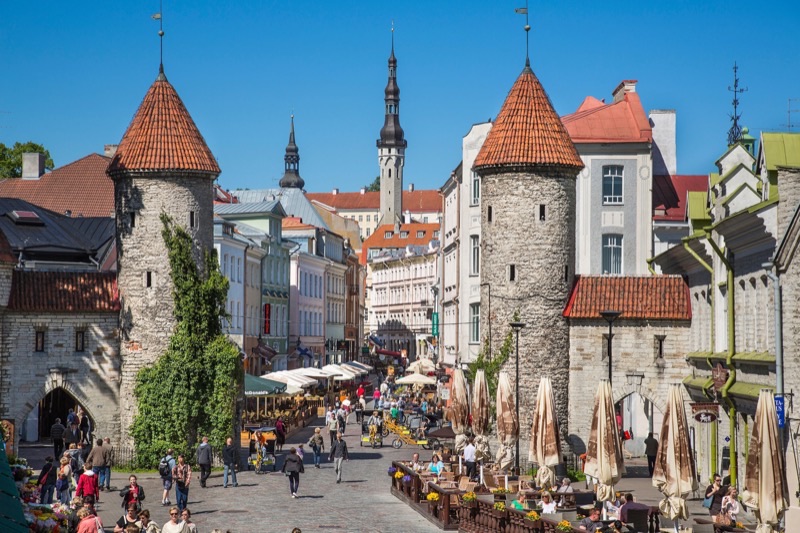
Choose Estonia if you seek a seamlessly modern yet historically rich European experience, ideal for solo travelers or families. Explore Tallinn's charming medieval Old Town, enjoy efficient digital services, and easily access serene nature in Lahemaa National Park. This destination is best for those prioritizing comfort, safety, and a smooth travel experience, with a daily budget around $70-120.
Choose Serbia
Opt for Serbia if you crave a vibrant, authentic, and budget-friendly Balkan adventure, perfect for backpackers and nightlife enthusiasts. Immerse yourself in Belgrade's energetic Skadarlija district for live music and hearty local cuisine, or discover hidden gems beyond the tourist trail. This destination is best for those seeking a raw cultural experience and a lively atmosphere, expecting a daily budget of $40-80.
📊 Visual Scorecard
🌤 When to Visit
Average high temperatures (°C). Green = best months, orange = avoid.
Quick Comparison
| Category | Estonia | Serbia | Winner |
|---|---|---|---|
| Costs | Comparable to Western Europe for accommodation and dining, higher for transport. | Significantly cheaper across the board, especially for food and local transport. | Serbia |
| Food & Drink | Modern Nordic-inspired cuisine, focus on local ingredients, fine dining options. | Hearty Balkan fare, grilled meats, rich stews, strong coffee, plum brandy. | Serbia |
| Nightlife | Tallinn has a focused Old Town bar scene and some modern clubs; quieter elsewhere. | Belgrade is famous for its lively splavovi (river barges) and diverse club scene, active late. | Serbia |
| Culture & History | Medieval Old Town, Hanseatic league history, Soviet past, digital innovation. | Ottoman and Austro-Hungarian influences, complex recent history, Orthodox Christianity. | Tie |
| Nature & Outdoors | Extensive forests, bogs, national parks, over 2,000 islands, clean air. | Mountains, rivers, national parks, but sometimes less accessible. | Estonia |
| Safety | Very safe, low crime rates, even for solo female travelers. | Generally safe, but petty crime in cities, more awareness needed. | Estonia |
| Getting There | Tallinn Airport (TLL) is well-connected to major European hubs; ferries from Helsinki. | Belgrade Nikola Tesla Airport (BEG) is a regional hub, good connections to Europe. | Tie |
| Getting Around | Excellent public transport, walkable cities, good train/bus network between towns. | Belgrade public transport can be slow; intercity buses are efficient but less frequent. | Estonia |
| Accommodation | Modern hotels, guesthouses, apartments; higher prices, especially in Tallinn. | Budget-friendly hostels, family-run guesthouses, mid-range hotels; good value. | Serbia |
| Day Trips | Easy access to Tartu, Pärnu, Lahemaa NP, or a ferry to Helsinki. | Novi Sad, Sremski Karlovci, Subotica; requires more planning or car. | Estonia |
💰 Costs
In Estonia, expect prices similar to much of Western Europe, especially in Tallinn. A decent meal at a mid-range restaurant costs around 15-25 EUR ($16-27). A beer is 4-6 EUR…

Estonia
Serbia
In Estonia, expect prices similar to much of Western Europe, especially in Tallinn. A decent meal at a mid-range restaurant costs around 15-25 EUR ($16-27). A beer is 4-6 EUR ($4.30-6.50). Accommodation in Tallinn for a well-located hotel starts around 70-120 EUR ($75-130) per night. Public transport is efficient but paid; a single bus ticket is 2 EUR ($2.15). Groceries are also on par with average European prices. A budget traveler might spend 70-100 EUR ($75-108) per day, while a mid-range traveler averages 100-150 EUR ($108-162).
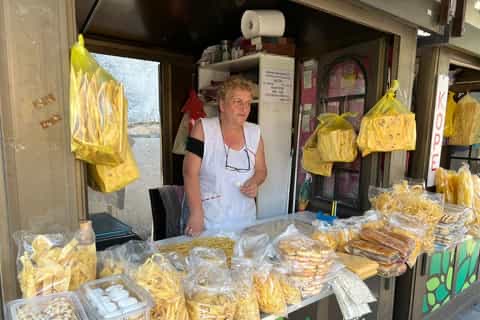
Serbia offers a more budget-friendly experience. A hearty meal in a Belgrade kafana (traditional restaurant) can be 800-1500 RSD ($7.50-14) and includes ample portions. Local beer is 200-350 RSD ($1.85-3.25). A comfortable hotel room in Belgrade can be found for 4000-8000 RSD ($37-75) per night. Public transport is very inexpensive, with a ticket costing around 90-150 RSD ($0.85-1.40). Groceries are also cheaper. A budget traveler can easily get by on 40-60 EUR ($43-65) per day, and a mid-range traveler might spend 60-90 EUR ($65-97). Serbia provides much more value for money. Tabiji verdict: Serbia is the clear winner for budget-conscious travelers seeking lower daily expenses.
- Winner: Serbia
- Why: Serbia offers significantly lower costs for accommodation, food, drink, and transport, providing better value for money.
- Who this matters for: Budget travelers, backpackers, and those looking to stretch their travel funds.
🍽️ Food & Drink
Estonian food has evolved from rustic peasant dishes to a refined New Nordic style, emphasizing fresh, local ingredients like rye bread, potatoes, fish, and berries. Tallinn has…
Estonia
Serbia
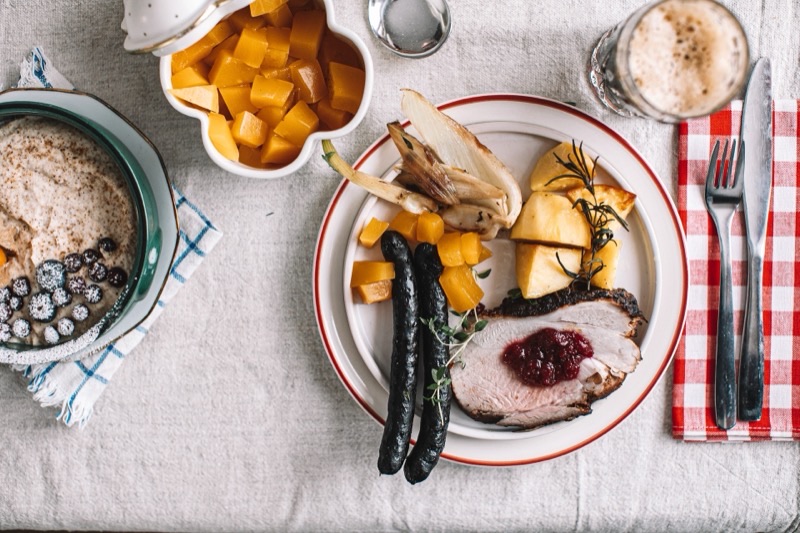
Estonian food has evolved from rustic peasant dishes to a refined New Nordic style, emphasizing fresh, local ingredients like rye bread, potatoes, fish, and berries. Tallinn has excellent restaurants like NOA Chef's Hall (high-end, tasting menus 100-150 EUR/$108-162) and more casual spots like Kompressor for pancakes (10-15 EUR/$11-16). Craft beer is popular, with many breweries across the country. Local spirits include Vana Tallinn liqueur. While there is a focus on quality and innovation, the cuisine can be less 'comforting' or 'spicy' compared to Balkan options.
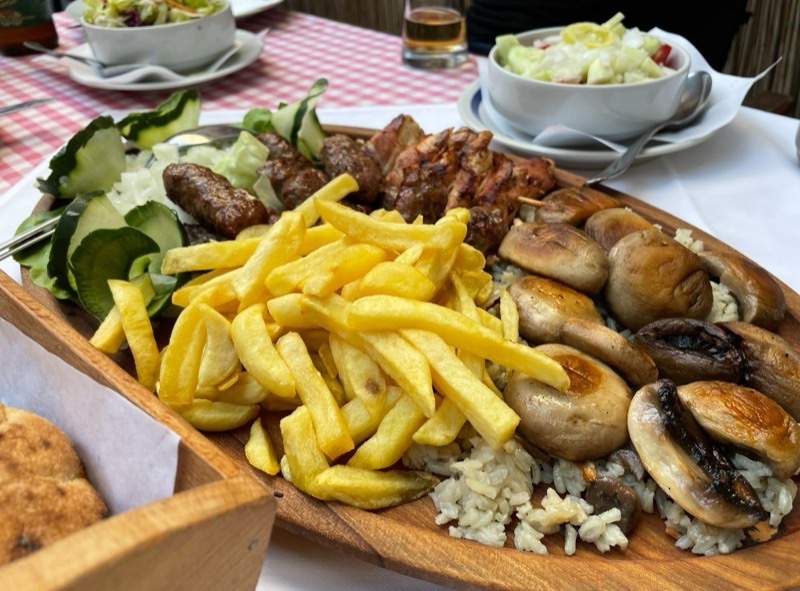
Serbian food is meat-centric, flavorful, and portion sizes are generous. Dishes like ćevapi (grilled minced meat sausages, 600-900 RSD/$5.50-8.30), pljeskavica (grilled meat patty, 700-1000 RSD/$6.50-9.20), and sarma (cabbage rolls) are staples. Local bakeries sell burek (flaky pastry with various fillings, 200-400 RSD/$1.85-3.70) for breakfast. Rakija, a strong fruit brandy, is the national drink. Belgrade's Skadarlija district offers many traditional restaurants such as Tri Šešira with live music. Coffee culture is strong, with espresso and Turkish-style coffee widely available and inexpensive. Serbia provides a more robust, flavorful, and accessible culinary experience. Tabiji verdict: Serbia wins for its authentic, hearty, and budget-friendly traditional food that delivers immediate satisfaction.
- Winner: Serbia
- Why: Serbia offers a more distinct, hearty, and accessible culinary experience with robust flavors and generous portions at lower prices.
- Who this matters for: Foodies who enjoy savory, meat-heavy dishes and a strong coffee/alcohol culture, and those seeking value.
🌃 Nightlife
Tallinn's nightlife is concentrated primarily in its Old Town, offering a range of cozy pubs, cocktail bars, and a few dance clubs. Popular spots include Pühaste Brewery Taproom…
Estonia
Serbia
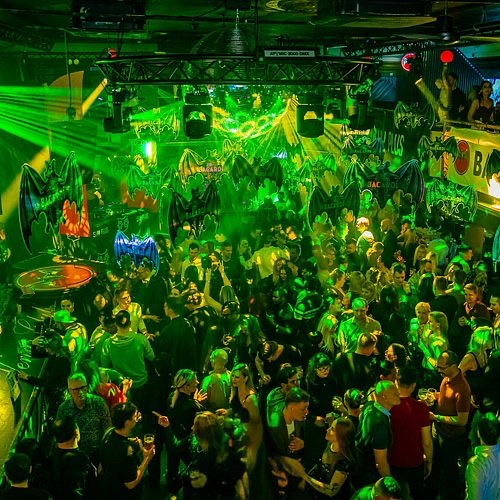
Tallinn's nightlife is concentrated primarily in its Old Town, offering a range of cozy pubs, cocktail bars, and a few dance clubs. Popular spots include Pühaste Brewery Taproom for craft beer (pints 5-7 EUR/$5.40-7.60) and Hollywood nightclub (entrance 10-15 EUR/$11-16). The atmosphere is generally friendly and contained, catering to both locals and tourists. Outside of Tallinn, nightlife is significantly quieter, often limited to local pubs. The scene is modern and relatively sophisticated, but it doesnt have the same raw energy as Belgrade.
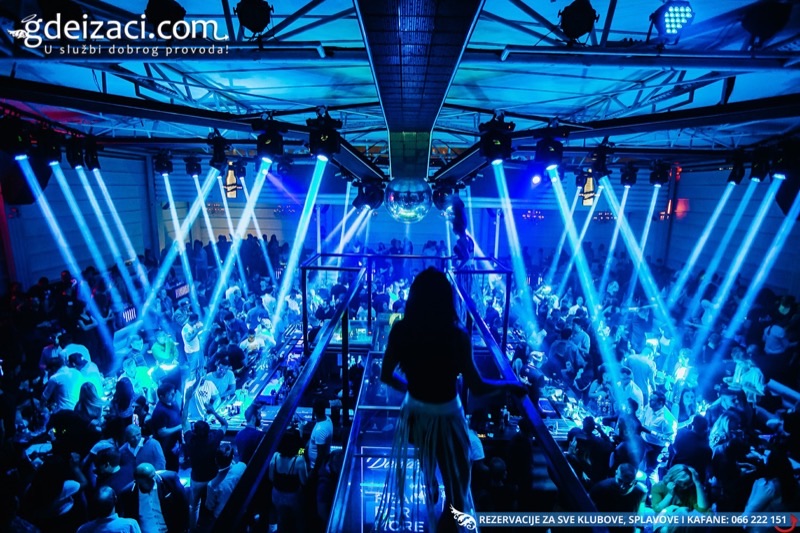
Belgrade is renowned for its energetic and late-night party scene, especially in its famous splavovi (floating river clubs) on the Sava and Danube rivers. These clubs, like Freestyler or Lasta, come alive in summer, playing various music genres from house to turbo-folk (drinks 500-800 RSD/$4.60-7.40). Beyond the splavovi, there are numerous bars and clubs in the city center, particularly in the Savamala district, such as KC Grad (entrance 300-600 RSD/$2.75-5.50), offering a more alternative vibe. Belgrade's nightlife is famously active until the early morning hours, often starting late, after 11 PM. The city maintains a pulse that few other European capitals can match for sheer volume and late-night activity. Tabiji verdict: Serbia takes the crown for its extensive, late-night, and diverse party scene, especially in Belgrade.
- Winner: Serbia
- Why: Belgrade's nightlife, particularly its unique splavovi, offers a more intense, diverse, and late-running party experience.
- Who this matters for: Partygoers, young travelers, and those who prioritize vibrant, late-night entertainment.
🏛️ Culture & History
Estonia's historical narrative centers around its well-preserved medieval Old Town in Tallinn, a UNESCO site with cobbled streets, merchant houses, and defensive walls. The…
Estonia
Serbia
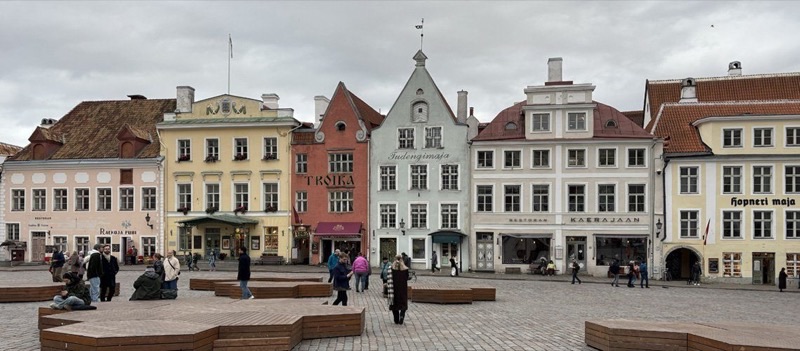
Estonia's historical narrative centers around its well-preserved medieval Old Town in Tallinn, a UNESCO site with cobbled streets, merchant houses, and defensive walls. The country reflects strong Hanseatic League influences, a long history under various foreign powers (Danish, Swedish, Russian, Soviet), and its recent emergence as a digital pioneer. Sites like Toompea Castle, Alexander Nevsky Cathedral, and the Kumu Art Museum (entrance 10-15 EUR/$11-16) offer insights into its layered past and modern identity. The Soviet occupation is explored in museums like the KGB Museum in Hotel Viru. The blend of medieval charm and digital forwardness is distinct.
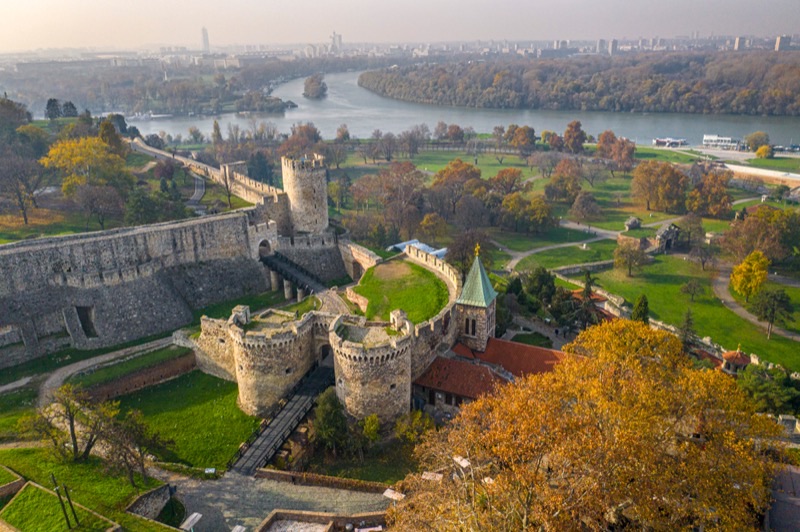
Serbia's history is marked by a blend of Ottoman, Austro-Hungarian, and socialist influences, resulting in a complex and sometimes tumultuous past. Belgrade boasts Kalemegdan Fortress, with roots dating back to Roman times, and St. Sava Temple (free entry), one of the largest Orthodox churches in the world. The Museum of Yugoslavia (entrance 400 RSD/$3.70) provides context on Tito's era. Novi Sad, with its Petrovaradin Fortress, reflects more Austro-Hungarian Baroque influences. Serbian culture is deeply rooted in Orthodox Christianity and a strong sense of national identity, often reflecting a history of resilience. Both countries offer compelling historical narratives but with different textures. Tabiji verdict: While both offer rich historical experiences, Estonia provides a more accessible and visually charming historical journey, while Serbia offers a deeper, more challenging historical narrative.
- Winner: Tie
- Why: Both countries present compelling and distinct historical narratives, making it a matter of preference for medieval charm versus complex, recent history.
- Who this matters for: Travelers interested in either medieval European history and digital innovation (Estonia) or a complex blend of Ottoman, Austro-Hungarian, and socialist history (Serbia).
🌳 Nature & Outdoors
Estonia is a country of forests (over 50% coverage), bogs, and a long coastline with over 2,000 islands. Lahemaa National Park, an easy day trip from Tallinn (rent a car 30-50…
Estonia
Serbia
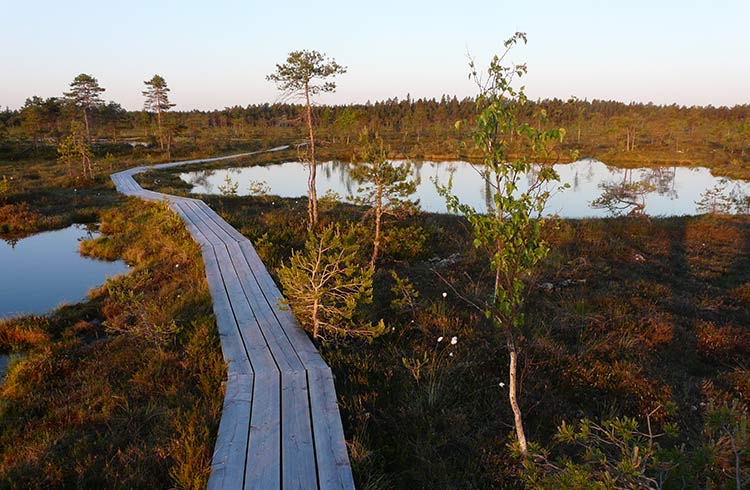
Estonia is a country of forests (over 50% coverage), bogs, and a long coastline with over 2,000 islands. Lahemaa National Park, an easy day trip from Tallinn (rent a car 30-50 EUR/$32-54 per day), offers hiking trails through forests, along beaches, and across unique bog landscapes with wooden boardwalks. The country is very flat, making it suitable for gentle cycling and hiking. Saaremaa island provides a tranquil escape with lighthouses and meteorite craters. The clean air and vast, sparsely populated natural areas are a major draw. Opportunities for mushroom and berry picking are popular local activities. The nature feels very accessible and well-maintained for tourists.
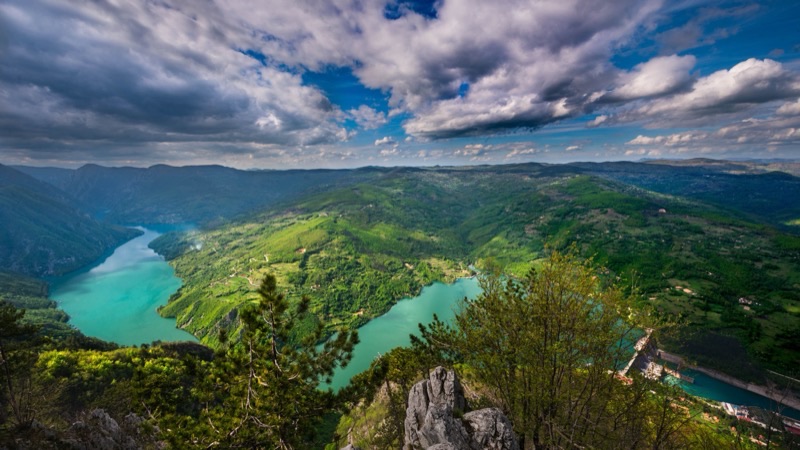
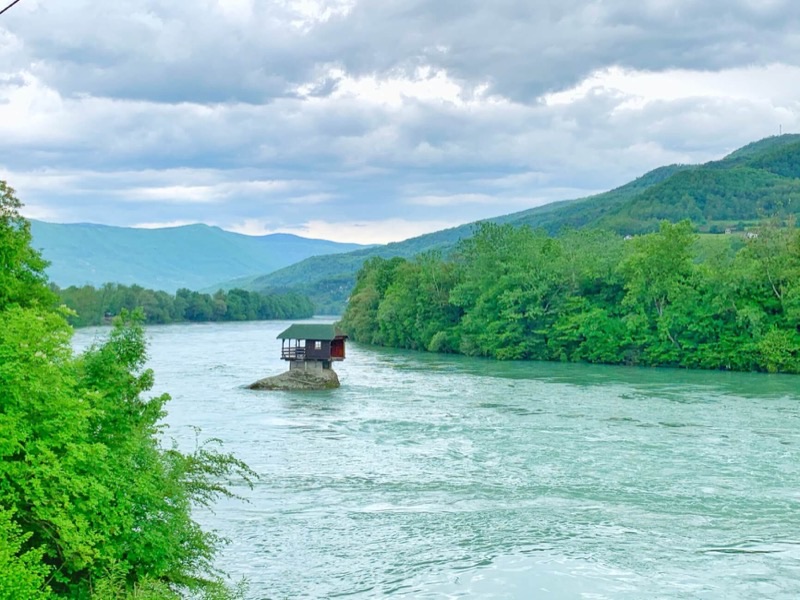
Serbia features diverse landscapes, including the Carpathian and Balkan mountains, major rivers like the Danube, and national parks such as Tara National Park and Kopaonik National Park. Tara offers dramatic river canyons and dense forests, suitable for more serious hiking and rafting (rafting trips 50-80 EUR/$54-87). Kopaonik is a popular ski resort in winter. Đerdap National Park, home to the Iron Gates gorge, is impressive. However, accessing these natural areas often requires a rental car or guided tours, as public transport links can be less developed than in Estonia. The natural beauty is undeniable, but it demands more effort to experience fully. Tabiji verdict: Estonia wins for its easily accessible, unique, and well-maintained natural landscapes that are perfect for gentle exploration.
- Winner: Estonia
- Why: Estonia's nature is more unique, widespread, and easily accessible from major cities, particularly its bogs and forests.
- Who this matters for: Hikers, nature enthusiasts, those seeking serene landscapes, and travelers who prefer easily accessible outdoor activities.
🚨 Safety
Estonia consistently ranks among the safest countries in Europe, boasting very low crime rates. Major cities like Tallinn are safe to walk in, even at night. Pickpocketing and…
Estonia consistently ranks among the safest countries in Europe, boasting very low crime rates. Major cities like Tallinn are safe to walk in, even at night. Pickpocketing and petty theft are minimal, though common sense precautions should always be observed. Solo female travelers report feeling very comfortable and secure throughout the country. The digital society also contributes to a transparent and well-monitored environment. Local authorities are efficient and responsive, and interactions are generally polite and straightforward. The sense of personal security is high, making it a relaxing destination for worry-free exploration.
Serbia is generally safe for tourists, but it requires more awareness than Estonia. Petty crime, such as pickpocketing, can occur in crowded areas of Belgrade and Novi Sad, particularly around major tourist sites or on public transport. While violent crime against tourists is rare, caution is advised in nightlife districts, especially late at night. Some travelers report occasional scams or inflated prices for tourists. Taxis should be booked through apps or reputable companies to avoid overcharging. Overall, you will likely be safe, but maintaining vigilance and being aware of your surroundings is more important here. Tabiji verdict: Estonia is a notably safer destination, offering a more relaxed and worry-free travel experience for all types of travelers.
- Winner: Estonia
- Why: Estonia has significantly lower crime rates and a reputation for being one of the safest countries in Europe.
- Who this matters for: Solo travelers (especially women), families, and those who prioritize a very secure and low-stress travel environment.
✈️ Getting There
Tallinn Airport (TLL) is a modern, efficient airport with direct flights to many European cities, including London (approx. 2.5-3 hours, 50-150 EUR/$54-162), Frankfurt, Amsterdam,…
Tallinn Airport (TLL) is a modern, efficient airport with direct flights to many European cities, including London (approx. 2.5-3 hours, 50-150 EUR/$54-162), Frankfurt, Amsterdam, and Helsinki. Flight times from central Europe are typically 2-3 hours. Another common approach is via ferry from Helsinki, Finland (2-2.5 hours, 20-40 EUR/$21-43), making a twin-city trip very popular. Land borders connect to Latvia and Russia, but air travel is generally the most convenient for international arrivals.
Belgrade Nikola Tesla Airport (BEG) serves as a significant regional hub for the Balkans. It has direct connections to numerous European cities, including London (approx. 2.5-3 hours, 50-180 EUR/$54-195), Vienna, Munich, and Istanbul. Flight times from central Europe are generally 1.5-2.5 hours. Belgrade also has good road and rail connections to neighboring countries like Hungary, Croatia, and Bosnia and Herzegovina, offering more overland travel options. Both airports are well-managed and provide straightforward access to their respective capitals. Tabiji verdict: Both destinations are easily reachable from major European cities by air, offering comparable convenience for arrivals.
- Winner: Tie
- Why: Both airports provide good connections to major European hubs, making them equally accessible for most international travelers.
- Who this matters for: Travelers from across Europe; convenience depends on starting location.
🚶 Getting Around
Estonia boasts highly efficient and modern public transport, particularly within Tallinn where the system is extensive, and for residents, even free. Tourists can purchase a…
Estonia boasts highly efficient and modern public transport, particularly within Tallinn where the system is extensive, and for residents, even free. Tourists can purchase a Smartcard for seamless travel (single rides 2 EUR/$2.15). Tallinn's Old Town is entirely walkable. Intercity travel is reliable via comfortable buses operated by companies like Lux Express (Tallinn to Tartu 10-15 EUR/$11-16, 2.5 hours). Trains are also an option for certain routes. The country is relatively small, so travel distances between major towns are short, making day trips and multi-city itineraries easy to manage. Rental cars are readily available but not always necessary due to good public transport.
In Serbia, Belgrade's public transport system (trams, buses, trolleybuses) is extensive but can be crowded and slow, especially during peak hours. Tickets are inexpensive (around 90-150 RSD/$0.85-1.40). Ride-sharing apps like CarGo are available and affordable. For intercity travel, buses are the primary mode, connecting major cities like Belgrade and Novi Sad (bus ticket 500-800 RSD/$4.60-7.40, 1.5 hours). Trains exist but are often slower and less reliable than buses. Roads can be less maintained outside of major highways. While functional, the system requires a bit more patience and navigation than Estonia's streamlined options. Tabiji verdict: Estonia's efficient, modern, and easy-to-use public transport system makes getting around significantly smoother.
- Winner: Estonia
- Why: Estonia's public transport system is more modern, efficient, and easier for travelers to navigate, with well-connected intercity routes.
- Who this matters for: Travelers who prefer to rely on public transport, value efficiency, and enjoy walkable cities.
🏨 Accommodation
Accommodation in Estonia, particularly in Tallinn, skews towards modern, well-equipped hotels and boutique guesthouses, reflecting its Western European pricing. A well-rated…
Accommodation in Estonia, particularly in Tallinn, skews towards modern, well-equipped hotels and boutique guesthouses, reflecting its Western European pricing. A well-rated hostel bed in Tallinn can be 25-40 EUR ($27-43). Mid-range hotels typically start from 70-120 EUR ($75-130) per night for a double room, such as the Original Sokos Hotel Viru, which offers comfortable stays and a central location. Outside Tallinn, prices can be slightly lower, but options might be more limited to guesthouses or farm stays. High standards of cleanliness and service are common, but travelers pay a premium for it.
Serbia offers more budget-friendly accommodation options across the board without necessarily sacrificing comfort. Hostel beds in Belgrade or Novi Sad can be found for 10-20 EUR ($11-21) per night. Mid-range hotels or private apartments typically cost 40-80 EUR ($43-87) per night, providing excellent value. For example, Hotel Moskva in Belgrade offers a classic experience at a reasonable price for its category. Even higher-end options are often cheaper than their Estonian equivalents. The hospitality is warm, and many guesthouses offer a personal touch. Travelers on a budget or seeking more value will find Serbia more appealing. Tabiji verdict: Serbia provides superior value and a wider range of budget-friendly accommodation options, making it the winner for cost-effective stays.
- Winner: Serbia
- Why: Serbia offers significantly better value for accommodation, with comfortable options available at much lower prices than Estonia.
- Who this matters for: Budget travelers, backpackers, and those seeking good value for their lodging expenses.
🗺️ Day Trips
Estonia excels in accessible and diverse day trip options from Tallinn. A popular choice is the university town of Tartu (2.5 hours by bus, 10-15 EUR/$11-16), known for its…
Estonia excels in accessible and diverse day trip options from Tallinn. A popular choice is the university town of Tartu (2.5 hours by bus, 10-15 EUR/$11-16), known for its academic atmosphere and charming Old Town. The resort town of Pärnu offers beaches and spas, also easily reachable by bus. Lahemaa National Park (1 hour by car or guided tour, 50-80 EUR/$54-87 for a tour) provides a natural escape to bogs and coastal villages. The most common international day trip is a ferry ride to Helsinki, Finland (2-2.5 hours, 20-40 EUR/$21-43 return), allowing for a quick exploration of another Nordic capital. The compact size of Estonia means less time spent traveling and more time exploring.
From Belgrade, the most common day trip is to Novi Sad (1.5 hours by bus, 500-800 RSD/$4.60-7.40 return), home to Petrovaradin Fortress and a pleasant city center. Nearby Sremski Karlovci (a short bus ride from Novi Sad) is known for its wine cellars and Baroque architecture. Further afield, Subotica (2.5-3 hours by bus) offers Secessionist architecture but is a longer commitment. Natural attractions like Fruška Gora National Park or Đerdap National Park often require renting a car (30-50 EUR/$32-54 per day) or joining an organized tour, making them less spontaneous. While Serbia has interesting places, they generally require more effort to access for a single day trip. Tabiji verdict: Estonia offers more varied, easily accessible, and appealing day trip options, including international ones.
- Winner: Estonia
- Why: Estonia offers more diverse and easily accessible day trip options, including unique nature and international ferry connections.
- Who this matters for: Travelers who enjoy exploring beyond the main city and prefer easy, efficient day excursions.
🎯 The Decision Framework
Choose Estonia If…
- You want to explore a well-preserved medieval Old Town with modern comforts.
- You prioritize safety and efficient public transport.
- You enjoy accessible nature: forests, bogs, and coastal areas.
- You appreciate a digital-forward society where things just work.
- You are interested in Nordic-inspired cuisine and craft beer.
- You are traveling solo or with family and value a low-stress environment.
- You want easy day trips, including a ferry to Helsinki.
- You prefer a quiet, orderly travel experience with clean surroundings.
Choose Serbia If…
- You are on a tight budget and seek excellent value for money.
- You want to experience a truly energetic and late-night party scene, especially in Belgrade.
- You love hearty, meat-heavy Balkan cuisine at low prices.
- You are seeking a less-traveled path with a gritty, authentic European feel.
- You are interested in complex history with Ottoman and Austro-Hungarian influences.
- You enjoy strong coffee culture and potent local spirits like rakija.
- You want to explore the Balkans and potentially combine with neighboring countries.
- You dont mind a bit more chaos and less streamlined infrastructure for a raw experience.
📅 Sample Itineraries
Weekend in Estonia (3 Days)
💡 Purchase a Tallinn Card for 24, 48, or 72 hours for free public transport and discounted entry to many attractions, potentially saving ~$20-30 on a busy two-day itinerary.
Weekend in Serbia (3 Days)
💡 Use Belgrade's public transport system (buses, trams) by buying a BusPlus card and loading it with credit; a single ride costs around $1-1.5, significantly cheaper than taxis.
One Week in Estonia (7 Days)
💡 Renting a car for the days outside Tallinn can make exploring national parks like Lahemaa or regions like Saaremaa Island much more convenient and time-efficient, typically costing around $40-60 per day.
One Week in Serbia (7 Days)
💡 When dining out in Serbia, look for 'kafanas' (traditional taverns) for authentic, generous portions of food at excellent prices. A full meal with drinks can often be had for $15-25 per person.
❓ Frequently Asked Questions
What is the typical flight time from London to Estonia or Serbia?
Direct flights from London to Tallinn (TLL) typically take around 2.5 to 3 hours. Flights from London to Belgrade (BEG) also average 2.5 to 3 hours. Both destinations are similarly accessible by air from major European hubs.
Which country is better for solo female travelers?
Estonia is notably better for solo female travelers due to its very low crime rates and high sense of personal safety. Travelers consistently report feeling secure walking alone, even at night. Serbia is generally safe, but requires more vigilance, especially in crowded city areas or late at night.
Can I use English widely in both Estonia and Serbia?
Yes, English is widely spoken in tourist areas and among younger generations in Estonia, particularly in Tallinn. In Serbia, English is also common in Belgrade and Novi Sad, especially with younger people and in tourist-oriented establishments. Outside major cities, local language skills (Estonian or Serbian) become more useful.
What are the visa requirements for EU/US citizens?
Both Estonia and Serbia offer visa-free entry for EU and US citizens for stays of up to 90 days within a 180-day period. Estonia is part of the Schengen Area, while Serbia is not, but maintains a liberal visa regime for many nationalities. Always check current regulations for your specific nationality before travel.
Which country offers better outdoor activities?
Estonia offers more unique and easily accessible outdoor activities like bog walking, forest hikes, and island exploration in places like Lahemaa National Park. Serbia has mountains and river canyons, but accessing these often requires more planning, a rental car, or guided tours. For casual and varied outdoor access, Estonia wins.
What's the best time of year to visit each country?
For Estonia, late spring (May-June) and summer (July-August) are ideal for pleasant weather and long daylight hours. For Serbia, spring (April-May) and early autumn (September-October) offer comfortable temperatures for city exploration and outdoor activities, avoiding summer heat.
Is public transport reliable in both countries?
Estonia has a highly efficient and modern public transport system, both within cities like Tallinn and for intercity travel by bus. Serbia's public transport, particularly in Belgrade, can be crowded and less predictable, though intercity buses are generally reliable. Estonia offers a smoother experience.
Which country has a stronger 'digital nomad' scene?
Estonia, known as an e-Estonia, has a significantly stronger digital nomad scene due to its advanced digital infrastructure, e-residency program, numerous co-working spaces, and high English proficiency. Belgrade in Serbia has a growing community, but Estonia's overall environment is more geared towards remote workers.
Ready to plan your Eastern Europe trip?
Get a free custom itinerary for Estonia, Serbia, or both — built from real traveler insights.
👥 Travelers Also Compared
🎟️ Book Tours & Experiences
Hand-picked tours and activities for both destinations — book with free cancellation
Experiences via Viator — free cancellation on most tours