How we built this comparison
This page combines traveler discussion patterns, published price ranges, flight schedules, and seasonal data to help you decide between Ethiopia and Madagascar.
- Reviewed 50+ Reddit threads from r/travel, r/solotravel, r/Ethiopia, r/Madagascar, and r/AfricaTravel for firsthand experiences and advice.
- Verified costs and logistics against current booking platforms (e.g., Skyscanner, Booking.com, local tour operators) and recent travel blogs.
- Cross-referenced seasonal patterns, weather data, and official travel advisories to ensure up-to-date and practical recommendations.
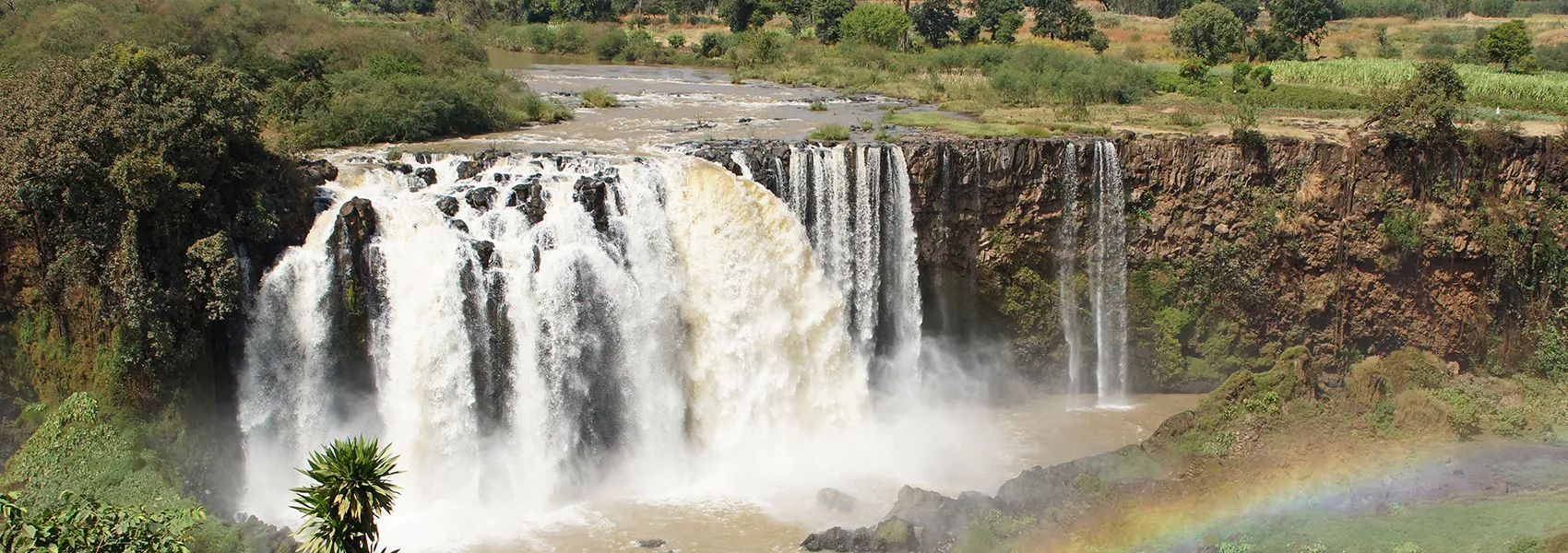
⚡ The TL;DR Verdict
For raw, ancient culture, challenging but rewarding treks, and a deeply spiritual journey, pick Ethiopia (budget $40-80/day). If unique wildlife, stunning beaches, and a more relaxed (but still adventurous) pace call to you, Madagascar is your spot (budget $60-120/day).
- Choose Ethiopia: Choose Ethiopia if you're a history buff, a culture seeker, or a serious hiker looking for a profound, often challenging, travel experience with incredible food and historical sites. It's generally more budget-friendly for core experiences.
- Choose Madagascar: Opt for Madagascar if your dream involves unique wildlife encounters, pristine coastline, and a slower-paced adventure focused on nature and relaxation. Be prepared for trickier logistics and slightly higher costs, especially for guided tours.
- Choose Both: Doing both requires at least 4-5 weeks, given the travel time between them. You could start with Ethiopia's historical circuit (2 weeks) then fly to Madagascar for its natural wonders (2-3 weeks). It's a grand African adventure covering two very distinct facets of the continent.
Quick Comparison
| Category | Ethiopia | Madagascar | Winner |
|---|---|---|---|
| Culture & History | Ancient civilizations, Orthodox Christianity, rock-hewn churches, vibrant markets. Deeply immersive and authentic. | Rich Malagasy traditions, ancestral worship, French colonial influence, unique burial customs. Less 'ancient' history, more living culture. | Ethiopia |
| Nature & Wildlife | Dramatic landscapes: Simien Mountains, Danakil Depression. Unique birds, gelada baboons, endemic wolves. | Unparalleled biodiversity: lemurs, chameleons, baobabs. Lush rainforests, dry spiny forests, pristine marine life. | Madagascar |
| Costs & Budget | Generally more budget-friendly for food, local transport. Historical site entries can add up. Average $40-80/day. | Higher costs for national park entries, guides, and internal flights. Food can be cheap, but tours add up. Average $60-120/day. | Ethiopia |
| Getting There & Flights | Addis Ababa (ADD) is a major African hub with excellent connections globally via Ethiopian Airlines. | Antananarivo (TNR) has fewer direct long-haul flights, often requiring layovers in Europe or other African hubs. | Ethiopia |
| Getting Around | Extensive, cheap bus network for long distances; bajajs/tuk-tuks for local. Roads can be rough but generally passable. | Poor road infrastructure, internal flights often necessary but expensive. Shared taxis (taxi-brousse) are slow and crowded. | Ethiopia |
| Accommodation | Ranges from basic guesthouses to mid-range hotels, some luxury eco-lodges in national parks. Value for money is good. | Similar range, but budget options can be very basic. Some excellent eco-lodges and beach resorts at higher price points. | Tie |
| Food & Drink | Unique, flavorful cuisine centered around injera. Rich coffee culture. Limited alcohol options outside cities. | French-influenced Malagasy cuisine, fresh seafood, tropical fruits. Excellent rum and local beer. | Ethiopia |
| Beaches & Relaxation | Landlocked, no beaches. Focus is on mountains, history, and cultural immersion. No 'relaxation' in the traditional sense. | Stunning Indian Ocean coastline, pristine white sand beaches, coral reefs. Perfect for island hopping and water sports. | Madagascar |
| Safety & Health | Political instability has been an issue; check current advisories. Malaria risk in lowlands. Basic medical facilities. | Generally safe for tourists, but petty crime in cities. Malaria, dengue, and plague risks. Basic medical care outside capital. | Tie |
| Solo Travel & Ease | Challenging but rewarding for solo travelers. Locals are generally friendly, but language barriers and logistics require resilience. | Can be harder for solo travelers due to transport and safety concerns. Group tours are often recommended. | Ethiopia |
📜 Culture & History
Ethiopia is a historical powerhouse, boasting an unbroken line of civilization stretching back millennia. You'll find yourself awestruck by the 12th-century rock-hewn churches of Lalibela (a UNESCO World Heritage site, entry ~$50/person), the ancient stelae of Axum, and the medieval castles of Gondar. The vibrant Orthodox Christian festivals like Timkat are an unforgettable spectacle, completely immersing you in a living, ancient culture. The daily coffee ceremonies are a ritual of hospitality. Madagascar's culture, while rich and unique with its blend of African, Arab, and Southeast Asian influences (seen in its language and customs like 'famadihana' or 'turning of the bones'), doesn't offer the same monumental historical sites. It's more about interacting with local communities, observing daily life, and understanding their unique traditions. "Going to Lalibela felt like stepping into another dimension, unlike anything I've ever seen. Worth every penny of the entrance fee." While Madagascar offers fascinating cultural insights, Ethiopia's sheer historical scale and accessibility of its ancient wonders are unmatched.
Winner takeaway
- Winner: Ethiopia
- Why: Ethiopia offers an unparalleled depth of ancient history and a vibrant, living culture that feels untouched by time.
- Who this matters for: History buffs, cultural explorers, and those seeking spiritual or religious insights.
🐒 Nature & Wildlife
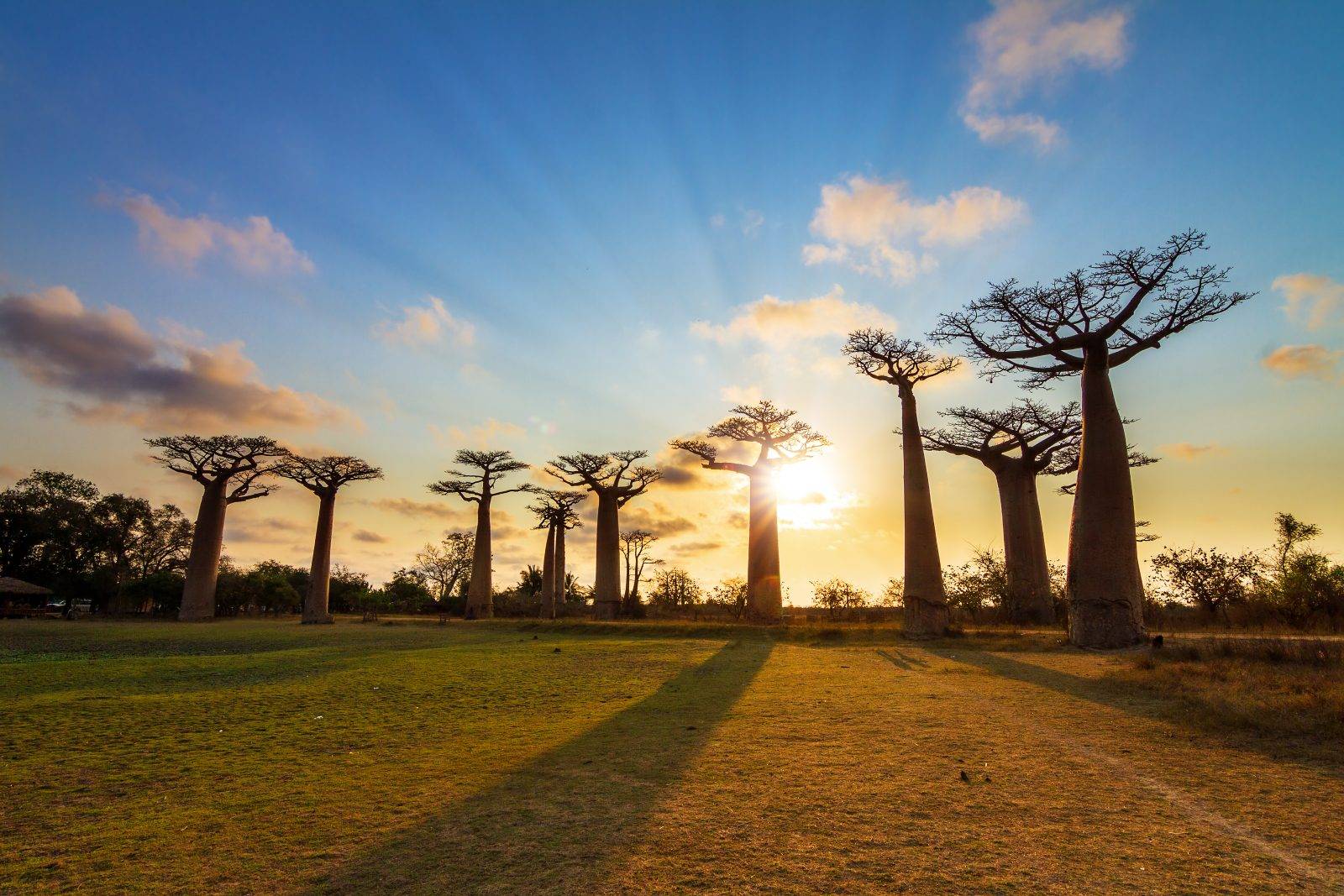
Madagascar is an ecological wonderland, often called the 'eighth continent' due to its mind-boggling biodiversity. Over 90% of its wildlife is found nowhere else on Earth. Imagine spotting over 100 species of lemurs in places like Andasibe-Mantadia National Park (entry ~$10-15/day + guide ~$20-30/half day), watching chameleons change colors, or marveling at the ancient baobab trees along the Avenue of the Baobabs. The marine life around Nosy Be is also incredible for snorkeling and diving. Ethiopia counters with the dramatic peaks of the Simien Mountains (home to gelada baboons and the elusive Ethiopian wolf), the otherworldly landscapes of the Danakil Depression (volcanoes, salt flats, sulfur springs – a multi-day tour costs ~$400-600), and a rich birdlife. While stunning, Ethiopia's nature is more about grand landscapes and specific mammal sightings. "If you don't care about lemurs, why are you even going to Madagascar? They're everywhere and so cool!" Madagascar's unique evolutionary story and abundance of endemic species simply cannot be matched for wildlife enthusiasts.
Winner takeaway
- Winner: Madagascar
- Why: Madagascar is a global hotspot for unique, endemic biodiversity, offering unparalleled wildlife viewing experiences.
- Who this matters for: Wildlife photographers, nature lovers, conservationists, and those seeking truly unique animal encounters.
💰 Costs & Budget
When it comes to stretching your dollar, Ethiopia generally offers a more budget-friendly experience, especially for independent travelers. A basic guesthouse in Ethiopia might cost 500-1000 ETB (~$9-18 USD), while a delicious local meal of injera with various wots will set you back 100-250 ETB (~$2-5 USD). Long-distance bus travel is incredibly cheap (e.g., Addis Ababa to Bahir Dar for 400-600 ETB / ~$7-11 USD). The main costs are entrance fees to major historical sites like Lalibela or Gondar, which can be $20-50 per site. Madagascar, on the other hand, can quickly become more expensive. While street food is cheap (Ravitoto or rice with zebu stew for 5,000-10,000 MGA / ~$1-2 USD), accommodation tends to start higher, around 100,000-150,000 MGA (~$20-30 USD) for decent budget options. The biggest budget killer is the necessity of hiring guides for national parks and often needing 4x4 vehicles for rough roads, which can easily add $50-150 per day. Internal flights are also often necessary due to poor roads, costing $150-300+ per leg. "Ethiopia was so cheap for food and transport, but those Lalibela tickets stung a bit. Still, overall way less than I expected for a month." While both can be done on a budget, Ethiopia offers more avenues for truly low-cost travel.
Winner takeaway
- Winner: Ethiopia
- Why: Ethiopia generally allows for a lower daily budget, especially for essential needs like food and local transport, making it more accessible for backpackers.
- Who this matters for: Budget travelers, backpackers, and those seeking a low-cost cultural immersion.
✈️ Getting There & Flights
Ethiopia, thanks to its national carrier Ethiopian Airlines, has positioned Addis Ababa (ADD) as a major gateway and hub for all of Africa. This means excellent direct connections from North America, Europe, Asia, and other African cities, often with competitive prices. For example, a flight from London to ADD might cost $600-900 return, and from NYC, $800-1200. This makes getting into and out of Ethiopia relatively straightforward and often more affordable. Madagascar's main international airport, Antananarivo (TNR), is less connected. You'll typically need to connect through Paris (via Air France), or another African hub like Nairobi (via Kenya Airways) or Johannesburg (via South African Airways), which can add significant time and cost to your journey. Expect flights from Europe to TNR to be in the $800-1200 range, and from North America, $1200-1800+. "Getting to Addis was a breeze with Ethiopian Airlines; connecting flights through there are super efficient." While both require international travel, Ethiopia's hub status gives it a clear advantage in terms of ease and often cost of access.
Winner takeaway
- Winner: Ethiopia
- Why: Addis Ababa's status as a major African aviation hub makes Ethiopia significantly easier and often cheaper to reach internationally.
- Who this matters for: Travelers prioritizing easy, direct, and more affordable international flight options.
🚌 Getting Around
Getting around Ethiopia, while certainly an adventure, is generally more straightforward and accessible to the budget traveler. The country has an extensive network of intercity buses (e.g., Sky Bus, Selam Bus) connecting major towns, with fares incredibly low (e.g., Addis Ababa to Gondar for ~$15-25 USD for a 10-12 hour journey). Within cities, 'bajajs' (tuk-tuks) and blue taxis are ubiquitous and cheap. Roads can be rough, especially off main routes, but progress is steady. For speed, Ethiopian Airlines offers domestic flights to major tourist hubs like Lalibela and Axum, costing around $50-150 one-way if booked with an international Ethiopian Airlines ticket. Madagascar's infrastructure is notoriously challenging. Roads are in a terrible state, making long-distance travel by 'taxi-brousse' (shared bush taxi) incredibly slow, uncomfortable, and often unreliable. A 200km journey can easily take 8-12 hours. "Madagascar roads are no joke. We basically averaged 20km/h on what was supposed to be a main highway. Fly if you can afford it." Internal flights (e.g., Air Madagascar or Tsaradia) are often the only practical option for covering large distances quickly, but they are expensive (often $150-300+ for a single leg) and prone to delays. Renting a 4x4 with a driver is often necessary for independent exploration, significantly increasing costs (around $80-150/day).
Winner takeaway
- Winner: Ethiopia
- Why: Ethiopia's public transport network is more comprehensive and reliable for overland travel, making it easier and cheaper to get around.
- Who this matters for: Independent travelers, budget backpackers, and those who enjoy local bus experiences.
🏨 Accommodation
Both Ethiopia and Madagascar offer a broad spectrum of accommodation, but with different nuances. In Ethiopia, you'll find a solid range from very basic local hotels (200-400 ETB / ~$4-7 USD) and decent guesthouses (500-1500 ETB / ~$9-28 USD) to comfortable mid-range hotels (1500-4000 ETB / ~$28-75 USD) in major cities like Addis Ababa, Bahir Dar, and Gondar. There are also some fantastic eco-lodges and boutique options, especially around the historical circuit and national parks, like the Simien Lodge (starting ~$150-200). Value for money is generally good. Madagascar presents a similar range, though budget options (e.g., 50,000-100,000 MGA / ~$10-20 USD) can often be more rustic, especially outside major towns. Mid-range hotels (100,000-250,000 MGA / ~$20-50 USD) offer decent comfort. Where Madagascar shines is with its beautiful beach resorts and eco-lodges, particularly in places like Nosy Be, Île Sainte-Marie, or near national parks, which can offer stunning locations and services but come at a higher price (e.g., 300,000 MGA / ~$60 USD upwards). "We found some really charming guesthouses in Ethiopia for cheap, but Madagascar felt like you had to pay more for anything beyond super basic." The choice really depends on your budget and what type of experience you're looking for, making it a tie for overall availability and quality.
Winner takeaway
- Winner: Tie
- Why: Both destinations offer a similar range of accommodation types, from budget to luxury, catering to different traveler preferences and budgets.
- Who this matters for: Travelers with varying budgets, from backpackers to those seeking comfortable mid-range options.
🍲 Food & Drink
Ethiopian cuisine is an absolute highlight, one of the most distinctive and delicious in Africa. It revolves around 'injera', a spongy sourdough flatbread, served with various 'wots' (stews) made from vegetables, lentils, or meat. Dishes like 'Doro Wot' (spicy chicken stew) or 'Shiro Wot' (chickpea stew) are flavorful and often eaten communally by hand. The coffee ceremony is an integral cultural experience, serving some of the world's best coffee. Local beer (St. George, Habesha) is popular, and 'tej' (honey wine) is a traditional drink. A hearty meal costs 100-250 ETB (~$2-5 USD). Madagascar's cuisine is a delightful blend of Southeast Asian, African, Indian, and French influences. Rice is the staple, often served with 'romazava' (beef stew), 'ravitoto' (pork with crushed cassava leaves), or incredibly fresh seafood, especially on the coast. Tropical fruits are abundant and delicious. While tasty, it's less globally unique than Ethiopian food. "Honestly, nothing beats tearing off a piece of injera and scooping up some doro wot with your hands. So good and so cheap." Madagascar excels in fresh seafood and its French pastry influence, but Ethiopia's culinary distinctiveness and deep-rooted coffee culture give it the edge for a truly unique food journey.
Winner takeaway
- Winner: Ethiopia
- Why: Ethiopia offers a globally unique, flavorful, and deeply cultural food experience centered around injera and a rich coffee tradition.
- Who this matters for: Foodies, culinary adventurers, and coffee enthusiasts seeking distinctive local flavors.
🏖️ Beaches & Relaxation
This is an easy win for Madagascar. As a large island nation in the Indian Ocean, Madagascar boasts thousands of kilometers of breathtaking coastline, featuring pristine white-sand beaches, turquoise waters, and vibrant coral reefs. Destinations like Nosy Be, Île Sainte-Marie, and Anakao offer incredible opportunities for snorkeling, diving, kitesurfing, or simply relaxing under a palm tree. You can find everything from bustling tourist beaches with resorts to secluded, untouched coves. Whale watching (July-September around Île Sainte-Marie) is another major draw. Ethiopia, being landlocked, simply doesn't have beaches. Its 'relaxation' comes from the tranquility of mountain treks in the Simiens, the peacefulness of a coffee ceremony, or the awe of ancient sites. It's an intense, immersive journey, not a beach holiday. "Nosy Be was exactly what I needed after weeks of rough travel. Just pure bliss and incredible snorkeling." If sun, sand, and sea are on your travel checklist, Madagascar is the undisputed champion.
Winner takeaway
- Winner: Madagascar
- Why: Madagascar offers stunning Indian Ocean beaches, vibrant marine life, and perfect conditions for relaxation and water activities.
- Who this matters for: Beach lovers, divers, snorkelers, and anyone seeking a relaxing tropical getaway.
⚠️ Safety & Health
Both countries present significant safety and health considerations that require diligent research before travel. Ethiopia has experienced periods of political instability and conflict, particularly in the northern regions (Tigray, Amhara), which can impact travel safety and logistics. It's crucial to check current government advisories (e.g., U.S. State Dept, UK FCDO) before and during your trip. Petty crime is present in cities. Health-wise, malaria is a risk in low-lying areas, and basic medical facilities are common outside Addis Ababa. Madagascar is generally considered safe for tourists, but petty crime like pickpocketing and bag snatching is common in crowded urban areas, especially Antananarivo, and on some beaches. Night travel is generally discouraged. From a health perspective, Madagascar has similar risks to Ethiopia: malaria is prevalent in many areas, dengue fever can occur, and even sporadic outbreaks of plague have been reported. Access to quality medical care is severely limited outside the capital. "We were told to be super careful in Addis at night, but mostly it was fine. The biggest worry was getting sick." Both destinations require robust travel insurance, up-to-date vaccinations (yellow fever, typhoid, hepatitis), and prophylactic malaria medication. Due to varying but significant risks in both, it's a tie, emphasizing the need for personal vigilance and current information.
Winner takeaway
- Winner: Tie
- Why: Both countries present significant, though different, safety and health challenges, necessitating careful preparation and vigilance from travelers.
- Who this matters for: All travelers, especially those who prioritize personal safety and health preparedness.
🚶♀️ Solo Travel & Ease
For adventurous solo travelers, Ethiopia, while challenging, often proves more rewarding and slightly easier to navigate independently than Madagascar. Ethiopians are generally very welcoming and curious towards foreigners, and while English isn't universal, you'll often find people willing to help. The extensive bus network makes independent movement feasible, albeit slow. Joining day tours for specific sites (like the Danakil Depression or Simien Mountains treks) is common and easy to arrange on arrival. "I solo traveled Ethiopia for a month and met so many amazing locals, even hitchhiked a bit. Definitely doable if you're flexible." Madagascar, however, can be tougher for solo travelers due to its severely limited and uncomfortable public transport, making it expensive or incredibly slow to cover ground. Many key attractions (national parks) require a guide, which is an additional cost and can feel less 'solo'. Safety concerns, particularly petty crime, are also slightly higher for solo travelers, especially women, in urban areas. While not impossible, solo travel in Madagascar often means paying a premium for private drivers or internal flights, or sacrificing comfort and time on taxi-brousses, making it less 'easy' than Ethiopia.
Winner takeaway
- Winner: Ethiopia
- Why: Ethiopia's more robust local transport network and cultural openness make it slightly more manageable and rewarding for independent solo travelers.
- Who this matters for: Experienced solo travelers, backpackers, and those comfortable with navigating cultural differences independently.
❓ Frequently Asked Questions
Which country is better for a family trip with young children?
Madagascar would likely be better for families with young children. Its focus on unique, accessible wildlife (lemurs are a big hit!), beautiful beaches, and more varied resort-style accommodation offers a less strenuous and more entertaining experience compared to Ethiopia's often challenging historical treks and basic facilities.
What's the best time of year to visit each country?
For Ethiopia, the dry season from October to May is ideal for trekking and historical site visits, avoiding heavy rains. For Madagascar, the dry season from May to October offers pleasant temperatures and excellent wildlife viewing, especially for lemurs, and avoids cyclone season.
Are visas required for U.S. citizens for Ethiopia and Madagascar?
Yes, U.S. citizens need a visa for both countries. Ethiopia offers an eVisa option which is generally straightforward. For Madagascar, a visa can often be obtained on arrival at Antananarivo Ivato International Airport for stays up to 90 days, though checking current requirements beforehand is always recommended.
Which country is better for a true 'adventure' traveler?
Both offer adventure, but Ethiopia probably edges it out for the 'true' adventure traveler. Its rugged Simien Mountains, the extreme Danakil Depression, and the challenges of independent travel provide a more raw, physically demanding, and culturally immersive adventure compared to Madagascar's more nature-focused, albeit logistical, challenges.
Can I see big game (lions, elephants, etc.) in either country?
Neither Ethiopia nor Madagascar are prime destinations for the 'Big Five' safari experience like East or Southern Africa. Ethiopia has some national parks with unique species like the Ethiopian wolf and gelada baboons, but not traditional big game. Madagascar is all about its endemic, smaller, unique wildlife (lemurs, chameleons), not large mammals.
Is vegetarian/vegan food easy to find in either destination?
Ethiopia is a dream for vegetarians and vegans! Due to Orthodox Christian fasting traditions, many dishes are naturally vegan ('fasting food') and delicious. In Madagascar, while rice and vegetables are staples, meat is very common, so while possible, you might need to be more specific with your requests.
What are the internet and phone connectivity like?
In Ethiopia, internet and phone connectivity, particularly with Ethio Telecom, has improved in major cities but can be patchy and slow in rural areas. Madagascar's connectivity is generally similar; major towns have decent 3G/4G, but it rapidly deteriorates outside of these areas, and power outages can affect service. Don't expect seamless connectivity in either.
Which country is better for photography?
This depends on your focus. For stunning landscape photography, cultural portraits, and ancient architecture, Ethiopia is phenomenal. For unique wildlife close-ups, diverse natural habitats, and vibrant coastal scenes, Madagascar takes the lead. Both offer incredible, distinct opportunities for photographers.
Ready to plan your unforgettable African journey?
Get a free custom itinerary for Ethiopia, Madagascar, or both — built from real traveler insights, tailored to your budget and interests.
🎟️ Book Tours & Experiences
Hand-picked tours and activities for both destinations — book with free cancellation
Experiences via Viator — free cancellation on most tours