How we built this comparison
This page combines traveler discussion patterns, published price ranges, flight schedules, and seasonal data to help you decide between Faroe Islands and Lofoten.
- Reviewed 50+ Reddit threads from r/travel, r/solotravel, r/FaroeIslands, r/NorwayTravel, etc.
- Verified costs and logistics against current booking platforms (e.g., Skyscanner, Rentalcars.com, Booking.com)
- Cross-referenced seasonal patterns, weather data, and official tourism board information
⚡ The TL;DR Verdict
For those craving raw, untamed nature, dramatic cliffs, and a truly off-the-beaten-path feel, the Faroe Islands beckon with a daily budget of $200-350. If iconic fishing villages, accessible hiking, and a chance at the Northern Lights in winter are your priority, Lofoten offers stunning beauty for $250-400+ per day, generally feeling a bit more polished and touristed.
- Choose Faroe Islands: Pick the Faroes if you're seeking profound solitude, unique geology, and a sense of discovery, especially if you love moody weather and puffins, without large crowds.
- Choose Lofoten: Opt for Lofoten if you want postcard-perfect scenery with charming villages, a wider range of activities like surfing or kayaking, and potentially better infrastructure for diverse travelers, particularly in summer or aurora season.
- Choose Both: If you have 2+ weeks and a healthy budget, you can combine both! Fly into Copenhagen, then to Vágar (Faroe). After a week, fly back to Copenhagen/Oslo and connect to Evenes (Lofoten) for another 7-10 days, experiencing both unique Nordic island chains.
Quick Comparison
| Category | Faroe Islands | Lofoten | Winner |
|---|---|---|---|
| Nature & Scenery | Uniquely dramatic, almost surreal landscapes with towering sea cliffs, green valleys, and turf-roofed houses. | Jagged, snow-capped mountains plunging into the sea, framed by white-sand beaches and iconic red rorbuer. | Faroe Islands |
| Overall Costs | Expensive but generally slightly less than Norway. Car rental and accommodation are major costs. | Very expensive, especially for accommodation, food, and activities. Expect higher prices for everything. | Faroe Islands |
| Getting There | Requires flying into Vágar (FAE) with connections usually via Copenhagen or occasionally Paris, Reykjavik. | More flight options into Evenes (EVE), Bodø (BOO), or direct regional flights to Leknes/Svolvær (LKN/SVJ). | Lofoten |
| Getting Around | Car rental is essential. Roads are excellent, many tunnels. Ferries for Mykines and Kalsoy. | Car rental is highly recommended. E10 highway connects most major towns. Ferries to outer islands. | Tie |
| Accommodation | Limited hotel options, more guesthouses, Airbnbs, and occasional turf-roofed cottages. Book far ahead. | More varied, with iconic 'rorbuer' (fishermen's cabins), hotels, guesthouses, and campsites. Also book far ahead. | Lofoten |
| Food & Drink | Focus on lamb, fish, root vegetables. Influenced by Nordic cuisine. Michelin-starred Koks (if operating). | Excellent seafood, especially stockfish and cod. More diverse restaurant scene in major towns. | Lofoten |
| Activities & Hiking | World-class hiking, puffin watching (Mykines), boat tours, exploring villages. Many hikes require a fee. | Incredible hiking, surfing (Unstad), kayaking, fishing trips, exploring charming villages, museums. | Lofoten |
| Weather & Seasons | Highly unpredictable, often windy, rainy, and foggy, even in summer. Mild winters. | Changeable, but distinct seasons. Midnight sun in summer, Northern Lights in winter. Colder winters. | Lofoten |
| Culture & Local Life | Strong, distinct Faroese identity, language, and traditions. Small, tightly-knit communities. Very authentic. | Rich Viking and fishing heritage. Charming, picturesque villages. More tourist-focused interactions. | Faroe Islands |
| Photography & Vistas | Dramatic, moody, unique landscapes ideal for landscape photography, especially with long exposures. | Iconic, postcard-perfect views with red cabins, jagged mountains, and aurora potential. Easier 'trophy shots'. | Tie |
⛰️ Nature & Scenery
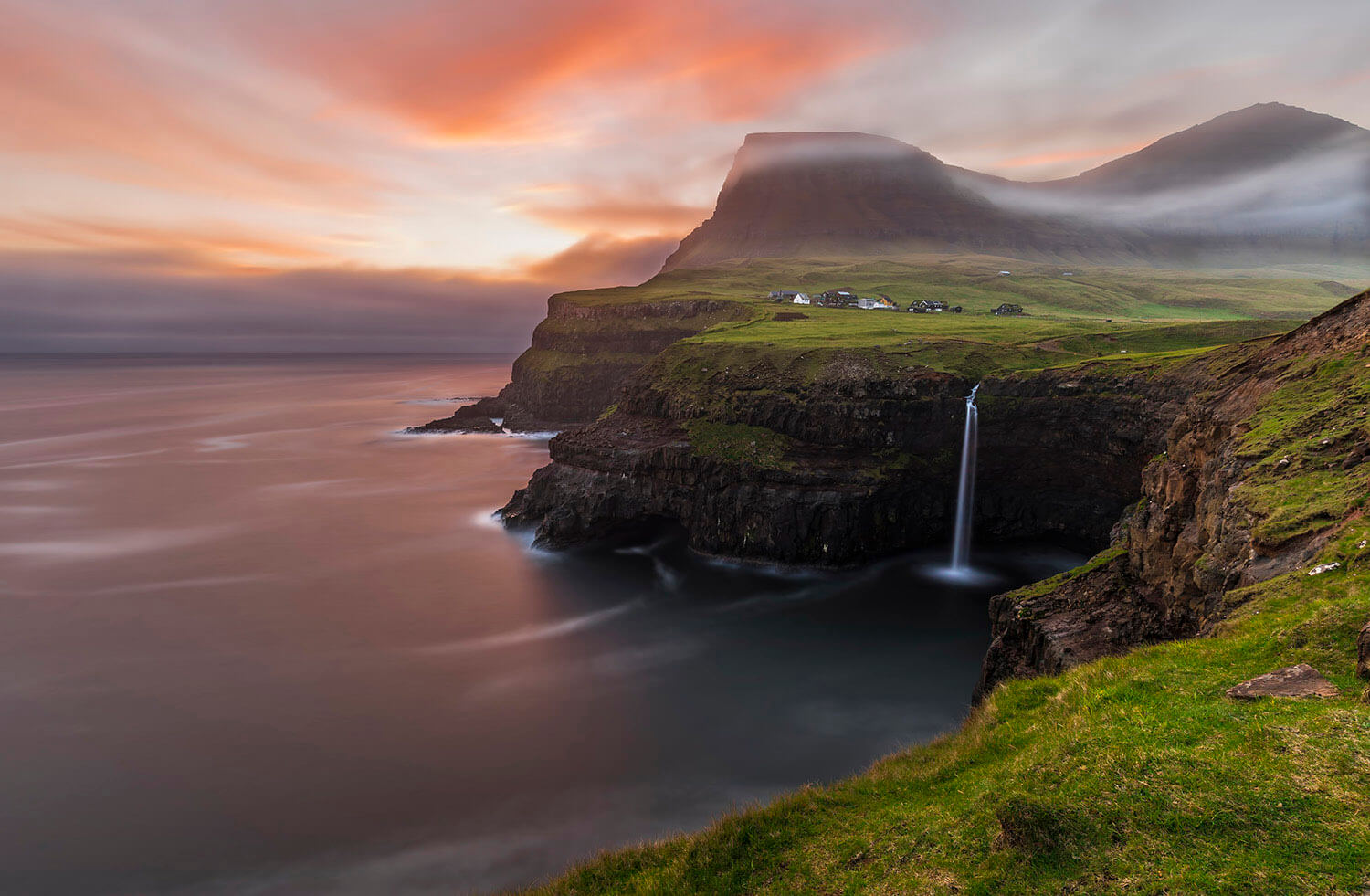
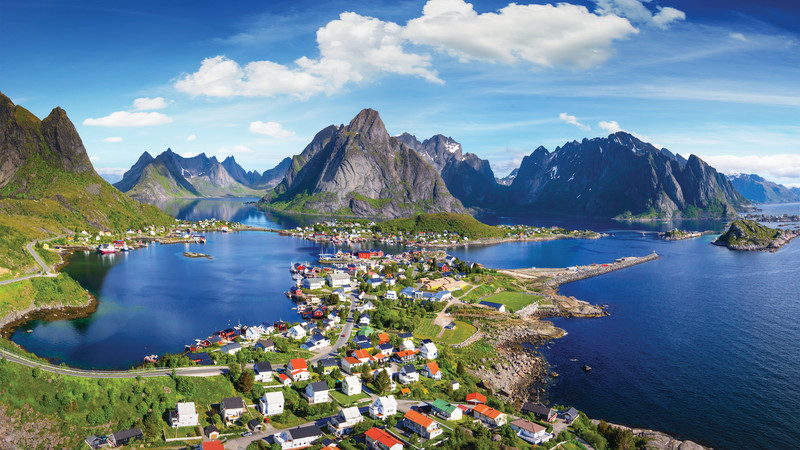
The Faroe Islands offer a profoundly unique visual experience. Imagine driving through a tunnel emerging onto a valley like Saksun, with its black church and grassy slopes leading to a tidal lagoon, or standing atop the cliffs at Trælanípa, where the 'floating lake' of Sørvágsvatn appears to hover above the ocean. The scenery here feels more ancient, more untouched, with a wild, rugged charm that's hard to replicate. Visiting Mykines to see thousands of puffins is an unforgettable highlight. Lofoten, on the other hand, boasts an equally stunning but different kind of drama – think Reine's iconic red cabins against towering peaks like Reinebringen, or the pristine white sands of Kvalvika Beach. While both are breathtaking, the Faroes feel less 'curated' and more raw, a land where nature truly dominates. "Faroe Islands just hit different, like being on another planet. Lofoten is gorgeous, but the Faroes felt more... epic, you know?" - u/CliffHiker92. The sheer scale and unexpected formations, often shrouded in a mystical fog, give the Faroes an edge for sheer 'wow' factor.
Winner takeaway
- Winner: Faroe Islands
- Why: The Faroe Islands win for their uniquely raw, dramatic, and almost otherworldly landscapes that feel less tamed and more profound.
- Who this matters for: Travelers seeking unique geological formations, profound solitude, and an off-planet aesthetic.
💰 Overall Costs
Both destinations are pricey, typical for the Nordic region, but the Faroe Islands tend to be marginally more budget-friendly than Lofoten. A basic guesthouse in the Faroes might run DKK 900-1200 ($130-175 USD) per night, while a comparable rorbu in Lofoten often starts at NOK 1500-2000 ($140-190 USD). Car rental is essential for both and will be around DKK 500-800 ($75-120 USD) per day in the Faroes or NOK 600-900 ($55-85 USD) in Lofoten. Groceries are relatively expensive in both, but eating out in Lofoten, even for casual meals, often feels steeper. Expect a simple burger or fish & chips to be DKK 150-200 ($20-30 USD) in the Faroes, whereas in Lofoten, it's easily NOK 200-280 ($19-26 USD). Fuel costs are comparable. "Just got back from the Faroes, then Lofoten. Definitely felt the pinch more in Norway. Everything from a coffee to a guided hike was just… more." - u/NordicNomad87. While neither is a budget destination, the Faroes offer a slightly less punishing hit to the wallet.
Winner takeaway
- Winner: Faroe Islands
- Why: The Faroe Islands are comparatively less expensive than Lofoten across most categories, offering a slight financial advantage.
- Who this matters for: Budget-conscious travelers who still want a Nordic adventure without the absolute highest price tags.
✈️ Getting There
Reaching the Faroe Islands typically involves flying into Vágar Airport (FAE), with the most common route being a direct 2-hour flight from Copenhagen (CPH) via Atlantic Airways or SAS. Other less frequent direct connections exist from cities like Reykjavik or Paris. It’s fairly straightforward, but connecting through Copenhagen is the standard. For Lofoten, the options are more numerous and often more flexible. You can fly into Harstad/Narvik Airport Evenes (EVE), which is a larger airport with more direct flights from Oslo (OSL) and other major Norwegian cities. From EVE, it's a 2.5-3 hour scenic drive to the heart of Lofoten. Alternatively, you can fly into Bodø (BOO) and take a ferry or connect to smaller regional airports within Lofoten like Svolvær (SVJ) or Leknes (LKN). "Getting to Lofoten felt way easier from Oslo, more flight options and then just a scenic drive. Faroes was Copenhagen or bust for us." - u/FlightPathFan. The variety of entry points and flight frequencies make Lofoten more accessible for travelers coming from different parts of Europe or even within Norway.
Winner takeaway
- Winner: Lofoten
- Why: Lofoten offers more diverse flight options and regional airport connectivity, making it generally easier to reach.
- Who this matters for: Travelers prioritizing direct flights, multiple airport choices, and overall ease of access.
🚗 Getting Around
For both the Faroe Islands and Lofoten, a rental car is virtually mandatory to truly experience the destinations. Public transport is sparse and infrequent, especially if you want to explore off the main routes or access trailheads. In the Faroes, roads are well-maintained, and an extensive network of subsea tunnels (some with tolls, DKK 100-150 / $15-22 USD) connects most major islands. Driving is generally easy, though winding roads and sheep are common. Ferries are crucial for reaching islands like Mykines (for puffins, book well in advance, DKK 120 / $18 USD return) and Kalsoy. Lofoten features the scenic E10 highway, which is the backbone connecting most of the main islands with impressive bridges. Road conditions are excellent, but summer traffic can be heavy in popular spots like Reine and Hamnøy. "Honestly, you need a car for both. No debate. The freedom to stop anywhere for a photo or a hike is worth every penny of the rental cost." - u/RoadTripperPro. Both offer incredible scenic drives and similar logistical challenges/rewards regarding car rental, making it a tie.
Winner takeaway
- Winner: Tie
- Why: Both destinations equally demand a rental car for optimal exploration, offering excellent driving experiences with similar logistical considerations.
- Who this matters for: Independent travelers who prefer the flexibility and freedom of self-driving.
🏠 Accommodation
Accommodation in the Faroe Islands is charming but generally limited, especially in peak season. You'll find a handful of hotels in Tórshavn (e.g., Hotel Føroyar, Hotel Brandan, DKK 1500-2500 / $220-365 USD), but outside the capital, it's mostly guesthouses, B&Bs, and Airbnbs, which can range from DKK 800-1500 ($120-220 USD). Unique turf-roofed cottages are highly sought after. In contrast, Lofoten offers a wider array of accommodation, with the iconic 'rorbuer' (converted fishermen's cabins) being a highlight. Places like Eliassen Rorbuer in Hamnøy or Sakrisøy Rorbuer offer authentic experiences, typically NOK 1500-3000 ($140-280 USD) per night. There are also more traditional hotels in larger towns like Svolvær and Leknes, and numerous campsites for those on a tighter budget. "Lofoten's rorbuer are just iconic. Waking up right on the water in a red cabin? Unbeatable. Faroes had nice places, but nothing quite as unique to the region." - u/CabinDweller. The variety and iconic nature of the rorbuer give Lofoten the edge.
Winner takeaway
- Winner: Lofoten
- Why: Lofoten offers a wider variety of accommodation types, including the unique and iconic rorbuer, providing more choice and a distinct experience.
- Who this matters for: Travelers seeking unique, authentic lodging experiences and a broader range of options.
🍽️ Food & Drink
The Faroe Islands' culinary scene is deeply rooted in local produce: lamb, fish (especially cod, salmon, haddock), and root vegetables. Traditional dishes like 'skerpikjøt' (wind-dried mutton) are unique. While there's a strong emphasis on quality, dining options outside Tórshavn are limited to cozy cafes and a few guesthouse restaurants. Michelin-starred Koks (currently on Greenland, but sometimes in the Faroes) offers an exclusive high-end experience (DKK 2000-3000+ / $290-440+ USD pp), but everyday dining is simpler. In Lofoten, seafood reigns supreme. You'll find incredible fresh cod, salmon, and local specialties like 'tørrfisk' (stockfish) everywhere. Restaurants like Krambua Restaurant in Svolvær or Fiskekrogen in Henningsvær offer fantastic seafood dining, with mains typically NOK 250-400 ($23-37 USD). There's also a better selection of cafes, bakeries, and even craft breweries (e.g., Lofotpils in Svolvær). "Lofoten's fresh fish was next level. Every meal felt like a culinary experience, even the simple fish & chips. Faroes was good, but a bit more limited outside Tórshavn." - u/FoodieExplorer. The broader variety and consistent high quality of seafood dishes give Lofoten the advantage.
Winner takeaway
- Winner: Lofoten
- Why: Lofoten boasts a richer and more diverse culinary scene, particularly for seafood lovers, with more dining options across its villages.
- Who this matters for: Food enthusiasts and those who enjoy a variety of dining experiences, especially fresh seafood.
🥾 Activities & Hiking
Both destinations are a hiker's paradise, but Lofoten offers a slightly wider array of activities. In the Faroes, hiking is king, with iconic trails to Trælanípa/Sørvágsvatn, Saksun, and the challenging climb on Kalsoy to the Kallur lighthouse. Many popular trails now have a conservation fee (DKK 50-200 / $7-30 USD per person). Boat tours to Vestmanna Sea Cliffs or Drangarnir are popular, as is the essential trip to Mykines for puffin watching (DKK 120 ferry, plus DKK 250 guide fee / $18+$37 USD). Lofoten, while renowned for hikes like Reinebringen (steep, incredible views), Kvalvika Beach, and Ryten, also offers unique activities like surfing at Unstad Beach (rentals/lessons NOK 600-1000 / $55-95 USD), sea kayaking around the fjords, deep-sea fishing trips, and cultural experiences at Viking museums (e.g., Lofotr Viking Museum, NOK 250 / $23 USD). "Lofoten had so much more than just hiking. We surfed, kayaked, and still fit in a ton of amazing trails. Faroes was mostly just hiking, albeit incredible hiking." - u/AdventureSeeker77. The broader spectrum of adventure and cultural activities tips the balance towards Lofoten.
Winner takeaway
- Winner: Lofoten
- Why: Lofoten offers a more diverse range of outdoor activities beyond hiking, including unique options like surfing and sea kayaking.
- Who this matters for: Adventure travelers who enjoy a mix of strenuous hikes and water-based activities.
☁️ Weather & Seasons
The weather in the Faroe Islands is notoriously fickle and can shift dramatically within minutes, regardless of the season. Expect wind, rain, and fog even in summer (June-August), when temperatures average a cool 10-13°C (50-55°F). Winters are mild but wet and dark. This unpredictable, moody atmosphere is part of its charm but can impact hiking plans. Lofoten, while also experiencing changeable weather, offers more distinct seasons and clearer celestial phenomena. Summer (June-July) brings the magical midnight sun, with 24 hours of daylight and temperatures averaging 12-18°C (54-64°F), making it ideal for hiking. Winter (September-March) is cold and snowy, with temperatures around -5 to 5°C (23-41°F), but offers prime conditions for witnessing the Northern Lights. "Faroes weather meant packing all four seasons every day. Lofoten, while still unpredictable, at least gave us the midnight sun and aurora potential, which felt like a better payoff." - u/WeatherWatcher. The possibility of midnight sun and a strong chance of aurora in winter give Lofoten a more compelling seasonal draw.
Winner takeaway
- Winner: Lofoten
- Why: Lofoten provides clearer seasonal experiences, offering the midnight sun in summer and excellent Northern Lights viewing opportunities in winter.
- Who this matters for: Travelers seeking specific seasonal phenomena like the midnight sun or the Northern Lights, or those who prefer slightly milder summer temperatures.
🏡 Culture & Local Life
The Faroe Islands offer a profoundly authentic and distinct cultural experience. With their own unique language (Faroese), a strong sense of identity, and communities that have maintained ancient traditions, you feel truly immersed in a different world. Exploring villages like Gjógv with its natural harbor or the tiny, remote settlement of Gásadalur (before the tunnel) offers a glimpse into a way of life deeply connected to the land and sea. While friendly, the Faroese are generally reserved, and interactions feel genuine and unhurried. Lofoten, while rich in history and beautiful fishing villages like Nusfjord (a UNESCO site) and Henningsvær, feels more geared towards tourism. You’ll find more souvenir shops, art galleries, and restaurants catering to visitors. The Lofotr Viking Museum in Borg offers a fantastic historical dive, but the everyday local life feels less immediately accessible compared to the Faroes. "Faroes felt like stepping back in time, like the culture was just *there*, everywhere you looked. Lofoten was beautiful, but felt more like a stage set for tourists sometimes." - u/CultureSeeker. The Faroes win for their truly unique and preserved cultural identity.
Winner takeaway
- Winner: Faroe Islands
- Why: The Faroe Islands offer a more distinct, authentic, and preserved cultural identity with unique traditions and a strong sense of local life.
- Who this matters for: Travelers seeking deep cultural immersion, unique local traditions, and an authentic, less touristed atmosphere.
📸 Photography & Vistas
Both destinations are a photographer's dream, offering an endless supply of breathtaking vistas. The Faroe Islands excel in raw, dramatic, and often moody landscapes: think the 'floating lake' at Sørvágsvatn, the waterfall at Múlafossur plunging into the ocean, the towering cliffs of Drangarnir, or the iconic turf-roofed houses of Saksun. Its unique geology and often-misty weather create incredibly atmospheric shots. Lofoten, on the other hand, provides those instantly recognizable, postcard-perfect views – the red rorbuer nestled against sharp, snow-dusted peaks in Reine and Hamnøy are world-famous. The white sand beaches like Kvalvika offer stunning contrasts, and in winter, the potential for the Northern Lights adds another magical dimension. "Faroes has those unique, 'where is that?!' shots, while Lofoten gives you all the iconic, 'I've seen that on Instagram' shots. Both are insane." - u/LensLover. The choice really comes down to personal aesthetic preference: the rugged, unique drama of the Faroes versus the iconic, picturesque beauty of Lofoten. They are equally stunning, just different styles.
Winner takeaway
- Winner: Tie
- Why: Both destinations offer equally stunning but distinct photographic opportunities, catering to different aesthetic preferences without a clear winner.
- Who this matters for: Photographers and travelers who prioritize stunning visuals, regardless of style (raw vs. iconic).
❓ Frequently Asked Questions
Which destination is better for solo travelers?
Both are excellent choices for solo travelers due to their safety and focus on nature. The Faroe Islands might offer a more profound sense of solitude, while Lofoten's slightly more developed tourism infrastructure and hostel options might feel a bit more comfortable for first-time solo adventurers. Both require a rental car for maximum exploration, which can be a higher cost for one person.
What is the best time to visit each destination?
For the Faroe Islands, summer (June-August) offers the best chance for milder weather and puffin sightings. For Lofoten, summer (June-August) is ideal for hiking and midnight sun. If chasing the Northern Lights is your goal for Lofoten, visit between September and March. Each has its unique seasonal draw.
Are the Faroe Islands or Lofoten suitable for families with young children?
Both can be, but with reservations. Lofoten generally offers more accessible shorter hikes, charming villages, and activities like boat trips or museums that might appeal more to families. The Faroe Islands' wilder terrain and often unpredictable weather can be more challenging with very young kids. Car seats are mandatory for rentals in both.
Can I see puffins in both locations?
Puffins are a major draw in the Faroe Islands, particularly on Mykines island from May to August, where they are easily seen in large colonies. While puffins do exist in parts of Norway, seeing them in Lofoten is much less common and not a primary attraction. For puffin enthusiasts, the Faroe Islands are the clear winner.
Is camping a viable option in the Faroe Islands or Lofoten?
Yes, camping is a viable and popular option in both, especially to save on accommodation costs. Both have designated campsites with basic facilities. Wild camping regulations are strict in both, generally requiring permission from landowners in the Faroes and restricted in many areas of Lofoten, so stick to official sites. Always check current local regulations.
Which destination has more challenging hikes?
Both offer challenging hikes, but the Faroe Islands' trails can feel more exposed and weather-dependent due to their unique, often steep coastal terrain and unpredictable conditions. Lofoten also has incredibly steep, rewarding climbs like Reinebringen, but offers a wider range of difficulties, including more moderate options.
How long should I plan for each trip?
For a comprehensive trip, aim for at least 5-7 full days in the Faroe Islands to explore the main islands and take a boat trip or ferry. For Lofoten, 7-10 days allows you to cover more ground, enjoy diverse activities, and account for potential weather changes across the archipelago.
Which place feels more 'off-the-beaten-path'?
The Faroe Islands definitively feel more off-the-beaten-path. Despite increasing popularity, it retains a profound sense of remoteness and wildness. Lofoten, while stunning, has seen a massive surge in tourism, particularly in summer, and can feel quite crowded in its most iconic villages like Reine and Hamnøy.
Ready to plan your Nordic adventure?
Get a free custom itinerary for Faroe Islands, Lofoten, or both — built from real traveler insights, tailored to your budget and interests.
🎟️ Book Tours & Experiences
Hand-picked tours and activities for both destinations — book with free cancellation
Experiences via Viator — free cancellation on most tours