How we built this comparison
This page combines traveler discussion patterns, published price ranges, flight schedules, and seasonal data to help you decide between Fiji and Maldives.
- Reviewed 50+ Reddit threads from r/travel, r/solotravel, r/Fiji, r/Maldives, and r/honeymoonplanning.
- Verified costs and logistics against current booking platforms (Expedia, Skyscanner, resort direct sites).
- Cross-referenced seasonal patterns, weather data, and major airline routes for accuracy.
⚡ The TL;DR Verdict
If your dream vacation is about vibrant culture, diverse adventure, and a more accessible price point, Fiji is calling. But if unparalleled luxury, serene overwater bungalows, and pure relaxation are non-negotiable, the Maldives delivers. Budget-wise, expect to spend ~$100-300 USD/day in Fiji, versus ~$600-1500+ USD/day in the Maldives for a comparable experience.
- Choose Fiji: You're an active traveler seeking genuine cultural interactions, soft adventures like diving and hiking, and don't mind a slightly less polished experience for a fraction of the cost. Perfect for families, backpackers, and those who want more than just resort life.
- Choose Maldives: You're dreaming of ultimate luxury, pristine white-sand beaches, overwater bungalows, and a tranquil escape focused on romance, high-end dining, and world-class snorkeling/diving, with budget being less of a concern. Ideal for honeymoons and exclusive couples' retreats.
- Choose Both: While challenging due to distance, consider a multi-leg trip if you have 3+ weeks and a substantial budget. Start with Fiji for adventure, then unwind in the Maldives. It's ambitious but offers the best of both worlds for the truly indulgent traveler.
Quick Comparison
| Category | Fiji | Maldives | Winner |
|---|---|---|---|
| Beaches & Scenery | Rugged, volcanic beauty with lush interiors, white sands, and vibrant coral reefs. More diverse landscapes. | Flat, impossibly white sand islands, crystal-clear turquoise lagoons, famous for iconic overwater bungalows. | Maldives |
| Costs & Budget | More budget-friendly options, from hostels to luxury resorts. Local transport and food are cheaper. | Exclusively high-end, with limited budget options. Everything from food to activities is priced at a premium. | Fiji |
| Accommodation | Diverse range from budget hostels to boutique resorts and luxury private islands. Less focus on overwater bungalows. | Dominated by 5-star luxury resorts, almost exclusively on private islands, famous for iconic overwater bungalows. | Maldives |
| Activities & Nature | Wide range of adventures: diving, surfing, hiking, village visits, island hopping, waterfalls. | Primarily water-based: snorkeling, diving, water sports, spa, private dining. Less terrestrial diversity. | Fiji |
| Food & Dining | Mix of traditional Fijian (lovo, kokoda), Indian influences, and international cuisine. More local options. | High-end international cuisine at resorts, focused on fine dining. Fresh seafood is prominent. Less local flavor. | Fiji |
| Culture & People | Rich, vibrant indigenous Fijian culture, warm and welcoming locals, easy village interactions. | Local Maldivian culture is less accessible to tourists, resort experience is highly curated and international. | Fiji |
| Getting There & Logistics | Major airport (NAN) with direct flights from US/Australia. Further travel often by ferry/small plane. | Major airport (MLE) with good connections from Europe/Asia. Further travel almost exclusively by seaplane/speedboat. | Tie |
| Getting Around | Ferries, local buses, taxis, domestic flights between islands. More independent exploration possible. | Exclusively seaplanes and resort-arranged speedboats. Movement is highly controlled and expensive. | Fiji |
| Nightlife & Entertainment | More casual bars and pubs, resort entertainment, Kava ceremonies, some live music in tourist hubs. | Primarily resort-based, sophisticated bars, private dinners, occasional themed nights. Very tranquil. | Fiji |
| Vibe & Target Audience | Adventure, cultural immersion, family-friendly, budget-flexible. More rugged and authentic. | Ultimate luxury, romance, exclusivity, privacy. Perfect for honeymoons and lavish escapes. | Tie |
🏖️ Beaches & Scenery
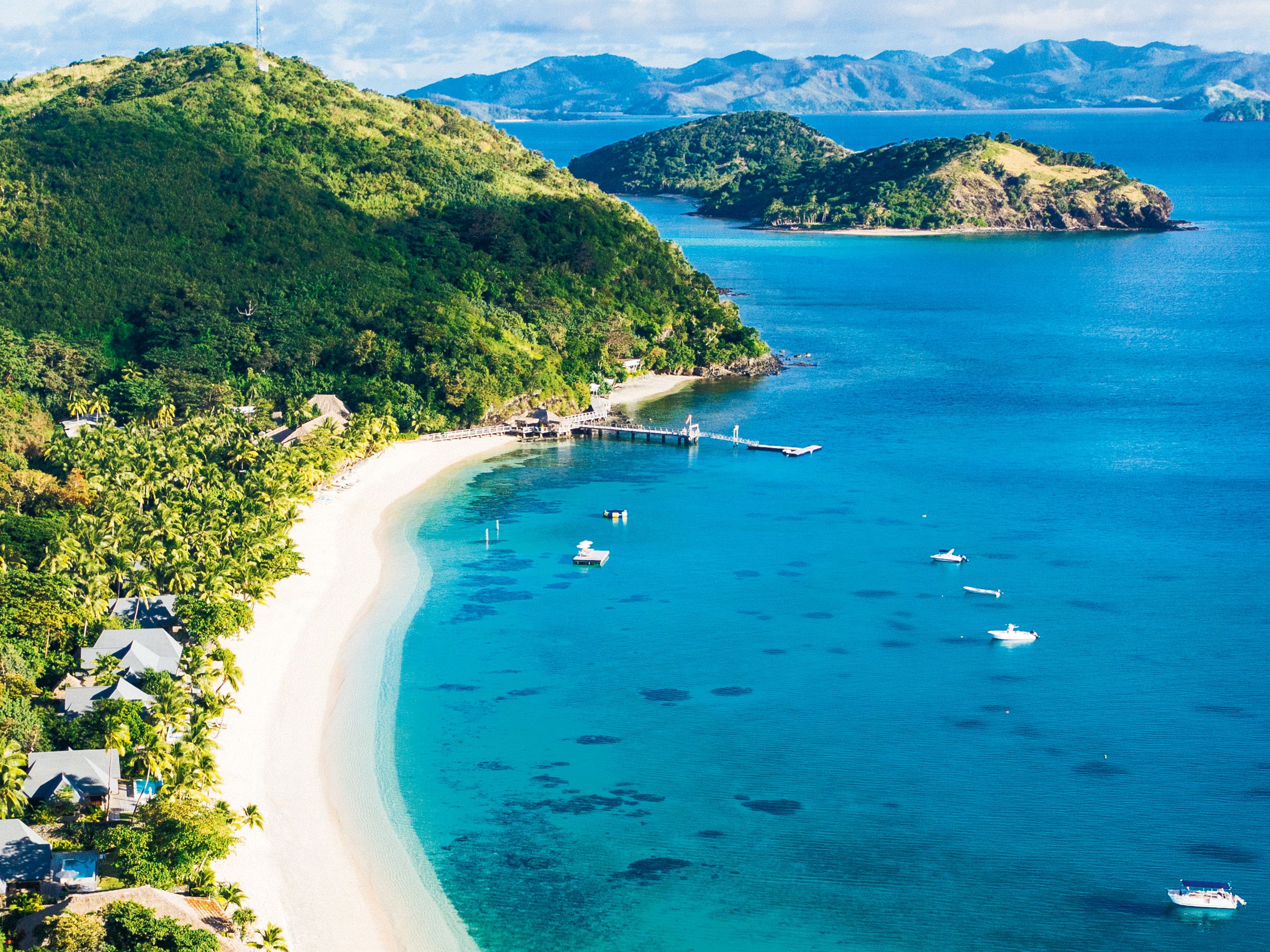
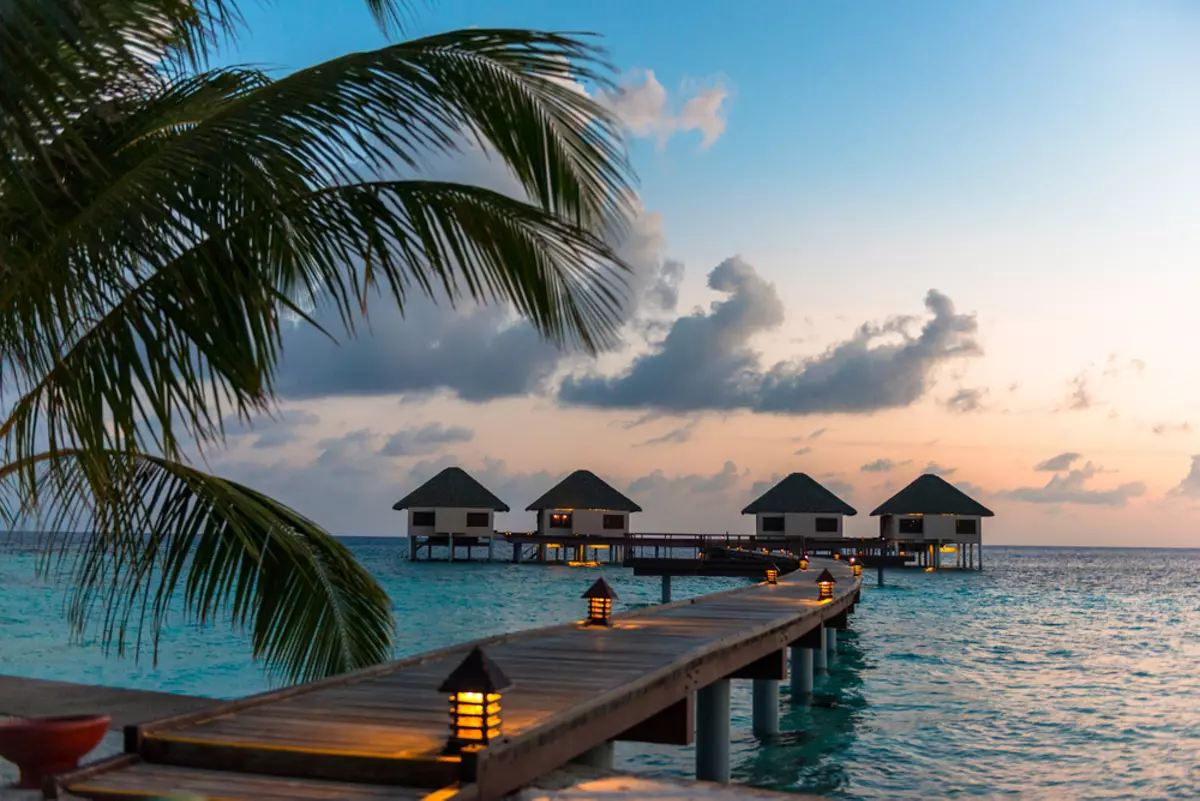
While Fiji boasts stunning beaches like those in the Mamanuca and Yasawa Islands (think 'Blue Lagoon' fame), its landscapes are more varied, featuring dramatic volcanic peaks, lush rainforests, and vibrant village life. Resorts like The Brando on Tetiaroa offer pristine stretches, but Fiji's overall coastline can be a mix. The Maldives, however, is almost universally defined by its picture-perfect, impossibly soft white sands and mesmerizingly clear, shallow lagoons. Every single resort island is essentially a postcard, designed for uninterrupted barefoot luxury. The sand feels like flour, and the water shifts from translucent to brilliant sapphire. This consistency and sheer perfection of its beaches, often paired with the iconic overwater bungalows, gives it the edge for sheer visual impact and 'wow' factor. 'Maldives beaches are just next level, photos don't even do justice to how clear and warm the water is, especially around the overwater villas. Fiji was beautiful, but felt more natural and less 'manicured' perfect.' The Maldives also has a slight advantage in the consistency of water clarity due to less land runoff.
Winner takeaway
- Winner: Maldives
- Why: The Maldives offers a consistently pristine, picture-perfect, and universally 'dreamy' beach experience, with unmatched water clarity and iconic overwater architecture.
- Who this matters for: Honeymooners, photographers, and those whose primary goal is idyllic, tranquil beach relaxation.
💸 Costs & Budget
This is where Fiji truly shines for the average traveler. While luxury resorts like The Laucala Island Resort can rival Maldivian prices (think $4,000+ USD/night), Fiji offers a spectrum of accommodation. You can find hostels in the Yasawas for FJD 60-100 ($27-45 USD) a night, mid-range resorts for FJD 300-600 ($135-270 USD), and local meals for FJD 10-30 ($4.50-13.50 USD). A beer is around FJD 8 ($3.60 USD). A week-long trip, including activities, can be done for FJD 2,000-4,000 ($900-1,800 USD) per person, excluding international flights. In contrast, the Maldives is a luxury playground. Entry-level resorts typically start at $500-800 USD/night, often excluding food and transfers. A mid-range resort like W Maldives or Kuramathi can easily run $1,000-2,000 USD/night, with meals and drinks adding hundreds more daily. A seaplane transfer alone can be $400-600 USD per person return. 'We budgeted $5k for our Maldives honeymoon and barely scraped by after flights and 5 nights, everything else felt like a splurge. Fiji we did for two weeks for less than that and saw so much more.' Even a single cocktail at a Maldivian resort can be $20-30 USD. The local islands in the Maldives, like Maafushi, offer guesthouses for $50-150 USD/night and cheaper food, but limit the quintessential Maldivian experience.
Winner takeaway
- Winner: Fiji
- Why: Fiji offers significantly more flexibility across all budget ranges, making a luxurious, adventurous, or even backpacker-style island trip genuinely affordable.
- Who this matters for: Budget-conscious travelers, families, backpackers, and anyone who wants a fantastic island vacation without breaking the bank.
🏨 Accommodation
The Maldives is the undisputed king of aspirational luxury accommodation. Its iconic overwater bungalows, like those at Soneva Jani or Conrad Maldives Rangali Island, set the global standard for romantic, exclusive stays. Each resort occupies its own private island, ensuring unparalleled privacy and direct access to pristine reefs. Rooms are typically expansive, beautifully designed, and often come with private plunge pools. The service at these resorts is generally impeccable, offering a truly pampered experience. You're paying for an all-encompassing, high-end bubble. Fiji, while having its own share of incredible luxury resorts like The Sofitel on Denarau, The Brando, or the more boutique resorts in the Mamanuca and Yasawa Islands (e.g., The Brando, Blue Lagoon Beach Resort), doesn't have the same density or sheer volume of ultra-luxurious, purpose-built, overwater bungalow-centric accommodations. Fiji offers more variety, from eco-lodges and guesthouses to larger family-friendly resorts and private island retreats. 'Our overwater villa in the Maldives felt like a dream, waking up to fish swimming under our room was unreal. Fiji resorts were nice, but more traditional hotel-style, even the luxury ones.' While Fiji offers excellent value and diverse choices, the Maldives' focus on extreme luxury, privacy, and the sheer number of breathtaking overwater options gives it the edge for a truly indulgent stay.
Winner takeaway
- Winner: Maldives
- Why: The Maldives defines luxury island accommodation with its abundance of iconic overwater bungalows and private island resorts offering unparalleled exclusivity and pampering.
- Who this matters for: Honeymooners, couples seeking ultimate romance and privacy, and travelers prioritizing world-class luxury stays.
🐠 Activities & Nature
Fiji offers a much broader spectrum of activities for the adventurous soul. Beyond world-class diving in spots like Beqa Lagoon (famous for shark diving) and the Rainbow Reef in Taveuni, you can surf legendary breaks like Cloudbreak, hike through lush rainforests to stunning waterfalls (like Bouma National Heritage Park in Taveuni), kayak through mangroves, or experience thrilling river tubing. Island hopping in the Mamanucas and Yasawas is a major draw, offering opportunities to explore different islands and resorts. Cultural immersion, like kava ceremonies and village visits, adds another dimension. The Maldives, while boasting some of the best snorkeling and diving on the planet (especially around atolls like Ari Atoll, known for whale sharks), is almost exclusively water-focused. Activities are typically limited to water sports, spa treatments, exquisite dining experiences, and perhaps a sunset cruise. There's virtually no hiking or terrestrial exploration to speak of beyond strolling around your small resort island. 'Fiji had us busy every day, diving, hiking, visiting villages. Maldives was incredible for snorkeling right off our villa, but after a few days, we kinda ran out of new things to 'do'.' For those seeking variety and a blend of land and sea adventures, Fiji is the clear winner.
Winner takeaway
- Winner: Fiji
- Why: Fiji provides a significantly wider array of activities, from land-based adventures and cultural immersion to diverse water sports, appealing to a more active and exploratory traveler.
- Who this matters for: Adventure seekers, active families, divers/snorkellers who also enjoy land activities, and culture enthusiasts.
🍽️ Food & Dining
Fiji's culinary scene offers a more authentic and diverse experience. Beyond the resorts, you can find local 'lovo' feasts (food cooked in an earth oven), 'kokoda' (Fijian ceviche), and delicious Indian curries, reflecting its multicultural population. In Nadi, places like Tu's Place or Sitar Indian and Thai Restaurant offer fantastic, affordable meals. A typical local meal might cost FJD 15-30 ($7-13.50 USD). Resort dining is varied, from casual beachfront grills to fine dining, with a focus on fresh seafood and international dishes. The Maldives, on the other hand, excels in high-end, international gourmet dining within its resorts. Expect world-class chefs, exquisite presentation, and a focus on fresh seafood, Japanese, Italian, and other global cuisines. Restaurants like Ithaa Undersea Restaurant at Conrad Maldives Rangali Island offer unique experiences, but they come with a hefty price tag (e.g., $300-500 USD per person for dinner). Local Maldivian food (heavy on tuna, coconut, and spices) is delicious but harder to access outside of Malé or a few local islands; resorts cater mostly to international palates. 'We ate like kings in the Maldives, but it was all international fine dining. In Fiji, we had amazing seafood at resorts, but also loved trying real Fijian kokoda and curries in town for a fraction of the price.' For a more varied, culturally infused, and budget-friendly food journey, Fiji wins.
Winner takeaway
- Winner: Fiji
- Why: Fiji offers a more diverse and authentic culinary experience, blending local Fijian and Indian flavors with international resort dining, at a much more accessible price point.
- Who this matters for: Foodies who enjoy exploring local cuisine, budget travelers, and those who appreciate variety beyond fine dining.
🇼🇸 Culture & People
Fiji's strongest suit might just be its people and their incredible culture. The 'Bula!' spirit is infectious. Fijian culture is deeply communal, respectful, and genuinely welcoming. Travelers can easily participate in kava ceremonies, visit local villages (often arranged through resorts or tours), attend church services, and witness traditional dances (meke). The interaction feels authentic and unforced. You'll find yourself chatting with locals on buses, at markets, and on the beach. Resorts often incorporate cultural elements into their activities. In contrast, the Maldivian tourist experience is largely insulated from local culture. Resorts are on private islands, meaning minimal interaction with local Maldivians beyond staff. While there are local islands like Maafushi that offer a glimpse into Maldivian life, the vast majority of tourists never experience it. The Maldivian culture is predominantly Islamic, distinct, and fascinating, but it's simply not as integrated into the mainstream tourist offering. 'The Fijians are truly the friendliest people on earth, their 'Bula!' greeting just makes you smile. We learned so much about their traditions. In the Maldives, staff were lovely, but it felt more like a service interaction than cultural exchange.' For those seeking meaningful human connection and cultural immersion, Fiji is unparalleled.
Winner takeaway
- Winner: Fiji
- Why: Fiji offers a rich, accessible, and genuinely welcoming cultural experience with abundant opportunities for interaction with local communities.
- Who this matters for: Culture enthusiasts, solo travelers, families, and anyone who values human connection and local immersion over exclusivity.
✈️ Getting There & Logistics
Both destinations require significant travel, but their primary feeder markets differ. Fiji's main international airport is Nadi (NAN), well-connected with direct flights from major hubs like Los Angeles (LAX) on Fiji Airways (~10-11 hours) and flights from Australia/New Zealand. From the East Coast US, flights can be 18-20+ hours with layovers. Once in Nadi, reaching your final island destination typically involves a scenic ferry ride (e.g., South Sea Cruises to Mamanuca/Yasawa Islands, FJD 120-200 / $55-90 USD one way) or a domestic flight. The Maldives' main gateway is Velana International Airport (MLE) near Malé. It boasts excellent direct connections from Europe (e.g., London ~10-12 hours) and Asia (e.g., Dubai, Singapore, Istanbul). From the US, flights are often 17-20+ hours with multiple stops. The critical difference is onward travel: almost all Maldivian resorts are on private islands, requiring a seaplane (often $400-600 USD return per person, arranged by the resort) or speedboat transfer, adding significant cost and sometimes lengthy waits. 'Getting to Fiji was a long flight, but then the ferry was pretty straightforward and scenic. Maldives was also a long haul, but waiting for the seaplane transfer after an international flight was tiring and expensive.' While both are distant, Fiji offers slightly more diverse and often more affordable onward travel options, but the Maldives' seaplane transfers are an experience in themselves. They both present logistical challenges depending on your starting point.
Winner takeaway
- Winner: Tie
- Why: Both destinations require long-haul flights with significant onward travel logistics, each with unique advantages and disadvantages that balance out for different travelers.
- Who this matters for: Travelers prioritizing ease of connection from specific continents, or those for whom the 'journey' (like a seaplane) is part of the experience.
🚗 Getting Around
Getting around Fiji offers significantly more freedom and variety. On Viti Levu (the main island), you can rent a car, use local buses (very cheap, FJD 1-5 / $0.45-2.25 USD for short routes), or take taxis. For island hopping, reliable ferry services like South Sea Cruises connect the Mamanuca and Yasawa Islands, allowing you to move between different resorts or budget accommodations at a reasonable cost. Domestic flights also connect larger islands like Vanua Levu and Taveuni. This infrastructure allows for independent exploration and a more 'choose-your-own-adventure' style trip. In the Maldives, 'getting around' typically means being transferred directly from MLE to your private resort island via seaplane or speedboat. Once at your resort, your movement is largely confined to that island, or resort-arranged excursions and inter-resort transfers, which are expensive and infrequent. There's no public transport between resort islands, and independent travel is very limited and complicated outside of local islands. 'In Fiji, we hopped ferries between islands and loved the freedom. In the Maldives, once we landed, we were pretty much stuck at our resort unless we paid a fortune for an excursion.' For the traveler who enjoys exploring and navigating independently, Fiji is the clear choice.
Winner takeaway
- Winner: Fiji
- Why: Fiji provides diverse and affordable public and private transport options, enabling independent island hopping and exploration, unlike the restricted and expensive movement in the Maldives.
- Who this matters for: Independent travelers, backpackers, families, and those who enjoy exploring multiple locations within their trip.
🎉 Nightlife & Entertainment
If you're looking for a lively evening beyond a quiet dinner, Fiji offers more options. While neither destination is a party hotspot like Ibiza, Fiji has a more vibrant, accessible, and authentic nightlife scene. In major tourist areas like Denarau Island (near Nadi) and parts of the Mamanuca Islands (e.g., Mana Island), you'll find beach bars, resort entertainment with live music and fire dancing, and opportunities to experience a traditional kava ceremony which is a social event in itself. Backpacking hubs in the Yasawas often have communal bars and themed nights. Places like Rhum-Ba at Port Denarau offer cocktails and a bustling atmosphere. A typical beer might cost FJD 8-12 ($3.60-5.40 USD). The Maldives, by contrast, is very quiet after dark. Entertainment is almost exclusively resort-based, focusing on sophisticated bars, private beach dinners, stargazing, or very occasional themed nights (like a Maldivian cultural show). The atmosphere is generally tranquil and romantic, not lively. 'We loved the casual vibe in Fiji, chilling at a beachfront bar, listening to local music. In the Maldives, it was mostly quiet drinks at the resort bar, which was great for romance, but not if you want to mingle.' For those who enjoy a bit more social buzz and authentic local entertainment in the evenings, Fiji has the edge.
Winner takeaway
- Winner: Fiji
- Why: Fiji offers a more active and diverse nightlife, blending casual local bars, resort entertainment, and cultural experiences like kava ceremonies, appealing to a wider range of social preferences.
- Who this matters for: Social travelers, groups of friends, backpackers, and anyone seeking more than just quiet evenings.
💖 Vibe & Target Audience
This category is a tie because both destinations excel at delivering a specific, yet very different, vibe to their target audiences. Fiji screams 'adventure and genuine connection.' It's perfect for families looking for kid-friendly resorts (like The Coral Coast resorts), solo travelers seeking community, backpackers exploring islands, and couples who want a mix of romance and activity. The vibe is laid-back, friendly, and authentically Fijian, with a palpable sense of community and the ubiquitous 'Bula!' greeting. You'll find rustic charm alongside luxury. The Maldives, however, is the epitome of 'unbridled luxury and romantic exclusivity.' It caters almost exclusively to honeymooners, couples, and high-end travelers seeking ultimate privacy, relaxation, and pampering. The vibe is serene, sophisticated, and designed for quiet intimacy. You're immersed in a bubble of perfection, often unaware of anything beyond your resort. 'Fiji felt like a real place with real people and so much to do, great for our family. Maldives was pure fantasy, exactly what we wanted for our honeymoon – completely disconnected from the world.' Neither is 'better' universally; it entirely depends on what kind of experience you are chasing. Fiji offers more breadth, the Maldives offers unmatched depth in its niche.
Winner takeaway
- Winner: Tie
- Why: Both destinations perfectly cater to their distinct target audiences: Fiji for adventurous families and cultural explorers, the Maldives for luxury-seeking romantics and honeymooners, making them both 'winners' in their respective niches.
- Who this matters for: Crucially, this is where personal preference dictates the ultimate choice: Are you a family or adventure-seeker (Fiji), or a honeymooning couple prioritizing luxury (Maldives)?
❓ Frequently Asked Questions
Which destination is better for a honeymoon?
For the quintessential, luxurious, and utterly private honeymoon experience with iconic overwater bungalows, the Maldives is unparalleled. Fiji offers romantic resorts too, but with more opportunities for adventure and cultural interaction, making it great for active honeymooners or those on a tighter budget.
Is Fiji or the Maldives safer?
Both Fiji and the Maldives are generally safe for tourists. In Fiji, petty crime can occur in larger towns, but resorts are very secure. The Maldives, with its private island resorts, has an extremely low crime rate against tourists, making it one of the safest destinations. Always take standard precautions in any travel.
What's the best time to visit Fiji vs. Maldives?
Fiji's dry season (May to October) offers sunny, less humid weather, ideal for travel. The Maldives' dry season (December to April) is also prime time, with calm seas and clear skies. Both experience higher prices and crowds during these peak periods.
Can I visit both Fiji and the Maldives in one trip?
Technically yes, but it's a monumental undertaking. The sheer distance (often requiring 3-4 flights and 30+ hours of travel between them) makes it impractical for most trips under 3-4 weeks. It's usually better to choose one and explore it thoroughly.
Which destination has better snorkeling and diving?
Both are world-class. The Maldives is famous for abundant, pristine house reefs accessible directly from resorts, with frequent sightings of manta rays and whale sharks. Fiji offers incredibly diverse soft coral gardens, vibrant reef systems like the Rainbow Reef, and thrilling shark dives. It's a tie for quality, a preference for type of marine life.
Are there budget-friendly options in the Maldives?
While the Maldives is predominantly luxury, budget options exist on local islands like Maafushi, Thulusdhoo, or Dhigurah. Here you can find guesthouses for $50-150 USD/night and more affordable local food. However, these experiences are vastly different from the private resort islands.
What languages are spoken in Fiji and the Maldives?
In Fiji, the official languages are Fijian, Fijian Hindi, and English, with English widely spoken in tourist areas. In the Maldives, the national language is Dhivehi, but English is universally spoken at resorts and in tourist-heavy areas.
Which destination is better for families with young children?
Fiji often edges out the Maldives for families. Many Fijian resorts are explicitly family-friendly with kids' clubs, nannies (often called 'Nanny in a Bula'), and activities geared towards children. The more laid-back atmosphere and diverse activities make it engaging for various age groups, whereas the Maldives is often more geared towards quiet romance.
Ready to plan your ultimate island trip?
Get a free custom itinerary for Fiji, Maldives, or both — built from real traveler insights.
🎟️ Book Tours & Experiences
Hand-picked tours and activities for both destinations — book with free cancellation
Experiences via Viator — free cancellation on most tours