How we built this comparison
This page combines traveler discussion patterns, published price ranges, flight schedules, and seasonal data to help you decide between Fiji and Tahiti.
- Reviewed 50+ Reddit threads from r/travel, r/solotravel, r/Fiji, r/tahiti, and r/backpacking for authentic traveler perspectives.
- Verified costs and logistics against current booking platforms (e.g., Skyscanner, Booking.com, resort websites) to ensure accuracy.
- Cross-referenced seasonal patterns and weather data from meteorological sources to provide reliable travel timing advice.
⚡ The TL;DR Verdict
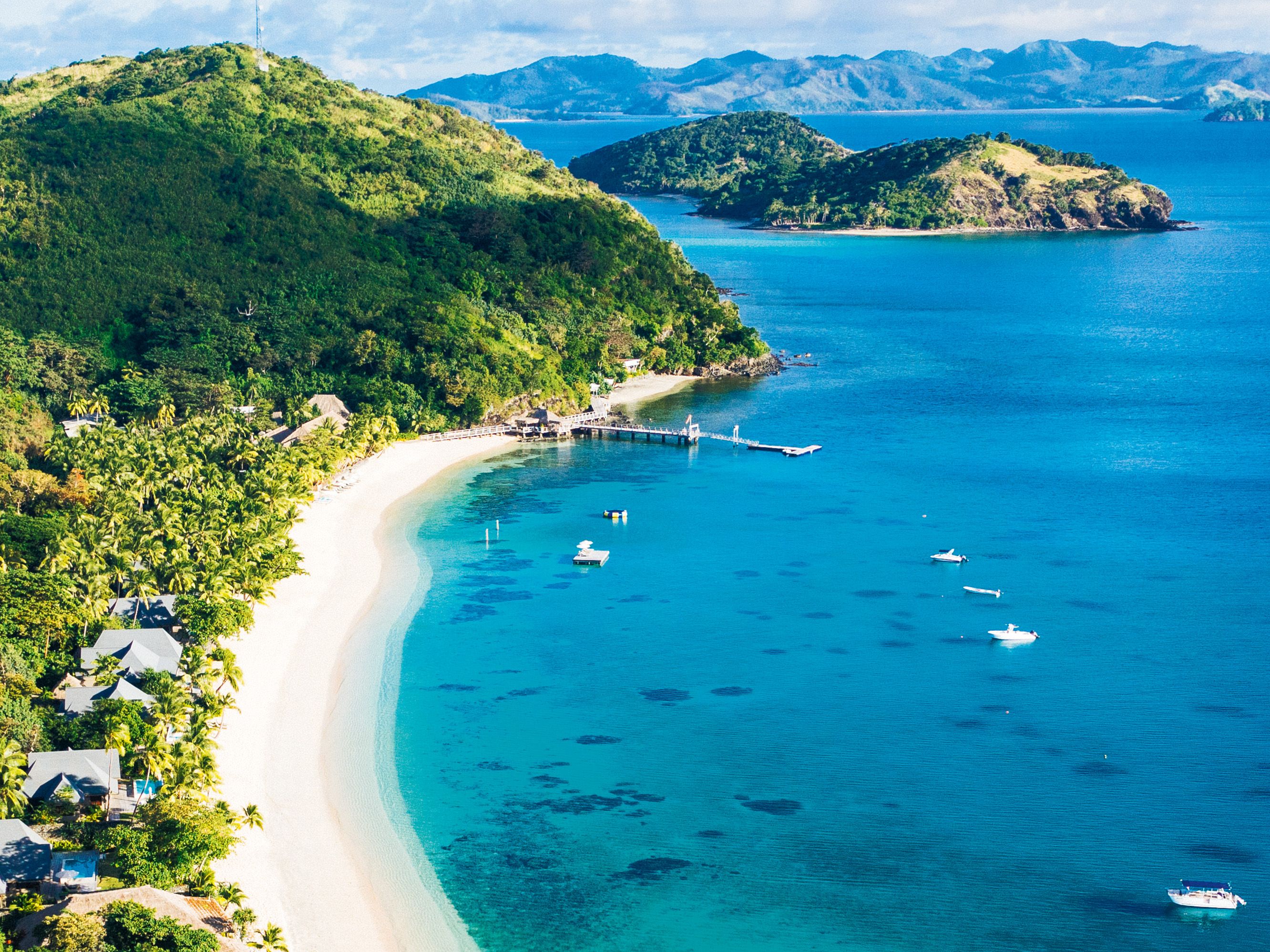
Fiji is your go-to for vibrant culture, easygoing adventure, and a more budget-friendly experience, ideal for families, backpackers, and social travelers (daily budget $150-400 USD). Tahiti, especially its outer islands like Bora Bora, offers unparalleled luxury, breathtaking private bungalows, and a quieter, more romantic escape, perfect for honeymooners and high-end travelers (daily budget $400-800+ USD).
- Choose Fiji: If you crave genuine cultural immersion, lively communal experiences, soft adventure, and a more accessible price point. Think island hopping, diving, and friendly 'Bula!' greetings.
- Choose Tahiti: For an exclusive, romantic, and visually stunning escape with pristine overwater bungalows, gourmet dining, and a focus on serene natural beauty and privacy. Perfect for honeymoons or luxury getaways.
- Choose Both: If you have 3+ weeks and a generous budget, you could combine them. Start with Fiji for adventure and culture, then wind down in Tahiti for ultimate relaxation. Fly Fiji Airways to LAX, then Air Tahiti Nui to PPT.
Quick Comparison
| Category | Fiji | Tahiti | Winner |
|---|---|---|---|
| Beaches & Water Activities | Stunning white-sand beaches, vibrant coral reefs, world-class diving/snorkeling, surf breaks, and island hopping in Mamanucas/Yasawas. | Dramatic volcanic peaks meeting turquoise lagoons, iconic overwater bungalows, black sand beaches, and incredible snorkeling/diving. | Tie |
| Costs & Budget | Significantly more affordable across accommodation, food, and activities. Budget-friendly options abound for all types of travelers. | One of the most expensive destinations globally, especially on popular islands like Bora Bora. Luxury is the standard, and even basic costs are high. | Fiji |
| Culture & Local Interaction | Warm, welcoming 'Bula' spirit; communal villages, kava ceremonies, meke dances, and readily available cultural experiences. | Rich Polynesian culture, but often more reserved and less tourist-facing, with interactions often limited to organized tours or smaller islands. | Fiji |
| Getting There & Flights | Good connectivity from North America, Australia, and New Zealand. Main airport is Nadi (NAN). | Good connectivity from North America (especially West Coast) and France. Main airport is Papeete (PPT). | Tahiti |
| Accommodation & Stays | Wide range from backpacker hostels to mid-range resorts and luxury island escapes, including unique village stays. | Dominated by high-end, international luxury resorts, particularly famous for iconic overwater bungalows; fewer budget options. | Fiji |
| Food & Dining | Hearty, often Indian-influenced cuisine, fresh seafood, local root crops; more casual dining with budget-friendly options. | Refined French-Polynesian fusion, exquisite fresh seafood (e.g., poisson cru), high-end dining experiences, but very expensive. | Tahiti |
| Nightlife & Entertainment | Lively resort bars, casual pubs in Nadi, traditional kava ceremonies, often communal singing and dancing. | Very subdued, primarily resort-based cocktail bars; Papeete has a few local bars and nightclubs, but not a party destination. | Fiji |
| Nature & Scenery | Lush green islands, volcanic peaks, vast coral reefs, waterfalls, and diverse marine life; more rugged beauty. | Iconic volcanic peaks (like Mt. Otemanu), dramatic emerald lagoons, pristine overwater environments, and vibrant reef systems; polished beauty. | Tahiti |
| Families & Kids | Extremely family-friendly with dedicated kids' clubs, welcoming local culture, and a range of activities for all ages. | Can be family-friendly, but often geared towards couples; activities and dining can be very expensive for larger groups. | Fiji |
| Getting Around & Logistics | Good internal flights, extensive ferry network for island hopping, affordable public buses, taxis, and resort transfers. | Mostly internal flights (Air Tahiti), inter-island ferries between Tahiti/Moorea, very expensive taxis, rental cars recommended on larger islands. | Fiji |
🏖️ Beaches & Water Activities
Both destinations boast incredible water activities, but with different flavors. Fiji offers endless vibrant coral reefs perfect for snorkeling and diving, particularly around the Mamanuca and Yasawa Islands. You can explore sites like the Great Astrolabe Reef or surf Cloudbreak, one of the world's most famous left-hand breaks. Popular activities include jet skiing, parasailing, and day trips to spots like Malamala Beach Club or Cloud 9, a floating bar. Expect to pay around FJD $150-300 (USD $65-130) for a good day tour. Tahiti and its islands, while having fewer classic 'white sand' beaches on the main island (many are black volcanic sand), feature unparalleled lagoons, especially around Bora Bora and Moorea. The snorkeling with manta rays and sharks in Bora Bora is legendary, and the clarity of the water around overwater bungalows is mesmerizing. A half-day lagoon tour in Bora Bora can run XPF 10,000-20,000 (USD $90-180). 'Fiji felt more active with all the island hopping, but the sheer beauty of Bora Bora's lagoon is just next level, almost unreal.'
Winner takeaway
- Winner: Tie
- Why: Both offer distinct, world-class experiences on and in the water, catering to different preferences for activity vs. serenity.
- Who this matters for: Everyone seeking a tropical paradise, especially divers, snorkelers, and those who love being on the water.
💰 Costs & Budget
Fiji is hands down the more budget-friendly choice. For a backpacker, you can find hostel dorms for FJD $30-70 (USD $13-30) per night, and local meals at markets or small eateries for FJD $10-25 (USD $4-11). Mid-range hotels in Nadi or Denarau range from FJD $250-500 (USD $110-220), with resort meals around FJD $40-80 (USD $18-35). A comfortable daily budget for Fiji could be $150-250 USD. Tahiti, on the other hand, is notorious for its high prices. Even a basic 'pension' (guesthouse) can start at XPF 10,000 (USD $90) on the main island, while iconic overwater bungalows in Bora Bora easily fetch XPF 70,000-150,000+ (USD $600-1300+) per night. A simple meal can cost XPF 2,500-4,000 (USD $22-35), and cocktails in resorts can be XPF 1,500 (USD $13). 'We spent more in three days in Bora Bora than a week in Fiji. Everything just costs more, even the water.' A realistic daily budget for Tahiti starts at $400 USD and goes up quickly.
Winner takeaway
- Winner: Fiji
- Why: Fiji offers a much wider range of price points, making it accessible to more travelers, from backpackers to luxury seekers.
- Who this matters for: Budget-conscious travelers, backpackers, families, and anyone looking to maximize their travel funds without sacrificing experience.
🗿 Culture & Local Interaction
Fiji's culture is its beating heart. The 'Bula!' spirit is genuine and pervasive; you'll be greeted with warmth everywhere. Cultural immersion is easy and encouraged, from visiting local villages (e.g., Navala Village on Viti Levu, often part of highland tours for FJD $100-200 / USD $45-90) to participating in traditional kava ceremonies, attending a meke (traditional dance) performance at your resort, or sharing a 'lovo' (underground oven feast). Fijians are incredibly proud of their heritage and eager to share it. Tahiti also has a deep and ancient Polynesian culture, but it can feel less accessible to the average tourist, particularly in the highly-resorted areas of Bora Bora. While you can find cultural shows, visit marae (ancient temples), and explore Papeete's market for local crafts, spontaneous interactions are less common. 'Fiji just felt so open and welcoming, everyone wants to chat. In Tahiti, it felt like you had to seek out the local vibe a bit more, it wasn't as upfront.' Moorea offers slightly more accessible cultural experiences than Bora Bora. Overall, Fiji feels more vibrant and interactive culturally.
Winner takeaway
- Winner: Fiji
- Why: Fiji's 'Bula' spirit creates an incredibly open and engaging cultural experience that is easy for travelers to participate in.
- Who this matters for: Travelers who prioritize authentic cultural exchange, enjoy meeting locals, and want to feel truly immersed in their destination.
✈️ Getting There & Flights
Both destinations are accessible, but Tahiti often boasts shorter flight times from the US West Coast, making it a slightly easier 'hop' for many. From Los Angeles (LAX), a direct flight to Papeete (PPT) on Air Tahiti Nui or French bee takes approximately 8 hours. From the same starting point, a direct flight to Nadi (NAN) on Fiji Airways takes about 10.5-11 hours. For Australians and New Zealanders, Fiji is considerably closer and cheaper to reach. Air New Zealand, Qantas, Virgin Australia, and Fiji Airways all have frequent flights. From Europe, both require long multi-stop journeys, often via LAX or Asia. Flights to Tahiti can be pricey, with round-trip economy fares from LAX often starting at USD $1000-1500, especially to connect to Bora Bora. Fiji flights from LAX are often in the USD $800-1200 range. 'The 8-hour flight to Tahiti felt way more manageable than the 11 to Fiji after a long work week.' Connectivity within the islands in Tahiti (e.g., to Bora Bora or Moorea) is via Air Tahiti, which can be expensive (XPF 15,000-30,000 / USD $130-260 round trip for short hops).
Winner takeaway
- Winner: Tahiti
- Why: Tahiti generally offers shorter, more direct flight times from key North American gateways, reducing travel fatigue.
- Who this matters for: Travelers originating from the US West Coast, or those who prioritize shorter flight durations.
🏨 Accommodation & Stays
Fiji offers a far more diverse range of accommodation options, catering to every budget and style. You can find vibrant backpacker hostels like Smugglers Cove or Wailoaloa Beach Resort in Nadi for FJD $30-70 (USD $13-30) a night. Mid-range resorts on Denarau Island (e.g., Sofitel, Sheraton) offer comfortable stays from FJD $400-800 (USD $180-350). For a truly unique experience, many small, locally-owned resorts on the Mamanuca and Yasawa Islands provide charming bures (traditional huts) and meal plans, ranging from FJD $150-500 (USD $65-220). Tahiti, especially its most famous islands like Bora Bora, is synonymous with luxury. Overwater bungalows at resorts like St. Regis Bora Bora or Four Seasons Bora Bora start at XPF 100,000 (USD $900) and easily climb to XPF 200,000+ (USD $1800+) per night. On the main island of Tahiti and Moorea, you can find pensions (guesthouses) or smaller hotels starting around XPF 10,000-25,000 (USD $90-220), but these are not as prevalent or iconic. 'We stayed in a lovely family-run resort in Fiji for like $200 a night, all meals included. Couldn't even get a basic room for that in Bora Bora.'
Winner takeaway
- Winner: Fiji
- Why: Fiji provides an extensive spectrum of accommodation, ensuring every traveler can find a suitable and enjoyable place to stay within their budget.
- Who this matters for: Budget travelers, families, groups, and those seeking a wider variety of unique local stay experiences beyond luxury resorts.
🍽️ Food & Dining
While both offer delicious food, Tahiti wins for its culinary sophistication, especially for those who appreciate French influence and gourmet dining. Tahitian cuisine is a delightful fusion of French techniques with fresh Polynesian ingredients. Iconic dishes like 'poisson cru' (raw fish marinated in lime juice and coconut milk, similar to ceviche) are ubiquitous and sublime. High-end resorts offer world-class dining, like the St. James Bora Bora, where a multi-course meal can easily be XPF 10,000-20,000 (USD $90-180) per person. Even food trucks ('roulottes') in Papeete offer excellent, relatively more affordable meals (XPF 1,500-3,000 / USD $13-26). Fiji's food scene is hearty and flavorful, with strong Indian influences due to its population. Curries, roti, and fresh seafood are staples. A traditional 'lovo' feast is a must-try. Dining options range from casual local eateries (FJD $10-25 / USD $4-11) to resort restaurants (FJD $40-80 / USD $18-35). 'Honestly, the food in Tahiti, especially Bora Bora, was a highlight. That fresh tuna just melts. Fiji was good, but not quite the same level of refined cuisine.'
Winner takeaway
- Winner: Tahiti
- Why: Tahiti offers a more refined, diverse, and gastronomically sophisticated culinary experience, blending French haute cuisine with fresh Polynesian flavors.
- Who this matters for: Foodies, couples seeking romantic gourmet dinners, and those who prioritize high-quality dining as part of their travel experience.
🎉 Nightlife & Entertainment
If you're looking for a lively night out, Fiji has more to offer. While neither is a 'party hard' destination like Bangkok or Ibiza, Fiji provides more opportunities for social evenings. In Nadi, you'll find a strip of bars and restaurants on Wailoaloa Beach like Smugglers Cove or Bamboo Travellers, where backpackers and locals mingle. Denarau Island resorts offer sophisticated cocktail bars and live music. The highlight for many is the communal aspect: kava ceremonies often turn into impromptu singing and guitar sessions, especially in smaller island resorts or village visits. Tahiti's nightlife is significantly more subdued and primarily centered within luxury resorts, where you'll find elegant cocktail lounges (e.g., the bar at Le Méridien Tahiti) or quiet, romantic settings in Bora Bora. Papeete, the capital, has a few local bars and small nightclubs, but these cater more to locals and aren't typically a tourist draw. 'Fiji had those fun, impromptu singalongs and kava nights, which felt really authentic. Tahiti felt like everyone was just tucked away in their bungalows after dinner.'
Winner takeaway
- Winner: Fiji
- Why: Fiji offers more accessible and varied options for evening entertainment, from casual bars to communal cultural experiences.
- Who this matters for: Solo travelers, backpackers, social butterflies, and anyone who enjoys a more interactive and lively evening scene.
⛰️ Nature & Scenery
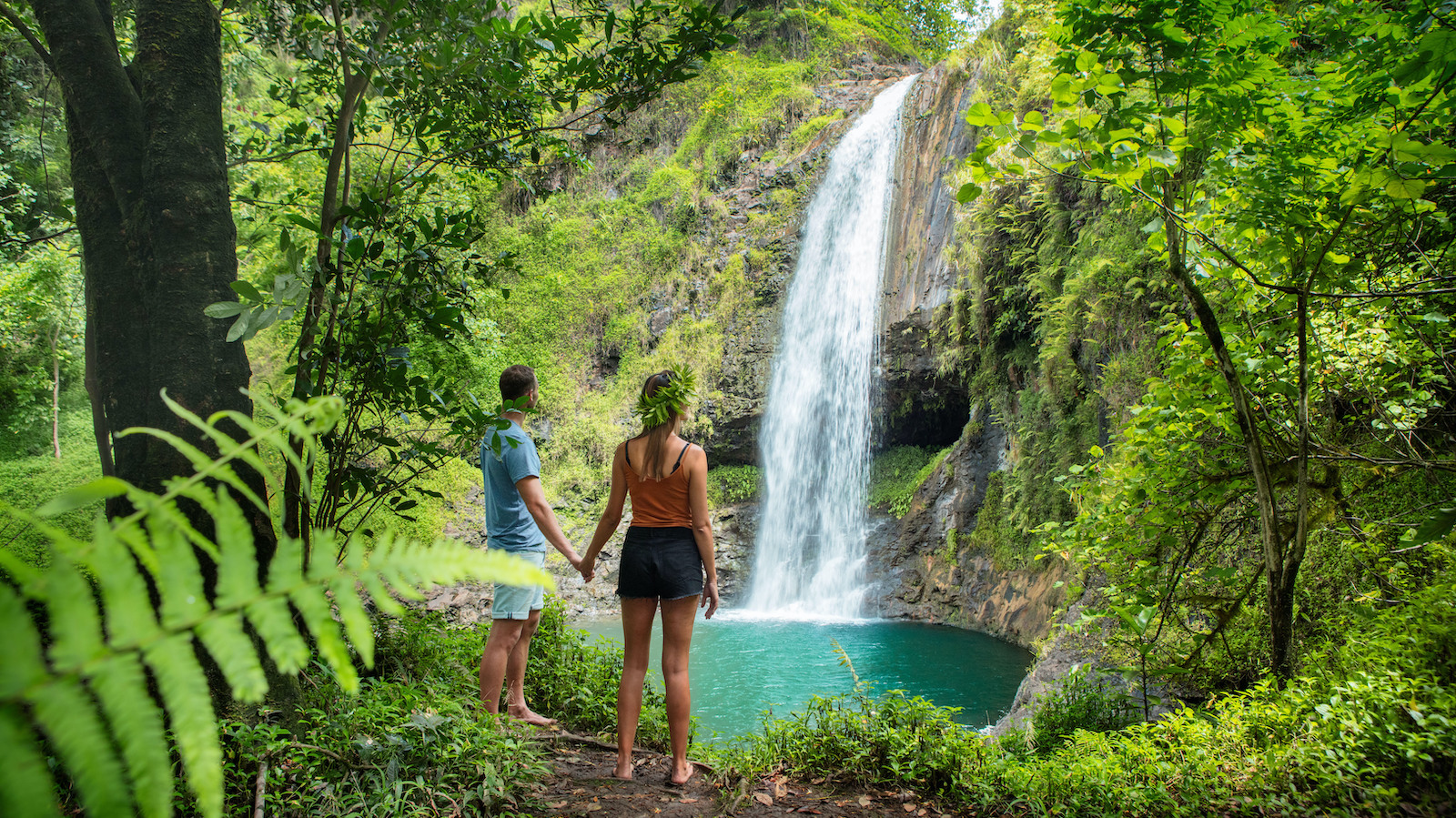
Tahiti, particularly its outer islands, offers some of the most iconic and jaw-dropping natural scenery on the planet. The vision of majestic volcanic peaks plunging into unbelievably turquoise lagoons (like Bora Bora's Mt. Otemanu or Moorea's Mt. Rotui) is truly unparalleled and has become the quintessential image of South Pacific paradise. The clarity of the water and the vibrant colors of the lagoons are almost surreal. While Fiji has its own spectacular beauty – lush green interior, dramatic waterfalls (like Taveuni's Bouma Waterfalls, FJD $10-20 entry / USD $4-9), and vast coral reefs – it feels more rugged and perhaps less 'photogenically perfect' than Tahiti's polished vistas. Fiji's beauty is wilder, more about exploration and discovery (e.g., exploring the Garden of the Sleeping Giant, FJD $25 / USD $11). 'The mountains rising out of the turquoise lagoons in Bora Bora just blew my mind. It's like a postcard everywhere you look.' Both have incredible marine life, but Tahiti's dramatic landscapes combined with its pristine lagoons create a more universally 'wow-factor' natural spectacle.
Winner takeaway
- Winner: Tahiti
- Why: Tahiti's dramatic volcanic landscapes, iconic lagoons, and picture-perfect overwater settings offer a more universally stunning and 'post-card perfect' natural beauty.
- Who this matters for: Photographers, honeymooners, and anyone seeking iconic, breathtaking natural scenery that defines a luxury tropical escape.
👨👩👧👦 Families & Kids
Fiji is renowned as one of the most family-friendly destinations in the world. The 'Bula' spirit extends warmly to children, and Fijians genuinely adore kids. Many resorts, especially on Denarau Island (e.g., Radisson Blu, Hilton) and the Mamanucas/Yasawas (e.g., Castaway Island, Plantation Island Resort), boast excellent, often complimentary, kids' clubs, nannies, and dedicated children's pools and activities. Meals are often flexible, and the resort setup makes it easy for parents to relax while kids are entertained. Activities like snorkeling, paddleboarding, and village visits are easily accessible for various age groups, and the cost structure is much more manageable for a family budget. Tahiti, while beautiful, is predominantly geared towards romantic escapes and honeymoons. While resorts do accommodate families, dedicated kids' clubs are less common or may come at an extra cost. The high price point for accommodation, food, and activities can quickly add up for a family. 'Fiji was a dream with our kids, everyone was so welcoming, and the kids club at the Radisson was amazing. Bora Bora would have bankrupted us with two little ones.' Getting around and finding diverse dining options outside of resorts can also be more challenging for families in Tahiti.
Winner takeaway
- Winner: Fiji
- Why: Fiji's exceptionally welcoming culture, abundant family-focused resorts with kids' clubs, and more affordable pricing make it an ideal choice for families.
- Who this matters for: Families with young children or teenagers, parents seeking kid-friendly amenities and a relaxing vacation.
🗺️ Getting Around & Logistics
Fiji offers more straightforward and budget-friendly options for getting around. From Nadi, you can catch affordable public buses to various points on Viti Levu (e.g., Nadi to Suva for FJD $15-25 / USD $7-11). For island hopping in the Mamanucas and Yasawas, robust ferry services like the Malolo Cat or Yasawa Flyer provide daily connections to numerous resorts and islands, costing FJD $80-200 (USD $35-90) depending on distance. Taxis are available and reasonably priced compared to other Pacific islands. While domestic flights with Fiji Airways Link exist, the ferry network covers most popular tourist routes. In Tahiti, internal travel largely relies on Air Tahiti domestic flights between islands like Tahiti, Moorea, Bora Bora, and Rangiroa, which, while efficient, can be very expensive (e.g., Tahiti to Bora Bora round trip XPF 25,000-40,000 / USD $220-350). Ferries run frequently between Tahiti and Moorea (Aremiti, Terevau for XPF 1,500 / USD $13 one way). Taxis are exorbitant, especially in Bora Bora where a 15-minute ride can be XPF 3,000-5,000 (USD $26-44). Rental cars are recommended on Tahiti and Moorea for independent exploration, costing around XPF 5,000-8,000 (USD $44-70) per day. 'Fiji's ferry system made island hopping so easy and affordable, like a giant bus on the water. In Tahiti, every inter-island move felt like a major expense and planning ordeal.'
Winner takeaway
- Winner: Fiji
- Why: Fiji offers a more integrated and budget-friendly transportation network, making island hopping and local exploration more accessible.
- Who this matters for: Independent travelers, backpackers, families, and anyone who wants ease and affordability in exploring multiple locations.
❓ Frequently Asked Questions
Which destination is better for a honeymoon?
Tahiti, especially Bora Bora, is the quintessential honeymoon destination. Its iconic overwater bungalows, private lagoons, and focus on luxury and seclusion create an incredibly romantic and unforgettable experience. While Fiji has beautiful resorts for couples, Tahiti offers that extra layer of unparalleled romance and exclusivity.
Is solo travel easy in Fiji or Tahiti?
Fiji is generally much easier and more welcoming for solo travelers. Its vibrant backpacker scene, numerous hostels, and the friendly 'Bula' culture make it easy to meet people and join activities. Tahiti is beautiful but can feel more isolated for solo travelers, with fewer budget options and less emphasis on communal interaction.
What's the best time of year to visit either destination?
Both enjoy a dry season from May to October, which is generally considered the best time to visit due to less rain, lower humidity, and cooler temperatures. This also coincides with peak tourist season, so expect higher prices and more crowds. The wet season (November to April) brings more rain and humidity but can offer lower prices.
Do I need a visa for Fiji or Tahiti?
For short tourist stays (typically up to 4 months for Fiji, 3 months for Tahiti), many nationalities, including US, Canadian, UK, and Australian citizens, do not require a visa and are granted one upon arrival. Always check the latest requirements based on your specific nationality before traveling, as policies can change.
Is either destination known for good surfing?
Fiji is a world-renowned surfing destination, particularly for its legendary breaks like Cloudbreak and Restaurants near Tavarua and Namotu Islands. These are serious waves for experienced surfers. Tahiti also has good surfing, especially on its south coast and some outer islands, but Fiji is more globally famous for its consistent, powerful swells.
Which destination offers better opportunities for authentic cultural experiences?
Fiji wins here hands down. The Fijian 'Bula' spirit is incredibly open and welcoming, making cultural immersion easy and organic. You can visit villages, participate in kava ceremonies, and enjoy traditional meke dances. While Tahiti has a rich Polynesian heritage, its cultural experiences often feel more structured and less spontaneous for tourists.
Are mosquitoes a problem in Fiji or Tahiti?
Yes, mosquitoes can be present in both Fiji and Tahiti, especially during the wet season and at dusk. Dengue fever is a risk in both regions. It's highly recommended to use insect repellent containing DEET, wear long sleeves and pants during peak mosquito hours, and ensure your accommodation has screens or mosquito nets.
Which destination is better for a diving trip?
Both offer incredible diving, but Fiji, often called the 'Soft Coral Capital of the World,' is arguably better for divers seeking vibrant, healthy soft coral reefs and diverse marine life. World-class dive sites like the Great Astrolabe Reef and the Rainbow Reef are spectacular. Tahiti also has excellent diving, particularly drift dives in its atolls like Fakarava, known for shark walls and pelagic species.
Ready to plan your South Pacific trip?
Get a free custom itinerary for Fiji, Tahiti, or both — built from real traveler insights.
🎟️ Book Tours & Experiences
Hand-picked tours and activities for both destinations — book with free cancellation
Experiences via Viator — free cancellation on most tours