How we built this comparison
This page combines traveler discussion patterns, published price ranges, flight schedules, and seasonal data to help you decide between Finland and Georgia.
- Reviewed 50+ Reddit threads from r/travel, r/solotravel, r/Finland, r/GeorgiaTravel, r/tbilisi, and other regional subreddits for real traveler experiences and costs.
- Verified costs and logistics against current booking platforms (e.g., Booking.com, Skyscanner, local transport providers) and recent traveler reports.
- Cross-referenced seasonal patterns, weather data, and major events to determine optimal travel times and category winners.
⚡ The TL;DR Verdict
If your wallet allows for clean, organized, quiet experiences focused on nature and design, pick Finland. If you seek raw adventure, ancient traditions, a buzzing social scene, and incredible value, Georgia is your destination. Most travelers seeking adventure and unique food for a reasonable budget should lean towards Georgia.
- Choose Finland: Travelers prioritizing safety, pristine nature, modern design, and quiet, structured itineraries, especially those interested in winter activities or Nordic culture.
- Choose Georgia: Travelers on a budget seeking adventure, historical sites, unique food and wine, mountain trekking, and a more spontaneous, often chaotic, travel experience.
- Choose Both: A two-week trip could allow for a shorter visit to Helsinki or Lapland combined with a more extensive exploration of Georgia, if varying climates and logistics are acceptable.
Choose Finland
Choose Finland for a serene, design-focused escape, perfect for travelers prioritizing safety, pristine nature, and modern comforts. Indulge in Helsinki's architectural marvels or chase the Northern Lights in Lapland, enjoying quiet tranquility and well-organized experiences. It's best for those with a higher budget seeking a peaceful, quality-driven Nordic adventure and a structured itinerary.
Choose Georgia
Opt for Georgia if you crave an authentic, high-value adventure brimming with ancient history and vibrant culture. Explore Tbilisi's eclectic streets, hike the stunning Svaneti mountains, or sample unique wines in Kakheti. This destination is ideal for budget-conscious adventurers, foodies, and culture seekers who embrace spontaneity and a lively social atmosphere.
Quick Comparison
| Category | Finland | Georgia | Winner |
|---|---|---|---|
| Costs & Budget | Significantly higher costs across the board for accommodation, food, and activities. Expect to pay more for basic services. | Very budget-friendly, especially for food, transport, and guesthouses. Excellent value for money for most services. | Georgia |
| Food & Drink | Focus on seasonal ingredients, salmon, rye bread, berries. Food is fresh and simple, but dining out is costly. | Rich, diverse cuisine with strong flavors, heavy on meat, cheese, bread, and wine. Food is a central part of the social experience. | Georgia |
| Nature & Scenery | Vast, pristine forests, thousands of lakes, and the opportunity to see the Aurora Borealis. Clean and quiet landscapes. | Dramatic Caucasus Mountains, deep valleys, lush vineyards, and varied climates from high alpine to subtropical Black Sea coast. | Tie |
| Culture & History | Nordic culture, sauna tradition, modern design, strong emphasis on equality and functionalism. History shaped by Swedish and Russian rule. | Ancient Christian history, unique language and alphabet, rich folk traditions, hospitality. Influenced by Persian, Ottoman, and Russian empires. | Georgia |
| Getting There & Around | Good air connections to Helsinki. Excellent public transport, efficient trains, and well-maintained roads. Car rentals are expensive. | Direct flights mainly from Europe. Local transport relies on marshrutkas (minibuses) and taxis; roads can be challenging in mountains. | Finland |
| Accommodation | Hotels are modern and clean but expensive. Hostels are high quality. Cottages by lakes are popular. | Guesthouses offer local hospitality and great value. Hotels are available in cities. Budget hostels are common. | Georgia |
| Safety | One of the safest countries in the world with very low crime rates. Public spaces are secure. | Generally safe, especially for tourists. Petty crime exists in Tbilisi. Driving can be unpredictable. | Finland |
| Nightlife | Helsinki has a concentrated bar and club scene. Local pubs and relaxed social drinking are common. Pricey drinks. | Tbilisi has a dynamic club scene with electronic music. Wine bars and traditional taverns are popular across the country. | Georgia |
| Activities & Experiences | Saunas, Northern Lights viewing, husky sledding, visiting Santa Claus Village, lake cruises, archipelago exploration. | Wine tasting, hiking in the Caucasus, exploring ancient cave cities, cooking classes, thermal baths, Black Sea beaches. | Georgia |
| Weather & Seasons | Cold, snowy winters (long dark periods). Mild, bright summers with extended daylight. Spring and autumn are cool. | Hot summers, mild winters in cities, snowy winters in mountains. Varied climate across regions, from subtropical to alpine. | Tie |
💰 Costs & Budget
Finland is an expensive country by European standards. A budget traveler staying in hostels, cooking some meals, and using public transport can expect to spend €80-150 ($90-170)…
Finland

Georgia
Finland is an expensive country by European standards. A budget traveler staying in hostels, cooking some meals, and using public transport can expect to spend €80-150 ($90-170) per day. A mid-range trip with private rooms and dining out can easily reach €150-300 ($170-340) daily. A pint of beer in Helsinki costs around €7-9 ($8-10), while a basic lunch is €12-20 ($14-23). Activities like a sauna experience can be €20-30 ($23-34) or more.
Georgia offers remarkable value. A budget traveler can manage on GEL 80-150 ($30-55) per day for hostel stays, street food, and marshrutka rides. A comfortable mid-range trip with private guesthouses, restaurant meals, and some tours might be GEL 150-300 ($55-110) daily. A large khachapuri is GEL 10-20 ($4-7), a glass of wine is GEL 5-10 ($2-4), and local transport is GEL 1-2 ($0.40-0.75). The difference in daily spending is substantial. Tabiji verdict: Georgia wins this category without question, offering exceptional travel value.
- Winner: Georgia
- Why: Georgia offers significantly lower costs for accommodation, food, and transport, providing better value for travelers on a budget.
- Who this matters for: Budget travelers, long-term travelers, and anyone prioritizing value for money.
🍽️ Food & Drink
Finnish cuisine is often understated, emphasizing fresh, local ingredients like salmon, reindeer, root vegetables, and berries. Traditional dishes include Kalakukko (fish pie),…
Finland
Georgia
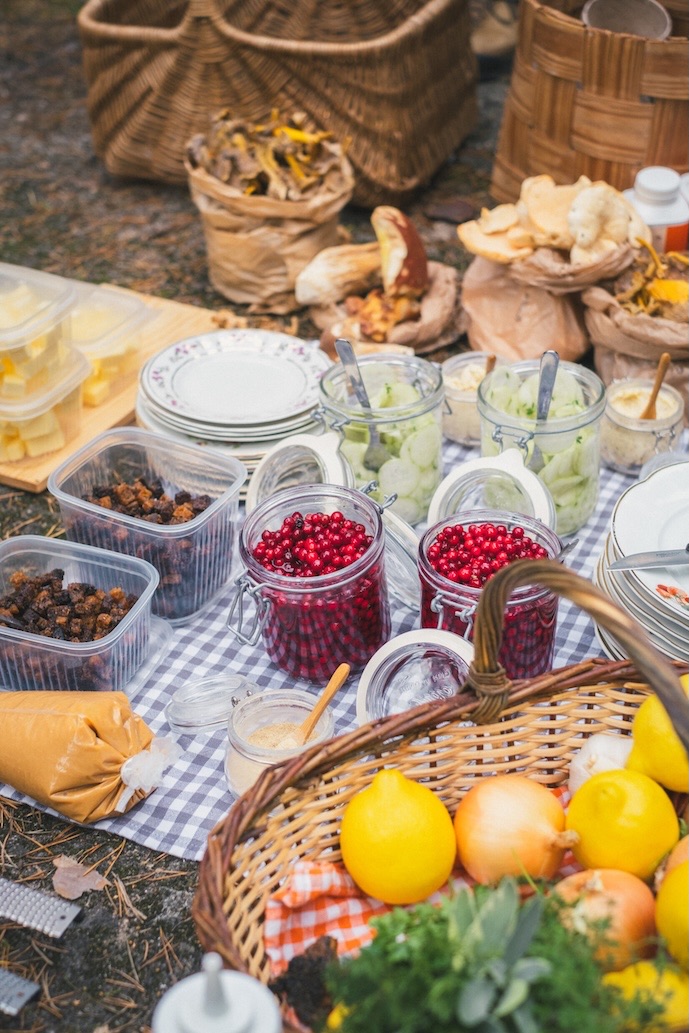
Finnish cuisine is often understated, emphasizing fresh, local ingredients like salmon, reindeer, root vegetables, and berries. Traditional dishes include Kalakukko (fish pie), Karjalanpiirakka (rye crust pastries with rice porridge), and various preparations of game meats. Dining out, especially in Helsinki, is expensive; a decent restaurant meal can be €30-50 ($34-57) per person without drinks. Supermarket food is high quality but also expensive. Coffee culture is strong, and pastries are common.
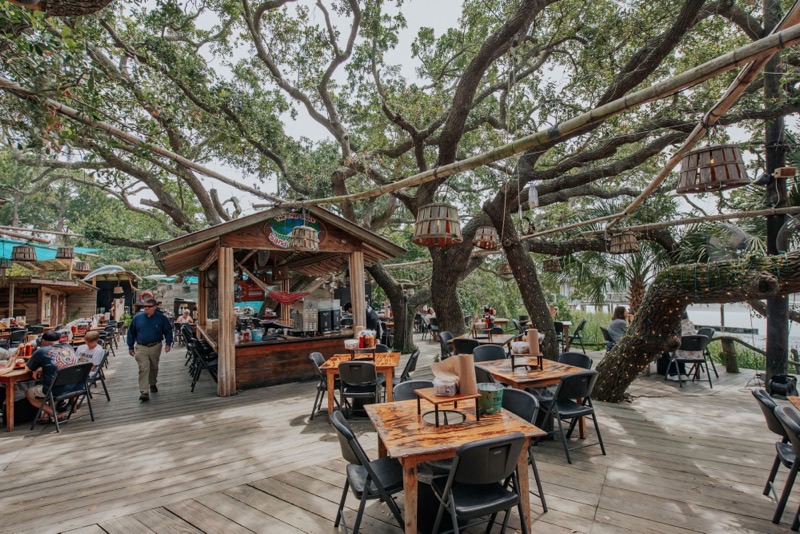
Georgian food is a highlight of any trip there. Dishes like Khachapuri (cheese bread, many varieties like Adjaruli with egg), Khinkali (dumplings), Mtsvadi (meat skewers), and Lobiani (bean bread) are staples. The country is the 'cradle of wine,' with a winemaking tradition spanning 8,000 years, often using qvevri (clay amphorae). Eating out is a social event, and family-style supra (feasts) are common. A hearty meal with wine costs GEL 30-60 ($11-22) per person. Tabiji verdict: Georgia's food scene is a major draw, offering depth, flavor, and cultural significance that surpasses Finland's simpler fare.
- Winner: Georgia
- Why: Georgia's cuisine is incredibly diverse, flavorful, and deeply integrated into its social fabric, offering a more memorable culinary journey.
- Who this matters for: Food enthusiasts, budget gourmands, and travelers who see eating as a central part of their travel experience.
🌲 Nature & Scenery
Finland is defined by its nature. The country is over 70% forest, with approximately 188,000 lakes. Lakeland offers kayaking, hiking, and cottage stays around Saimaa. Lapland…
Finland
Georgia
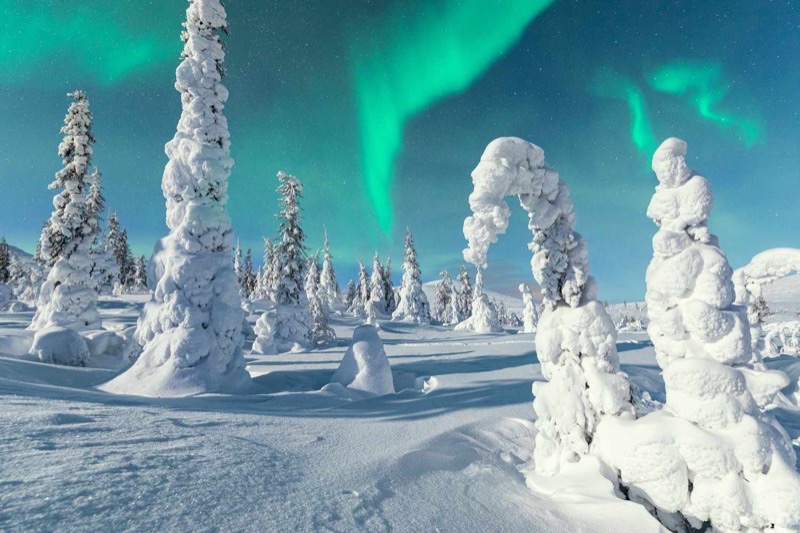
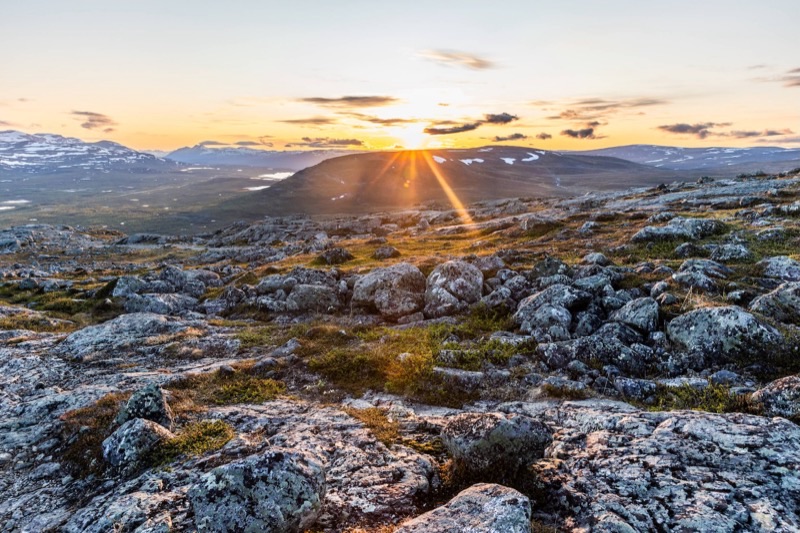
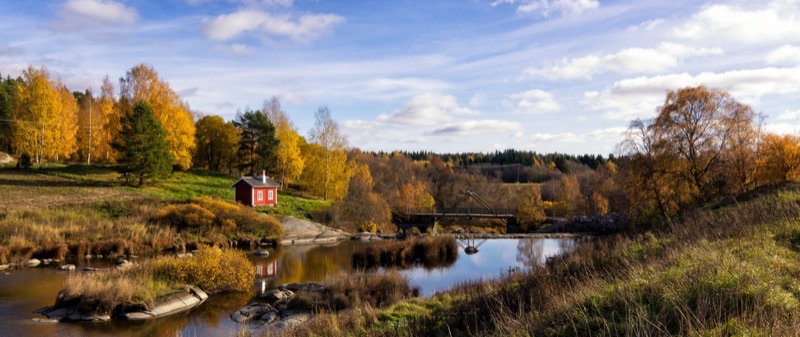
Finland is defined by its nature. The country is over 70% forest, with approximately 188,000 lakes. Lakeland offers kayaking, hiking, and cottage stays around Saimaa. Lapland provides Arctic experiences like husky sledding, reindeer safaris, and excellent chances to see the Northern Lights from September to March. National parks like Koli and Urho Kekkonen protect large expanses of wilderness. The air is clean, and silence is a common experience. Accessibility to nature is easy, even near cities.
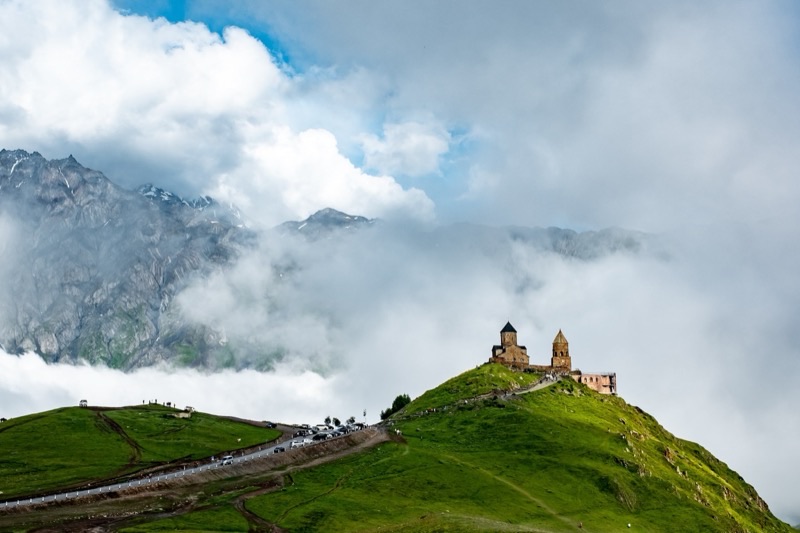
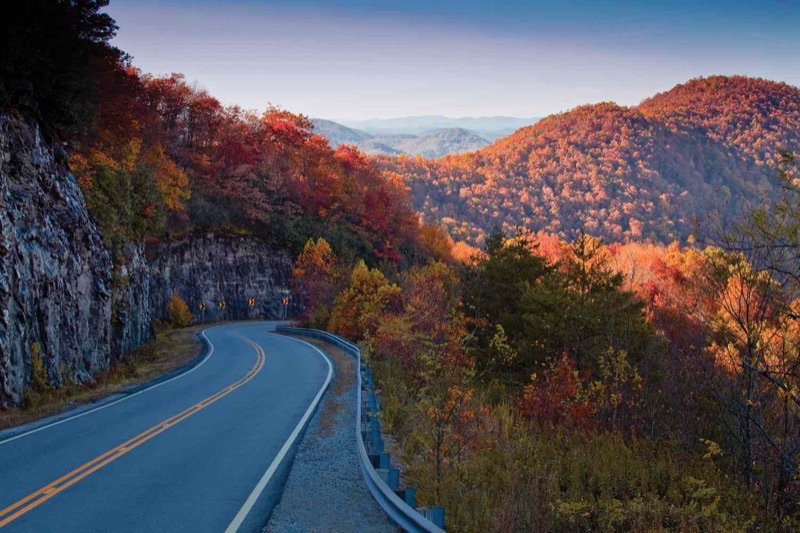
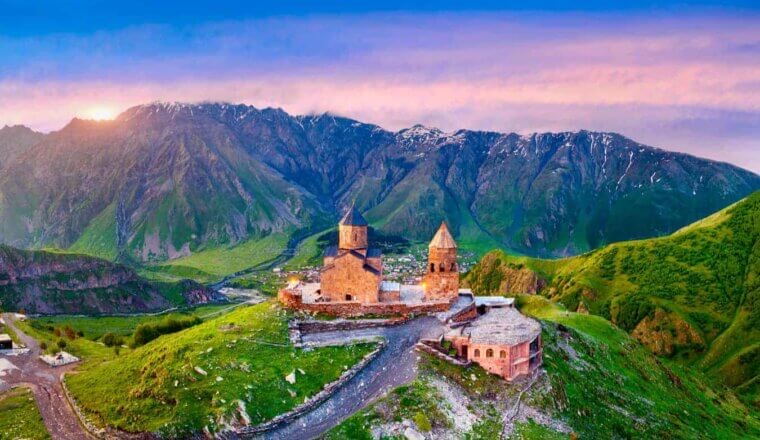
Georgia offers a different kind of natural spectacle. The Caucasus Mountains dominate the north, with trekking routes in Svaneti (Mestia to Ushguli) and Kazbegi (Gergeti Trinity Church views). The country also features semi-desert landscapes near David Gareja, lush forests in Borjomi-Kharagauli National Park, and the Black Sea coast in Batumi. The variety of ecosystems in a relatively small area is remarkable. Both countries provide exceptional natural experiences, just with different characteristics. Tabiji verdict: This category is a tie, as both countries offer distinct, high-quality natural environments catering to different preferences for landscapes and activities.
- Winner: Tie
- Why: Both countries offer distinct and impressive natural environments, from Finland's serene lakes and forests to Georgia's dramatic mountains and varied landscapes.
- Who this matters for: Outdoor enthusiasts, hikers, nature photographers, and those seeking either serene wilderness or dramatic mountain vistas.
🏛️ Culture & History
Finnish culture is characterized by its deep connection to nature, the importance of the sauna (an integral part of daily life, with over 3 million saunas for 5.5 million people),…
Finland
Georgia
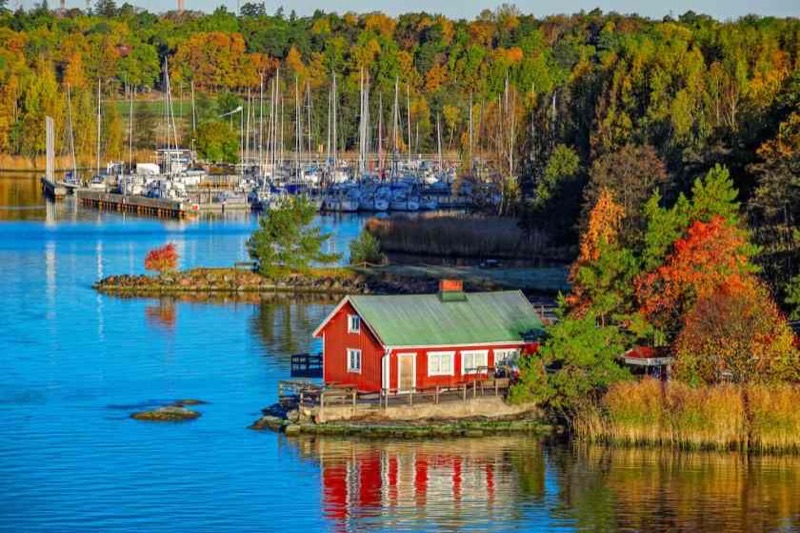
Finnish culture is characterized by its deep connection to nature, the importance of the sauna (an integral part of daily life, with over 3 million saunas for 5.5 million people), and a strong design heritage (Marimekko, Alvar Aalto). Helsinki features the Kiasma museum of contemporary art and the Ateneum art museum. Suomenlinna sea fortress offers historical insights. Finns are generally reserved but warm up once you get to know them. Their history is tied to centuries under Swedish and Russian empires, reflected in architecture and language.
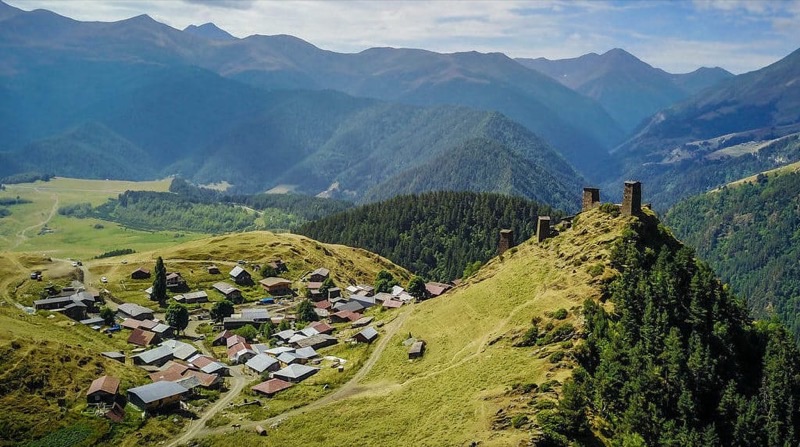
Georgia's history stretches back millennia, with evidence of early human habitation and a long Christian tradition dating to the 4th century. Sites like the ancient cave city of Vardzia, the rock-hewn town of Uplistsikhe, and the numerous monasteries (Gelati, Svetitskhoveli) offer glimpses into its past. Tbilisi's Old Town presents a blend of Persian, Ottoman, and European architectural styles. The Georgian language and alphabet are unique. Hospitality (Tamada culture, toasts) is central to their way of life. Tabiji verdict: Georgia's profound and visible historical layers, combined with its distinct cultural practices, offer a more immersive experience for history and culture seekers.
- Winner: Georgia
- Why: Georgia's ancient history, unique language, and deep-seated traditions, visible in its architecture and social customs, provide a more profound cultural immersion.
- Who this matters for: History buffs, anthropologists, and travelers seeking deep cultural interaction and ancient civilizations.
✈️ Getting There & Around
Finland is well-connected by air, with Helsinki-Vantaa Airport (HEL) serving as a major hub with direct flights from North America, Asia, and across Europe. Within Finland, train…
Finland
Georgia
Finland is well-connected by air, with Helsinki-Vantaa Airport (HEL) serving as a major hub with direct flights from North America, Asia, and across Europe. Within Finland, train services (VR) are efficient, covering major cities, and the bus network is comprehensive. Helsinki's public transport system (trams, buses, metro) is clean and punctual. Car rentals are available but expensive, often €50-80 ($57-90) per day, plus high fuel costs. The infrastructure is modern and reliable.
Getting to Georgia, especially Tbilisi (TBS), often involves connecting flights, though direct routes exist from many European cities. Flights from North America usually require two stops. Once in Georgia, marshrutkas are the primary intercity transport, costing GEL 5-20 ($2-7) depending on distance. They are frequent but can be crowded and lack comfort. Taxis (use apps like Bolt or Yandex) are affordable for city travel. Roads outside major cities, particularly in mountain regions like Svaneti, can be poorly maintained and slow. Tabiji verdict: Finland offers a significantly more comfortable, predictable, and efficient travel experience for getting both to and around the country.
- Winner: Finland
- Why: Finland's modern infrastructure, reliable public transport, and extensive flight connections make travel efficient and comfortable.
- Who this matters for: Travelers prioritizing comfort, efficiency, and ease of navigation, especially those who prefer not to drive.
🏨 Accommodation
Accommodation in Finland is consistently high quality but comes at a price. A bed in a well-regarded hostel in Helsinki can be €30-50 ($34-57) per night. Mid-range hotels start at…
Accommodation in Finland is consistently high quality but comes at a price. A bed in a well-regarded hostel in Helsinki can be €30-50 ($34-57) per night. Mid-range hotels start at €100-150 ($114-170) per night, and budget options are limited outside of major cities. Rural areas feature charming cottages, often with saunas, which are popular for summer stays but can also be costly. Booking in advance is advisable, especially during peak seasons like summer or winter in Lapland.
Georgia excels in offering affordable and hospitable accommodation. Guesthouses (often family-run, like 'Guesthouse Gomi' in Mestia) are prevalent outside Tbilisi, offering a room for GEL 40-80 ($15-30) per night, often including breakfast. Hostels in Tbilisi cost GEL 20-40 ($7-15) for a dorm bed. Mid-range hotels in Tbilisi can be found for GEL 100-200 ($37-75). The emphasis is on warmth and local interaction in guesthouses. Tabiji verdict: Georgia provides better value and more opportunities for local interaction through its guesthouse culture, making it the winner for accommodation.
- Winner: Georgia
- Why: Georgia offers significantly better value for accommodation, with numerous budget-friendly guesthouses providing local hospitality and character.
- Who this matters for: Budget-conscious travelers, those seeking local interactions, and anyone looking for good value in lodging.
🛡️ Safety
Finland is consistently ranked among the safest countries globally. Crime rates are very low, even in major cities like Helsinki. Tourists can generally feel secure walking alone…
Finland is consistently ranked among the safest countries globally. Crime rates are very low, even in major cities like Helsinki. Tourists can generally feel secure walking alone at night, and incidents of pickpocketing or theft are uncommon. The police are reliable and visible, and the society operates with a high degree of trust. It is a country where you rarely need to worry about personal safety beyond common sense precautions. Public spaces are well-lit and well-maintained.
Georgia is also generally safe for tourists. Major tourist areas in Tbilisi, Kutaisi, and Batumi are secure. Petty crime, such as pickpocketing, can occur in crowded markets or on public transport, so maintaining awareness is wise. Road safety is a concern, as driving standards can be erratic, and some mountain roads are narrow or unpaved. However, violent crime against tourists is rare. Tabiji verdict: Finland's exceptionally low crime rates and high societal trust make it the clear winner for safety, offering a worry-free travel experience.
- Winner: Finland
- Why: Finland consistently ranks as one of the safest countries in the world, with minimal crime and a very secure environment for travelers.
- Who this matters for: Solo travelers, families with children, and anyone prioritizing a worry-free and secure travel experience.
🍻 Nightlife
Helsinki offers a concentrated nightlife scene, primarily in the city center. There are various pubs, cocktail bars, and clubs playing different music genres. Kallio district is…
Helsinki offers a concentrated nightlife scene, primarily in the city center. There are various pubs, cocktail bars, and clubs playing different music genres. Kallio district is known for its more relaxed, local bars. Prices for drinks are high; a cocktail can cost €12-18 ($14-20), and a pint of beer around €7-9 ($8-10). Finns generally start their evenings later, and social gatherings often involve private home parties before heading out. Outside Helsinki, nightlife is quieter, centered on local pubs.
Georgia's nightlife, especially in Tbilisi, has gained recognition for its electronic music clubs like Bassiani and Khidi, which attract international DJs and a dedicated following. Beyond the club scene, Tbilisi is full of wine bars (such as 'Wine Point' or 'G.Vino') offering local natural wines, as well as traditional 'Dukani' taverns with live music. Batumi also has a growing bar and club scene along the Black Sea coast. Drinks are significantly cheaper than in Finland, with a glass of good wine for GEL 5-10 ($2-4). Tabiji verdict: Georgia, particularly Tbilisi, offers a more diverse, energetic, and affordable nightlife experience, from world-renowned clubs to intimate wine bars.
- Winner: Georgia
- Why: Georgia, especially Tbilisi, boasts a more diverse, energetic, and affordable nightlife, ranging from acclaimed electronic music clubs to traditional wine bars.
- Who this matters for: Younger travelers, party-goers, electronic music fans, and those who enjoy a lively social scene in the evenings.
🗺️ Activities & Experiences
Finland provides experiences often centered around its unique natural environment and cultural practices. Activities include experiencing traditional saunas, seeking the Aurora…
Finland provides experiences often centered around its unique natural environment and cultural practices. Activities include experiencing traditional saunas, seeking the Aurora Borealis in Lapland (especially Rovaniemi or Levi), husky and reindeer safaris, and visiting Santa Claus Village. In summer, lake cruises, fishing, and exploring the archipelago are popular. Helsinki offers design museums and the Suomenlinna fortress. These activities are generally well-organized but can be expensive. A husky safari often costs €100-200 ($114-228).
Georgia offers a wider range of activities for various interests. Wine tasting tours in Kakheti (visiting wineries like Pheasant's Tears or Shumi), trekking in the Svaneti or Kazbegi regions, exploring historical sites like Vardzia or Uplistsikhe, and taking cooking classes for Khachapuri or Khinkali are popular. Tbilisi also has sulfur baths in the Abanotubani district. The Black Sea coast near Batumi offers beach relaxation. Many activities, especially hiking, are free, and organized tours are generally affordable. Tabiji verdict: Georgia's breadth of historical, adventurous, and culinary experiences offers more engagement for a wider variety of travelers.
- Winner: Georgia
- Why: Georgia offers a greater diversity of engaging activities, from ancient history and mountain trekking to world-renowned wine experiences and culinary classes.
- Who this matters for: Adventure seekers, history enthusiasts, foodies, and travelers looking for a wide array of hands-on experiences.
☀️ Weather & Seasons
Finland experiences distinct seasons. Winters (November to March) are cold, with temperatures often below -10°C (14°F), heavy snow, and limited daylight (polar night in the far…
Finland experiences distinct seasons. Winters (November to March) are cold, with temperatures often below -10°C (14°F), heavy snow, and limited daylight (polar night in the far north). This is ideal for Northern Lights viewing and winter sports. Summers (June to August) are mild, with temperatures around 15-25°C (59-77°F), and long daylight hours (midnight sun in the north). Spring and autumn are short, cool, and often rainy. Travelers must pack appropriately for the season.
Georgia has a diverse climate. Summers (June to August) are hot, especially in Tbilisi, often exceeding 30°C (86°F), making mountain regions more appealing. Winters (December to February) are mild in the lowlands (Tbilisi around 5°C/41°F) but cold and snowy in the mountains (ideal for skiing in Gudauri or Bakuriani). Spring and autumn are pleasant, with comfortable temperatures and clear skies, perfect for hiking and wine tours. The Black Sea coast has a subtropical climate. Tabiji verdict: Both countries offer appealing seasonal experiences for different types of travelers, making this category a tie depending on what a person seeks.
- Winner: Tie
- Why: Both countries offer distinct and appealing seasonal experiences: Finland for winter sports and summer midnight sun, Georgia for varied climates and pleasant shoulder seasons.
- Who this matters for: Travelers with specific seasonal preferences, whether for winter sports, summer sun, or comfortable hiking weather.
🎯 The Decision Framework
Choose Finland If…
- You prioritize extreme cleanliness and order.
- You want to experience a traditional Finnish sauna.
- You dream of seeing the Northern Lights and Arctic landscapes.
- You appreciate modern design and functional architecture.
- You seek a safe, quiet, and predictable travel environment.
- You enjoy winter sports like skiing or ice skating.
- You are comfortable with higher daily travel expenses.
- You value personal space and efficient public services.
Choose Georgia If…
- You want your travel budget to stretch far.
- You love hearty, flavorful food and ancient wine traditions.
- You are drawn to dramatic mountain landscapes and trekking.
- You enjoy interacting with warm, hospitable locals.
- You are interested in ancient Christian history and unique alphabets.
- You don't mind spontaneous, sometimes chaotic, transport.
- You seek adventure and off-the-beaten-path experiences.
- You appreciate a lively, often late-night, social scene.
❓ Frequently Asked Questions
What is the typical daily budget difference?
Finland typically requires a daily budget of €80-150 ($90-170) for budget travelers, rising to €150-300 ($170-340) for mid-range. Georgia is significantly cheaper, with budget travelers spending GEL 80-150 ($30-55) per day and mid-range travelers around GEL 150-300 ($55-110).
How long should I plan for a trip to each country?
For a good introduction to Finland (Helsinki and Lapland or Lakeland), plan 7-10 days. For Georgia, 10-14 days allows for Tbilisi, Kakheti (wine region), and a mountain area like Svaneti or Kazbegi. Many travelers spend 2-3 weeks in Georgia to cover more ground.
Is solo travel easy in both countries?
Finland is exceptionally safe and easy for solo travelers due to its low crime rates and efficient infrastructure. Georgia is also very welcoming to solo travelers, particularly women, though basic street smarts are still needed in crowded areas. Many guesthouses are solo-traveler friendly.
What are the flight times and costs from major hubs?
From New York, a direct flight to Helsinki is around 8-9 hours and costs $600-1000+. Flights to Tbilisi from New York typically involve 1-2 stops, taking 13-16 hours, and cost $800-1200+. From London, flights to Helsinki are 2.5-3 hours ($100-300) and to Tbilisi are 4.5-5 hours ($150-400).
What is the best time of year to visit each for general tourism?
For Finland, summer (June-August) offers long daylight hours and milder weather. Winter (December-March) is ideal for Northern Lights and winter activities. For Georgia, spring (April-May) and autumn (September-October) have pleasant temperatures for hiking and sightseeing, avoiding summer heat and winter mountain snow.
Do I need a visa for Finland or Georgia?
Finland is part of the Schengen Area, so visa requirements depend on your nationality (e.g., US, Canadian, EU citizens can enter visa-free for 90 days). Georgia offers visa-free entry for up to one year for citizens of over 90 countries, including the US, Canada, EU, UK, and Australia.
What are the language barriers like?
In Finland, English is widely spoken, especially by younger generations and in tourist-related services. In Georgia, English is increasingly common in Tbilisi's tourist areas and among younger people. However, outside major cities, Georgian and Russian are more prevalent, so having a translation app is helpful.
Are specific cultural experiences different?
Finland centers on its sauna culture, connection to nature, and modern design. Georgia's culture revolves around ancient traditions, deep hospitality (supra feasts), Orthodox Christianity, and its unique language. The social interaction levels are generally higher and more outwardly expressive in Georgia.
Ready to plan your Nordic or Caucasus trip?
Get a free custom itinerary for Finland, Georgia, or both — built from real traveler insights.
🎟️ Book Tours & Experiences
Hand-picked tours and activities for both destinations — book with free cancellation
Experiences via Viator — free cancellation on most tours