How we built this comparison
This page combines traveler discussion patterns, published price ranges, flight schedules, and seasonal data to help you decide between Finland and Greece.
- Reviewed 50+ Reddit threads from r/travel, r/solotravel, r/Finland, r/Greece, r/Helsinki, r/Athens
- Verified costs and logistics against current booking platforms (e.g., Booking.com, Google Flights, local transport sites)
- Cross-referenced seasonal patterns, weather data, and major event calendars
⚡ Quick Answers
⚡ The TL;DR Verdict
For most travelers seeking sun, ancient history, and a more budget-friendly experience, Greece is the clear choice with daily costs around $65-130. If quiet nature, design, and a unique winter experience are priorities and you have a larger budget of $110-220+, Finland is an exceptional but pricier destination.
- Choose Finland: Travelers who prioritize pristine nature, efficient public services, design, winter activities like aurora viewing, and are comfortable with higher costs.
- Choose Greece: Travelers seeking ancient history, warm beaches, island hopping, Mediterranean food, and a more economical travel experience.
- Choose Both: If you have 3+ weeks and a substantial budget, start with Greece in spring/early summer for history and islands, then head to Finland for summer midnight sun or early winter snow.
Choose Finland
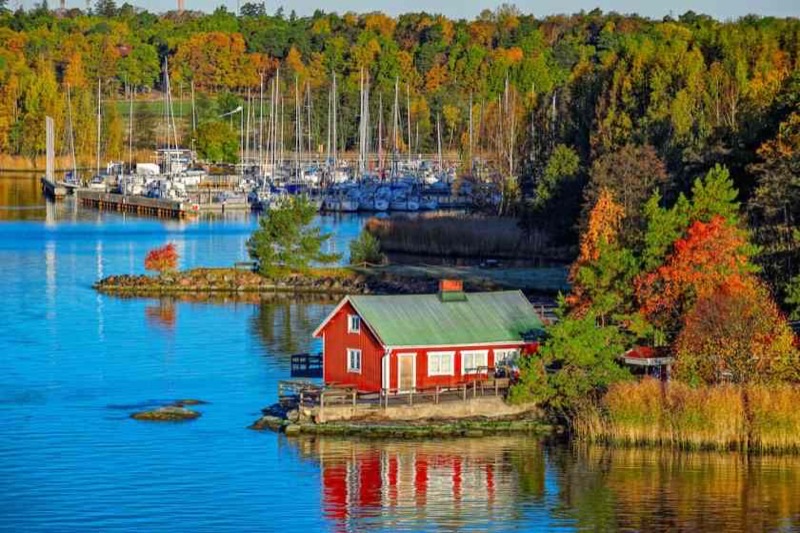
Opt for Finland if you dream of witnessing the Northern Lights from a glass igloo in Lapland, exploring Helsinki's minimalist design scene, or embracing serene forest landscapes. This destination is perfect for travelers prioritizing unique winter adventures, pristine nature, and exceptional design, provided they have a budget comfortably above $110 per day.
Choose Greece
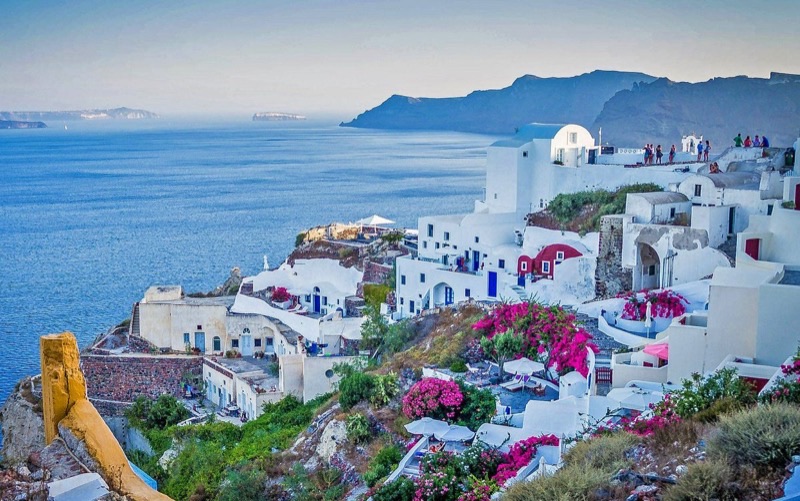
Greece is your ideal escape if you crave sun-drenched beaches, captivating ancient ruins like the Acropolis in Athens, and the vibrant flavors of Mediterranean cuisine. Best for history enthusiasts, island hoppers exploring Santorini or Mykonos, and budget-conscious travelers seeking a rich cultural experience without breaking the bank, with daily costs often below $130.
📊 Visual Scorecard
🌤 When to Visit
Average high temperatures (°C). Green = best months, orange = avoid.
Quick Comparison
| Category | Finland | Greece | Winner |
|---|---|---|---|
| Costs & Budget | Finland is one of Europes most expensive countries; expect high prices for food, accommodation, and transport. | Greece offers good value, especially outside popular islands; food and accommodation are generally affordable. | Greece |
| Nature & Outdoors | Finland is a land of vast forests, thousands of lakes, and unique Arctic landscapes, ideal for quiet exploration. | Greece has a diverse landscape from dramatic coastlines and islands to mountainous interiors, with a focus on sea and sun. | Finland |
| Food & Drink | Finnish food focuses on fresh, seasonal ingredients: fish, berries, root vegetables, with rye bread a staple. | Greek cuisine is Mediterranean, emphasizing fresh seafood, olive oil, vegetables, and grilled meats, with a strong café culture. | Greece |
| Culture & History | Finnish culture is modern Nordic, emphasizing design, sauna, equality, and a connection to nature; history is relatively short compared to ancient civilizations. | Greek culture is deeply rooted in ancient civilization, mythology, philosophy, and Orthodox Christianity, visible everywhere. | Greece |
| Getting There | Helsinki is the main hub, with direct flights from major European and some North American cities. | Athens is the primary gateway, with direct flights from many global cities; islands have regional airports. | Tie |
| Getting Around | Finland has efficient public transport in cities; trains and buses connect regions; driving is an option for rural exploration. | Greece relies on ferries for islands, buses for mainland; renting a car is good for exploring specific regions. | Finland |
| Accommodation | Finland has well-maintained hotels, hostels, and cabins, but prices are generally high. | Greece offers diverse accommodation from budget hostels to luxury resorts and traditional guesthouses, often at lower prices. | Greece |
| Nightlife | Finnish nightlife focuses on bars and pubs, particularly in Helsinki, with a more subdued atmosphere, higher drink prices. | Greek nightlife is lively and social, especially on the islands and in Athens, with late hours and outdoor venues. | Greece |
| Weather & Seasons | Finland has distinct seasons: cold, snowy winters with Northern Lights; mild summers with midnight sun. | Greece has hot, dry summers and mild, wet winters, with spring and autumn offering pleasant temperatures. | Tie |
| Safety & Comfort | Finland is one of the safest countries globally, with low crime rates and efficient public services. | Greece is generally safe for tourists, though petty crime can occur in crowded areas; public services are reliable. | Finland |
💰 Costs & Budget
Finland consistently ranks among Europes more expensive travel destinations. A simple lunch in Helsinki can easily cost €15-25 ($16-27), with dinner at a mid-range restaurant…
Finland
Greece
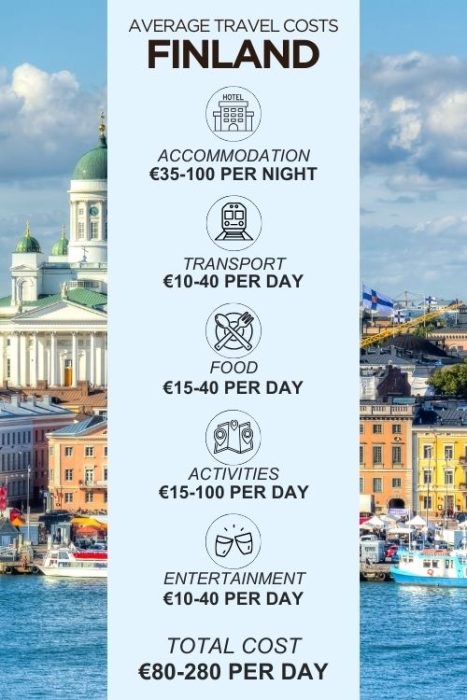
Finland consistently ranks among Europes more expensive travel destinations. A simple lunch in Helsinki can easily cost €15-25 ($16-27), with dinner at a mid-range restaurant pushing €30-50 ($32-54) per person. Accommodation in Helsinki or Rovaniemi typically starts around €80-120 ($86-130) for a decent hotel room or private hostel room. Public transport is efficient but adds up, with a single bus ticket in Helsinki costing €2.80-3.10 ($3-3.30). Activities like a husky safari in Lapland can cost upwards of €150-250 ($162-270) per person. Daily budget for a mid-range traveler is often €100-200 ($110-220) excluding major tours.
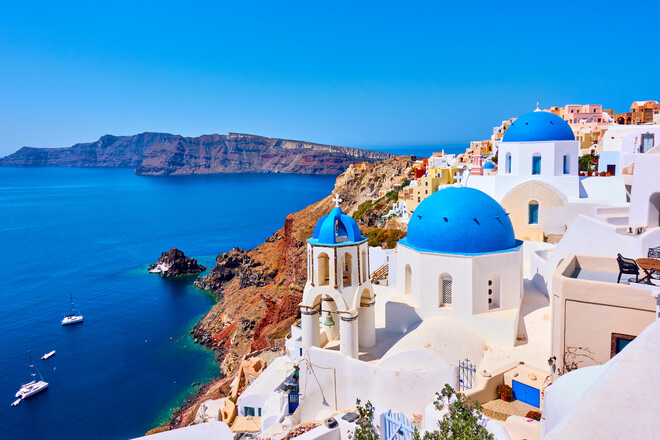
Greece provides a more budget-friendly experience. A substantial gyros pita can be found for €3-5 ($3.20-5.40) in Athens, and a sit-down meal at a taverna often costs €15-25 ($16-27) per person. Hostel beds in Athens or Thessaloniki range from €25-45 ($27-49), while a mid-range hotel on a non-Cycladic island might cost €60-100 ($65-108). Inter-island ferries vary, but a journey from Athens to Mykonos can be €40-70 ($43-76). Entrance to historical sites like the Acropolis is around €20 ($22). A comfortable daily budget for a mid-range traveler is often €60-120 ($65-130). tabiji verdict: Greece wins handily for travelers prioritizing budget control without sacrificing experience.
- Winner: Greece
- Why: Greece offers significantly lower costs for food, accommodation, and activities, allowing for a longer or more expansive trip.
- Who this matters for: Budget-conscious travelers, backpackers, families seeking value.
🌲 Nature & Outdoors
Finland excels in accessible, quiet nature. The country is over 70% forest, dotted with approximately 188,000 lakes. National parks like Nuuksio near Helsinki or Oulanka in the…
Finland
Greece
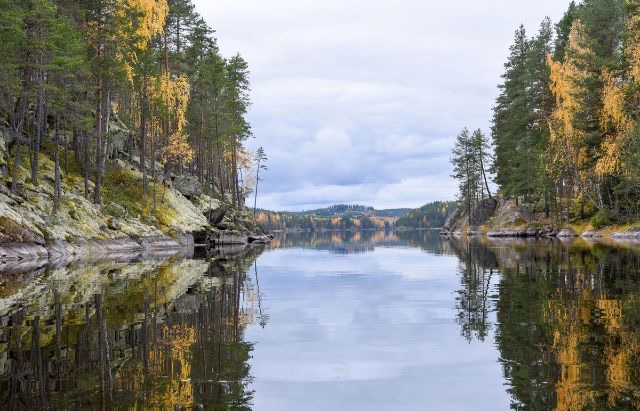
Finland excels in accessible, quiet nature. The country is over 70% forest, dotted with approximately 188,000 lakes. National parks like Nuuksio near Helsinki or Oulanka in the northeast offer well-maintained hiking trails, canoeing, and wildlife viewing. In winter, Lapland transforms into a snow-covered expanse ideal for cross-country skiing, snowshoeing, and experiencing the Northern Lights from places like Rovaniemi or Inari. The 'Everyman's Rights' allow for foraging and camping almost anywhere, offering immense freedom. Activities like ice fishing, husky sledding, or reindeer sleigh rides are readily available, often priced from €100-300 ($108-325) depending on duration. The silence and cleanliness of the Finnish wilderness are major draws.
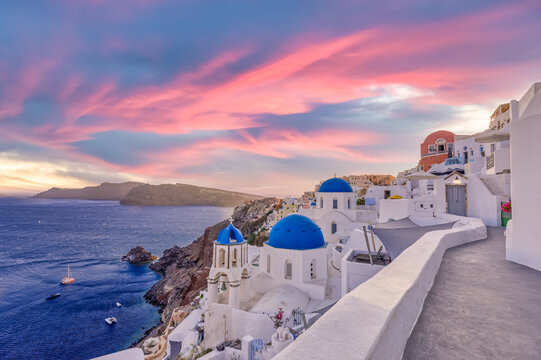
Greece's natural environment is defined by its coastline and islands. The Aegean and Ionian Seas are primary attractions, with countless beaches ranging from sandy stretches in Crete to volcanic beaches in Santorini. Inland, areas like the Peloponnese offer mountains, gorges, and olive groves, good for hiking and exploring small villages. Meteora presents a dramatic landscape of rock formations and monasteries. Water activities like snorkeling, diving, and sailing are popular across the islands. While there are national parks, the emphasis is more on scenic beauty combined with coastal leisure. The Samaria Gorge hike in Crete is a notable terrestrial activity, requiring about 6-7 hours. tabiji verdict: Finland provides a more profound, immersive, and varied wild nature experience, especially for those seeking solitude.
- Winner: Finland
- Why: Finland's extensive, pristine forests, vast lakes, and unique Arctic phenomena offer unparalleled nature immersion and activities.
- Who this matters for: Hikers, wilderness explorers, winter sports enthusiasts, aurora chasers.
🍽️ Food & Drink
Finnish food is generally hearty and comforting, often centered around fresh ingredients from the land and lakes. Common dishes include salmon soup (lohikeitto), Karelian pies…
Finland
Greece
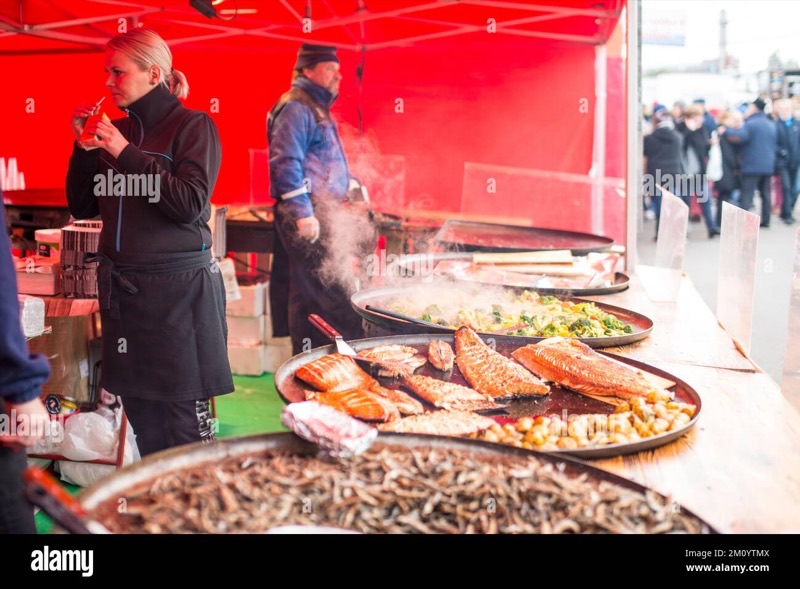
Finnish food is generally hearty and comforting, often centered around fresh ingredients from the land and lakes. Common dishes include salmon soup (lohikeitto), Karelian pies (karjalanpiirakka), and rye bread (ruisleipä). Reindeer meat is a specialty, especially in Lapland, often served stewed. Berries like lingonberries and blueberries are used extensively in desserts and sauces. The food scene in Helsinki is evolving, with good restaurants like Olde Hansa and Savotta offering traditional fare, but dining out can be expensive. A typical Finnish beer costs €7-9 ($7.50-9.70). The emphasis is on quality ingredients and simple preparation rather than complex flavors. Coffee culture is strong, but cafes are not cheap, with a cappuccino around €4.50-6 ($4.90-6.50).
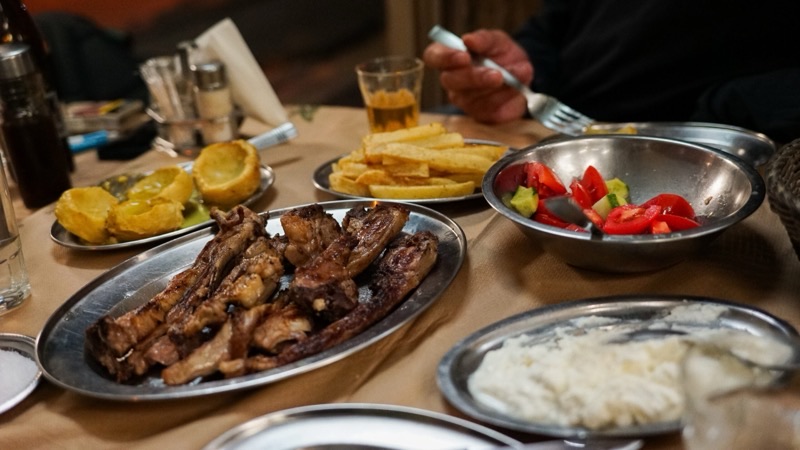
Greek cuisine is a cornerstone of its culture and travel experience. It relies on fresh, local produce, olive oil, and herbs. Dishes like souvlaki, moussaka, Greek salad, and fresh grilled fish are widely available and consistently delicious. Tavernas provide casual, often family-run dining where meals are social events. Greek coffee and frappes are integral to daily life, with a frappe costing €2.50-4 ($2.70-4.30). Local wines are good and inexpensive, and ouzo or tsipouro are traditional spirits. Markets like Athens Central Market offer fresh ingredients and local specialties. Restaurants like Klimataria in Athens offer live music and traditional dishes at good prices. tabiji verdict: Greece's food is more accessible, varied, and universally appealing for travelers seeking flavor and value.
- Winner: Greece
- Why: Greek cuisine is globally recognized for its flavors, fresh ingredients, affordability, and integral role in the social experience.
- Who this matters for: Foodies, budget travelers, anyone who enjoys Mediterranean flavors and a social dining scene.
🏛️ Culture & History
Finnish culture is often described as reserved, practical, and highly values design, functionality, and connection to nature. The sauna is a fundamental part of Finnish life, not…
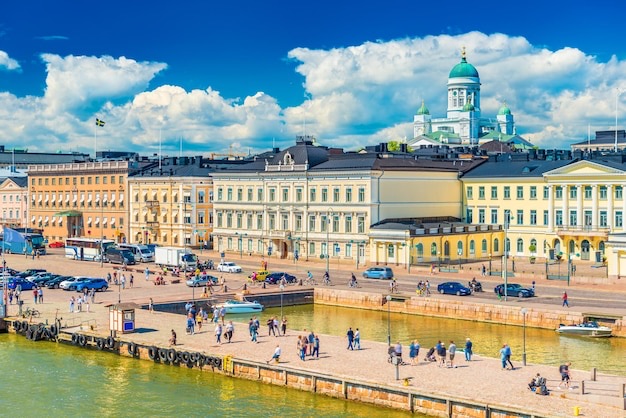
Finland
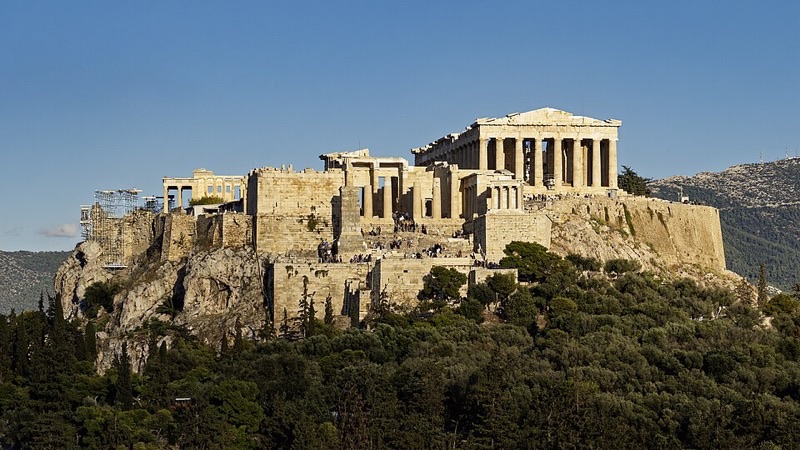
Greece
Finnish culture is often described as reserved, practical, and highly values design, functionality, and connection to nature. The sauna is a fundamental part of Finnish life, not just for relaxation but for social gatherings; public saunas like Löyly in Helsinki are popular for around €20-25 ($22-27) entry. Helsinki features architecture by Alvar Aalto and the Temppeliaukio Church (Rock Church). History is more recent, focusing on periods of Swedish and Russian rule, and its path to independence. Museums like the National Museum of Finland or Kiasma offer insights into Finnish art and history. The culture is quiet, appreciative of personal space, and values punctuality.
Greece offers a direct link to the foundations of Western civilization. From the Acropolis and its Parthenon in Athens (entry €20, $22) to the ancient theaters of Epidaurus and the archaeological site of Delphi, historical sites are numerous and well-preserved. Greek mythology permeates the landscape and local stories. The Orthodox Church plays a central role in cultural life, visible in countless churches and monasteries like those at Meteora. Contemporary Greek culture combines this ancient heritage with a vibrant, family-oriented social life, especially evident in local festivals and gatherings. The Plaka district in Athens offers a lively experience near historical monuments. tabiji verdict: Greece offers a historical depth and cultural omnipresence that Finland, with its younger national story, cannot match.
- Winner: Greece
- Why: Greece provides direct access to ancient civilizations, extensive archaeological sites, and a culture deeply intertwined with its historical past.
- Who this matters for: History buffs, classical scholars, mythology enthusiasts, anyone seeking deep cultural roots.
✈️ Getting There
Getting to Finland usually means flying into Helsinki-Vantaa Airport (HEL). Direct flights are available from major European cities like London (approx. 2.5-3 hours, €80-150 round…
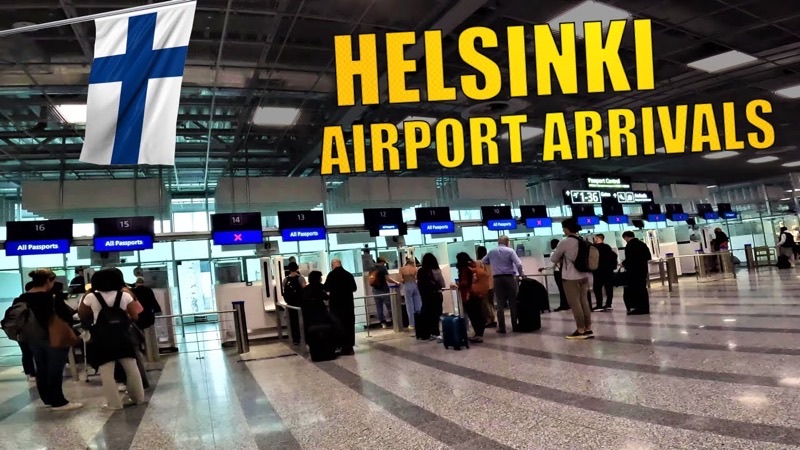
Finland
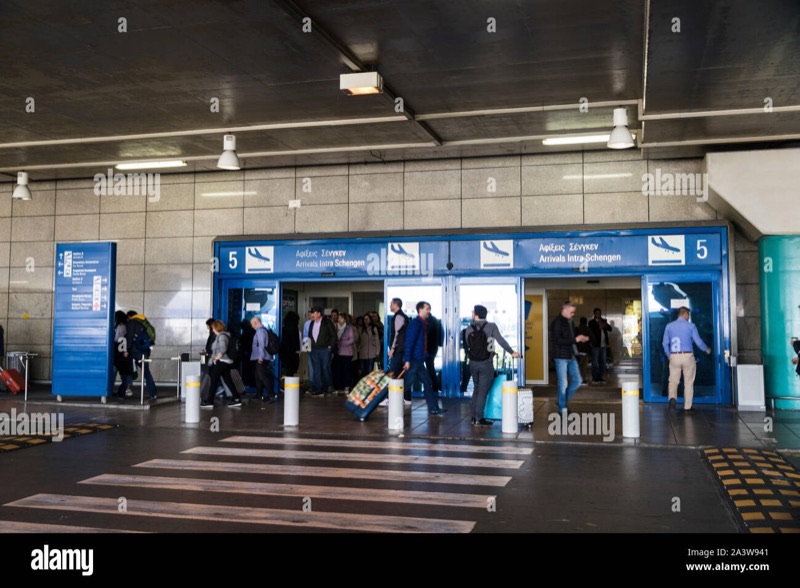
Greece
Getting to Finland usually means flying into Helsinki-Vantaa Airport (HEL). Direct flights are available from major European cities like London (approx. 2.5-3 hours, €80-150 round trip from budget carriers) and from North American hubs such as New York (e.g., Finnair, Delta direct, around 8.5-9 hours, $600-900+ round trip). From Asia, Helsinki has historically been a significant hub due to its northern routing. Once in Helsinki, domestic connections to places like Rovaniemi in Lapland are frequent (1.5 hours, €50-100 one way). Overall, access is efficient, especially from Europe, but flight costs can be higher than for Southern Europe.
Greece's main international airport is Athens International (ATH), offering direct connections from most major European capitals (e.g., London, 3.5-4 hours, €70-130 round trip) and North American cities (e.g., New York, around 9-10 hours, $550-850+ round trip). Many Greek islands, such as Santorini (JTR), Mykonos (JMK), and Crete (HER), also have regional airports with direct flights from various European cities, particularly during peak season. This multi-entry point system can be convenient for island-focused trips, avoiding Athens entirely for initial arrival. Connections within Greece are well-served by domestic flights or extensive ferry networks. tabiji verdict: Both destinations are easily reachable from major global hubs, making it a matter of personal preference.
- Winner: Tie
- Why: Both countries have well-connected international airports with direct flights from major global cities, making travel equally convenient.
- Who this matters for: All travelers, as ease of access is a universal factor.
🚃 Getting Around
Finland boasts an extremely reliable and punctual public transport system. In Helsinki, trams, buses, and the metro cover the city extensively, with a 24-hour ticket costing…
Finland boasts an extremely reliable and punctual public transport system. In Helsinki, trams, buses, and the metro cover the city extensively, with a 24-hour ticket costing around €9 ($9.70). The national train network (VR) is comfortable and efficient, connecting major cities like Helsinki, Tampere, and Turku, and extending north to Rovaniemi. A train from Helsinki to Rovaniemi takes about 8-12 hours and costs €50-100 ($54-108) one-way, with sleeper options available. Long-distance buses also operate. Roads are well-maintained, and driving is straightforward, especially if exploring the lake district or remote Lapland. Traffic is minimal, and parking is generally available, though paid in city centers. Bikes are common in cities.
Getting around Greece involves a mix of transport. Inter-island travel is primarily by ferry; high-speed ferries are quicker but pricier (€40-80, $43-86 for a Athens-Santorini trip), while conventional ferries are slower and cheaper (€25-50, $27-54). Mainland travel is served by KTEL intercity buses, which are generally good value and connect towns effectively. Within cities like Athens, the metro, tram, and bus network is good. Renting a car is often recommended for exploring the Peloponnese or Crete to reach remote beaches and villages. Driving standards can be more aggressive than in Finland. Taxis and ride-sharing apps like Beat are available in larger cities. tabiji verdict: Finland offers a more consistently smooth and efficient travel experience across its entire infrastructure.
- Winner: Finland
- Why: Finland's public transport, particularly its train network and well-maintained roads, offers a more predictable and comfortable travel experience.
- Who this matters for: Travelers who prefer public transport, those without a car, visitors to multiple regions.
🛌 Accommodation
Accommodation in Finland is consistently clean and well-maintained, but prices reflect the country's high cost of living. Hostels in Helsinki, like Eurohostel, might charge €35-60…
Accommodation in Finland is consistently clean and well-maintained, but prices reflect the country's high cost of living. Hostels in Helsinki, like Eurohostel, might charge €35-60 ($38-65) for a dorm bed. Mid-range hotels in cities like Helsinki or Turku typically start from €80-120 ($86-130) per night. In Lapland, prices for hotels or glass igloos can skyrocket during peak winter season, with basic hotel rooms in Rovaniemi starting around €120-200 ($130-216), and unique experiences like glass igloos costing €300-800+ ($325-865+) per night. Private cabins (mökki) are a popular option, especially in the lake district, offering self-catering amenities but often requiring a car to access.
Greece provides a broader range of accommodation options across all price points. Hostel dorms in Athens or on less popular islands can be found for €20-40 ($22-43). Budget hotels or guesthouses on the mainland or larger islands often cost €50-80 ($54-86) per night. On popular Cycladic islands like Santorini or Mykonos, prices rise significantly, with mid-range hotels starting from €100-200 ($108-216) and luxury options reaching €300-1000+ ($325-1080+). However, value can still be found by staying slightly off the main tourist paths or visiting during shoulder seasons. Many traditional guesthouses (domatia) offer a local experience at good prices. tabiji verdict: Greece offers better value and a wider array of accommodation types, making it easier to find something suitable for any budget.
- Winner: Greece
- Why: Greece provides more budget-friendly accommodation options and a greater variety of unique stays like traditional guesthouses and island villas.
- Who this matters for: All travelers, but especially those on a tighter budget or seeking distinct local stays.
🌃 Nightlife
Finnish nightlife, particularly in Helsinki, centers around pubs, bars, and a few nightclubs. Drinks are expensive; a pint of local beer often costs €7-9 ($7.50-9.70), and…
Finnish nightlife, particularly in Helsinki, centers around pubs, bars, and a few nightclubs. Drinks are expensive; a pint of local beer often costs €7-9 ($7.50-9.70), and cocktails can be €12-18 ($13-19.50). Finns typically start their evenings later and are known for their reserved initial demeanor, becoming more talkative after a few drinks. Popular areas in Helsinki include Kallio and Punavuori. Live music venues exist, but the scene is not as extensive or as late-night as in Southern Europe. Many bars close around 2 AM, with nightclubs going until 4 AM. The summer brings outdoor terraces, but winter can feel quieter.
Greek nightlife is social and extends into the early hours, especially during summer. Athens has a diverse scene, from rooftop bars with Acropolis views (e.g., A for Athens Cocktail Bar) to clubs in Gazi and casual tavernas in Plaka with live music. On islands like Mykonos, the nightlife is world-renowned for its beach clubs and late-night parties that often continue until sunrise. Santorini also has a good bar scene, particularly in Fira and Oia. Drink prices are generally lower than in Finland, with a beer costing €4-6 ($4.30-6.50) and cocktails €8-12 ($8.60-13). Greeks dine and socialize late, so bars and clubs only get busy after midnight. tabiji verdict: Greece offers a more energetic, social, and accessible nightlife experience for most travelers.
- Winner: Greece
- Why: Greece offers a more lively, social, and extended nightlife, especially on its islands and in Athens, with more affordable drinks.
- Who this matters for: Party-goers, social travelers, anyone who enjoys late-night entertainment and a energetic atmosphere.
☀️ Weather & Seasons
Finland's weather is defined by its dramatic seasonal changes. Winters (November-March) are cold and snowy, with temperatures often below 0°C (32°F), reaching -20°C (-4°F) or…
Finland's weather is defined by its dramatic seasonal changes. Winters (November-March) are cold and snowy, with temperatures often below 0°C (32°F), reaching -20°C (-4°F) or lower in Lapland. This is prime time for winter sports and Northern Lights viewing, especially from December to February. Daylight hours are minimal. Summers (June-August) are mild and pleasant, with average temperatures around 15-25°C (59-77°F) and the phenomenon of the midnight sun in the north, where it stays light for weeks. Spring and autumn are transitional, good for hiking with fewer crowds. Travelers must pack appropriately for extreme cold in winter or layers for summer.
Greece experiences a Mediterranean climate. Summers (June-August) are hot and dry, with temperatures often exceeding 30°C (86°F), making it ideal for beach holidays but potentially uncomfortable for extensive sightseeing in Athens. Winters (December-February) are mild and wet, particularly in coastal areas, with average temperatures around 10-15°C (50-59°F). Snow is rare in lowlands but common in mountainous regions. Spring (April-May) and autumn (September-October) are considered the shoulder seasons, offering pleasant temperatures (20-25°C, 68-77°F) for exploring historical sites and enjoying the islands without the peak summer crowds or heat. tabiji verdict: Both destinations offer unique seasonal experiences, making the 'winner' entirely dependent on travel priorities.
- Winner: Tie
- Why: Both countries offer distinct and compelling seasonal experiences, from Finnish Arctic winters to Greek Mediterranean summers, appealing to different preferences.
- Who this matters for: All travelers, as weather significantly impacts trip enjoyment and available activities.
🛡️ Safety & Comfort
Finland consistently ranks among the safest countries in the world. Crime rates are exceptionally low, and even in Helsinki, walking alone at night is generally not an issue.…
Finland consistently ranks among the safest countries in the world. Crime rates are exceptionally low, and even in Helsinki, walking alone at night is generally not an issue. Public transport is safe and reliable. Finns are generally helpful, though reserved. The natural environment is also safe, with well-marked trails and a strong emphasis on outdoor safety. Healthcare is modern and efficient. Travelers can expect a high level of comfort, cleanliness, and order. Instances of pickpocketing or scams are rare. Even lost items are often returned. The general feeling of security is very high, allowing travelers to relax completely.
Greece is also generally safe for tourists, but like any popular destination, petty crime such as pickpocketing can occur in crowded areas like the Athens metro, Plaka, or on popular islands. It is advisable to be aware of surroundings, especially in busy tourist zones. Violent crime against tourists is rare. Roads can be busy, and driving standards vary. Public transport is safe, but protests or strikes, though infrequent, can sometimes disrupt services in Athens. Healthcare facilities are good in major cities and tourist areas. Overall, a traveler exercising normal precautions will have a secure experience. tabiji verdict: Finland's exceptionally low crime rate and high level of public trust give it an edge in terms of perceived and actual safety.
- Winner: Finland
- Why: Finland's extremely low crime rate and high societal trust provide an unparalleled sense of safety and comfort for travelers.
- Who this matters for: Solo travelers, families with children, travelers prioritizing peace of mind and security.
🎯 The Decision Framework
Choose Finland If…
- You want to see the Northern Lights and experience Arctic winter activities.
- You prioritize quiet, pristine nature and vast forests over beaches.
- You appreciate modern design, clean cities, and efficient public services.
- You are comfortable with higher travel costs and a more reserved local culture.
- You seek unique experiences like ice swimming or genuine sauna culture.
- You enjoy foraging for berries and mushrooms under Everyman's Rights.
- You value personal space, punctuality, and a strong sense of safety.
- You want to experience the Midnight Sun during a summer trip.
Choose Greece If…
- You are fascinated by ancient history, mythology, and archaeological sites.
- You want sun, warm beaches, and island-hopping adventures.
- You love Mediterranean food, fresh seafood, and a lively café culture.
- You prefer a more budget-friendly trip with good value for money.
- You enjoy late-night dining, social gatherings, and lively nightlife.
- You want to explore diverse landscapes from volcanic islands to mountainous mainland.
- You appreciate warm hospitality and a passionate, expressive local culture.
- You prefer a slower pace of life, particularly in smaller villages.
📅 Sample Itineraries
Weekend in Finland (3 Days)
💡 Purchase a Helsinki Card for 24-72 hours to save on public transport and museum entries, potentially saving €20-30 depending on your activities.
Weekend in Greece (3 Days)
💡 Buy a combined ticket for the Acropolis and other archaeological sites for €30, which can save you €10-15 if you plan to visit multiple major sites.
One Week in Finland (7 Days)
💡 Consider purchasing a Finnrail Pass if you plan extensive train travel between cities; individual tickets can add up quickly over 7 days, potentially saving €50-100.
One Week in Greece (7 Days)
💡 Book ferries to popular islands like Santorini or Mykonos well in advance, especially for summer travel, to secure preferred times and potentially save 10-20% on tickets.
❓ Frequently Asked Questions
What is the best time to visit Finland vs Greece?
For Finland, summer (June-August) is good for mild weather and midnight sun, while winter (December-February) is best for snow and Northern Lights. Greece shines in spring (April-May) and autumn (September-October) for pleasant temperatures and fewer crowds. Summer (June-August) is ideal for beaches but can be very hot, often above 30°C (86°F).
Which country is better for solo female travelers?
Both countries are safe for solo female travelers. Finland edges out Greece due to its exceptionally low crime rate and very high societal trust, providing a constant sense of security. Greece is also generally safe, but common sense precautions against petty theft in crowded tourist areas are advisable.
What are typical flight durations and costs from the US to each country?
From major US East Coast cities like New York, direct flights to Helsinki take around 8.5-9 hours, costing $600-900+ round trip. Direct flights to Athens take about 9-10 hours, with similar costs ranging from $550-850+ round trip. Prices fluctuate seasonally.
Is one country significantly better for families with young children?
Finland offers more organized, safe, and family-friendly activities like Santa Claus Village in Rovaniemi and numerous clean parks. Its efficient infrastructure and high safety score contribute to a comfortable family trip. Greece is also good, particularly the islands with beaches, but the heat in summer can be challenging for young children during extensive sightseeing.
Which destination offers better opportunities for outdoor adventure beyond hiking?
Finland provides more diverse outdoor adventures focused on wilderness: husky sledding, reindeer safaris, ice fishing, cross-country skiing, and canoeing on vast lakes. Greece excels in water-based activities like sailing, snorkeling, and diving, along with mountain trekking in areas like the Samaria Gorge.
How do language barriers compare in Finland versus Greece?
In Finland, English is widely spoken, especially by younger generations and in tourist-facing roles, so communication is rarely an issue. In Greece, English is also common in tourist areas, especially on popular islands and in Athens. However, learning a few basic Greek phrases for mainland villages can be helpful and appreciated.
What are the typical costs for a daily coffee in each country?
In Finland, a cappuccino or latte typically costs €4.50-6 ($4.90-6.50). In Greece, a traditional Greek coffee or a cold frappe is more affordable, usually ranging from €2.50-4 ($2.70-4.30), especially outside the most tourist-heavy spots.
Which country has more accessible historical sites?
Greece offers a wealth of easily accessible ancient historical sites, many of which are centrally located in cities like Athens (e.g., Acropolis) or concentrated in specific regions (e.g., Delphi, Olympia). Finland's history is more modern, with fewer ancient ruins, focusing more on architectural heritage and museums.
Ready to plan your European trip?
Get a free custom itinerary for Finland, Greece, or both — built from real traveler insights.
👥 Travelers Also Compared
🎟️ Book Tours & Experiences
Hand-picked tours and activities for both destinations — book with free cancellation
Experiences via Viator — free cancellation on most tours