How we built this comparison
This page combines traveler discussion patterns, published price ranges, flight schedules, and seasonal data to help you decide between Finland and Lithuania.
- Reviewed 50+ Reddit threads from r/travel, r/solotravel, r/Finland, and r/Lithuania.
- Verified costs and logistics against current booking platforms like Booking.com, Skyscanner, and local transport sites.
- Cross-referenced seasonal patterns and weather data from meteorological sources.
⚡ Quick Answers
⚡ The TL;DR Verdict
For most travelers focused on budget and old-world exploration, Lithuania is the smarter pick, offering extensive history and good food at around €40-60 per day. Finland, at €100-180+ daily, suits those prioritizing pristine nature, modern design, and quiet, efficient experiences.
- Choose Finland: You prioritize untouched nature, functional design, Arctic experiences, and dont mind paying a premium for peace and quiet.
- Choose Lithuania: You seek affordability, medieval history, Soviet-era stories, good value food, and a more interactive Eastern European atmosphere.
- Choose Both: If you have 2+ weeks and a flexible budget, combine a few days in Helsinki with a flight to Vilnius to experience both Nordics and Baltics.
Choose Finland
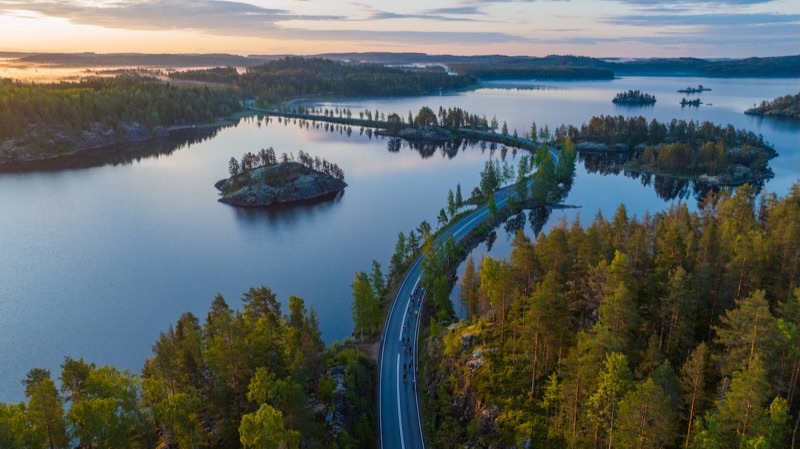
Choose Finland if you crave pristine Nordic nature and sleek modern design. It's best for travelers ready to immerse themselves in tranquil lake country, experience the iconic Finnish sauna, or chase the Northern Lights in Lapland, prioritizing quiet efficiency and unique, high-quality experiences over a strict budget.
Choose Lithuania
Choose Lithuania for an enriching journey through medieval history and vibrant culture without breaking the bank. It's ideal for budget-conscious adventurers keen to explore the charming Vilnius Old Town, discover the quirky Užupis Republic, or savor delicious, affordable Eastern European cuisine, all while soaking in a more interactive atmosphere.
📊 Visual Scorecard
🌤 When to Visit
Average high temperatures (°C). Green = best months, orange = avoid.
Quick Comparison
| Category | Finland | Lithuania | Winner |
|---|---|---|---|
| Costs & Budget | Significantly higher costs for everything, expect €100-180+ ($110-200) daily. | Very budget-friendly, often €40-60 ($45-65) daily for a comfortable trip. | Lithuania |
| Culture & History | Modern design, sauna culture, unique Kalevala mythology, functionalist architecture. | Extensive medieval history, Soviet-era legacy, amber trade, diverse religious sites. | Lithuania |
| Nature & Outdoors | Vast forests, thousands of lakes, Arctic wilderness, Northern Lights, Midnight Sun. | Baltic Sea coast, Curonian Spit dunes, gentle rolling hills, small forests, lakes. | Finland |
| Food & Drink | Fresh, seasonal, Nordic cuisine, expensive, focus on fish, rye bread, wild berries. | Hearty, traditional dishes, potato-heavy, Eastern European influences, excellent value. | Lithuania |
| Nightlife & Social | Helsinki has bars and clubs, but often quiet, expensive, social interactions can be reserved. | Vilnius has a lively bar scene, craft beer focus, more approachable and affordable social atmosphere. | Lithuania |
| Getting There & Around | Helsinki (HEL) well-connected; efficient public transport, driving needed for remote nature. | Vilnius (VNO) or Kaunas (KUN) with budget airlines; good intercity buses, walkable cities. | Tie |
| Accommodation | High prices, modern hotels, design-focused, limited budget options outside hostels. | Affordable, good range of hotels, guesthouses, apartments, many budget choices. | Lithuania |
| Day Trips & Excursions | Accessible national parks, archipelago islands, historical towns, Arctic villages. | Medieval castles, coastal dunes, Soviet bunkers, other Baltic capitals. | Lithuania |
| Safety & Solo Travel | Extremely safe, low crime rates, respectful environment, minimal street harassment. | Very safe in cities and tourist areas, generally friendly, some petty crime in crowded spots. | Finland |
| Weather & Seasons | Cold, snowy winters; mild summers with Midnight Sun; distinct spring and autumn. | Cold winters, warm to hot summers, often pleasant shoulder seasons. | Tie |
💰 Costs & Budget
Finland consistently ranks among Europes most expensive countries. A hostel bed in Helsinki is typically €30-50 ($33-55), a mid-range hotel €100-180 ($110-200). A simple…
Finland
Lithuania
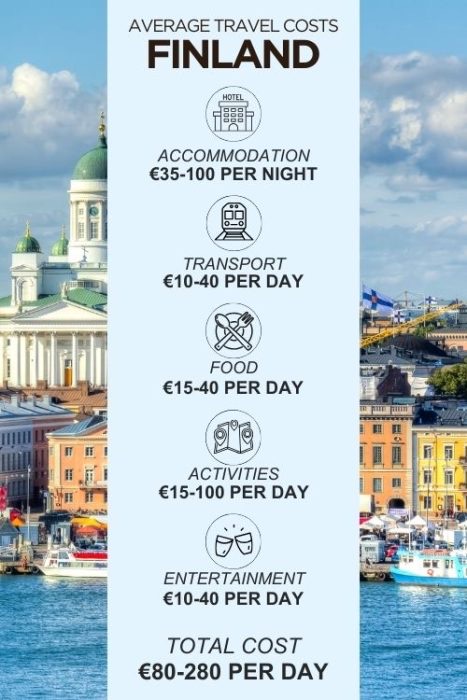
Finland consistently ranks among Europes most expensive countries. A hostel bed in Helsinki is typically €30-50 ($33-55), a mid-range hotel €100-180 ($110-200). A simple restaurant meal costs €15-30 ($17-33), and a pint of local beer €7-9 ($8-10). Public transport in Helsinki is efficient but not cheap, with a single ticket around €2.80-3.50 ($3-4). Activities like museum entries are €15-20 ($17-22), and nature excursions can easily run into hundreds of euros. Budget travelers will struggle to stay under €80-100 ($90-110) per day.
Lithuania provides excellent value. A hostel bed in Vilnius is €15-25 ($17-28), and a decent hotel room €50-80 ($55-90). Meals at a local restaurant or cafe are often €8-15 ($9-17), and a pint of local beer €3-5 ($3.50-5.50). Public transport in Vilnius is cheap, with a single ticket around €1 ($1.10). Museum entries are €5-10 ($5.50-11), and intercity buses are very affordable, e.g., Vilnius to Kaunas for €5-8 ($5.50-9). Staying under €50 ($55) per day here is quite achievable.
Tabiji verdict: Lithuania wins by a landslide; your money stretches significantly further here.
- Winner: Lithuania
- Why: Lithuania offers superior value for nearly every travel expense, making it accessible to more budgets.
- Who this matters for: Budget-conscious travelers, backpackers, and those seeking longer trips without breaking the bank.
🏛️ Culture & History
Finland has a culture built on pragmatism, design, and a deep connection to nature. Helsinki features excellent architecture from Alvar Aalto and functionalist styles. Sauna…

Finland
Lithuania
Finland has a culture built on pragmatism, design, and a deep connection to nature. Helsinki features excellent architecture from Alvar Aalto and functionalist styles. Sauna culture is central, with public saunas like Löyly offering a modern take. The countrys history is relatively young compared to its neighbors, with significant periods under Swedish and Russian rule. Its mythology, particularly the Kalevala epic, provides a distinct literary tradition. Its not a country for ancient ruins, but rather for understanding resilience and a connection to the environment.
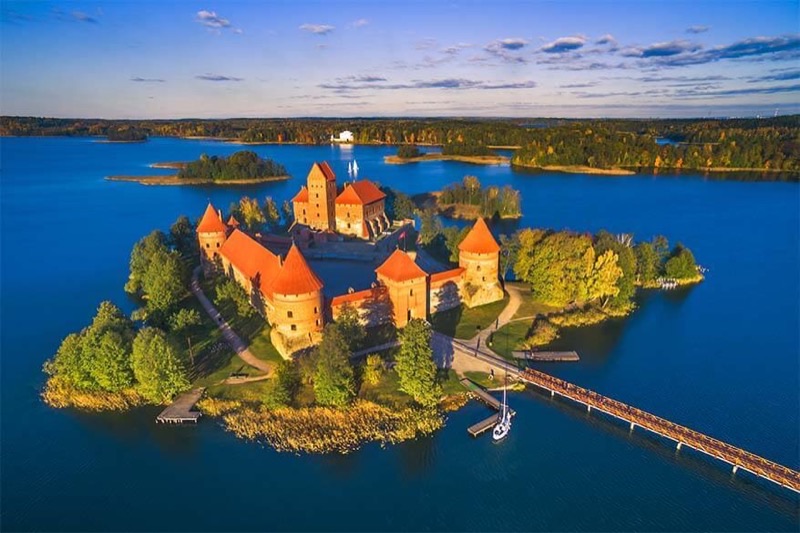
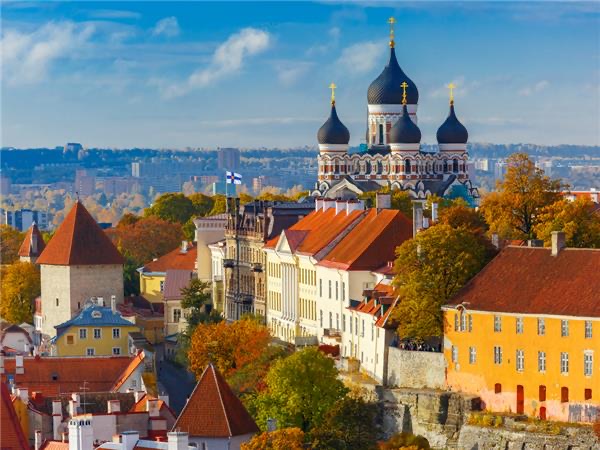
Lithuania is saturated with history, from the medieval Grand Duchy of Lithuania to Soviet occupation. Vilnius Old Town, a UNESCO site, is a maze of cobblestone streets, baroque churches like St. Annes and St. Casimir, and grand courtyards. Trakai Island Castle, a medieval fort on a lake, is a prominent attraction. The Museum of Occupations and Freedom Fights (KGB Museum) in Vilnius offers a sobering look at its 20th-century struggles. Kaunas also presents interesting interwar architecture and the Ninth Fort memorial. Lithuanias past is complex and openly presented.
Tabiji verdict: Lithuania offers a far richer, more tangible historical experience that resonates with most travelers seeking depth.
- Winner: Lithuania
- Why: Lithuania presents a more accessible and extensive historical narrative, from medieval castles to recent Soviet history.
- Who this matters for: History buffs, architecture enthusiasts interested in varied periods, and those seeking historical narrative.
🌲 Nature & Outdoors
Finland is defined by its nature. It has over 188,000 lakes and 75% forest cover. National parks like Nuuksio (near Helsinki) offer easily accessible hiking and canoeing. Lapland…
Finland
Lithuania
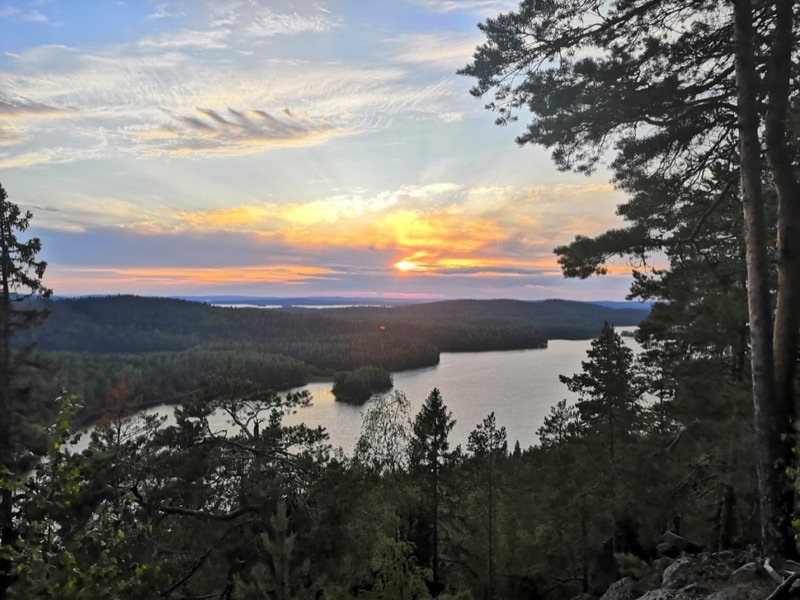
Finland is defined by its nature. It has over 188,000 lakes and 75% forest cover. National parks like Nuuksio (near Helsinki) offer easily accessible hiking and canoeing. Lapland in the north provides Arctic experiences: reindeer sledding, husky safaris, snowshoeing, and prime viewing spots for the Northern Lights from September to March. In summer, the Midnight Sun allows for activities around the clock. The silence and expansive, unpopulated areas are a major draw. Its a country for solitude and raw, untamed landscapes, with excellent infrastructure for outdoor pursuits.
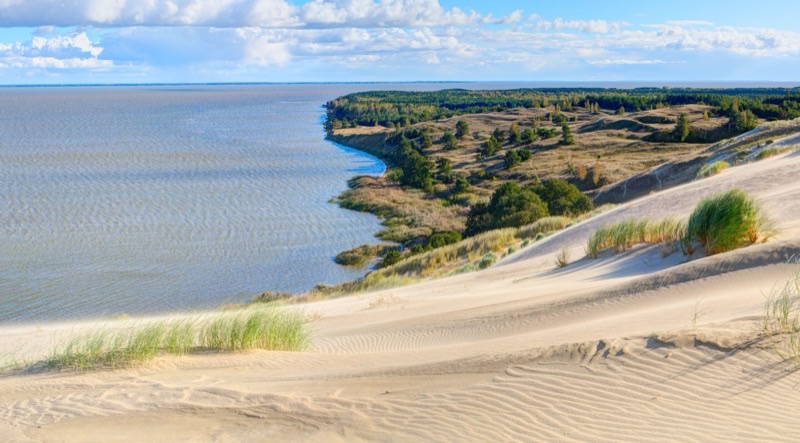
Lithuania has its own natural appeal, though on a smaller, less dramatic scale. The Curonian Spit, a narrow sand dune peninsula, is a unique UNESCO site with pine forests and fishing villages. Aukštaitija National Park offers canoeing and cycling around its many lakes. Zemaitija National Park has forests and bogs. The Baltic Sea coast near Palanga is popular for summer beach visits. However, it lacks the Arctic grandeur, vast wilderness, or the sheer number of lakes that Finland possesses. Its nature is gentler and more intertwined with human settlements.
Tabiji verdict: Finland is the clear winner for anyone whose primary goal is an immersive, expansive nature experience, especially the Arctic and lakes.
- Winner: Finland
- Why: Finland provides immense, diverse, and well-preserved natural landscapes, including the Arctic Circle and thousands of lakes.
- Who this matters for: Adventure seekers, nature photographers, hikers, winter sports enthusiasts, and those seeking wild, pristine environments.
🍽️ Food & Drink
Finnish cuisine is clean, fresh, and often expensive. Expect dishes like salmon soup (lohikeitto), Karelian pies (karjalanpiirakka), and reindeer stew. Game meats, wild berries…
Finland

Lithuania
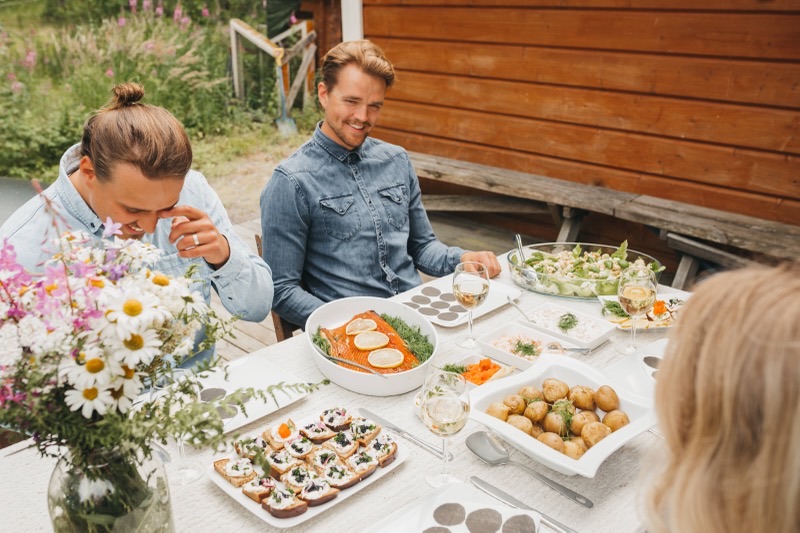
Finnish cuisine is clean, fresh, and often expensive. Expect dishes like salmon soup (lohikeitto), Karelian pies (karjalanpiirakka), and reindeer stew. Game meats, wild berries (like cloudberries and blueberries), and rye bread are staples. Helsinki has a strong modern Nordic food scene with several high-end restaurants, but budget eating options are limited to fast-food chains or grocery store picnics. Trying local craft beers or Koskenkorva (a clear spirit) is common, but drinks are pricey. Dont expect street food variety or cheap, quick meals.
Lithuanian food is comforting, generous, and wallet-friendly. Expect potato-based dishes like cepelinai (potato dumplings with meat filling), kugelis (potato pudding), and vėdarai (potato sausage). Cold beet soup (šaltibarščiai) is a summer staple. Meat features prominently, often pork. Vilnius has a growing modern restaurant scene, but traditional taverns offer hearty meals for €8-15 ($9-17). Local beer is good and cheap, and kvas (fermented bread drink) is refreshing. The sheer volume of delicious, affordable options gives it an edge.
Tabiji verdict: Lithuania wins on both taste and value; you can eat very well for a fraction of the cost compared to Finland.
- Winner: Lithuania
- Why: Lithuanian food offers a more satisfying combination of generous portions, distinct traditional flavors, and affordability.
- Who this matters for: Foodies on a budget, travelers who enjoy hearty, traditional European fare, and those who want to sample many local dishes.
🍻 Nightlife & Social
Helsinki offers a nightlife concentrated around its city center, with various pubs, cocktail bars, and clubs. Venues like Kallio district bars or clubs on Iso Roobertinkatu can be…
Finland
Lithuania
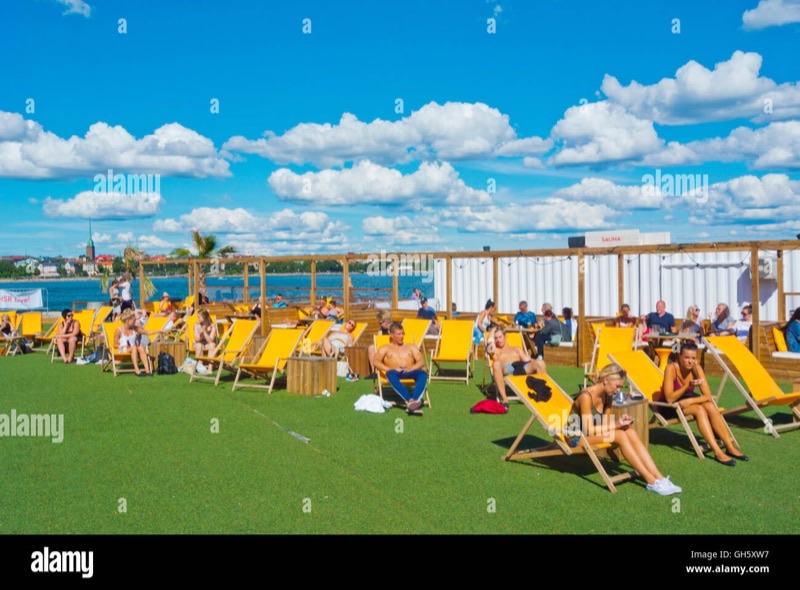
Helsinki offers a nightlife concentrated around its city center, with various pubs, cocktail bars, and clubs. Venues like Kallio district bars or clubs on Iso Roobertinkatu can be active, especially on weekends. However, prices are high (a cocktail can be €10-15 / $11-17), and Finns can be reserved, taking time to warm up. Social interactions often start later in the evening after a few drinks. Outside of Helsinki, nightlife is minimal, often limited to local pubs. Its a functional scene but lacks the immediate warmth found elsewhere.
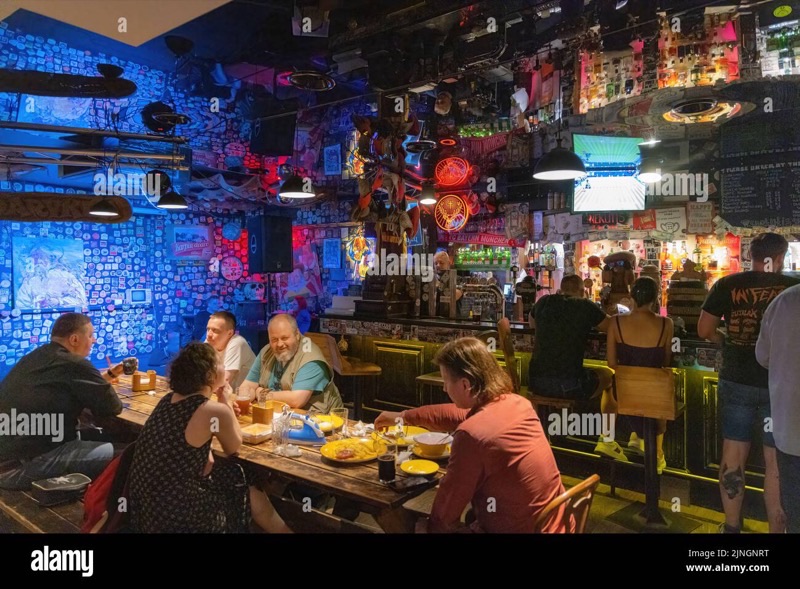
Vilnius boasts a surprisingly energetic and affordable nightlife. The Old Town and areas like Pylimo gatve are packed with bars, pubs, and clubs catering to different tastes. Craft beer culture is strong, with places like Alaus Biblioteka or Šnekutis offering good selections for €3-5 ($3.50-5.50) a pint. People are generally more open and willing to socialize, especially younger crowds. Live music venues and events are common. Kaunas also has a decent student-driven nightlife. The vibe is less inhibited and more accessible for making casual connections.
Tabiji verdict: Lithuania provides a more engaging, diverse, and budget-friendly social and nightlife experience, making it easier to connect with others.
- Winner: Lithuania
- Why: Lithuania offers a more dynamic and affordable nightlife, with a more open social atmosphere, especially in Vilnius.
- Who this matters for: Solo travelers looking to socialize, budget travelers who enjoy going out, and those seeking lively evening entertainment.
✈️ Getting There & Around
Helsinki-Vantaa Airport (HEL) is a major hub, with direct flights from many European cities (e.g., London to Helsinki: ~2h 45m). Finnair is the national carrier. Within Finland,…
Helsinki-Vantaa Airport (HEL) is a major hub, with direct flights from many European cities (e.g., London to Helsinki: ~2h 45m). Finnair is the national carrier. Within Finland, public transport is excellent: trains (VR) cover major routes, and buses reach smaller towns. Helsinki has trams, buses, and a metro. For exploring national parks or remote areas, renting a car is often necessary, but roads are well-maintained. Internal flights are available for reaching Lapland quickly. Its efficient but expensive.
Vilnius Airport (VNO) and Kaunas Airport (KUN) are well-served by budget airlines like Ryanair and Wizz Air (e.g., London to Vilnius: ~2h 30m). Intercity travel in Lithuania relies heavily on a good network of comfortable and affordable buses, e.g., Vilnius to Klaipeda for €15-20 ($17-22). Cities like Vilnius and Kaunas are very walkable, and public transport within cities (buses, trolleybuses) is cheap and reliable. Renting a car is also an option for exploring rural areas, with good road conditions.
Tabiji verdict: Both countries offer efficient travel, with Finland excelling in internal infrastructure and Lithuania in budget-friendly international access.
- Winner: Tie
- Why: Both countries offer reliable and distinct transport systems that cater to different travel styles effectively.
- Who this matters for: Travelers prioritizing speed and infrastructure (Finland) versus those prioritizing affordability and walkability (Lithuania).
🏨 Accommodation
Accommodation in Finland, especially in Helsinki, is expensive. A basic hostel dorm bed starts at €30-50 ($33-55). Mid-range hotels, often with a focus on clean Nordic design, are…
Accommodation in Finland, especially in Helsinki, is expensive. A basic hostel dorm bed starts at €30-50 ($33-55). Mid-range hotels, often with a focus on clean Nordic design, are typically €100-180 ($110-200) per night. Boutique options like Hotel St. George can exceed €200 ($220). Airbnbs are available but also carry a premium. Outside of cities, cabins or cottages (mökit) are popular, but can be pricey, especially in peak seasons or for remote locations. Quality is consistently high, but so is the cost.
Lithuania offers far more affordable accommodation options across all categories. Hostel dorms in Vilnius or Kaunas average €15-25 ($17-28). Mid-range hotels are commonly €50-80 ($55-90), with comfortable, well-located options. Boutique hotels in the Old Town can be found for €90-120 ($100-130). Guesthouses, private rooms, and Airbnbs are plentiful and offer excellent value. Even at the budget end, standards are generally good. You get significantly more for your money here, allowing for longer stays or more luxurious choices within a moderate budget.
Tabiji verdict: Lithuania is the clear winner for accommodation, providing superior value and choice for every budget.
- Winner: Lithuania
- Why: Lithuania offers significantly more affordable and diverse accommodation options, from hostels to mid-range hotels.
- Who this matters for: Budget travelers, families, and anyone looking to maximize their comfort and length of stay without overspending.
🗺️ Day Trips & Excursions
From Helsinki, popular day trips include Suomenlinna Sea Fortress (a UNESCO site, 15-minute ferry) or Nuuksio National Park (1-hour bus ride) for hiking. Porvoo, a charming old…
From Helsinki, popular day trips include Suomenlinna Sea Fortress (a UNESCO site, 15-minute ferry) or Nuuksio National Park (1-hour bus ride) for hiking. Porvoo, a charming old town with wooden houses, is an easy bus trip. For a longer excursion, a fast ferry to Tallinn, Estonia, takes about 2 hours, making it a viable day or overnight trip. In winter, a flight to Rovaniemi to visit Santa Claus Village or experience Arctic activities is common, though expensive and typically more than a day trip.
Lithuania offers compelling day trips. Trakai Island Castle, a medieval marvel on a lake, is just a 30-minute train or bus ride from Vilnius. Kaunas, Lithuanias second city, with its interwar architecture and old town, is an easy 1.5-hour train trip. The Curonian Spit near Klaipeda (3-4 hours by bus from Vilnius, then a ferry) is a unique natural and cultural landscape, though often better as an overnight trip. The Hill of Crosses near Šiauliai is a pilgrimage site, accessible by bus. Furthermore, a trip to Riga, Latvia (4-hour bus), or even a longer one to Warsaw, Poland (4-5 hour train/bus), are common extensions.
Tabiji verdict: Lithuania offers a wider array of distinct and easily accessible day trip options, including cross-border travel, with greater historical interest.
- Winner: Lithuania
- Why: Lithuania provides a more diverse range of historically and naturally significant day trips, often with easy public transport access.
- Who this matters for: Travelers who enjoy exploring beyond the main cities, history enthusiasts, and those looking for easy cross-border trips.
🛡️ Safety & Solo Travel
Finland consistently ranks among the safest countries in the world. Crime rates are very low, even in major cities like Helsinki. Solo travelers, including women, can feel…
Finland consistently ranks among the safest countries in the world. Crime rates are very low, even in major cities like Helsinki. Solo travelers, including women, can feel comfortable walking alone at night. Instances of harassment or petty crime are rare. The public is generally reserved but helpful if approached. This sense of security extends to public transport and remote natural areas. You can leave your belongings unattended for a moment in a cafe and expect them to be there. Its a country where trust in public order is high.
Lithuania is also a very safe country for travelers. Major cities like Vilnius and Kaunas are welcoming, and violent crime is uncommon. Solo travelers should feel comfortable exploring. As with any popular tourist destination, some petty crime (pickpocketing) can occur in crowded areas, especially around train/bus stations or busy markets, so general awareness is advised. Nightlife can get rowdy on weekends, but serious incidents are rare. People are generally friendly, though English proficiency might vary more than in Finland. Overall, its a safe destination, just not quite to the same extreme as Finland.
Tabiji verdict: While both are safe, Finland offers an almost unparalleled level of security and peace of mind for travelers.
- Winner: Finland
- Why: Finland boasts one of the lowest crime rates globally, providing an exceptionally secure environment for all travelers.
- Who this matters for: Solo travelers, families with young children, and anyone for whom absolute safety and peace of mind are top priorities.
☀️ Weather & Seasons
Finland experiences long, cold, and snowy winters from November to April, especially in Lapland, where temperatures can drop below -20°C (-4°F). This is prime time for Northern…
Finland experiences long, cold, and snowy winters from November to April, especially in Lapland, where temperatures can drop below -20°C (-4°F). This is prime time for Northern Lights and winter sports. Summers (June-August) are mild, with average temperatures of 15-25°C (59-77°F), characterized by the Midnight Sun in the north. Spring (May) and autumn (September-October) are short but offer beautiful foliage and fewer crowds. The weather is a key part of the experience, defining available activities. Always pack layers.
Lithuania has a continental climate with distinct seasons. Winters (December-March) are cold and snowy, with temperatures often around -5°C to -15°C (23-5°F). Summers (June-August) can be warm to hot, with averages of 20-28°C (68-82°F), making it suitable for city exploration and coastal visits. Spring (April-May) and autumn (September-October) are generally pleasant, with milder temperatures and changing foliage, ideal for sightseeing without the summer crowds. It offers a more conventional four-season experience than Finland.
Tabiji verdict: Both countries offer distinct seasonal experiences that appeal to different traveler types, making a tie appropriate here.
- Winner: Tie
- Why: Both countries provide very distinct and appealing seasonal experiences, depending on a travelers preferred activities.
- Who this matters for: Travelers seeking specific seasonal experiences (e.g., winter sports in Finland, summer city breaks in Lithuania).
🎯 The Decision Framework
Choose Finland If…
- You want to chase the Northern Lights above the Arctic Circle.
- You prioritize functional design, modern architecture, and quiet efficiency.
- You dream of sauna experiences by a pristine lake.
- You are comfortable with higher travel costs for quality and solitude.
- You enjoy extensive hiking and wilderness exploration in vast forests.
- You seek an exceptionally safe and orderly travel environment.
- You want to experience the Midnight Sun during endless summer days.
- You appreciate a reserved culture that values personal space.
Choose Lithuania If…
- You are on a budget and want your money to go further.
- You are fascinated by medieval castles and baroque architecture.
- You want to learn about recent Soviet history and its impact.
- You enjoy hearty, potato-based Eastern European cuisine.
- You seek a lively, affordable nightlife and social scene.
- You prefer walkable cities with a rich historical center.
- You want to explore unique natural features like the Curonian Spit.
- You plan to easily visit neighboring Baltic or Eastern European capitals.
📅 Sample Itineraries
Weekend in Finland (3 Days)
💡 Save on transport by purchasing a 24-hour HSL ticket for about €9, valid on trams, buses, metro, and local trains in Helsinki.
Weekend in Lithuania (3 Days)
💡 Consider buying a Vilnius Pass for 24, 48, or 72 hours. It offers free public transport and discounts on attractions, potentially saving you over €15-20 on a 3-day trip.
One Week in Finland (7 Days)
💡 For longer train journeys, booking tickets in advance through VR (Finnish Railways) can secure better prices, often saving 10-20% compared to last-minute purchases.
One Week in Lithuania (7 Days)
💡 When visiting the Curonian Spit, consider renting a bicycle in Nida for around €10-15 per day to explore the natural beauty and picturesque villages along the dedicated bike paths.
❓ Frequently Asked Questions
What is the typical daily budget for Finland vs. Lithuania?
For Finland, expect to spend €100-180 ($110-200) per person per day for a comfortable mid-range trip, excluding long-haul flights. Lithuania is significantly more affordable, with a daily budget of €40-60 ($45-65) for a similar style of travel, making it one of Europes best values.
Which country is better for nature enthusiasts?
Finland is superior for nature enthusiasts, offering vast, untouched landscapes. It has over 40 national parks, thousands of lakes, and the unique Arctic wilderness of Lapland, ideal for Northern Lights viewing, hiking, and winter sports. Lithuania has pleasant nature but on a smaller, gentler scale.
Which destination has better food and drink options?
Lithuania offers better value and more accessible food and drink. Its traditional cuisine is hearty and inexpensive, with meals around €8-15 ($9-17) and local beers for €3-5 ($3.50-5.50). Finland has quality Nordic cuisine but at a much higher price point, with main courses often €15-30 ($17-33) and beers €7-9 ($8-10).
How do flight times compare from Western Europe?
Flight times are quite similar from major Western European hubs. A direct flight from London to Helsinki takes approximately 2 hours 45 minutes. A direct flight from London to Vilnius takes about 2 hours 30 minutes, often with more budget airline options to Lithuania.
Is one country significantly safer than the other for solo travelers?
Finland is consistently ranked as one of the safest countries globally, offering an almost unparalleled sense of security with minimal crime. Lithuania is also very safe, particularly in tourist areas, but like any destination, general awareness for petty theft in crowded spots is advised. Both are good for solo travel, with Finland providing an extra layer of peace of mind.
Which country offers more historical sites?
Lithuania has a far richer and more visible historical landscape. Vilnius Old Town alone is a UNESCO site packed with churches and medieval architecture. Trakai Island Castle is a prominent example. Finland has a more modern history, with less ancient architecture and a focus on design and resilience.
What is the best time of year to visit each country?
For Finland, winter (Sept-March) is ideal for Northern Lights and snow activities, while summer (June-Aug) offers mild weather and the Midnight Sun. For Lithuania, summer (June-Aug) is best for warm weather and city exploration, though spring and autumn provide pleasant temperatures and fewer crowds.
Can I easily travel between the two countries?
Direct flights are available between Helsinki and Vilnius, typically taking about 1.5-2 hours. While not a common overland route, air travel makes combining both countries in a single trip feasible, especially if you have 10-14 days or more.
Ready to plan your Northern Europe trip?
Get a free custom itinerary for Finland, Lithuania, or both — built from real traveler insights.
👥 Travelers Also Compared
🎟️ Book Tours & Experiences
Hand-picked tours and activities for both destinations — book with free cancellation
Experiences via Viator — free cancellation on most tours