How we built this comparison
This page combines traveler discussion patterns, published price ranges, flight schedules, and seasonal data to help you decide between Finland and Poland.
- Reviewed 50+ Reddit threads from r/travel, r/solotravel, r/Finland, r/poland, etc.
- Verified costs and logistics against current booking platforms (Booking.com, Skyscanner, etc.)
- Cross-referenced seasonal patterns and weather data for optimal travel times.
⚡ The TL;DR Verdict
For most travelers, Poland offers a more accessible, historically rich experience with significantly lower daily costs. If your budget is flexible and you prioritize solitude, design, and raw nature, Finland is the pick. Poland is generally the better choice for broader appeal.
- Choose Finland: If you prioritize pristine nature, unique Nordic culture, design, and don't mind higher costs for solitude and a different pace. Ideal for aurora hunters or lake explorers.
- Choose Poland: If you are looking for European history, diverse city experiences, hearty food, and budget-friendly travel. Great for those interested in WWII sites, medieval architecture, and lively city life.
- Choose Both: Both are accessible from major European hubs. Consider a longer trip (2+ weeks) to experience both, perhaps flying into Poland and out of Finland, or vice-versa, connecting via a central hub like Berlin or Copenhagen.
Choose Finland
Choose Finland if you crave unparalleled natural beauty and serene escapes, ideal for aurora hunters in Lapland or lake explorers in the vast Lakeland region. It's best for budget-flexible travelers prioritizing minimalist Nordic design in Helsinki and pristine wilderness experiences. Be prepared for higher costs, as you're investing in unique solitude and a different pace of life.
Choose Poland
Opt for Poland if you seek a rich historical journey and vibrant city life without breaking the bank. It's ideal for delving into WWII history in Warsaw, admiring medieval architecture in Krakow's Old Town, and savoring hearty pierogi. Best for budget-conscious travelers and history enthusiasts who appreciate diverse cultural experiences and lively urban atmospheres.
Quick Comparison
| Category | Finland | Poland | Winner |
|---|---|---|---|
| Costs & Budget | Significantly higher costs for accommodation, food, and activities. Expect to pay premium prices for everyday items. | Very budget-friendly, offering excellent value for money across all categories. | Poland |
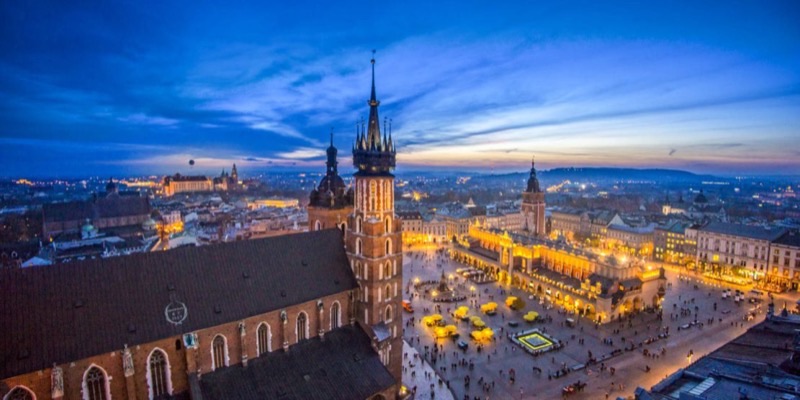
| Culture & History | Nordic heritage, sauna culture, modern design, Sami traditions, and a history of resilience. | Deep European history, medieval cities, WWII heritage, strong Catholic influence, and post-communist transformation. | Poland |
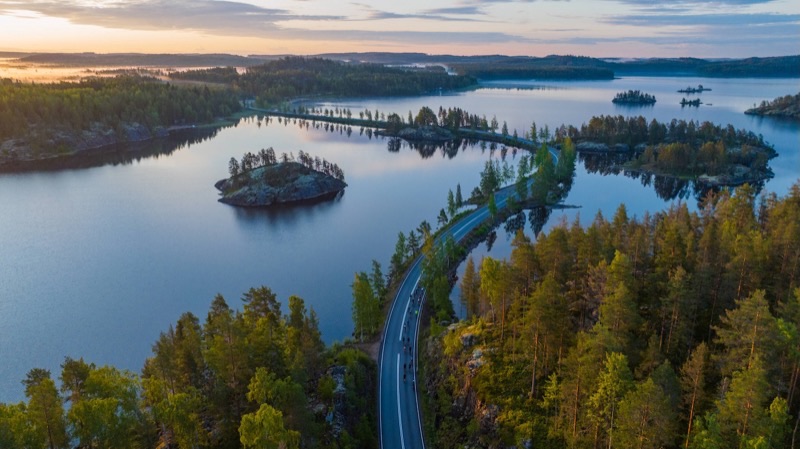
| Nature & Outdoors | Vast, pristine forests, thousands of lakes, Northern Lights, Arctic experiences, and national parks. | Mountains, ancient forests, Baltic Sea coast, and a mix of rolling hills and lowlands. | Finland |
| Food & Drink | Fresh fish, wild berries, rye bread, reindeer meat, and a focus on simple, clean flavors. | Hearty, diverse cuisine with pierogi, kielbasa, bigos, and inexpensive craft beer and vodka. | Poland |
| Nightlife | Active bar and club scene in cities, but expensive drinks and entry fees. Quieter outside major centers. | Lively and diverse nightlife, especially in major cities, with many affordable bars, clubs, and pubs. | Poland |
| Getting Around | Excellent public transport in cities, but long distances between towns often require flying or rental cars. Trains are comfortable. | Extensive and affordable public transport network (trains, buses) for intercity travel; efficient city systems. | Poland |
| Safety | One of the safest countries globally with very low crime rates. Trustworthy and orderly. | Generally safe, especially in tourist areas, but common big-city precautions apply. Pickpocketing can occur. | Finland |
| Accommodation | High-quality but expensive hotels, hostels, and unique cabins. Booking in advance is key. | Wide range of affordable options from hostels to boutique hotels, often with good amenities. | Poland |
| Day Trips & Excursions | Nature parks, coastal towns, and island hopping from cities. Focus on natural beauty and tranquility. | Historical sites, salt mines, mountain towns, and nearby cities. Diverse cultural and natural attractions. | Poland |
| Solo Travel | Very safe, easy to navigate, but can be quiet. Good for independent explorers seeking solitude. | Affordable, easy to meet other travelers, good transport. Can be more social and engaging. | Poland |
💸 Costs & Budget
Finland consistently ranks among the most expensive countries in Europe. A basic hostel bed in Helsinki costs €30-€50 ($33-$55 USD), a mid-range hotel room €100-€180 ($110-$200…
Finland

Poland
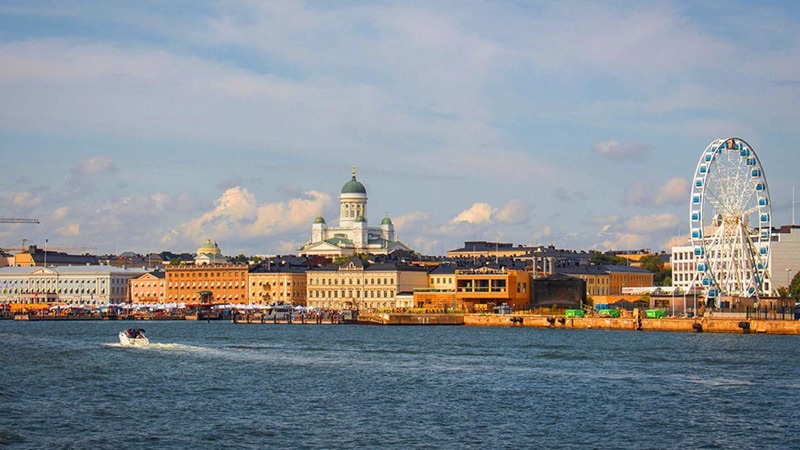
Finland consistently ranks among the most expensive countries in Europe. A basic hostel bed in Helsinki costs €30-€50 ($33-$55 USD), a mid-range hotel room €100-€180 ($110-$200 USD). A simple lunch can be €15-€25 ($17-$28 USD), and a local beer €7-€9 ($8-$10 USD). Public transport in Helsinki is efficient but not cheap, a single ticket is €2.80-€3.20 ($3.10-$3.50 USD). Daily budget for a mid-range traveler often sits at €100-€150 ($110-$165 USD) excluding major tours.
Poland, by contrast, provides excellent value. A hostel bed in Krakow or Warsaw runs PLN 50-PLN 90 ($13-$23 USD), and a mid-range hotel room PLN 200-PLN 400 ($50-$100 USD). A substantial lunch can be PLN 30-PLN 60 ($8-$15 USD), and a local beer PLN 10-PLN 15 ($2.50-$4 USD). City transport is inexpensive, a single ticket often PLN 3.40-PLN 4.40 ($0.85-$1.10 USD). A comfortable daily budget is easily maintained at PLN 150-PLN 300 ($40-$75 USD). The tabiji verdict: For travelers watching their wallets, Poland is the undeniable choice.
- Winner: Poland
- Why: Poland offers significantly lower prices for accommodation, food, transport, and activities, providing more travel for less money.
- Who this matters for: Budget-conscious travelers, students, and long-term travelers.
🏛️ Culture & History
Finland's cultural identity is marked by its unique language, the pervasive sauna tradition (over 3 million saunas), and a strong emphasis on design and modern art, seen in places…
Finland

Poland
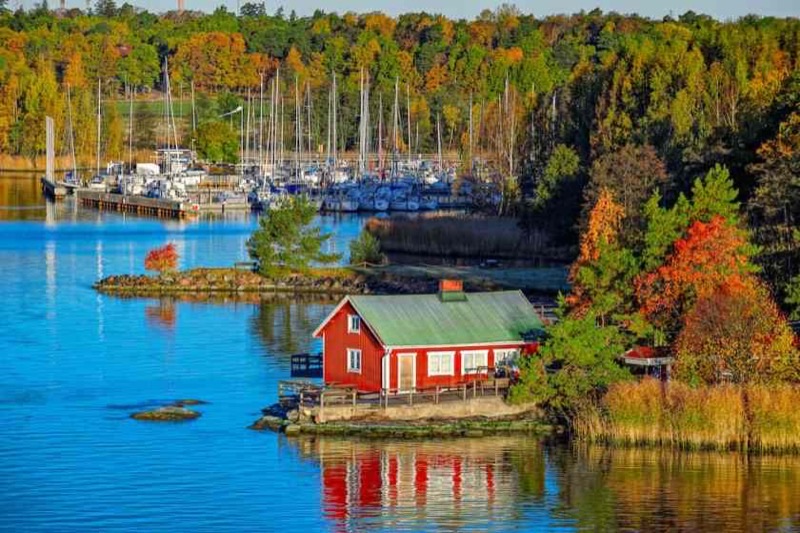
Finland's cultural identity is marked by its unique language, the pervasive sauna tradition (over 3 million saunas), and a strong emphasis on design and modern art, seen in places like the Ateneum Art Museum in Helsinki. Its history is tied to its position between Sweden and Russia, influencing its architecture and societal structures. The Sami culture in Lapland provides a distinct indigenous experience. Much of its appeal is in understanding its quiet strength and connection to nature, rather than grand historical monuments.
Poland provides a layered historical narrative that spans millennia. Cities like Krakow offer preserved medieval architecture, including Wawel Castle and the Main Market Square. Warsaw, largely rebuilt after WWII, presents a compelling story of resilience with sites like the Warsaw Uprising Museum and the POLIN Museum of the History of Polish Jews. Gdansk’s Old Town and Westerplatte hold significance from WWII. The strong Catholic heritage is apparent in churches and traditions across the country. The tabiji verdict: Poland offers a broader, more tangible historical experience with diverse cultural influences.
- Winner: Poland
- Why: Poland presents a richer, more accessible historical narrative with preserved medieval cities, significant WWII sites, and diverse cultural influences.
- Who this matters for: History enthusiasts, architecture fans, and those seeking traditional European heritage.
🌲 Nature & Outdoors
Finland is defined by its deep connection to the natural world. It boasts over 188,000 lakes, making lake activities a core experience. National parks like Nuuksio (near Helsinki)…
Finland
Poland
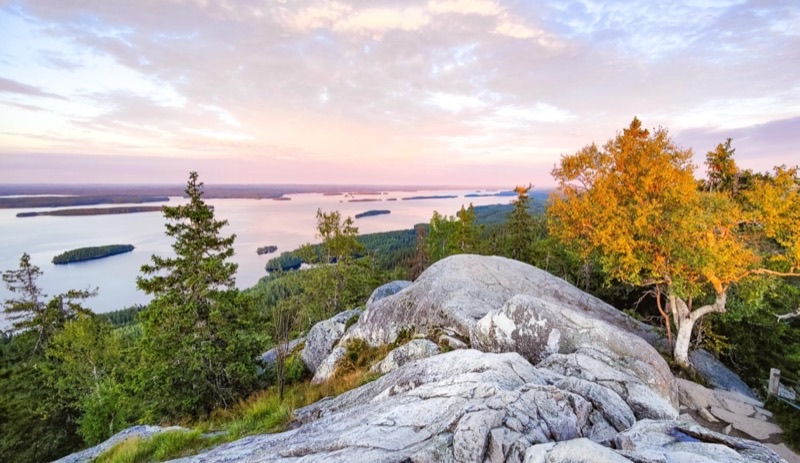
Finland is defined by its deep connection to the natural world. It boasts over 188,000 lakes, making lake activities a core experience. National parks like Nuuksio (near Helsinki) offer accessible hiking, while those in Lapland such as Pallas-Yllästunturi provide opportunities for reindeer spotting, cross-country skiing, and witnessing the Aurora Borealis from September to March. The Finnish 'everyman's rights' allow for free roaming and foraging, emphasizing a culture of outdoor access. The air and water quality are exceptional, and silence is often the dominant sound.
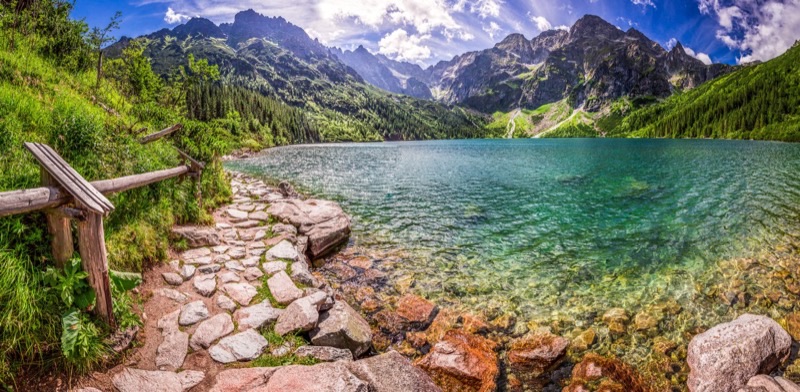
Poland also has compelling natural areas, including the Tatra Mountains for hiking and skiing, and the Białowieża Forest, home to European bison. The Baltic Sea coast offers beaches and dunes, while Masurian Lake District provides water-based recreation. Karkonosze National Park presents diverse landscapes. While beautiful, Poland's nature areas are generally more populated and less 'wild' compared to Finland's expansive, sparsely inhabited wilderness. The tabiji verdict: Finland offers a more profound and expansive wilderness experience, particularly for seekers of solitude and Arctic phenomena.
- Winner: Finland
- Why: Finland's vast, pristine wilderness, numerous lakes, and unique Arctic experiences like the Northern Lights offer a more profound nature immersion.
- Who this matters for: Nature lovers, hikers, photographers, and those seeking solitude or Arctic experiences.
🍽️ Food & Drink
Finnish cuisine centers on fresh, seasonal ingredients from forests and lakes. Expect dishes like grilled salmon, smoked reindeer, Karelian pies, and desserts with wild berries…
Finland
Poland
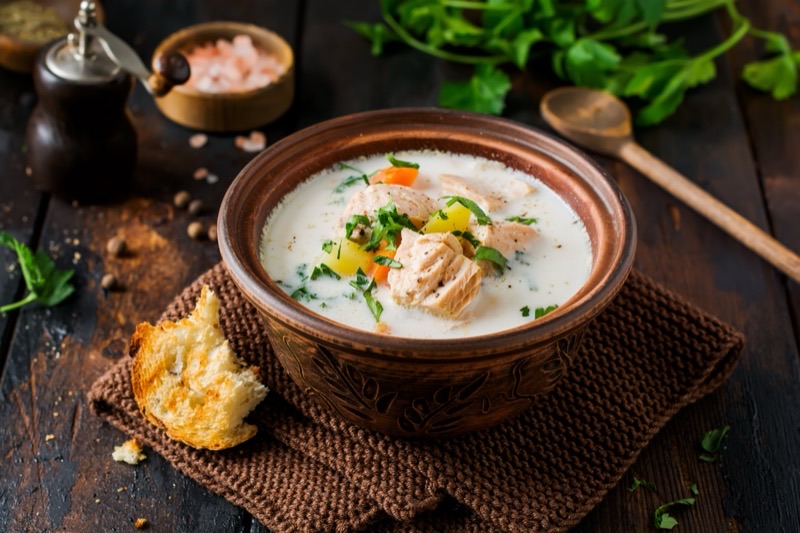
Finnish cuisine centers on fresh, seasonal ingredients from forests and lakes. Expect dishes like grilled salmon, smoked reindeer, Karelian pies, and desserts with wild berries like lingonberries or cloudberries. Restaurants like Ravintola Savotta in Helsinki offer traditional Finnish fare, where a main course can be €25-€40 ($28-$45 USD). Food can be wholesome but sometimes perceived as less diverse or experimental than other European cuisines, and prices are high. Specialty coffees and craft beers are available but at premium prices, often €7-€10 ($8-$11 USD) for a pint.
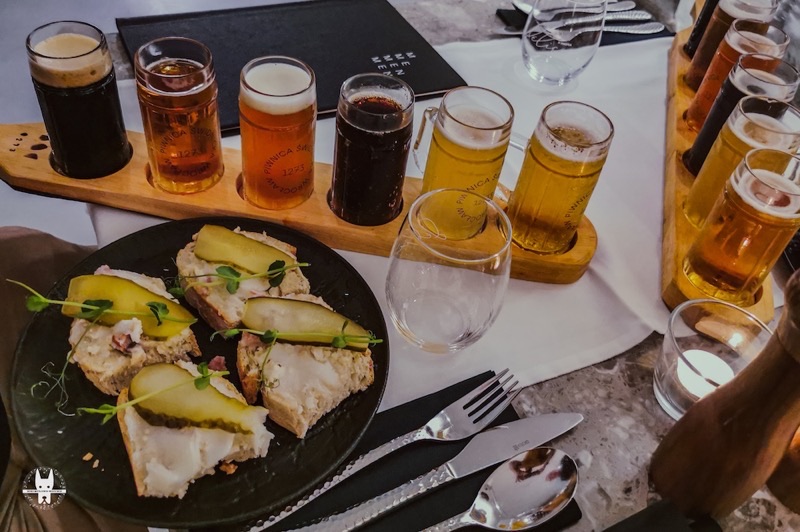
Polish food is hearty, comforting, and inexpensive. Staples include pierogi (dumplings), kielbasa (sausage), bigos (hunter's stew), and żurek (sour rye soup). Cities like Krakow and Warsaw have excellent street food, with zapiekanka (open-faced toasted sandwiches) for PLN 15-PLN 25 ($4-$6 USD). Restaurants such as Pod Wawelem in Krakow offer large portions of traditional dishes for PLN 40-PLN 70 ($10-$18 USD). Poland also has a strong beer culture with many craft breweries, and vodka is a national drink, both available at low prices. The tabiji verdict: Poland offers a more varied, affordable, and generally more satisfying culinary journey for the average traveler.
- Winner: Poland
- Why: Poland's food is more diverse, considerably cheaper, and offers a wider range of accessible comfort foods and local drinks.
- Who this matters for: Foodies, budget travelers, and those who enjoy hearty, traditional European cuisine.
🎉 Nightlife
Helsinki has a concentrated nightlife around areas like Kallio and Punavuori. You'll find cocktail bars, pubs, and clubs. Popular spots include Kaiku and Bar Loose. Drinks are…
Finland
Poland
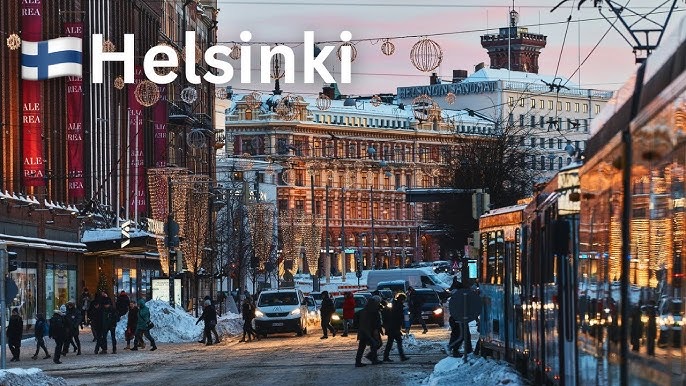
Helsinki has a concentrated nightlife around areas like Kallio and Punavuori. You'll find cocktail bars, pubs, and clubs. Popular spots include Kaiku and Bar Loose. Drinks are expensive, often €8-€12 ($9-$13 USD) for a beer or basic cocktail, and club entry can be €10-€15 ($11-$17 USD). While there is activity, especially on weekends, the scene can feel more reserved, and the high cost can limit extended outings for many travelers. Outside of Helsinki and Tampere, nightlife options diminish significantly.
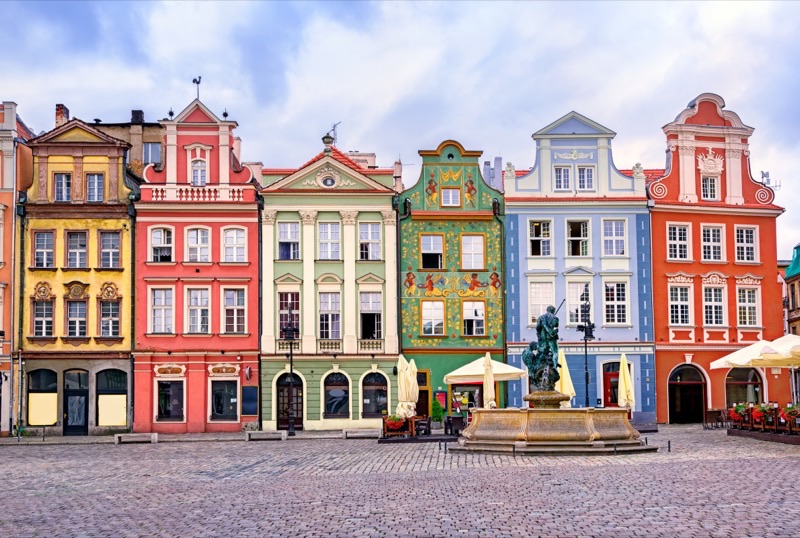
Poland’s cities, particularly Krakow (Kazimierz district) and Warsaw, boast a thriving and extensive nightlife. Krakow's Old Town and Jewish Quarter are packed with pubs, underground clubs, and themed bars. Warsaw offers everything from elegant cocktail lounges to techno clubs. Drinks are very affordable; a pint of local beer is typically PLN 10-PLN 16 ($2.50-$4 USD), and cocktails PLN 25-PLN 40 ($6-$10 USD). Entry to clubs is often free or a small charge of PLN 10-PLN 20 ($2.50-$5 USD). The atmosphere is generally more open and energetic. The tabiji verdict: For an active, affordable, and diverse evening experience, Poland is the clear winner.
- Winner: Poland
- Why: Poland offers a more extensive, more affordable, and generally more energetic nightlife scene with diverse options in its major cities.
- Who this matters for: Party-goers, social travelers, and those seeking late-night entertainment on a budget.
🚗 Getting Around
Finland’s public transport within cities like Helsinki (trams, metro, buses) is efficient and punctual. Intercity travel can be done by train (VR) which is comfortable but can be…
Finland’s public transport within cities like Helsinki (trams, metro, buses) is efficient and punctual. Intercity travel can be done by train (VR) which is comfortable but can be expensive, for example, Helsinki to Rovaniemi tickets start from €60-€100 ($66-$110 USD) for a single journey. Due to the vast distances, especially to Lapland, domestic flights are common but add to the cost. Rental cars are a good option for exploring more remote areas but fuel is expensive, around €1.90-€2.10/liter ($7.80-$8.60/gallon USD). Hitchhiking is less common but possible in rural areas.
Poland has a well-developed and very affordable public transport system. PKP Intercity trains connect major cities efficiently; a journey from Warsaw to Krakow can cost PLN 60-PLN 120 ($15-$30 USD). An extensive network of private bus companies like FlixBus offers even cheaper options. Within cities, trams and buses are frequent and cost-effective, with day passes often PLN 15-PLN 25 ($4-$6 USD). Rental cars are cheaper than in Finland, and fuel costs are lower (around PLN 6.50-PLN 7.00/liter or $6.70-$7.20/gallon USD). The tabiji verdict: Poland's comprehensive and budget-friendly transport network makes internal travel easier for most visitors.
- Winner: Poland
- Why: Poland's intercity and urban public transport is significantly more affordable and extensive, making travel within the country easier and cheaper.
- Who this matters for: Budget travelers, those relying on public transport, and visitors covering multiple cities.
👮 Safety
Finland consistently ranks among the safest countries in the world. Violent crime is rare, and petty crime, while present in cities, is minimal. Travelers can generally feel…
Finland consistently ranks among the safest countries in the world. Violent crime is rare, and petty crime, while present in cities, is minimal. Travelers can generally feel secure walking alone at night, even in urban centers. The Finnish society is built on trust, and people often leave belongings unattended. Emergency services are efficient and reliable. Incidents of harassment or serious issues are uncommon, contributing to a very relaxed travel experience even for solo individuals. The overall sense of order and security is palpable.
Poland is also a safe country for tourists, with major cities and tourist zones generally well-policed. However, like any major European destination, pickpocketing and minor scams can occur in crowded areas like Krakow's Main Market Square or Warsaw's Old Town. Basic street smarts are advisable, especially at night or in busy public transport hubs. While safe, it doesn't quite match Finland's exceptional reputation for low crime and high public trust. The tabiji verdict: Finland's extremely low crime rates and high societal trust make it a marginally safer destination for most travelers.
- Winner: Finland
- Why: Finland boasts exceptionally low crime rates and a high level of societal trust, offering a more worry-free travel experience.
- Who this matters for: Solo travelers, families, and those who prioritize maximum personal security and peace of mind.
🏨 Accommodation
Accommodation in Finland is clean, well-maintained, and generally high quality, but it comes at a significant cost. Expect to pay €30-€50 ($33-$55 USD) for a bed in a decent…
Accommodation in Finland is clean, well-maintained, and generally high quality, but it comes at a significant cost. Expect to pay €30-€50 ($33-$55 USD) for a bed in a decent hostel in Helsinki or Tampere. Mid-range hotels like Hotel Indigo Helsinki-Boulevard often start from €150 ($165 USD) per night. Unique options like glass igloos in Lapland can cost €400-€800 ($440-$880 USD) per night. Budget camping or cabin rentals outside major cities offer some relief but still require planning. Advance booking is highly recommended, especially during peak seasons like summer or aurora season.
Poland offers a vast array of accommodation options that are far more budget-friendly. A bed in a well-regarded hostel such as Hostel La Boca in Krakow can be found for PLN 50-PLN 90 ($13-$23 USD). Mid-range boutique hotels, like Hotel Stary in Krakow, offer rooms from PLN 400-PLN 800 ($100-$200 USD), often with excellent service and amenities. Even luxury hotels are more affordable than their Finnish counterparts. Private apartments via platforms like Airbnb are also plentiful and inexpensive. The tabiji verdict: Poland offers superior value and variety in accommodation, catering to all budget levels more effectively.
- Winner: Poland
- Why: Poland provides a much wider range of quality accommodation options at significantly lower prices, offering better value for money.
- Who this matters for: All travelers, especially those on a budget or seeking good value in hotels and private rentals.
🗺️ Day Trips & Excursions
From Helsinki, popular day trips include the sea fortress of Suomenlinna (a short ferry ride, €6-€8 return), or Nuuksio National Park, accessible by bus. Porvoo, a medieval wooden…
From Helsinki, popular day trips include the sea fortress of Suomenlinna (a short ferry ride, €6-€8 return), or Nuuksio National Park, accessible by bus. Porvoo, a medieval wooden town, is another option. These trips emphasize quiet exploration, nature walks, and appreciating history in a subdued manner. Further afield, a trip to Tallinn, Estonia, by ferry is a common and easy international day trip, costing around €25-€50 ($28-$55 USD) return. The focus is often on escaping the city into nature or small, picturesque towns.
Poland excels in day trip potential. From Krakow, the Wieliczka Salt Mine (entry PLN 109-PLN 139 or $27-$35 USD) and Auschwitz-Birkenau Memorial and Museum are profound and essential visits. Zakopane in the Tatra Mountains is accessible for hiking. From Warsaw, you can visit the medieval city of Torun or Łódź for its industrial heritage and street art. The diversity of options, from somber historical sites to natural beauty and charming towns, provides more varied experiences. The tabiji verdict: Poland offers a more diverse and impactful selection of day trips, catering to a broader range of interests.
- Winner: Poland
- Why: Poland provides a greater variety of historically significant, culturally rich, and naturally diverse day trips from its major cities.
- Who this matters for: Travelers interested in historical sites, unique geological formations, or exploring diverse landscapes near cities.
🚶♀️ Solo Travel
Finland is an excellent choice for solo travelers prioritizing safety and independence. Its low crime rates mean walking alone at night is generally not an issue. Public transport…
Finland is an excellent choice for solo travelers prioritizing safety and independence. Its low crime rates mean walking alone at night is generally not an issue. Public transport is straightforward, and English is widely spoken in urban areas. However, Finnish culture can be reserved, making spontaneous social interactions less common. Solo travelers might find themselves enjoying solitude more than meeting many new people. Activities like hiking, visiting saunas, or exploring museums are well-suited for individual enjoyment. Costs can add up quickly for a single person without splitting expenses.
Poland is also very safe for solo travelers, particularly in tourist-heavy cities. Its affordability makes it easier to extend trips or enjoy more amenities without breaking the bank. Hostels are numerous and well-regarded, providing easy opportunities to meet other travelers. Organized tours (e.g., free walking tours) are common and good for social connections. The more open and social atmosphere, combined with the lower costs, makes it easier for solo travelers to engage with locals and fellow tourists. The tabiji verdict: Poland offers a more balanced and socially engaging solo travel experience, coupled with budget-friendliness.
- Winner: Poland
- Why: Poland's affordability, numerous social opportunities in hostels and tours, and generally more outwardly social culture make it better for solo travelers seeking interaction.
- Who this matters for: Solo travelers looking to meet people, manage a budget, and enjoy an active social scene.
🎯 The Decision Framework
Choose Finland If…
- You prioritize extreme safety and a sense of order.
- You seek pristine, quiet wilderness and vast natural spaces.
- You are determined to see the Northern Lights (seasonal).
- You are interested in modern design, architecture, and sauna culture.
- You prefer fewer crowds and a more reserved atmosphere.
- You enjoy outdoor activities like hiking, lake exploring, or cross-country skiing.
- You have a flexible budget and can spend €100-€150+ per day.
- You appreciate high-quality infrastructure and cleanliness.
Choose Poland If…
- You want deep, tangible European history, from medieval castles to WWII sites.
- You need a budget-friendly destination (expect $40-$75 per day).
- You enjoy hearty, diverse, and inexpensive food and drink.
- You prefer a lively, social nightlife with affordable options.
- You want easy and cheap intercity travel via trains and buses.
- You seek a broader range of diverse cultural and natural day trips.
- You are interested in meeting other travelers and engaging socially.
- You appreciate preserved medieval architecture and vibrant city centers.
❓ Frequently Asked Questions
What is the average flight time from London to Finland versus Poland?
A direct flight from London to Helsinki, Finland, typically takes around 2 hours 45 minutes to 3 hours. A direct flight from London to Warsaw or Krakow, Poland, usually takes about 2 hours 15 minutes to 2 hours 30 minutes. Both are convenient short-haul flights within Europe.
Which country is better for winter sports and snow activities?
Finland, especially Lapland, offers a more extensive and reliable winter sports experience with consistent snow from November to April. Activities include cross-country skiing, downhill skiing, snowmobiling, husky sledding, and ice fishing. Poland's Tatra Mountains offer good downhill skiing, but the season can be shorter and less consistent than in Finnish Lapland.
Is English widely spoken in Finland and Poland?
In Finland, English is very widely spoken, especially among younger generations and in urban areas. You'll have no problem communicating. In Poland, English is also common in tourist areas, major cities, and among younger people, though less universally than in Finland. Learning a few basic Polish phrases is a good idea, but not strictly necessary for most travel.
Which destination is more suitable for families with young children?
Poland offers more family-friendly budget options for accommodation, food, and attractions like historical sites and parks. It can be easier to manage costs. Finland is also family-friendly with excellent infrastructure and safety, but the higher costs might be a concern for many families. For a Santa Claus experience, Finnish Lapland is the origin.
What is the typical cost of a coffee or a basic meal in both countries?
In Finland, a regular filter coffee typically costs €3-€5 ($3.30-$5.50 USD), and a basic lunch can be €15-€25 ($17-$28 USD). In Poland, a coffee is usually PLN 10-PLN 16 ($2.50-$4 USD), and a basic lunch often costs PLN 30-PLN 60 ($8-$15 USD). Poland is significantly more affordable for daily food and drink expenses.
What are the visa requirements for US citizens visiting Finland vs Poland?
For US citizens, both Finland and Poland are part of the Schengen Area. You can visit either country (or any combination within the Schengen Area) for up to 90 days within a 180-day period without a visa. After mid-2025, an ETIAS authorization will be required for entry, costing €7 ($7.70 USD).
Which country offers more architectural diversity?
Poland offers greater architectural diversity, with preserved medieval Old Towns (Krakow, Gdansk), Baroque churches, Art Nouveau buildings, and post-war Socialist Realism structures in Warsaw. Finland's architecture leans towards functionalist, modern, and Art Nouveau styles, with fewer preserved older structures outside specific areas.
Is it easy to find vegetarian or vegan food options in both countries?
Both countries have increasing vegetarian and vegan options, especially in major cities. Finland's larger cities like Helsinki have many dedicated vegan restaurants and cafes, reflecting a health-conscious culture. Poland's larger cities like Warsaw and Krakow also have a growing number of plant-based eateries, and traditional Polish cuisine can often be adapted to be meat-free, such as pierogi without meat filling.
Ready to plan your European trip?
Get a free custom itinerary for Finland, Poland, or both — built from real traveler insights.
🎟️ Book Tours & Experiences
Hand-picked tours and activities for both destinations — book with free cancellation
Experiences via Viator — free cancellation on most tours