How we built this comparison
This page combines traveler discussion patterns, published price ranges, flight schedules, and seasonal data to help you decide between Finland and Serbia.
- Reviewed 50+ Reddit threads from r/travel, r/solotravel, r/Finland, r/Serbia, r/EuropeTravel.
- Verified costs and logistics against current booking platforms and recent traveler reports.
- Cross-referenced seasonal patterns and weather data from meteorological sources.
⚡ Quick Answers
⚡ The TL;DR Verdict
For most travelers seeking a cultural and social experience without spending a fortune, Serbia is the clear winner, offering incredible value and a lively atmosphere. If pristine nature, safety, and unique Arctic adventures are your priority and budget is no concern, Finland delivers a different kind of reward. Serbia is generally better for a first-time trip to the region.
- Choose Finland: You prioritize untouched nature, personal space, quiet, design, saunas, and are prepared for higher costs. Ideal for winter wonderland seekers or summer cabin getaways.
- Choose Serbia: You seek historical depth, lively city life, flavorful food, affordability, and a social, approachable atmosphere. Perfect for budget-conscious explorers and night owls.
- Choose Both: Only consider both if you have 3+ weeks, a substantial budget, and a deep interest in contrasting European experiences; otherwise, pick one for a focused trip.
Choose Finland
Choose Finland if you dream of pristine Arctic wilderness, chasing the Northern Lights, or embracing the ultimate sauna culture. It's best for travelers seeking peaceful natural escapes, unique winter activities like husky sledding in Lapland, and those who appreciate minimalist design, with a higher budget for a serene, safe adventure away from the crowds.
Choose Serbia
Opt for Serbia if you crave vibrant city life, rich history, and incredible value, especially in Belgrade. It's best for budget-conscious explorers, foodies eager to try hearty Balkan cuisine, and night owls who want to experience legendary nightlife in areas like Savamala, all while enjoying a warm, social atmosphere and engaging with friendly locals.
📊 Visual Scorecard
🌤 When to Visit
Average high temperatures (°C). Green = best months, orange = avoid.
Quick Comparison
| Category | Finland | Serbia | Winner |
|---|---|---|---|
| Costs & Budget | Significantly higher costs for everything: accommodation, food, transport. Expect to spend at least double. | Very budget-friendly, especially outside Belgrade. Excellent value for food, drinks, and activities. | Serbia |
| Nature & Outdoors | Vast, pristine forests, thousands of lakes, Arctic wilderness, Northern Lights. Highly accessible and well-maintained. | Diverse landscapes including mountains, rivers, and national parks. Less developed for tourism, some areas are rugged. | Finland |
| Food & Drink | Simple, seasonal, and fresh ingredients. Rye bread, salmon, berries, game meat. Higher prices, fewer street food options. | Hearty, meat-centric, flavorful Balkan cuisine. Excellent street food, strong coffee, cheap rakija (fruit brandy). | Serbia |
| Nightlife & Entertainment | Focused on pubs, bars, and occasional clubs. Higher drink prices. Saunas are also a social activity. | Belgrade is famous for its lively, late-night club scene, river boats (splavovi), and traditional kafanas. Very affordable. | Serbia |
| Culture & History | Pagan roots, strong sauna culture, modern design, silence, unique language. History includes Russian rule and WWII. | Deep, complex history spanning Roman, Ottoman, and Austro-Hungarian empires. Orthodox Christianity, communist past, diverse folk traditions. | Serbia |
| Getting There & Around | Well-connected Helsinki-Vantaa Airport. Efficient, punctual public transport (trains, buses). Driving is easy. | Belgrade Nikola Tesla Airport is the main hub. Buses are primary for intercity travel; trains are slower. Roads can be challenging. | Finland |
| Accommodation | Clean, well-designed, but expensive. Hostels, hotels, cabins. Booking in advance is recommended for value. | Affordable hostels, guesthouses, and hotels. Good value for money, many family-run options. Booking.com is popular. | Serbia |
| Safety & Local Vibe | Extremely safe, low crime rates. Locals are reserved but helpful. Emphasis on personal space and quiet. | Generally safe, especially in tourist areas. Locals are warm, hospitable, and direct. More social interaction. | Finland |
| Weather & Seasons | Cold, snowy winters (ideal for Arctic activities). Mild, bright summers with long daylight hours. Autumn for fall foliage. | Hot summers, mild springs and autumns, cold but generally less severe winters than Finland. Rain is common year-round. | Tie |
| Unique Experiences | Authentic Finnish sauna, Aurora Borealis, Midnight Sun, ice swimming, Santa Claus Village. Arctic wilderness. | Belgrade river clubs (splavovi), traditional kafanas, Rakija tasting, ancient monasteries, Drina River House. Balkan hospitality. | Finland |
💰 Costs & Budget
Finland consistently ranks among Europes most expensive destinations. A budget traveler staying in hostels, cooking some meals, and using public transport can expect to spend…
Finland
Serbia
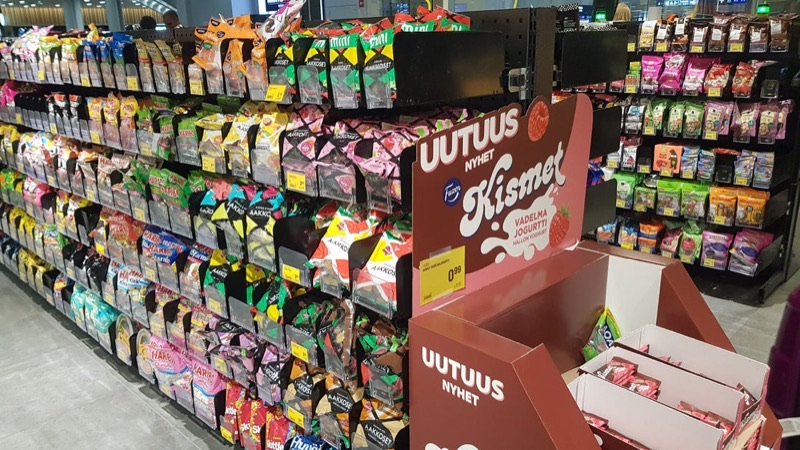
Finland consistently ranks among Europes most expensive destinations. A budget traveler staying in hostels, cooking some meals, and using public transport can expect to spend €80-150 ($90-170) per day. A simple lunch in Helsinki can cost €15-25 ($17-28), a beer €7-10 ($8-11), and a basic hotel room €100-150 ($115-170). Activities like husky sledding in Lapland easily run €150-250 ($170-280) per person. Grocery prices are also high, with a liter of milk costing around €1.20-1.50 ($1.35-1.70). This is a place where every transaction feels like a significant decision, especially when comparing against other European nations.
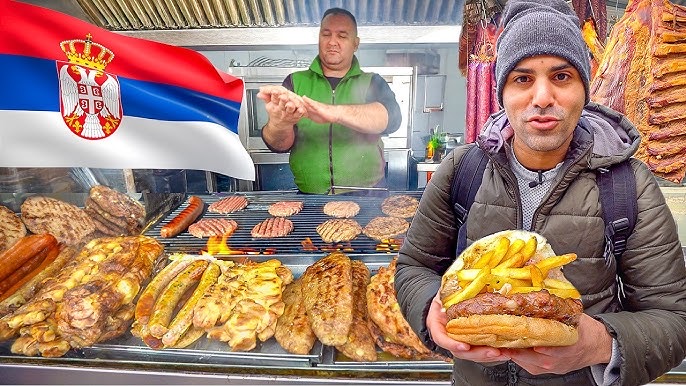
Serbia, by contrast, offers exceptional value. A budget traveler can comfortably get by on €30-60 ($35-70) per day, staying in hostels or budget guesthouses, eating local food, and enjoying nightlife. A full meal at a traditional 'kafana' (restaurant) in Belgrade might cost €8-15 ($9-17), a local beer €2-3 ($2.20-3.30), and a hostel bed €10-20 ($11-22). Even mid-range hotels rarely exceed €70-100 ($80-115) outside of peak events. Public transport in Belgrade is cheap, around €0.80-1.00 ($0.90-1.10) for a single ticket. This allows for spontaneity and trying more local experiences without constant financial worry. Tabiji verdict: Serbia is the undisputed champion for budget-conscious travelers.
- Winner: Serbia
- Why: Serbia provides significantly more travel value for every dollar spent, making experiences accessible to more people.
- Who this matters for: Everyone, but especially backpackers, long-term travelers, and those on a strict budget.
🌲 Nature & Outdoors
Finland is defined by its nature. Over 70% of the country is forest, and it boasts 188,000 lakes. National Parks like Nuuksio (near Helsinki), Koli, and Oulanka offer well-marked…
Finland
Serbia
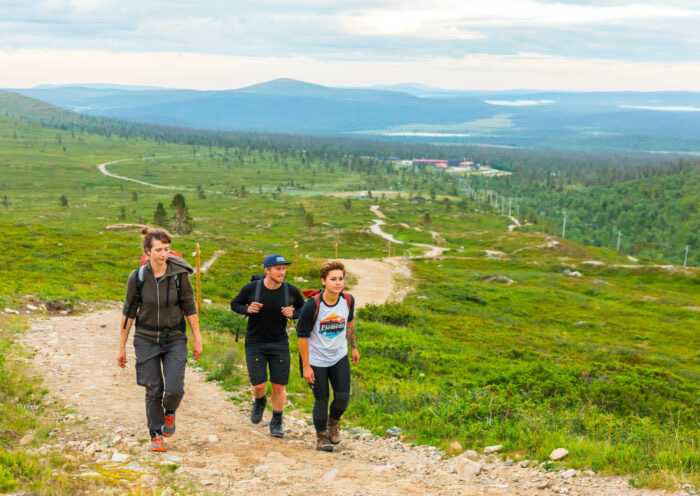
Finland is defined by its nature. Over 70% of the country is forest, and it boasts 188,000 lakes. National Parks like Nuuksio (near Helsinki), Koli, and Oulanka offer well-marked trails, free wilderness huts, and stunning landscapes. In Lapland, experiences like seeing the Northern Lights, husky sledding, reindeer sleigh rides, and snowshoeing are readily available, albeit at a cost. The 'everymans right' allows free access to most natural areas, making hiking, berry picking, and fishing easy. Even in cities, proximity to green spaces and water is common. The air and water quality are among the best globally, and the silence in the wilderness is profound.
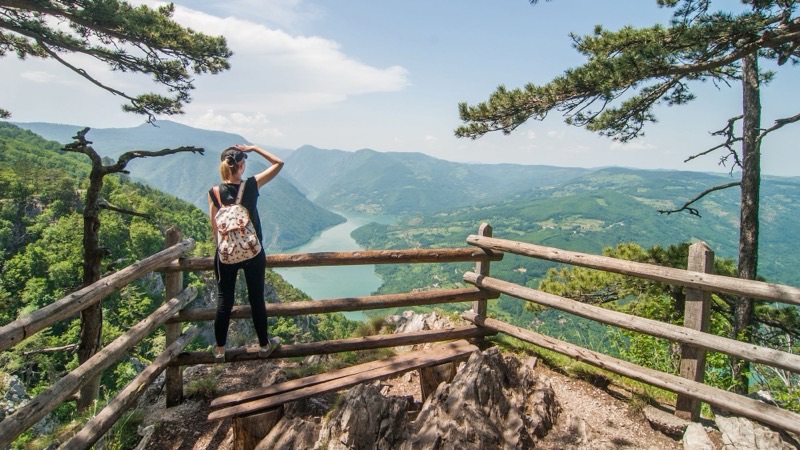
Serbia has its own natural appeal, with areas like Tara National Park (known for its Drina River House), Fruška Gora National Park with its monasteries, and the Iron Gates gorge on the Danube. Kopaonik is a popular ski resort. The Uvac Canyon meanders dramatically, known for its griffon vultures. While beautiful, Serbias natural areas are generally less developed for international tourism, meaning fewer English signs, more challenging logistics, and sometimes less pristine infrastructure compared to Finland. It offers a more raw, less manicured outdoor experience, which appeals to some. Tabiji verdict: Finland offers unparalleled accessibility to truly wild, clean, and unique natural phenomena.
- Winner: Finland
- Why: Finland offers more accessible, expansive, and iconic natural experiences, including the Arctic and its associated activities.
- Who this matters for: Adventure seekers, nature photographers, those interested in Arctic phenomena, and anyone valuing quiet, clean wilderness.
🍽️ Food & Drink
Finnish cuisine focuses on fresh, often locally sourced ingredients. Common dishes include salmon soup (lohikeitto), Karelian pies (karjalanpiirakka), rye bread, and various berry…
Finland
Serbia
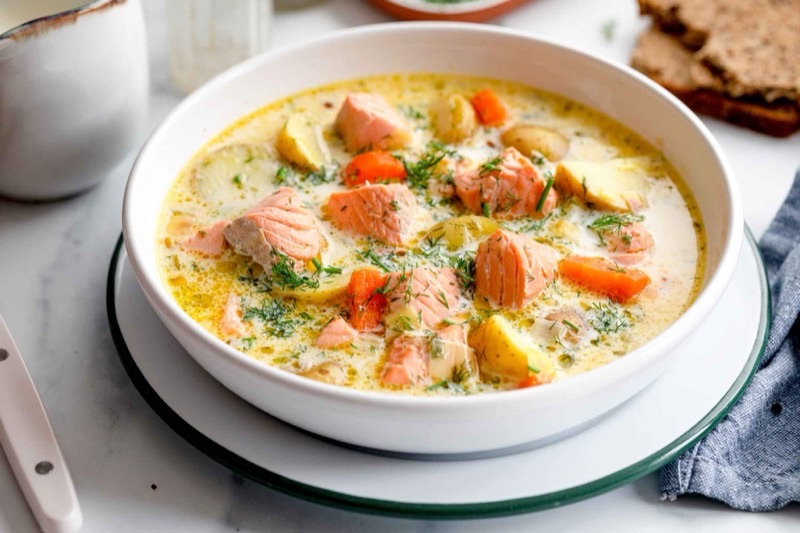
Finnish cuisine focuses on fresh, often locally sourced ingredients. Common dishes include salmon soup (lohikeitto), Karelian pies (karjalanpiirakka), rye bread, and various berry desserts. Reindeer meat is a specialty in Lapland. While wholesome, Finnish food generally doesnt have the same reputation for complexity or variety as other European cuisines. Eating out is expensive; a decent sit-down meal at a restaurant like Savotta in Helsinki can easily cost €30-50 ($34-57) per person without drinks. Street food is limited, mostly confined to market stalls selling simple pastries or hotdogs. Coffee culture is strong, but a regular coffee costs €4-5 ($4.50-5.70).
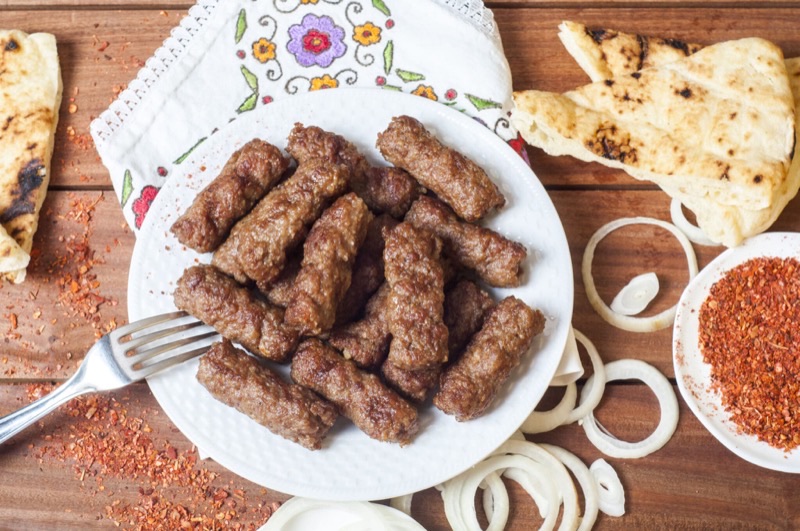
Serbian food is a delight, heavily influenced by Ottoman and Austro-Hungarian traditions. Expect grilled meats (ćevapi, pljeskavica), sarma (cabbage rolls), kajmak (creamy dairy spread), and gibanica (cheese pie). Street food, like burek (flaky pastry) or fast food grills, is plentiful and extremely cheap, often costing €2-5 ($2.20-5.70) for a filling meal. Restaurants, known as kafanas, are social hubs where food, drink, and often live music are shared. A fantastic dinner at a well-regarded place like Tri Šešira in Skadarlija, Belgrade, might be €20-30 ($23-34) per person with drinks. Rakija, a strong local fruit brandy, is ubiquitous and inexpensive. Tabiji verdict: Serbia offers a more diverse, flavorful, and affordable culinary journey for most palates.
- Winner: Serbia
- Why: Serbia offers a richer, more flavorful, and significantly more affordable culinary experience with diverse options and strong social dining culture.
- Who this matters for: Foodies, budget travelers, anyone who loves hearty meat dishes and flavorful pastries.
🌃 Nightlife & Entertainment
Finnish nightlife, particularly in Helsinki, revolves around pubs, bars, and some smaller clubs. Prices are a major factor, with a pint of local beer costing €7-10 ($8-11) and…
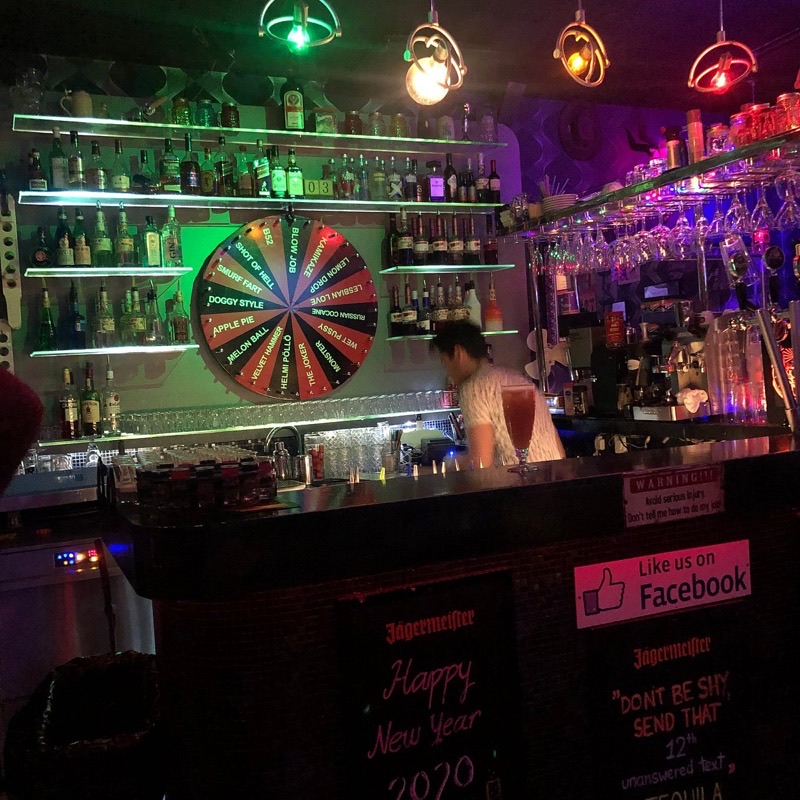
Finland
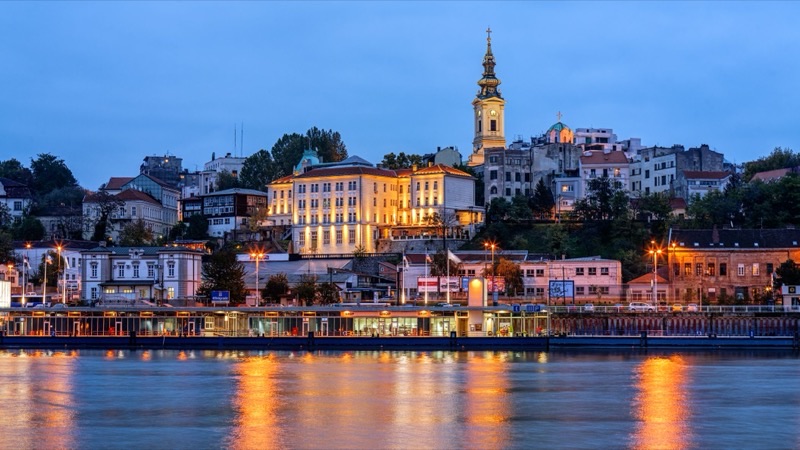
Serbia
Finnish nightlife, particularly in Helsinki, revolves around pubs, bars, and some smaller clubs. Prices are a major factor, with a pint of local beer costing €7-10 ($8-11) and cocktails even more. Many Finns pre-drink at home to save money. The atmosphere can be more reserved initially, though people open up after a few drinks. There are also unique Finnish nightlife experiences centered around saunas, where friends gather to steam, drink, and socialize. Live music venues exist but are not as central to the experience as in Serbia. The Kallio district in Helsinki is a popular area for bars.
Belgrade is renowned for its energetic and affordable nightlife. It features a diverse range of options from traditional kafanas with live folk music to modern clubs, especially the famous 'splavovi' (floating river clubs) on the Sava and Danube. These clubs stay open until dawn, drawing international DJs and crowds. Drinks are significantly cheaper than in Finland, with a beer often costing €2-4 ($2.20-4.50) and cocktails around €5-8 ($5.70-9). Novi Sad also has a lively student-driven nightlife, particularly in the city center. The social atmosphere is generally more open and welcoming, making it easier to meet people. Tabiji verdict: Belgrade offers a more dynamic, accessible, and exciting nightlife scene that runs much later and costs less.
- Winner: Serbia
- Why: Serbias nightlife, especially in Belgrade, is legendary for its energy, diversity, affordability, and late hours.
- Who this matters for: Party-goers, social travelers, those seeking late-night entertainment and a lively atmosphere.
🏛️ Culture & History
Finlands cultural identity is heavily influenced by its natural environment, sauna culture (an integral part of life), and a strong design heritage, seen in brands like Marimekko…
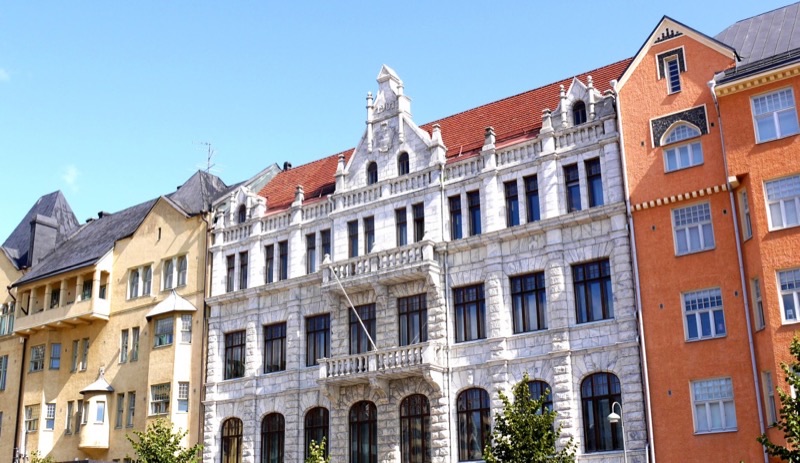
Finland
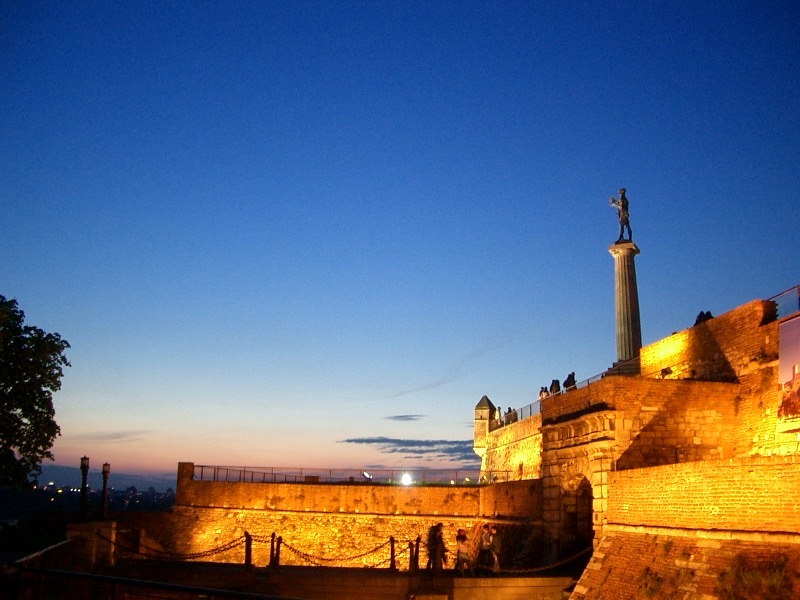
Serbia
Finlands cultural identity is heavily influenced by its natural environment, sauna culture (an integral part of life), and a strong design heritage, seen in brands like Marimekko and Iittala. Its history involves periods under Swedish and Russian rule, gaining independence in 1917, and fighting in WWII. Museums like the National Museum of Finland or Kiasma (contemporary art) in Helsinki provide insight. The silence and appreciation for personal space are key cultural traits. Finnish folk traditions are less outwardly visible than in Serbia, often tied to specific regions or festivals. Its a culture that requires some time to understand below the surface.
Serbias history is a layered tapestry, evident in its architecture, religion, and people. From Roman ruins like Felix Romuliana to medieval Orthodox monasteries (like Studenica or Žiča, UNESCO sites), Ottoman mosques, and Austro-Hungarian influences in cities like Novi Sad. The communist past is visible in Brutalist architecture in Belgrade. The Nikola Tesla Museum, Kalemegdan Fortress, and the Museum of Yugoslavia (Tito's Mausoleum) are important historical sites in Belgrade. Serbian Orthodox Christianity plays a significant role in identity and traditions. Folk music, dance, and traditional clothing are visible during festivals and celebrations. The peoples resilience and hospitality, often expressed through food and drink, are core cultural elements. Tabiji verdict: Serbia offers a more visibly rich, complex, and ancient cultural and historical narrative for visitors to explore.
- Winner: Serbia
- Why: Serbias long and complex history, visible through its architecture, religion, and traditions, offers a deeper and more diverse cultural exploration.
- Who this matters for: History buffs, architecture enthusiasts, those interested in diverse religious traditions, and people seeking observable cultural practices.
✈️ Getting There & Around
Finland is well-connected by air, primarily through Helsinki-Vantaa Airport (HEL), with direct flights from major European and some North American cities (e.g., New York to…
Finland is well-connected by air, primarily through Helsinki-Vantaa Airport (HEL), with direct flights from major European and some North American cities (e.g., New York to Helsinki is about 8-9 hours direct). Within Finland, the public transport system is excellent. VR trains are efficient and comfortable, connecting major cities like Helsinki, Tampere, Turku, and even going up to Rovaniemi in Lapland. Buses are also reliable. Cities have good public transport networks. Driving is straightforward, especially outside of winter conditions, with well-maintained roads and clear signage. Flights to more remote areas like Kuusamo or Ivalo are available but can be expensive.
Serbia is accessible via Belgrade Nikola Tesla Airport (BEG), with connections across Europe and some Middle Eastern hubs. Direct flights from North America are rare, often requiring a layover (e.g., New York to Belgrade is 9-11 hours with one stop). Intercity travel within Serbia primarily relies on an extensive, albeit sometimes older, bus network. Buses are generally affordable and frequent between major towns. The train network is less developed and often slower than buses, though some routes like Belgrade to Novi Sad are being modernized. Driving in Serbia can be more challenging due to varying road conditions and aggressive driving styles in cities. Renting a car offers flexibility for rural exploration but requires caution. Tabiji verdict: Finland offers a smoother, more comfortable, and generally more reliable experience for getting to and moving within the country.
- Winner: Finland
- Why: Finland boasts superior infrastructure, more efficient public transport, and easier driving conditions.
- Who this matters for: Travelers prioritizing comfort, efficiency, and ease of navigation, especially those planning to travel extensively within the country.
🏨 Accommodation
Accommodation in Finland is consistently high quality but comes at a significant cost. Even budget hostels in Helsinki can charge €30-50 ($34-57) for a dorm bed, and private rooms…
Accommodation in Finland is consistently high quality but comes at a significant cost. Even budget hostels in Helsinki can charge €30-50 ($34-57) for a dorm bed, and private rooms typically start at €80-120 ($90-135). Mid-range hotels in Helsinki like Hotel Indigo or Scandic Park average €150-250 ($170-280) per night. In Lapland, specialized glass igloos or cabin accommodations during peak season can easily exceed €300-500 ($340-570) per night. Standards are high, with cleanliness, good design, and modern amenities being the norm. Booking well in advance, especially for popular seasons or areas, is essential to secure reasonable prices.
Serbia offers much more affordable accommodation across all categories. Hostel dorm beds in Belgrade can be found for €10-20 ($11-22), and private rooms in guesthouses or budget hotels often cost €30-50 ($34-57) per night. Mid-range hotels like Hotel Moskva or Square Nine (higher end) in Belgrade might be €70-150 ($80-170), offering excellent value for their amenities and location. Outside of Belgrade, prices drop even further. Many accommodations are family-run, offering a more personal touch. Websites like Booking.com are widely used, and last-minute deals can sometimes be found, though booking ahead is still wise for popular dates or locations. Tabiji verdict: Serbia provides significantly better value and more diverse options for budget-conscious travelers seeking comfortable stays.
- Winner: Serbia
- Why: Serbia offers much more affordable and varied accommodation options, providing better value for money at every price point.
- Who this matters for: All travelers, but especially those on a budget or seeking good value without compromising comfort.
🛡️ Safety & Local Vibe
Finland consistently ranks among the safest countries in the world. Violent crime is rare, and petty crime, while present in urban areas, is minimal. Women can generally feel safe…
Finland consistently ranks among the safest countries in the world. Violent crime is rare, and petty crime, while present in urban areas, is minimal. Women can generally feel safe walking alone at night. Locals are typically reserved, polite, and value personal space. They may not engage in small talk readily but are helpful if approached directly. The general vibe is one of calm, order, and efficiency. Public trust is high. This environment makes it very easy for solo travelers, families, and anyone valuing peace of mind to navigate. You rarely feel on edge or need to be hyper-vigilant about your belongings.
Serbia is generally safe for travelers, with major cities like Belgrade and Novi Sad having a friendly and open atmosphere. Petty crime like pickpocketing can occur in crowded tourist areas, but violent crime against tourists is rare. Locals are known for their hospitality, warmth, and direct communication style. They are often eager to help, share a drink, or discuss their countrys history. The vibe is more social, lively, and less reserved than in Finland, though it might feel a bit more chaotic or less organized to some. There is a visible police presence in cities. Solo female travelers report feeling safe but advise standard precautions, especially at night. Tabiji verdict: Finland takes the win for its unparalleled level of safety and consistent, calm environment.
- Winner: Finland
- Why: Finland offers an exceptionally high level of safety and security, providing complete peace of mind for all travelers.
- Who this matters for: Solo travelers (especially women), families with children, and anyone who prioritizes safety and a calm, orderly environment.
☀️ Weather & Seasons
Finland experiences distinct seasons. Winters (November-March) are long, cold, and snowy, especially in Lapland where temperatures can drop to -20°C (-4°F) or lower. This is the…
Finland experiences distinct seasons. Winters (November-March) are long, cold, and snowy, especially in Lapland where temperatures can drop to -20°C (-4°F) or lower. This is the prime time for Northern Lights, husky sledding, and skiing. Summers (June-August) are mild and pleasant, with average temperatures of 15-25°C (59-77°F), accompanied by almost 24 hours of daylight (Midnight Sun) in the north. Spring (April-May) and autumn (September-October) are shorter, with beautiful thawing landscapes or fall foliage. Clothing needs to be layered and appropriate for the specific season; winter requires serious insulation.
Serbia has a continental climate. Summers (June-August) are typically hot, often exceeding 30°C (86°F), making it ideal for river activities or enjoying outdoor cafes in the evenings. Spring (April-May) and autumn (September-October) are mild and pleasant, with average temperatures around 15-20°C (59-68°F), perfect for sightseeing and hiking. Winters (December-February) are cold, with average temperatures around 0°C (32°F), and snowfall is common, especially in mountainous regions like Kopaonik which is a ski destination. Belgrade can get cold but rarely sees the extreme low temperatures of Finland. Rain can occur throughout the year. Tabiji verdict: Both countries offer appealing seasonal experiences, depending entirely on what a traveler prioritizes.
- Winner: Tie
- Why: Both countries offer distinct and appealing seasonal experiences, making a winner dependent on individual preferences for hot summers or snowy winters.
- Who this matters for: Travelers with specific seasonal preferences, e.g., winter sports enthusiasts vs. summer city explorers.
✨ Unique Experiences
Finlands unique experiences are largely tied to its nature and ancient traditions. The authentic Finnish sauna is paramount, often combined with ice swimming in winter or lake…
Finlands unique experiences are largely tied to its nature and ancient traditions. The authentic Finnish sauna is paramount, often combined with ice swimming in winter or lake dips in summer. There are public saunas like Löyly in Helsinki for a modern experience or traditional smoke saunas in the countryside. Witnessing the Aurora Borealis in Lapland is a once-in-a-lifetime spectacle, often combined with husky or reindeer safaris. The Midnight Sun, offering endless daylight in summer, is another distinctive phenomenon. Visiting the official Santa Claus Village in Rovaniemi is a popular family draw, even if commercial. These are experiences that truly set Finland apart.
Serbia offers its own distinct set of unique experiences. The splavovi (floating river clubs) on the Sava and Danube rivers in Belgrade are a specific type of nightlife found nowhere else in this exact form. Spending an evening in a traditional kafana, enjoying live folk music, hearty food, and strong drinks like rakija, provides a deep dive into Serbian social culture. Exploring ancient Orthodox monasteries, some dating back to the 12th century and adorned with frescoes, like Studenica or Sopoćani, offers a profound historical and spiritual journey. The Drina River House, precariously perched on a rock in the middle of a river, is an architectural curiosity. Tabiji verdict: Finland offers more iconic and globally recognized 'bucket list' experiences due to its Arctic location and deep-rooted sauna culture.
- Winner: Finland
- Why: Finland delivers more globally recognized, 'bucket list' style experiences tied to its Arctic location and deeply ingrained sauna culture.
- Who this matters for: Adventure travelers, families, those seeking iconic natural phenomena, and cultural explorers interested in deep-rooted traditions.
🎯 The Decision Framework
Choose Finland If…
- You want to see the Northern Lights.
- You crave pristine, untouched nature and silence.
- You are fascinated by modern design and minimalist aesthetics.
- You value personal space and quiet efficiency.
- You plan to experience an authentic Finnish sauna.
- You can comfortably afford higher daily expenses.
- You prefer a very safe and orderly travel environment.
- You are interested in winter sports or Arctic adventures.
- You want to experience the Midnight Sun in summer.
Choose Serbia If…
- You are on a tight budget and want to maximize your experiences.
- You love hearty, flavorful, meat-centric cuisine.
- You seek lively, late-night entertainment and social interaction.
- You want to explore deep, complex history and ancient monasteries.
- You appreciate warm, direct hospitality and meeting locals.
- You are interested in Soviet-era architecture and Balkan culture.
- You enjoy street food and casual dining.
- You are comfortable with a less polished, more raw travel experience.
- You want to try Rakija (fruit brandy) in its homeland.
📅 Sample Itineraries
Weekend in Finland (3 Days)
💡 Purchase a Helsinki Card for 24-72 hours to gain free access to public transport and many museums, potentially saving $10-20 per day depending on your activities.
Weekend in Serbia (3 Days)
💡 For local transport in Belgrade, purchase a BusPlus card and load it with credit; a single ride costs around $1-1.50, significantly cheaper than individual tickets.
One Week in Finland (7 Days)
💡 Book popular Lapland activities and accommodations well in advance, especially during winter (November-March), as availability can be limited and prices higher.
One Week in Serbia (7 Days)
💡 Intercity train travel in Serbia is exceptionally affordable and a pleasant way to see the countryside. Book tickets at the station a day in advance for popular routes.
❓ Frequently Asked Questions
Which country is better for solo female travelers?
Finland is exceptional for solo female travelers due to its extremely low crime rates and high sense of personal safety, even at night. Serbia is generally safe, but standard big-city precautions are advised, especially in crowded areas or after dark in less familiar neighborhoods. Finland provides unparalleled peace of mind.
What is the typical flight time from the US to each country?
From major US hubs like New York, a direct flight to Helsinki (HEL) takes approximately 8-9 hours. Flights to Belgrade (BEG) are typically 9-11 hours with at least one stop, as direct routes are less common.
Which country offers better vegetarian or vegan food options?
Finland, particularly Helsinki, has a more developed and accessible vegetarian and vegan food scene, with dedicated restaurants and options readily available in most eateries. Serbia, with its meat-heavy traditional cuisine, can be more challenging for strict vegetarians or vegans, though options are increasing in Belgrade and Novi Sad.
Is English widely spoken in Finland and Serbia?
In Finland, English is widely spoken, especially among younger generations and in service industries. You will have no trouble communicating. In Serbia, English is commonly spoken in tourist areas and by younger people in cities, but less so in rural areas. Basic Serbian phrases can be helpful.
Which country is better for a winter vacation?
Finland is superior for a quintessential winter vacation, especially if you are seeking snow, Arctic experiences like the Northern Lights, husky sledding, and snowshoeing. Serbia has colder winters and skiing in areas like Kopaonik, but it cannot compare to the unique Arctic offerings of Finland.
What are the average costs for a beer in each country?
In Finland, a pint of local beer typically costs €7-10 ($8-11) in a bar or restaurant. In Serbia, you can expect to pay around €2-4 ($2.20-4.50) for a local beer in most establishments, often even less in supermarkets.
How long should I plan to stay in each country?
For Finland, a good trip to cover Helsinki and perhaps Lapland would be 7-10 days. For Serbia, 5-7 days allows you to explore Belgrade and maybe Novi Sad or a national park. To see more of either country, plan for 2 weeks.
Which country has better hiking opportunities?
Finland offers more extensive and well-maintained hiking trails in numerous national parks, with clear signage and wilderness huts, making it generally easier for diverse skill levels. Serbia also has excellent hiking in its mountains and national parks like Tara, but infrastructure can be less developed, offering a more rugged experience.
Ready to plan your Nordic or Balkan trip?
Get a free custom itinerary for Finland, Serbia, or both — built from real traveler insights.
👥 Travelers Also Compared
🎟️ Book Tours & Experiences
Hand-picked tours and activities for both destinations — book with free cancellation
Experiences via Viator — free cancellation on most tours