How we built this comparison
This page combines traveler discussion patterns, published price ranges, flight schedules, and seasonal data to help you decide between Finland and Switzerland.
- Reviewed 50+ Reddit threads from r/travel, r/solotravel, r/Finland, r/Switzerland, etc.
- Verified costs and logistics against current booking platforms (e.g., Booking.com, VR, SBB, Google Flights)
- Cross-referenced seasonal patterns and weather data from meteorological services
⚡ Quick Answers
⚡ The TL;DR Verdict
For travelers prioritizing nature, winter magic, and a more manageable budget, Finland is the clearer choice. It offers unique Arctic experiences and extensive forests without the premium price tag. Switzerland is ideal for those focused on dramatic mountain views, efficient transport, and have a more generous budget for their trip.
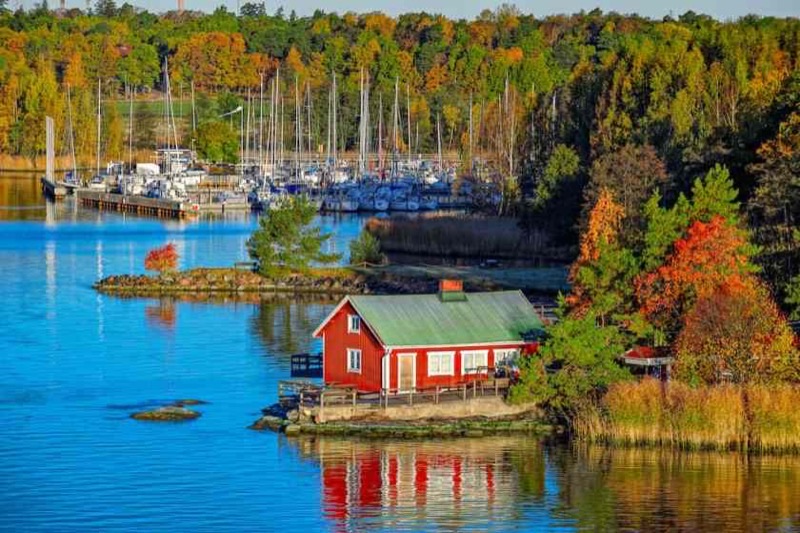
- Choose Finland: Travelers seeking unique winter experiences like Northern Lights or husky sledding, vast silent forests, lake landscapes, and a more accessible daily spend for nature-focused trips.
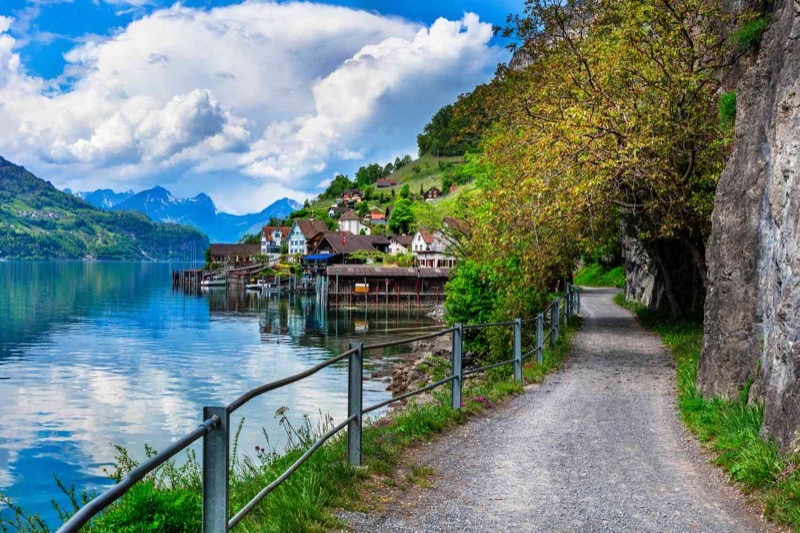
- Choose Switzerland: Travelers prioritizing iconic mountain ranges, efficient high-altitude activities, pristine alpine lakes, and who are comfortable with a significantly higher daily budget.
- Choose Both: If you have 3-4 weeks and a substantial budget, start with Finland for its calm and unique northern experiences, then transition to Switzerland for its grand mountainscapes and city precision.
Choose Finland
Choose Finland for unparalleled Arctic adventures and serene natural escapes. It's ideal for budget-conscious travelers dreaming of witnessing the Northern Lights, enjoying husky sledding through snowy Lapland, or finding tranquility amidst vast forests and the Lakeland's pristine waters. Best for those seeking unique, authentic winter magic without the premium price tag.
Choose Switzerland
Switzerland is unmatched for travelers prioritizing breathtaking alpine grandeur and seamless high-altitude adventures. It's perfect for those with a generous budget seeking iconic experiences like skiing Zermatt, riding scenic trains to Jungfraujoch, or hiking pristine trails in the Bernese Oberland. Best for efficient, luxurious exploration of magnificent mountainscapes.
📊 Visual Scorecard
🌤 When to Visit
Average high temperatures (°C). Green = best months, orange = avoid.
Quick Comparison
| Category | Finland | Switzerland | Winner |
|---|---|---|---|
| Costs & Budget | Moderate, with budget options available. Daily €80-150 ($90-170 USD). | Consistently expensive. Daily CHF 120-250 ($135-280 USD) minimum. | Finland |
| Nature & Outdoors | Vast forests, thousands of lakes, Arctic landscapes, Northern Lights, Midnight Sun. | Alps, glaciers, deep valleys, pristine lakes, iconic peaks like Matterhorn. | Tie |
| City Exploration & Culture | Helsinki design and sauna culture, quiet towns, emphasis on functionalism. | Multicultural cities, historic old towns, efficient urban spaces, museums. | Switzerland |
| Food & Drink | Rye bread, salmon, reindeer, berries, strong coffee, Salmiakki. | Cheese fondue, raclette, rosti, chocolate, Swiss wine, craft beer. | Switzerland |
| Getting Around | Good city public transport, efficient long-distance trains, car rental needed for remote areas. | Extremely efficient and integrated public transport system (trains, buses, boats, cable cars). | Switzerland |
| Accommodation | Hotels, hostels, unique glass igloos, lakeside cabins. Generally better value. | Hotels, hostels, mountain huts, chalets. High prices, especially in popular areas. | Finland |
| Winter Activities | Northern Lights, husky sledding, reindeer safaris, ice hotels, cross-country skiing. | Alpine skiing, snowboarding, ice skating, snowshoeing, winter hiking, Christmas markets. | Finland |
| Summer Activities | Midnight Sun, lake cruises, hiking, foraging, island hopping in archipelago. | Alpine hiking, mountain biking, lake swimming, paragliding, scenic train rides. | Switzerland |
| Safety & Ease | Very safe, low crime rates, high trust in society, easy for solo travelers. | Very safe, efficient services, organized, easy to navigate for all travelers. | Tie |
| Families & Kids | Santa Claus Village, Moominworld, interactive museums, nature exploration. | Children-friendly hikes, playgrounds, chocolate factories, theme parks, efficient transport. | Finland |
💰 Costs & Budget
Travel in Finland generally requires a moderate budget. A daily budget of €80-150 ($90-170 USD) can cover hostel stays, grocery store meals, public transport, and a few…
Finland
Switzerland
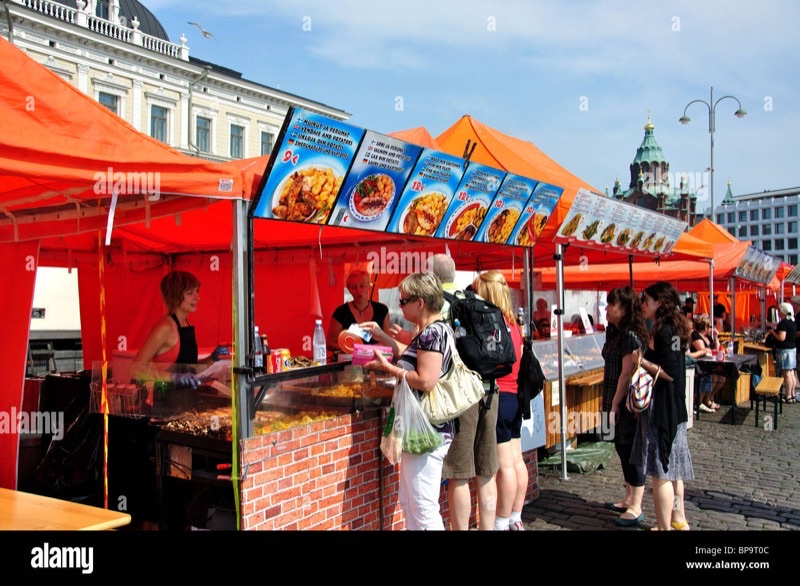
Travel in Finland generally requires a moderate budget. A daily budget of €80-150 ($90-170 USD) can cover hostel stays, grocery store meals, public transport, and a few activities. For example, a hostel bed in Helsinki like Eurohostel costs around €30-40 ($32-43 USD) per night. A typical lunch at a casual restaurant might be €12-18 ($13-20 USD), while a grocery store sandwich and drink is €5-8 ($5.50-9 USD). Long-distance train tickets from Helsinki to Rovaniemi start from €35-50 ($38-54 USD) if booked in advance. Activities like a basic sauna experience are €10-20 ($11-22 USD), and entry to museums like the Kiasma Art Museum is around €15 ($16 USD). Planning ahead and using local markets can help manage expenses.
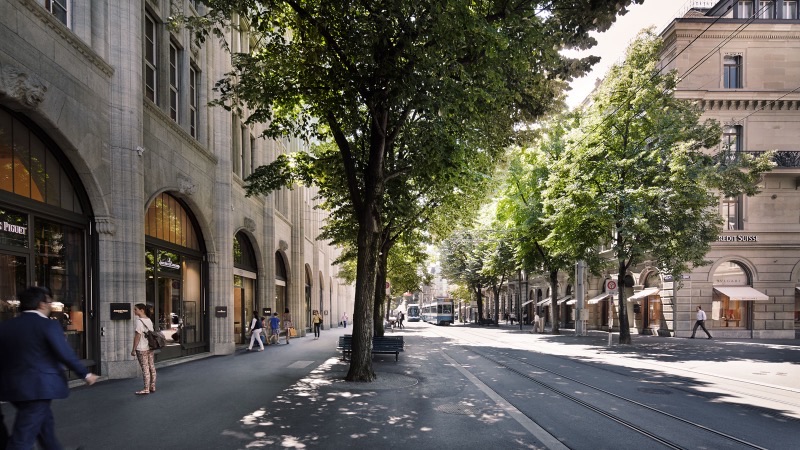
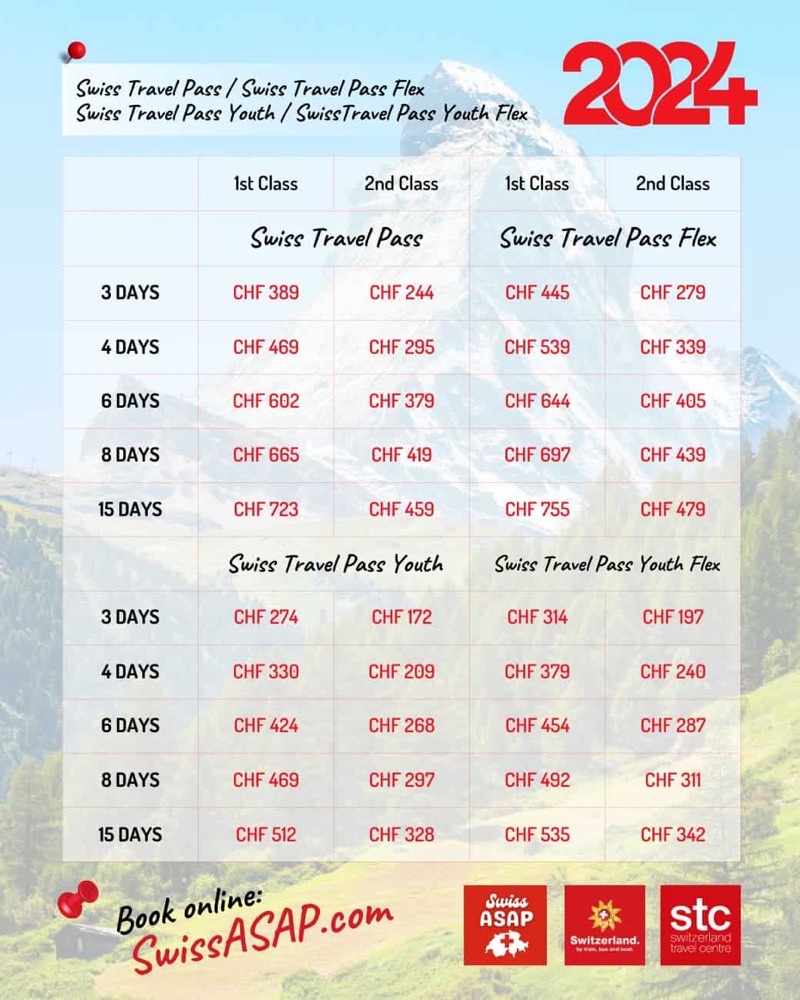
Switzerland consistently ranks among the most expensive countries for travel. A daily budget of CHF 120-250 ($135-280 USD) is a realistic minimum for budget-conscious travelers, often pushing higher for comfort. A hostel bed in Zurich or Lucerne, such as at the Backpackers Villa Sonnenhof Interlaken, typically costs CHF 40-60 ($45-67 USD) per night. A simple restaurant meal can easily cost CHF 25-40 ($28-45 USD), and even a supermarket sandwich is CHF 8-12 ($9-13.50 USD). The Swiss Travel Pass, while convenient, is a significant upfront cost, with a 3-day pass around CHF 232 ($260 USD). Activities like cable car rides up mountains, such as to Jungfraujoch, can cost CHF 150-200 ($168-224 USD) return. Every expense adds up quickly, so strict budgeting is essential. Finland wins for travelers prioritizing a more accessible cost of travel while still experiencing high-quality infrastructure and natural beauty.
- Winner: Finland
- Why: Finland offers a more accessible cost of travel across accommodation, food, and activities compared to Switzerland.
- Who this matters for: Travelers with a strict budget or those who want to extend their trip duration.
🌲 Nature & Outdoors
Finland presents an extensive canvas of forests, with over 188,000 lakes dotting the landscape. The Finnish Lakeland region, particularly around Saimaa, offers canoeing, fishing,…

Finland
Switzerland
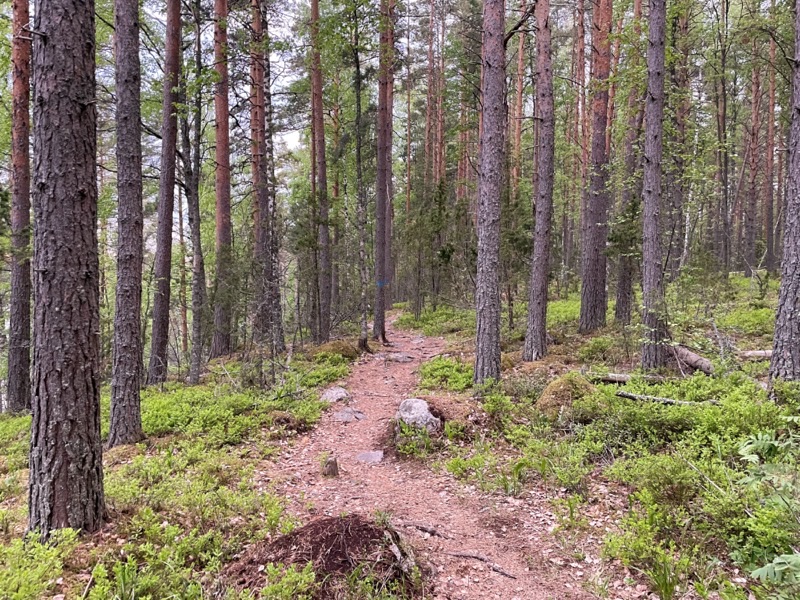
Finland presents an extensive canvas of forests, with over 188,000 lakes dotting the landscape. The Finnish Lakeland region, particularly around Saimaa, offers canoeing, fishing, and lakeside cabin stays. In the north, Finnish Lapland provides Arctic environments, opportunities to see the Northern Lights from September to March, and the Midnight Sun during summer. Hiking trails are plentiful, like those in Koli National Park, and generally less crowded than those in Central Europe. Winter activities extend to cross-country skiing, snowshoeing, and husky sledding through silent, snowy expanses.
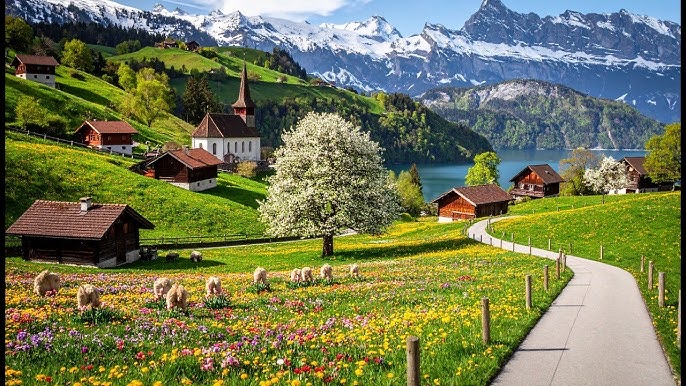
Switzerland counters with the dramatic, soaring peaks of the Alps, including the Matterhorn near Zermatt and the Eiger in the Bernese Oberland. Its outdoor offerings focus on high-altitude experiences: extensive hiking networks around Grindelwald, skiing and snowboarding in Verbier or St. Moritz, and cable car ascents to viewpoints like Gornergrat. Glaciers and deep valleys define much of the scenery, complemented by clear turquoise lakes such as Lake Lucerne and Lake Thun. Both countries offer distinct, high-quality outdoor experiences, making a definitive winner difficult. For sheer variety and accessibility of unique, large-scale natural phenomena, the two are strong contenders, catering to different environmental preferences. Both destinations stand as titans in natural beauty, each offering unique experiences.
- Winner: Tie
- Why: Both countries offer distinct, high-quality outdoor experiences, from Finnish lakes and Arctic landscapes to Swiss Alps and glaciers.
- Who this matters for: All types of travelers who prioritize spending time outside.
🏛️ City Exploration & Culture
Finnish cities, particularly Helsinki, are known for their modern design and functional architecture. Helsinki offers attractions like the Temppeliaukio Church (Rock Church), the…
Finland
Switzerland
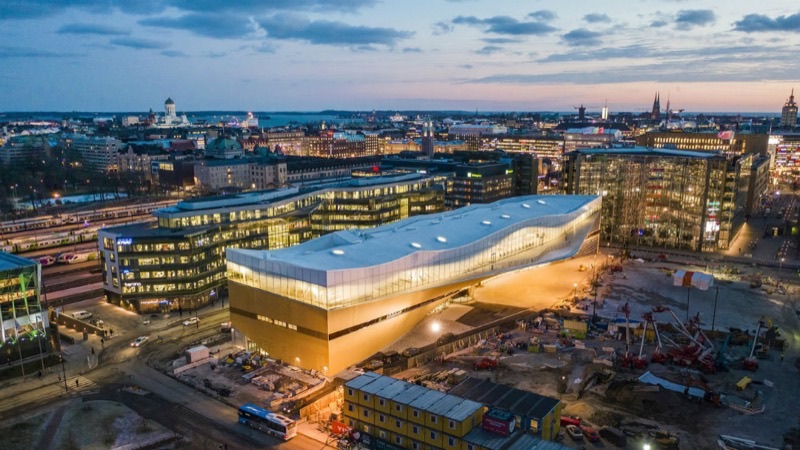
Finnish cities, particularly Helsinki, are known for their modern design and functional architecture. Helsinki offers attractions like the Temppeliaukio Church (Rock Church), the Kiasma Art Museum, and the Suomenlinna sea fortress. Sauna culture is central to Finnish identity, with public saunas like Löyly providing a community experience. Other cities like Turku, with its medieval castle and cathedral, offer historical insights but are generally smaller and quieter. Finnish urban life prioritizes order and efficiency, with public spaces reflecting a calm and minimalist aesthetic.
Swiss cities like Zurich, Geneva, and Lucerne present a blend of modern efficiency and well-preserved historic centers. Zurich boasts a significant financial district alongside its Old Town (Altstadt) with narrow alleys and churches like Grossmünster. Lucerne offers the Chapel Bridge (Kapellbrücke) and a lakeside setting with mountain backdrops. Geneva, a global hub, features the Jet d'Eau and international organizations. Swiss urban areas feel more dense and have a greater variety of shops, cafes, and museums, often reflecting their multilingual heritage. The density of historic architecture and the number of significant cultural institutions in Swiss cities give them an edge. Switzerland offers more diverse and historically layered urban experiences.
- Winner: Switzerland
- Why: Swiss cities generally offer a greater density of historic sites, museums, and a more varied urban atmosphere.
- Who this matters for: Travelers who prioritize urban sightseeing, historical architecture, and museum visits.
🍽️ Food & Drink
Finnish cuisine centers on fresh, local ingredients, with a particular emphasis on fish, game, and berries. Staples include rye bread (ruisleipä), salmon prepared in various ways,…
Finland
Switzerland
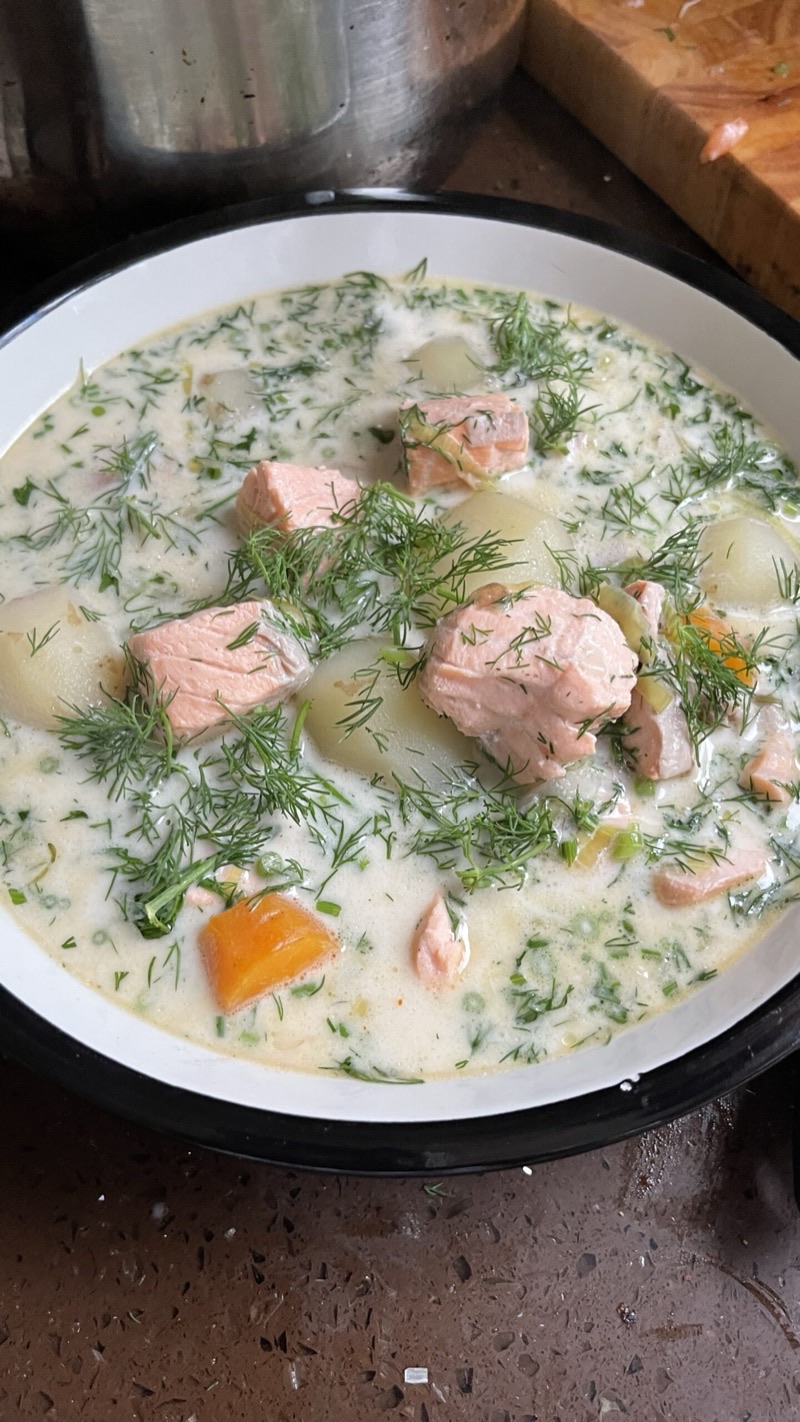
Finnish cuisine centers on fresh, local ingredients, with a particular emphasis on fish, game, and berries. Staples include rye bread (ruisleipä), salmon prepared in various ways, and reindeer dishes, especially in Lapland. For a taste of traditional Finnish food in Helsinki, try Restaurant Savotta near Senate Square. Coffee consumption is high, and a unique treat is Salmiakki (salty licorice). While quality ingredients are present, the culinary scene outside Helsinki can be quite straightforward. Options for adventurous eaters are present, but the general range of flavors is less diverse than other European countries.
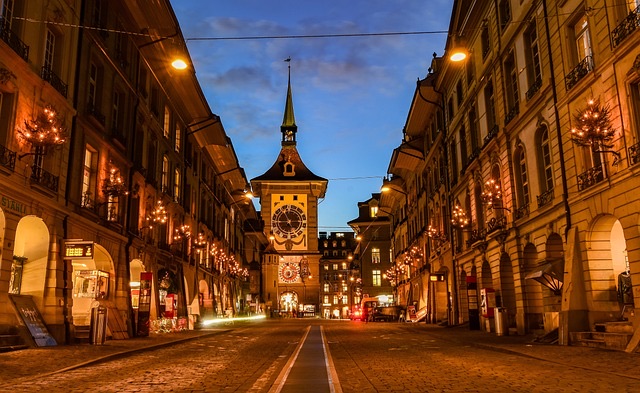
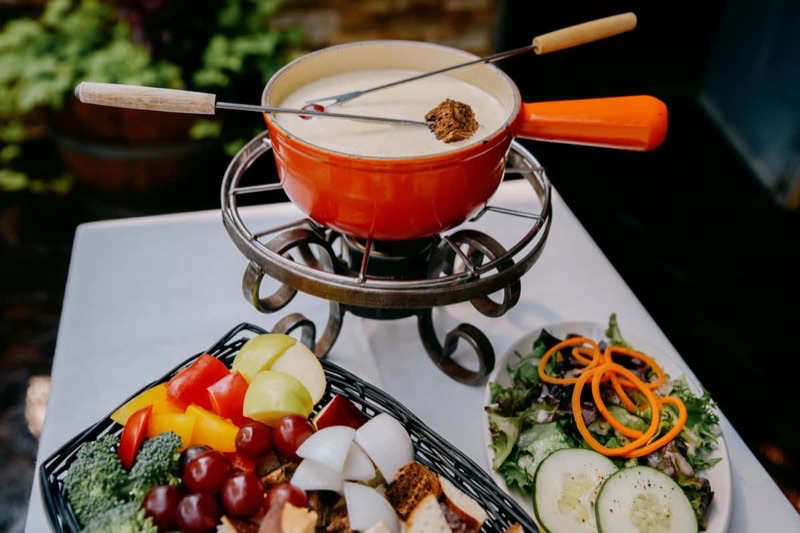
Switzerland excels with its rich, comforting, and distinct culinary traditions. Cheese is paramount, with fondue and raclette being iconic experiences, widely available in mountain towns like Zermatt or city restaurants in Bern. Rosti (fried grated potatoes) is another staple. Swiss chocolate, from brands like Lindt and Sprüngli, is known worldwide, and chocolate shops are ubiquitous. Local wines from regions like Valais and Vaud are excellent but often not exported. The country also has a strong tradition of quality bread and pastries. The depth of culinary identity, combined with a wider availability of unique regional specialties and high-quality ingredients, makes Switzerland more compelling for food enthusiasts. Switzerland offers a more varied and distinct culinary journey with globally recognized specialties.
- Winner: Switzerland
- Why: Switzerland's unique, recognizable cuisine, including its cheeses, chocolates, and regional dishes, provides a richer gastronomic experience.
- Who this matters for: Travelers whose trip enjoyment hinges significantly on unique and high-quality local food experiences.
🚆 Getting Around
Finland has a well-developed public transport system, particularly in Helsinki, with trams, buses, and a metro. Long-distance train services by VR connect major cities like…
Finland
Switzerland
Finland has a well-developed public transport system, particularly in Helsinki, with trams, buses, and a metro. Long-distance train services by VR connect major cities like Helsinki, Tampere, and Rovaniemi efficiently. For example, the night train to Lapland is a comfortable way to cover long distances. However, to explore more remote areas, especially in the vast Lakeland region or Lapland's wilderness, renting a car often becomes necessary. Buses serve smaller towns, but frequencies might be lower outside urban hubs. Journey times between major points can be long due to the country's size, but the system is reliable.
Switzerland's public transport system is legendary for its precision, punctuality, and integration. Trains (SBB) form the backbone, connecting nearly every town and mountain resort. Buses, boats on lakes, and an extensive network of cable cars and mountain railways (like the Jungfraubahn) complement the system. The Swiss Travel Pass offers access to most transport networks, making travel very convenient, though it is a significant expense. For example, you can take a train from Zurich to Zermatt in under 4 hours, then switch to a cogwheel train to Gornergrat. The efficiency and comprehensive coverage mean a car is rarely needed for touring the main attractions. Switzerland wins due to its unparalleled, seamless, and comprehensive public transportation network.
- Winner: Switzerland
- Why: Switzerland's public transport system is globally recognized for its efficiency, punctuality, and extensive coverage, eliminating the need for a car.
- Who this matters for: Travelers prioritizing stress-free, convenient movement between destinations without driving.
🏨 Accommodation
Accommodation in Finland offers a range of options, from well-appointed city hotels and hostels to unique experiences like glass igloos in Lapland (e.g., Kakslauttanen Arctic…
Accommodation in Finland offers a range of options, from well-appointed city hotels and hostels to unique experiences like glass igloos in Lapland (e.g., Kakslauttanen Arctic Resort) and traditional lakeside cabins (mökki). Hostels in Helsinki can be found for €30-50 ($32-54 USD) per night, while a mid-range hotel room costs €100-150 ($108-162 USD). Cabins, particularly popular in summer, can be rented for €80-200 ($86-216 USD) per night depending on size and amenities. While not budget-level overall, prices offer better value for the quality and experience compared to Switzerland, especially for unique stays.
Swiss accommodation is consistently expensive. A hostel bed in a city like Geneva or Interlaken typically costs CHF 40-70 ($45-78 USD). Mid-range hotel rooms often start from CHF 150-250 ($168-280 USD) per night, and can climb much higher in popular mountain resorts like Zermatt or St. Moritz. Chalets and mountain huts offer specific experiences but also come with a premium. Even basic accommodation can feel overpriced for the space or amenities offered. Booking well in advance is essential for popular destinations to secure any reasonable rates. Finland provides more diverse and relatively better-value accommodation options, particularly for unique stays like igloos and cabins. Finland offers better value and more unique accommodation choices for a given budget.
- Winner: Finland
- Why: Finland provides better value across most accommodation types and offers unique experiences like glass igloos at a relatively more accessible price point.
- Who this matters for: Travelers who want good quality lodging, unique stays, or need to manage their accommodation budget more effectively.
❄️ Winter Activities
Finland truly shines in winter, particularly in Lapland. It is one of the premier places globally to chase the Northern Lights (Aurora Borealis), with optimal viewing from late…
Finland truly shines in winter, particularly in Lapland. It is one of the premier places globally to chase the Northern Lights (Aurora Borealis), with optimal viewing from late August to April. Activities like husky sledding and reindeer safaris are widely available, offering immersive experiences in the snowy landscapes. Rovaniemi is home to Santa Claus Village, a significant attraction for families. Ice hotels, such as the SnowHotel in Kemi, provide unique overnight stays. Cross-country skiing is a national pastime, with extensive, well-maintained trails across the country. These activities are deeply integrated into the Finnish winter identity.
Switzerland is an undisputed leader in Alpine winter sports. Its extensive network of ski resorts, including Zermatt, Verbier, and St. Moritz, offers slopes for all skill levels. Snowboarding, ice skating, and snowshoeing are also popular. While Switzerland offers winter beauty, its activities are more focused on traditional mountain sports and less on the specific, unique Arctic phenomena found in Finland. Christmas markets in cities like Zurich add a festive touch but do not compare to the distinct Arctic offerings. Finland wins for its truly unique and magical Arctic winter experiences, including the elusive Northern Lights. Finland offers a more distinct and magical set of winter experiences, especially for those seeking Arctic phenomena.
- Winner: Finland
- Why: Finland offers unique Arctic winter experiences like Northern Lights viewing, husky sledding, and Santa Claus Village.
- Who this matters for: Travelers seeking distinct Arctic adventures and a magical winter wonderland experience.
☀️ Summer Activities
Finnish summers are characterized by the Midnight Sun in the north, providing nearly 24 hours of daylight for activities. The Lakeland region becomes a hub for lake cruises,…
Finnish summers are characterized by the Midnight Sun in the north, providing nearly 24 hours of daylight for activities. The Lakeland region becomes a hub for lake cruises, kayaking, fishing, and staying in traditional mökki (cabins). Hiking in national parks like Nuuksio near Helsinki, berry and mushroom foraging, and exploring the thousands of islands in the archipelago (e.g., Turku Archipelago) are popular. Finnish summers offer a calm, uncrowded experience, ideal for those seeking tranquility and natural immersion. The atmosphere is relaxed and focuses on enjoying the quiet outdoors.
Switzerland's summer is defined by its accessible mountains and pristine lakes. Alpine hiking trails are extensive and well-maintained across regions like the Bernese Oberland and Engadin. Mountain biking, paragliding over Lauterbrunnen Valley, and swimming in clear lakes like Lake Lucerne or Lake Geneva are popular. Scenic train rides, such as the Glacier Express or Bernina Express, offer grand views without strenuous effort. The infrastructure for accessing mountain peaks via cable cars and cogwheel railways remains fully operational. The sheer scale and variety of accessible mountain activities, combined with its renowned transport system, give Switzerland an edge for summer. Switzerland offers a more extensive and accessible range of mountain-focused summer activities.
- Winner: Switzerland
- Why: Switzerland provides a more extensive and accessible range of mountain-focused summer activities, supported by its efficient transport.
- Who this matters for: Active travelers who prioritize hiking, mountain sports, and easily accessible grand alpine scenery.
🛡️ Safety & Ease
Finland consistently ranks as one of the safest countries globally, with extremely low crime rates. Solo travelers, including women, report feeling very secure even in cities at…
Finland consistently ranks as one of the safest countries globally, with extremely low crime rates. Solo travelers, including women, report feeling very secure even in cities at night. The society operates with high trust, and services are reliable. English is widely spoken, especially in urban areas and tourist zones, making communication straightforward. Navigation is simplified by clear signage and efficient public transport in cities. The overall experience is one of calm and order, making it a stress-free destination for most visitors. People are generally reserved but helpful when approached.
Switzerland also ranks among the safest countries in the world, known for its law and order, and efficient public services. Petty crime is rare, and serious crime is almost non-existent. Its public transport system makes navigation incredibly easy, even for those unfamiliar with the region, with clear schedules and connections. English is widely understood in tourist areas, especially in the German-speaking regions. The country's organization and precision contribute to a very smooth travel experience. Both nations provide exceptionally safe and easy travel environments, excelling in different but equally valuable aspects of traveler comfort. Both countries are exemplary in providing safe and easy travel experiences.
- Winner: Tie
- Why: Both Finland and Switzerland are exceptionally safe countries with efficient systems, making travel easy and secure for visitors.
- Who this matters for: All travelers, especially solo travelers, families, and those who prioritize security and convenience.
👨👩👧👦 Families & Kids
Finland offers truly magical experiences for families, particularly during winter. Rovaniemi, the official hometown of Santa Claus, provides Santa Claus Village where children can…
Finland offers truly magical experiences for families, particularly during winter. Rovaniemi, the official hometown of Santa Claus, provides Santa Claus Village where children can meet Santa year-round, send postcards from Santa's Post Office, and enjoy various themed activities. In summer, Moominworld in Naantali brings the beloved Moomin characters to life. Cities like Helsinki have interactive science centers (Heureka) and child-friendly museums. The vast, accessible nature with forests and lakes provides ample space for outdoor play, berry picking, and simple hiking. Finnish culture is generally very welcoming to children, with good amenities and a relaxed pace. These unique, specific attractions cater directly to younger travelers.
Switzerland is also very family-friendly, with many activities catering to children. Gentle hiking trails, numerous playgrounds in towns and mountains, and interactive attractions like the Lindt Home of Chocolate in Zurich or the Cailler chocolate factory near Gruyères are popular. Public transport is very convenient for families, simplifying travel with prams or young children. Boat trips on lakes are a calm activity, and many mountain resorts offer specific programs for kids. While Switzerland offers quality family experiences, it lacks the globally recognized, direct childhood fantasy appeal of Santa Claus Village and Moominworld. Finland wins for its unique, globally recognized, and truly magical attractions that specifically target children's imaginations.
- Winner: Finland
- Why: Finland's unique attractions like Santa Claus Village and Moominworld offer unparalleled magical experiences for children.
- Who this matters for: Families with young children looking for specific, fantasy-driven travel experiences.
🎯 The Decision Framework
Choose Finland If…
- You want a quieter, more reflective nature experience.
- You are chasing the Northern Lights or experiencing the Midnight Sun.
- You prefer unique Arctic activities like husky or reindeer sledding.
- Your budget is moderate, not high-end.
- You are fascinated by modern design and sauna culture.
- You travel with young children dreaming of meeting Santa Claus.
- You appreciate vast forests and thousands of serene lakes.
- You seek a clean, very safe, and orderly environment.
Choose Switzerland If…
- You prioritize iconic, dramatic mountain scenery (Alps, Matterhorn).
- You want to experience globally recognized efficient public transport.
- You enjoy high-altitude hiking, skiing, and mountain sports.
- Your budget allows for higher daily expenses.
- You appreciate historic city centers and diverse cultural influences.
- You want to indulge in world-renowned cheese and chocolate.
- You are seeking perfectly maintained infrastructure and pristine environments.
- You want easy access to multiple languages and cultures within a small area.
📅 Sample Itineraries
Weekend in Finland (3 Days)
💡 Purchase a Helsinki Card for 24, 48, or 72 hours to save on public transport and museum entries, potentially saving $15-20 per day if you plan to visit multiple attractions.
Weekend in Switzerland (3 Days)
💡 Consider buying a Swiss Travel Pass if you plan extensive train travel, as individual tickets can be costly. A 3-day pass starts around CHF 232 ($260), offering unlimited travel.
One Week in Finland (7 Days)
💡 For Northern Lights viewing, book a tour with a reliable operator who provides warm clothing and has knowledge of good viewing spots to maximize your chances, even though sightings are not guaranteed.
One Week in Switzerland (7 Days)
💡 Book popular mountain excursions like Jungfraujoch and Mount Pilatus in advance, especially during peak season, to secure your spots and sometimes get better prices.
❓ Frequently Asked Questions
Which country is better for seeing the Northern Lights?
Finland, particularly its Lapland region (e.g., Rovaniemi, Levi, Saariselkä), is a prime location for viewing the Aurora Borealis. Optimal viewing is from late August to April, with good chances on clear nights. Switzerland rarely sees the Northern Lights due to its more southerly latitude and light pollution.
Is public transport reliable in both Finland and Switzerland?
Both countries have good public transport. Switzerland's system, particularly its SBB trains, is globally recognized for its unparalleled efficiency, punctuality, and comprehensive coverage. Finland's VR trains are also efficient for long distances and cities have good networks, but you might need a car for remote wilderness areas.
What are the average daily costs for a budget traveler in each country?
For a budget traveler, Finland typically costs €80-150 ($90-170 USD) per day, covering hostel stays, groceries, and local transport. Switzerland is significantly more expensive, with budget travelers often spending CHF 120-250 ($135-280 USD) daily for similar amenities.
Which country is better for hiking and outdoor activities?
Both offer excellent outdoor experiences. Finland provides extensive forest and lake hiking, kayaking, and Arctic treks. Switzerland specializes in Alpine hiking, mountain biking, and high-altitude activities with dramatic mountain backdrops, often accessible by efficient cable cars and trains.
What are the flight times from New York to each country?
A direct flight from New York (JFK) to Helsinki (HEL) typically takes around 8-9 hours. A direct flight from New York (JFK) to Zurich (ZRH) generally takes about 7-8 hours. Times vary based on airline and specific route.
Which country is better for families with young children?
Finland offers unique, child-focused attractions like Santa Claus Village in Rovaniemi and Moominworld in Naantali, which are truly special. Switzerland is also family-friendly with playgrounds and easy mountain access, but lacks the specific fantasy appeal for younger kids.
What kind of food can I expect in each destination?
In Finland, expect fresh fish (especially salmon), reindeer dishes, rye bread, and berries. Switzerland offers a dairy-rich cuisine with fondue, raclette, rosti, and globally recognized chocolate. Switzerland provides a more distinct and varied culinary experience.
When is the best time to visit Finland vs Switzerland?
For Finland, winter (December-March) is ideal for Northern Lights and snow activities, while summer (June-August) offers Midnight Sun and lake activities. For Switzerland, summer (June-September) is best for hiking and mountain exploration, while winter (December-March) is prime for skiing and snow sports.
Ready to plan your European adventure?
Get a free custom itinerary for Finland, Switzerland, or both — built from real traveler insights.
👥 Travelers Also Compared
🎟️ Book Tours & Experiences
Hand-picked tours and activities for both destinations — book with free cancellation
Experiences via Viator — free cancellation on most tours