How we built this comparison
This page combines traveler discussion patterns, published price ranges, flight schedules, and seasonal data to help you decide between Fjords and Lofoten.
- Reviewed 100+ Reddit threads from r/travel, r/solotravel, r/Norway, r/visitingnorway
- Verified costs and logistics against current booking platforms like Booking.com, Kayak, NSB, and local tour operators.
- Cross-referenced seasonal patterns and weather data from Norwegian meteorological institutes and travel advisories.
⚡ The TL;DR Verdict
For those craving majestic, easily accessible natural wonders and charming cities, the Fjords are your go-to with a daily budget of 2000-4000 NOK ($200-400 USD). If raw, untamed beauty, quaint fishing villages, and a more remote, self-driven experience are what you seek, Lofoten awaits, typically requiring a 1800-3500 NOK ($180-350 USD) daily spend, especially if self-catering.
- Choose Fjords: Choose the Fjords if you value iconic, grand landscapes, well-developed tourist infrastructure, accessible hiking for all levels, and the charm of cities like Bergen. Ideal for first-time Norway visitors, families, and those preferring public transport.
- Choose Lofoten: Opt for Lofoten if you're chasing dramatic, rugged coastal scenery, picturesque fishing villages, stunning beaches, and a more immersive, off-the-beaten-path feel. Perfect for photographers, avid hikers, road-trippers, and those seeking unique accommodation like 'rorbuer'.
- Choose Both: If you have 10-14 days and a generous budget, absolutely combine them! Fly into Bergen for the Fjords (5-7 days), then take a scenic flight (via Oslo or Bodø) up to Lofoten (5-7 days) for a comprehensive Norwegian adventure.
Quick Comparison
| Category | Fjords | Lofoten | Winner |
|---|---|---|---|
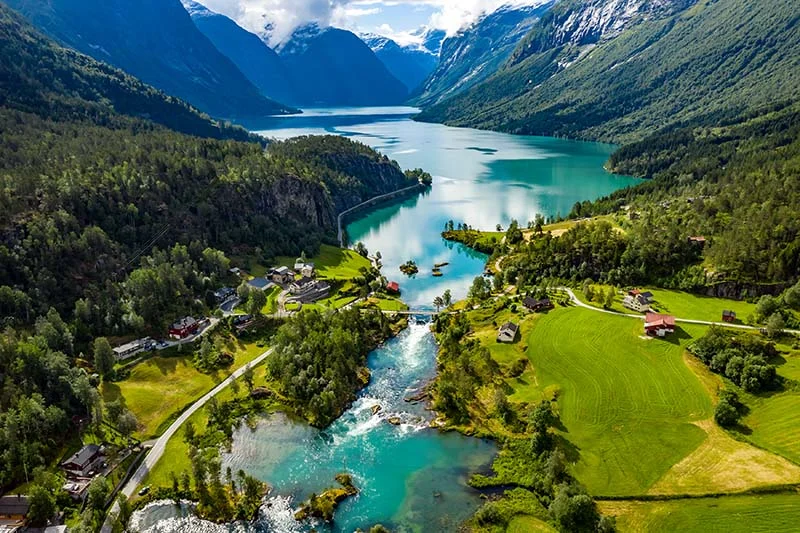
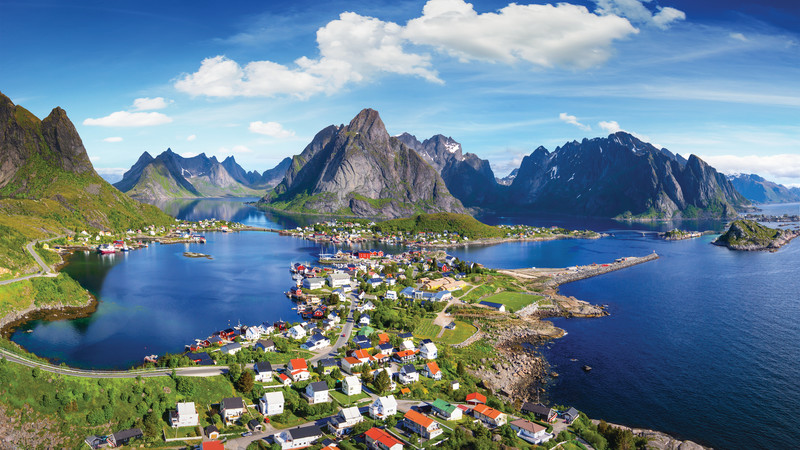
| Nature & Scenery | Grand, towering fjords, cascading waterfalls, lush valleys, and accessible mountain hikes. | Dramatic peaks plunging into turquoise seas, white-sand beaches, and charming fishing villages. | Lofoten |
| Costs & Budget | Generally more expensive due to established tourism infrastructure and tour reliance. | Can be slightly less expensive if self-catering and choosing rorbuer, but transportation is key. | Tie |
| Getting There & Around | Excellent public transport, including scenic trains, buses, and ferries; good road network. | Requires more planning; car rental is highly recommended; limited public transport. | Fjords |
| Activities & Adventure | Iconic hikes (Pulpit Rock, Trolltunga), fjord cruises, kayaking, scenic drives, charming city exploration. | Stunning hikes (Reinebringen, Ryten), surfing, kayaking, fishing, Northern Lights hunting, photography. | Tie |
| Accommodation | Hotels, guesthouses, cabins; generally more standard options. | Unique 'rorbuer' (fishing cabins), guesthouses, smaller hotels; more character. | Lofoten |
| Best Time to Visit | Summer (June-August) for warm weather, long days; shoulder seasons for fewer crowds. | Summer for hiking, midnight sun; Winter (Oct-Mar) for Northern Lights, unique snowscapes. | Lofoten |
| Food & Drink | Fresh seafood, traditional Norwegian cuisine, more diverse dining options in cities. | Focus on fresh, local seafood (cod, stockfish), simpler fare, fewer dining choices. | Fjords |
| Culture & History | Viking history, Hanseatic League heritage (Bergen), stave churches, industrial history. | Fishing village heritage, rorbu culture, unique local traditions, Viking Museum. | Fjords |
| Crowds & Serenity | Can be crowded in peak season, especially at iconic viewpoints and cruise ports. | Generally less crowded, even in summer; easy to find solitude and peaceful spots. | Lofoten |
| Family Friendliness | Easier to navigate with children, varied activities, well-developed facilities. | Requires more driving, some hikes are challenging, fewer dedicated family amenities. | Fjords |
🏞️ Nature & Scenery
While the Fjords boast some of the world's most iconic natural wonders like Geirangerfjord and Sognefjord, their beauty often feels more 'grand' and 'majestic.' You'll see massive cliffs, powerful waterfalls, and deep blue waters from cruise boats and easy viewpoints. Lofoten, however, offers a more rugged, intimate, and often ethereal beauty. Its jagged, shark-tooth mountains rising directly from the ocean, combined with stunning white-sand beaches like Haukland and Kvalvika, and those incredibly picturesque red rorbuer villages (Reine, Hamnøy), create a landscape that feels almost otherworldly. It's a photographer's dream at every turn, especially under the midnight sun or Northern Lights. The sheer variety of unique, dramatic vistas packed into a smaller, more easily explorable area gives it the edge for raw, untamed visual impact. "Lofoten just hits different. The scale of the mountains right out of the sea and those crazy beaches... Fjords are amazing but Lofoten blew my mind." The Fjords are grand, Lofoten is a masterpiece of dynamic, varied drama.
Winner takeaway
- Winner: Lofoten
- Why: Lofoten's unique combination of dramatic, jagged mountains, white-sand beaches, and charming villages offers a more diverse and intensely picturesque natural experience.
- Who this matters for: Photographers, adventurers seeking 'wow' moments, and those who appreciate unique coastal landscapes.
💸 Costs & Budget
Both regions are notoriously expensive, reflecting Norway's high cost of living. Accommodation in the Fjords, especially in popular towns like Flåm or Geiranger, can easily run 1500-3000 NOK ($150-300 USD) for a standard hotel room. Tours (e.g., a fjord cruise on Sognefjord is 500-800 NOK ($50-80 USD)) and restaurant meals (300-500 NOK ($30-50 USD) for dinner) add up quickly. Lofoten accommodation, particularly rorbuer (traditional fishing cabins), can offer better value, with Eliassen Rorbuer or Nusfjord Arctic Resort offering rooms/cabins from 1200-2500 NOK ($120-250 USD), often with kitchenettes. This allows for significant savings on food by cooking your own meals; a grocery store visit might be 500-1000 NOK ($50-100 USD) for a few days' supplies. However, Lofoten's reliance on car rental (expect 700-1200 NOK ($70-120 USD) per day) and fuel costs can offset this. Flights to Bodø/Svolvær are also often pricier than to Bergen. Therefore, while Lofoten offers more opportunities for budget-conscious self-catering, the mandatory car rental and potentially higher flights often balance out the savings. "Norway is just expensive, period. I saved a ton in Lofoten by cooking every night in our rorbu, but the car rental was brutal."
Winner takeaway
- Winner: Tie
- Why: Both regions are very expensive, with different cost drivers that often balance out, making neither a clear budget winner.
- Who this matters for: All travelers, especially budget-conscious ones who need to plan meticulously.
🚗 Getting There & Around
The Fjords region is remarkably well-connected. Bergen (BGO) and Stavanger (SVG) are major international airports. From Oslo, you can take the iconic Bergensbanen (Oslo-Bergen Railway) – often considered one of the world's most beautiful train journeys – or the Flåm Railway, easily connecting to fjord cruises and buses. A 7-day public transport pass for parts of Western Norway can be a great deal. You can explore many areas without a rental car, relying on ferries, express boats (like the Bergen-Flåm express), and regional buses, although a car does offer more flexibility for places like Trollstigen. Lofoten is geographically more remote. You typically fly into Bodø (BOO), then take a 3.5-hour ferry to Moskenes (around 250 NOK/$25 USD per person + 900 NOK/$90 USD for a car), or fly directly to Svolvær (SVJ) or Leknes (LKN), though these are smaller airports with fewer direct flights and often involve a layover in Bodø or Oslo. Once in Lofoten, a rental car is almost essential to truly explore the islands at your own pace, as public bus services are infrequent and don't cover all scenic spots effectively. "Trying to do Lofoten without a car is an exercise in frustration. Just rent it, you won't regret the freedom." The ease of access and robust public transport network makes the Fjords a clear winner for logistical simplicity.
Winner takeaway
- Winner: Fjords
- Why: The Fjords offer superior accessibility via a well-integrated public transport network, making it easier to explore without a private vehicle.
- Who this matters for: Travelers who prefer public transport, don't want to drive, or are on a tighter schedule.
⛰️ Activities & Adventure
Both destinations are adventure playgrounds, offering a fantastic array of activities tailored to their unique landscapes. In the Fjords, highlights include challenging hikes like Pulpit Rock (Preikestolen, ~4-hour round trip) and Trolltunga (~10-12 hours, serious commitment), as well as more accessible trails. Fjord cruises on UNESCO-listed Geirangerfjord or the Nærøyfjord are mandatory, often costing 600-900 NOK ($60-90 USD). Kayaking in tranquil waters and cycling the Rallarvegen are popular. Cities like Bergen offer cultural activities, museums, and vibrant dining. Lofoten shines with its own set of spectacular hikes like Reinebringen (steep, incredible views), Ryten (beach views), and Segla (technically Senja, but often combined). Beyond hiking, Lofoten offers unique activities such as surfing at Unstad Beach, deep-sea fishing tours (around 1000-1500 NOK/$100-150 USD), kayaking through tranquil coves, and chasing the Northern Lights in winter. The remote setting also makes it a prime spot for photography workshops. "Honestly, for outdoor stuff, you can't go wrong with either. Just depends if you want classic fjords or more rugged coastlines and surfing." Both offer world-class outdoor adventures, making it a tie based on personal preference for specific types of activities.
Winner takeaway
- Winner: Tie
- Why: Both regions offer an exceptional and diverse range of world-class outdoor activities, appealing to different adventure tastes.
- Who this matters for: Active travelers, hikers, photographers, and those seeking unique outdoor experiences.
🏡 Accommodation
Accommodation in the Fjords region typically consists of well-established hotels, guesthouses, and cabins. In larger towns like Bergen, you'll find everything from budget hostels (e.g., CityBox Bergen, 800-1200 NOK/$80-120 USD) to luxury hotels (e.g., Hotel Norge by Scandic, 2500-4000 NOK/$250-400 USD). In smaller fjord villages like Flåm, options are more limited but high quality, such as Fretheim Hotel (2000-3500 NOK/$200-350 USD). While comfortable, they often lack a distinct local character. Lofoten, on the other hand, excels with its iconic 'rorbuer' – traditional fishermen's cabins often painted red and built on stilts over the water. Staying in a rorbu is a quintessential Lofoten experience, offering charm, history, and often self-catering facilities. Places like Eliassen Rorbuer in Hamnøy or Nusfjord Arctic Resort (a UNESCO village) offer stunning views and a truly authentic stay, with prices ranging from 1200-3000 NOK ($120-300 USD) for a cabin. There are also guesthouses and smaller hotels in towns like Svolvær and Leknes, but the rorbuer are the real draw. "Our rorbu in Reine was hands down the coolest place I've ever stayed. Waking up to that view was surreal." The unique, authentic, and picturesque rorbuer give Lofoten a clear advantage in providing a memorable accommodation experience.
Winner takeaway
- Winner: Lofoten
- Why: Lofoten offers the unique and highly sought-after experience of staying in traditional 'rorbuer' (fishing cabins), providing a distinctive cultural and visual appeal.
- Who this matters for: Travelers seeking unique, picturesque, and culturally immersive lodging experiences.
☀️ Best Time to Visit
For the Fjords, summer (June-August) is peak season, offering the warmest weather (15-25°C), long daylight hours, and full accessibility to all roads and hiking trails. However, it also means crowds, especially at popular spots like Pulpit Rock and Geirangerfjord. Shoulder seasons (May, September) offer a good balance of decent weather, fewer tourists, and vibrant autumn colors or spring blooms. Lofoten, however, offers two distinct, equally compelling experiences. Summer (June-July) brings the magical Midnight Sun, allowing for 24-hour exploration, stunning hikes, and pleasant temperatures (10-20°C). This is ideal for hiking, kayaking, and enjoying the beaches. Winter (October-March) transforms Lofoten into a snowy wonderland, with excellent opportunities to chase the Northern Lights against dramatic backdrops – a truly unique experience. While some roads might be challenging and daylight is limited, the scenery is breathtaking, and crowds are minimal. "I went to Lofoten in February just for the Northern Lights, and it was absolutely epic. So cold, but so worth it for the views and colors." The ability to offer two vastly different but equally spectacular experiences across seasons makes Lofoten more versatile for 'best time to visit', depending on what you're chasing.
Winner takeaway
- Winner: Lofoten
- Why: Lofoten offers two distinct and equally spectacular peak seasons – summer for midnight sun and hiking, winter for Northern Lights and snowscapes – providing more diverse appeal.
- Who this matters for: Travelers seeking specific seasonal phenomena (Midnight Sun, Northern Lights) or those who appreciate dramatic winter landscapes.
🍽️ Food & Drink
Both regions embrace fresh, local ingredients, particularly seafood. In the Fjords, especially in cities like Bergen, you'll find a more diverse culinary scene. Bergen offers world-class restaurants like Lysverket (Michelin-starred, tasting menus from 1800 NOK/$180 USD) and traditional fare at Bryggen Tracteursted (main courses 350-550 NOK/$35-55 USD). You'll find a wider range of international cuisines, cozy cafes, and bustling fish markets (e.g., Bergen Fish Market) where you can sample smoked salmon, shrimp, and fish cakes. In smaller fjord villages, dining can be limited to hotel restaurants or charming local eateries serving hearty, traditional Norwegian dishes like fårikål (lamb stew) or local trout. Lofoten's food scene is heavily dominated by its fishing heritage, with an emphasis on extremely fresh cod, stockfish (air-dried cod), and whale meat. Places like Anita's Sjømat in Sakrisøy are famous for fish burgers and local delicacies, with prices for a meal around 200-350 NOK ($20-35 USD). While the quality is high, the variety is more restricted. You'll find fewer upscale dining experiences and more rustic, home-style cooking. "I loved the fresh cod in Lofoten, but after a few days, I was craving something a bit different. Bergen had so much more choice." For overall culinary variety, upscale options, and city dining experiences, the Fjords win out.
Winner takeaway
- Winner: Fjords
- Why: The Fjords, particularly with cities like Bergen, offer a wider variety of dining experiences, from upscale to traditional, beyond just local seafood.
- Who this matters for: Foodies, those seeking diverse culinary options, and travelers who enjoy city dining experiences.
🏛️ Culture & History
The Fjords region offers a richer and more varied cultural and historical tapestry. Bergen, a UNESCO World Heritage site, was a vital trading hub for the Hanseatic League, and its Bryggen wharf with its colorful wooden houses is a testament to this, offering museums like the Hanseatic Museum (160 NOK/$16 USD). You can explore Viking history, visit well-preserved stave churches like Borgund Stave Church (120 NOK/$12 USD entrance), and learn about Norway's industrial heritage. The region has been central to Norwegian national identity and historical narratives for centuries. Lofoten's culture is deeply rooted in its fishing traditions. The iconic rorbuer are a living testament to this heritage, and villages like Nusfjord (a UNESCO candidate, 100 NOK/$10 USD entrance) are open-air museums. The Lofotr Viking Museum in Borg (250 NOK/$25 USD) offers an immersive look into Viking life, complete with a longhouse reconstruction and sailing replica ships. While fascinating, Lofoten's cultural offerings are more specialized and less diverse than the Fjords'. "Bergen was fantastic for history buffs. Wandering Bryggen and seeing those old buildings, then learning about the Hanseatic League... it felt so rich." For a broader and more accessible historical and cultural experience, the Fjords, particularly Bergen, stand out.
Winner takeaway
- Winner: Fjords
- Why: The Fjords region, especially Bergen, boasts a richer and more diverse historical and cultural heritage, including UNESCO sites and significant Viking/Hanseatic history.
- Who this matters for: History buffs, culture enthusiasts, and those interested in urban historical exploration.
🧘 Crowds & Serenity
During peak summer months (July-August), the Fjords can get genuinely busy. Iconic spots like Pulpit Rock, Trolltunga, Geirangerfjord cruises, and the Flåm Railway see thousands of visitors daily. Bergen's Bryggen wharf is often packed with tour groups, and finding parking or quiet moments at popular viewpoints can be challenging. While still stunning, the sense of pristine wilderness can sometimes be diminished by the sheer volume of tourists. Lofoten, despite its growing popularity, still offers a much higher degree of serenity. Even at popular spots like Reinebringen trailhead or Haukland Beach, it's far easier to find moments of solitude, especially if you venture slightly off the main E10 road. Many of its stunning beaches, hidden coves, and less-trafficked hiking trails remain wonderfully uncrowded. The spread-out nature of the islands also helps disperse visitors. "Lofoten felt like pure escape. We hiked for hours on a beach and only saw like three other people. In the Fjords, every viewpoint had buses." If escaping the masses and finding true tranquility amidst dramatic nature is a priority, Lofoten is the undisputed champion.
Winner takeaway
- Winner: Lofoten
- Why: Lofoten's more remote and spread-out nature allows for a greater sense of solitude and fewer crowds, even at popular attractions.
- Who this matters for: Those seeking peace, quiet, and an escape from mass tourism, particularly photographers and nature lovers.
👨👩👧👦 Family Friendliness
The Fjords region generally offers a more family-friendly experience, especially for those with younger children. The extensive and reliable public transport network (trains, ferries, buses) means less stress about driving long distances, and kids often love the scenic train rides and boat trips. Many attractions, like the Flåm Railway, are designed to be engaging for all ages. Cities like Bergen offer attractions such as the Aquarium, funicular rides up Mount Fløyen, and playgrounds. Accommodation options are plentiful and varied, with many hotels offering family rooms. While some hikes are strenuous, there are plenty of gentle walks and accessible viewpoints. Lofoten, while beautiful, requires more effort with a family. A rental car is essential, meaning more time in car seats. Many of its most iconic hikes (e.g., Reinebringen) are quite challenging and not suitable for young children, though easier beach walks exist. Dedicated children's activities are fewer, and dining options can be more limited. "The Fjords were way easier with our two little ones. Public transport made it less stressful than constantly packing them in and out of the car, and Bergen had plenty for them to do." For overall ease, variety of age-appropriate activities, and infrastructure, the Fjords are the better bet for families.
Winner takeaway
- Winner: Fjords
- Why: The Fjords offer superior infrastructure, easier transportation, and a broader range of age-appropriate activities, making it more convenient for families.
- Who this matters for: Families with young children, multi-generational travelers, and those who prioritize convenience and varied activities.
❓ Frequently Asked Questions
How many days do I need for each region?
For the Norwegian Fjords, a minimum of 5-7 days allows you to experience Bergen, take a fjord cruise (e.g., Sognefjord or Geirangerfjord), and perhaps do a moderate hike. For Lofoten, 5-7 days is also ideal to explore several islands, enjoy a few hikes, and soak in the atmosphere, especially if you plan for the Northern Lights.
Is it possible to visit both on a single trip?
Absolutely, but you'll need at least 10-14 days and a decent budget. A common route is to fly into Bergen (BGO) for the Fjords, then fly to Bodø (BOO) or Svolvær (SVJ) for Lofoten, often with a connection in Oslo (OSL). Be prepared for internal flights and travel days.
What's the wildlife like in each area?
In the Fjords, you might spot porpoises, seals, and various seabirds, especially on fjord cruises. Reindeer and other land animals are present but less commonly seen. Lofoten offers incredible birdlife, including sea eagles, puffins (seasonal), and a higher chance of seeing whales on dedicated safaris during certain times of the year.
Do I need to rent a car?
For the Fjords, a car offers flexibility but is not strictly necessary due to excellent public transport. For Lofoten, a rental car is highly recommended – almost essential – to explore the islands effectively and reach the most scenic spots and trailheads at your own pace.
What are the hiking opportunities like?
Both offer world-class hiking. The Fjords are home to iconic, strenuous hikes like Pulpit Rock and Trolltunga, alongside many easier, scenic trails. Lofoten offers dramatic coastal and mountain hikes like Reinebringen and Ryten, which are often steep but shorter, with unparalleled views of the ocean and villages.
Can I see the Northern Lights in both places?
While theoretically possible in both, Lofoten (being much further north) is a prime location for viewing the Aurora Borealis during the winter months (September to March). The Fjords are generally too far south for reliable or spectacular Northern Lights displays.
What about extreme weather conditions?
Both regions can experience unpredictable weather. Summer in the Fjords can be rainy, and winter can bring snow and ice. Lofoten is known for its strong winds and rapid weather changes. Always pack layers, waterproof gear, and check forecasts frequently, especially in winter when roads can close.
Are there good options for solo travelers?
Both are excellent for solo travelers, though in different ways. The Fjords offer more structured tours and easily navigable public transport, making it simple to join groups. Lofoten, while requiring a car, fosters a sense of independent adventure, and hostels or rorbuer often have common areas for meeting fellow travelers.
Ready to plan your Norway trip?
Get a free custom itinerary for Fjords, Lofoten, or both — built from real traveler insights.
🎟️ Book Tours & Experiences
Hand-picked tours and activities for both destinations — book with free cancellation
Experiences via Viator — free cancellation on most tours