How we built this comparison
This page combines traveler discussion patterns, published price ranges, flight schedules, and seasonal data to help you decide between Florence and Barcelona.
- Reviewed 50+ Reddit threads from r/travel, r/solotravel, r/ItalyTravel, r/Barcelona, etc.
- Verified costs and logistics against current booking platforms like Booking.com, Skyscanner, and local attraction websites.
- Cross-referenced seasonal patterns and weather data from AccuWeather and local tourism boards.
⚡ The TL;DR Verdict
Choose Florence for an immersive dive into Renaissance art and Tuscan charm, ideal for cultural deep-dives and culinary delights with a daily budget of €120-200 (~$130-220). Barcelona beckons those craving vibrant nightlife, unique architecture, and a lively coastal atmosphere, typically costing €130-220 (~$140-240) per day.
- Choose Florence: You're passionate about art history, Renaissance architecture, and authentic Italian food. You prefer a charming, walkable city with a more relaxed pace and an emphasis on cultural immersion.
- Choose Barcelona: You love unique, modern architecture, a buzzing nightlife, beautiful urban beaches, and a diverse culinary scene. You're looking for a dynamic city with a strong contemporary pulse.
- Choose Both: If you have 10-14 days and want to experience both Italian elegance and Spanish dynamism, a multi-city trip is feasible. Fly into one, train/fly to the other, then fly home, dedicating 4-5 days to each city.
Quick Comparison
| Category | Florence | Barcelona | Winner |
|---|---|---|---|
| Culture & History | Unparalleled Renaissance art, Medici legacy, walkable historic center. | Gaudi's modernism, Gothic Quarter, rich Catalan heritage. | Florence |
| Food & Drink | Hearty Tuscan cuisine, world-class wines, incredible gelato. | Diverse tapas, fresh seafood, vibrant market culture, Cava. | Florence |
| Nightlife | Relaxed aperitivo, wine bars, student-friendly pubs. | Late-night clubs, beach parties, diverse bars, live music. | |
| Costs | Generally moderate, good value for food, museums can add up. | Slightly higher, especially for accommodation and drinks, many free attractions. | Florence |
| Getting There & Around | Smaller airport, often connects via major hubs, very walkable city. | Major international airport, excellent public transport, easy to navigate. | |
| Accommodation | Charming boutique hotels, B&Bs in historic buildings, Oltrarno area. | Wide range from luxury design hotels to hostels, vibrant neighborhood options. | |
| Day Trips | Tuscan hilltop towns, Chianti vineyards, Pisa, Siena, Cinque Terre. | Montserrat monastery, coastal towns like Sitges, Girona, Costa Brava. | Florence |
| Weather & Seasons | Hot summers, cold winters, pleasant springs/autumns. | Mild winters, warm summers with sea breeze, long pleasant shoulder seasons. | |
| Solo Travel & Safety | Very safe, walkable, easy to navigate for solo explorers. | Generally safe, but higher risk of pickpocketing in crowded areas. | Florence |
| Shopping | Artisanal leather goods, local crafts, high fashion, food products. | Designer boutiques, international brands, unique independent stores, markets. | Florence |
🏛️ Culture & History
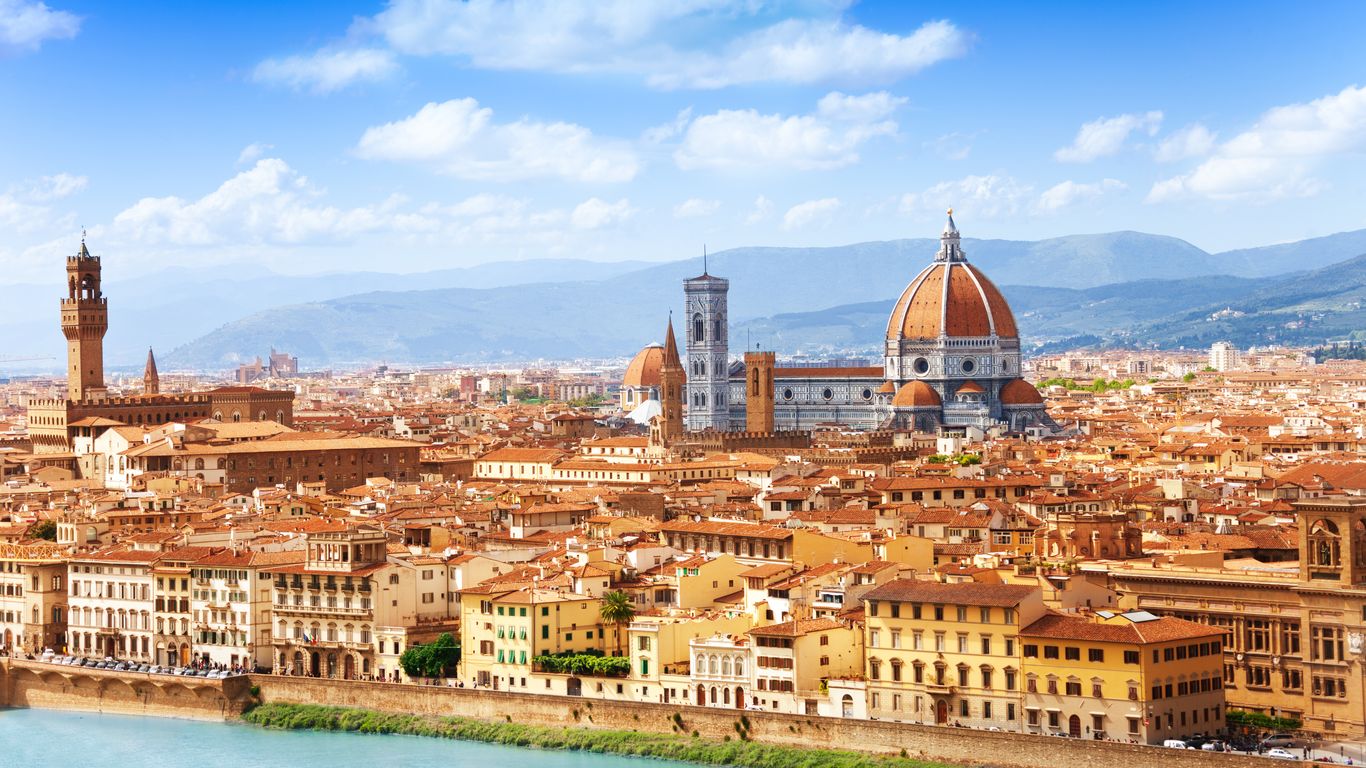
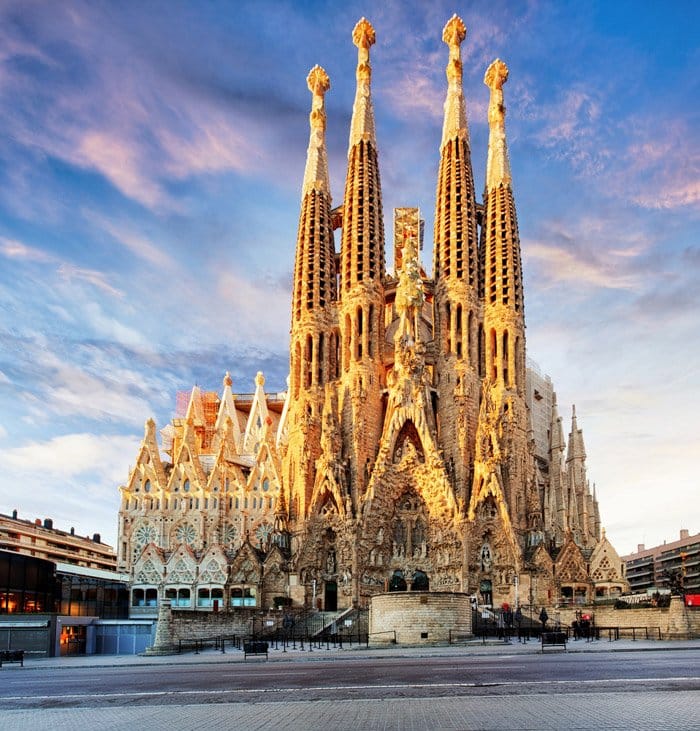
Florence is the undisputed champion for Renaissance culture and history, a living museum overflowing with masterpieces. From Michelangelo's David at the Accademia Gallery (€16, ~$17) to Botticelli's 'Birth of Venus' at the Uffizi Gallery (€26, ~$28), every corner tells a story. The Duomo's dome and Giotto's Bell Tower dominate the skyline, offering breathtaking views (climb tickets ~€20, ~$22). The entire city center feels like stepping back in time to the Medici era, with hidden courtyards and artisan workshops. Barcelona, while historically rich with its ancient Roman walls and the labyrinthine Gothic Quarter, truly shines with its unique Catalan Modernism, epitomized by Antoni Gaudí. Sagrada Família (€30, ~$33) is an architectural marvel still under construction, and Park Güell (€10, ~$11) offers whimsical designs and city views. It's a different kind of history, more avant-garde. As one Redditor put it, "Florence felt like walking through a textbook, every building a piece of art. Barcelona was more about WOW, what is that?!"
Winner takeaway
- Winner: Florence
- Why: Florence offers a deeper, more concentrated experience of a specific, pivotal historical period through its art and architecture.
- Who this matters for: Art history buffs, Renaissance enthusiasts, and those seeking classical beauty.
🍷 Food & Drink
Florence delivers a quintessential Italian culinary experience. Expect rich, comforting Tuscan dishes: authentic pasta (Pappa al Pomodoro, Ribollita), succulent Bistecca alla Fiorentina (around €50-80/kg, ~$54-87), and artisanal gelato (try La Carraia for €3, ~$3.20). The aperitivo scene is more about a quiet glass of Chianti Classico (€6-10/glass, ~$6.50-11) and small bites. For an iconic sandwich, All'Antico Vinaio is a must-visit, with sandwiches around €8 (~$8.70). Barcelona offers a broader, more dynamic food scene. Tapas culture reigns supreme, allowing you to sample many dishes like patatas bravas, jamón ibérico, and fresh seafood (tapas plates €4-10, ~$4.30-11). Paella is a staple, especially near the coast (€18-30, ~$20-33), and the Boqueria Market is a feast for the senses. Cava (Catalan sparkling wine, €3-5/glass, ~$3.20-5.50) is the local bubbly. While Barcelona is fantastic, Florence’s food feels more uniquely tied to its region and deeply satisfying. "The pasta in Florence, even from a random trattoria, was mind-blowing every single time. Barcelona's tapas were fun, but Italian pasta just hits different."
Winner takeaway
- Winner: Florence
- Why: Florence's focus on rich, regional Tuscan cuisine and world-class wine offers a more consistent and deeply authentic gastronomic journey.
- Who this matters for: Foodies seeking traditional, high-quality regional dishes and wine connoisseurs.
🌃 Nightlife
Barcelona absolutely dominates in the nightlife category. The city truly comes alive after dark, with dinner starting late and parties often lasting until sunrise. You'll find everything from trendy cocktail bars in El Born and the Gothic Quarter to massive super clubs like Razzmatazz and Opium Mar (cover charges €15-30, ~$16-33, often including a drink) along the beach. There's a palpable energy, live music venues abound, and the atmosphere is consistently buzzing. Florence's nightlife is significantly more subdued and sophisticated. It's primarily focused on the aperitivo hour (pre-dinner drinks with snacks, often €10-15, ~$11-16 for a cocktail), cozy wine bars in Oltrarno and Santo Spirito, and a few student-friendly pubs. While you can find a late-night drink, it's not a clubbing destination. "Barcelona's nightlife is legendary; I danced until 6 AM multiple times. Florence was more 'one last glass of wine' by 11 PM."
Winner takeaway
- Winner: Barcelona
- Why: Barcelona offers a far more extensive, diverse, and energetic nightlife scene with options for every taste, from casual bars to world-class clubs.
- Who this matters for: Party-goers, young travelers, and anyone who enjoys staying out late.
💰 Costs
Overall, Florence tends to be slightly more budget-friendly than Barcelona, though both are major European cities. Accommodation in Florence ranges from €80-150 (~$87-163) for a decent mid-range hotel/B&B, while in Barcelona, expect €90-180 (~$98-195). Food in Florence can be excellent value, with a good pasta dish for €15-25 (~$16-27) or a panino for €5-8 (~$5.50-8.70). Museum entry fees (Uffizi, Accademia) at €16-26 (~$17-28) are significant. In Barcelona, tapas can be affordable if you choose wisely, but drinks and sit-down meals can add up. Public transport in Barcelona is efficient (T-casual 10-trip pass €11.35, ~$12.30), making getting around cheap. Many of Gaudi's attractions require entry fees (Sagrada Familia €30, ~$33). Daily budget for Florence: €120-200. Barcelona: €130-220. "I found Florence to be a bit cheaper overall, especially for food and a good espresso. Barcelona felt a bit more nickel-and-dimey for drinks and attraction entry."
Winner takeaway
- Winner: Florence
- Why: Florence generally offers slightly better value for money, particularly in everyday expenses like food and local experiences.
- Who this matters for: Budget-conscious travelers and those looking for good value on food and local goods.
✈️ Getting There & Around
Barcelona wins handily for ease of access and internal transit. Barcelona-El Prat (BCN) is a massive international hub with direct flights from countless global cities. From BCN, you can reach the city center efficiently via Aerobus (€7, ~$7.60), metro (€5.15, ~$5.60), or train. Once in the city, Barcelona boasts an exceptional public transport system with a comprehensive metro, bus, and tram network, making it effortless to traverse. Florence's Peretola Airport (FLR) is smaller, often requiring connections through Rome (FCO) or Milan (MXP/LIN). Pisa Airport (PSA) is also a common entry point, requiring a 1-hour train ride (€9-12, ~$9.80-13) to Florence. While Florence's historic center is incredibly walkable, its public bus system is less extensive than Barcelona's. "Barcelona's metro system is a dream, so quick and easy to get anywhere. In Florence, I walked everywhere, which was charming but sometimes tiring."
Winner takeaway
- Winner: Barcelona
- Why: Barcelona's major international airport and world-class public transportation system make it significantly easier and more convenient to reach and navigate.
- Who this matters for: Travelers prioritizing easy airport access, seamless public transport, and minimal travel stress.
🏨 Accommodation
Barcelona offers a greater variety and often more modern options for accommodation, suiting diverse budgets and styles. From luxury design hotels in Eixample and beachfront stays in Barceloneta to trendy boutique hotels in El Born and a plethora of hostels, there's something for everyone. You can find stylish Airbnbs in Gràcia or Poble Sec providing a local feel. Florence's accommodation scene, while charming, is more focused on traditional boutique hotels, B&Bs, and apartments often housed in historic, older buildings. While this adds to the charm, modern amenities might be less common. Popular areas include the historic center for convenience or Oltrarno for a more local, artisanal vibe. Prices are generally comparable, but Barcelona offers a broader 'style' spectrum. "We stayed in this amazing design hotel in Barcelona for a great price, super modern. Florence felt like more traditional B&Bs, which was cute but not as sleek."
Winner takeaway
- Winner: Barcelona
- Why: Barcelona provides a wider selection of accommodation types, styles, and modern amenities across various neighborhoods, catering to more diverse tastes.
- Who this matters for: Travelers seeking modern amenities, a broad range of styles, or specific neighborhood vibes.
🏞️ Day Trips
Florence offers arguably more iconic and diverse day trip options, making it the winner. The Tuscan countryside is right on its doorstep, with easy access to picturesque hilltop towns like Siena and San Gimignano (often combined on tours for ~€70-100, ~$76-109) and the renowned Chianti wine region. A trip to Pisa to see the Leaning Tower is a quick train ride (€9, ~$9.80), and even the stunning Cinque Terre is manageable as a longer day trip (train to La Spezia then regional train, ~€30-40 total, ~$33-43). Barcelona's day trips are also excellent but perhaps less globally renowned. Montserrat monastery with its unique rock formations and Black Madonna is a popular and spiritual escape (train+rack railway/cable car ~€30, ~$33). The charming coastal town of Sitges is great for beaches and relaxation, and the medieval city of Girona offers history and Game of Thrones filming locations. "Florence is the perfect hub for exploring Tuscany; every direction you go is another postcard-perfect town. Barcelona's Montserrat was cool, but nothing beats Siena for me."
Winner takeaway
- Winner: Florence
- Why: Florence serves as a gateway to more iconic and varied day trips, including world-famous Tuscan towns and scenic coastal areas.
- Who this matters for: Travelers who want to explore beyond the city and experience diverse regional landscapes and cultures.
☀️ Weather & Seasons
Barcelona's coastal location gives it a significant advantage in terms of weather, especially during shoulder seasons. Summers (July-August) are hot and humid in both cities (Florence 30-35°C/86-95°F, Barcelona 28-32°C/82-90°F), but Barcelona benefits from a refreshing sea breeze. Winters are milder in Barcelona (10-15°C/50-59°F) compared to Florence (5-10°C/41-50°F), which can feel quite damp and chilly. The spring and autumn shoulder seasons are where Barcelona truly shines, offering long periods of comfortable, sunny weather (20-25°C/68-77°F) perfect for exploring or enjoying the beach. Florence's shoulder seasons are also lovely but can be shorter and less consistently warm. "Barcelona in October was absolutely perfect – warm enough for the beach and exploring without being sweltering, unlike my summer trip to Florence."
Winner takeaway
- Winner: Barcelona
- Why: Barcelona generally offers more consistently pleasant weather, milder winters, and a longer, more enjoyable shoulder season due to its coastal influence.
- Who this matters for: Travelers sensitive to extreme heat or cold, or those planning trips outside peak summer.
🚶♀️ Solo Travel & Safety
Florence is an incredibly safe and welcoming city for solo travelers, particularly solo females. Its compact, walkable center means you can explore most attractions on foot without feeling overwhelmed, and the atmosphere is generally relaxed. While pickpocketing can occur in crowded tourist spots like Ponte Vecchio or Duomo Square, it's less prevalent than in larger, busier cities. Barcelona, while generally safe, has a much higher reputation for petty crime, especially pickpocketing. Areas like Las Ramblas, the Gothic Quarter, and the metro are notorious hotspots. While violent crime is rare, vigilance is required, particularly at night or in crowded areas. Solo travelers in Barcelona should be extra cautious with belongings. "As a solo female, Florence felt incredibly safe and easy to navigate, even at night. In Barcelona, I had to be much more aware of my bag, especially on the metro, which took a bit away from the experience."
Winner takeaway
- Winner: Florence
- Why: Florence offers a more relaxed and secure environment for solo travelers, with fewer concerns about petty crime.
- Who this matters for: Solo travelers, particularly first-timers or those prioritizing a sense of security and ease.
🛍️ Shopping
Florence excels in traditional craftsmanship and high-quality Italian goods. It's the go-to for exquisite leather products, from bags and jackets to shoes, found at the San Lorenzo Market (bargain for prices) or higher-end boutiques along Via de' Tornabuoni. You'll also discover beautiful paper products, artisanal jewelry, and local food items like olive oil, balsamic vinegar, and truffle products. Barcelona offers a more diverse shopping landscape. Passeig de Gràcia is home to international luxury brands (Gucci, Louis Vuitton) and Spanish fashion giants (Zara, Mango). El Born and Gràcia neighborhoods are perfect for unique independent boutiques, local designers, and quirky gift shops. The city's markets like La Boqueria or Mercat de Sant Antoni offer food and unique finds. While Barcelona has more variety, Florence's specialty shopping feels more authentic and rooted in its heritage. "I bought the most amazing, handmade leather journal in Florence for €40 (~$43) that I'll cherish forever. Barcelona was good for clothes, but not as unique."
Winner takeaway
- Winner: Florence
- Why: Florence offers a more authentic and specialized shopping experience, particularly for high-quality, handcrafted Italian goods like leather and artisanal crafts.
- Who this matters for: Travelers seeking unique, high-quality artisanal goods and luxury Italian fashion.
❓ Frequently Asked Questions
Which city is better for a first-time European traveler?
Both are excellent, but Florence's compact size, high walkability, and strong focus on classical art can be a slightly gentler introduction to Europe. Barcelona's energy and diverse attractions are fantastic but might feel a bit more overwhelming for some first-timers.
Can I visit both Florence and Barcelona in one trip?
Yes, absolutely! With 10-14 days, you could easily spend 4-5 days in each. You'd typically fly into one city, take a flight between them (e.g., Florence to Barcelona, usually with a layover in Rome or Milan), and then fly out from the second city. High-speed trains connect Florence to other Italian cities, making onward travel easy.
Which city is better for families with children?
Barcelona often has an edge for families due to its beaches, parks (like Park Güell with its whimsical designs), and interactive museums. Florence is rich in culture but might appeal more to older children interested in art history, though gelato and climbing the Duomo are fun for all ages.
What's the best time of year to visit Florence or Barcelona?
For both, the shoulder seasons (April-May and September-October) are ideal, offering pleasant weather and fewer crowds than summer. Barcelona's mild winters are also quite enjoyable, while Florence can be chilly but charming. Avoid mid-summer if you dislike intense heat and large crowds.
Which city has better beaches?
Barcelona, without a doubt. It's a coastal city with urban beaches like Barceloneta right within easy reach via public transport. Florence is landlocked, requiring a day trip to the coast (e.g., Viareggio or Cinque Terre) to find a beach.
Is English widely spoken in Florence and Barcelona?
In both cities, English is widely spoken in tourist areas, hotels, and major restaurants, especially by younger generations. However, knowing a few basic phrases in Italian for Florence or Spanish/Catalan for Barcelona will always be appreciated and can enhance your experience.
Which city is better for art lovers?
Florence is the clear winner for classical and Renaissance art, with world-renowned galleries like the Uffizi and Accademia. Barcelona offers a unique architectural art experience with Gaudí, plus museums like the Picasso Museum, but it's a different style of artistic immersion.
How do public transport costs compare?
Both cities have affordable and efficient public transport. In Florence, a single bus ticket is around €1.50 (~$1.60). Barcelona's metro and bus system is more extensive; a T-casual 10-trip pass costs €11.35 (~$12.30), making individual rides very cheap.
Ready to plan your Italian or Spanish adventure?
Get a free custom itinerary for Florence, Barcelona, or both — built from real traveler insights.
🎟️ Book Tours & Experiences
Hand-picked tours and activities for both destinations — book with free cancellation
Experiences via Viator — free cancellation on most tours