How we built this comparison
This page combines traveler discussion patterns, published price ranges, flight schedules, and seasonal data to help you decide between Florence and Venice.
- Reviewed 50+ Reddit threads from r/travel, r/solotravel, r/ItalyTravel, etc.
- Verified costs and logistics against current booking platforms like Booking.com, Trenitalia, and attraction official websites.
- Cross-referenced seasonal patterns and weather data from major meteorological sources.
- Incorporated personal travel experiences and insights from experienced guides.
⚡ The TL;DR Verdict
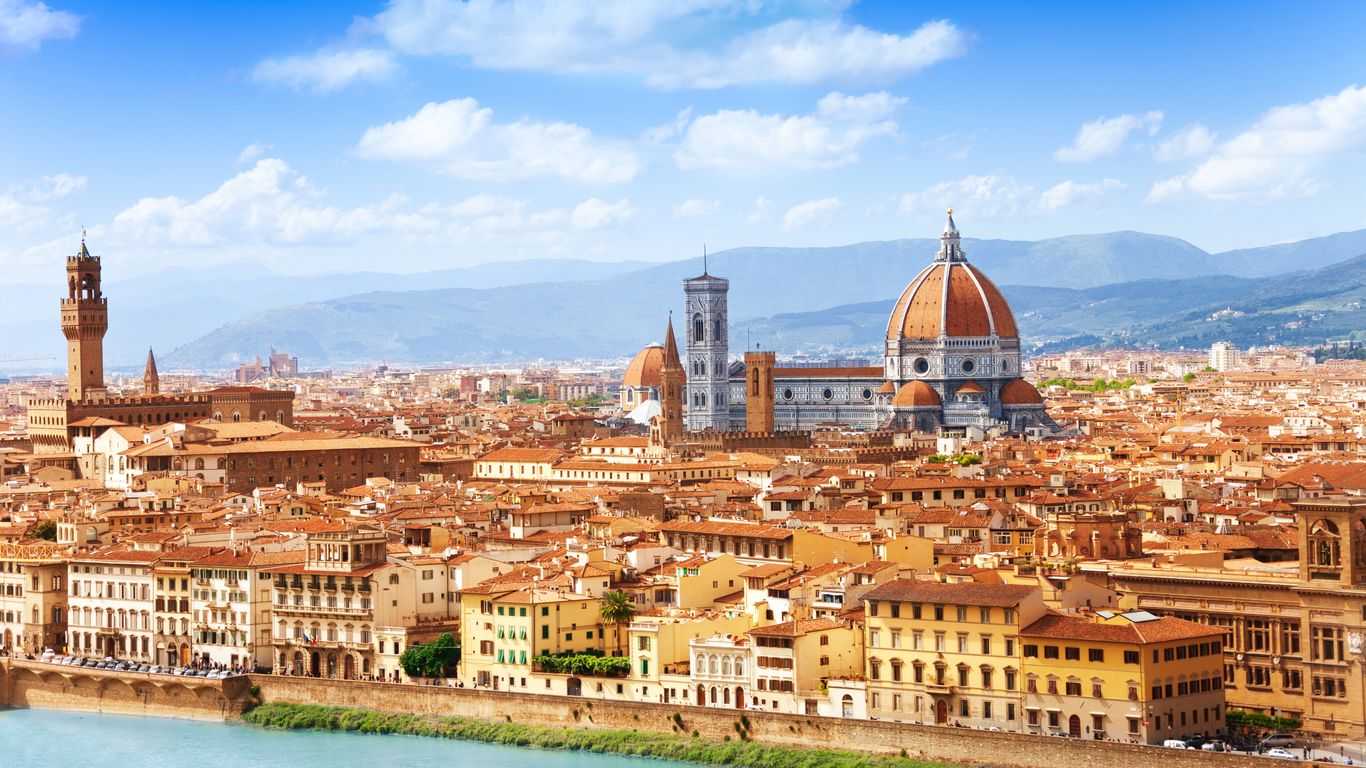
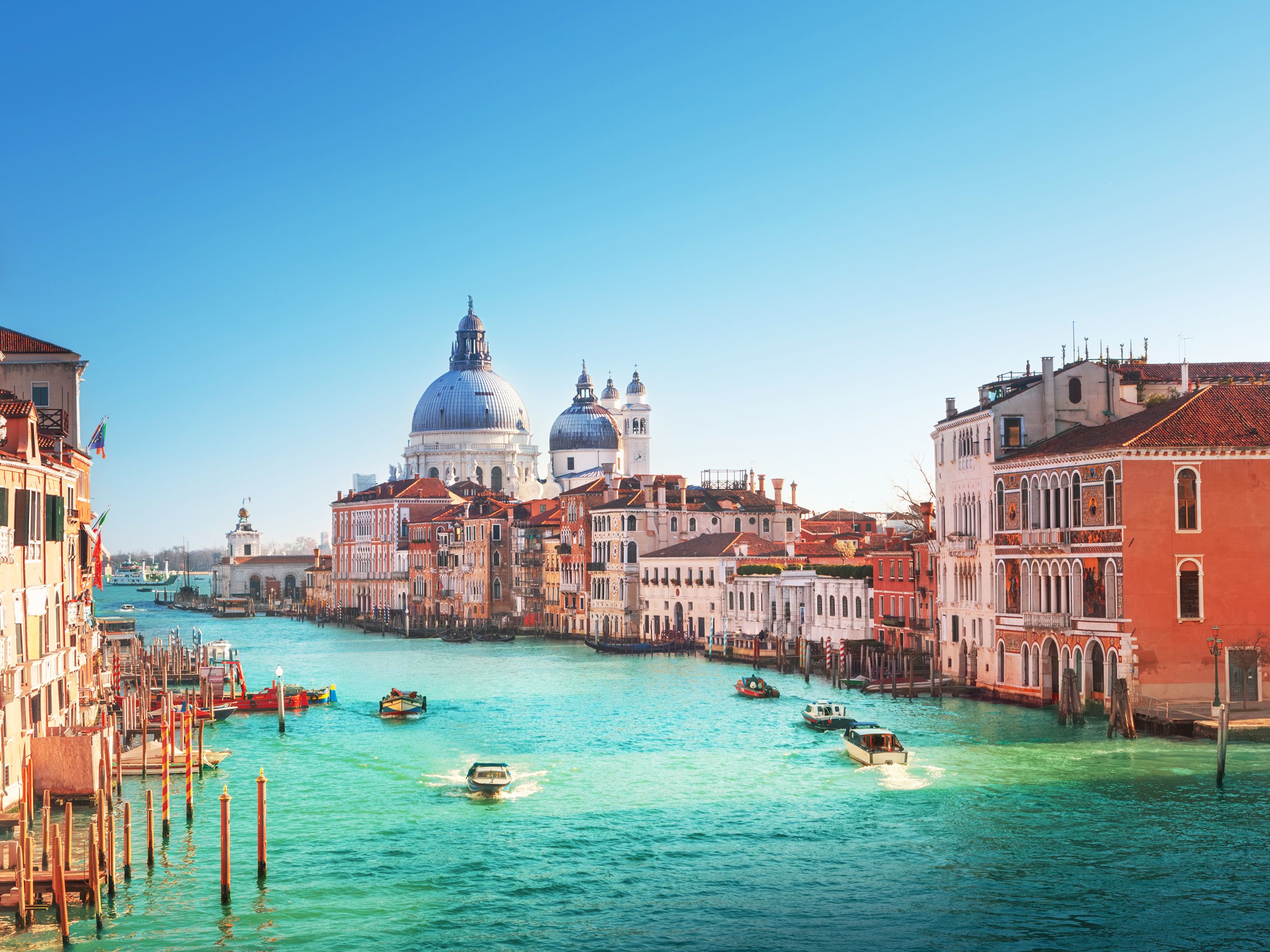
If you crave world-class art, vibrant street life, and a more budget-friendly experience, Florence is your winner (plan €100-€150/$110-$160 daily). For a truly unique, romantic, and slightly more expensive escape focused on atmosphere and iconic views, Venice (budget €130-€200/$140-$215 daily) will sweep you off your feet. Both offer incredible cultural immersion, but their vibes are worlds apart.
- Choose Florence: Pick Florence if you're an art and history buff, a food lover seeking authentic Tuscan flavors, or someone who enjoys a lively, walkable city with excellent day trip options and a more manageable budget. It's fantastic for first-time visitors to Italy.
- Choose Venice: Choose Venice if you're seeking unparalleled romance, a truly unique city experience, and are willing to pay a premium for its dreamlike canals and historical charm. It's ideal for couples, photographers, and those who want to wander without a rigid itinerary.
- Choose Both: If time and budget allow, doing both is absolutely worth it. Spend 3-4 days in Florence and 2-3 days in Venice. They are well-connected by high-speed train (roughly 2 hours, €30-€50/$32-$55), making a combined trip very feasible and rewarding.
Quick Comparison
| Category | Florence | Venice | Winner |
|---|---|---|---|
| Costs & Budget | Generally more affordable for food, accommodation, and local transport. Good value for money. | Significantly pricier, especially for hotels and transport. High tourist taxes and specialized services. | Florence |
| Culture & History | Heart of the Renaissance, unmatched art and architecture (Uffizi, David). | Unique maritime history, Byzantine influences, Doge's Palace, St. Mark's Basilica. | Florence |
| Food & Drink | Tuscan culinary paradise: Bistecca alla Fiorentina, lampredotto, Chianti wines. | Seafood-focused, cicchetti, Aperol Spritz birthplace, unique Venetian dishes. | Florence |
| Getting Around | Extremely walkable city center, efficient bus system for longer distances. | Only walking or water transport (vaporetto, gondola). Can be confusing but charming. | Florence |
| Day Trips | Unbeatable access to Tuscany's gems: Siena, Pisa, Chianti, Cinque Terre. | Options like Murano, Burano, Verona, but less diverse and frequent. | Florence |
| Nightlife | Lively student scene, traditional bars, aperitivo culture, live music. | Quieter, focused on aperitivo, cicchetti bars, elegant hotels, no club scene. | Florence |
| Accommodation | Wider range of options from hostels to luxury, better value for money. | Limited, expensive options, especially for canal views. Airbnb restrictions. | Florence |
| Shopping | Leather goods, artisanal crafts, high fashion, gold jewelry. | Murano glass, Carnival masks, unique artisan workshops, lace. | Florence |
| Weather & Seasons | Hot summers, pleasant springs/autumns, mild winters. Less prone to floods. | Hot, humid summers. Frequent 'acqua alta' (flooding) in autumn/winter. | Florence |
| Solo Travel & Safety | Very safe, easy to navigate, good hostel scene, friendly for solo explorers. | Very safe but can feel isolating or confusing at night, fewer solo options. | Florence |
💰 Costs & Budget
Florence consistently beats Venice on the budget front. Accommodation in Florence for a decent mid-range hotel often runs €100-€180 ($110-$195) per night, whereas a comparable spot in Venice will easily be €150-€250 ($160-$270), and often much higher for anything near a canal. Food is also notably cheaper; a simple, delicious pasta dish in Florence is €12-€18 ($13-$19), while in Venice, expect €18-€25 ($19-$27) for similar quality, and a sit-down meal with wine can easily hit €40-€60 ($43-$65) per person. Public transport in Florence is €1.50 ($1.60) per bus ride; Venice's vaporetto (water bus) is an eye-watering €7.50 ($8) per single ride, making daily passes (e.g., 24h for €25/$27) almost mandatory. Entrance fees for major attractions are comparable, typically €15-€25 ($16-$27). "Honestly, Venice nearly broke my wallet, even trying to be frugal. Florence felt like I could actually enjoy myself without constantly checking my bank balance." Florence allows you to stretch your euros further, offering more bang for your buck across the board.
Winner takeaway
- Winner: Florence
- Why: Florence offers better value for money across accommodation, dining, and local transport, making a full experience more accessible.
- Who this matters for: Budget-conscious travelers, families, and those planning longer stays.
🏛️ Culture & History
Florence is the undisputed cradle of the Renaissance, a city where every corner breathes art and history. You'll find masterpieces like Michelangelo's David at the Accademia (€16/$17), Botticelli's 'Birth of Venus' and Leonardo's 'Annunciation' at the Uffizi Gallery (€25/$27), and the architectural marvel of Brunelleschi's Dome at the Duomo (climb pass €20/$21). The sheer concentration of world-changing art is mind-boggling. Venice, on the other hand, presents a fascinating maritime history, a blend of East and West, evident in the mosaics of St. Mark's Basilica (free entry, but skip-the-line/Pala d'Oro €5-€10/$5.50-$11) and the Doge's Palace (€25/$27). While Venice's history is unique and captivating, it's less about individual artistic masterpieces and more about the city's collective architectural and political narrative. "Florence felt like walking through a textbook, but in the best way possible. Every church, every piazza had a story you could practically touch." If you're passionate about classical art and groundbreaking human achievement, Florence is simply unparalleled.
Winner takeaway
- Winner: Florence
- Why: Florence's concentration of Renaissance art and architectural masterpieces is unmatched, offering a deeper dive into a pivotal historical period.
- Who this matters for: Art historians, art lovers, and those deeply interested in the Italian Renaissance.
🍝 Food & Drink
Florence is a foodie's dream, deeply rooted in the hearty, rustic traditions of Tuscan cuisine. You absolutely must try a Bistecca alla Fiorentina (a massive T-bone steak, typically €50-€70/$55-$75 per kg), lampredotto from a street cart (€5-€6/$5.50-$6.50), and exquisite pasta dishes like Pappa al Pomodoro. The Mercato Centrale offers an incredible upstairs food court and downstairs fresh market, perfect for tasting local specialties. Pair it all with a robust Chianti or Brunello. Venice's culinary scene, while delicious, is more niche and seafood-centric, focusing on dishes like sarde in saor (marinated sardines) and risotto al nero di seppia (squid ink risotto). Its 'cicchetti' (small snacks, €1.50-€3/$1.60-$3.20 each) culture, akin to Spanish tapas, is fantastic for a casual crawl, especially in areas like Cannaregio. However, finding truly exceptional, non-touristy restaurants can be harder and pricier. "I still dream about the wild boar ragu I had in Florence, and the street food was incredible. Venice's cicchetti were fun, but Florence just had more variety and richness." For overall depth, variety, and value in traditional Italian dining, Florence takes the cake.
Winner takeaway
- Winner: Florence
- Why: Florence offers a richer, more diverse, and generally more affordable culinary experience deeply rooted in Tuscan tradition, with incredible street food and fine dining options.
- Who this matters for: Serious foodies, those seeking authentic regional dishes, and wine enthusiasts.
🚶 Getting Around
Florence is a pedestrian's paradise. The vast majority of its major attractions – the Duomo, Uffizi, Ponte Vecchio, Accademia – are all within a 15-20 minute walk of each other. For anything further, like Piazzale Michelangelo, the ATAF bus system is efficient and affordable (€1.50/$1.60 per ticket). You can easily explore the entire city on foot, soaking in the atmosphere without needing to consult maps constantly. Venice, by contrast, is a car-free labyrinth. Your only options are walking or taking a vaporetto (water bus), which is scenic but slow and expensive (€7.50/$8 per ride, so a multi-day pass is essential, e.g., 48h for €35/$38). Gondola rides (€80/$87 for 25-30 min daytime) are an iconic experience but not practical transport. While charming, navigating Venice's narrow, winding alleys and countless bridges can be confusing, even with a map, and luggage can be a nightmare. "Florence was a dream to walk around; I barely used a bus. Venice was beautiful but exhausting, and those vaporetto tickets add up so fast." For ease of movement and budget-friendly exploration, Florence is the clear winner.
Winner takeaway
- Winner: Florence
- Why: Florence's compact, highly walkable city center and affordable public bus system make it significantly easier and cheaper to navigate than Venice's expensive and often confusing water-based transport.
- Who this matters for: Travelers who prefer to walk, those with limited mobility, and budget travelers.
🗺️ Day Trips
Florence is the ultimate hub for exploring the heart of Tuscany and beyond. Within an hour or two by train or bus, you can reach iconic destinations like Siena (a medieval marvel), Pisa (the Leaning Tower), San Gimignano (medieval skyscrapers), and the rolling vineyards of the Chianti region for wine tasting. Even the stunning Cinque Terre is manageable as a longer day trip by train. Companies like Walkabout Florence offer fantastic tours that bundle multiple Tuscan towns and wine experiences. Venice offers charming day trips to the colorful islands of Murano (known for glass blowing) and Burano (lace and vibrant houses) via vaporetto, which are delightful but similar in nature. Verona, with its Roman arena and Shakespearean charm, is also accessible by train (about 1 hour, €9-€20/$10-$21). "From Florence, I could hit Siena, a Chianti vineyard, and even Pisa without feeling rushed. Venice was mostly Murano/Burano, which was cool, but less variety." While Venice's islands are lovely, Florence's proximity to a wider range of diverse and iconic destinations makes it the superior choice for day excursions.
Winner takeaway
- Winner: Florence
- Why: Florence provides unparalleled access to a diverse array of iconic Tuscan towns, historical sites, and natural beauty, making it a superior base for day trips.
- Who this matters for: Travelers who love exploring beyond the main city, wine lovers, and photographers.
🥂 Nightlife
Florence offers a more vibrant and diverse nightlife, largely thanks to its significant student population. You'll find a mix of traditional Italian bars, lively pubs catering to international students (like 'Lions Fountain' or 'Red Garter'), and trendy cocktail bars (e.g., 'La Terrazza Rooftop Bar'). The aperitivo culture is strong here, with many places offering generous buffets with your drink. There are also a few smaller clubs for dancing, like 'Club Twentyone' or 'Space Electronic' if you want to let loose. Venice's nightlife is significantly more subdued and sophisticated. It revolves primarily around aperitivo and cicchetti bars, especially in areas like Cannaregio or around Campo Santa Margherita, where locals gather for a spritz and snacks. Places like 'Al Timon' are popular. There's virtually no traditional club scene, and most establishments close relatively early. "Florence had this great energy at night, always something happening, whether it was a lively piazza or a cool bar. Venice felt like it went to bed early after dinner." For those seeking evening entertainment beyond a quiet drink, Florence delivers more options and a livelier atmosphere.
Winner takeaway
- Winner: Florence
- Why: Florence's larger student population and more varied options provide a livelier and more diverse nightlife, from casual bars to dance clubs.
- Who this matters for: Younger travelers, solo travelers looking to socialize, and those who enjoy late-night entertainment.
🛌 Accommodation
Finding good accommodation in Florence is generally much easier and more budget-friendly than in Venice. You can find excellent hostels like 'Ostello Bello Firenze' for €30-€50 ($32-$55) a night, charming B&Bs for €80-€120 ($87-$130), and mid-range hotels like 'Hotel Pitti Palace al Ponte Vecchio' for €120-€200 ($130-$215). The city offers a broad spectrum of choices, from historic palaces converted into hotels to modern apartments. Venice, due to its unique geography and high demand, has significantly fewer options and commands much higher prices. Even a basic hotel room in a less central area can start from €120-€180 ($130-$195), while anything with a canal view or near St. Mark's can easily exceed €250-€400 ($270-$430) a night at places like 'Hotel Danieli'. The city has also implemented stricter Airbnb regulations, limiting budget apartment options. "I stayed in a really nice central hotel in Florence for what a cramped, basic room cost me in Venice's less-desirable areas." For comfort, choice, and value, Florence is the clear winner.
Winner takeaway
- Winner: Florence
- Why: Florence offers a wider variety of accommodation types at more competitive prices, catering to all budgets more effectively than Venice.
- Who this matters for: All travelers, but especially budget and mid-range travelers seeking good value and selection.
🛍️ Shopping
Florence is renowned for its shopping, particularly its high-quality leather goods. You'll find numerous leather schools and markets like the San Lorenzo Market where you can buy jackets, bags, and shoes (negotiate prices!). The Oltrarno district is famous for its artisanal workshops, from jewelers on Ponte Vecchio (prices often starting at €1,000s for a decent piece) to paper makers and shoemakers. Via de' Tornabuoni hosts major luxury fashion brands like Gucci and Prada. Venice's shopping is more specialized and unique to the city. Murano glass (beware of fakes!) is the main draw, with countless shops selling everything from intricate jewelry (€30-€100s) to large sculptures. Authentic Carnival masks are another iconic purchase (expect €50-€300+ for a good one). There are also lovely lace shops on Burano. "Florence felt like I could actually find things I wanted to buy and use, especially leather. Venice was cool for unique souvenirs like a mask, but less for practical shopping." If you're looking for fashion, leather, or general quality goods, Florence offers a broader and more diverse shopping experience.
Winner takeaway
- Winner: Florence
- Why: Florence provides a more diverse and extensive shopping experience, from high-end fashion and gold to high-quality leather goods and traditional artisanal crafts.
- Who this matters for: Fashion enthusiasts, those seeking quality souvenirs like leather goods, and gift shoppers.
☀️ Weather & Seasons
Both Florence and Venice experience hot, humid summers (July-August, often 30-35°C/86-95°F) which can be intense for sightseeing. Spring (April-May) and autumn (September-October) are generally the most pleasant times to visit both, with mild temperatures and fewer crowds. Florence enjoys a more predictable Mediterranean climate. Winters are cool but generally mild, with occasional rain. Venice, however, has a significant challenge: 'acqua alta' or high water. This phenomenon, caused by high tides, strong winds, and low atmospheric pressure, most frequently occurs from autumn through spring (October-March). While often charming for photos, it can disrupt travel, require walking on elevated walkways, and even flood ground-floor businesses and hotels. Major floods can close down parts of the city. "My friend went to Venice in November and got stuck wading through knee-deep water. Florence was just chilly but perfectly fine when I went in February." For consistent, less disruptive weather and fewer potential travel complications, Florence has the advantage.
Winner takeaway
- Winner: Florence
- Why: Florence offers a more stable climate throughout the year, especially avoiding Venice's disruptive 'acqua alta' phenomenon during key travel seasons.
- Who this matters for: Travelers sensitive to extreme weather, those planning trips during autumn/winter, and those with mobility concerns.
🚶♀️ Solo Travel & Safety
Both Florence and Venice are remarkably safe cities for solo travelers, with very low rates of violent crime. However, Florence edges out Venice for the solo experience. Florence is a bustling city with a younger vibe due to its student population, making it easier to meet other travelers in hostels or lively bars. Its straightforward layout means getting lost is less likely and less disorienting, even at night. There are ample walking tours, cooking classes, and aperitivo spots where solo individuals can easily blend in. Venice, while equally safe, can feel a bit more isolating for solo travelers due to its unique, labyrinthine structure and lack of a traditional 'nightlife' scene. Its quiet alleys at night, while romantic for couples, might feel a bit too solitary for some. Finding casual social opportunities outside of organized tours is harder. "As a solo female traveler, Florence felt incredibly welcoming and easy to navigate alone. Venice was beautiful, but sometimes I felt a bit lonely wandering the quiet canals at night." Florence offers more opportunities for social interaction and a less daunting environment for independent exploration.
Winner takeaway
- Winner: Florence
- Why: Florence's vibrant atmosphere, excellent hostel scene, and easier navigation make it a more welcoming and social destination for solo travelers.
- Who this matters for: Solo travelers looking to meet people, first-time solo travelers, and those who prioritize ease of navigation.
❓ Frequently Asked Questions
Is Venice really sinking?
Venice is indeed slowly subsiding, and global sea-level rise exacerbates the 'acqua alta' (high water) phenomenon. While the city isn't literally 'sinking' into the sea overnight, it faces significant challenges with regular flooding, particularly from autumn to spring. Protective measures like the MOSE flood barrier are in place, but its long-term future remains a concern.
How many days should I spend in Florence vs. Venice?
For Florence, 3-4 full days are ideal to explore its major sights, soak in the atmosphere, and perhaps take a day trip to Tuscany. For Venice, 2-3 full days are usually sufficient to see the main attractions, wander the canals, and visit Murano or Burano, as the city is smaller and primarily walkable.
Which city is better for families with young children?
Florence is generally better for families. Its compact, walkable center with fewer steps and accessible public transport makes it easier with strollers. Kids might enjoy the Uffizi or Accademia, and there are more parks and family-friendly dining options. Venice, with its bridges and reliance on vaporettos, can be more challenging for little legs and strollers.
Can I visit both Florence and Venice on a short trip?
Yes, absolutely! With Italy's efficient high-speed train network, you can travel between Florence and Venice in just about 2 hours. A popular itinerary is 3 nights in Florence, followed by 2 nights in Venice, which provides a good taste of both without feeling too rushed.
Is Venice too crowded in summer?
Yes, Venice can be incredibly crowded during peak summer months (July-August) and around major holidays like Carnival or Easter. The narrow alleys and bridges become bottlenecks, and vaporetto lines can be long. For a more pleasant experience, consider visiting in late spring (April-May) or early autumn (September-October).
What's the best way to get from Florence to Venice?
The best way to travel between Florence and Venice is by high-speed train (Frecciarossa or Italo). The journey takes approximately 2 hours and trains run frequently throughout the day from Florence Santa Maria Novella to Venice Santa Lucia. Booking tickets in advance can save you money.
Do I need to book attractions in advance for both cities?
For major attractions in both cities – like the Uffizi Gallery and Accademia in Florence (especially to see David), or the Doge's Palace and St. Mark's Basilica (for skip-the-line) in Venice – booking online in advance is highly recommended. This saves significant time waiting in lines, particularly during peak season.
Which city has better art museums?
Florence is unparalleled for Renaissance art, housing iconic works by Michelangelo, Botticelli, Leonardo da Vinci, and more in world-renowned galleries like the Uffizi and Accademia. Venice's art scene is also rich, particularly with Venetian masters like Titian and Tintoretto at the Accademia Gallery, but Florence offers a more concentrated and foundational art history experience.
Ready to plan your Italy trip?
Get a free custom itinerary for Florence, Venice, or both — built from real traveler insights.
🎟️ Book Tours & Experiences
Hand-picked tours and activities for both destinations — book with free cancellation
Experiences via Viator — free cancellation on most tours