How we built this comparison
This page combines traveler discussion patterns, published price ranges, flight schedules, and seasonal data to help you decide between Florianopolis and Rio de Janeiro.
- Reviewed 50+ Reddit threads from r/travel, r/solotravel, r/Brazil, and r/southamerica for current sentiment and advice.
- Verified costs and logistics against current booking platforms (e.g., Skyscanner, Booking.com, Uber) in Q4 2023 / Q1 2024.
- Cross-referenced seasonal patterns and weather data from reputable meteorological sources to advise on best travel times.
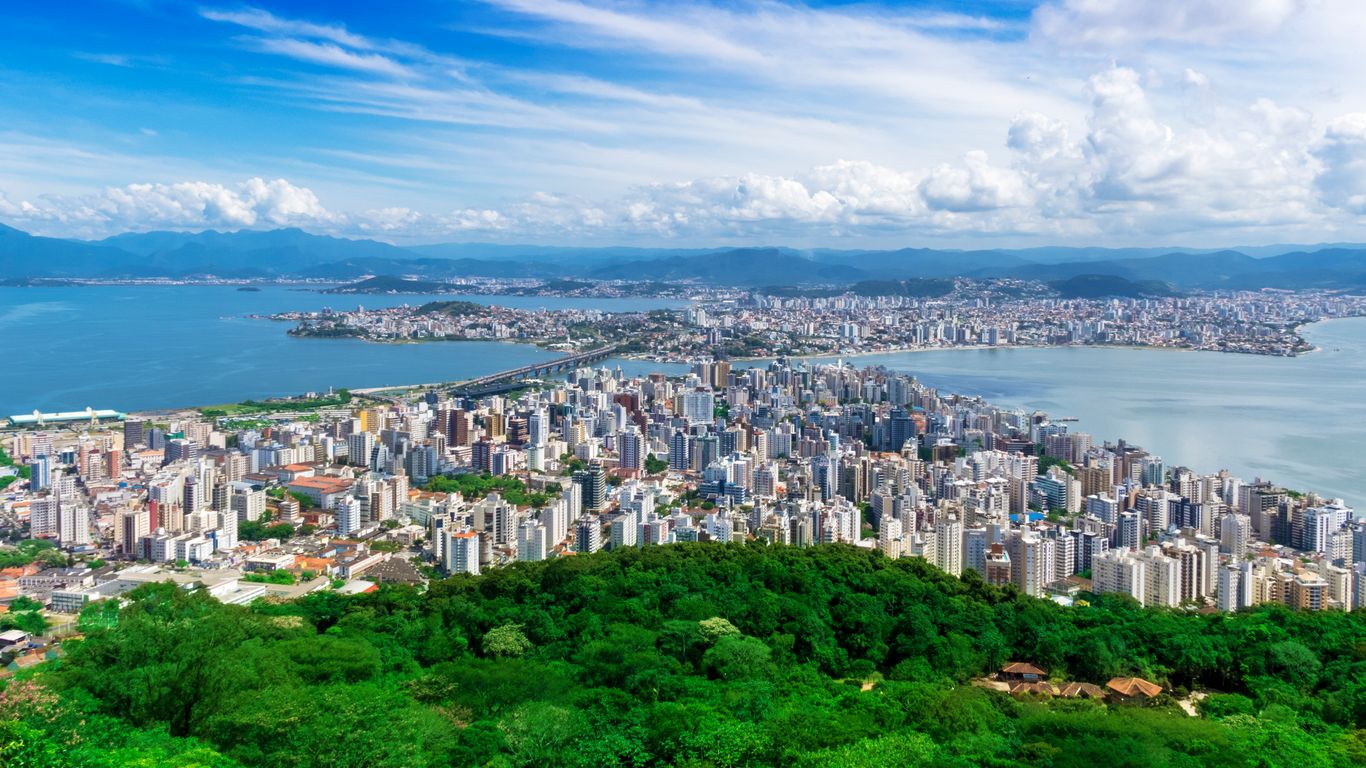

⚡ The TL;DR Verdict
For those craving iconic landmarks, non-stop energy, and a vibrant cultural immersion, Rio de Janeiro is your pick, expecting a daily budget of R$250-R$500 ($50-$100 USD). If you prefer stunning natural beauty, a safer environment, pristine beaches, and a more relaxed pace, Florianopolis is ideal, with a daily budget around R$200-R$400 ($40-$80 USD).
- Choose Florianopolis: Perfect for beach lovers, surfers, nature enthusiasts, and those seeking a safer, more upscale, and tranquil Brazilian experience. Great for families and digital nomads looking for a chill base.
- Choose Rio de Janeiro: The ultimate choice for first-time visitors to Brazil, party-goers, culture vultures, and anyone who wants to experience the iconic sights and electric energy of a world-famous city.
- Choose Both: Combine the best of both worlds! Spend 4-5 days in Rio for the city buzz and major attractions, then fly to Florianopolis for 5-7 days of beach hopping and relaxation. This itinerary offers a comprehensive view of Brazil's diverse appeal.
Quick Comparison
| Category | Florianopolis | Rio de Janeiro | Winner |
|---|---|---|---|
| Beaches | Over 40 diverse beaches, from calm lagoons to world-class surfing spots. Pristine, less crowded, and natural. | Iconic, bustling city beaches like Copacabana and Ipanema, known for their vibrant atmosphere and people-watching. | Florianopolis |
| Food & Drink | Renowned for fresh seafood, especially oysters, and Azorean-influenced cuisine. More gourmet and specialized. | A melting pot of Brazilian cuisine, famous for churrascarias, street food, and diverse international options. | Rio de Janeiro |
| Nightlife | Upscale beach clubs, live electronic music, and vibrant bar scene around Lagoa da Conceição. | Legendary for samba clubs, Lapa's lively street parties, and high-energy bars and nightclubs across the city. | Rio de Janeiro |
| Culture & History | Azorean colonial heritage, fishing villages, and indigenous traditions. More subtle and regional. | Rich colonial history, iconic landmarks, samba, bossa nova, and vibrant Afro-Brazilian culture. | Rio de Janeiro |
| Cost of Travel | Generally mid-to-high range, with accommodation and dining slightly higher, especially in peak season. | Can range from budget-friendly hostels and street food to luxury, offering options for all budgets. | Rio de Janeiro |
| Getting There | Served by Hercílio Luz International Airport (FLN), with direct flights from major Brazilian cities. | Two major airports (GIG, SDU) with extensive domestic and international connections. | Rio de Janeiro |
| Getting Around | Relies heavily on cars, Uber, and a comprehensive but sometimes slow bus system. Rental car recommended for exploration. | Excellent metro system, extensive bus network, taxis, and Uber provide efficient city navigation. | Rio de Janeiro |
| Accommodation | Wide range from luxury resorts in Jurerê to charming guesthouses around Lagoa and hostels. Often boutique. | Vast selection from iconic beachfront hotels to budget hostels and boutique guesthouses, especially in popular zones. | Rio de Janeiro |
| Safety | Considered one of Brazil's safest major cities, with low crime rates, especially in tourist areas. | Requires vigilance, especially in certain areas and at night, but tourist zones are generally well-policed. | Florianopolis |
| Nature & Outdoors | Lush Atlantic Forest, lagoons, sand dunes, hiking trails, and abundant marine life. Focus on active outdoor pursuits. | Iconic mountains (Sugarloaf, Corcovado), Tijuca Forest (world's largest urban forest), botanical gardens, and urban parks. | Florianopolis |
🏖️ Beaches
Florianopolis, often called the 'Magic Island,' truly lives up to its name with an astonishing array of over 40 distinct beaches. From the calm, family-friendly waters of Praia da Lagoinha or Jurerê, perfect for stand-up paddleboarding, to the powerful waves of Joaquina and Praia Mole that draw surfers from around the globe, there's a beach for every mood. Trekking to Lagoinha do Leste offers a secluded paradise experience. The sand is often whiter, and the waters clearer than Rio's urban shores, offering a more pristine and less commercialized feel. You can find beachfront caipirinhas for R$20-R$30 ($4-$6 USD) at most spots. Rio, while boasting world-famous Copacabana and Ipanema, delivers a different vibe. These beaches are about the spectacle – the beautiful people, the bustling vendors selling everything from swimwear to grilled cheese (queijo coalho, R$10-R$15 or $2-$3 USD), and the backdrop of Dois Irmãos. They're iconic, but often crowded and not as naturally stunning as Floripa's hidden gems. As one Redditor put it, "Floripa beaches feel like nature's art, Rio's are more like a non-stop party with a view."
Winner takeaway
- Winner: Florianopolis
- Why: Florianopolis offers a far greater variety of pristine, naturally beautiful, and less crowded beaches catering to all preferences.
- Who this matters for: Beach purists, surfers, families, and those seeking natural beauty over urban spectacle.
🍽️ Food & Drink
Rio de Janeiro takes the crown for its sheer diversity and accessibility of culinary experiences. From high-end churrascarias like Porcão or Fogo de Chão where an all-you-can-eat rodízio can cost R$150-R$250 ($30-$50 USD), to vibrant street food scene with pastel de feira and acarajé, Rio has it all. You can easily find feijoada on any given Saturday or grab açaí from countless vendors. The bohemian neighborhood of Lapa offers traditional Brazilian eateries, while Leblon and Ipanema boast sophisticated international restaurants. Florianopolis, on the other hand, excels in fresh seafood, especially oysters from the Lagoa da Conceição region. A dozen fresh oysters can be had for R$40-R$60 ($8-$12 USD) at places like Ostradamus. The Azorean influence means unique seafood stews and fried fish, but the variety beyond seafood is more limited and generally pricier for similar quality compared to Rio. While Floripa has fantastic local specialties, Rio offers a broader, more dynamic culinary adventure for all tastes and budgets. "Rio's food scene just hits different, so much variety, you can eat like a king or a pauper and still be happy," a traveler once shared.
Winner takeaway
- Winner: Rio de Janeiro
- Why: Rio offers a wider, more diverse, and more accessible range of Brazilian and international culinary experiences.
- Who this matters for: Foodies, those seeking culinary variety, and budget-conscious travelers looking for diverse options.
💃 Nightlife
When it comes to nightlife, Rio de Janeiro is in a league of its own. The city never sleeps, offering everything from the iconic samba clubs in Lapa, where you can dance until dawn for an entry fee of R$30-R$80 ($6-$16 USD) at venues like Rio Scenarium, to sophisticated cocktail bars in Leblon. Street parties often spill out onto the sidewalks, especially on weekends in Lapa, creating an intoxicating atmosphere. Beach kiosks in Copacabana and Ipanema become lively bars after sunset. Florianopolis offers a more refined, often electronic-music-focused scene. The Lagoa da Conceição area is the hub, with many bars and live music venues. For high-energy clubs, Jurerê Internacional boasts famous spots like Pacha or P12 (during summer), where entry can easily be R$100-R$300 ($20-$60 USD) or more, attracting a more affluent crowd. While Floripa has its moments, especially during peak summer, Rio's energy, diversity, and sheer scale of options make it the undisputed champion for those seeking an unforgettable night out. One Redditor perfectly summed it up: "Rio's nightlife feels authentic and wild, Floripa is more about looking good at a trendy club."
Winner takeaway
- Winner: Rio de Janeiro
- Why: Rio's nightlife is more diverse, vibrant, and encompasses a broader range of experiences from traditional samba to street parties.
- Who this matters for: Party animals, social butterflies, and those seeking an authentic, high-energy Brazilian night out.
🏛️ Culture & History
Rio de Janeiro is a cultural powerhouse, brimming with history, art, and vibrant traditions. From the colonial architecture of the Centro district, including the Imperial Palace and the São Bento Monastery, to the iconic Christ the Redeemer and Sugarloaf Mountain, the city breathes history and identity. Rio is the birthplace of samba and bossa nova, palpable in its music venues and street performances. The National Museum of Fine Arts and the Museum of Tomorrow offer world-class exhibits. You can explore the colorful Selarón Steps or visit the favelas for a deeper, albeit carefully managed, cultural insight. Florianopolis has a distinct, quieter cultural charm rooted in its Azorean colonial past. You can explore historic fishing villages like Ribeirão da Ilha with its charming pastel houses, visit the fortress of São José da Ponta Grossa (entry R$10-R$20 or $2-$4 USD), or experience local folklore. However, it lacks the grand scale, iconic symbols, and diverse cultural expressions that Rio offers. "Rio's culture hits you in the face, Floripa's you have to seek out," noted a user.
Winner takeaway
- Winner: Rio de Janeiro
- Why: Rio offers a richer, more iconic, and widely recognized cultural and historical experience.
- Who this matters for: History buffs, art lovers, and those wanting to immerse themselves in quintessential Brazilian culture.
💰 Cost of Travel
While both cities can be expensive, Rio de Janeiro ultimately offers more options across all budget ranges, making it a more accessible destination for cost-conscious travelers. For example, a hostel bed in Rio can be found for R$70-R$120 ($14-$24 USD) in areas like Copacabana or Botafogo, whereas in Florianopolis, similar options might start at R$80-R$150 ($16-$30 USD). Mid-range hotel rooms in Rio average R$300-R$600 ($60-$120 USD), comparable to Floripa, but Rio has a larger supply, which can sometimes drive prices down. Food in Rio offers incredible value through street vendors (pastel for R$10-R$15 or $2-$3 USD), 'comida a quilo' (pay-by-weight restaurants for R$30-R$50 or $6-$10 USD), and numerous affordable local eateries. Public transport (subway, bus) is efficient and cheap, around R$4.30-R$5.90 ($0.80-$1.20 USD) per ride. Florianopolis tends to be slightly pricier overall, particularly for dining out and taxi services, especially during the high summer season (December-February). A casual meal might cost R$50-R$80 ($10-$16 USD). While you can certainly find budget options in Floripa, they are less ubiquitous than in Rio. "Rio can be done on a shoestring if you're smart, Floripa feels a bit more designed for tourists with deeper pockets," one Reddit user shared.
Winner takeaway
- Winner: Rio de Janeiro
- Why: Rio offers a wider range of budget-friendly options for accommodation, food, and transport, making it more accessible.
- Who this matters for: Budget travelers, backpackers, and those seeking value across all aspects of their trip.
✈️ Getting There
Getting to Rio de Janeiro is generally easier and often cheaper due to its status as a major international hub. Galeão International Airport (GIG) handles the bulk of international flights from North America, Europe, and other parts of South America, while Santos Dumont Airport (SDU) is incredibly convenient for domestic flights, particularly from São Paulo (a quick 1-hour flight). A flight from São Paulo (GRU) to Rio (GIG/SDU) can cost R$200-R$400 ($40-$80 USD). Florianopolis is served by Hercílio Luz International Airport (FLN), which has good domestic connections but fewer direct international routes. Most international travelers will connect through São Paulo or Rio to reach Floripa. A flight from Rio (GIG/SDU) to Floripa (FLN) takes about 1.5-2 hours and costs R$300-R$600 ($60-$120 USD). While FLN is a modern airport, the need for an additional domestic leg for many international visitors makes Rio the easier destination to reach directly. "Landing in Rio is just easier for international flights, Floripa usually means an extra connection," a traveler commented.
Winner takeaway
- Winner: Rio de Janeiro
- Why: Rio has more direct international flights and a greater number of domestic connections, simplifying travel logistics.
- Who this matters for: International travelers, those prioritizing direct flights, and anyone looking for less complex travel itineraries.
🚗 Getting Around
Rio de Janeiro boasts a significantly more efficient and diverse public transportation network, making it much easier to navigate without a car. The Rio Metro (Metrô Rio) is clean, safe, and connects many key tourist areas, with single rides costing around R$6.90 ($1.40 USD). An extensive bus system covers the entire city, though it can be more complex for tourists. Taxis and ride-sharing apps like Uber are readily available and reasonably priced. Florianopolis, being an island city with many distinct neighborhoods and beaches, is more spread out. While it has a decent public bus system (around R$4.70 or $0.90 USD per ride), it can be slow, especially in traffic, and doesn't connect all points directly. Exploring the island's many beaches often requires a car rental (R$150-R$300 or $30-$60 USD per day) or relying heavily on Uber/taxis, which can add up quickly. Traffic can also be a significant issue, particularly during high season. "In Rio, I barely touched an Uber because the subway was so good. Floripa, I felt stranded without a car sometimes," a tourist observed.
Winner takeaway
- Winner: Rio de Janeiro
- Why: Rio's superior metro system and extensive public transport make getting around the city far more convenient and cost-effective.
- Who this matters for: Travelers without a rental car, those on a budget, and anyone preferring to rely on public transit.
🏨 Accommodation
Rio de Janeiro offers a far greater quantity and variety of accommodation options, catering to every budget and style. You can find world-famous luxury hotels like Copacabana Palace (R$1500+ or $300+ USD/night) right on the beach, a plethora of mid-range hotels in Ipanema and Leblon (R$400-R$800 or $80-$160 USD/night), and countless hostels and guesthouses in areas like Botafogo, Santa Teresa, or Lapa, with dorm beds starting from R$60-R$100 ($12-$20 USD). The sheer volume means more competitive pricing and availability, even during peak season. Florianopolis also offers excellent accommodations, from upscale resorts in Jurerê Internacional (R$800-R$2000+ or $160-$400+ USD/night) to charming pousadas (guesthouses) around Lagoa da Conceição (R$250-R$500 or $50-$100 USD/night) and a good selection of hostels (R$70-R$150 or $14-$30 USD/night). However, due to its island nature and high demand in summer, prices can skyrocket, and availability can become scarce. The choices, while beautiful, are fewer compared to Rio's sprawling hotel landscape. "Finding a last-minute decent hostel in Rio was easy; Floripa felt like I had to book everything months ahead for the good spots," a backpacker shared.
Winner takeaway
- Winner: Rio de Janeiro
- Why: Rio provides a much wider range of accommodation types and price points, with greater availability and competitive pricing.
- Who this matters for: Travelers with specific budget or luxury preferences, and those seeking abundant choice.
🚨 Safety
Safety is a significant factor for many travelers, and Florianopolis consistently ranks as one of the safest state capitals in Brazil. While no place is entirely crime-free, the risks of petty theft or more serious incidents are considerably lower in Floripa compared to Rio. Tourists can generally explore beaches, walk around neighborhoods like Lagoa da Conceição, and enjoy nightlife with a much greater sense of security. It's still wise to be aware of your surroundings, but the constant vigilance required in Rio is not as pervasive here. Rio de Janeiro, unfortunately, has a reputation for high crime rates, particularly muggings and pickpocketing. While major tourist areas like Copacabana, Ipanema, and the area around Christ the Redeemer are heavily policed, incidents do occur, especially at night or if one ventures into less safe neighborhoods. Tourists are constantly advised to avoid displaying expensive items, be cautious with phones, and not resist if robbed. A common piece of advice is to carry a 'dummy wallet' with a small amount of cash. The constant need for awareness can detract from the overall experience. "Floripa felt so chill, I never once worried about my bag. Rio, I was holding onto everything for dear life," a traveler recounted.
Winner takeaway
- Winner: Florianopolis
- Why: Florianopolis offers a significantly higher level of personal safety and peace of mind for travelers.
- Who this matters for: Solo travelers, families, first-time visitors to Brazil, and anyone prioritizing personal security.
🌳 Nature & Outdoors
Florianopolis is a paradise for nature lovers and outdoor adventurers. The island is blessed with diverse ecosystems, including sections of the pristine Atlantic Forest, extensive sand dunes (like Joaquina and Ingleses), and the vast Lagoa da Conceição, perfect for kayaking, stand-up paddleboarding, and windsurfing. There are numerous hiking trails leading to secluded beaches like Lagoinha do Leste, offering breathtaking views and rewarding solitude. Whale watching is also popular in certain seasons (July-November). You can explore natural pools at Barra da Lagoa or surf at Praia Mole. Rio de Janeiro, while famous for its dramatic mountainous landscape and the incredible Tijuca Forest – the world's largest urban forest – offers a different kind of natural experience. Hiking up Sugarloaf Mountain or Corcovado (home to Christ the Redeemer) provides iconic views, and the Botanical Garden is a serene escape. However, much of Rio's natural beauty is integrated into the urban fabric. Floripa's nature feels more expansive, untouched, and offers a wider range of active, immersive outdoor experiences away from city bustle. "Floripa's nature just hits different. You're constantly surrounded by it, not just visiting a park," a Reddit user mentioned.
Winner takeaway
- Winner: Florianopolis
- Why: Florianopolis provides a more diverse, immersive, and expansive natural environment for active outdoor exploration.
- Who this matters for: Nature enthusiasts, hikers, surfers, and those seeking an active outdoor vacation away from urban settings.
❓ Frequently Asked Questions
Which city is better for a solo female traveler?
Florianopolis is generally considered much safer for solo female travelers due to its lower crime rates and more relaxed atmosphere. While Rio can be managed with vigilance, Floripa offers greater peace of mind, especially when exploring at night or venturing off the main tourist paths.
Is English widely spoken in Florianopolis or Rio de Janeiro?
In both cities, English is primarily spoken in major tourist areas, hotels, and upscale restaurants. In Rio, due to its international appeal, you might find slightly more English speakers. However, learning some basic Portuguese phrases will greatly enhance your experience in both destinations.
What's the best time of year to visit each city?
For Florianopolis, the peak season is summer (December-February), offering warm weather but also crowds and higher prices. Shoulder seasons (March-May, September-November) are excellent for good weather and fewer tourists. Rio is best visited outside of its hottest, most humid months (December-February), with May-September offering pleasant temperatures and less rain, though Carnival (February/March) is an unforgettable experience despite the heat.
Can I combine a trip to Florianopolis and Rio de Janeiro easily?
Yes, absolutely! Domestic flights between Hercílio Luz Airport (FLN) in Florianopolis and either Santos Dumont (SDU) or Galeão (GIG) in Rio are frequent and take about 1.5 to 2 hours. This makes combining the two cities a very viable and popular option for travelers wanting a mix of city and beach.
Which city is better for surfing?
Florianopolis is hands down the better destination for surfing. It boasts several world-class surf breaks like Joaquina, Praia Mole, and Barra da Lagoa, catering to all skill levels. Rio has some surf spots (e.g., Prainha, Macumba), but they are less consistent and generally require more travel from the city center.
What are the main differences in local vibe?
Rio de Janeiro has an electric, bustling, and vibrant 'carioca' energy – loud, passionate, and always on the move. Florianopolis, on the other hand, has a more relaxed, 'manezinho' (local term) island vibe – chill, friendly, and connected to nature. It feels more European and upscale in some areas, less gritty than Rio.
Are day trips easily accessible from both cities?
From Rio, popular day trips include the picturesque colonial town of Paraty, the imperial city of Petrópolis, or the stunning beaches of Arraial do Cabo. From Florianopolis, you can visit nearby islands, explore the charming colonial villages, or take a boat trip around the lagoons. Both offer great options, but Rio's are arguably more varied for historical immersion.
Which city is better for families with young children?
Florianopolis is generally better for families with young children due to its significantly safer environment, calmer beaches (like Jurerê or Lagoinha), and more relaxed pace. Rio can be overwhelming for little ones with its crowds and constant activity, although attractions like the Botanical Garden and Sugarloaf are still enjoyable.
Ready to plan your Brazil trip?
Get a free custom itinerary for Florianopolis, Rio de Janeiro, or both — built from real traveler insights.
🎟️ Book Tours & Experiences
Hand-picked tours and activities for both destinations — book with free cancellation
Experiences via Viator — free cancellation on most tours