How we built this comparison
This page combines traveler discussion patterns, published price ranges, flight schedules, and seasonal data to help you decide between France and England.
- Reviewed 50+ Reddit threads from r/travel, r/solotravel, r/France, r/UKtravel, etc., for authentic traveler experiences and tips.
- Verified costs and logistics against current booking platforms (e.g., Booking.com, SNCF, National Rail, Eurostar) and average consumer prices.
- Cross-referenced seasonal patterns, weather data, and major events to provide accurate 'best time to visit' insights.
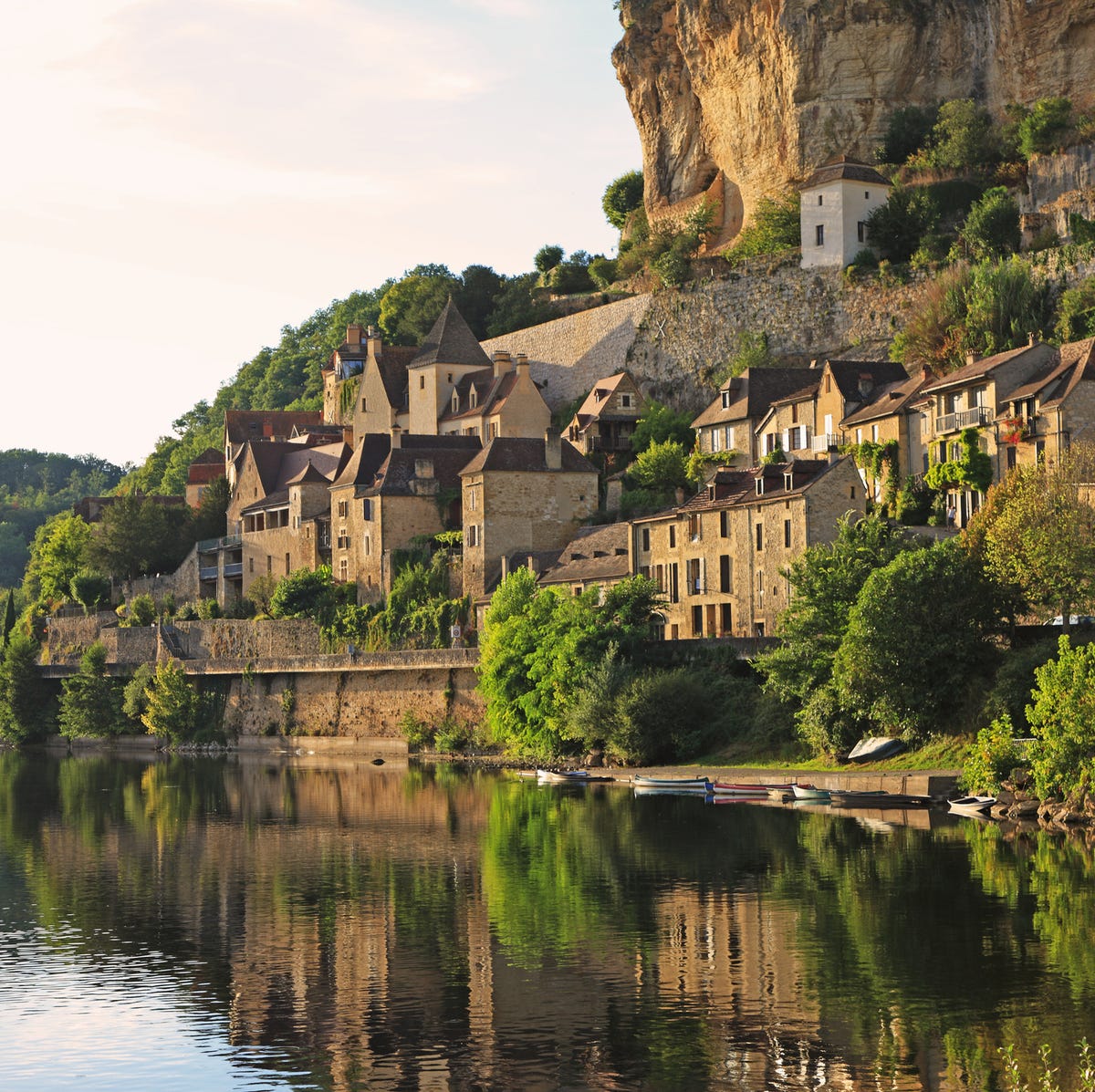
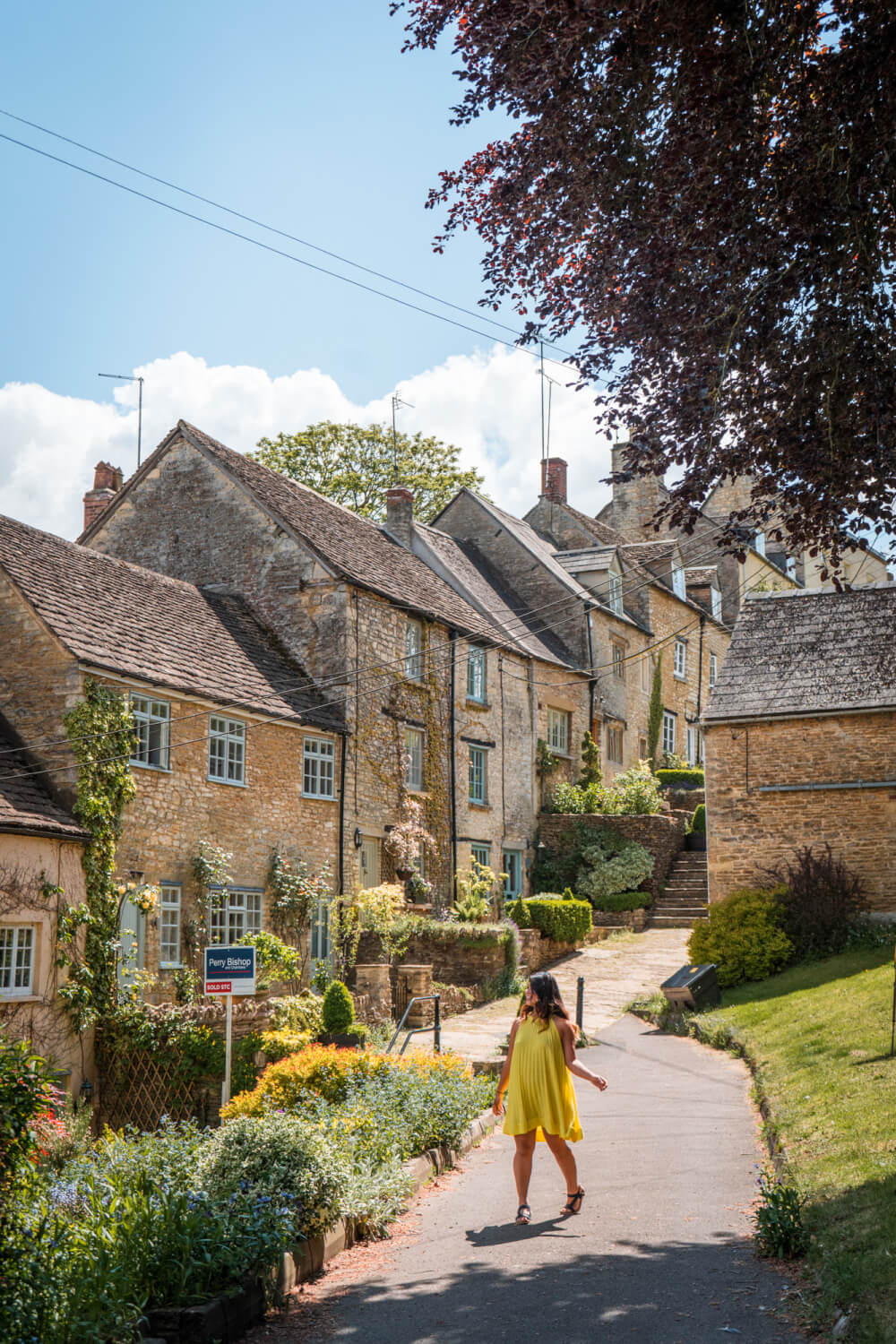
⚡ The TL;DR Verdict
For those seeking gastronomic indulgence, artistic mastery, and diverse landscapes from Alps to Riviera, France is your pick, with a daily budget of €80-€180 ($85-$195). If you crave historic pubs, vibrant city life, and stunning national parks, England calls to you, typically costing £70-£160 ($90-$205) per day. Ultimately, both offer unforgettable experiences, making the choice dependent on your priorities.
- Choose France: Choose France if your travel revolves around world-class food, wine, art, and varied scenery, from Mediterranean beaches to snow-capped mountains. Ideal for romantics, foodies, and those who appreciate a slower pace outside of Paris.
- Choose England: Opt for England if you're drawn to rich history, iconic landmarks, a bustling pub culture, and picturesque countryside that's easily accessible. Great for literary buffs, history enthusiasts, and those comfortable with a faster-paced city experience.
- Choose Both: Combine both if you have at least 10-14 days and want a comprehensive Western European experience. A Eurostar train from London to Paris (2.5 hrs, £50-£150/$65-$190) makes it incredibly easy to hop between the two, blending urban exploration with diverse cultural insights.
Quick Comparison
| Category | France | England | Winner |
|---|---|---|---|
| Food & Drink | Unparalleled gastronomic excellence, from Michelin stars to boulangeries; world-renowned wine regions. | Hearty pub fare, diverse international cuisine in cities, growing craft beer and gin scene. | France |
| Culture & History | Art, philosophy, fashion, and revolution; iconic landmarks and châteaux. | Literary giants, royal history, ancient ruins, and impactful global influence. | Tie |
| Costs & Budget | Paris can be expensive, but rural areas offer better value; public transport is efficient. | London is very pricey, but outside the capital, costs drop significantly; free museums are a bonus. | England |
| Getting Around | Excellent high-speed rail (TGV), good local networks, driving can be challenging in cities. | Extensive rail network, easy to navigate, driving outside cities is straightforward. | England |
| Nature & Scenery | Diverse landscapes from alpine peaks to Mediterranean coastlines, lavender fields, and rolling vineyards. | Dramatic coastlines, rolling hills (Cotswolds), rugged national parks (Lake District, Peak District). | France |
| Nightlife | Chic cocktail bars, cabaret, and classic brasseries; sophisticated and relaxed. | Vibrant pub culture, world-class clubbing in London, diverse live music scenes. | England |
| Accommodation | Charming boutique hotels, gîtes, and B&Bs, particularly strong outside cities. | Historic country houses, cozy B&Bs, diverse city hotels from budget to luxury. | Tie |
| Day Trips | Easy access to diverse regions from major cities; varied historical and natural sites. | Well-connected train lines to historic towns and national parks; many options from London. | France |
| Weather & Seasons | More consistent warmth in the south, distinct four seasons, less rain overall. | Mild but unpredictable year-round, often overcast, distinct four seasons but less extreme. | France |
| Solo Travel & Safety | Generally safe, good public transport, but language can be a barrier outside major tourist areas. | Very safe, easy to navigate with English, welcoming pub culture for solo travelers. | England |
🍷 Food & Drink
France reigns supreme in the culinary arena. You'll find everything from exquisite €100+ ($110) multi-course meals at Parisian institutions like Septime or Arpège to humble yet perfect €4 ($4.50) croissants and baguettes from a local boulangerie. The regional diversity is key: rich Cassoulet in the Southwest, fresh seafood in Brittany, vibrant Ratatouille in Provence, and of course, endless varietals from Bordeaux, Burgundy, and Champagne. A casual brasserie meal with wine will set you back €20-€40 ($22-$45). England, while improving dramatically, still often feels like it's playing catch-up, though London boasts incredible ethnic diversity. Pub classics like fish and chips (£12-£18/$15-$23) and Sunday roasts (£15-£25/$19-$32) are quintessential experiences, and cities like London and Manchester have world-class dining options if you know where to look, but the consistent quality and deep-rooted culinary culture of France are hard to beat. "Honestly, nothing beats a fresh baguette and cheese from a market in France. I miss that daily!" said one Redditor.
Winner takeaway
- Winner: France
- Why: France's deep-rooted culinary tradition, regional diversity, and focus on quality ingredients are unmatched.
- Who this matters for: Foodies, wine lovers, and anyone who considers dining a central part of their travel experience.
🏛️ Culture & History
This is a tough one, as both countries offer an embarrassment of riches. France provides the grandeur of Versailles (€20/$22), the Louvre's masterpieces (€17/$18.50), the Roman heritage of Nîmes, and the D-Day landing beaches in Normandy. Its cultural fabric is woven with art, philosophy, and a revolutionary spirit. England counters with the Tower of London (£30/$38), Stonehenge (£23/$29), Hadrian's Wall, and centuries of royal history exemplified by Buckingham Palace. Its literary legacy, from Shakespeare to Austen, permeates the land, and its museums (often free, like the British Museum or National Gallery) are world-class. You could spend weeks in either country just scratching the surface. The choice here comes down to personal taste – do you prefer Impressionism and Napoleonic history, or Victorian literature and the Tudors? Both will leave you awestruck. "I loved the free museums in London, but the sheer scale of history at the Palace of Versailles was something else. Couldn't pick one," a traveler noted.
Winner takeaway
- Winner: Tie
- Why: Both countries offer unparalleled depth and diversity in culture and history, catering to different interests.
- Who this matters for: History buffs, art enthusiasts, and anyone seeking deep cultural immersion.
💰 Costs & Budget
Generally, outside of their respective capitals, England offers slightly better value for money, especially when factoring in accommodation and attractions. While Paris can quickly drain your wallet with hotel rooms often starting at €120-€200 ($130-$220) per night and meals easily hitting €25-€50 ($27-$55), many smaller French towns like Lyon or Bordeaux can be explored on a more modest budget. However, England has the advantage of numerous free world-class museums in London (e.g., British Museum, National Gallery), which significantly cuts down sightseeing costs. A typical mid-range hotel in London could be £150-£250 ($190-$320), while a similar standard outside London might be £90-£150 ($115-$190). Local transport in London (Tube) is more expensive than Paris (Metro), but regional train travel can be comparable. For budget travelers, hostels in both countries average €30-€50 / £25-£45 ($32-$64) per night. "I saved so much money by staying outside London and doing day trips, plus all those free museums were a lifesaver," one Reddit user shared.
Winner takeaway
- Winner: England
- Why: Outside of London, England's costs for accommodation and dining are often more manageable, and its capital offers many free attractions.
- Who this matters for: Budget-conscious travelers and those looking to stretch their money further without compromising on experiences.
🚆 Getting Around
England generally offers a more straightforward experience for getting around, especially for non-European visitors. The public transport system, while sometimes pricey (e.g., a London Underground single journey can be £3.20-£6.70 / $4-$8.50 depending on zone), is comprehensive and largely English-speaking, making it easy to navigate. The national rail network connects major cities and scenic areas, though booking in advance is crucial for good prices (e.g., London to Edinburgh from £50 / $64). Driving outside cities is generally easy, with good motorways and clear signage. France boasts an incredible high-speed TGV rail network (e.g., Paris to Marseille in 3 hours, from €40-€100 / $43-$110), making intercity travel fast and efficient. However, local public transport can be less intuitive in smaller towns, and driving can be more challenging due to smaller roads and different driving habits. Navigating without French language skills can also add a layer of complexity. "Renting a car in the Cotswolds was a breeze, way less stressful than trying to navigate the smaller towns in rural France," noted a seasoned traveler.
Winner takeaway
- Winner: England
- Why: England's more accessible public transport system and generally easier driving conditions, combined with widespread English signage, give it an edge.
- Who this matters for: First-time international travelers, those uncomfortable with foreign languages, and those planning to explore extensively by car.
🌳 Nature & Scenery
France's sheer geographical diversity gives it a slight edge here. You can ski in the French Alps (Chamonix), sunbathe on the glamorous French Riviera, explore the volcanic landscapes of the Auvergne, wander through the lavender fields of Provence (best in June/July), or discover the dramatic cliffs of Normandy. The Pyrenees offer stunning hiking, and the Loire Valley presents gentle riverscapes dotted with magnificent châteaux. England, however, holds its own with the breathtaking Lake District, famous for its glacial lakes and fells, the dramatic Jurassic Coast World Heritage Site, the picturesque rolling hills of the Cotswolds, and the wild, untamed beauty of Dartmoor and Exmoor. While England’s landscapes are undeniably beautiful and accessible, France simply offers a wider spectrum of natural wonders. "The Alps are just unreal, but then you drive a few hours and you're in lavender fields or on the coast. France has it all," enthused one Reddit user, encapsulating the variety.
Winner takeaway
- Winner: France
- Why: France offers a wider and more dramatic range of natural landscapes, from high mountains to sunny coastlines and volcanic regions.
- Who this matters for: Outdoor enthusiasts, photographers, and those seeking varied natural beauty.
🍻 Nightlife
For sheer variety and energy, England's nightlife, particularly in London, comes out on top. London boasts an unparalleled club scene, from superclubs in Shoreditch to underground raves and iconic venues like Fabric or Ministry of Sound (entry £20-£40 / $25-$50). Beyond clubs, the traditional British pub is a cultural institution, offering a lively and social atmosphere for a pint (average £5-£7 / $6.50-$9) and conversation, found in every city and village. Cities like Manchester, Liverpool, and Bristol also have thriving music and bar scenes. France offers a more refined nightlife experience. Parisian clubs can be exclusive and pricey, but its charming cocktail bars, jazz clubs, and classic brasseries (where you can dine late) offer a sophisticated vibe. Cabaret shows like the Moulin Rouge (€90-€200 / $98-$220 for show only) are iconic, but not an everyday option. "You can't beat the energy of a busy London pub or a late-night club in Shoreditch. France felt a bit too quiet after 11 PM outside of certain districts in Paris," a traveler commented.
Winner takeaway
- Winner: England
- Why: England's vibrant pub culture and world-renowned clubbing scene, especially in London, offer more accessible and diverse options.
- Who this matters for: Party-goers, social drinkers, and those who enjoy live music and a bustling evening atmosphere.
🏨 Accommodation
Both countries offer an extensive range of accommodation options, making this a tie. In France, you'll find elegant Parisian hotels, quaint gîtes (vacation rentals) in the countryside, charming B&Bs (chambres d'hôtes) in Provence, and unique stays in converted châteaux (from €150 / $160). A mid-range hotel in Paris typically costs €120-€200 ($130-$220), while outside, it might be €70-€120 ($75-$130). England offers similar diversity, from iconic luxury hotels like The Ritz in London to cozy thatched-roof B&Bs in the Cotswolds (from £90 / $115) and unique historic stays. London's hotel scene is massive, with options from budget hostels (£30-£50 / $38-$64) to boutique hotels (£150-£300+ / $190-$380+). Both countries excel at providing characterful stays that reflect local culture, whether it’s a Parisian Haussmannian apartment or a Georgian townhouse in Bath. The key is to book well in advance, especially during peak season, to secure good value. "I found some incredible deals on Airbnb for apartments in both Paris and London, but the charming B&Bs in rural France were truly special," a traveler remarked.
Winner takeaway
- Winner: Tie
- Why: Both France and England boast a diverse and high-quality range of accommodation options, catering to all budgets and preferences.
- Who this matters for: All travelers, as both countries provide excellent choices across the spectrum from budget to luxury.
🗺️ Day Trips
France takes the lead for the sheer diversity and unique character of its day trips. From Paris, you can easily reach the opulent Palace of Versailles (€20/$22), the Champagne region for tastings (tours from €150/$160), the medieval city of Bruges (Belgium) via high-speed train, or Monet's gardens at Giverny (€12/$13). The efficient TGV network means you can quickly dive into completely different cultural and historical contexts. England also offers fantastic day trip opportunities, especially from London: Windsor Castle (£30/$38), the Roman baths of Bath (£28/$36), the academic charm of Oxford or Cambridge, or the prehistoric wonder of Stonehenge. Its compact size and good rail network mean many significant sites are within a 1-2 hour train ride. However, France’s ability to transport you from urban sophistication to alpine scenery, Roman ruins, or coastal glamour within a few hours gives it a broader appeal. "From Paris, I could literally be sipping champagne in Reims or exploring the Loire Valley châteaux in just a couple of hours. The variety was amazing," a traveler noted.
Winner takeaway
- Winner: France
- Why: France's high-speed rail network and diverse geography provide a broader and more distinct range of day trip experiences from major hubs.
- Who this matters for: Travelers who enjoy exploring varied regions and cultures from a central base.
☀️ Weather & Seasons
France generally offers a more desirable climate, especially if you're chasing sunshine. While both countries experience four distinct seasons, France, particularly its southern regions like the French Riviera or Provence, enjoys significantly more sunny days and warmer temperatures (average summer highs 25-30°C / 77-86°F). Paris summers are pleasant, and autumn is beautiful. England, by contrast, is famous for its unpredictable weather, often experiencing 'four seasons in a day.' Summers are milder (average highs 20-22°C / 68-72°F) and rain can occur at any time, even in July. Winters are generally mild but can be damp and grey. For those who prioritize good weather for outdoor activities or simply prefer less rain, France is the clear winner. However, England's 'dramatic skies' can be incredibly atmospheric for photographers. "I loved the warmth of the South of France in September; England felt a bit too chilly and rainy, even in summer," one traveler commented, reflecting a common sentiment.
Winner takeaway
- Winner: France
- Why: France, especially its southern regions, offers more consistent warmth and sunshine, making for more reliably pleasant travel weather.
- Who this matters for: Sun-seekers, those planning outdoor activities, and travelers sensitive to cold or rain.
🚶♀️ Solo Travel & Safety
Both France and England are remarkably safe countries for solo travelers, with very low rates of violent crime, making this a close call. However, England edges it out primarily due to the language advantage; English is spoken universally, making navigation, asking for help, and social interaction much easier for most solo travelers. Its vibrant pub culture also provides accessible social hubs for meeting locals or other travelers. Solo female travelers often report feeling very secure in both countries. Petty crime, like pickpocketing, is a concern in crowded tourist areas of both Paris and London, so vigilance is key (e.g., watch your bag on the Paris Metro or London Tube). France is also very safe, with excellent public transport. However, outside major cities, English can be less common, which might pose a minor challenge for non-French speakers traveling alone. "I felt super safe walking around London alone at night, and it was easy to strike up conversations in pubs. In France, I sometimes felt a bit more isolated because of the language," a solo female traveler shared.
Winner takeaway
- Winner: England
- Why: England's universal English language and approachable pub culture make it slightly easier and more immediately welcoming for solo travelers to navigate and socialize.
- Who this matters for: First-time solo travelers, those who prefer not to navigate language barriers, and individuals seeking easy social interaction.
❓ Frequently Asked Questions
Is it easy to travel between France and England?
Yes, incredibly easy! The Eurostar high-speed train connects London St Pancras International directly to Paris Gare du Nord in just 2 hours and 15 minutes. Tickets typically range from £50-£150 ($65-$190) each way if booked in advance. Flights are also an option but often take longer door-to-door due to airport commutes.
Which country is better for a family trip?
Both are excellent, but England might have a slight edge due to generally more kid-friendly museum exhibits (often free in London), iconic literary sites like Harry Potter studios (£50-£60/$64-$76), and a wider range of activities accessible without a language barrier. France offers Disneyland Paris and stunning natural parks, but dining can sometimes be less accommodating for picky eaters.
Do I need to speak French to travel in France?
In major tourist areas and cities like Paris, you can generally get by with English, especially in hotels and popular attractions. However, knowing a few basic French phrases (hello, thank you, please) goes a long way and is greatly appreciated, particularly in smaller towns or when interacting with locals.
What's the best time of year to visit both countries?
Late spring (April-May) or early autumn (September-October) are generally ideal. You'll experience pleasant weather, fewer crowds than summer, and often more affordable prices. Summer (June-August) can be warm and busy, especially in popular tourist spots.
Which country has better shopping?
This depends on your preference! Paris is the undisputed capital of high fashion and luxury goods, with iconic department stores like Galeries Lafayette and designer boutiques. London offers a more diverse shopping experience, from quirky markets (Portobello Road, Borough Market) to flagship stores on Oxford Street and upscale Knightsbridge. For unique souvenirs and local crafts, both countries excel in their regional markets.
Are credit cards widely accepted in both France and England?
Yes, credit and debit cards (especially Visa and Mastercard) are widely accepted in both countries, from major cities to small towns. Contactless payment is prevalent. It's always a good idea to carry some local currency for small purchases, local markets, or in very rural areas.
Which country is better for art lovers?
France, particularly Paris, is a powerhouse for art lovers, boasting world-class institutions like the Louvre (Mona Lisa), Musée d'Orsay (Impressionism), and Centre Pompidou (modern art). England also has incredible art galleries, with London offering the National Gallery, Tate Modern, and countless smaller galleries, many with free entry. However, France's historical connection to revolutionary art movements and its sheer volume of masterpieces give it a slight edge.
How long should I spend in each country?
For a first-time visitor focusing on key highlights, aim for at least 5-7 days in each country. This allows you to explore a major city (Paris/London) and experience one or two distinct regions. If combining both, allocate 10-14 days minimum to avoid rushing and truly appreciate the unique offerings of each.
Ready to plan your European adventure?
Get a free custom itinerary for France, England, or both — built from real traveler insights.
🎟️ Book Tours & Experiences
Hand-picked tours and activities for both destinations — book with free cancellation
Experiences via Viator — free cancellation on most tours