How we built this comparison
This page combines traveler discussion patterns, published price ranges, flight schedules, and seasonal data to help you decide between France and Germany.
- Reviewed 70+ Reddit threads from r/travel, r/solotravel, etc.
- Verified costs and logistics against current booking platforms
- Cross-referenced seasonal patterns and weather data
⚡ Quick Answers
⚡ The TL;DR Verdict
For many first-time European travelers, France, particularly Paris and the south, offers a more immediate and iconic experience, with daily budgets generally starting around €100-150 ($110-165). Germany provides a robust, efficient, and often more budget-friendly trip, with daily costs in major cities like Berlin typically ranging from €70-120 ($75-130). Pick France for romance and culinary depth; choose Germany for efficiency, history, and excellent beer.
- Choose France: Travelers prioritizing classic European charm, high-end gastronomy, artistic heritage, and a relaxed pace in places like Provence should lean towards France.
- Choose Germany: Those seeking efficient transport, extensive modern history, beer culture, outdoor pursuits in Bavaria, and a generally lower travel cost will prefer Germany.
- Choose Both: To experience both cultures, plan at least 10-14 days. Start in Paris, take a high-speed train to Strasbourg, then cross into Germany for Munich or Berlin.
Choose France
Choose France if you dream of iconic romance, unparalleled culinary journeys, and world-class art. It's best for first-time European travelers and those seeking a relaxed pace amidst Parisian cafes or the lavender fields of Provence. While slightly pricier, the quintessential experiences from haute couture to Michelin-starred dining are well worth the investment.
Choose Germany
Germany is ideal for history enthusiasts, efficiency seekers, and outdoor adventurers who appreciate excellent value. Explore Berlin's profound historical sites like the Brandenburg Gate and East Side Gallery, or embrace Bavarian beer culture and stunning Alpine landscapes. It's best for travelers prioritizing robust experiences, efficient transport, and a more budget-friendly European adventure.
📊 Visual Scorecard
🌤 When to Visit
Average high temperatures (°C). Green = best months, orange = avoid.
Quick Comparison
| Category | France | Germany | Winner |
|---|---|---|---|
| Food & Drink | Refined cuisine, diverse regional specialties, boulangeries, patisseries, excellent wine. | Hearty, meat-centric dishes, excellent beer culture, diverse international food in cities. | France |
| Culture & History | Art museums, palaces, Roman ruins, medieval towns, Enlightenment philosophy. | Medieval castles, Cold War history, industrial heritage, classical music, Reformation history. | France |
| Costs & Budget | Higher average costs, especially in Paris; cheaper outside major cities. | Generally more budget-friendly, good value for accommodation and transport. | Germany |
| Getting There & Around | Excellent high-speed rail, major international airports, good bus network. | Highly efficient rail system, major international airports, autobahns for driving. | Germany |
| Accommodation | Paris has smaller rooms, higher prices; diverse options outside the capital. | Good value, modern hotels, strong hostel network, guesthouses in rural areas. | Germany |
| Nightlife | Sophisticated bars, cabaret, jazz clubs, student parties, late dining. | World-renowned club scene, traditional beer halls, diverse live music, casual bars. | Germany |
| Nature & Outdoors | French Alps, Pyrenees, Mediterranean coast, Loire Valley, dramatic Atlantic coast. | Bavarian Alps, Black Forest, Rhine Valley, Baltic Sea coast, extensive national parks. | Tie |
| Day Trips & Excursions | Versailles, Mont Saint-Michel, Loire castles, Champagne region. | Neuschwanstein Castle, Heidelberg, Rhine Valley castles, Saxon Switzerland. | France |
| Safety & Solo Travel | Generally safe, but pickpocketing common in tourist areas. | Very safe, efficient and reliable for solo adventurers. | Germany |
| Weather & Seasons | Warm summers, mild winters, Mediterranean climate in the south. | Continental climate with distinct seasons, cold winters, warm summers. | France |
🍷 Food & Drink
France offers a culinary experience centered on technique and fresh ingredients. In Paris, a decent bistro meal might cost €25-40 ($27-44), while a croissant is €1.50-2…

France
Germany
France offers a culinary experience centered on technique and fresh ingredients. In Paris, a decent bistro meal might cost €25-40 ($27-44), while a croissant is €1.50-2 ($1.60-2.20). Lyon is a culinary hub known for its bouchons serving traditional Lyonnaise fare like quenelles. Burgundy produces top-tier wines, with tastings often starting at €15-30 ($16-33). You can find incredible cheeses, charcuterie, and fresh produce at local markets across the country, making picnic lunches an affordable and delicious option.
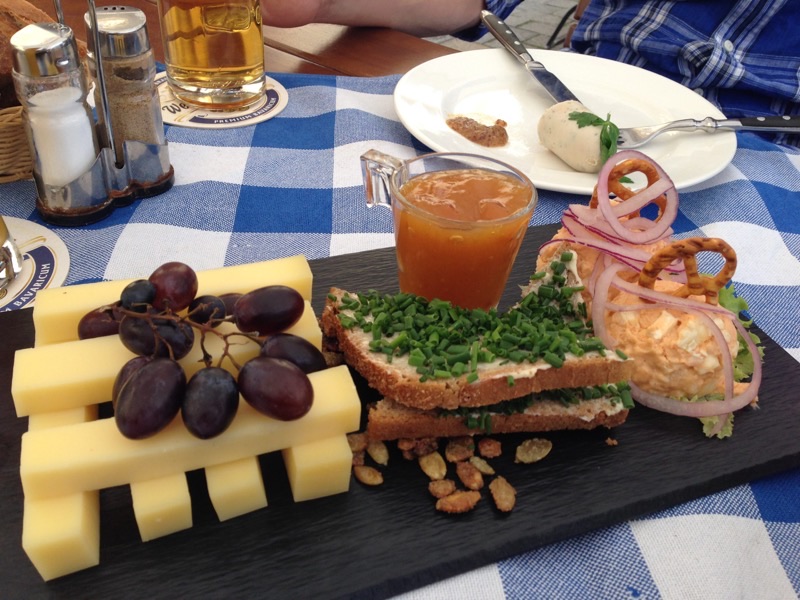
Germany delivers satisfying, often substantial meals. Expect schnitzel, sausages, pretzels, and hearty potato dishes. A typical restaurant meal in Berlin or Munich can cost €15-25 ($16-27). Beer is a central part of German culture, with a half-liter often priced at €4-6 ($4.30-6.50) in a Biergarten. Cities like Berlin have excellent and affordable international food, including Döner Kebab for around €5-8 ($5.40-8.70). While less focused on haute cuisine, German food provides comfort and good value. Tabiji verdict: France edges out Germany for its sheer range and historic impact on global gastronomy, but Germany offers excellent value and specific tastes.
- Winner: France
- Why: France offers a more diverse and globally recognized culinary tradition, from pastries to high-end dining.
- Who this matters for: Food enthusiasts and those who prioritize meal experiences.
🏛️ Culture & History
France presents a deep dive into art, monarchy, and revolution. Paris alone hosts the Louvre, Musee d'Orsay, and the Palace of Versailles. Entry to the Louvre is €17 ($18.50),…
France
Germany
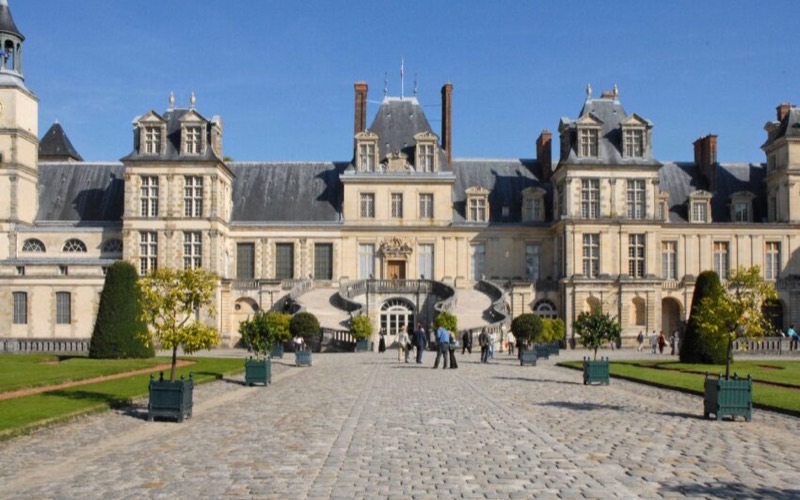
France presents a deep dive into art, monarchy, and revolution. Paris alone hosts the Louvre, Musee d'Orsay, and the Palace of Versailles. Entry to the Louvre is €17 ($18.50), Versailles is €19.50 ($21). Outside Paris, you find Roman amphitheaters in Arles, medieval ramparts in Carcassonne, and the D-Day beaches in Normandy. These sites provide a direct connection to various historical periods, from ancient Gaul to the 20th century. The country has preserved its architectural and artistic heritage with considerable dedication, making it accessible for travelers to explore.
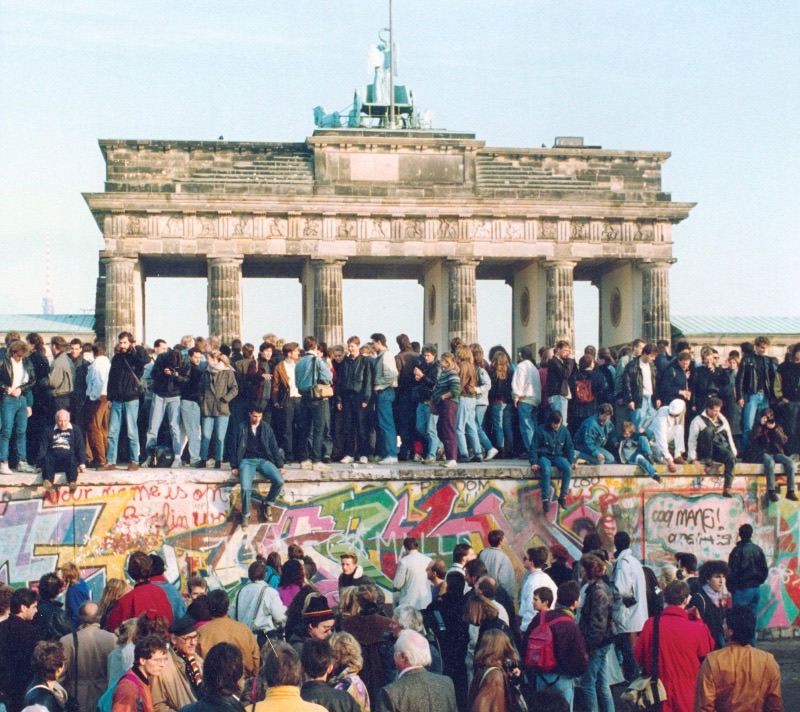
Germany offers a complex historical narrative, from the Holy Roman Empire to reunification. Cologne Cathedral is a testament to Gothic architecture, while Neuschwanstein Castle showcases 19th-century romanticism. Berlin is a major center for 20th-century history, with the Brandenburg Gate, Reichstag Building, and numerous museums detailing the Cold War and Nazi era. The Berlin Wall Memorial is free to visit, while the Pergamon Museum costs €12 ($13). German cities often fuse modern architecture with rebuilt historical centers, providing a different feel from France's more consistently preserved older towns. Tabiji verdict: France wins for its consistent preservation of grand historical sites and pervasive artistic influence.
- Winner: France
- Why: France provides a more concentrated and immediately recognizable collection of historically significant and visually impressive sites.
- Who this matters for: History buffs, art lovers, and those interested in Western European monarchical and revolutionary periods.
💶 Costs & Budget
France can be a pricier destination, particularly in Paris and popular areas of the French Riviera. A budget hotel in central Paris might cost €120-180 ($130-195) per night, while…
France
Germany
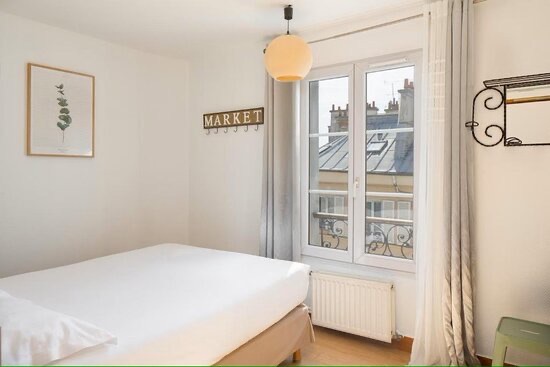
France can be a pricier destination, particularly in Paris and popular areas of the French Riviera. A budget hotel in central Paris might cost €120-180 ($130-195) per night, while a hostel bed is €35-60 ($38-65). Dining out, especially for dinner, adds up quickly. A daily budget of €100-150 ($110-165) for a mid-range traveler is realistic. Public transport in Paris costs €2.15 ($2.30) for a single metro ticket. Outside of Paris, costs decrease, with regional towns offering better value for food and lodging, sometimes as low as €70-100 ($75-110) per day.
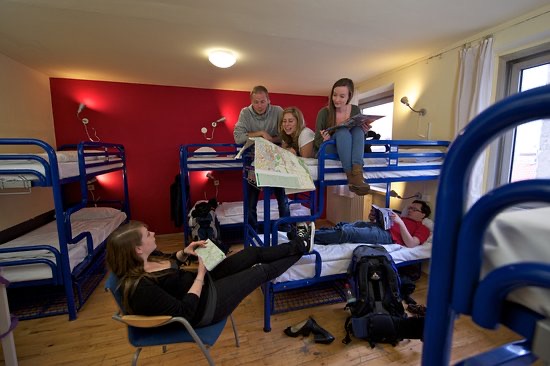
Germany generally offers better value for money. Cities like Berlin and Leipzig are quite affordable, with a hostel bed costing €25-50 ($27-54) and a budget hotel around €80-130 ($87-140). Daily spending for a mid-range traveler might be €70-120 ($75-130). Public transport in Berlin is around €3.20 ($3.50) for a single ticket. Food is typically cheaper, especially local hearty fare and beer. Even in more expensive cities like Munich, you can often find better deals compared to Paris. Germany is a solid choice for travelers looking to extend their trip duration without breaking the bank. Tabiji verdict: Germany offers a consistently better budget experience across its regions compared to France.
- Winner: Germany
- Why: Germany offers lower costs for accommodation, food, drink, and transportation, allowing for a longer trip or more activities on the same budget.
- Who this matters for: Budget-conscious travelers, backpackers, and families.
✈️ Getting There & Around
France has major international airports like Paris-CDG and Nice Côte d'Azur, with direct flights from the US East Coast taking approximately 7 hours. Once in France, the TGV…
France
Germany
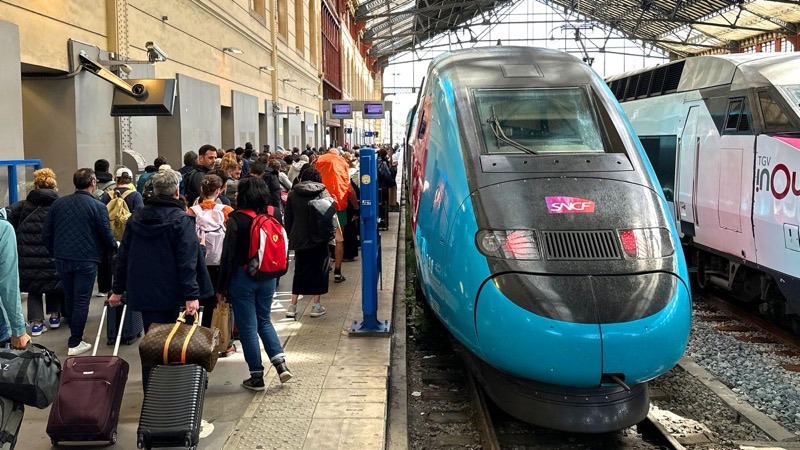
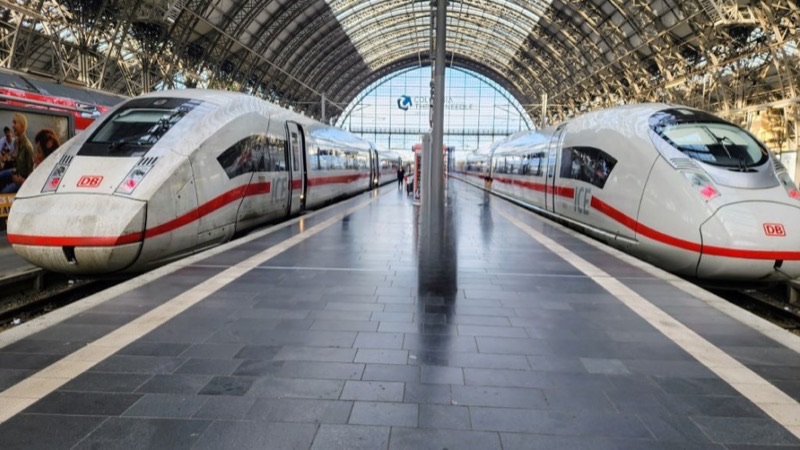
France has major international airports like Paris-CDG and Nice Côte d'Azur, with direct flights from the US East Coast taking approximately 7 hours. Once in France, the TGV high-speed rail network is extensive and efficient, connecting major cities like Paris, Lyon, Marseille, and Bordeaux quickly. For example, Paris to Lyon by TGV takes about 2 hours. Regional trains and buses fill in the gaps. Driving in rural areas is pleasant, but tolls on motorways can add up, and urban driving can be challenging. Paris public transport is easy to navigate with the Metro and RER.
Germany boasts an exceptionally efficient and widespread transportation system. Frankfurt Airport (FRA) is a major European hub, also with direct flights from the US East Coast in about 7 hours. The Deutsche Bahn (DB) rail network, particularly the ICE high-speed trains, covers the country thoroughly and is known for its punctuality. Berlin to Munich by ICE takes around 4-6 hours. Germany is also known for its Autobahn network, with stretches having no speed limits, making car travel fast for some. Urban public transport in German cities is usually top-tier, featuring U-Bahn (subway), S-Bahn (commuter rail), trams, and buses that run reliably. Tabiji verdict: Germany takes the lead due to the consistent reliability and comprehensive nature of its public transport and road network.
- Winner: Germany
- Why: Germany's transportation infrastructure, particularly its rail system and autobahns, is marginally more efficient and consistently reliable.
- Who this matters for: Travelers prioritizing speed, efficiency, and extensive public transit options.
🏨 Accommodation
Accommodation in France, especially Paris, can be expensive and rooms are often smaller than expected. A comfortable 3-star hotel in a central Paris district might cost €150-250…
France
Germany
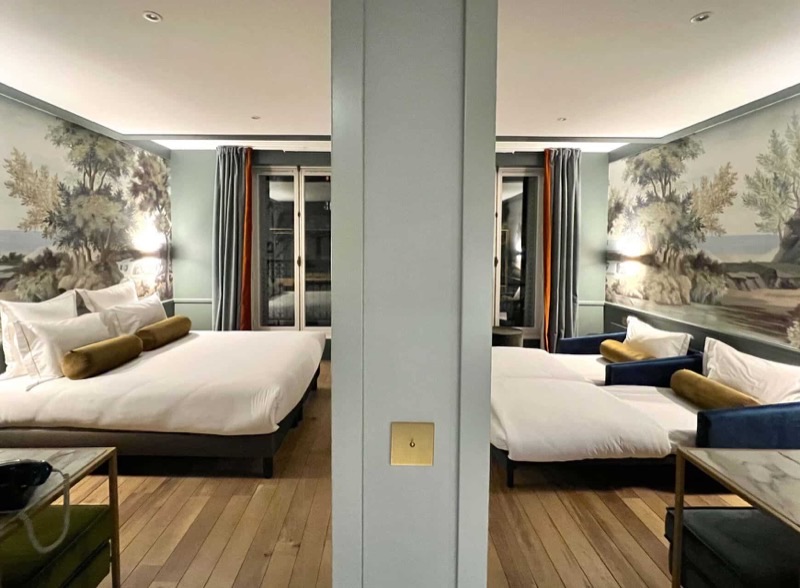
Accommodation in France, especially Paris, can be expensive and rooms are often smaller than expected. A comfortable 3-star hotel in a central Paris district might cost €150-250 ($165-270) per night. Hostels are available, with dormitory beds from €35-60 ($38-65). Outside Paris, prices drop significantly, and you find charming guesthouses (chambres d'hôtes) and boutique hotels in smaller towns for €80-150 ($87-165). The range includes everything from basic roadside motels to luxurious châteaux, catering to various budgets and travel styles. Booking well in advance is always advised for popular destinations.
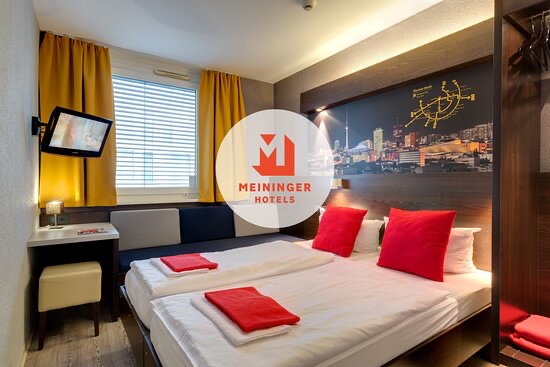
Germany offers a strong selection of accommodation options, generally at better price points for quality. A modern 3-star hotel in Berlin or Munich can cost €90-160 ($98-175) per night. The hostel scene is excellent, with clean, well-run establishments offering beds for €25-50 ($27-54). In rural areas, you will find traditional Gasthäuser (guesthouses) that provide an authentic local experience and good value. German hotels often prioritize functionality and cleanliness, delivering a reliable stay. Airbnb is also a popular option in both countries, offering different experiences. Tabiji verdict: Germany provides a more consistent quality-to-price ratio for accommodation across its cities and regions.
- Winner: Germany
- Why: Germany provides better value and generally larger, more modern accommodation options for similar price points.
- Who this matters for: Travelers seeking good value, reliable comfort, and modern amenities in their lodging.
🍻 Nightlife
French nightlife tends toward the sophisticated and social. Paris has many wine bars, cocktail lounges, and jazz clubs, particularly in areas like Saint-Germain-des-Prés or Le…
French nightlife tends toward the sophisticated and social. Paris has many wine bars, cocktail lounges, and jazz clubs, particularly in areas like Saint-Germain-des-Prés or Le Marais. A cocktail might cost €12-18 ($13-20). Cabaret shows, such as the Moulin Rouge, are iconic but pricey, with tickets starting around €80-100 ($87-110) for a show without dinner. In student cities like Montpellier or Bordeaux, you will find more casual bars and clubs with later hours. French dining culture often means late dinners, making the transition to bars natural. The focus is often on conversation and a relaxed atmosphere.
Germany has a robust and diverse nightlife, with Berlin standing out as a global clubbing capital. Famous techno clubs like Berghain or Tresor operate through the weekend, with entry fees typically €15-25 ($16-27). Munich is known for its traditional beer halls, where a liter of beer costs around €10-12 ($11-13). Cologne has a lively bar scene, and Hamburg offers the Reeperbahn entertainment district. German nightlife caters to a broad range of preferences, from high-energy electronic music venues to cozy pubs and traditional establishments. Tabiji verdict: Germany offers a more diverse and internationally recognized nightlife, particularly for clubbing and beer culture.
- Winner: Germany
- Why: Germany, especially Berlin, has a more famous and accessible club scene, alongside its strong beer culture.
- Who this matters for: Party-goers, club enthusiasts, and those who enjoy a lively, diverse bar scene.
🏞️ Nature & Outdoors
France offers incredible natural diversity. The French Alps provide skiing and hiking opportunities around Chamonix, with cable car rides up Aiguille du Midi costing around €65-70…
France offers incredible natural diversity. The French Alps provide skiing and hiking opportunities around Chamonix, with cable car rides up Aiguille du Midi costing around €65-70 ($70-76). The Mediterranean coast, particularly the Calanques near Marseille, offers stunning limestone cliffs and clear waters for kayaking. The Loire Valley is known for its gentle river landscapes and châteaux, while the rugged Atlantic coast of Brittany and Normandy presents dramatic cliffs and tidal variations. You can find everything from volcanic landscapes in the Massif Central to the sandy beaches of the Landes forest.
Germany also has impressive natural features. The Bavarian Alps are home to Zugspitze, Germanys highest peak, accessible by cable car for around €60 ($65) return. The Black Forest is famous for its dense woodlands, hiking trails, and cuckoo clocks. The Rhine Valley is characterized by vineyards and castles, ideal for river cruises. The Baltic Sea coast offers sandy beaches and islands like Rügen. Germany has numerous national parks protecting its various ecosystems. Both countries provide ample opportunities for hiking, cycling, water sports, and skiing, each with distinct regional appeal. Tabiji verdict: Both countries offer equally compelling and diverse natural landscapes, making this category a true draw.
- Winner: Tie
- Why: Both France and Germany possess an equally diverse range of impressive natural landscapes and outdoor activities.
- Who this matters for: Hikers, nature photographers, outdoor sports enthusiasts, and those seeking scenic drives.
🚗 Day Trips & Excursions
France excels at easily accessible and iconic day trips. From Paris, you can reach the Palace of Versailles by RER train in about 45 minutes for €4.10 ($4.50). Mont Saint-Michel,…
France excels at easily accessible and iconic day trips. From Paris, you can reach the Palace of Versailles by RER train in about 45 minutes for €4.10 ($4.50). Mont Saint-Michel, a tidal island abbey, is a longer trip but achievable by bus or tour from major cities in Normandy or Brittany. The Loire Valley châteaux, such as Chenonceau or Chambord, are popular for self-drive or organized tours. The Champagne region near Reims and Epernay offers vineyard tours and tastings for around €25-50 ($27-54). These destinations are well-established and have excellent tourist infrastructure, making planning straightforward.
Germany also offers a wide array of excellent day trip options. From Munich, Neuschwanstein Castle is a popular choice, though it involves a bus or car journey and a walk up to the castle. Entry is €15 ($16). Heidelberg, with its castle ruins and historic old town, is easily reachable from Frankfurt. The Rhine Valley, between Mainz and Koblenz, offers numerous castles and charming towns, best explored by boat cruise. Saxon Switzerland National Park, near Dresden, provides unique rock formations for hiking. While Germany has compelling sites, France often has slightly more concentrated and logistically simpler iconic day trip destinations from its major hubs. Tabiji verdict: France offers a higher concentration of iconic, globally recognized day trip destinations that are often easier to reach.
- Winner: France
- Why: France offers a slightly higher number of world-renowned and easily accessible day trip destinations from its major cities.
- Who this matters for: Travelers basing themselves in one major city and seeking diverse excursions.
🚶♀️ Safety & Solo Travel
France is generally safe for travelers, including solo adventurers. However, common urban precautions are advised, especially in major tourist areas of Paris and Marseille where…
France is generally safe for travelers, including solo adventurers. However, common urban precautions are advised, especially in major tourist areas of Paris and Marseille where pickpocketing and petty theft are prevalent. Be aware of your surroundings on public transport and in crowded places like the Louvre or the Eiffel Tower. Solo female travelers often report feeling safe, but exercising caution at night is always sensible. Emergency services are responsive, and locals are generally helpful if approached respectfully. Knowing basic French phrases can also enhance safety and overall experience.
Germany is known for its high level of safety and efficiency, making it an excellent choice for solo travelers. Crime rates are low, and public spaces generally feel secure, even at night. The public transport systems are reliable and easy to navigate alone. Solo female travelers consistently report feeling comfortable and unbothered. Germans are often direct and helpful, and English is widely spoken in tourist areas and among younger generations, simplifying communication. This makes navigating, dining, and exploring alone very straightforward. Tabiji verdict: Germany provides a slightly higher sense of security and ease of navigation for solo travelers due to lower petty crime rates and efficient systems.
- Winner: Germany
- Why: Germany offers a marginally safer environment with lower rates of petty crime and highly efficient systems for solo navigation.
- Who this matters for: Solo travelers, first-time international travelers, and those prioritizing security and ease.
☀️ Weather & Seasons
France experiences a range of climates. The south, particularly the Côte d'Azur, enjoys a Mediterranean climate with hot, dry summers and mild, wet winters. Nice sees average…
France experiences a range of climates. The south, particularly the Côte d'Azur, enjoys a Mediterranean climate with hot, dry summers and mild, wet winters. Nice sees average summer temperatures of 27°C (81°F). Paris and central France have a more temperate climate with warm summers around 25°C (77°F) and cool, sometimes wet winters around 5°C (41°F). Spring (April-May) and autumn (September-October) offer pleasant temperatures and fewer crowds, making them ideal for sightseeing. The French Alps have alpine weather, with heavy snowfall in winter for skiing. The diverse microclimates mean you can find suitable weather for almost any activity at various times of the year.
Germany has a predominantly continental climate, characterized by distinct seasons. Summers (June-August) are warm, with average temperatures in Berlin reaching 24°C (75°F), suitable for outdoor activities and beer gardens. Winters (December-February) are cold, with average temperatures around 0°C (32°F) and snowfall, particularly in the south and east, creating a classic European Christmas market atmosphere. Spring and autumn are pleasant but can be unpredictable with rain. The weather is generally cooler and more temperate than much of France, with less intense heat in summer and more consistent cold in winter. Tabiji verdict: France offers a more generally favorable climate for a wider range of activities throughout the year, especially with its appealing Mediterranean south.
- Winner: France
- Why: France offers a broader range of desirable climates, including the consistently pleasant Mediterranean south, ideal for year-round travel.
- Who this matters for: Travelers sensitive to extreme temperatures, beach-goers, and those seeking varied seasonal experiences.
🎯 The Decision Framework
Choose France If…
- You want to spend days wandering through art museums and grand palaces.
- You prioritize long, leisurely meals with good wine and sophisticated desserts.
- You are captivated by Roman ruins, medieval towns, and revolutionary history.
- You want to experience a classic, romantic European ambiance.
- Your itinerary includes the French Riviera or the charming villages of Provence.
- You value high-speed rail connections to iconic, globally recognized landmarks.
- You prefer a climate that ranges from temperate to warm Mediterranean.
- You enjoy the art of people-watching from a sidewalk café with a croissant.
Choose Germany If…
- You seek an efficient, reliable, and generally more budget-friendly travel experience.
- Your interests include modern history, particularly Cold War and World War II sites.
- You want to explore traditional beer halls and experience a robust pub culture.
- You are drawn to medieval castles like Neuschwanstein or the historic Rhine Valley.
- You plan to utilize a top-tier, punctual public transportation network.
- You appreciate hearty, substantial meals and good value for money.
- You are a solo traveler prioritizing a very high sense of safety and ease of navigation.
- You enjoy a more direct, less outwardly effusive local interaction style.
📅 Sample Itineraries
Weekend in France (3 Days)
💡 Purchase a Paris Visite travel pass for 1-3 days (starting around $13.50 for Zone 1-3) to save on metro and bus fares, and consider packing a picnic for lunch to save $15-20 per meal.
Weekend in Germany (3 Days)
💡 Utilize Berlin's excellent public transport with a 24-hour ticket (around $9.50) or a WelcomeCard for longer stays, which also offers discounts on attractions. Look for Imbiss stands for inexpensive and filling meals.
One Week in France (7 Days)
💡 Purchase a TGV InOui 'Carte Avantage' (around $49) if you plan multiple train journeys in France; it offers discounts of 30% or more, potentially saving over $100 on a week-long multi-city trip.
One Week in Germany (7 Days)
💡 Consider a German Rail Pass if you plan extensive train travel, as it can be more cost-effective than individual tickets, potentially saving $50-100 on a multi-city itinerary. Look for 'Mittagsmenü' (lunch specials) for budget-friendly meals, often around $10-15.
❓ Frequently Asked Questions
What is the typical flight time from the US to France or Germany?
Direct flights from the US East Coast to major hubs like Paris (CDG) or Frankfurt (FRA) generally take around 7 hours. From the US West Coast, these flights extend to about 10-11 hours, often with one stop.
Which country is more expensive for a week-long trip?
France, especially Paris, is typically more expensive. A mid-range trip to France might average €100-150 ($110-165) per day. Germany often comes in cheaper, with a similar trip averaging €70-120 ($75-130) per day, offering better value for accommodation and food.
Is it easy to travel between France and Germany by train?
Yes, it is very easy. High-speed TGV and ICE trains connect major cities like Paris to Frankfurt or Munich, with travel times ranging from 4 to 6 hours. Advance booking often secures better fares, sometimes as low as €40-60 ($44-65) for a one-way ticket.
Which country has better hiking opportunities?
Both countries offer excellent hiking. France has the Alps and Pyrenees, plus coastal paths in Brittany. Germany offers the Black Forest, Bavarian Alps, and Saxon Switzerland. It depends on your preferred terrain; both have extensive, well-marked trails.
Do I need to speak French or German to get around?
In major tourist areas and cities, English is widely spoken, especially by younger generations and in hospitality. Learning a few basic phrases in French or German (like 'hello', 'please', 'thank you') is always appreciated by locals and can enhance your interactions.
Which destination is better for families with young children?
Both are family-friendly, but Germany might have a slight edge due to its efficient infrastructure, generally safer feeling, and often larger, more practical accommodation. Many German cities have excellent parks and child-friendly museums, and public transport is easy with strollers.
What is the best time of year to visit both countries?
Late spring (May-June) and early autumn (September-October) are ideal. Temperatures are pleasant, crowds are manageable, and prices are often lower than peak summer. Summer (July-August) can be hot and crowded, especially in popular tourist areas.
Can I visit both countries in a single trip of 7-10 days?
While ambitious, it is possible to get a taste of both. Focus on a maximum of two cities, for example, Paris for 3-4 days, then a high-speed train to a German city like Frankfurt or Cologne for another 3-4 days. This allows for core experiences without feeling rushed.
Ready to plan your Europe trip?
Get a free custom itinerary for France, Germany, or both — built from real traveler insights.
👥 Travelers Also Compared
🎟️ Book Tours & Experiences
Hand-picked tours and activities for both destinations — book with free cancellation
Experiences via Viator — free cancellation on most tours