How we built this comparison
This page combines traveler discussion patterns, published price ranges, flight schedules, and seasonal data to help you decide between France and Iceland.
- Reviewed 100+ Reddit threads from r/travel, r/solotravel, r/France, r/Iceland, and r/VisitingIceland.
- Verified costs and logistics against current booking platforms (e.g., Booking.com, Google Flights, SNCF, Hertz).
- Cross-referenced seasonal patterns and weather data from meteorological sources for accuracy.
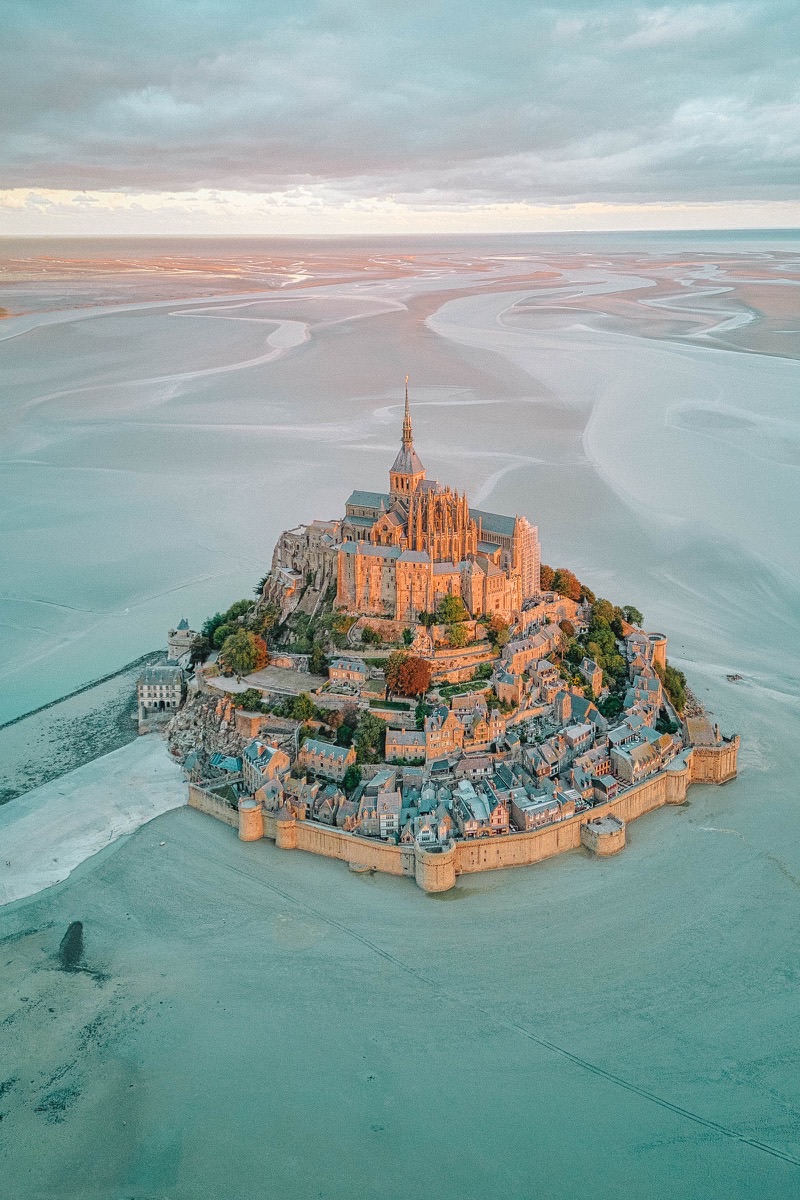
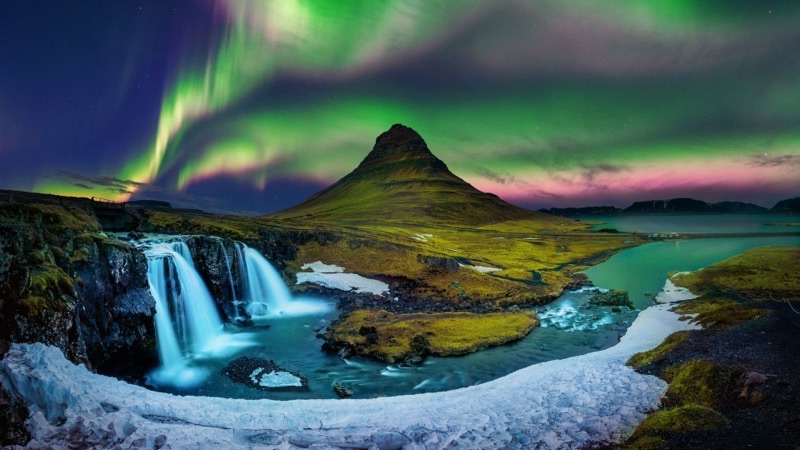
⚡ Quick Answers
⚡ The TL;DR Verdict
For most travelers seeking varied experiences without breaking the bank, France is the stronger choice, offering a vast array of activities for a daily budget of €70-150 ($75-165). Iceland appeals to a specific type of adventurer prepared for higher costs, typically needing $150-300+ per day. France generally provides more value and choice.
- Choose France: You want diverse cultural immersion, historical sites, varied cuisine, and a robust public transport network for €70-150 ($75-165) per day.
- Choose Iceland: You prioritize raw geological formations, outdoor activities, remote landscapes, and are comfortable with a higher daily spend of $150-300+.
- Choose Both: Consider both if you have a longer trip (2+ weeks), enjoy contrasting experiences, and can budget accordingly. Start with France for culture, then a shorter, focused trip to Iceland for nature.
Choose France
Choose France if you dream of savoring exquisite cuisine, exploring world-class museums like the Louvre in Paris, or wandering through sun-drenched vineyards in Bordeaux. It's best for travelers seeking a rich cultural tapestry and diverse experiences on a moderate budget, offering unparalleled value for historical sites and vibrant city life.
Choose Iceland
Choose Iceland for an otherworldly escape into dramatic landscapes and raw natural power. It's best for intrepid adventurers and photographers eager to hike across glaciers, chase magnificent waterfalls like Seljalandsfoss, or relax in unique geothermal lagoons, provided they are prepared for a premium travel experience and higher daily costs.
📊 Visual Scorecard
🌤 When to Visit
Average high temperatures (°C). Green = best months, orange = avoid.
Quick Comparison
| Category | France | Iceland | Winner |
|---|---|---|---|
| Costs & Budget | Significantly more affordable, especially outside Paris. Wide range of budget options for food, transport, and lodging. | One of Europes most expensive destinations. High prices for food, alcohol, accommodation, and activities. Requires careful planning. | France |
| Nature & Scenery | Varied landscapes from Mediterranean beaches to Alpine peaks and rolling vineyards. Picturesque but less dramatic in its extreme forms. | Volcanic geology, glaciers, geysers, hot springs, and powerful waterfalls. A raw, elemental, and otherworldly landscape. | Iceland |
| Food & Drink | Globally renowned cuisine with regional specialties, fresh markets, bakeries, and fine dining. Wine culture is central. | Focus on fresh, local ingredients like lamb, fish, and dairy. Fewer culinary traditions, but a growing modern food scene. Expensive. | France |
| Culture & History | Thousands of years of history, from Roman ruins to Renaissance castles and modern art. Extensive museums, galleries, and architectural landmarks. | Younger history rooted in Viking settlement and saga literature. Strong connection to natural forces and a contemporary art scene in Reykjavik. | France |
| Getting There | Major international hubs like Paris CDG. Many direct flights from North America, Asia, and other European cities. Longer flight times. | Keflavik (KEF) is the main hub. Direct flights from major US and European cities. Often shorter flights from the East Coast US. | Iceland |
| Getting Around | Extensive, efficient train network (TGV), good public transport in cities. Driving is an option for rural exploration. | Rental car is essential for independent exploration outside Reykjavik. Limited public transport between regions. | France |
| Accommodation | Wide range from budget hostels to luxury hotels, charming guesthouses, and rural gîtes. Good value outside major cities. | Fewer options, generally higher prices. Hostels and guesthouses are common. Campervans are a popular, cost-effective choice. | France |
| Nightlife | Paris offers extensive options from late-night cafes to clubs and speakeasies. Smaller towns have local bars and restaurants. | Reykjavik has a concentrated bar scene that comes alive on weekends. Fewer options outside the capital. Drinks are expensive. | France |
| Weather & Seasons | Temperate climate with distinct seasons. Warm summers, mild winters in the south. Pleasant springs and autumns. | Subpolar oceanic climate. Cold, windy, and unpredictable year-round. Short, cool summers. Long, dark winters with potential for Northern Lights. | France |
| Solo Travel | Easy to navigate, safe, with hostels and social opportunities. Language can be a barrier outside major cities. | Extremely safe, easy to navigate. Group tours are common. Campervan travel is popular for solo adventurers. | Tie |
💰 Costs & Budget
France offers a much more approachable budget for travelers. A mid-range budget in Paris might be €100-180 ($110-195) per day covering a modest hotel, metro, museum entry, and…
France
Iceland
France offers a much more approachable budget for travelers. A mid-range budget in Paris might be €100-180 ($110-195) per day covering a modest hotel, metro, museum entry, and decent restaurant meals. Outside of Paris, in regions like the Loire Valley or Provence, this can drop to €70-120 ($75-130) per day for similar comfort levels, enabling longer stays or more activities. For instance, a baguette sandwich is €3-5 ($3-5.50), a simple bistro meal €15-25 ($16-27), and wine is widely accessible and affordable. Public transport in cities like Paris is efficient and costs around €2.15 ($2.30) for a single metro ticket, with multi-day passes offering better value.
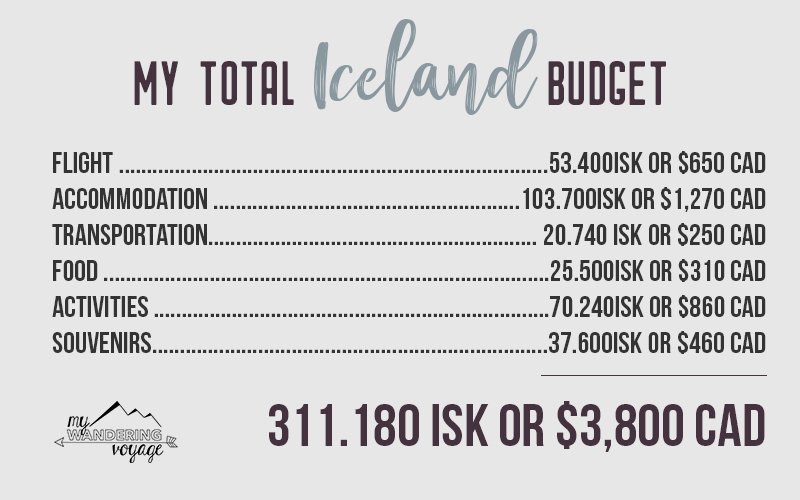
Iceland presents a stark contrast with its higher cost of living. A mid-range budget often starts at $200-350 per day, even with attempts to save. A simple hot dog from Bæjarins Beztu Pylsur costs about 690 ISK ($5), while a sit-down meal at a Reykjavik restaurant like Messinn can easily be 3500-6000 ISK ($25-45) per person. Alcohol is particularly expensive, with a beer costing 1200-1500 ISK ($9-11). Accommodation, even in guesthouses or hostels outside Reykjavik, generally starts higher than comparable options in France. Renting a car, often necessary for exploration, adds significant cost with daily rates from $50-100+ plus fuel at 300 ISK/liter ($8.20/gallon). Tabiji verdict: France clearly wins for budget-conscious travelers seeking a broad experience without constant financial strain.
- Winner: France
- Why: France provides a far greater range of affordable options for accommodation, food, and transport, making it accessible to more budgets.
- Who this matters for: Budget-conscious travelers, those planning longer trips, families, and solo backpackers.
🏞️ Nature & Scenery
Frances natural environments are diverse and pleasant, offering different experiences across its regions. The French Alps provide high mountain terrain for skiing and hiking,…
France
Iceland
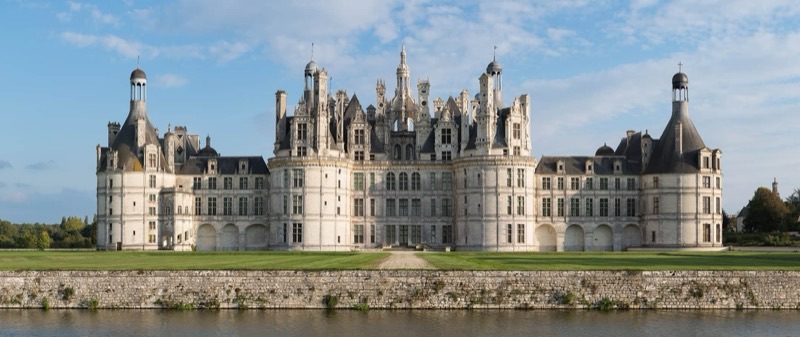
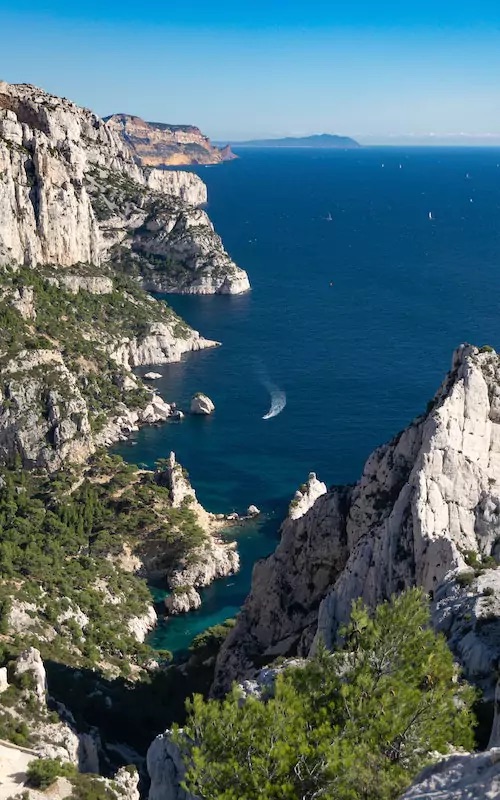
Frances natural environments are diverse and pleasant, offering different experiences across its regions. The French Alps provide high mountain terrain for skiing and hiking, while the Côte dAzur features Mediterranean beaches and coastal paths. The Loire Valley is known for its gentle rivers and extensive forests, often dotted with chateaux. Brittany and Normandy offer rugged coastlines and temperate forests. While beautiful, France’s natural elements are generally more integrated with human development and agriculture. For example, the Calanques near Marseille offer striking limestone fjords, but they are relatively small scale compared to other global features.
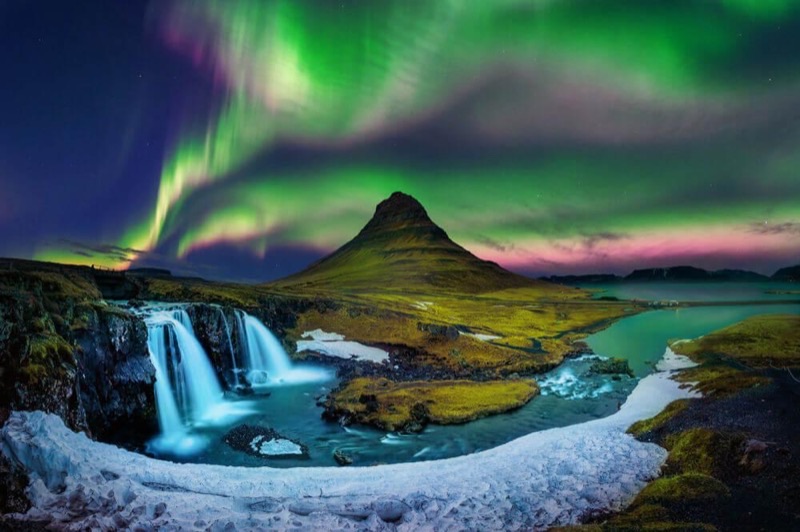
Iceland stands out for its intensely powerful and unique geological features. The Golden Circle route alone showcases Gullfoss waterfall, Geysir geothermal area with its erupting Strokkur, and Thingvellir National Park with its tectonic rift valley. Beyond this, travelers encounter vast black sand beaches like Reynisfjara, the Jökulsárlón glacier lagoon with its icebergs, and the Mývatn area with its pseudo-craters and geothermal fields. The scale of the glaciers, such as Vatnajökull, and the recent volcanic activity near Fagradalsfjall (when active) offer direct encounters with planetary forces. The landscape feels less tamed and more immediate, often requiring protective gear against wind and rain. Tabiji verdict: For sheer, raw natural power and geological wonder, Iceland is unparalleled.
- Winner: Iceland
- Why: Iceland offers a landscape of extreme geological forces, including glaciers, geysers, and volcanoes, providing a more immediate and dramatic natural experience.
- Who this matters for: Adventure seekers, photographers, geology enthusiasts, and those prioritizing raw, untamed environments.
🍷 Food & Drink
French cuisine is a cornerstone of its cultural identity, offering immense variety and quality at all price points. From boulangeries selling fresh croissants and pain au chocolat…
France

Iceland
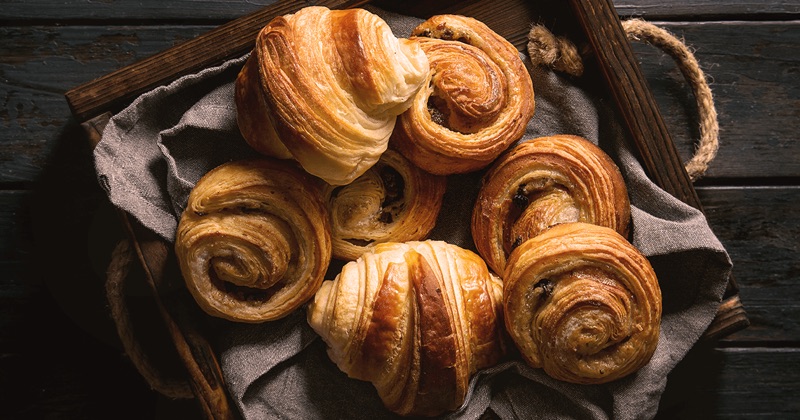
French cuisine is a cornerstone of its cultural identity, offering immense variety and quality at all price points. From boulangeries selling fresh croissants and pain au chocolat for €1.50-3 ($1.60-3.30) to local markets overflowing with cheeses, charcuterie, and seasonal produce, food is an experience. Bistros across Paris, Lyon, or Bordeaux serve classic dishes like coq au vin or steak frites for €18-30 ($20-33). Wine is an integral part of daily life, with excellent bottles available for €5-15 ($5.50-16.50) in supermarkets. Exploring different regions means discovering unique specialties, from Alsatian tarte flambée to Breton crêpes.
Icelandic food culture, while evolving, is less diverse and more focused on its specific resources. Staples include fresh fish (like cod and arctic char), lamb, and Skyr (a thick yogurt-like dairy product). Traditional dishes like Kjötsúpa (lamb soup) are hearty and flavorful. Dining out is generally expensive; a typical main course in Reykjavik might cost 3500-7000 ISK ($25-50). Budget travelers often rely on cooking their own meals from supermarket purchases (e.g., Bonus or Kronan) to manage costs. Alcohol is heavily taxed and sold only in state-run Vínbúðin stores, making a single beer at a bar cost around 1200 ISK ($9). While there are modern restaurants pushing culinary boundaries, the everyday food experience does not match the depth or accessibility of Frances. Tabiji verdict: France offers a vastly superior and more accessible food and drink experience for nearly any budget.
- Winner: France
- Why: France's established culinary traditions, diverse regional specialties, and accessible high-quality food and wine provide a richer and more affordable gastronomic experience.
- Who this matters for: Foodies, budget travelers, families, and anyone who sees eating as a central part of their travel experience.
🏛️ Culture & History
France is a historical powerhouse, with layers of human development spanning millennia. Paris alone contains the Louvre Museum (entry around €17-22 / $18.50-24), Notre Dame…

France
Iceland
France is a historical powerhouse, with layers of human development spanning millennia. Paris alone contains the Louvre Museum (entry around €17-22 / $18.50-24), Notre Dame Cathedral, and the Eiffel Tower, representing different epochs. Beyond the capital, visitors can explore Roman amphitheatres in Nîmes, medieval city walls in Carcassonne, the D-Day landing beaches in Normandy, and hundreds of chateaux in the Loire Valley. The countrys artistic legacy includes Impressionism, Rococo, and Gothic architecture. Every region has its own distinct traditions, dialects, and folklore, providing a deep and varied cultural immersion.
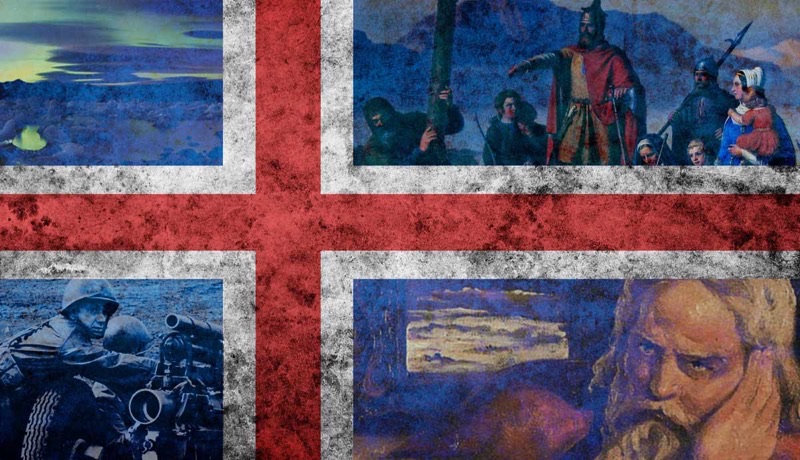
Icelands history, while compelling, is much shorter and intimately tied to its Norse origins and the land itself. The Saga Museum in Reykjavik offers insights into Viking settlement, while Thingvellir National Park is historically significant as the site of the ancient Althing parliament. Contemporary Icelandic culture is characterized by its literature, music, and art, often reflecting the landscapes and isolation. Hallgrímskirkja church in Reykjavik, with its unique design, is a modern architectural landmark. While there are museums such as the National Museum of Iceland (entry 2500 ISK / $18) detailing its past, the sheer volume and variety of historical sites and cultural institutions in Iceland cannot compare to Frances. Tabiji verdict: France offers an unparalleled depth and breadth of historical and cultural attractions.
- Winner: France
- Why: France boasts an expansive and deeply layered history with countless historical sites, world-class museums, and diverse regional cultures.
- Who this matters for: History buffs, art enthusiasts, architecture admirers, and those seeking extensive cultural immersion.
✈️ Getting There
Traveling to France is straightforward with numerous direct flight options into major airports like Paris Charles de Gaulle (CDG), Orly (ORY), Nice Côte dAzur (NCE), and Lyon…
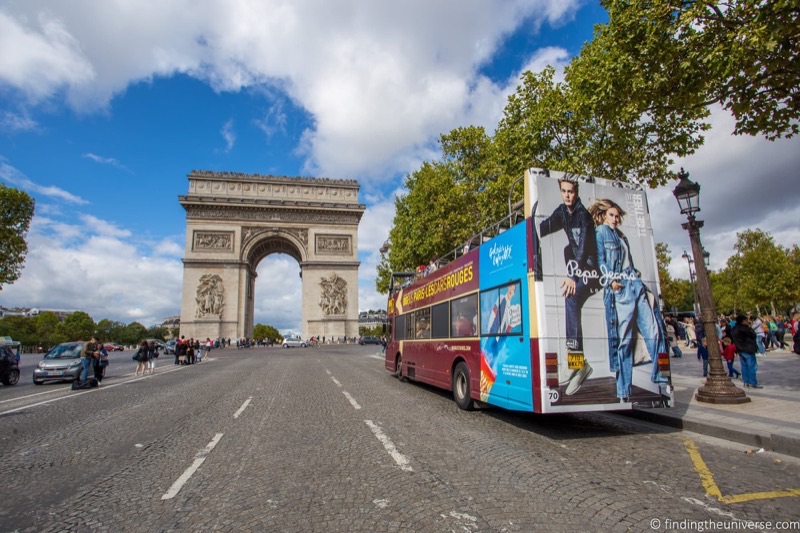
France
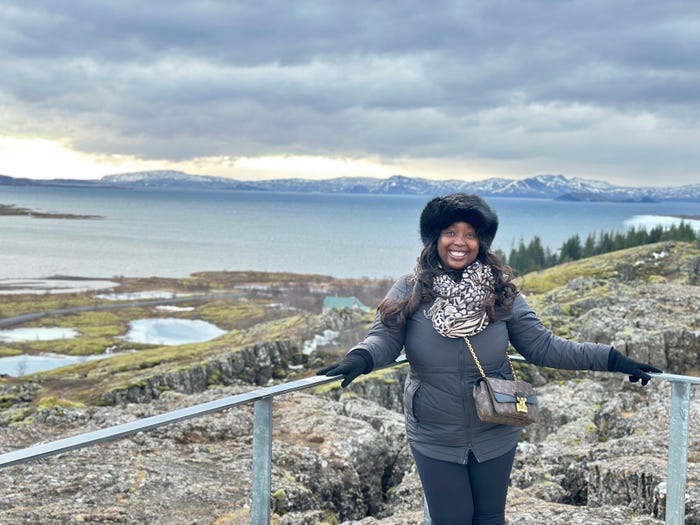
Iceland
Traveling to France is straightforward with numerous direct flight options into major airports like Paris Charles de Gaulle (CDG), Orly (ORY), Nice Côte dAzur (NCE), and Lyon Saint-Exupéry (LYS). From the US East Coast, direct flights to Paris typically range from 7 to 8 hours. From the US West Coast, flights are 10-11 hours, often with one stop. Prices fluctuate seasonally but can be found for $500-800 round trip from major US cities during shoulder seasons. Booking well in advance is advisable, especially for summer travel.
Iceland has a strategic geographical position that makes it a popular stopover point and a destination with relatively short flight times from the US East Coast, usually around 5 to 6 hours into Keflavik International Airport (KEF). From the US West Coast, flights are typically 7-8 hours. Several airlines offer direct routes from cities like New York, Boston, Washington D.C., and Seattle. Round-trip flights can often be found for $400-700, particularly outside peak summer. The shorter flight duration makes it an appealing option for a quick getaway from North America. Tabiji verdict: Icelands closer proximity to North America offers a quicker and often more convenient flight experience.
- Winner: Iceland
- Why: Iceland offers significantly shorter flight times from the US East Coast, making it a faster and often more accessible international trip for many North American travelers.
- Who this matters for: Travelers from the US East Coast, those looking for a shorter flight duration, or planning a quick trip.
🚗 Getting Around
France boasts one of the best public transportation systems in Europe. The TGV high-speed rail connects major cities efficiently; for example, Paris to Lyon takes just two hours.…
France boasts one of the best public transportation systems in Europe. The TGV high-speed rail connects major cities efficiently; for example, Paris to Lyon takes just two hours. Regional trains and buses fill the gaps, making it easy to travel without a car. Parisian metro is extensive and user-friendly, with a 10-ticket 'carnet' costing €17.35 ($18.80). Driving is pleasant in rural areas, with well-maintained roads, though tolls can add up. Fuel costs are around €1.90/liter ($7.80/gallon). This variety means travelers can choose based on budget and preference, from intercity trains to local tramways.
In Iceland, a rental car is almost a necessity for independent exploration beyond Reykjavik. The Ring Road (Route 1) circles the island, allowing access to most major attractions. Rental prices for a compact car can range from $50-100+ per day, excluding insurance (which is highly recommended due to gravel roads and weather) and fuel. Fuel costs are high, around 300 ISK/liter ($8.20/gallon). Public transport is primarily limited to bus services within Reykjavik and a few intercity routes, which are infrequent and do not cover many remote attractions. Campervans are a popular alternative, combining accommodation and transport. Tabiji verdict: Frances comprehensive and diverse transport options offer more flexibility and convenience for travelers.
- Winner: France
- Why: France's extensive and efficient train and public transport networks provide versatile and budget-friendly ways to travel across the country, reducing the need for a rental car.
- Who this matters for: Travelers who prefer not to drive, budget travelers, solo travelers, and those prioritizing convenience and speed for intercity travel.
🛌 Accommodation
France provides a vast array of accommodation choices suited for every budget and style. In Paris, a hostel bed can be found for €30-60 ($33-65), a mid-range hotel room for…
France provides a vast array of accommodation choices suited for every budget and style. In Paris, a hostel bed can be found for €30-60 ($33-65), a mid-range hotel room for €90-180 ($98-195), and boutique hotels for upwards of €200 ($218). Outside the capital, particularly in smaller towns and rural areas, charming guesthouses (chambres dhôtes) or self-catering cottages (gîtes) offer excellent value, with rooms sometimes available for €60-100 ($65-110). Booking platforms like Booking.com and Airbnb offer thousands of listings, ensuring competition and choice.
Icelandic accommodation is generally more expensive and often requires booking well in advance, especially during peak summer. A hostel bed in Reykjavik might cost $40-70, while a basic guesthouse room typically starts at $150-250 per night. Prices can surge even higher for hotels, easily reaching $300-500+ per night for mid-range options. Outside Reykjavik, options become more limited to guesthouses, farm stays, and small hotels. Campervans are a popular and often more economical solution, combining transport and lodging, with campsites costing around 2000-3000 ISK ($15-22) per person per night. The supply of accommodation, particularly outside the capital, has not always kept pace with demand, contributing to higher prices. Tabiji verdict: France offers a broader, more affordable, and more varied selection of lodging options.
- Winner: France
- Why: France offers a much wider and more affordable selection of accommodation types across all regions, providing better value for money.
- Who this matters for: Budget travelers, families, those seeking diverse lodging experiences, and anyone sensitive to accommodation costs.
🌃 Nightlife
France, particularly Paris, has a developed nightlife scene ranging from historic cabarets like the Moulin Rouge, to sophisticated cocktail bars in Le Marais, and late-night clubs…
France, particularly Paris, has a developed nightlife scene ranging from historic cabarets like the Moulin Rouge, to sophisticated cocktail bars in Le Marais, and late-night clubs in Bastille. Many Parisian cafes stay open until late, providing a relaxed setting for drinks and conversation. A beer in a standard bar might cost €6-9 ($6.50-10), while cocktails are €12-18 ($13-20). Outside Paris, major cities like Lyon, Marseille, and Bordeaux have their own collection of bars and student-friendly clubs. Smaller towns offer charming local pubs (brasseries) or wine bars, focusing more on conversation and regional drinks.
Reykjavik holds a concentrated and energetic nightlife, especially on weekends when locals and tourists fill the downtown bars along Laugavegur street. The 'Rúntur' or pub crawl is a tradition, often starting late (after 11 PM). Popular spots include Kaffibarinn and Dillon Whiskey Bar. However, the cost of alcohol is a major deterrent; a single beer can easily be 1200-1500 ISK ($9-11) and cocktails even more. Outside Reykjavik, nightlife is minimal, limited to a few local pubs in larger towns. The intensity of Reykjaviks weekend scene is notable, but its limited scope and high prices make it less accessible or diverse than Frances offerings. Tabiji verdict: France provides a more varied, widespread, and generally more affordable nightlife experience.
- Winner: France
- Why: France, especially Paris, offers a much wider range of nightlife options, from casual late-night cafes to diverse clubs, at more accessible price points.
- Who this matters for: Party-goers, social travelers, budget-conscious individuals, and those seeking varied evening entertainment.
☀️ Weather & Seasons
France experiences a generally temperate climate, offering distinct and often pleasant seasons. Summer (June-August) brings warm, sunny weather, especially in the south, with…
France experiences a generally temperate climate, offering distinct and often pleasant seasons. Summer (June-August) brings warm, sunny weather, especially in the south, with temperatures in Paris averaging 20-25°C (68-77°F). Winters (December-February) are mild in the south (e.g., Nice at 10-15°C / 50-59°F) and colder in the north with occasional snow (Paris around 0-5°C / 32-41°F). Spring (April-May) and autumn (September-October) are particularly agreeable, with comfortable temperatures and fewer crowds, making them ideal for sightseeing. The varied geography means different microclimates, from the Mediterranean sun to the Alpine snow.
Icelands weather is notoriously unpredictable, often described as having 'all four seasons in one day,' regardless of the time of year. Summer (June-August) is the mildest period, with average temperatures around 10-15°C (50-59°F), but wind and rain are common. Days are incredibly long, with near 24-hour daylight. Winter (November-March) is cold and dark, with temperatures often around 0°C (32°F) or below, strong winds, and limited daylight hours (only 4-5 hours in December). This is the prime season for Northern Lights viewing, but weather can impede visibility and travel. The shoulder seasons (April-May, September-October) offer a balance of moderate daylight and cooler temperatures, but still require packing layers for all conditions. Tabiji verdict: France offers a far more comfortable and predictable climate for general tourism.
- Winner: France
- Why: France provides a more comfortable and predictable climate with distinct, generally pleasant seasons, making travel easier and more enjoyable for most activities.
- Who this matters for: Travelers sensitive to cold, those seeking warm weather, or individuals who prefer predictable conditions for outdoor activities.
🚶♀️ Solo Travel
France is an excellent destination for solo travelers. Its extensive public transport network (trains, metros, buses) makes navigating between cities and within urban areas simple…
France is an excellent destination for solo travelers. Its extensive public transport network (trains, metros, buses) makes navigating between cities and within urban areas simple and secure. Hostels are plentiful in major cities like Paris, Lyon, and Nice, providing easy opportunities to meet other travelers. French people are generally polite and helpful, though speaking some basic French phrases can greatly enhance interactions, especially outside tourist hubs. Safety is high in most areas, with standard precautions for pickpocketing in crowded tourist zones. Dining alone in bistros is common and acceptable.
Iceland is consistently ranked among the safest countries in the world, making it ideal for solo travel, particularly for women. The main challenge is the cost, but solutions like shared rental cars (via online forums), group tours, and staying in hostels can help manage expenses. Exploring the Ring Road solo by rental car or campervan is a popular option, offering immense freedom. Group tours, such as those for the Golden Circle or South Coast, are well-organized and a good way to see sights and meet fellow travelers without needing to drive. Language is rarely a barrier as most Icelanders speak fluent English. Both destinations offer high levels of safety and distinct advantages for solo adventurers. Tabiji verdict: Both countries excel for solo travel, offering different but equally rewarding experiences.
- Winner: Tie
- Why: Both France and Iceland offer high levels of safety and well-developed infrastructure that caters well to solo travelers, despite their different focuses.
- Who this matters for: Any solo traveler prioritizing safety and ease of navigation, whether seeking cultural immersion or raw adventure.
🎯 The Decision Framework
Choose France If…
- You want to explore diverse history from Roman ruins to medieval castles.
- You seek an extensive and varied culinary experience with good value wine.
- You prefer to travel efficiently by train between cities.
- You enjoy art museums, grand cathedrals, and classic architecture.
- You appreciate bustling city life alongside serene rural landscapes.
- You are looking for affordable travel, especially outside the capital.
- You want pleasant weather for outdoor activities like cycling or walking.
- You plan a longer trip and need varied activities to fill your time.
Choose Iceland If…
- You are drawn to dramatic, raw natural landscapes: volcanoes, glaciers, geysers.
- You want to see the Northern Lights (in winter) or experience midnight sun (in summer).
- You enjoy outdoor adventures like hiking, glacier walks, or hot spring dips.
- You are comfortable driving a rental car for most of your exploration.
- You prioritize safety above almost all other factors.
- You are ready for higher costs, particularly for food and alcohol.
- You prefer a shorter flight from the US East Coast.
- You want a focused trip centered on unique geological phenomena.
📅 Sample Itineraries
Weekend in France (3 Days)
💡 Purchase a Paris Passlib' for 2 or 3 days to save on public transport and major museum entries, potentially saving $15-20 on admission for two museums.
Weekend in Iceland (3 Days)
💡 Pack layers for Iceland's unpredictable weather, even in summer. A waterproof and windproof outer shell is essential to stay comfortable during outdoor activities.
One Week in France (7 Days)
💡 For regional travel, booking TGV train tickets in advance can offer significant savings, sometimes up to 50% compared to last-minute fares.
One Week in Iceland (7 Days)
💡 When renting a car in Iceland, opt for gravel insurance as many roads, even popular ones, are unpaved. This can save hundreds in potential damage costs.
❓ Frequently Asked Questions
Which country is cheaper, France or Iceland?
France is significantly cheaper than Iceland. A comfortable mid-range daily budget for France is €70-150 ($75-165), while Iceland often requires $150-300+ per day, even with budget-conscious choices. Everything from food to accommodation and transport generally costs more in Iceland.
What are the typical flight times from the US to France vs Iceland?
From the US East Coast, direct flights to France (e.g., Paris CDG) average 7-8 hours. Direct flights to Iceland (Keflavik KEF) from the East Coast are shorter, typically 5-6 hours. From the US West Coast, France is 10-11 hours and Iceland is 7-8 hours.
Is it easy to travel around France and Iceland without a car?
Traveling around France without a car is very easy due to its extensive high-speed rail network and local public transport. In Iceland, a rental car is almost essential for independent exploration outside Reykjavik, as inter-regional public transport is limited and infrequent.
Which country has better food and dining experiences?
France offers a superior food and dining experience with its world-renowned cuisine, diverse regional specialties, and accessible price points across all types of establishments. Iceland's food scene is good but more niche, focused on local ingredients like lamb and fish, and dining out is very expensive.
Which destination is better for seeing natural wonders?
Iceland is the clear winner for dramatic natural wonders. Its landscape features unique geological formations such as geysers, active volcanoes, massive glaciers, and powerful waterfalls, offering a more immediate and overwhelming natural experience compared to France's diverse but less extreme scenery.
What is the best time of year to visit each country?
For France, spring (April-May) and autumn (September-October) offer pleasant weather and fewer crowds. Summer (June-August) is warm but busy. For Iceland, summer (June-August) provides milder weather and nearly 24-hour daylight for extensive exploration. Winter (November-March) is cold and dark but is the prime season for Northern Lights viewing.
Is English widely spoken in France and Iceland?
In Iceland, English is almost universally spoken by locals, making communication very easy. In France, English is widely spoken in major tourist areas and by younger generations, but learning a few basic French phrases will significantly enhance your experience, especially outside of big cities.
Which country is safer for solo female travelers?
Both France and Iceland are very safe for solo female travelers. Iceland is consistently ranked among the safest countries globally, offering peace of mind. France is also safe, though standard precautions against pickpocketing in crowded tourist areas of cities like Paris are advisable.
Ready to plan your European trip?
Get a free custom itinerary for France, Iceland, or both — built from real traveler insights.
👥 Travelers Also Compared
🎟️ Book Tours & Experiences
Hand-picked tours and activities for both destinations — book with free cancellation
Experiences via Viator — free cancellation on most tours