How we built this comparison
This page combines traveler discussion patterns, published price ranges, flight schedules, and seasonal data to help you decide between France and Mexico.
- Reviewed 100+ Reddit threads from r/travel, r/solotravel, r/France, r/Mexico, and r/AskEurope for first-hand traveler experiences.
- Verified costs for flights, accommodation, and daily expenses against current booking platforms and reported averages.
- Cross-referenced seasonal patterns, weather data, and major events to provide accurate timing advice.
⚡ Quick Answers
⚡ The TL;DR Verdict
For most travelers seeking a sophisticated trip with historical depth and culinary precision, France is the clear choice, budgeting around $150-250 per day. If you prioritize bold flavors, outdoor activities, and a more budget-friendly adventure, Mexico wins, with daily costs often ranging from $70-150. Both offer distinct, rewarding trips.
- Choose France: Travelers who prioritize art museums, grand architecture, precise culinary traditions, efficient public transport, and a generally comfortable, albeit pricier, experience.
- Choose Mexico: Travelers seeking a more adventurous trip with ancient ruins, diverse natural landscapes, a lively street food culture, and a generally lower daily budget.
- Choose Both: If you have at least 3-4 weeks and a substantial budget, you could experience both. Dedicate 10-14 days to France for culture and cities, then 10-14 days to Mexico for beaches and history.
Choose France
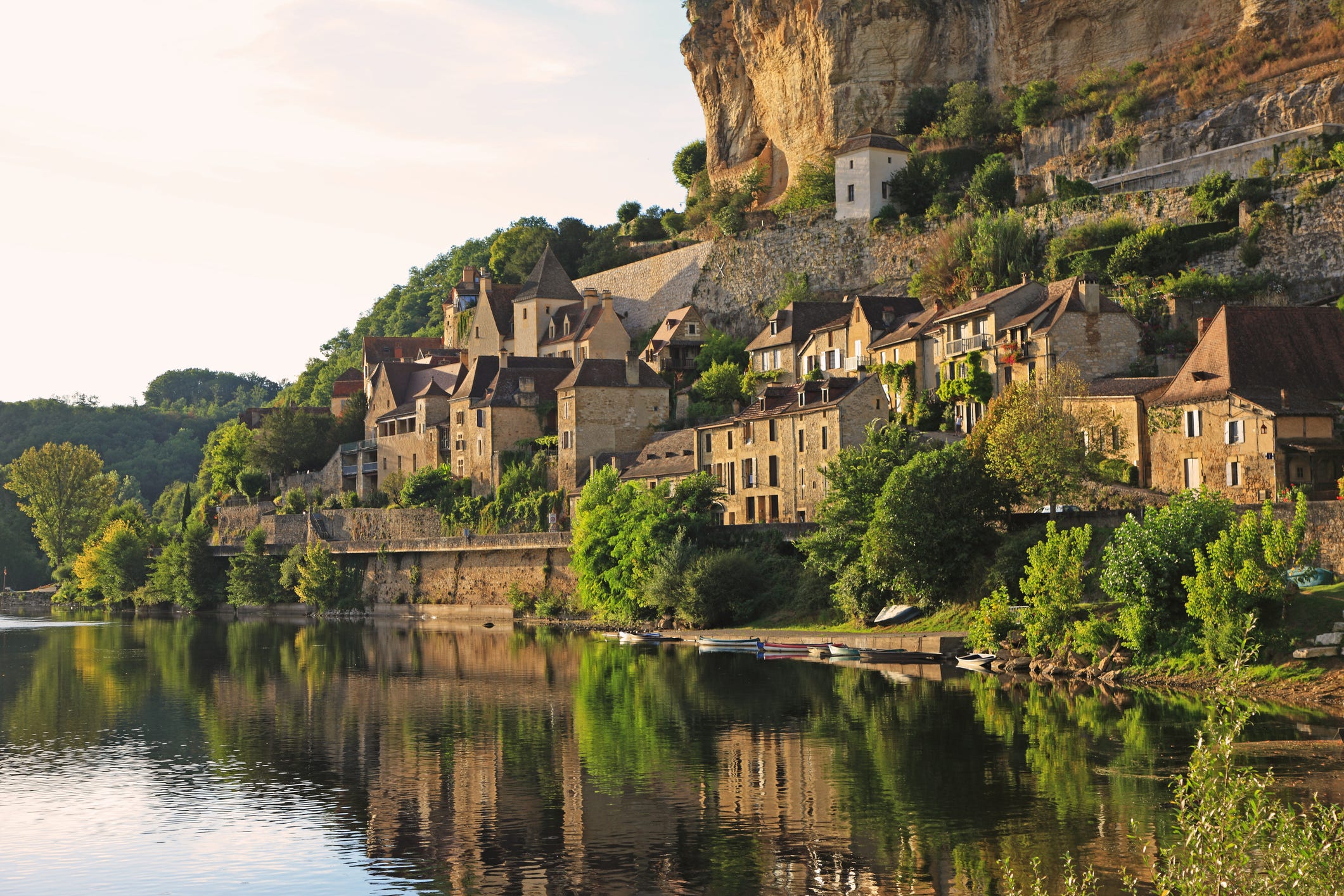
France is ideal for the discerning traveler craving refined cultural immersion and unparalleled culinary experiences. Spend your days exploring the Louvre's masterpieces, wandering the historic Marais in Paris, or savoring gourmet cuisine and fine wines in Burgundy. Best for those budgeting $150-250+ daily who appreciate elegance, historical depth, and sophisticated city life.
Choose Mexico
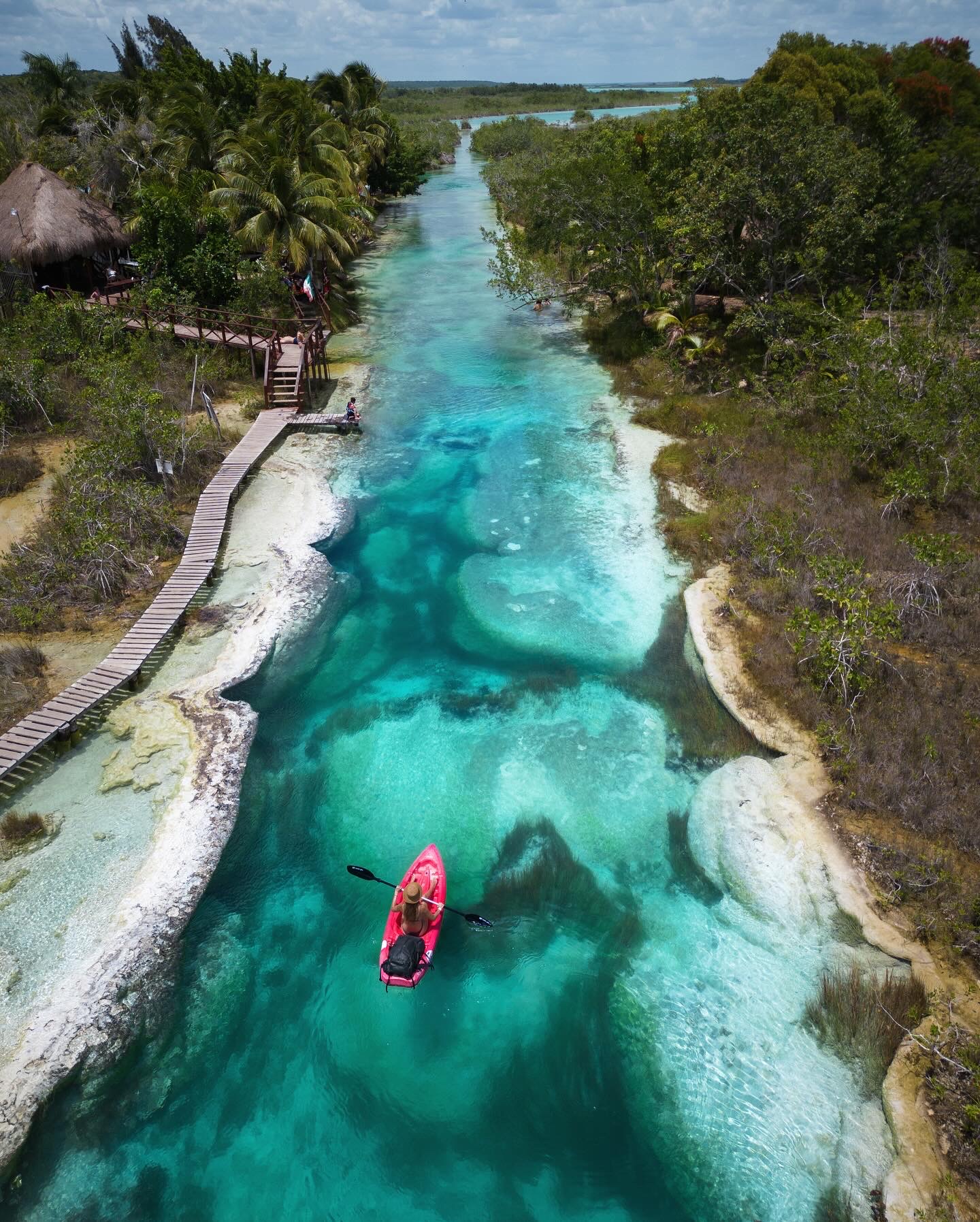
Mexico beckons the adventurous soul seeking vibrant culture, ancient mysteries, and dynamic flavors without breaking the bank. Explore the awe-inspiring Mayan ruins of Chichen Itza, snorkel a Yucatán cenote, or feast on authentic street tacos in Oaxaca. This destination is best for travelers budgeting $70-150 per day who love outdoor activities, lively experiences, and rich historical exploration.
📊 Visual Scorecard
🌤 When to Visit
Average high temperatures (°C). Green = best months, orange = avoid.
Quick Comparison
| Category | France | Mexico | Winner |
|---|---|---|---|
| Food & Drink | Refined, precise cuisine; pastries, cheese, wine. Formal dining is common. | Bold, spicy, diverse regional dishes; street food, tacos, tequila. Casual dining prevails. | France |
| Culture & History | Grand museums, Roman ruins, medieval castles, Enlightenment philosophy. | Pre-Hispanic civilizations, colonial towns, vibrant folk art, Dia de Muertos. | France |
| Costs & Budget | Generally expensive, especially in cities like Paris and on the Riviera. Budget travel is possible but requires effort. | More affordable, with good value for food, transport, and accommodation outside major tourist traps. | Mexico |
| Getting There & Around | Excellent train network, efficient public transport in cities. Direct flights from major hubs. | Extensive bus network, domestic flights. Driving can be challenging. | France |
| Accommodation | Wide range from grand hotels to charming gites. Can be expensive in high-demand areas. | Diverse options from budget hostels to boutique hotels and resorts. Good value outside resort areas. | Mexico |
| Safety | Generally safe, but petty crime (pickpocketing) is common in tourist areas. Occasional public transport strikes. | Varies by region; generally safe in tourist zones, but cartel activity and petty crime exist. Requires awareness. | France |
| Nature & Scenery | Diverse landscapes: Alps, Pyrenees, Loire Valley, Mediterranean coast, rural farmlands. | Extreme diversity: deserts, volcanoes, rainforests, Caribbean beaches, cenotes, canyons. | Mexico |
| Nightlife | Sophisticated bars, wine bars, live music, late-night dining. Can be reserved. | Lively cantinas, dance clubs, street parties, mariachi. Energetic and approachable. | Mexico |
| Beaches | Mediterranean and Atlantic coasts, mostly rocky or pebble beaches. Chic resort towns. | Caribbean, Pacific, and Gulf coasts with soft sand, warm waters. Diverse experiences. | Mexico |
| Solo Travel | Easy to navigate, safe, public transport. Can be expensive and sometimes less spontaneous for making friends. | Accessible, affordable, easy to meet people. Requires more awareness in some areas. | Tie |
🍽️ Food & Drink
France offers a culinary experience centered on technique, quality ingredients, and tradition. Expect well-executed dishes from regional specialties like Coq au Vin in Burgundy or…
France
Mexico
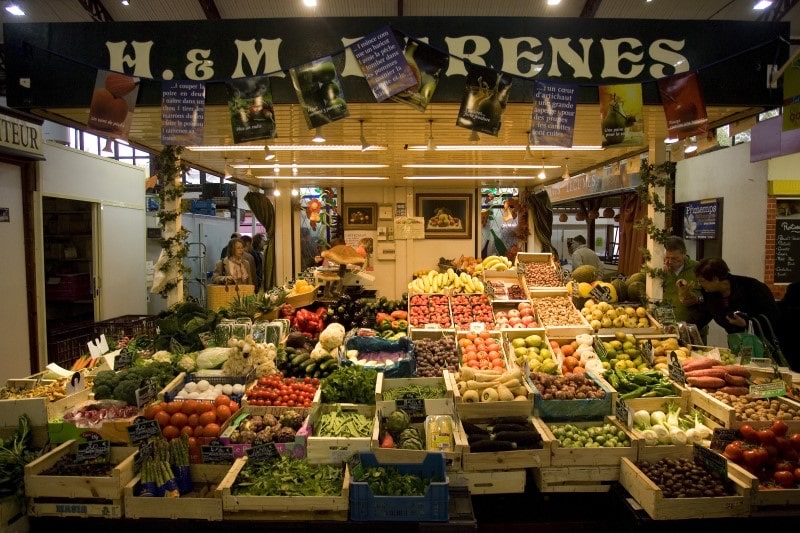
France offers a culinary experience centered on technique, quality ingredients, and tradition. Expect well-executed dishes from regional specialties like Coq au Vin in Burgundy or bouillabaisse in Marseille. A casual meal at a Parisian bistro can cost €18-30 ($20-33), while a high-end experience at a Michelin-starred spot might run €100-300+ ($110-330+). Pastries are a highlight, with croissants costing €1.50-3 ($1.60-3.30). Wine is fundamental, with bottles from €5-15 ($5.50-16.50) in supermarkets. Exploring local markets like those in Provence provides excellent fresh produce and cheese for picnics.
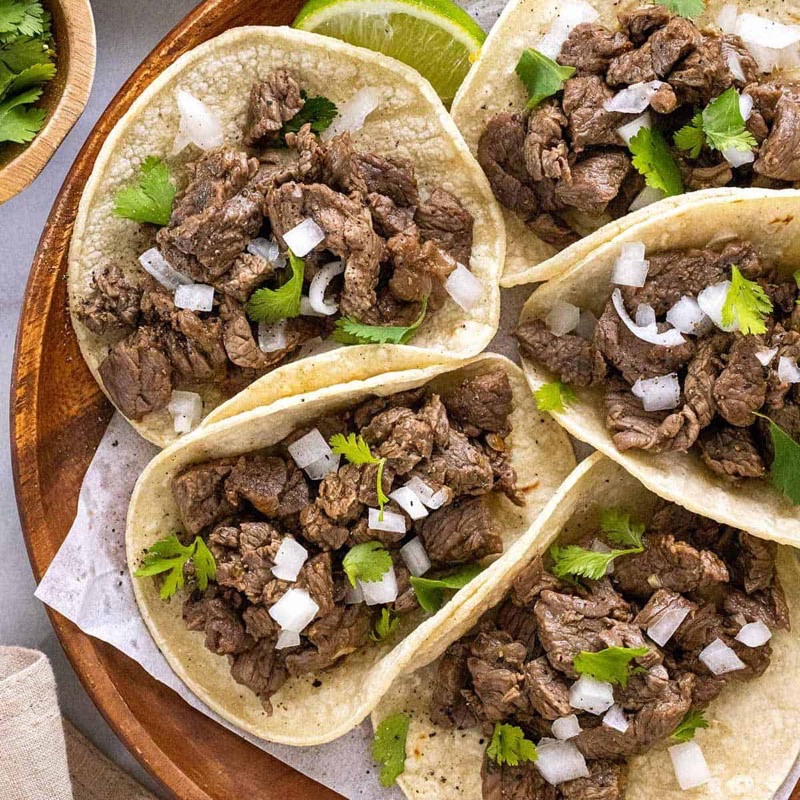
Mexico presents a universe of flavors with regional variation. From the mole sauces of Oaxaca to the cochinita pibil of Yucatan, the food is often bold and complex. Street tacos are a staple, often costing MXN 20-50 ($1-3) per taco. A sit-down meal at a fonda (local eatery) might be MXN 150-300 ($9-18). Tequila and mezcal are prominent, with tastings available. Mexico City has a thriving fine dining scene as well, but the street food and local markets like Mercado de San Juan offer accessible, authentic tastes. For a truly deep culinary experience, Mexico wins with its sheer range of accessible flavors and regional specialties.
- Winner: France
- Why: France's culinary precision, high-quality ingredients, and deep-rooted traditions provide a generally more consistently satisfying food experience.
- Who this matters for: Travelers who appreciate culinary artistry, fine dining, and specific gastronomic traditions.
🏛️ Culture & History
France's historical depth is evident in its landmarks, from the Roman arenas in Arles to the chateaux of the Loire Valley and the palaces of Versailles. Paris alone hosts the…
France
Mexico
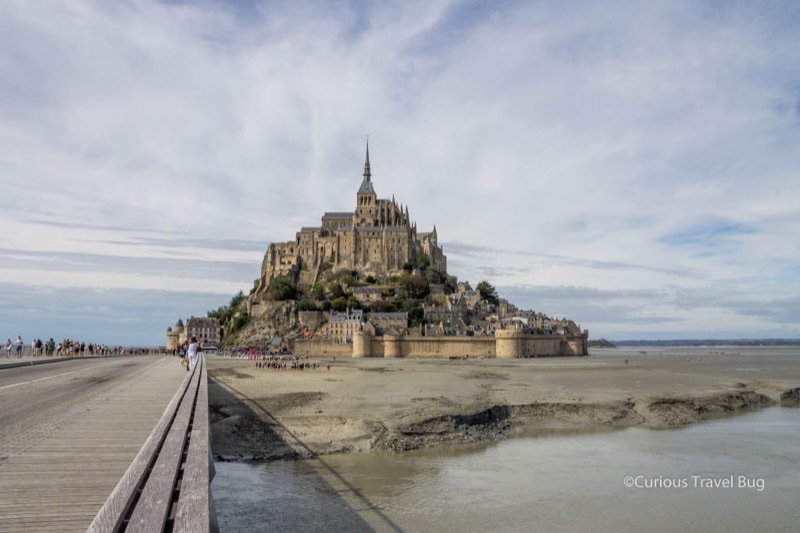
France's historical depth is evident in its landmarks, from the Roman arenas in Arles to the chateaux of the Loire Valley and the palaces of Versailles. Paris alone hosts the Louvre, Musée d'Orsay, and Notre Dame Cathedral. Museum entry often costs €15-20 ($16-22). The cultural narrative spans millennia, encompassing Celtic tribes, Roman Gaul, medieval kingdoms, and the French Revolution, all well-preserved and presented. The impact of French thought and art on the Western world is profoundly felt throughout the country, making it a destination for those seeking a deep dive into European intellectual and artistic heritage.
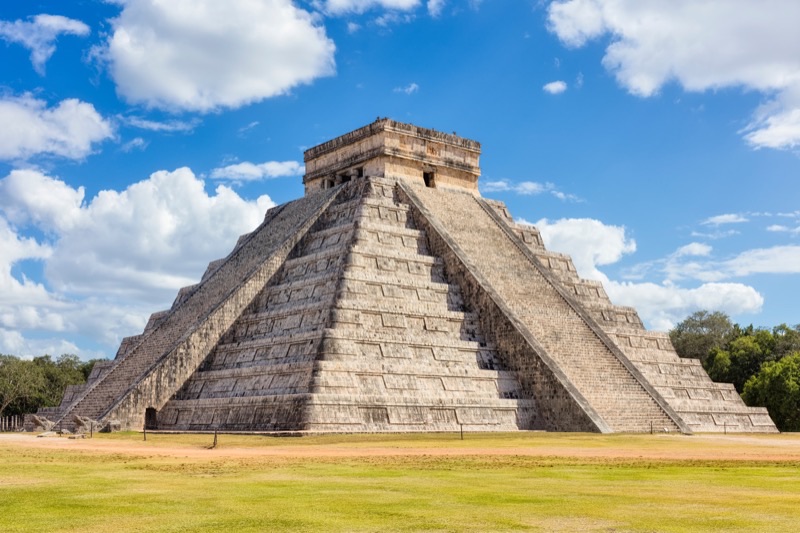
Mexico offers a compelling historical journey from ancient Mesoamerican civilizations to Spanish colonial influence. Sites like Teotihuacan (MXN 90, ~$5.50), Chichen Itza (MXN 614, ~$36), and Palenque showcase engineering and spiritual beliefs. Colonial cities like San Miguel de Allende and Oaxaca preserve stunning Spanish baroque architecture and traditions. Mexico's culture is also expressed through its folk art, music (mariachi), and festivals like Dia de Muertos. While Mexico's history is incredibly rich, the sheer volume and accessibility of world-renowned art and historical sites in France, often within easy reach of major cities, give it an edge for a broader cultural overview. For a deeper immersion into pre-Hispanic history, Mexico is unparalleled, but France's overall scope of cultural impact and preservation edges it out for a general historical tour.
- Winner: France
- Why: France provides a more comprehensive and accessible journey through Western art, architecture, and historical periods, with many globally significant sites.
- Who this matters for: Travelers prioritizing grand museums, iconic historical sites, and a deep dive into European history and art movements.
💰 Costs & Budget
France is an expensive destination for most travelers. A mid-range daily budget for France, excluding long-haul flights, is typically €120-200 ($130-220). This covers a decent…

France
Mexico
France is an expensive destination for most travelers. A mid-range daily budget for France, excluding long-haul flights, is typically €120-200 ($130-220). This covers a decent hostel or budget hotel (€70-120/$77-130), two casual meals (€30-50/$33-55), and some public transport/attraction fees (€20-30/$22-33). Paris is significantly pricier; expect accommodation to start around €100 ($110) even for basic options. Train travel between cities, while efficient, can add up, with a TGV from Paris to Lyon costing €40-80 ($44-88) if booked in advance. Budget accommodation like hostels can be found for €30-50 ($33-55) in smaller cities.
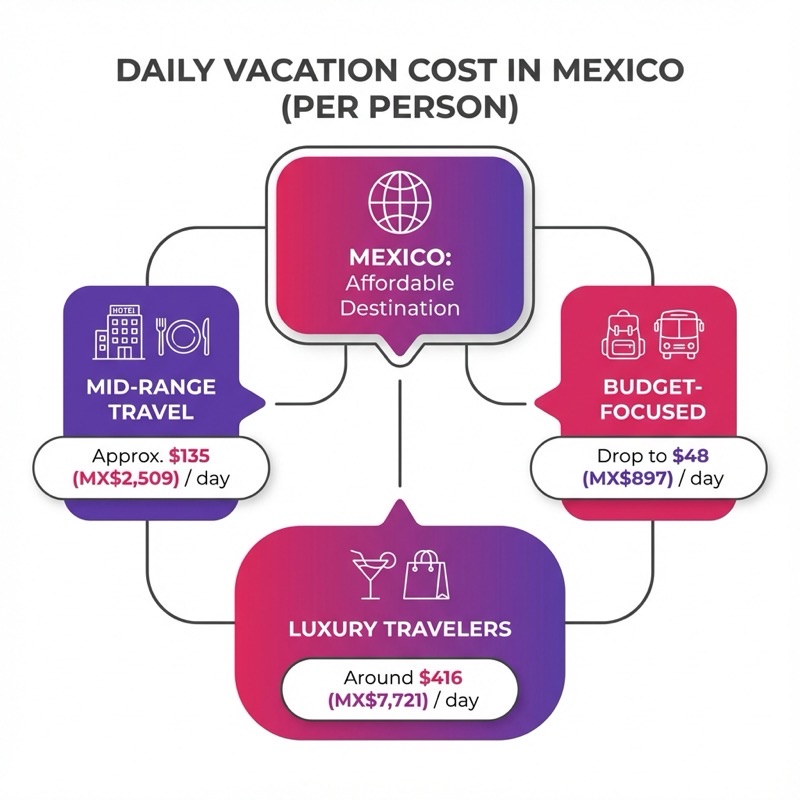
Mexico offers significantly better value. A mid-range daily budget often falls between MXN 1,200-2,500 ($70-150). This covers a comfortable guesthouse or budget hotel (MXN 800-1,500/$47-90), diverse street food and restaurant meals (MXN 300-600/$18-36), and local transport (MXN 100-200/$6-12). Colectivos (shared vans) are a cheap way to get around many areas, costing MXN 10-50 ($0.60-3). Intercity buses are comfortable and affordable, with a 6-hour ride from Mexico City to Oaxaca around MXN 600-900 ($35-50). Tulum and Cancun can be more expensive, but generally, Mexico provides a much more accessible travel budget. For travelers watching their wallets, Mexico is the clear winner.
- Winner: Mexico
- Why: Mexico consistently offers better value for money across accommodation, food, and local transport, making it more accessible for budget-conscious travelers.
- Who this matters for: Travelers on a strict budget or those who want their money to go further for a longer trip.
✈️ Getting There & Around
France is exceptionally well-connected for international and domestic travel. Major airports like Paris Charles de Gaulle (CDG) receive direct flights from most large North…
France
Mexico
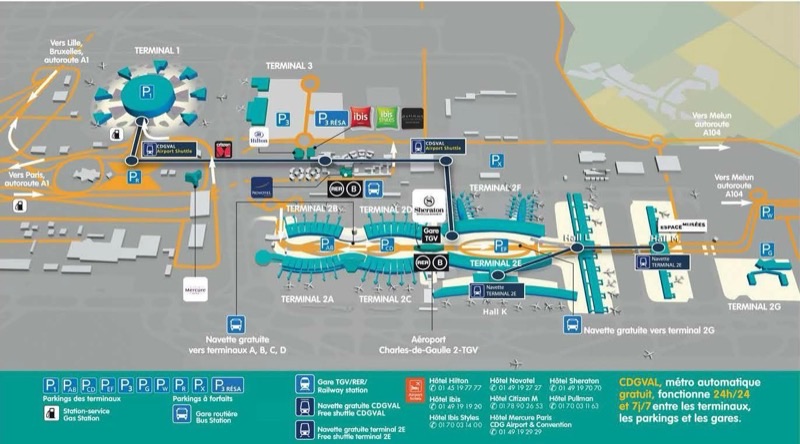
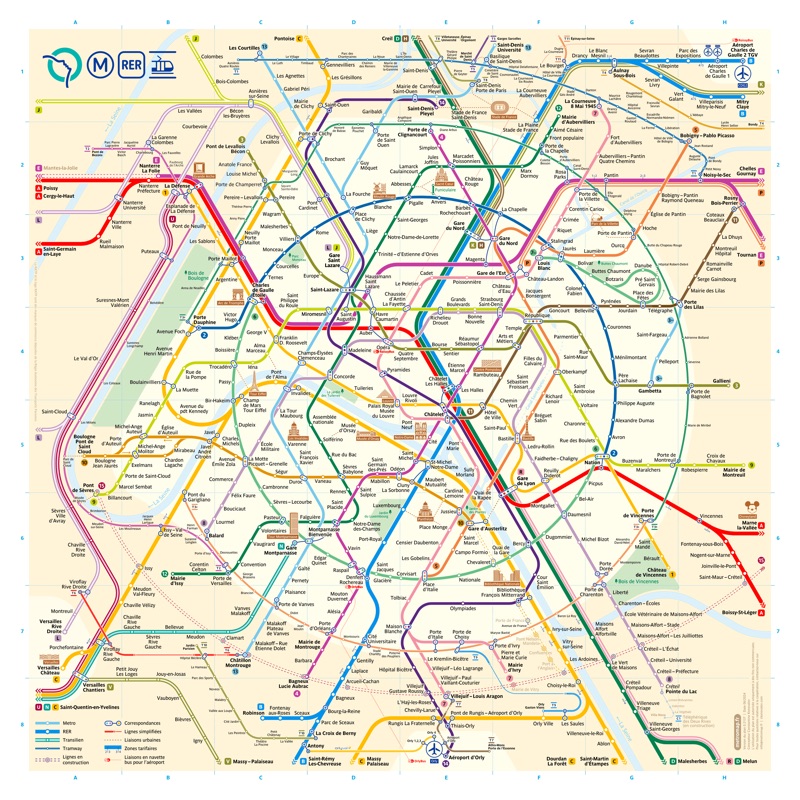
France is exceptionally well-connected for international and domestic travel. Major airports like Paris Charles de Gaulle (CDG) receive direct flights from most large North American cities, typically 7-9 hours from the East Coast and 10-12 hours from the West Coast. From New York, a flight to Paris can be found for $500-800 round trip if booked in advance. Once there, the SNCF train system is efficient, connecting cities rapidly with TGV high-speed trains. A Paris Metro ticket costs €2.15 ($2.35). Public transport within cities is extensive and reliable. Renting a car is an option for exploring rural areas like Provence or the Dordogne, with well-maintained roads and clear signage.
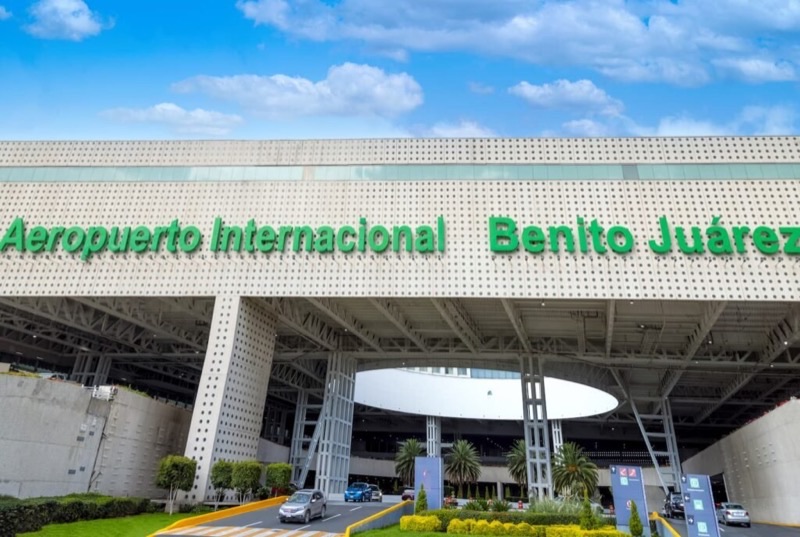
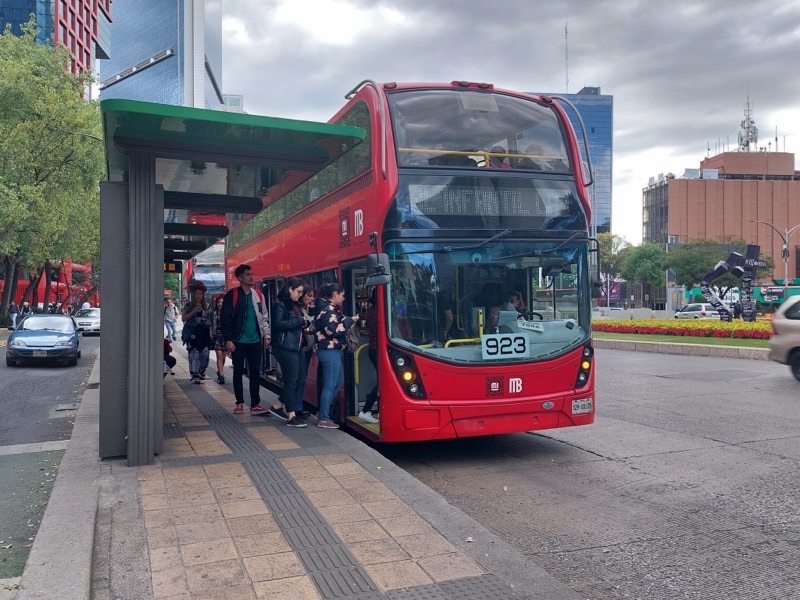
Mexico is also accessible with direct flights to Mexico City (MEX), Cancun (CUN), and Guadalajara (GDL) from many US cities. A flight from Los Angeles to Cancun takes around 4.5-5 hours, costing $300-600 round trip. Domestic flights are available but can be pricey. The bus network, particularly ADO, is extensive, comfortable, and affordable for intercity travel, connecting nearly all major destinations. However, travel times can be long. While driving is possible, road conditions vary, and navigation can be complex, especially outside major tourist zones. For ease of international access and superior domestic travel infrastructure, France takes the lead. The predictability and speed of French trains are a significant advantage for covering ground efficiently.
- Winner: France
- Why: France's high-speed rail network and generally reliable public transport make intercity travel significantly faster and more predictable.
- Who this matters for: Travelers who prefer efficient, comfortable, and rapid public transportation, especially for covering significant distances between cities.
🏨 Accommodation
France offers a variety of accommodation options, from luxurious Parisian hotels to rustic gites in the countryside and budget hostels. In Paris, a decent 3-star hotel often…
France
Mexico
France offers a variety of accommodation options, from luxurious Parisian hotels to rustic gites in the countryside and budget hostels. In Paris, a decent 3-star hotel often starts at €120-180 ($130-200) per night, while hostels can be found for €40-70 ($44-77) for a dorm bed. Outside Paris, prices can drop; a quaint B&B in a smaller town might be €80-150 ($88-165). Quality is generally high, even at lower price points, though rooms in older buildings can be small. Booking well in advance, especially for popular regions like the French Riviera, is crucial to securing good rates.
Mexico provides excellent value and variety in its accommodation. In Mexico City, you can find boutique hotels for MXN 1,500-2,500 ($90-150), while a clean hostel dorm might be MXN 250-500 ($15-30). Coastal resort areas like Cancun and Playa del Carmen offer everything from all-inclusive resorts to budget bungalows, but prices here can be comparable to or even exceed European rates during peak season. Throughout the rest of the country, charming haciendas, guesthouses, and independent hotels provide comfortable stays at very reasonable prices. For overall value, diversity, and often more spacious and characterful options at lower price points, Mexico is the better choice for accommodation.
- Winner: Mexico
- Why: Mexico offers significantly better value for accommodation across all budget ranges, with more spacious and unique options for less money.
- Who this matters for: Travelers seeking good value, a variety of accommodation types, and often more authentic stays for their budget.
🛡️ Safety
France is generally a safe country for travelers, with low rates of violent crime. The main concern for tourists is petty theft, particularly pickpocketing in crowded areas like…
France is generally a safe country for travelers, with low rates of violent crime. The main concern for tourists is petty theft, particularly pickpocketing in crowded areas like the Paris Metro, around the Eiffel Tower, and in train stations. Tourists should be aware of scams like the 'gold ring' scam or petition scams. Public transportation is usually safe but can be affected by strikes, which are relatively common and can disrupt travel plans. Exercising basic urban awareness is usually sufficient to avoid issues. Women traveling solo generally report feeling secure in most French cities and towns, even at night.
Mexico presents a more varied safety landscape. Tourist destinations like Cancun, Playa del Carmen, and most of Mexico City (especially Roma, Condesa, Polanco) are generally safe, with a visible police presence. However, petty crime like bag snatching is common, and express kidnappings (where victims are forced to withdraw money from ATMs) can occur, though less frequently in tourist zones. Certain border regions and states have higher rates of cartel-related violence, which generally does not target tourists directly but can pose risks if one ventures into non-tourist areas. Taxis should be official, or ride-sharing apps used. For a more consistently predictable and lower-risk travel environment, France takes the lead. While Mexico is safe in many areas, the broader perception and occasional high-profile incidents mean a higher level of vigilance is required.
- Winner: France
- Why: France generally offers a more predictable and lower-risk travel environment, with fewer serious safety concerns for tourists beyond petty crime.
- Who this matters for: Travelers prioritizing a consistently secure environment, especially those less experienced with independent international travel or solo female travelers.
⛰️ Nature & Scenery
France offers a range of natural settings. The French Alps provide skiing and hiking opportunities, with peaks like Mont Blanc. The Pyrenees offer a rugged border with Spain. The…
France offers a range of natural settings. The French Alps provide skiing and hiking opportunities, with peaks like Mont Blanc. The Pyrenees offer a rugged border with Spain. The Loire Valley is known for its gentle river landscapes and chateaux, while Provence has lavender fields and Mediterranean coastlines. Areas like the Gorges du Verdon present impressive canyons. While the landscapes are beautiful and well-maintained, they often feel cultivated or easily accessible, rather than wild. The countryside is picturesque, but it's often an extension of human presence rather than untamed wilderness.
Mexico's natural environments are incredibly diverse and often feel more raw and expansive. From the Baja California deserts to the Sierra Madre mountains, the rainforests of Chiapas, and the volcanic peaks around Mexico City (e.g., Popocatépetl), the country offers extreme variety. The Yucatan Peninsula is home to the Caribbean Sea's barrier reef, cenotes (natural sinkholes for swimming), and extensive jungle. The Copper Canyon in Chihuahua is larger and deeper than the Grand Canyon. For sheer geographical range, biodiversity, and opportunities for adventure activities in diverse settings (hiking, diving, surfing), Mexico is the clear winner. The scale and untamed character of many of its natural areas stand out.
- Winner: Mexico
- Why: Mexico boasts a significantly wider range of dramatic, diverse, and often more extreme natural landscapes, from deserts to volcanoes and coral reefs.
- Who this matters for: Outdoor adventurers, nature photographers, and travelers seeking diverse ecosystems and geographical wonders.
🌃 Nightlife
French nightlife often leans towards sophisticated and intimate. Paris offers everything from classic jazz clubs in the Latin Quarter to chic cocktail bars in Le Marais. Wine bars…
French nightlife often leans towards sophisticated and intimate. Paris offers everything from classic jazz clubs in the Latin Quarter to chic cocktail bars in Le Marais. Wine bars are a fixture, and late-night dining is common, with many bistros serving until midnight or later. Entry to clubs can be selective, and drinks are expensive; a cocktail can easily be €12-18 ($13-20). In smaller cities, the scene is more subdued, often centered around local pubs or cafes. The atmosphere is generally more reserved than in some other European capitals, prioritizing conversation and quality drinks over loud revelry.
Mexican nightlife is generally more boisterous and accessible. Mexico City offers a vast array of options, from upscale clubs in Polanco to live music venues in Roma and traditional cantinas where mariachi bands play. Beer is affordable (MXN 40-80, ~$2.50-5), and street food vendors often operate late into the night. Beach towns like Cancun and Playa del Carmen have a resort-focused club scene with massive venues and open bars. Oaxaca has a relaxed but lively mezcal bar culture. The energy is often infectious, with dancing and music being central. For sheer energy, diversity of options, and a more approachable, less formal atmosphere, Mexico wins. The ability to grab late-night street food makes it even better.
- Winner: Mexico
- Why: Mexico's nightlife is generally more energetic, diverse, and accessible, with options from lively street scenes to dance clubs and traditional cantinas.
- Who this matters for: Travelers who enjoy high-energy evenings, dancing, live music, and readily available late-night food options.
🏖️ Beaches
France has beautiful coastlines on both the Mediterranean and Atlantic. The French Riviera (Côte d'Azur) offers chic resort towns like Nice and Cannes, but many beaches are pebble…
France has beautiful coastlines on both the Mediterranean and Atlantic. The French Riviera (Côte d'Azur) offers chic resort towns like Nice and Cannes, but many beaches are pebble or shingle rather than soft sand. Plage de Pampelonne near St. Tropez is a notable exception with sand. The Atlantic coast, particularly in areas like Biarritz, offers surfing opportunities and wide, sandy stretches, but the water is colder. These beaches are often integrated into elegant towns, with amenities readily available. Expect beach chair rentals to be €20-40 ($22-44) for a day in prime locations.
Mexico boasts an incredible variety of beaches across its extensive coastlines. The Caribbean coast (Riviera Maya) is famous for its soft white sands and turquoise waters, with popular spots like Tulum, Playa del Carmen, and Isla Mujeres offering excellent swimming, snorkeling, and diving in warm waters. The Pacific coast has surf breaks in places like Puerto Escondido and Sayulita, along with dramatic sunsets. The Gulf Coast offers quieter, less developed beach experiences. Whether you seek lively resort beaches, secluded coves, or surf spots, Mexico delivers consistently stunning sandy beaches with warm water, often offering more natural beauty and fewer crowds outside the main resort areas. For true beach lovers, Mexico is the superior option, providing postcard-worthy settings and warmer water for swimming year-round.
- Winner: Mexico
- Why: Mexico's Caribbean and Pacific coasts offer superior soft sandy beaches, warm water, and a wider array of beach-focused activities year-round.
- Who this matters for: Travelers whose primary goal is relaxing on beautiful sandy beaches, swimming, snorkeling, and enjoying warm ocean waters.
🚶♀️ Solo Travel
France is an excellent choice for solo travelers due to its efficient public transport, general safety, and abundance of museums, cafes, and parks that are enjoyable alone. It's…
France is an excellent choice for solo travelers due to its efficient public transport, general safety, and abundance of museums, cafes, and parks that are enjoyable alone. It's easy to get around Paris, Lyon, or Nice independently. However, dining alone can sometimes feel formal or expensive, and striking up conversations with locals may be less common than in other regions. Hostels are available but perhaps less of a social hub than in other parts of the world. Expect to spend more on single supplements for accommodation. The experience might lean more towards introspective exploration and appreciating art or scenery solo.
Mexico is also a strong contender for solo travel, offering affordability and a more outgoing social atmosphere. Hostels are numerous and often very social, making it easier to meet other travelers. Street food is perfect for solo dining. While safety requires more vigilance, especially at night or in less touristy areas, the warmth of the Mexican people often makes solo travelers feel welcome. Buses are a fantastic way to travel solo. The cost difference is significant; a solo traveler can explore Mexico for a longer period with the same budget as a shorter trip in France. The choice depends on whether a solo traveler prioritizes ease and cultural depth or social interaction and affordability. For independent travelers who prefer less formal interactions and budget consciousness, Mexico pulls ahead, but France provides a more polished and effortless solo experience.
- Winner: Tie
- Why: Both destinations offer distinct advantages for solo travelers: France for ease and safety, Mexico for affordability and social connection.
- Who this matters for: Travelers who value either serene, independent exploration (France) or social, budget-friendly adventure (Mexico).
🎯 The Decision Framework
Choose France If…
- You want to spend hours in grand art museums like the Louvre or Musée d'Orsay.
- You dream of precise, refined meals at a bistro or a Michelin-starred restaurant.
- You appreciate efficient, high-speed train travel between historical cities.
- You seek grand architecture, from Roman ruins to medieval castles and Haussmannian boulevards.
- You enjoy sipping coffee or wine at an outdoor cafe while people-watching.
- You prefer a travel experience with predictable infrastructure and fewer language barriers in tourist zones.
- You are interested in exploring vineyards and tasting regional wines.
- You want to experience sophisticated city life blended with picturesque rural landscapes.
Choose Mexico If…
- You crave bold, spicy street food like tacos al pastor for MXN 25 ($1.50).
- You want to explore ancient pre-Hispanic pyramids like Teotihuacan or Palenque.
- You plan to spend time relaxing on white-sand Caribbean beaches or surfing the Pacific.
- You enjoy spontaneous interactions with locals and a generally more laid-back atmosphere.
- You are comfortable navigating local buses and colectivos for low prices.
- You prioritize a significantly lower daily budget for food, transport, and accommodation.
- You are interested in snorkeling or diving in cenotes and coral reefs.
- You want to experience vibrant festivals like Dia de Muertos or Guelaguetza.
📅 Sample Itineraries
Weekend in France (3 Days)
💡 Purchase a Paris Visite Pass (zones 1-3, 3 days for $29) for unlimited public transport to save time and money on metro and bus fares.
Weekend in Mexico (3 Days)
💡 Use the Mexico City Metro ($0.25 per ride) extensively to navigate the city quickly and cheaply, avoiding traffic congestion and high taxi costs.
One Week in France (7 Days)
💡 Book high-speed TGV train tickets several weeks in advance on SNCF Connect to secure cheaper fares, often saving 30-50% on inter-city travel.
One Week in Mexico (7 Days)
💡 Utilize Mexico's ADO bus network for inter-city travel; it's comfortable, reliable, and much cheaper than flying for distances like Cancún to Tulum ($5-15) and offers Wi-Fi on many routes.
❓ Frequently Asked Questions
Is France or Mexico better for a first-time international traveler?
France is often easier for first-time international travelers due to its highly developed infrastructure, clear signage, and efficient public transport. English is more widely spoken in tourist areas than Spanish in some parts of rural Mexico. Safety concerns are generally lower in France, mostly limited to petty theft.
Which destination offers more opportunities for outdoor activities?
Mexico generally offers more diverse and extensive outdoor activities. From hiking volcanoes and exploring vast canyons to swimming in cenotes, diving on coral reefs, and surfing, Mexico's natural landscapes are more varied and often more dramatic. France has hiking in the Alps and Pyrenees, but Mexico's range is broader.
How do flight times and costs generally compare from the US?
Flights from major US cities to France (e.g., Paris) typically take 7-9 hours from the East Coast, costing $500-900 round trip. Flights to Mexico (e.g., Cancun, Mexico City) are generally shorter, 3-6 hours, and often more affordable, ranging $300-600 round trip, especially from the southern US.
Which country is better for a family trip with young children?
France can be excellent for families, offering safe cities, beautiful parks, and child-friendly museums (e.g., Cité des Enfants). The efficient train system simplifies travel. Mexico also offers family fun, especially its all-inclusive resorts in the Riviera Maya and interactive cultural sites, but requires more caution regarding food safety and general awareness outside resorts.
What is the typical language barrier like in each country?
In France, English is commonly understood in major cities and tourist areas, though knowing basic French phrases is helpful and appreciated. In Mexico, Spanish is essential outside of major resorts. While English is spoken in tourist hubs like Cancun, venturing into smaller towns will require some Spanish proficiency or reliance on translation apps.
Which destination is better for a romantic getaway?
France, particularly Paris and the Loire Valley, is often considered the quintessential romantic getaway due to its iconic architecture, fine dining, and intimate atmosphere. Mexico also offers romantic options, especially luxurious beach resorts or colonial towns like San Miguel de Allende, but France's overall ambiance for romance is hard to beat.
Are there good options for vegetarian or vegan travelers in both places?
Both countries have improving options. In France, vegetarian options are becoming more common, especially in cities, with many cafes offering salads or vegetable-focused dishes. Vegan is harder but possible. Mexico has a strong tradition of vegetable-based dishes (think beans, rice, corn, nopal cactus), making vegetarianism relatively easy, especially with 'sin carne' requests. Vegan options are growing rapidly in Mexico City and other large hubs.
What are the key currency differences and exchange rates?
France uses the Euro (€). The exchange rate is approximately €1 to $1.08 USD. Mexico uses the Mexican Peso (MXN). The exchange rate is roughly $1 USD to MXN 17. Prices are generally higher in Euros, reflecting France's higher cost of living.
Ready to plan your next trip?
Get a free custom itinerary for France, Mexico, or both — built from real traveler insights.
👥 Travelers Also Compared
🎟️ Book Tours & Experiences
Hand-picked tours and activities for both destinations — book with free cancellation
Experiences via Viator — free cancellation on most tours