How we built this comparison
This page combines traveler discussion patterns, published price ranges, flight schedules, and seasonal data to help you decide between France and Morocco.
- Reviewed 100+ Reddit threads from r/travel, r/solotravel, r/France, r/Morocco, and r/EuropeTravel.
- Verified costs and logistics against current booking platforms like Google Flights, Booking.com, and local tour operators.
- Cross-referenced seasonal patterns and weather data from meteorological sources for accurate climate advice.
⚡ Quick Answers
⚡ The TL;DR Verdict
For most first-time international travelers seeking comfort, familiar infrastructure, and Western European city experiences, France is the pick, budgeting around $180-300+ USD daily. For those chasing deep cultural immersion, adventure, and significantly lower costs, Morocco delivers, with a daily budget of $60-120 USD. If you have 3-4 weeks, combining both offers a contrast but requires a budget for intercontinental flights.
- Choose France: You want dependable public transport, well-defined tourist trails, Michelin-starred meals, and a generally smoother travel experience with fewer cultural adjustments.
- Choose Morocco: You prioritize affordability, seek out souk bargaining, enjoy desert excursions, and desire a more intense, sensory cultural immersion with different customs.
- Choose Both: Allocate at least three weeks to appreciate both fully. Start in France for its comforts, then transition to Morocco for a distinct change of pace and atmosphere. A flight from Paris to Marrakech is about 3-4 hours.
Choose France
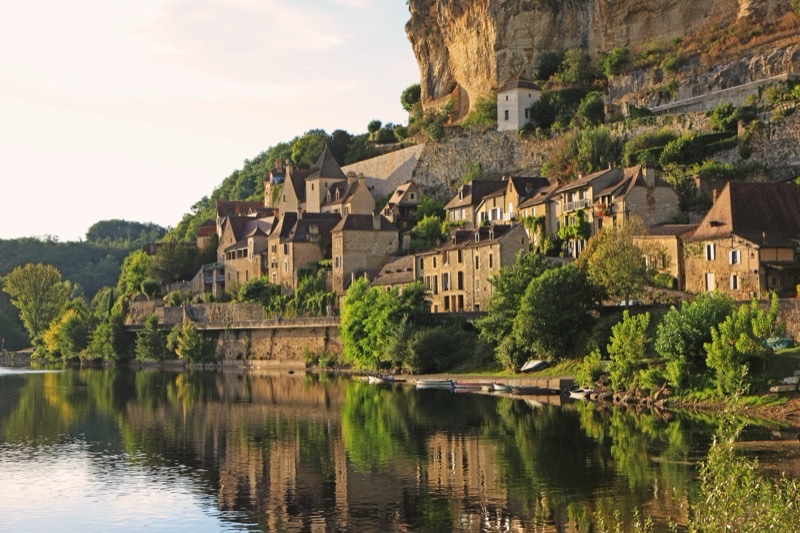
Choose France for an effortlessly elegant journey, perfect for travelers prioritizing comfort and sophisticated experiences. Indulge in Parisian café culture, explore world-class museums like the Louvre, and savor Michelin-starred cuisine in Lyon or Bordeaux. It's best for those seeking dependable infrastructure and a smooth Western European adventure, budgeting around $180-300+ USD daily.
Choose Morocco
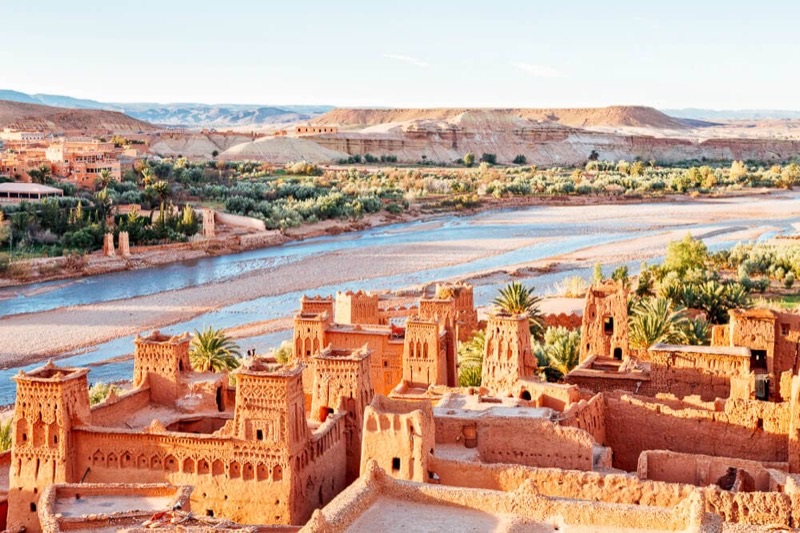
Choose Morocco for an exhilarating plunge into vibrant culture, best suited for adventurous travelers seeking deep immersion and affordability. Lose yourself bargaining in Marrakech's bustling souks, embark on a camel trek through the Sahara, or explore the ancient tanneries of Fes. It offers an unforgettable, sensory-rich experience at a budget of $60-120 USD daily, embracing genuine cultural contrasts.
📊 Visual Scorecard
🌤 When to Visit
Average high temperatures (°C). Green = best months, orange = avoid.
Quick Comparison
| Category | France | Morocco | Winner |
|---|---|---|---|
| Costs & Budget | Significantly higher daily expenses, especially in cities like Paris or Nice. Expect €150-€300+ ($160-$320+) for mid-range travel. | Much more budget-friendly, allowing comfortable travel for €50-€100 ($55-$110) daily. Bargaining is common and expected. | Morocco |
| Culture & History | Centuries of European art, architecture, philosophy, and political history. Famous museums, cathedrals, and chateaus. | Ancient imperial cities, Islamic architecture, Berber traditions, and a distinct North African identity. Medinas, mosques, and kasbahs. | Tie |
| Food & Drink | Refined cuisine, pastries, cheeses, and world-renowned wines. Formal dining and casual bistros are common. | Flavorful tagines, couscous, fresh mint tea, and street food. Spice markets and communal dining experiences are central. | France |
| Getting Around | Efficient and extensive train network (TGV), reliable public transport in cities, easy car rentals. | Grand taxis, shared taxis, local buses, and private drivers are common. Navigating medinas is often on foot. | France |
| Accommodation | Hotels from budget hostels to luxury, gîtes, and charming B&Bs. Standards are generally high. | Riads (traditional guesthouses), hotels, desert camps. Riads offer a unique, immersive experience. | France |
| Nature & Activities | Alpine peaks, Mediterranean beaches, rolling vineyards, coastal cliffs, and national parks. Skiing, hiking, cycling. | Sahara Desert expeditions, Atlas Mountains trekking, Atlantic coast beaches, oases, and gorges. Surfing and camel treks. | Morocco |
| Safety & Health | Generally very safe with good public health infrastructure. Petty crime (pickpocketing) is the main concern in tourist areas. | Generally safe but requires more awareness of scams, aggressive touts, and cultural norms. Healthcare is decent in major cities. | France |
| Shopping & Souvenirs | Luxury brands, fashion, gourmet foods, wine, antiques, and local crafts. Fixed prices are standard. | Handicrafts, leather goods, carpets, spices, ceramics, argan oil. Bargaining is essential and expected. | Morocco |
| Solo Travel Experience | Very easy for solo travelers, extensive infrastructure, safe, good social opportunities in hostels and tours. | More challenging but very rewarding; requires more confidence in navigating cultural differences and dealing with touts. | France |
| Getting There & Logistics | Direct flights from many major global cities to Paris, easy Schengen area access for many nationalities. | Fewer direct long-haul flights, often requires layovers, more complex visa requirements for some, different cultural norms at entry points. | France |
💰 Costs & Budget
France is a more expensive destination across the board. A typical budget traveler might spend €60-€90 ($65-$95) for a hostel bed or basic hotel, €15-€30 ($16-$32) for a simple…
France
Morocco
France is a more expensive destination across the board. A typical budget traveler might spend €60-€90 ($65-$95) for a hostel bed or basic hotel, €15-€30 ($16-$32) for a simple lunch, and €30-€60 ($32-$65) for dinner in a casual restaurant. Museum entries like the Louvre cost around €17 ($18), and train tickets between cities add up quickly. Expect daily costs of €150-€300 ($160-$320) for a comfortable mid-range trip, easily escalating if you opt for nicer hotels or frequent fine dining. A coffee in Paris might be €3-€5 ($3.20-$5.40).
Morocco offers a lower cost of living and travel. A riad room in Marrakech or Fes can be found for €30-€60 ($32-$65) per night, while street food or a simple restaurant meal costs €3-€10 ($3.20-$11). A full meal in a mid-range restaurant might be €15-€25 ($16-$27). A grand taxi ride across a city could be €2-€5 ($2.20-$5.40). Expect daily expenses of €50-€100 ($55-$110) for comfortable travel, with room to go lower if you are a savvy bargainer and stick to local eateries. For most travelers focusing on value, Morocco is the clear financial winner.
- Winner: Morocco
- Why: Morocco consistently provides a lower cost of travel for accommodation, food, transport, and activities compared to France.
- Who this matters for: Budget-conscious travelers and those planning longer trips on limited funds.
🏛️ Culture & History
France offers a vast array of Western historical and artistic experiences. From the Roman ruins in Nîmes to medieval castles in the Loire Valley, and the artistic masterpieces in…
France
Morocco
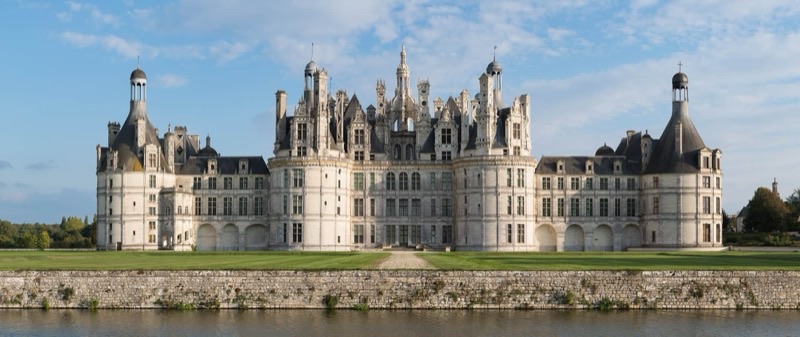
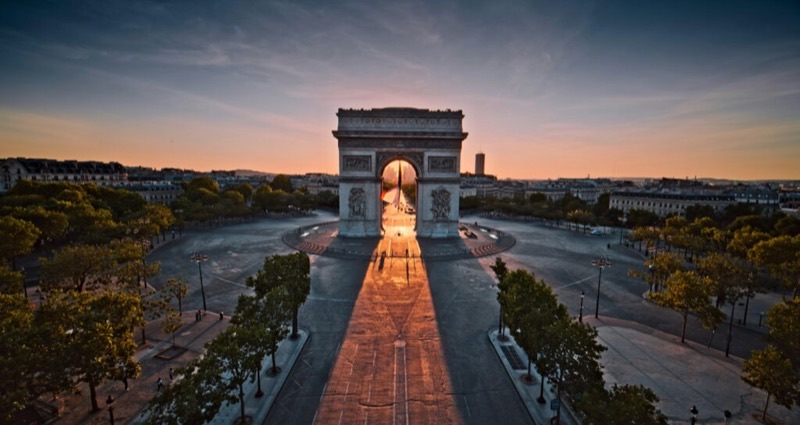
France offers a vast array of Western historical and artistic experiences. From the Roman ruins in Nîmes to medieval castles in the Loire Valley, and the artistic masterpieces in Parisian museums like the Musée du Louvre or Musée d'Orsay, the depth is immense. Parisian history includes the grandeur of Versailles and the somber stories of the French Revolution. Regional cultures, such as those in Brittany or Alsace, provide further variations. The focus is often on high art, intellectual movements, and structured historical narratives.
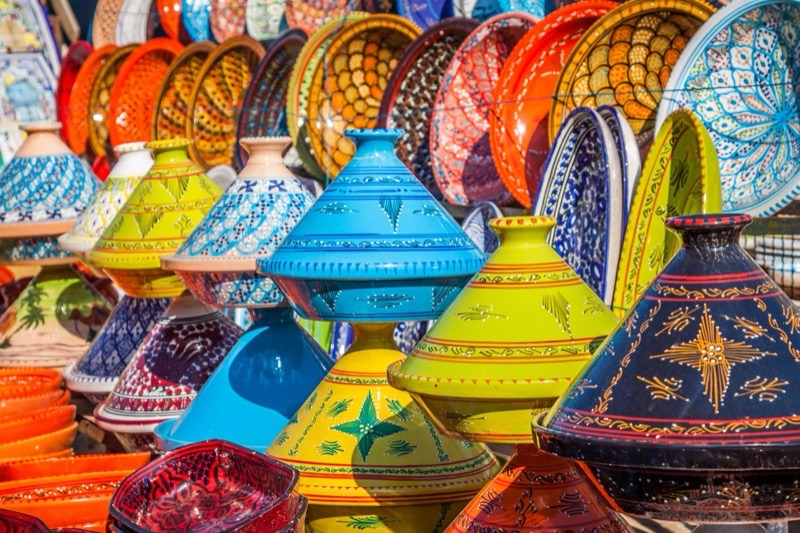
Morocco presents a deep immersion in Islamic and Berber cultures, with histories stretching back millennia. The medinas of Fes and Marrakech, both UNESCO sites, are living museums where ancient crafts and traditions persist. The University of Al-Karaouine in Fes, established in 859 AD, is one of the oldest continually operating universities. The kasbahs of Ouarzazate, like Ait Benhaddou, tell stories of trans-Saharan trade routes. The cultural experience in Morocco is often more participatory and sensory, involving interaction in souks, listening to traditional music, and experiencing daily life within ancient walled cities. The depth of both countries offers something distinct for different interests.
- Winner: Tie
- Why: Both nations offer profoundly different yet equally rich historical and cultural experiences, appealing to varied traveler interests.
- Who this matters for: Travelers seeking either classical European heritage or deep North African and Islamic immersion.
🍽️ Food & Drink
French cuisine is globally recognized for its sophistication and technique. Paris alone boasts numerous Michelin-starred restaurants, but even small-town bistros offer…
France
Morocco
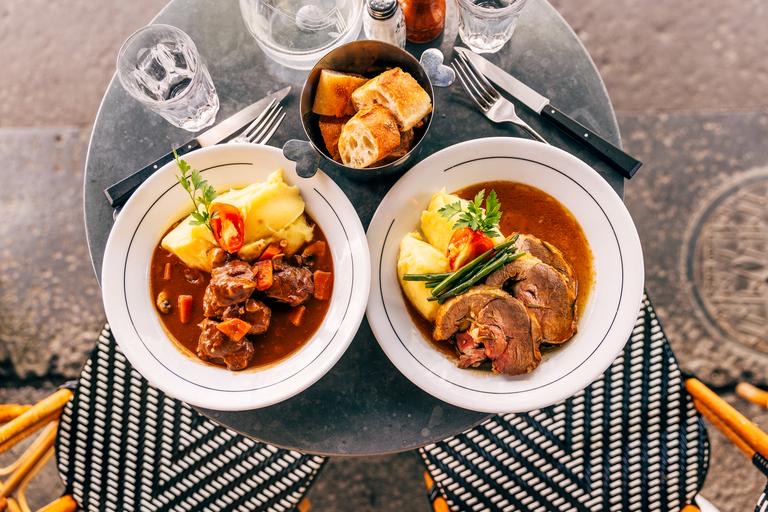
French cuisine is globally recognized for its sophistication and technique. Paris alone boasts numerous Michelin-starred restaurants, but even small-town bistros offer high-quality, regionally specific dishes. Think escargots, coq au vin, boeuf bourguignon, and an endless variety of cheeses and pastries like croissants and macarons. Wine is integral to the culture, with regions like Bordeaux, Burgundy, and Champagne producing iconic labels. A good meal in a Parisian bistro might cost €25-€50 ($27-$55), while a boulangerie baguette sandwich is €5-€8 ($5.40-$8.70). The emphasis is on specific ingredients, precise preparation, and pairings.
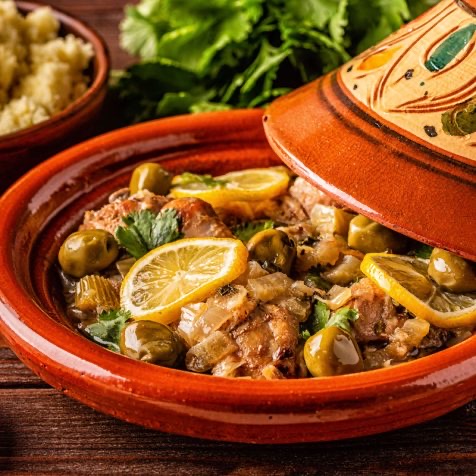
Moroccan food is hearty, aromatic, and often served communally. Tagines (slow-cooked stews), couscous (often served on Fridays), pastilla (savory pies), and harira (lentil soup) are staples. Street food is prominent, especially in places like Jemaa el-Fna in Marrakech, where you can find skewers, snails, and fresh juices for a few dirhams. Mint tea is a ceremonial drink offered everywhere. While delicious and satisfying, the range of dining experiences is less diverse than France, with fewer high-end or experimental options outside of a few tourist-focused spots. A substantial street food dinner can be under €10 ($11), while a nice restaurant meal is €15-€25 ($16-$27). For sheer breadth, refinement, and recognized excellence, France takes the lead in culinary offerings.
- Winner: France
- Why: France offers a broader spectrum of acclaimed culinary experiences, from casual bakeries to fine dining, with a focus on technique and regional diversity.
- Who this matters for: Foodies, gastronomes, and those who prioritize sophisticated dining experiences and diverse drink selections.
🚗 Getting Around
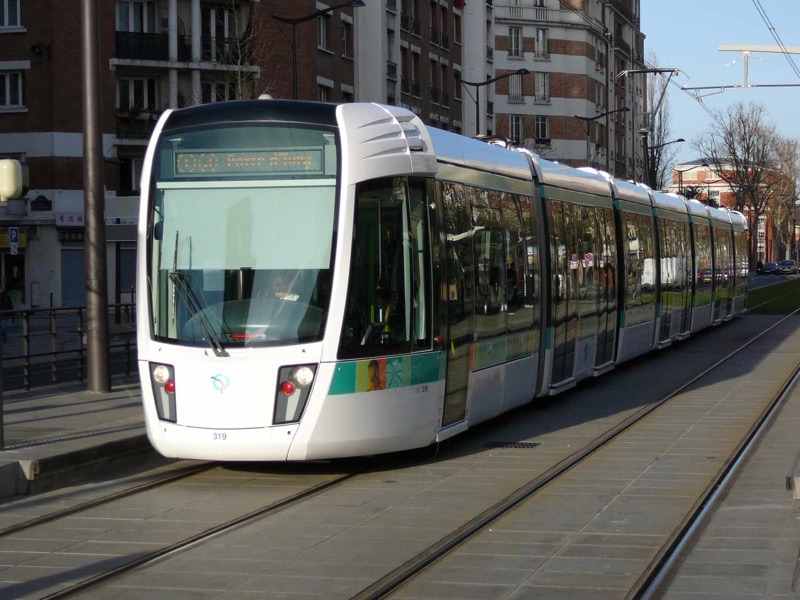
France offers an exceptionally well-developed transportation system. The high-speed TGV train network connects major cities quickly and comfortably, though tickets can be…
France
Morocco
France offers an exceptionally well-developed transportation system. The high-speed TGV train network connects major cities quickly and comfortably, though tickets can be expensive if not booked in advance (e.g., Paris to Lyon can be €50-€100 ($55-$110)). Urban areas like Paris have extensive metro, bus, and tram systems that are easy to use and reliable, with a single metro ticket costing €2.15 ($2.30). Car rental is straightforward for exploring rural areas, and roads are well-maintained. Google Maps provides accurate public transport directions, making navigation simple even for first-time visitors.
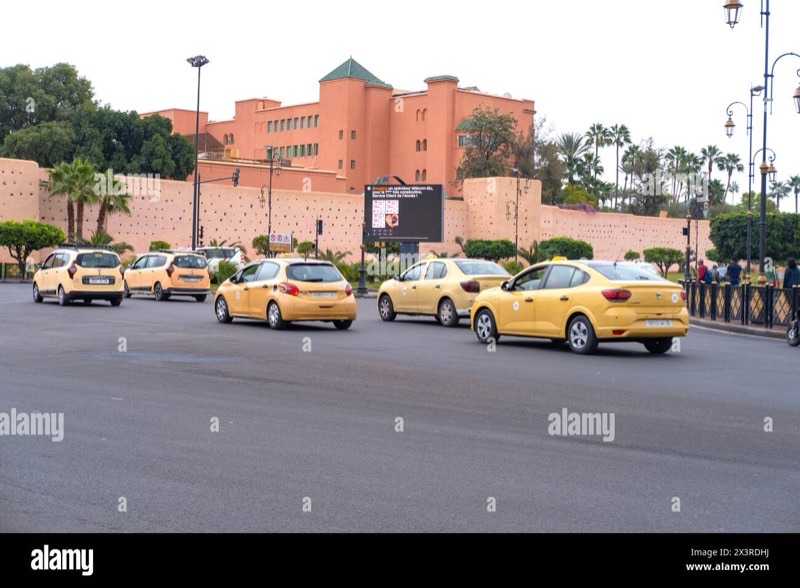
Moroccan transportation is functional but requires more local knowledge and negotiation. Grand taxis operate on fixed routes between cities and towns, often shared, and prices need to be agreed upon (e.g., Marrakech to Essaouira might be 80-100 MAD ($8-$10) per person in a shared taxi). Local buses are cheaper but slower and less comfortable. Within medinas, walking is the primary mode of transport, as cars cannot enter. For longer distances or specific routes, hiring a private driver is common but more expensive. Navigation can be challenging for those unfamiliar with Arabic or French, and maps are not always accurate for walking in the labyrinthine medinas. For ease, comfort, and reliability, France is significantly more user-friendly.
- Winner: France
- Why: France provides a highly efficient, comfortable, and reliable public transportation infrastructure that is easy for travelers to use independently.
- Who this matters for: Travelers who prioritize convenience, speed, and independent navigation without language barriers or negotiation.
🏨 Accommodation
France offers a wide spectrum of accommodation, from budget hostels (around €30-€60 ($32-$65) for a dorm bed) and chain hotels (e.g., Ibis, Novotel for €80-€150 ($87-$162) per…
France
Morocco
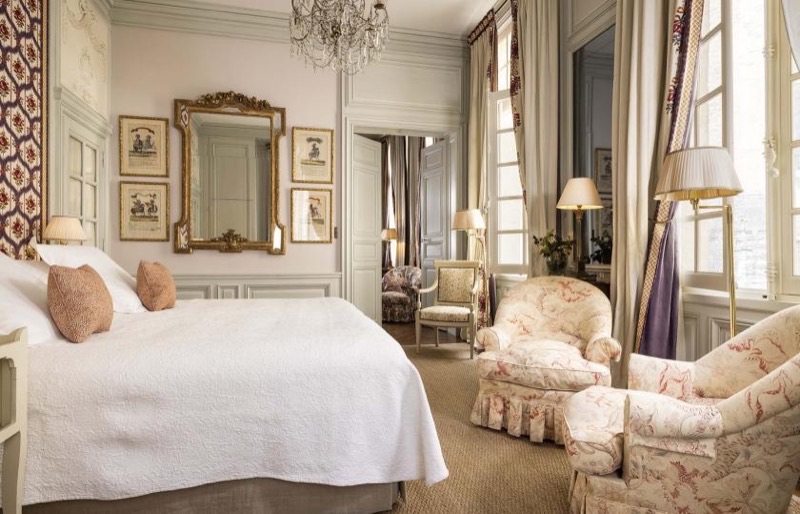
France offers a wide spectrum of accommodation, from budget hostels (around €30-€60 ($32-$65) for a dorm bed) and chain hotels (e.g., Ibis, Novotel for €80-€150 ($87-$162) per night) to luxury hotels and charming rural gîtes or chambres d'hôtes (B&Bs). Standards are generally consistent and regulated, with clear pricing and amenities. Booking platforms are reliable, and guest expectations for cleanliness and service are usually met without issue. In Paris, a good mid-range hotel room might cost €120-€200 ($130-$216) per night, while outside major cities, you can find excellent B&Bs for €80-€120 ($87-$130).
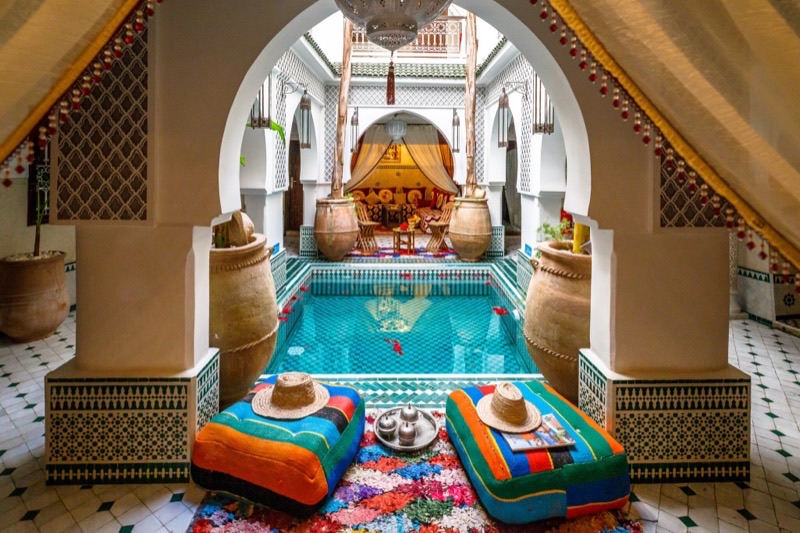
Morocco's accommodation scene is dominated by riads, traditional houses converted into guesthouses, particularly in cities like Marrakech and Fes. These often feature internal courtyards and intricate decor, providing an authentic atmosphere. A comfortable riad room can be found for €40-€80 ($43-$87) per night. Standard hotels are also available, and for desert trips, tented camps range from basic to luxurious. While riads offer charm, service can be more variable, and amenities might differ from Western expectations. Communication can sometimes be a hurdle if staff do not speak your language. For overall reliability, consistency, and a wider range of familiar options, France holds an edge.
- Winner: France
- Why: France provides more consistent standards, predictable amenities, and a wider variety of familiar lodging options across all price points.
- Who this matters for: Travelers who value predictable comfort, established hotel chains, and clear service standards.
🏞️ Nature & Activities
France offers diverse natural environments. The French Alps provide skiing and hiking, with Chamonix as a popular base. The Mediterranean coast (French Riviera) has beaches and…
France offers diverse natural environments. The French Alps provide skiing and hiking, with Chamonix as a popular base. The Mediterranean coast (French Riviera) has beaches and yachting, while the Atlantic coast (Brittany, Normandy) offers dramatic cliffs and surfing. The Loire Valley is known for its serene river landscapes and chateaus, and Provence is famous for its lavender fields. Activities include hiking in the Pyrenees, cycling along canals, and exploring regional parks. While certainly beautiful, many natural sites are well-developed and accessible, sometimes feeling less wild.
Morocco stands out for its raw, dramatic landscapes and adventure opportunities. The Sahara Desert, particularly Merzouga, offers camel treks and overnight stays in desert camps, a truly different experience. The Atlas Mountains are ideal for multi-day trekking, with villages like Imlil serving as gateways to peaks like Toubkal. The Atlantic coast, especially Essaouira and Taghazout, is a hotspot for surfing and kitesurfing. Oases like Skoura and Todra Gorge present incredible geological formations and palm groves. The sense of ancient, untouched nature and the distinct activities like desert camping give Morocco an edge for adventure seekers. The variety of extreme environments is more pronounced and readily available here.
- Winner: Morocco
- Why: Morocco offers more rugged, distinct, and adventurous natural landscapes, including the Sahara Desert and high Atlas Mountains, which provide truly unique activities.
- Who this matters for: Adventure seekers, hikers, desert enthusiasts, and those looking for dramatic, less tamed natural environments.
🩹 Safety & Health
France is a very safe country for tourists, with a well-developed public health system. Emergency services are reliable. The main safety concern in major cities like Paris is…
France is a very safe country for tourists, with a well-developed public health system. Emergency services are reliable. The main safety concern in major cities like Paris is petty crime, particularly pickpocketing around popular attractions like the Eiffel Tower or in crowded metro stations. Be aware of your belongings and surroundings. Food and water standards are high, so travelers rarely encounter health issues related to consumption. Medical facilities are modern and accessible, though travel insurance is always advised for non-EU citizens. The general atmosphere is relaxed and predictable.
Morocco is generally safe for tourists, but it requires a higher degree of vigilance and cultural awareness. Scams are more prevalent, especially in busy medinas (e.g., misdirection, false guides, overcharging). Aggressive touts and vendors can be persistent, which can be overwhelming for some. Learning basic phrases in Darija or French can help. While serious violent crime against tourists is rare, women travelers might experience more unwanted attention. Healthcare in major cities like Marrakech or Casablanca is good, but outside these areas, facilities are more basic. Tap water is generally not safe to drink for foreigners. For a generally more predictable and lower-hassle environment, France is the easier choice.
- Winner: France
- Why: France offers a more predictable and generally safer environment with reliable public health services and fewer common tourist-related annoyances.
- Who this matters for: Solo female travelers, families with young children, and those who prioritize high personal safety and minimal hassle.
🛍️ Shopping & Souvenirs
Shopping in France often means high fashion, luxury goods, and gourmet edibles. Paris is a global fashion capital, with flagship stores on Avenue des Champs-Élysées and Rue…
Shopping in France often means high fashion, luxury goods, and gourmet edibles. Paris is a global fashion capital, with flagship stores on Avenue des Champs-Élysées and Rue Saint-Honoré. Smaller boutiques, antique shops in Le Marais, and local markets selling cheeses, wines, and artisanal goods are everywhere. Prices are generally fixed and high, reflecting quality and brand value. Expect to pay €50+ ($55+) for a good quality scarf or €20-€30 ($22-$32) for a bottle of regional wine. The experience is more curated and less about negotiation.
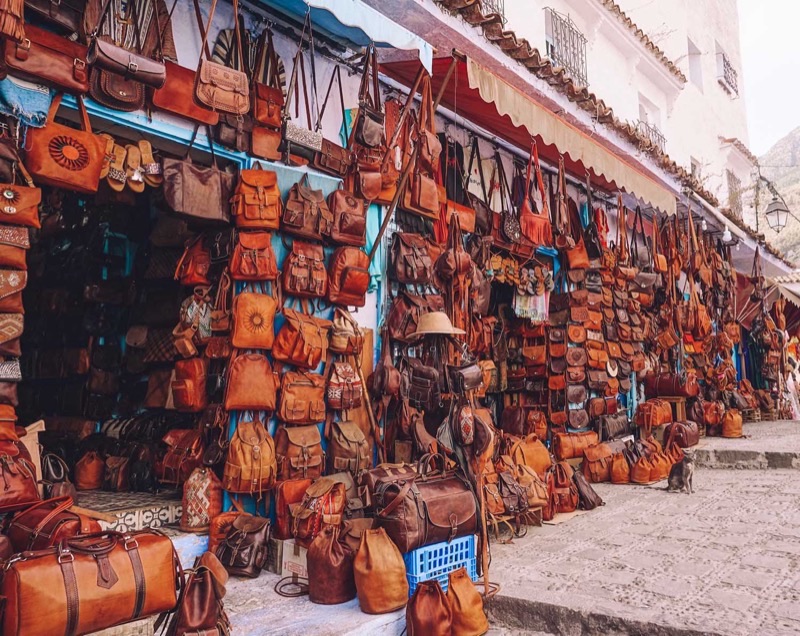
Morocco offers a more immersive and interactive shopping experience centered around its souks. Here, you will find a vast array of handcrafted goods: intricate leather bags, beautiful carpets, vibrant ceramics, brass lanterns, argan oil, and a dizzying selection of spices. The key difference is bargaining, which is an integral part of the process. A leather bag might initially be quoted at 500 MAD ($50), but a seasoned bargainer could get it for 250-300 MAD ($25-$30). This interaction, along with the sheer variety and authenticity of the artisan goods, makes Moroccan shopping a distinct highlight. While quality can vary, the unique items and the cultural experience of the souks make it a compelling destination for souvenirs and unique finds.
- Winner: Morocco
- Why: Morocco offers a more unique, interactive, and affordable shopping experience, with a vast array of authentic handcrafted goods in its traditional souks.
- Who this matters for: Travelers seeking authentic, handcrafted souvenirs, enjoy the process of bargaining, and prioritize unique local finds.
🚶♀️ Solo Travel Experience
France is an excellent destination for solo travelers. The efficient public transport makes independent exploration simple, and language barriers are manageable in tourist areas…
France is an excellent destination for solo travelers. The efficient public transport makes independent exploration simple, and language barriers are manageable in tourist areas with English speakers. There are abundant hostels and guesthouses where it is easy to meet other travelers, particularly in major cities. Dining alone is normalized, and safety is high, though pickpocketing is a concern in crowded areas. Organized tours are plentiful and a good way to see sites and socialize. A solo traveler can confidently navigate Paris, Lyon, or Nice without feeling isolated or unsafe. The overall predictability of the environment makes it less stressful.
Morocco offers a truly rewarding solo travel experience but requires more grit and self-reliance. While generally safe, solo travelers, especially women, might experience more persistent attention or hassle from touts and vendors. Navigating medinas alone can be disorienting, and communication can be harder outside of major tourist hubs. However, the cultural immersion is deeper, and the hospitality of many Moroccans is genuine. Staying in riads can offer a welcoming, family-like atmosphere. Group tours for desert trips are a popular way to meet people. For those comfortable with a bit more challenge and seeking deeper cultural engagement, Morocco is fantastic. But for overall ease and less friction, France is the simpler choice for a solo trip.
- Winner: France
- Why: France provides a smoother, more predictable solo travel experience with less cultural friction and easier independent navigation.
- Who this matters for: First-time solo travelers, those seeking comfort and ease, and travelers prioritizing independence without significant cultural hurdles.
✈️ Getting There & Logistics
France is exceptionally well-connected globally. Paris Charles de Gaulle (CDG) and Orly (ORY) are major international hubs. Direct flights from New York (JFK) to Paris typically…
France is exceptionally well-connected globally. Paris Charles de Gaulle (CDG) and Orly (ORY) are major international hubs. Direct flights from New York (JFK) to Paris typically take around 7 hours, with prices ranging from $600-$1000 USD roundtrip. From London, flights are about 1.5 hours and can cost €50-€150 ($55-$160). For many nationalities (including US, Canada, UK, Australia), France is part of the Schengen Area, meaning visa-free entry for up to 90 days for tourism is common and straightforward. Customs and immigration procedures are generally efficient and clearly communicated. The logistical ease of reaching France and entering the country is a significant advantage for international travelers.
Getting to Morocco often involves fewer direct long-haul options. From New York, a flight to Marrakech (RAK) or Casablanca (CMN) typically involves a layover, often in Europe, and can take 10-14 hours. Roundtrip prices generally range from $700-$1200 USD. Flights from London to Marrakech are around 3.5 hours, costing €80-€200 ($87-$216). Visa requirements vary; US citizens typically do not need a visa for stays under 90 days, but other nationalities may. Entry procedures can sometimes be slower and less structured than in France. The overall journey is often longer, less direct, and potentially involves more logistical planning, making France the more convenient option for initial arrival.
- Winner: France
- Why: France offers more direct international flights, easier visa processes for many travelers, and a more streamlined entry experience compared to Morocco.
- Who this matters for: Travelers prioritizing direct flights, minimal travel time, and straightforward immigration procedures.
🎯 The Decision Framework
Choose France If…
- You want a vacation with familiar comforts and reliable infrastructure.
- You desire access to world-renowned museums and classic European art.
- You prioritize high-speed train travel and efficient public transport.
- You are excited by gourmet dining experiences and fine wines.
- You want to feel completely safe and un-hassled in public spaces.
- You are a first-time solo traveler seeking an easy experience.
- You dream of strolling through charming, well-maintained city streets.
- You appreciate predictable pricing and less need for negotiation.
Choose Morocco If…
- You are on a tighter budget and want your money to stretch further.
- You crave deep cultural immersion and a sensory overload.
- You want to explore ancient medinas and practice your bargaining skills.
- You are seeking adventure activities like desert treks and mountain hikes.
- You are interested in unique handcrafted souvenirs and vibrant markets.
- You do not mind a bit of cultural friction and enjoy navigating new challenges.
- You prefer authentic, traditional guesthouses over standard hotels.
- You are eager to try different flavors and spices in everyday meals.
📅 Sample Itineraries
Weekend in Paris (3 Days)
💡 Purchase a Paris Passlib' for 2 or 3 days to save on museum entries and public transport; a 2-day pass is €119 and can save over €30 if you plan to visit multiple attractions.
Weekend in Marrakech (3 Days)
💡 Haggle for prices in the souks; a good starting point is to offer 30-50% of the initial asking price for items like leather goods or spices.
One Week in France (7 Days)
💡 Book TGV train tickets in advance, especially for longer routes like Paris to Nice, to secure better prices, often saving 30-50% compared to last-minute fares.
One Week in Morocco (7 Days)
💡 When planning a desert tour, research reputable operators and confirm what's included (food, accommodation, guides) to avoid unexpected costs or issues.
❓ Frequently Asked Questions
What is a realistic daily budget for France vs Morocco?
For France, expect around $180-$300 USD (€165-€275) per person per day for a mid-range trip, covering basic hotels, meals, and transport. Morocco is significantly cheaper, typically $60-$120 USD (€55-€110) per day for a comfortable experience, including riad stays and local food. Fine dining or luxury stays will increase these figures.
Is it easy to travel between France and Morocco?
Yes, it is fairly easy. Direct flights from major French cities like Paris or Marseille to Moroccan cities like Marrakech or Casablanca are frequent and take about 3-4 hours. Budget airlines often offer competitive prices, sometimes as low as €50-€100 ($55-$110) if booked in advance.
Which country is better for a family trip with young children?
France is generally better for families with young children due to its predictable infrastructure, high safety standards, availability of familiar food, and excellent public health system. Moroccan travel with children can be done, but it requires more planning and acceptance of different hygiene standards and potential for hassle.
What are the language differences travelers should expect?
In France, French is the official language, but English is widely spoken in major tourist areas. In Morocco, Arabic (Darija) is the official language, with French being very common due to historical ties. English speakers are present in tourist hubs but less prevalent than in France. Learning a few basic phrases in French or Darija is helpful in Morocco.
How do the seasons and weather compare for travel?
France experiences four distinct seasons, with mild springs/autumns (10-20°C/50-68°F), hot summers (20-30°C+/68-86°F+), and cold winters. Morocco has hot, dry summers (30-45°C/86-113°F+) and mild winters (10-20°C/50-68°F). Spring and autumn (March-May, September-November) are ideal for both, offering comfortable temperatures.
Which destination offers better opportunities for outdoor adventures?
Morocco takes the lead for dramatic outdoor adventures. The Sahara Desert offers camel treks and overnight stays, while the Atlas Mountains provide extensive trekking options and traditional Berber villages. France has skiing in the Alps and hiking, but Morocco offers a more rugged and distinctly different range of natural experiences.
Is it safe to drink tap water in France or Morocco?
In France, tap water is generally safe to drink everywhere, maintaining high quality standards. In Morocco, it is generally recommended that travelers stick to bottled water to avoid potential stomach upset, especially outside of major hotels or tourist restaurants. This is a common precaution for visitors.
What are the visa requirements for US citizens for each country?
US citizens can typically enter France (part of the Schengen Area) visa-free for tourism for up to 90 days within a 180-day period. For Morocco, US citizens also generally do not require a visa for stays up to 90 days. Always check the latest official government travel advisories before your trip, as policies can change.
Ready to plan your next adventure?
Get a free custom itinerary for France, Morocco, or both — built from real traveler insights.
👥 Travelers Also Compared
🎟️ Book Tours & Experiences
Hand-picked tours and activities for both destinations — book with free cancellation
Experiences via Viator — free cancellation on most tours