How we built this comparison
This page combines traveler discussion patterns, published price ranges, flight schedules, and seasonal data to help you decide between France and Norway.
- Reviewed 50+ Reddit threads from r/travel, r/solotravel, r/France, r/Norway, r/AskEurope
- Verified costs and logistics against current booking platforms (Booking.com, Skyscanner, SNCF, Vy.no)
- Cross-referenced seasonal patterns and weather data from meteorological sources
⚡ Quick Answers
⚡ The TL;DR Verdict
For most travelers looking for a mix of culture, food, and history without breaking the bank, France is the clear choice with daily budgets typically running $85-160. Norway offers unparalleled natural scenery but comes at a significantly higher cost, often $95-170+ per day, making it better for specific outdoor-focused trips.
- Choose France: If you prioritize history, art, diverse regional cuisines, wine, and a generally more affordable experience with good public transport, France will deliver. It suits those who appreciate city exploration, museum visits, and relaxed cafe culture.
- Choose Norway: Opt for Norway if dramatic fjords, northern lights, hiking, and a strong connection with nature are your primary goals, and you have a generous budget. It caters to active travelers who enjoy remote landscapes and outdoor activities.
- Choose Both: To experience both, allocate at least 10-14 days for France focusing on Paris and a region like Provence, then 5-7 days for Norway concentrating on a specific area like the fjords around Bergen or the Lofoten Islands. Budget well for the Norwegian leg.
Choose France
Choose France if you dream of savoring exquisite wines in Bordeaux, wandering through the Louvre in Paris, or relaxing on the French Riviera without overspending. It's best for culture enthusiasts and foodies who seek a rich blend of history, art, and world-class gastronomy at a more accessible price point, offering unparalleled variety from bustling cities to charming villages.
Choose Norway
Opt for Norway if your heart yearns for breathtaking natural wonders like the Geirangerfjord, chasing the Northern Lights in Tromsø, or embarking on epic hikes in the Lofoten Islands. This destination is ideal for adventurous travelers with a generous budget who prioritize dramatic landscapes, unique wildlife encounters, and immersive outdoor experiences over urban exploration.
📊 Visual Scorecard
🌤 When to Visit
Average high temperatures (°C). Green = best months, orange = avoid.
Quick Comparison
| Category | France | Norway | Winner |
|---|---|---|---|
| Costs & Budget | Generally more affordable, especially outside Paris. Good value for food and wine. | Among Europes most expensive countries. High prices for food, alcohol, and transport. | France |
| Nature & Outdoors | Diverse landscapes from alpine peaks to Mediterranean beaches, national parks. | Dramatic fjords, northern lights, Midnight Sun, vast wilderness, glaciers. | Norway |
| Food & Drink | Diverse regional cuisines, wine culture, bakeries, cafes, Michelin-starred restaurants. | Focus on fresh seafood, hearty local ingredients, high prices, aquavit. | France |
| Culture & History | Ancient Roman ruins, medieval castles, Renaissance art, Enlightenment philosophy, modern art. | Viking heritage, Sami culture, Edvard Munch, modern architecture, strong outdoor identity. | France |
| Getting Around | Excellent high-speed rail (TGV), extensive regional train and bus networks, metro in major cities. | Efficient but expensive public transport. Focus on ferries, scenic trains, and driving in rural areas. | France |
| Accommodation | Wide range from budget hostels to luxury hotels, charming gites, diverse options. | Limited budget options, expensive hotels, cabins (hytter) and camping are common alternatives. | France |
| Nightlife | Diverse options from Parisian clubs to cozy wine bars, lively pubs, late-night dining. | Social scene often centers around pubs and bars, high alcohol prices, earlier closing times. | France |
| Safety | Generally safe, but watch for petty crime in tourist areas, especially Paris. | One of the safest countries globally, very low crime rates. | Norway |
| Weather & Seasons | Mediterranean south, continental central, oceanic west. Diverse climate zones. | Temperate coastal, Arctic north. Dramatic seasonal changes, long daylight in summer, dark winters. | Tie |
| Solo Travel | Easy to navigate, welcoming cafe culture, numerous hostels, good public transport. | Safe, easy to meet people on tours/hostels, higher costs can be a barrier. | France |
💰 Costs & Budget
France offers a relatively balanced cost experience. A reasonable daily budget for Paris might be €80-€150 ($85-$160) including accommodation in a budget hotel, food from bakeries…
France
Norway
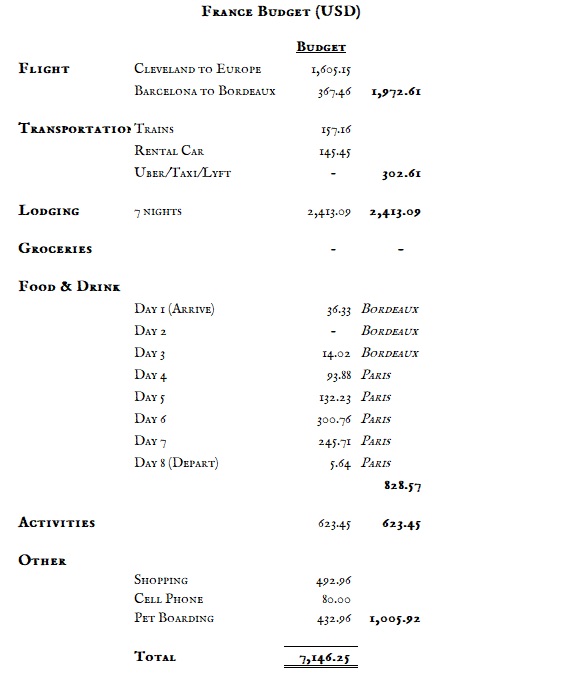
France offers a relatively balanced cost experience. A reasonable daily budget for Paris might be €80-€150 ($85-$160) including accommodation in a budget hotel, food from bakeries and casual restaurants, and metro passes. Outside major cities, costs drop further; a decent meal in a small town can be €15-€25 ($16-$27). A baguette sandwich is often €5 ($5.30), a coffee €3-€4 ($3.20-$4.30). Museum entries like the Louvre cost around €17 ($18) and are often free on the first Sunday of the month. Train travel between cities is efficient but can add up if not booked in advance.
Norway is known for its high cost of living, which directly translates to travel expenses. Expect a daily budget of NOK 1000-NOK 1800 ($95-$170) or more, even for budget-conscious travelers. A single coffee can be NOK 45-NOK 60 ($4.30-$5.70), and a standard beer at a bar will set you back NOK 100-NOK 120 ($9.50-$11.50). Groceries are expensive, so self-catering helps. A budget meal in a cafe might be NOK 150-NOK 250 ($14-$24), while a sit-down dinner starts at NOK 300-NOK 500 ($28-$47). Public transport in Oslo is NOK 42 ($4) for a single zone ticket. Accommodation, especially outside camping, is a major expense. France wins this category by a significant margin for budget travelers.
- Winner: France
- Why: France consistently offers better value across accommodation, food, and activities, making a longer trip more feasible for most budgets.
- Who this matters for: Budget-conscious travelers, families, and those planning extended stays.
🌲 Nature & Outdoors
France provides a good range of natural settings. The French Alps offer hiking and skiing, with Mont Blanc as a prominent feature. The Pyrenees in the south provide mountain…
France
Norway
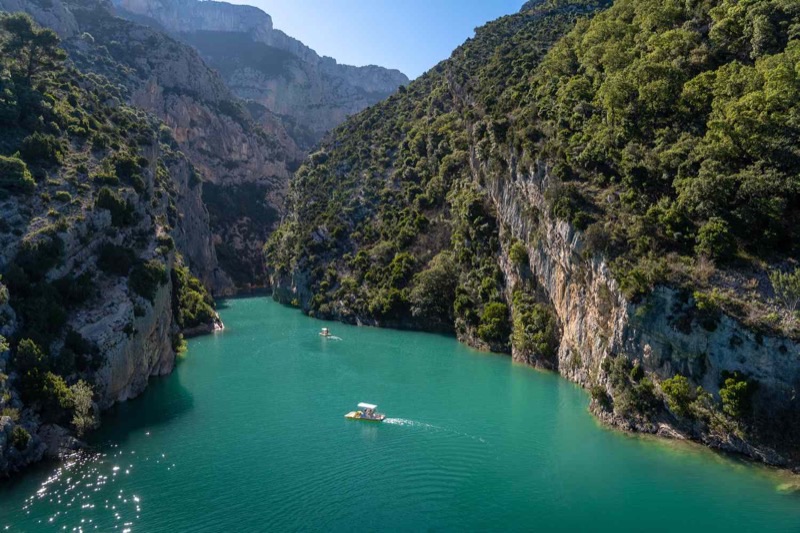
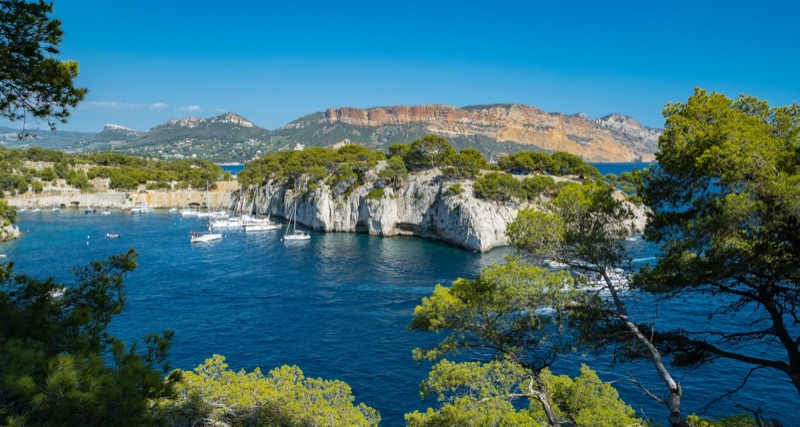
France provides a good range of natural settings. The French Alps offer hiking and skiing, with Mont Blanc as a prominent feature. The Pyrenees in the south provide mountain trails and thermal springs. Along the Mediterranean, the Calanques National Park near Marseille features limestone cliffs and turquoise coves for kayaking and swimming. The Loire Valley is known for its gentle river landscapes and cycling routes. Even near Paris, Fontainebleau forest provides rock climbing and walking paths. While varied, Frances natural elements often serve as a backdrop to cultural experiences or are part of managed parks.
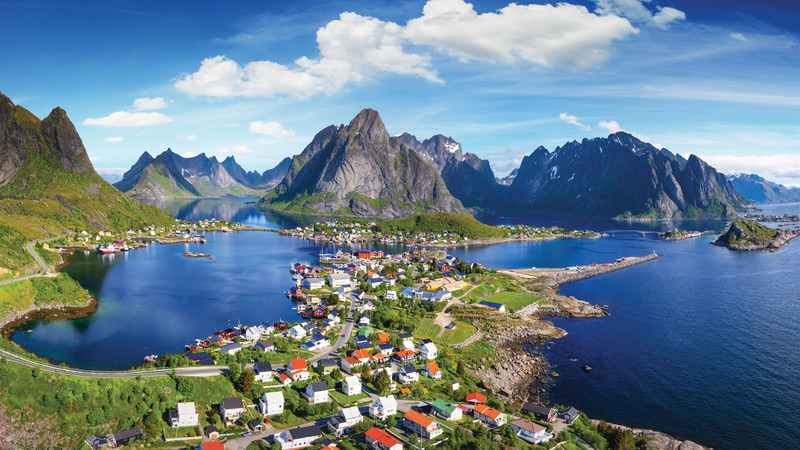
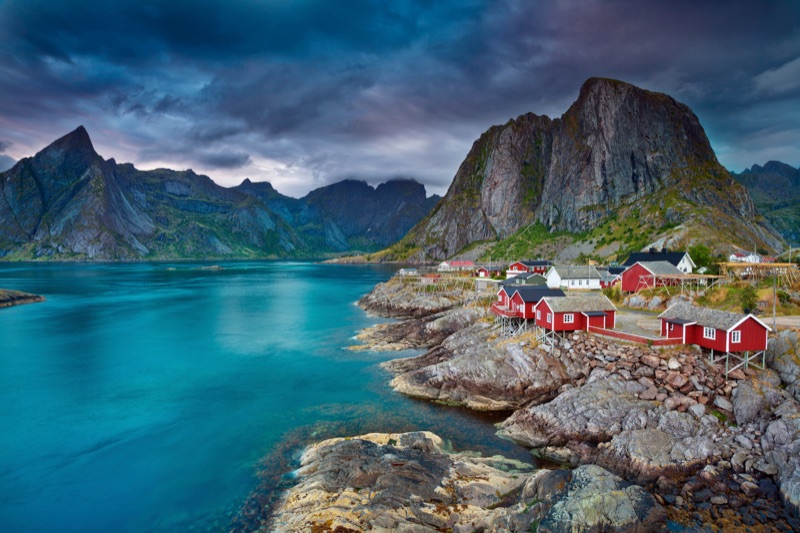
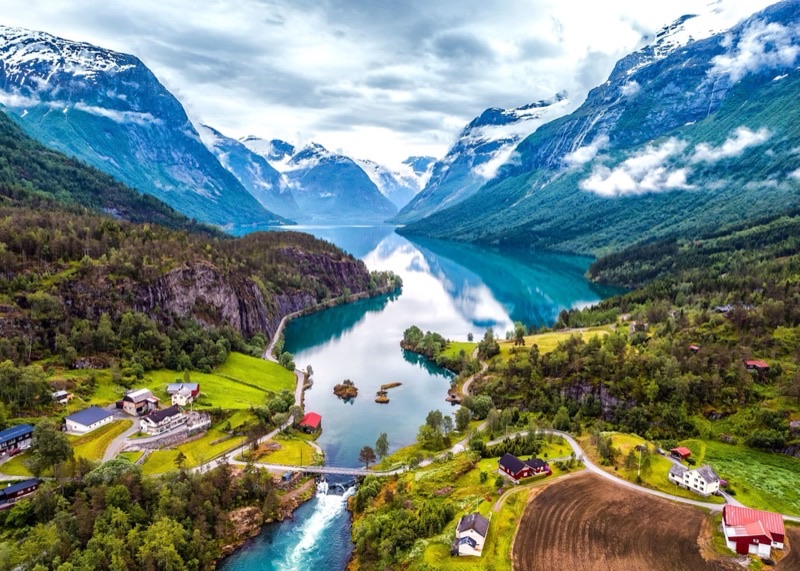
Norway takes the lead for raw, immersive natural experiences. The fjord landscape, particularly Geirangerfjord and Nærøyfjord (both UNESCO sites), presents deep blue waters framed by towering cliffs and waterfalls. The Lofoten Islands in the north offer jagged mountains, white sand beaches, and fishing villages. During winter, the Northern Lights are visible across much of the country, while summer brings the Midnight Sun above the Arctic Circle. Popular hikes include Pulpit Rock (Preikestolen) and Trolltunga. Accessing these areas often involves ferries or scenic drives, but the landscapes are genuinely unique. Norway is the clear winner for pure, dramatic natural environments.
- Winner: Norway
- Why: Norway presents some of the planets most impressive natural phenomena and landscapes, particularly its fjords and the Northern Lights, which are unparalleled.
- Who this matters for: Adventure seekers, hikers, photographers, and those prioritizing unique natural wonders over urban exploration.
🍷 Food & Drink
France is a gastronomic powerhouse with regional specialties that vary significantly. In Paris, you can find classic bistro fare like steak frites for €20-€30 ($21-$32), or…

France

Norway
France is a gastronomic powerhouse with regional specialties that vary significantly. In Paris, you can find classic bistro fare like steak frites for €20-€30 ($21-$32), or explore markets like Marché des Enfants Rouges for affordable diverse eats. Lyon is Frances culinary capital, known for its Bouchons serving local dishes like coq au vin and quenelles. Bordeaux and Burgundy are synonymous with wine, offering tastings from €10-€30 ($10.70-$32) at vineyards. Bakeries (boulangeries) are everywhere, providing fresh croissants for €1.50 ($1.60) and pain au chocolat. The cafe culture is integral, offering places to relax with a coffee for €3-€4 ($3.20-$4.30). Even supermarket wine is usually decent and affordable.
Norwegian food culture emphasizes fresh, local ingredients, especially seafood. Expect salmon, cod, and shellfish to be prominent. Traditional dishes include fårikål (lamb and cabbage stew) and kjøttkaker (meatballs). Brunost (brown cheese) is a staple, often served with waffles. While the quality is high, the cost is a barrier. A standard plate of fish and chips in Oslo can be NOK 200-NOK 300 ($19-$28). Fine dining is available but very expensive. Alcohol is heavily taxed, making beer at a pub NOK 100-NOK 120 ($9.50-$11.50) and a bottle of wine from a Vinmonopolet (state liquor store) easily NOK 150-NOK 250 ($14-$24). For variety, affordability, and sheer culinary depth, France offers a superior experience.
- Winner: France
- Why: France provides a far richer and more diverse culinary experience at every price point, from street food to Michelin dining, with an unparalleled wine culture.
- Who this matters for: Foodies, gourmands, wine enthusiasts, and those who consider eating a central part of their travel experience.
🏛️ Culture & History
France boasts an expansive historical and cultural legacy. From Roman amphitheaters in Arles and Nîmes to the medieval Cite de Carcassonne. The Loire Valley is dotted with…
France
Norway
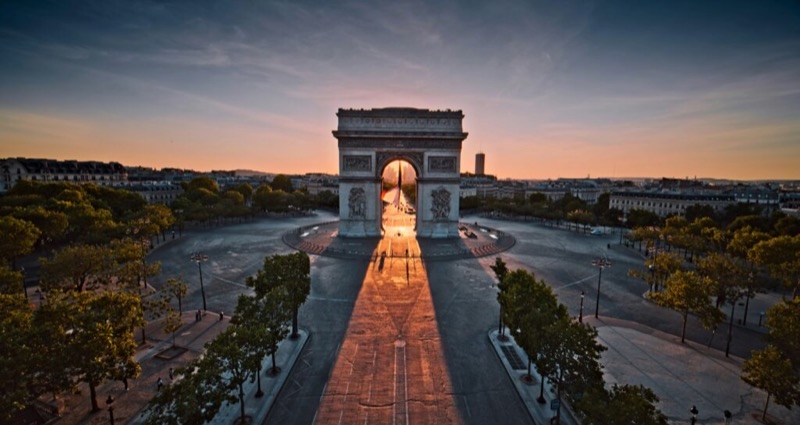
France boasts an expansive historical and cultural legacy. From Roman amphitheaters in Arles and Nîmes to the medieval Cite de Carcassonne. The Loire Valley is dotted with chateaux like Chenonceau and Chambord, costing around €15-€20 ($16-$21) for entry. Paris alone has the Louvre Museum (entry €17/$18), Musée d'Orsay, and the Palace of Versailles (€18/$19), showcasing centuries of art, royalty, and revolution. The French Revolution and two World Wars left significant marks, with memorials and museums across the country. French literature, philosophy, and fashion have global influence, all tangible when exploring cities and towns.
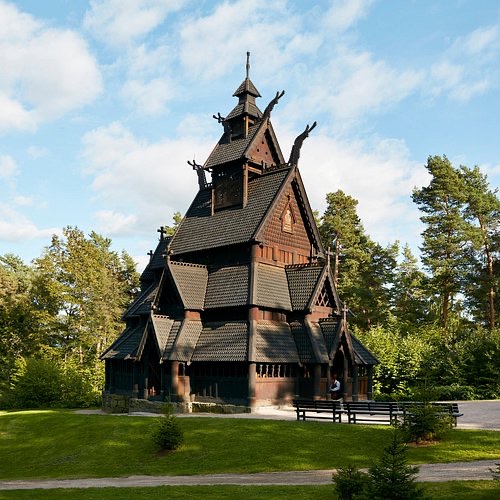
Norways history is primarily defined by its Viking Age (8th to 11th centuries) and its more recent emergence as a modern, prosperous nation. The Viking Ship Museum in Oslo (now part of the Museum of Cultural History, entry NOK 150/$14) offers insights into ancient maritime culture. Bergen preserves its Hanseatic trading history in Bryggen, a UNESCO site. Edvard Munchs art is housed in Oslos National Museum (entry NOK 180/$17). Sami culture in the Arctic regions represents an indigenous heritage. While important, the historical breadth and sheer volume of cultural institutions in Norway are not as extensive or diverse as in France. France offers a deeper dive into a broader range of historical periods and artistic movements.
- Winner: France
- Why: France offers a vast and continuous historical narrative, from Roman times to the present, with an incredible collection of art, architecture, and cultural institutions.
- Who this matters for: History buffs, art lovers, architecture enthusiasts, and those seeking deep cultural immersion.
🚆 Getting Around
France has one of Europes most developed transport infrastructures. The TGV high-speed train connects major cities efficiently; Paris to Lyon takes about 2 hours, costing €40-€80…
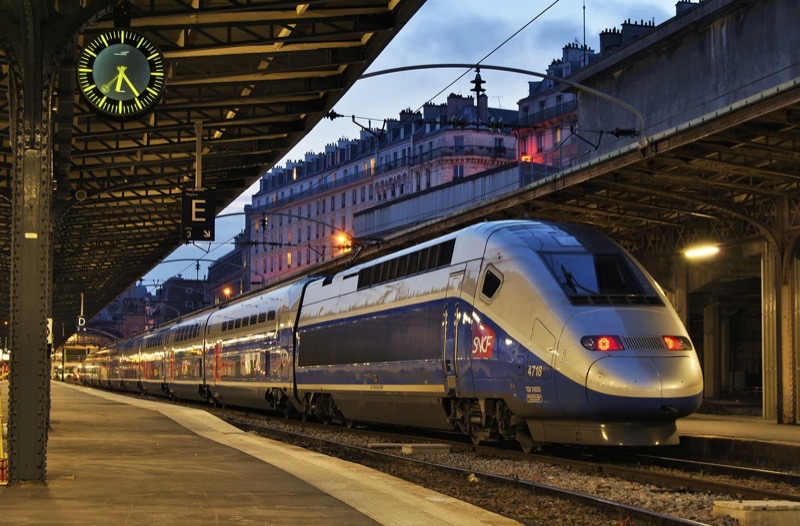
France
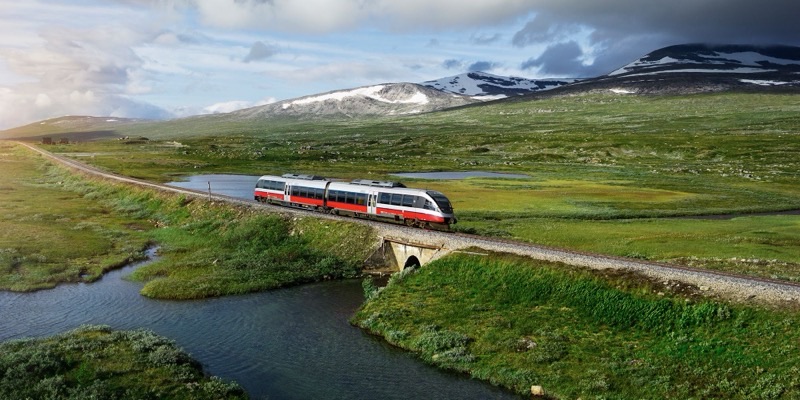
Norway
France has one of Europes most developed transport infrastructures. The TGV high-speed train connects major cities efficiently; Paris to Lyon takes about 2 hours, costing €40-€80 ($43-$85) if booked in advance. Regional trains (TER) and intercity buses (e.g., FlixBus, BlaBlaBus) cover smaller towns. Paris boasts an extensive and affordable metro system; a 10-pack of tickets (carnet) costs €16.90 ($18). Driving is an option, but tolls can be frequent, and city parking is difficult. Car rentals typically start from €30-€50 ($32-$53) per day. The sheer coverage and affordability make internal travel straightforward.
Norway's public transport is efficient but significantly more expensive. Trains like the Bergen Line offer scenic routes but are pricey; Oslo to Bergen can cost NOK 600-NOK 1000 ($57-$95). Buses connect most towns. Ferries are crucial for navigating the fjords, with costs varying widely based on routes and vehicle carriage. Driving is popular for exploring remote natural areas, but gas is expensive (around NOK 25/$2.40 per liter), and tolls are common. Car rental can be NOK 600-NOK 1000 ($57-$95) per day. Urban transport in Oslo is reliable but a single metro ticket is NOK 42 ($4). While scenic, Norways transport costs and less comprehensive network, especially off the main routes, make France the easier and cheaper country to navigate.
- Winner: France
- Why: France's high-speed rail, extensive regional networks, and affordable urban transport offer a more convenient and cost-effective way to travel throughout the country.
- Who this matters for: Travelers without a car, those on a tighter budget, and those who prefer efficient and widespread public transit.
🏨 Accommodation
France offers a broad spectrum of accommodation. In Paris, a decent hostel bed can be found for €30-€50 ($32-$53) a night. Mid-range hotels in cities typically range from €80-€150…
France offers a broad spectrum of accommodation. In Paris, a decent hostel bed can be found for €30-€50 ($32-$53) a night. Mid-range hotels in cities typically range from €80-€150 ($85-$160). Rural areas offer gites (holiday rentals), B&Bs, and smaller hotels at lower prices. A two-star hotel in a provincial town might be €60-€100 ($64-$107). Booking platforms list thousands of options, and competition helps keep prices somewhat in check. You can find historic hotels, modern chains, or charming boutique stays.
Accommodation in Norway is considerably more expensive. A hostel bed in Oslo or Bergen starts around NOK 400-NOK 700 ($38-$66) per night. Mid-range hotels are often NOK 1200-NOK 2000 ($113-$189) in major cities, and even more in popular fjord regions during peak season. Budget hotels can be hard to find. Many travelers opt for hytter (cabins) at campgrounds, which can be more economical (NOK 500-NOK 1000/$47-$95 for a basic cabin), especially for groups. Camping is a popular and relatively affordable option, with sites costing NOK 200-NOK 400 ($19-$38) for a tent pitch. Wild camping is permitted in many areas with restrictions. For overall availability, variety, and affordability, France is the clear choice.
- Winner: France
- Why: France offers a significantly wider range of accommodation types and price points, making comfortable stays accessible to more budgets.
- Who this matters for: Budget travelers, those seeking comfort without high costs, and anyone looking for diverse lodging experiences.
🎉 Nightlife
French nightlife is diverse and often extends into the early hours. Paris has extensive options, from sophisticated cocktail bars in Le Marais to energetic nightclubs in Bastille…
French nightlife is diverse and often extends into the early hours. Paris has extensive options, from sophisticated cocktail bars in Le Marais to energetic nightclubs in Bastille and Oberkampf. A cocktail typically costs €12-€18 ($13-$19). Many bars stay open until 2-4 AM. Beyond clubs, there are jazz bars, live music venues, and a strong culture of enjoying wine at a cafe terrace until late. Regional cities like Lyon and Marseille also have lively scenes, often centered around student populations. Wine bars are prevalent across the country, offering a relaxed social atmosphere. Dinner often starts late, so the evening naturally stretches out.
Norways nightlife is active but generally winds down earlier than in France, and the high cost of alcohol impacts participation. Oslo and Bergen have a selection of bars, pubs, and a few nightclubs. A beer at a pub will be NOK 100-NOK 120 ($9.50-$11.50), and a cocktail easily NOK 150-NOK 200 ($14-$19). Many establishments close around 1-2 AM on weekdays, later on weekends. The social scene is often centered around pre-drinking at home before going out. While there are good spots for live music and a relaxed drink, the expense and earlier closing times make it less accessible and diverse than Frances offerings. France wins for its breadth, affordability, and later hours.
- Winner: France
- Why: France offers a more varied and accessible nightlife scene across all price points, with later closing times and a stronger culture of evening entertainment.
- Who this matters for: Party-goers, social travelers, and those who enjoy late-night dining and entertainment.
🛡️ Safety
France is generally a safe country for travelers, but like any major tourist destination, it has areas where petty crime is prevalent. In Paris, pickpocketing is common on the…
France is generally a safe country for travelers, but like any major tourist destination, it has areas where petty crime is prevalent. In Paris, pickpocketing is common on the metro, at major attractions like the Eiffel Tower, and in crowded areas. It is advisable to keep valuables secure and be aware of surroundings. Violent crime is rare. Some larger cities may have areas to avoid late at night, but overall, with common sense precautions, travelers face minimal risks. The emergency number is 112 for all services. Travelers report feeling comfortable, especially outside large urban centers.
Norway consistently ranks among the safest countries in the world. Crime rates are very low across the board, including petty theft. Travelers can generally feel secure walking alone at night in cities and leaving belongings unattended in less crowded areas, although basic precautions are always advised. Serious crime against tourists is almost unheard of. The biggest safety concerns often relate to outdoor activities, such as hiking in remote areas or adverse weather conditions, rather than human threat. The emergency number is 112 for police, 110 for fire, and 113 for ambulance. Norway provides a higher level of peace of mind for travelers concerned about safety.
- Winner: Norway
- Why: Norway has exceptionally low crime rates and a strong sense of public safety, making it one of the most secure destinations for travelers.
- Who this matters for: Solo female travelers, families with young children, and anyone prioritizing a worry-free travel experience regarding personal safety.
☀️ Weather & Seasons
France offers a variety of climates. The south (e.g., French Riviera) enjoys hot, dry summers (25-30°C/77-86°F) and mild, wet winters. Central France has a continental climate…
France offers a variety of climates. The south (e.g., French Riviera) enjoys hot, dry summers (25-30°C/77-86°F) and mild, wet winters. Central France has a continental climate with warmer summers and colder winters, sometimes with snow. The west has an oceanic climate with mild temperatures and more rain year-round. Spring (April-May) and autumn (September-October) are generally pleasant with fewer crowds, temperatures around 15-20°C (59-68°F), and are ideal for touring cities and vineyards. Summers can be crowded and hot, especially in August. Winters are generally mild in cities, but cold in the mountains.
Norway experiences distinct seasons. Coastal areas have a milder, oceanic climate due to the Gulf Stream, while inland and northern regions are colder. Summers (June-August) are relatively cool, typically 15-20°C (59-68°F), with very long daylight hours, even Midnight Sun above the Arctic Circle, which is ideal for hiking and exploring fjords. Winters (November-March) are cold, with temperatures often below freezing, heavy snow, and limited daylight (polar night in the north), but offer Northern Lights viewing and winter sports. Spring and autumn are transitional, with rapidly changing weather. The best season depends entirely on your desired activities. Both countries offer distinct seasonal appeals depending on what you seek.
- Winner: Tie
- Why: Both countries offer equally compelling but very different seasonal experiences; the 'winner' depends entirely on a traveler's specific weather preferences and planned activities.
- Who this matters for: Travelers with specific seasonal preferences (e.g., beach lovers vs. Northern Lights seekers), or those seeking particular outdoor conditions.
🚶♀️ Solo Travel
France is an excellent destination for solo travelers. Its extensive and affordable public transport network makes independent exploration straightforward. Cities like Paris,…
France is an excellent destination for solo travelers. Its extensive and affordable public transport network makes independent exploration straightforward. Cities like Paris, Lyon, and Bordeaux have many hostels and budget-friendly hotels. The cafe culture provides easy opportunities for people-watching and a relaxed meal or drink without feeling out of place. Group tours are readily available for specific interests like wine tasting or historical sites. French people are generally welcoming, especially if you attempt a few basic French phrases. Safety is good with standard urban precautions, and the diverse activities mean you are never without something to do, whether it is visiting museums or hiking in the countryside.
Norway is also very welcoming and safe for solo travelers, often ranking highly for solo female travel. English is widely spoken, which simplifies communication. Hostels in major cities like Oslo and Bergen are good places to meet other travelers, and joining guided tours for fjord cruises or Northern Lights hunts is common. However, the high cost of accommodation, meals, and activities can make solo travel more expensive since you are not splitting costs. This often means relying more on self-catering from supermarkets, which can limit the culinary experience. While stunning, the isolated nature of many natural attractions means solo travelers might feel more alone unless actively seeking out group activities. France offers a more affordable and socially integrated solo experience.
- Winner: France
- Why: France provides a more affordable and socially integrated experience for solo travelers, with a stronger cafe culture and easier access to varied activities without group reliance.
- Who this matters for: Solo travelers on a budget, those seeking social interaction in cities, and those who prefer independent exploration without a car.
🎯 The Decision Framework
Choose France If…
- You want to explore diverse regional cuisines and accessible wines.
- You appreciate art museums like the Louvre and historical sites like Versailles.
- You prefer an extensive, affordable public transport network, especially trains.
- Your budget leans towards €80-€150 ($85-$160) per day for a comfortable trip.
- You enjoy the social atmosphere of cafes and late-night city life.
- You want to combine city exploration with charming small towns and chateaux.
- You speak some French or are comfortable navigating with English in major tourist areas.
Choose Norway If…
- You prioritize seeing dramatic fjords like Geirangerfjord and Pulpit Rock.
- You are chasing the Northern Lights or experiencing the Midnight Sun.
- You enjoy hiking, kayaking, and other active outdoor pursuits in natural settings.
- You have a higher budget, comfortable with NOK 1000-NOK 1800 ($95-$170) or more per day.
- You value exceptional safety and a clean, pristine environment.
- You are comfortable with self-catering to manage food costs.
- You are interested in Viking history and modern Scandinavian design.
📅 Sample Itineraries
Weekend in France (3 Days)
💡 Purchase a Paris Passlib' for 2-3 days to save on museum entries and public transport, potentially saving $20-30 on attractions.
Weekend in Norway (3 Days)
💡 Buy an Oslo Pass for 24, 48, or 72 hours for free public transport and museum entries, saving around $25-40 on a 48-hour pass.
One Week in France (7 Days)
💡 Book TGV train tickets in advance for significant savings, often 30-50% off last-minute fares, especially for longer journeys like Paris to Nice.
One Week in Norway (7 Days)
💡 Purchase the 'Norway in a Nutshell' package as it combines train, bus, and ferry tickets, offering convenience and sometimes small savings compared to booking each leg separately, especially during peak season.
❓ Frequently Asked Questions
Which country is better for a honeymoon?
France, especially Paris or the French Riviera, is generally preferred for honeymoons due to its romantic atmosphere, world-class dining, and luxurious accommodation options that are still more affordable than similar offerings in Norway. Expect to spend €200-€400 ($215-$430) per day for a mid-range romantic trip in France, while Norway could easily exceed NOK 3000-NOK 5000 ($285-$475) for comparable experiences.
Is it easy to travel between France and Norway?
Direct flights connect major cities like Paris (CDG) and Oslo (OSL) in about 2 hours, costing roughly €80-€200 ($85-$215) depending on booking in advance and airline. There are no direct train routes, so flying is the most practical and time-efficient option for inter-country travel.
Which country has better hiking opportunities?
Norway offers more dramatic and visually striking hiking trails, particularly around its fjords (like Preikestolen or Trolltunga) and in the Lofoten Islands, often involving challenging terrain and exposed paths. France has diverse hiking, from the Alps to the Pyrenees, but the raw, epic scale of Norways trails is generally considered more unique and challenging for serious hikers.
What is the best time of year to visit each country?
For France, late spring (April-May) and early autumn (September-October) offer pleasant weather (15-20°C/59-68°F) and fewer crowds. For Norway, summer (June-August) is ideal for exploring fjords and enjoying long daylight (15-20°C/59-68°F), while winter (November-March) is best for Northern Lights and winter sports, with temperatures often below 0°C (32°F).
Which country is better for families with young children?
France is generally more family-friendly, offering diverse attractions like Disneyland Paris, manageable city parks, and varied food options, often with children's menus at restaurants. Travel costs are lower, and public transport is convenient. Norway is safe but the high costs and emphasis on outdoor activities may be less suited for very young children unless camping or self-catering extensively.
Can I see both countries in a 10-day trip?
It is possible but rushed. You could spend 5-6 days in Paris and then fly to Oslo for 4-5 days to see some of the city and a nearby fjord. This leaves little time for in-depth exploration or relaxing. A 14-day trip would be better, allowing 7-8 days in France and 6-7 days in Norway for a more balanced experience.
Is English widely spoken in both countries?
In Norway, English is very widely spoken, especially by younger generations and in tourist-facing roles, making communication straightforward. In France, English is understood in major tourist areas, hotels, and larger cities, but less so in rural regions. Basic French phrases are appreciated and can improve interactions.
Which country offers more budget-friendly activities?
France offers significantly more budget-friendly activities. Many museums have free entry days or student discounts, walking tours are often free (tip-based), and enjoying public parks or strolling through markets costs nothing. In Norway, while natural landscapes are free to access, tours, equipment rentals, and even public transport to reach trailheads can be expensive, adding up quickly.
Ready to plan your European trip?
Get a free custom itinerary for France, Norway, or both — built from real traveler insights.
👥 Travelers Also Compared
🎟️ Book Tours & Experiences
Hand-picked tours and activities for both destinations — book with free cancellation
Experiences via Viator — free cancellation on most tours