How we built this comparison
This page combines traveler discussion patterns, published price ranges, flight schedules, and seasonal data to help you decide between France and Portugal.
- Reviewed 100+ Reddit threads from r/travel, r/solotravel, r/FranceTravel, r/Portugal, r/lisbon, and r/paris for current insights.
- Verified costs and logistics against current booking platforms like Booking.com, Kayak, and local transport sites (SNCF, CP, Rede Expressos).
- Cross-referenced seasonal patterns and weather data from meteorological sources to advise on best travel times.
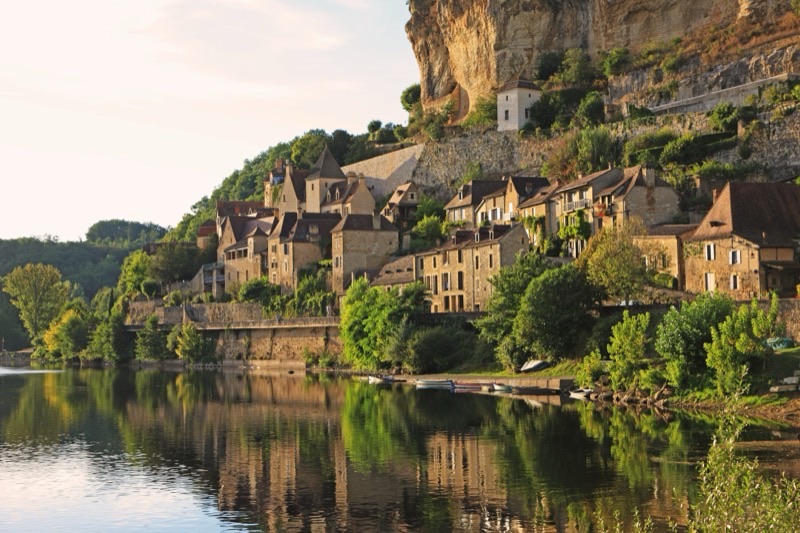
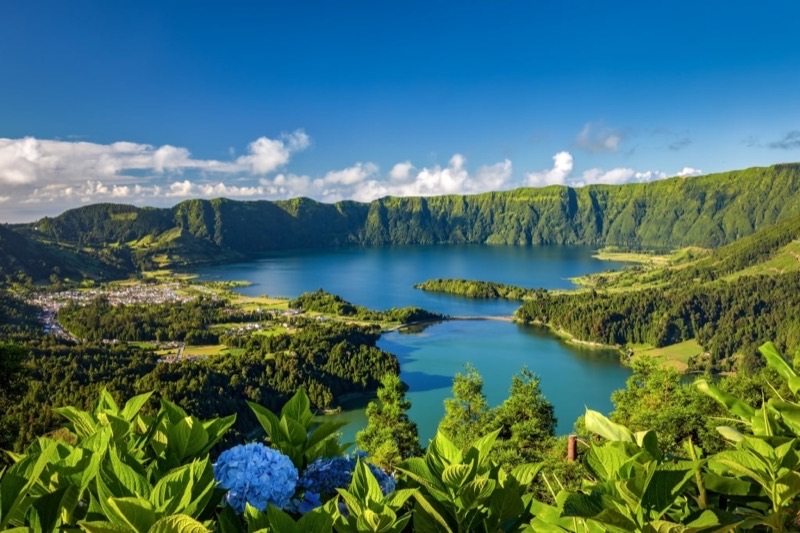
⚡ Quick Answers
⚡ The TL;DR Verdict
For most travelers seeking excellent value, sunny skies, and a relaxed atmosphere, Portugal is the clear choice, with daily budgets often around €70-110 ($75-120 USD). If you prioritize extensive art museums, grand architecture, specific wine regions, and a higher-end gastronomic experience, France is superior, though expect to spend €110-180 ($120-200 USD) per day.
- Choose France: If you are interested in deep dives into art history, expansive wine country tours, specific regional cuisines beyond seafood, and dont mind a higher daily spend. Travelers seeking extensive high-speed rail networks and diverse landscapes from Alps to Riviera will appreciate France.
- Choose Portugal: If you want a more budget-friendly trip, love fresh seafood, desire consistent sunshine, and enjoy a relaxed pace with beautiful coastlines. This is ideal for those prioritizing outdoor activities, beach time, and a laid-back social atmosphere.
- Choose Both: To experience both, allocate at least 10-14 days. Start in Portugal for a week, then take a low-cost flight (e.g., Ryanair from Lisbon to Paris Beauvais) to France for the second week. This allows you to contrast the two cultures effectively.
Choose France
Choose France if your travel desires include deep dives into art history at the Louvre, marveling at iconic architecture like the Eiffel Tower, or indulging in Michelin-starred gastronomy. This destination is best for culture enthusiasts, luxury travelers, and those seeking sophisticated city experiences or grand châteaux in the Loire Valley, accepting a higher daily budget.
Choose Portugal
Opt for Portugal if you crave sun-drenched beaches along the Algarve, exploring charming historic neighborhoods like Lisbon's Alfama, and savoring incredibly fresh seafood at an excellent value. This country is ideal for budget-conscious travelers, surf enthusiasts, and anyone seeking a laid-back vacation filled with coastal beauty, vibrant street art, and a welcoming atmosphere.
📊 Visual Scorecard
🌤 When to Visit
Average high temperatures (°C). Green = best months, orange = avoid.
Quick Comparison
| Category | France | Portugal | Winner |
|---|---|---|---|
| Food & Drink | Haute cuisine, diverse regional specialties, prominent wine regions, high dining costs. | Seafood focus, traditional pastries, specific fortified wines, budget-friendly options. | France |
| Costs & Budget | Higher daily spend for accommodation, food, and transport, especially in Paris. | Lower daily spend across all categories, making it a budget-friendly option. | Portugal |
| Getting Around | Extensive high-speed rail (TGV) network, efficient public transport in cities. | Good intercity buses, some rail, often requires driving for rural areas. | France |
| Culture & History | Art museums (Louvre), grand chateaux, Roman ruins, revolution history. | Age of Discoveries, Moorish influence, Fado music, specific tile art. | France |
| Nature & Scenery | Alps, lavender fields, Atlantic coast, Loire Valley, dramatic canyons. | Algarve cliffs, Douro Valley, volcanic Azores, national parks. | France |
| Beaches & Coastline | French Riviera, Normandy D-Day beaches, Atlantic surf spots. | Algarve golden cliffs, Atlantic surf spots, Lisbon-area beaches. | Portugal |
| Nightlife & Social Scene | Sophisticated bars, specific club districts, often closes earlier. | Lively street scenes, late-night bars, accessible prices, Fado music. | Portugal |
| Accommodation | Higher average costs, boutique hotels, gîtes, limited budget options in cities. | Lower average costs, guesthouses, hostels, good value for money. | Portugal |
| Safety & Comfort | Generally safe, but petty crime in tourist areas. Demonstrations can occur. | Very safe, relaxed atmosphere, low crime rates, friendly locals. | Portugal |
| Best Time to Visit | Spring/Fall for cities, Summer for south, winters cold in north. | Spring/Fall ideal, Summer for beaches, mild winters. | Portugal |
🍷 Food & Drink
France offers a deeply ingrained food culture, with emphasis on regional specificity and formal dining. Paris has numerous Michelin-starred restaurants, where a tasting menu can…
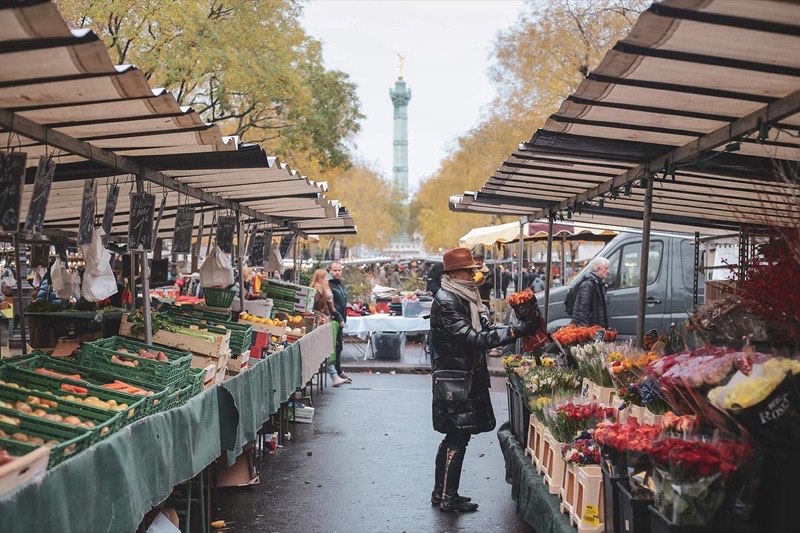
France
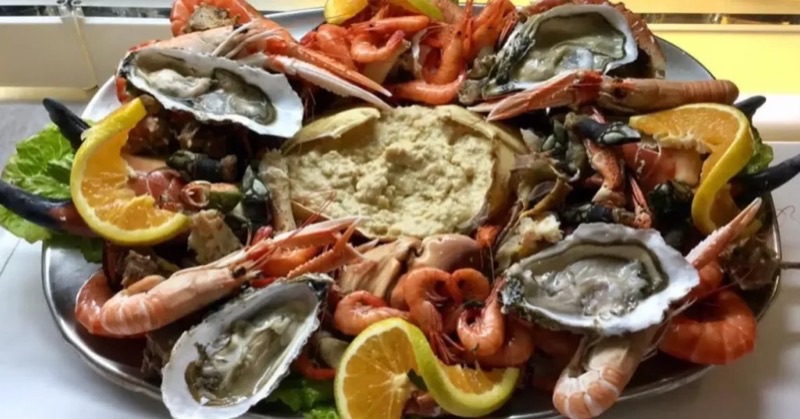
Portugal
France offers a deeply ingrained food culture, with emphasis on regional specificity and formal dining. Paris has numerous Michelin-starred restaurants, where a tasting menu can easily exceed €150 ($160 USD) per person, such as at Arpège. Casual dining, like a crêpe from a street vendor for €5 ($5.50 USD) or a Croque Monsieur for €10-15 ($11-16 USD), is available but often less central to the overall experience. Wine from Burgundy, Bordeaux, or Champagne is a core part of the experience, with vineyard tours and tastings varying from €20-€80 ($22-88 USD).
Portugal excels in fresh seafood, which is often grilled simply and served with basic sides. A grilled sea bass at a restaurant in Cascais might cost €15-25 ($16-27 USD), significantly less than comparable seafood in France. Pastel de nata, a traditional custard tart, costs around €1.20 ($1.30 USD) at Pasteis de Belem. Portuguese wines, particularly Vinho Verde and Douro reds, offer excellent value. Port wine tasting in Porto typically costs €10-30 ($11-33 USD). Overall, the food experience in Portugal feels more accessible and less formal. For travelers prioritizing culinary depth, specific regional dishes, and high-end dining, France provides a more extensive and recognized experience.
- Winner: France
- Why: France provides a more diverse and widely recognized culinary landscape with an emphasis on specific regional dishes and formal dining.
- Who this matters for: Foodies, those interested in specific wine regions, and travelers willing to spend more on dining experiences.
💰 Costs & Budget
France is consistently more expensive than Portugal. In Paris, a mid-range hotel often costs €120-200 ($130-220 USD) per night, while a sit-down meal can range from €25-45 ($27-50…
France
Portugal
France is consistently more expensive than Portugal. In Paris, a mid-range hotel often costs €120-200 ($130-220 USD) per night, while a sit-down meal can range from €25-45 ($27-50 USD). Public transport, like a single metro ticket, is €2.15 ($2.35 USD). Outside of Paris, costs decrease but remain higher than in Portugal. For example, a budget gîte in Provence might be €70-100 ($76-110 USD) per night, and a main course in Lyon can still be €18-30 ($20-33 USD).
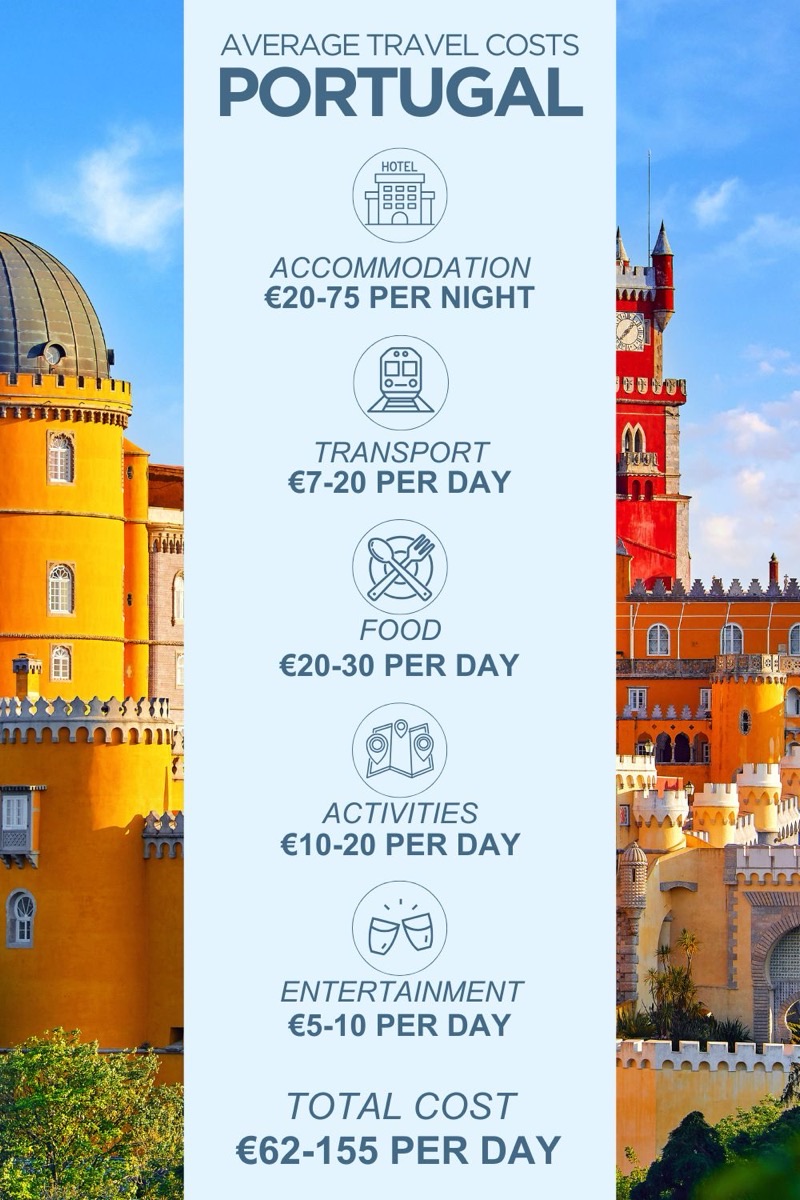
Portugal offers better value. A comfortable Airbnb in Lisbon or Porto can be found for €60-100 ($65-110 USD) per night. A full meal with drinks at a traditional restaurant often costs €12-20 ($13-22 USD). Public transport in Lisbon, a single metro ticket, is €1.65 ($1.80 USD). Even in popular areas like the Algarve, accommodation and food remain reasonable. A daily budget of €70-110 ($75-120 USD) is realistic for a comfortable trip in Portugal, while France requires €110-180 ($120-200 USD) for a similar level of comfort. Portugal wins on overall affordability.
- Winner: Portugal
- Why: Portugal consistently offers a significantly lower cost of living and travel across accommodation, food, and transport.
- Who this matters for: Budget-conscious travelers, backpackers, and those planning longer trips.
🚆 Getting Around
France boasts an excellent public transport infrastructure, particularly its high-speed TGV train network. You can travel from Paris to Lyon in under 2 hours for around €50-80…

France
Portugal
France boasts an excellent public transport infrastructure, particularly its high-speed TGV train network. You can travel from Paris to Lyon in under 2 hours for around €50-80 ($55-88 USD) with advance booking. Cities like Paris, Lyon, and Marseille have efficient metro and tram systems; a Navigo Découverte pass in Paris offers good value for unlimited travel. Regional trains and buses also connect smaller towns effectively. Driving is an option, but tolls on autoroutes can be expensive, and parking in cities is difficult.
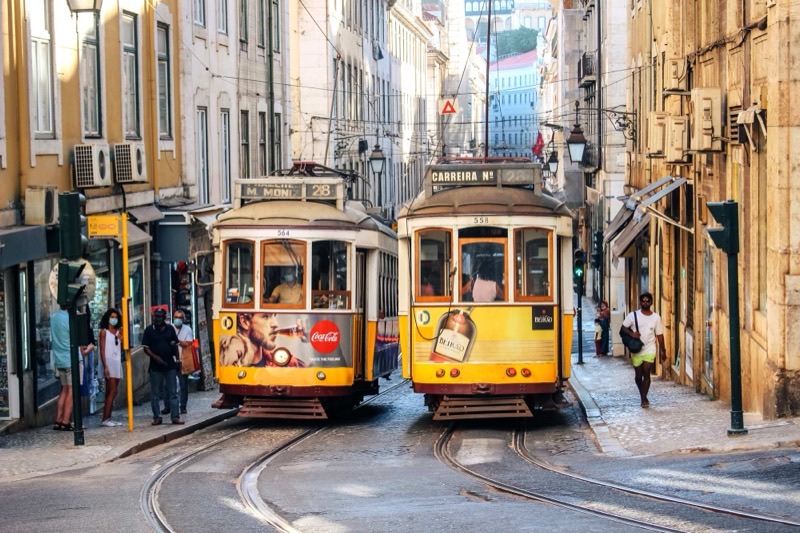
Portugal has a reliable intercity bus network, Rede Expressos, which connects most major towns and cities. A bus from Lisbon to Porto costs around €20-25 ($22-27 USD) and takes about 3-3.5 hours. The national rail service, Comboios de Portugal (CP), also connects major hubs, but the network is less extensive and slower than Frances TGV. For exploring the Algarve or the Douro Valley, renting a car is often recommended to access smaller villages and viewpoints. Fuel costs are comparable to France, but tolls are generally less frequent. For ease of movement between diverse regions without a car, France is superior.
- Winner: France
- Why: Frances extensive and efficient high-speed rail network makes intercity travel faster and more convenient.
- Who this matters for: Travelers prioritizing speed, efficiency, and not wanting to rent a car to see various regions.
🏛️ Culture & History
France offers a broad and deep historical and cultural experience. The Louvre Museum in Paris, home to the Mona Lisa, requires several hours and costs €22 ($24 USD) for entry. The…
France
Portugal
France offers a broad and deep historical and cultural experience. The Louvre Museum in Paris, home to the Mona Lisa, requires several hours and costs €22 ($24 USD) for entry. The Palace of Versailles showcases royal history with tickets around €19.50 ($21 USD). Roman amphitheaters exist in cities like Nîmes and Arles, dating back two millennia. French cathedrals, such as Notre Dame de Paris and Chartres Cathedral, represent centuries of Gothic architecture. The French Revolution monuments and World War battlefields in Normandy add layers of more recent history. The cultural influence is widespread, from philosophy to fashion.
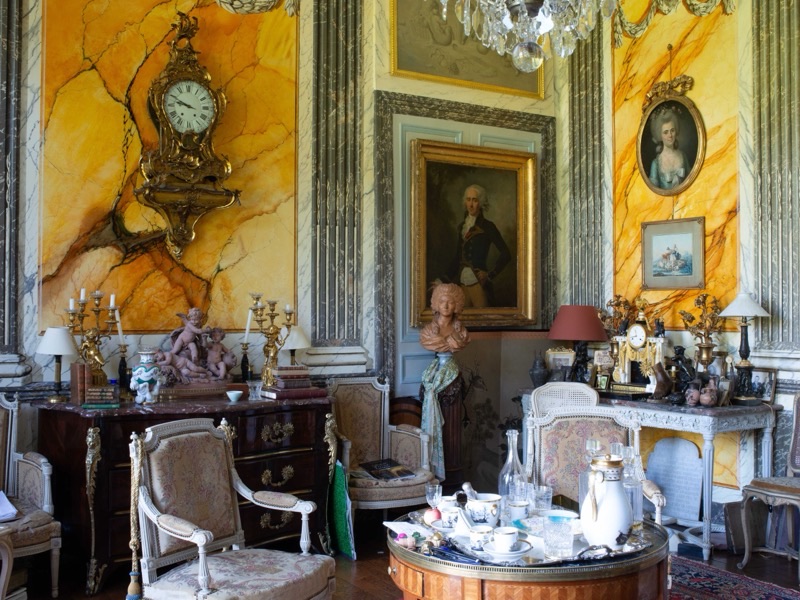
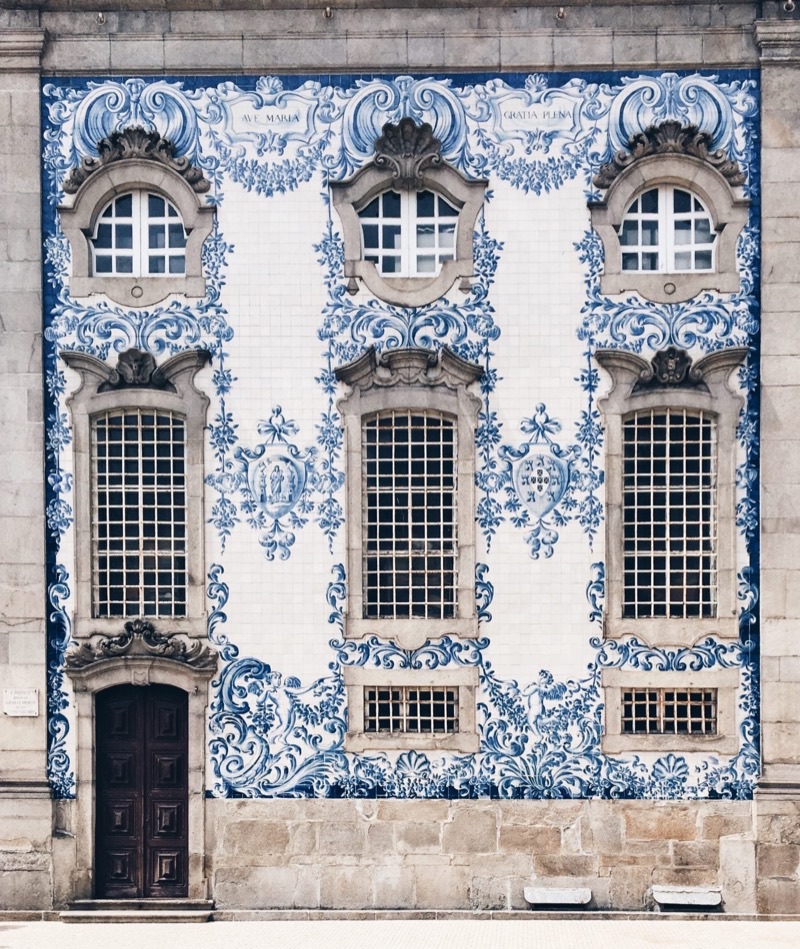
Portugal has a distinct history centered on its maritime past, particularly the Age of Discoveries. The Jerónimos Monastery in Lisbon, a UNESCO site, costs €12 ($13 USD) to enter its church and cloister. The Moorish influence is visible in Sintra with the Pena Palace and the Castelo dos Mouros. Fado music, a traditional Portuguese genre, can be heard in Lisbon Fado houses for a dinner and show costing around €40-60 ($44-66 USD). Azulejo tiles are a specific art form seen across the country, from churches to train stations. While Portugal offers a specific, compelling cultural narrative, Frances breadth of historical periods, art movements, and architectural styles is more extensive. For a comprehensive cultural journey, France is the stronger contender.
- Winner: France
- Why: France presents a broader and more extensively documented range of historical periods, art movements, and cultural institutions.
- Who this matters for: Art historians, architecture enthusiasts, and those seeking world-renowned museums and historical sites.
🌳 Nature & Scenery
France features incredibly diverse landscapes. The French Alps offer opportunities for hiking and skiing around Chamonix. The lavender fields of Provence bloom in June and July,…
France
Portugal
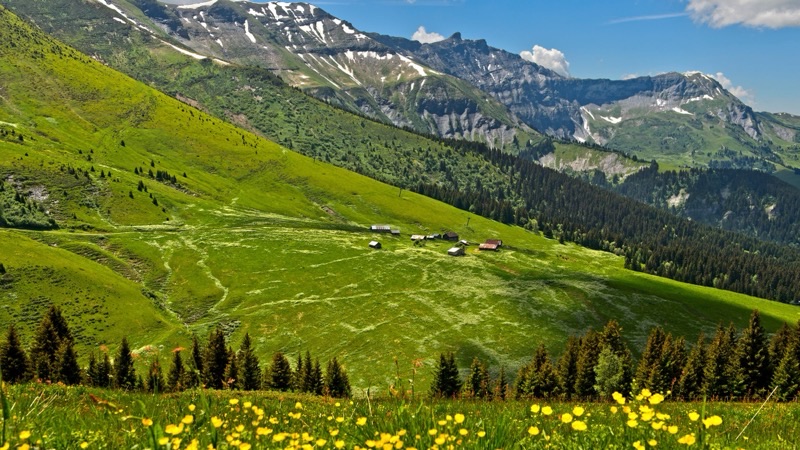
France features incredibly diverse landscapes. The French Alps offer opportunities for hiking and skiing around Chamonix. The lavender fields of Provence bloom in June and July, drawing visitors to specific areas like the Valensole Plateau. The Gorges du Verdon, Frances own Grand Canyon, provides dramatic views and kayaking options. The Atlantic coast, especially around Biarritz, has rougher seas and surf spots, while the Mediterranean coast offers calmer waters. The Loire Valley is known for its river, forests, and chateaux-dotted scenery. From high mountains to rolling hills and extensive coastlines, France presents a wide range of natural beauty.
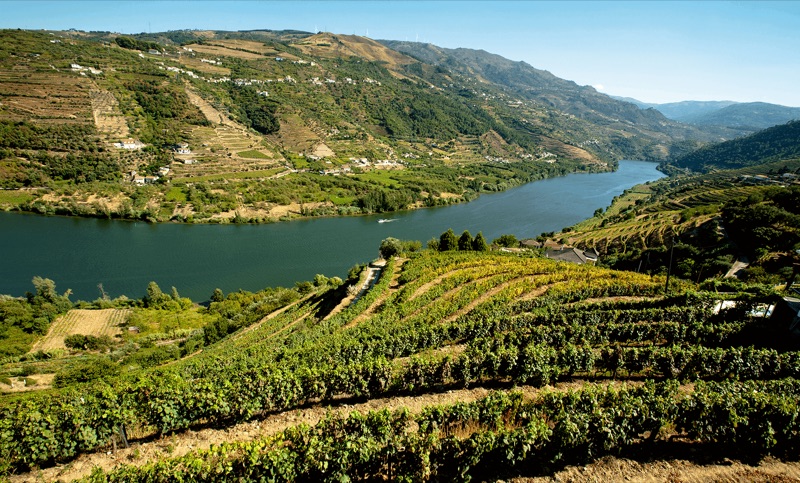
Portugal also has striking natural features. The dramatic golden cliffs of the Algarve region, with formations like Ponta da Piedade near Lagos, are a major draw. The Douro Valley is famous for its terraced vineyards along the river. The Parque Nacional da Peneda-Gerês in the north offers mountains and wild horses. The Azores archipelago, a group of volcanic islands in the Atlantic, is a specific destination with crater lakes, hot springs, and lush greenery, though it requires a separate flight. While Portugals coastal and riverine landscapes are impressive, Frances sheer size and geographical variation provide a more comprehensive collection of natural settings. For overall natural diversity, France is more compelling.
- Winner: France
- Why: France offers a wider and more varied range of distinct natural landscapes, from high mountains and canyons to diverse coastlines and specific agricultural regions.
- Who this matters for: Outdoor enthusiasts, landscape photographers, and travelers seeking extreme geographical variation.
🏖️ Beaches & Coastline
France has diverse coastlines. The French Riviera (Côte d Azur) offers glamorous beaches in Nice and Cannes, though many are rocky, with private beach clubs charging €20-40…
France has diverse coastlines. The French Riviera (Côte d Azur) offers glamorous beaches in Nice and Cannes, though many are rocky, with private beach clubs charging €20-40 ($22-44 USD) for a chair. The Atlantic coast around Biarritz is known for its waves and surf culture. The Normandy beaches hold historical significance related to D-Day, offering a reflective rather than relaxing experience. While beautiful, Frances beaches often feel more manicured or historically significant than purely recreational.
Portugal boasts some of Europes most appealing beaches, particularly in the Algarve region. Praia da Marinha, with its golden cliffs and clear waters, is frequently cited as a top beach globally. Lagos offers numerous cove beaches accessible by kayak or boat tour, costing around €25-40 ($27-44 USD). The Costa Vicentina further north offers wild, expansive beaches ideal for surfing and solitude. Even near Lisbon, places like Praia de Carcavelos are easily accessible by train for around €2 ($2.20 USD) return. The consistent sunshine and warmer waters of the Algarve make it ideal for prolonged beach holidays. For those seeking sun, sand, and ocean activities, Portugal is the better choice.
- Winner: Portugal
- Why: Portugal has more consistently sunny weather, warmer waters, and extensive stretches of golden sand beaches, especially in the Algarve.
- Who this matters for: Beachgoers, sun worshippers, surfers, and families looking for coastal relaxation.
🌃 Nightlife & Social Scene
Frances nightlife is diverse but often more structured. In Paris, specific areas like Le Marais or Oberkampf have a concentration of bars and clubs. Cover charges for clubs can be…
Frances nightlife is diverse but often more structured. In Paris, specific areas like Le Marais or Oberkampf have a concentration of bars and clubs. Cover charges for clubs can be €15-30 ($16-33 USD). Many bars close around 2-3 AM, though some clubs stay open later. Lyon and Marseille also have their own scenes, but the overall atmosphere can feel more reserved than in Southern Europe. A glass of wine in a Parisian bar might cost €6-10 ($6.50-11 USD).
Portugals nightlife is generally more relaxed, social, and extends later into the night. Lisbon’s Bairro Alto district becomes a pedestrian street party most nights, with people spilling out of small bars onto the streets, drinks costing €3-6 ($3.30-6.50 USD). Clubs in areas like Cais do Sodré stay open until 6 AM or later. Porto also has a lively bar scene, especially around Galerias de Paris street. Fado houses offer a unique social and cultural experience. The atmosphere in Portugal is less formal and more conducive to meeting people casually. For a consistently lively, late-night, and budget-friendly social experience, Portugal wins.
- Winner: Portugal
- Why: Portugals nightlife, particularly in Lisbon and Porto, is more casual, extends later, and offers more accessible prices.
- Who this matters for: Solo travelers, young adults, and those who enjoy late-night social gatherings and street parties.
🏨 Accommodation
Accommodation in France is generally more expensive. In Paris, a well-located, mid-range hotel room averages €120-200 ($130-220 USD) per night. Budget hostels in major cities can…
Accommodation in France is generally more expensive. In Paris, a well-located, mid-range hotel room averages €120-200 ($130-220 USD) per night. Budget hostels in major cities can still cost €35-50 ($38-55 USD) for a dorm bed. Outside of cities, options include charming gîtes (country houses) or chambre dhôtes (B&Bs), which can range from €80-150 ($88-165 USD) per night. While there are luxury options, finding good value at the lower end can be challenging, especially during peak season.
Portugal offers better value across all accommodation types. A centrally located boutique hotel in Lisbon or Porto can often be found for €80-120 ($88-130 USD) per night. High-quality hostels provide dorm beds for €20-35 ($22-38 USD), and private rooms in hostels are frequently available for €40-60 ($44-66 USD). Guesthouses and local apartments, particularly outside the main tourist hubs, offer excellent value. For example, a charming guest house in the Douro Valley might be €70-100 ($76-110 USD). The quality for price ratio in Portugal is consistently higher, making it easier for travelers to find comfortable stays without overspending.
- Winner: Portugal
- Why: Portugal offers significantly better value for money across all accommodation types, from hostels to mid-range hotels.
- Who this matters for: Budget-conscious travelers, backpackers, and anyone seeking comfortable stays without a high price tag.
🚨 Safety & Comfort
France is generally a safe country for travelers, but petty crime, such as pickpocketing, is common in major tourist areas like the Eiffel Tower and the Louvre in Paris. Travelers…
France is generally a safe country for travelers, but petty crime, such as pickpocketing, is common in major tourist areas like the Eiffel Tower and the Louvre in Paris. Travelers should be vigilant, especially on crowded public transport. Larger cities have experienced protests and strikes, which can disrupt transport or daily activities, though tourists are rarely targeted. The general comfort level is high, with good infrastructure and emergency services. Most areas are safe to walk at night if precautions are taken.
Portugal consistently ranks as one of the safest countries globally. Petty crime exists in Lisbon and Porto but is less prevalent than in Paris. Locals are often described as welcoming and helpful. The overall atmosphere feels more relaxed and less rushed. Walking alone at night in major cities is generally considered safe. Emergency services are reliable. The perception of safety and the low incidence of street-level crime contribute to a higher comfort level for many travelers, particularly solo explorers or families. For a consistently calm and secure travel experience, Portugal edges out France.
- Winner: Portugal
- Why: Portugal consistently ranks among the safest countries in Europe, offering a more relaxed atmosphere with fewer concerns about petty crime or public disruptions.
- Who this matters for: Solo travelers, families with children, and those prioritizing a very secure and calm travel environment.
☀️ Best Time to Visit
France has distinct seasons. Spring (April-May) and Fall (September-October) are ideal for city exploration in Paris, Lyon, or Bordeaux, with mild temperatures (10-20°C / 50-68°F)…
France has distinct seasons. Spring (April-May) and Fall (September-October) are ideal for city exploration in Paris, Lyon, or Bordeaux, with mild temperatures (10-20°C / 50-68°F) and fewer crowds. Summer (June-August) is popular for the south of France, like the French Riviera, where temperatures reach 25-30°C (77-86°F), but prices are higher and crowds are larger. Winters (November-March) can be cold and grey in the north, with temperatures often near freezing, though skiing in the Alps is popular.
Portugal benefits from a more consistent and milder climate throughout the year. Spring (April-May) and Fall (September-October) offer ideal conditions across the country, with pleasant temperatures (18-25°C / 64-77°F) and fewer tourists, perfect for city breaks in Lisbon or Porto. Summer (June-August) is warm and sunny, with temperatures around 25-30°C (77-86°F), making it perfect for beach holidays in the Algarve. Crucially, even winters (November-March) are relatively mild, especially in the south, with temperatures rarely dropping below 10°C (50°F) during the day, making it a viable shoulder-season destination. For a longer window of comfortable travel weather, Portugal is more forgiving.
- Winner: Portugal
- Why: Portugal offers a longer window of comfortable, warm weather with milder winters, making it suitable for travel across more months of the year.
- Who this matters for: Travelers seeking consistent sunshine, those traveling outside of peak summer, and winter sun seekers.
🎯 The Decision Framework
Choose France If…
- You want deep immersion in art history and grand museums like the Louvre.
- You prioritize specific high-end culinary experiences and wine regions like Bordeaux.
- You plan to travel extensively between regions using high-speed trains.
- You desire to see iconic landmarks such as the Eiffel Tower and Versailles Palace.
- You are interested in diverse natural landscapes, from the Alps to the Mediterranean.
- You appreciate sophisticated fashion and high-end shopping opportunities.
- You seek to explore significant historical sites, including Roman ruins and World War battlefields.
Choose Portugal If…
- You are traveling on a moderate budget and want good value for money.
- You love fresh seafood and traditional pastries like pastel de nata.
- You want consistent sunshine and warm weather for beach relaxation.
- You enjoy late-night, casual street-party style social scenes.
- You prioritize a relaxed, safe, and welcoming atmosphere.
- You are interested in surfing or exploring dramatic coastal cliffs.
- You prefer to spend more time outdoors and less time in museums.
- You appreciate specific cultural elements like Fado music and Azulejo tiles.
📅 Sample Itineraries
Weekend in France (3 Days)
💡 Purchase a Carnet of 10 metro tickets for €16.90 ($18.40) to save money on individual fares, costing €2.15 ($2.35) each.
Weekend in Portugal (3 Days)
💡 Buy a 'Viva Viagem' card for €0.50 ($0.55) and load it with 'Zapping' credit to get cheaper fares on Lisbon's public transport, costing €1.50 ($1.65) per journey.
One Week in France (7 Days)
💡 Consider a France Rail Pass if traveling extensively by train, potentially saving on multiple single tickets, which can add up to $100+ over a week.
One Week in Portugal (7 Days)
💡 When in Porto, consider a 'Porto Card' for 24, 48, or 72 hours, offering unlimited public transport and discounts on attractions, costing €13 ($14.15) for 24 hours.
❓ Frequently Asked Questions
Which country is more family-friendly, France or Portugal?
Portugal is generally more family-friendly due to its lower costs, numerous safe beaches, and relaxed atmosphere. Kids often enjoy the outdoor activities and the relative ease of getting around. France, while having attractions like Disneyland Paris, can be more expensive and some activities less tailored for young children.
Is English widely spoken in France and Portugal?
In major tourist areas and cities in both countries, you will find English speakers, especially among younger generations and in hospitality. However, in rural France, English proficiency drops significantly. In Portugal, particularly in the Algarve and Lisbon, English is very commonly spoken, often more so than in similar regions of France.
What are typical flight times from the US to France vs Portugal?
Direct flights from the East Coast US (e.g., New York JFK) to Paris Charles de Gaulle (CDG) take approximately 7-8 hours. Flights to Lisbon Portela Airport (LIS) from the East Coast are similar, around 6.5-7.5 hours. From the West Coast, both will involve longer flights or layovers, typically 10-12 hours minimum flight time.
Which country has better public transportation for tourists?
France has a more extensive and efficient high-speed rail network (TGV) connecting major cities quickly. Its city metro systems are also very comprehensive. Portugal has good intercity buses and a decent rail network, but it is not as fast or as widespread as Frances, often necessitating car rentals for rural exploration.
Can I do a road trip in France or Portugal?
Yes, road trips are excellent in both. France offers varied routes through regions like the Loire Valley or Provence, though tolls can add up. Portugal is particularly suited for road trips along its coast, through the Douro Valley, or exploring the Algarve, with generally fewer and cheaper tolls.
Which country is better for solo female travelers?
Both countries are safe for solo female travelers, but Portugal often feels more approachable due to its lower crime rates, friendly locals, and relaxed atmosphere. Its easier to meet other travelers in hostels and public spaces. France is also safe but requires more vigilance against pickpocketing in crowded areas.
What is the average cost for a week-long trip to each country?
For a mid-range traveler, a week in Portugal might cost around €500-800 ($550-880 USD), excluding flights, covering accommodation, food, and activities. A week in France, particularly including Paris, would likely be €800-1400 ($880-1550 USD), also excluding flights, due to higher accommodation and dining expenses.
Are there good options for vegetarian or vegan food in France and Portugal?
Both countries have increasing options for vegetarian and vegan food, especially in larger cities like Paris, Lyon, Lisbon, and Porto. Portugal traditionally has more fish, so vegetarian options may require more searching in smaller towns. France has a strong cheese culture, which provides some vegetarian options, but specific vegan menus are still growing.
Ready to plan your European trip?
Get a free custom itinerary for France, Portugal, or both — built from real traveler insights.
👥 Travelers Also Compared
🎟️ Book Tours & Experiences
Hand-picked tours and activities for both destinations — book with free cancellation
Experiences via Viator — free cancellation on most tours