How we built this comparison
This page combines traveler discussion patterns, published price ranges, flight schedules, and seasonal data to help you decide between France and Senegal.
- Reviewed 50+ Reddit threads from r/travel, r/solotravel, r/Francetravel, and r/Africa for real traveler experiences and advice.
- Verified costs and logistics against current booking platforms (e.g., Google Flights, Booking.com, SNCF, local taxi estimates) in Q2 2024.
- Cross-referenced seasonal patterns, weather data, and health advisories from official government and WHO sources.
⚡ Quick Answers
⚡ The TL;DR Verdict
For most travelers seeking a comfortable, established, and efficient trip with predictable costs, France is the easier pick. Senegal offers a more challenging but deeply rewarding cultural immersion for those with an adventurous spirit and a budget of $30-70/day, compared to France's $90-180/day.
- Choose France: You prioritize efficient travel, diverse scenery from alps to beaches, world-renowned museums, and a highly developed infrastructure. You are comfortable with higher European prices for food, transport, and accommodation.
- Choose Senegal: You seek a less-traveled path, authentic cultural exchanges, a warm climate year-round, and are prepared for a more spontaneous travel style. You appreciate lower costs and a slower pace, along with the unique rhythms of West African life.
- Choose Both: To experience both, plan at least 2-3 weeks, allocating 10 days for France's varied regions and 7-10 days for Senegal's coast and cultural sites. This allows for a significant contrast in experiences and a broader perspective.
Choose France
Choose France if you envision yourself sipping espresso in a charming Parisian cafe, exploring the artistic grandeur of the Louvre, or savoring gourmet cuisine in Lyon. This destination is best for travelers who prioritize seamless, efficient travel, world-class amenities, and a rich tapestry of history and culture, willing to invest in a premium European experience.
Choose Senegal
Opt for Senegal for an unforgettable journey into vibrant West African culture, exploring bustling markets in Dakar, reflecting on history at Gorée Island, or witnessing wildlife at Fathala. This destination is ideal for adventurous souls seeking authentic cultural immersion, spontaneous encounters, and a deeply rewarding experience off the well-trodden path, all within a more accessible budget.
📊 Visual Scorecard
🌤 When to Visit
Average high temperatures (°C). Green = best months, orange = avoid.
Quick Comparison
| Category | France | Senegal | Winner |
|---|---|---|---|
| Costs & Budget | Higher overall costs, €90-180 (~$98-195) daily budget for moderate travel. | Significantly lower costs, XOF 20,000-40,000 (~$33-66) daily budget for comfortable travel. | Senegal |
| Getting There & Flights | Direct, frequent flights from North America/Europe, average 7-8 hours from East Coast US. | Fewer direct options from North America, often requires layovers, 8-10 hours from East Coast US. | France |
| Getting Around | Extensive high-speed rail (TGV), efficient public transport, well-maintained roads. | Shared taxis (sept-place), local buses, less structured but functional. | France |
| Food & Drink | Refined gastronomy, diverse regional cuisines, extensive wine culture. | Flavorful West African staples, fresh seafood, strong tea culture. | France |
| Culture & History | Centuries of art, architecture, philosophy, and political history. | Rich oral traditions, griot heritage, colonial history, vibrant contemporary arts. | France |
| Beaches & Coastline | Mediterranean glamour (French Riviera) and rugged Atlantic beauty (Brittany). | Golden sand beaches, fishing villages, surf spots along the Atlantic. | Senegal |
| Nature & Outdoors | Alpine peaks, national parks, varied landscapes, established hiking trails. | Mangrove forests, desert landscapes, wildlife parks, Lompoul desert. | France |
| Safety & Health | Generally very safe, modern healthcare, pickpocketing in cities. | Higher risk of petty crime, different road safety, malaria risk, basic healthcare. | France |
| Accommodation | Wide range from budget hostels to luxury hotels, reliable booking platforms. | Local guesthouses, camps de pêche, fewer international chains, variable standards. | France |
| Nightlife & Entertainment | Diverse nightlife from sophisticated bars to large clubs, live music, theater. | Lively local bars, Mbalax music clubs, street parties, cultural performances. | France |
💰 Costs & Budget
France operates on a Western European price scale. A moderate daily budget for a traveler staying in mid-range accommodation, eating at casual restaurants, and using public…
France
Senegal
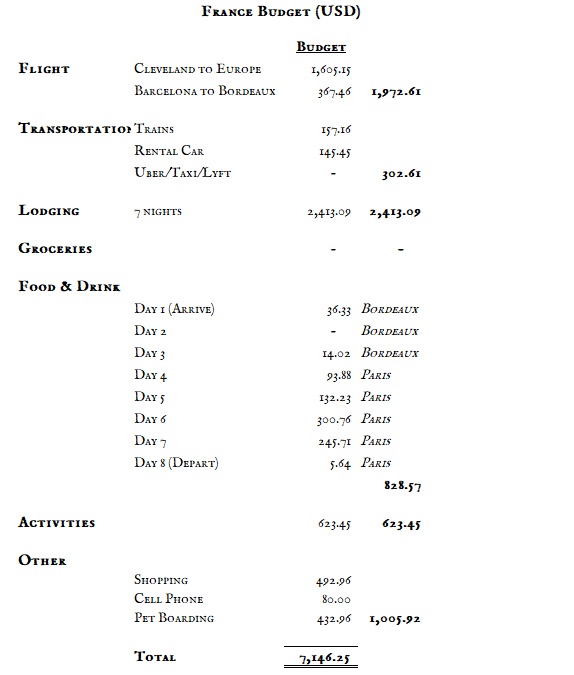
France operates on a Western European price scale. A moderate daily budget for a traveler staying in mid-range accommodation, eating at casual restaurants, and using public transport would be around €90-180 ($98-195). A basic meal in Paris can cost €15-25 ($16-27), a metro ticket €2.15 ($2.30), and a budget hotel room €70-100 ($76-108). Activities like museum entry range from €10-20 ($11-22). Expect to pay more in prime tourist areas like Paris or the French Riviera, with a coffee often costing €3-5 ($3.25-5.40).
Senegal offers a much more budget-friendly experience. A comfortable daily budget, including guesthouse stays, local meals, and shared taxis, can be managed for XOF 20,000-40,000 ($33-66). Street food or a local restaurant meal (like Thieboudienne) might be XOF 1,500-3,000 ($2.50-5), a shared taxi ride XOF 500-1,000 ($0.80-1.60) within cities, and a basic guesthouse room XOF 10,000-20,000 ($17-33). Entry to sites like Goree Island museum is around XOF 5,000 ($8.30). Bargaining is common in markets, and prices are generally lower for services and goods outside of tourist-focused resorts. Tabiji verdict: Senegal is the clear winner for budget-conscious explorers.
- Winner: Senegal
- Why: Senegal offers a travel experience at a fraction of the cost of France, making it accessible for tighter budgets.
- Who this matters for: Travelers prioritizing budget and seeking longer trips for their money.
✈️ Getting There & Flights
France is exceptionally well-connected globally, especially from North America and Europe. Direct flights from major East Coast US cities like New York (JFK) to Paris (CDG)…
France
Senegal
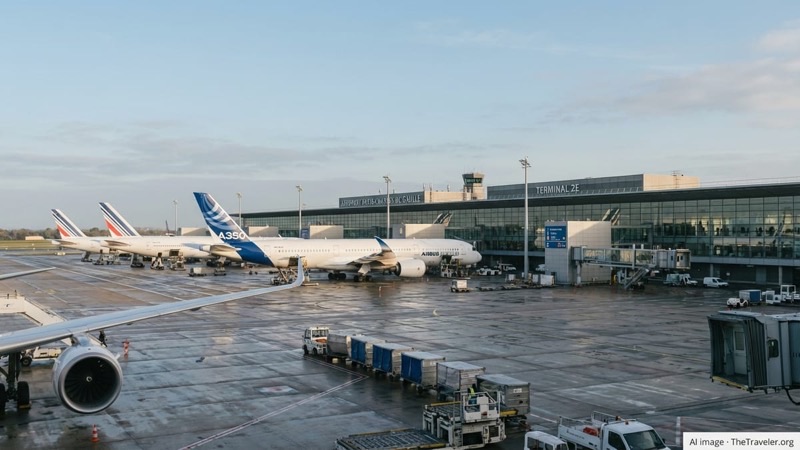
France is exceptionally well-connected globally, especially from North America and Europe. Direct flights from major East Coast US cities like New York (JFK) to Paris (CDG) typically take 7-8 hours, with round-trip economy fares ranging from $600-1000 outside peak season. From London, flights are 1-1.5 hours and can cost €50-200 ($54-216) return. Major airlines like Air France, Delta, and United offer daily non-stop services, and low-cost carriers serve numerous regional airports across Europe, providing ample flexibility and competitive pricing.
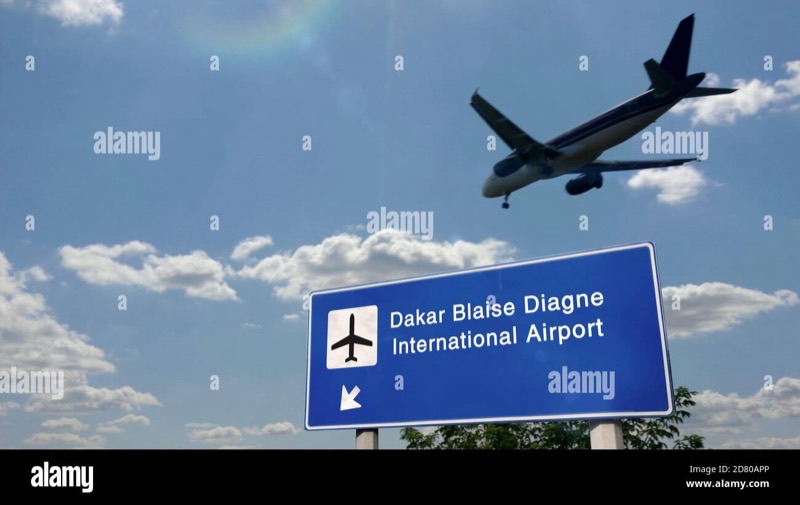
Senegal's main international airport is Blaise Diagne International Airport (DSS) near Dakar. Direct flights from North America are less common; travelers from the East Coast US often face 8-10 hour journeys with a layover in Europe (e.g., Lisbon, Brussels, Paris). Round-trip fares from New York can range from $800-1200. From major European hubs like Paris, direct flights to Dakar are about 5.5 hours, costing €400-700 ($432-756) return. While connections exist, they require more planning and can extend travel time. Tabiji verdict: France offers superior flight accessibility and frequency for most international travelers.
- Winner: France
- Why: France boasts more direct flights, higher frequency, and shorter travel times from major global hubs.
- Who this matters for: Travelers seeking convenience, efficiency, and minimal travel time.
🚃 Getting Around
France’s transportation infrastructure is among the best in the world. The SNCF train network, particularly the TGV high-speed lines, connects major cities like Paris, Lyon, and…
France
Senegal
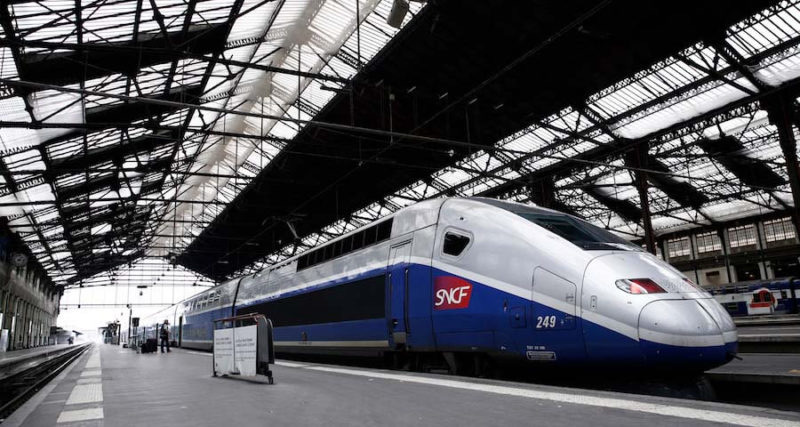
France’s transportation infrastructure is among the best in the world. The SNCF train network, particularly the TGV high-speed lines, connects major cities like Paris, Lyon, and Marseille swiftly and comfortably. A TGV ticket from Paris to Marseille can cost €50-100 ($54-108) and takes about 3 hours. Cities have extensive metro, tram, and bus systems (e.g., Paris Metro tickets are €2.15 ($2.30)). Road networks are excellent for rental cars, though city driving and parking can be challenging. Overall, it is easy to navigate independently.
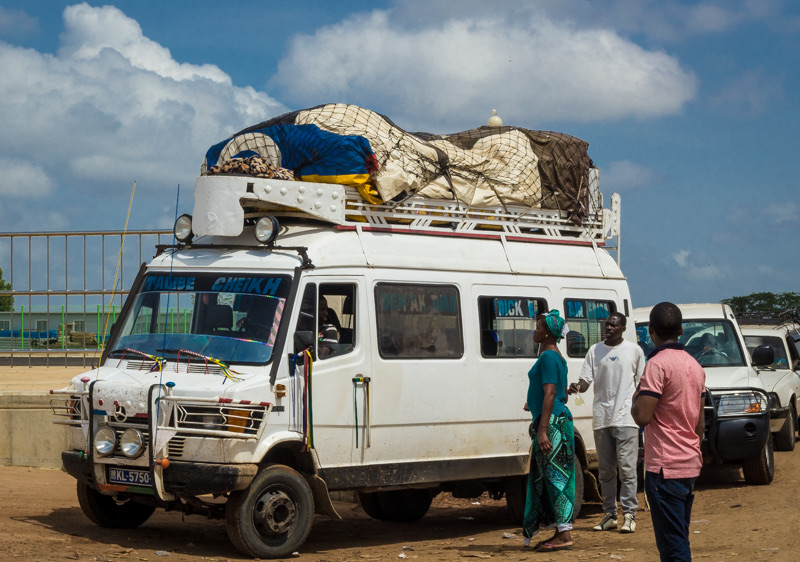
Getting around Senegal relies more on shared public transport. In cities like Dakar, 'car rapides' (colorful minibuses) and taxis are common. Shared sept-place taxis (seven-seater Peugeot cars) are the main inter-city transport, costing XOF 3,000-8,000 ($5-13) for a few hours journey, but they only depart when full and comfort is basic. Roads outside major routes can be rough. While less structured than France, it is functional for those willing to adapt. Rental cars are available but not recommended for first-time visitors due to road conditions and local driving styles. Tabiji verdict: France offers vastly more comfortable, predictable, and efficient transport options.
- Winner: France
- Why: France's modern, efficient, and extensive public transport system makes travel easy and comfortable.
- Who this matters for: Travelers prioritizing comfort, speed, and reliability in transportation.
🍽️ Food & Drink
French cuisine is globally recognized for its refinement and diversity. From Parisian bistros offering Coq au Vin (€20-30 / $22-33) to Lyonnaise bouchons serving rich stews, the…
France
Senegal
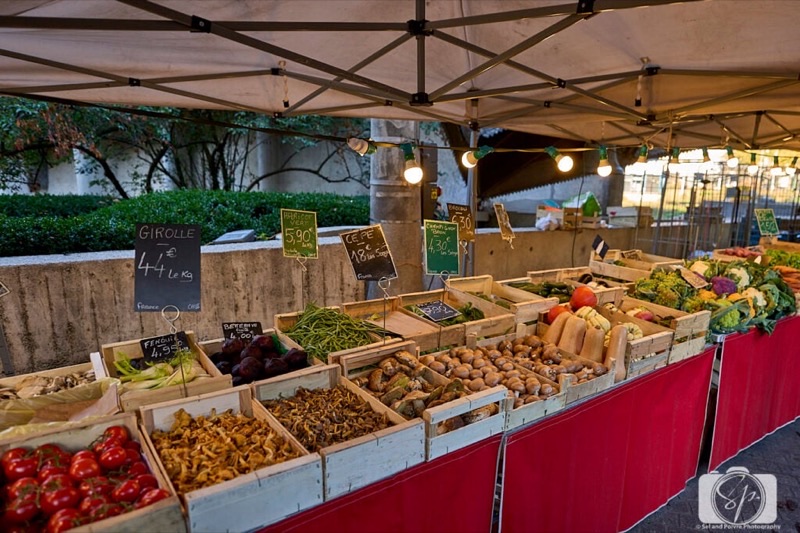
French cuisine is globally recognized for its refinement and diversity. From Parisian bistros offering Coq au Vin (€20-30 / $22-33) to Lyonnaise bouchons serving rich stews, the food scene is deep. Regional specialties like Breton crêpes, Alsatian choucroute, and Mediterranean bouillabaisse are prevalent. France is also the heartland of wine, with tasting tours available across Bordeaux, Burgundy, and Champagne regions for €30-100+ ($33-108+). Bakeries (boulangeries) provide fresh baguettes for €1.20 ($1.30) and pastries daily. Dining is a social event, often extending for hours.
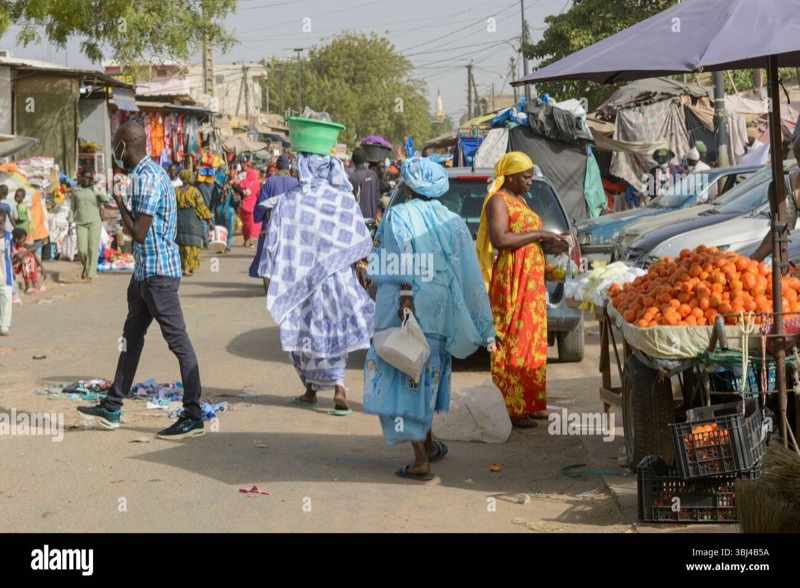
Senegalese cuisine is hearty and flavorful, with rice as a staple. Thieboudienne (fish and rice) is the national dish, often costing XOF 2,500-4,000 ($4-6.60) at a local restaurant. Yassa (chicken or fish with onion and lemon) and Mafe (peanut stew) are other common dishes. Fresh seafood is abundant along the coast. The tea ceremony (Attaya) is a significant social ritual. Drinks include bissap (hibiscus juice) and ginger juice. While less 'fine dining' focused, the street food and local eateries offer deep flavor and cultural experience. Tabiji verdict: France wins for sheer gastronomic diversity, established culinary excellence, and wine culture.
- Winner: France
- Why: France's culinary heritage, diverse regional dishes, and wine traditions are unparalleled.
- Who this matters for: Foodies, gourmands, and those who appreciate refined dining experiences and wine.
🏛️ Culture & History
France's history is written large in its landmarks. From the Roman ruins in Nîmes, medieval castles of the Loire Valley, to the grandeur of Versailles (€20 / $22 entry), the…

France
Senegal
France's history is written large in its landmarks. From the Roman ruins in Nîmes, medieval castles of the Loire Valley, to the grandeur of Versailles (€20 / $22 entry), the layers are endless. Paris alone houses the Louvre (€17 / $18.40 entry), Notre Dame Cathedral, and countless other sites. French culture is defined by its contributions to art (Impressionism), literature (Victor Hugo), and philosophy. Respect for heritage is visible everywhere, from meticulously preserved villages to world-class museums showcasing centuries of influence. It is a highly organized presentation of history.
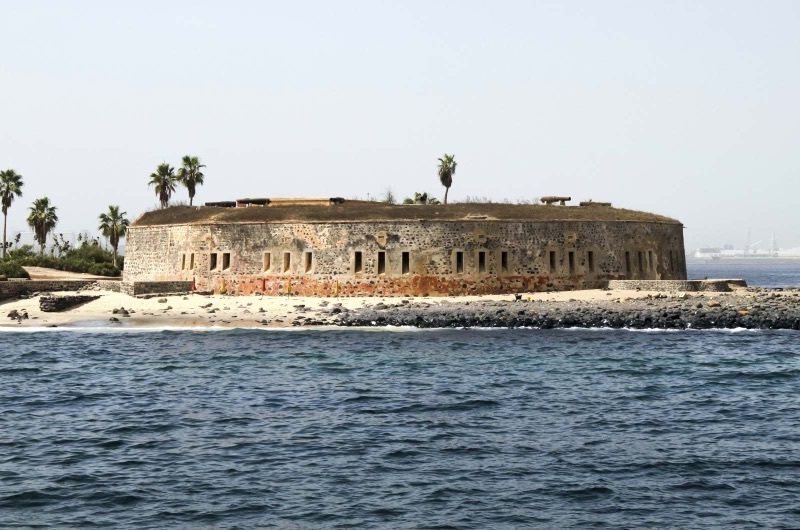
Senegal's history is profoundly shaped by its position in West Africa and its colonial past. Goree Island, a UNESCO World Heritage site and former slave trading post, is a somber but essential visit (€5,000 XOF / $8.30 ferry + entry). The Grand Mosque of Dakar and the Museum of Black Civilizations (XOF 3,000 / $5 entry) offer insights into Senegalese and African identity. The culture is characterized by oral traditions, the storytelling of griots, and vibrant music (Mbalax) and dance. It is a living, breathing culture, less about preserved artifacts and more about ongoing traditions and community. Tabiji verdict: France offers a more accessible and extensively documented historical narrative for most travelers.
- Winner: France
- Why: France's vast collection of historical sites and globally significant art offers a more comprehensive cultural education.
- Who this matters for: History buffs, art enthusiasts, and those seeking iconic historical landmarks.
🏖️ Beaches & Coastline
France offers diverse coastal experiences. The French Riviera (Côte d'Azur) is famous for its pebbly beaches in Nice, sandy stretches in Cannes, and azure waters. Expect crowded…
France offers diverse coastal experiences. The French Riviera (Côte d'Azur) is famous for its pebbly beaches in Nice, sandy stretches in Cannes, and azure waters. Expect crowded conditions in summer and high prices for beachside services (e.g., private beach chair rental €20-40 / $22-43). The Atlantic coast, particularly in Brittany and Nouvelle-Aquitaine, provides wilder, more dramatic landscapes and cooler waters, popular for surfing and sailing. Public access is generally good, but amenities vary. Overall, French beaches are well-developed and cater to mass tourism, often with a focus on leisure and glamour.
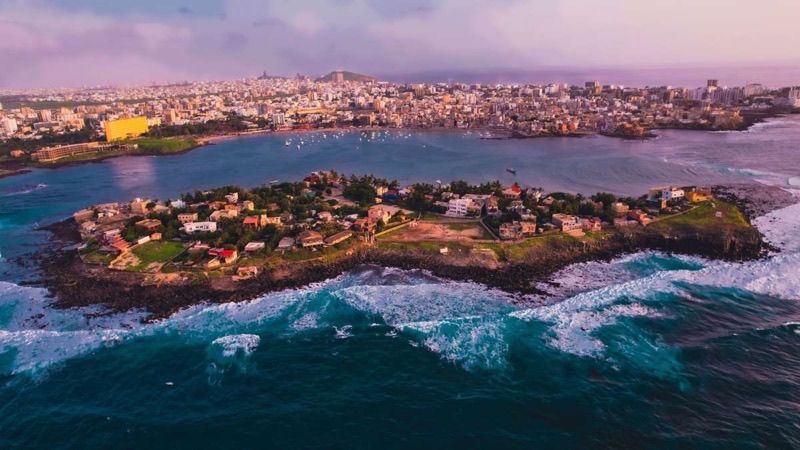
Senegal's Atlantic coastline stretches for hundreds of kilometers, featuring long, golden sand beaches that are less developed and often less crowded than their French counterparts. Places like Saly offer resorts, while Toubab Dialaw maintains a more artistic, bohemian feel. Popenguine Beach is known for its bird sanctuary. Outside of main resort towns, many beaches feel wild and untouched, with fishing pirogues as a common sight. Surfing is gaining popularity, especially around Dakar's coast. Water temperatures are warm year-round. Tabiji verdict: Senegal's expansive, less-developed, and consistently warm beaches offer a more authentic and relaxed coastal experience.
- Winner: Senegal
- Why: Senegal's beaches offer a more expansive, natural, and warm-water experience with fewer crowds and lower costs.
- Who this matters for: Beach lovers seeking warm water, natural beauty, and a less commercialized experience.
🌲 Nature & Outdoors
France's natural diversity is substantial. The French Alps provide world-class skiing and hiking opportunities, with Mont Blanc as the highest peak. National parks like Vanoise…
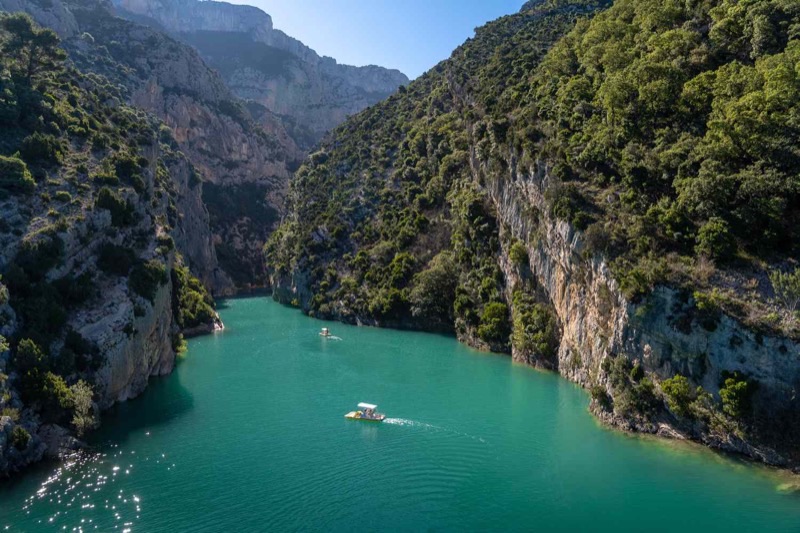
France's natural diversity is substantial. The French Alps provide world-class skiing and hiking opportunities, with Mont Blanc as the highest peak. National parks like Vanoise and Ecrins offer extensive, well-marked trails and stunning mountain scenery. The Gorges du Verdon, a canyon in Provence, is popular for kayaking. The Dordogne region has rivers for canoeing and ancient caves. Infrastructure for outdoor activities is highly developed, with clear signage, refuge huts, and guided tours readily available. Entry to most natural parks is free, though specific activities might incur costs.
Senegal's natural offerings are distinct. The Djoudj National Bird Sanctuary (November-April, XOF 5,000 / $8.30 entry + boat) is a major migration stop for millions of birds. The Saloum Delta National Park features mangrove forests and lagoons, ideal for boat trips and spotting diverse aquatic life. The Lompoul Desert offers unique desert camping experiences with sand dunes. Fathala Wildlife Reserve provides opportunities to see giraffes and rhinos (entry XOF 12,000 / $20). While less developed for mass tourism, Senegal provides unique ecological experiences. Tabiji verdict: France offers a broader range of accessible, well-organized, and historically popular outdoor activities and diverse landscapes.
- Winner: France
- Why: France provides a wider range of diverse and easily accessible natural environments with excellent infrastructure for activities.
- Who this matters for: Hikers, skiers, and those seeking varied, well-equipped outdoor adventure.
🩹 Safety & Health
France is a very safe country with modern healthcare. Major cities like Paris do have issues with pickpocketing, especially in crowded tourist areas and on public transport.…
France is a very safe country with modern healthcare. Major cities like Paris do have issues with pickpocketing, especially in crowded tourist areas and on public transport. Vigilance is advised, but violent crime is rare. Tap water is safe to drink. Emergency services are efficient. Healthcare facilities are high-quality, though non-EU citizens need travel insurance. Vaccinations are standard for European travel. Overall, travel risks are low, and the environment is highly regulated for safety and hygiene, offering a secure experience for travelers.
Senegal presents different safety considerations. Petty crime, including bag snatching and pickpocketing, is more prevalent, particularly in Dakar. Road safety standards are lower, with chaotic traffic. Malaria is a risk in some regions, requiring preventative medication. Tap water is generally not safe to drink outside of major hotels. Healthcare facilities are basic outside Dakar, and comprehensive travel insurance is essential. While most interactions are friendly, situational awareness is key. Tabiji verdict: France provides a significantly safer and more predictable environment regarding personal safety and access to high-standard healthcare.
- Winner: France
- Why: France offers a higher standard of public safety, well-regulated environments, and modern healthcare facilities.
- Who this matters for: Travelers prioritizing personal safety, low crime rates, and reliable medical access.
🛌 Accommodation
Accommodation in France is diverse, from budget hostels (e.g., Generator Paris, €30-50 / $33-54 for a dorm) to luxury palaces. Mid-range hotels like Ibis or Novotel are…
Accommodation in France is diverse, from budget hostels (e.g., Generator Paris, €30-50 / $33-54 for a dorm) to luxury palaces. Mid-range hotels like Ibis or Novotel are consistent, costing €70-150 ($76-162) per night. Airbnbs are widely available, especially in cities and rural areas. Standards are consistently high, and booking platforms are reliable. Options cater to every budget and preference, with clear pricing and amenities. Rural gîtes and chambres d'hôtes offer local charm and often include breakfast, typically costing €60-120 ($65-130). Travelers can find comfortable lodging almost anywhere.
Senegal's accommodation options are more varied in standard and concentration. In Dakar and resort areas like Saly, international chains (e.g., Radisson Blu, around XOF 100,000 / $166) and mid-range hotels are available. Outside these areas, local guesthouses (auberges or campements) and 'camps de pêche' (fishing camps) are common, offering simpler, but authentic, stays for XOF 15,000-30,000 ($25-50). Standards can be basic, and online booking might be less reliable; word-of-mouth recommendations are often valuable. It requires more flexibility and research. Tabiji verdict: France provides a more extensive range of predictable, high-quality, and easily bookable accommodation options.
- Winner: France
- Why: France offers a broader spectrum of reliable, comfortable, and easily bookable accommodation at consistent standards.
- Who this matters for: Travelers prioritizing comfort, predictability, and ease of booking their stays.
🍻 Nightlife & Entertainment
France's nightlife is as varied as its regions. Paris offers sophisticated cocktail bars, discotheques, and world-renowned cabaret shows like Moulin Rouge (€100-200 / $108-216 for…
France's nightlife is as varied as its regions. Paris offers sophisticated cocktail bars, discotheques, and world-renowned cabaret shows like Moulin Rouge (€100-200 / $108-216 for a show with champagne). Lyon has a reputation for its vibrant student bar scene, while the French Riviera hosts exclusive beach clubs. Live music venues, from jazz clubs to rock stages, are common in major cities. The legal drinking age is 18, and venues generally stay open late. There is a strong emphasis on social gathering and enjoying the evening out, catering to many tastes and styles.
Senegal's nightlife is centered around its lively music scene, particularly Mbalax. In Dakar, clubs like Just 4 U and Penc Mi feature live bands and dancing, often until the early hours. Local 'dibiteries' (grill spots) and informal bars are common for socializing. Beachfront bars also provide a relaxed atmosphere. Outside Dakar, nightlife is more subdued, focused on local gatherings, drumming, and traditional music. Alcohol is available, but the focus is often on non-alcoholic drinks and communal engagement. Tabiji verdict: France offers a more diverse, established, and easily accessible range of formal nightlife and entertainment options.
- Winner: France
- Why: France provides a wider array of established nightlife options, from elegant bars to varied music venues and cabaret shows.
- Who this matters for: Travelers seeking structured entertainment, diverse bar scenes, and late-night options.
🎯 The Decision Framework
Choose France If…
- You want highly efficient public transport and high-speed rail.
- You prioritize visiting world-renowned art museums and historical monuments.
- You enjoy refined gastronomy, diverse wines, and established culinary traditions.
- You seek extensive, well-marked hiking trails in mountains and national parks.
- You prefer a very high standard of public safety and modern healthcare.
- You appreciate consistent, comfortable, and easily bookable accommodation.
- You want a wide range of sophisticated nightlife options and cultural performances.
- You are comfortable with a higher travel budget for convenience and comfort.
Choose Senegal If…
- You are on a tighter budget and want your money to go further.
- You seek deep cultural immersion and authentic local interactions.
- You appreciate less-developed, expansive golden sand beaches and warm waters.
- You are interested in West African music, art, and oral traditions.
- You are prepared for a more spontaneous travel style and less formal infrastructure.
- You want to experience unique wildlife and ecological sites like bird sanctuaries.
- You prefer communal transport like shared taxis for a local experience.
- You are drawn to a consistently warm, tropical climate year-round.
📅 Sample Itineraries
Weekend in France (3 Days)
💡 Purchase a Paris Passlib' for 2, 3, or 5 days to save on museum entry and public transport, potentially saving $20-30 per day depending on activities.
Weekend in Senegal (3 Days)
💡 For local transport in Dakar, use 'car rapides' or shared taxis ('clandos') for economical travel, costing as little as $0.50-$1.50 per ride.
One Week in France (7 Days)
💡 Book high-speed TGV train tickets in advance through SNCF for significant savings, often 30-50% off last-minute fares, especially on routes like Paris-Lyon.
One Week in Senegal (7 Days)
💡 Bargain respectfully at markets like Marché Kermel; starting at 50% of the asking price is common, and you can often settle around 60-70% for a fair deal.
❓ Frequently Asked Questions
What are the visa requirements for France and Senegal?
US citizens do not need a visa for stays up to 90 days in France (Schengen Area). For Senegal, US citizens typically need a visa, which can often be obtained upon arrival at Blaise Diagne International Airport (DSS) for stays up to 90 days, but confirming current regulations before travel is crucial. Check the latest embassy information.
What is the best time of year to visit each country?
For France, late spring (April-June) and early autumn (September-October) offer pleasant weather and fewer crowds. Summer (July-August) is popular but can be hot and crowded, especially in cities. For Senegal, the dry season from November to June is ideal, with sunny days and less humidity. The rainy season (July-October) brings higher humidity and occasional heavy downpours.
What currencies are used and how easy is it to exchange money?
France uses the Euro (€). ATMs are widely available, and credit cards are accepted almost everywhere. Senegal uses the West African CFA franc (XOF). ATMs are common in Dakar and major towns, but less so in rural areas. It's advisable to carry some cash (XOF) for smaller purchases and local transport. Major currencies like USD or EUR can be exchanged at banks or exchange bureaus.
What are the language barriers travelers might face?
In France, while many people in tourist areas speak English, learning a few basic French phrases is always appreciated. Outside major cities, English proficiency drops. In Senegal, French is the official language, and Wolof is widely spoken. English is rarely spoken outside of major hotels or tourist operations, so basic French or Wolof phrases are very helpful for communication.
Is solo female travel safe in France vs. Senegal?
Solo female travel in France is generally safe, particularly in well-trafficked areas. Standard precautions against pickpocketing apply. In Senegal, solo female travelers should exercise increased caution, especially after dark. Dressing modestly, being aware of surroundings, and avoiding isolated areas are advised. Shared taxis can be an option, but confirm routes with locals.
What vaccinations are recommended for each destination?
For France, standard vaccinations (MMR, DTP, etc.) are usually sufficient. For Senegal, in addition to standard vaccinations, yellow fever vaccination is often required (and proof needed for entry), and vaccinations for Hepatitis A and B, typhoid, and meningococcal meningitis are strongly recommended. Malaria prophylaxis is also advised for Senegal. Consult a travel doctor well in advance.
What are typical meal costs in each country?
In France, a casual restaurant meal averages €15-25 (~$16-27), while a higher-end experience can be €50+ (~$54+). A baguette from a bakery is around €1.20 (~$1.30). In Senegal, a local meal like Thieboudienne at a 'dibiterie' or small restaurant costs XOF 1,500-3,000 (~$2.50-5). More tourist-oriented restaurants might charge XOF 5,000-10,000 (~$8-17).
What are the main cultural differences concerning social interactions?
In France, politeness (saying 'Bonjour'/'Bonsoir') is crucial before any interaction. Punctuality is valued, and personal space is generally respected. In Senegal, greetings are very important and can be extended. Family and community ties are strong. Direct eye contact may be seen differently; it is often polite to be less direct. Hospitality is a core value, and you may be offered tea.
Ready to plan your European or West African trip?
Get a free custom itinerary for France, Senegal, or both — built from real traveler insights.
👥 Travelers Also Compared
🎟️ Book Tours & Experiences
Hand-picked tours and activities for both destinations — book with free cancellation
Experiences via Viator — free cancellation on most tours