How we built this comparison
This page combines traveler discussion patterns, published price ranges, flight schedules, and seasonal data to help you decide between France and Slovenia.
- Reviewed 50+ Reddit threads from r/travel, r/solotravel, r/France, r/Slovenia, r/EuropeTravel.
- Verified costs and logistics against current booking platforms for flights, accommodation, and attractions.
- Cross-referenced seasonal patterns and weather data from meteorological sources for optimal travel times.
⚡ Quick Answers
⚡ The TL;DR Verdict
For most travelers seeking a classic European experience with history, art, and developed infrastructure, France is the default choice, though it demands a higher budget, typically €80-150 ($87-162) per day. If you prioritize outdoor activities, a slower pace, and a significantly lower cost, often €50-90 ($54-97) per day, Slovenia is a compelling alternative.
- Choose France: You prioritize art museums, grand architecture, diverse regional cuisines, efficient high-speed rail, and a developed tourist infrastructure. You are comfortable with a higher daily budget.
- Choose Slovenia: You seek accessible mountains, clear lakes, walking trails, a relaxed urban atmosphere, and a lower travel cost. You appreciate a country where natural environments are a primary focus.
- Choose Both: If you have at least 3 weeks and want to experience both Western European sophistication and Central European nature, combine a 10-day trip to France with a 7-day trip to Slovenia, accepting a flight between the two.
Choose France
Choose France if you dream of iconic cultural immersion, from exploring the Louvre in Paris to savoring Michelin-starred cuisine in Lyon or unwinding on the French Riviera. It's best for travelers with a comfortable budget who seek a sophisticated blend of world-class art, history, and diverse regional charm, all supported by excellent infrastructure.
Choose Slovenia
Opt for Slovenia to immerse yourself in breathtaking natural beauty and active outdoor pursuits without breaking the bank. It's perfect for adventurers who want to hike the Julian Alps, kayak on Lake Bohinj, or explore the charming, eco-friendly capital of Ljubljana. This destination is best for budget-conscious travelers prioritizing pristine landscapes and a relaxed, nature-focused experience.
📊 Visual Scorecard
🌤 When to Visit
Average high temperatures (°C). Green = best months, orange = avoid.
Quick Comparison
| Category | France | Slovenia | Winner |
|---|---|---|---|
| Costs & Budget | Higher daily costs, especially in major cities. Budget travel possible but requires effort. | Considerably lower costs for accommodation, food, and activities. Good value travel. | Slovenia |
| Nature & Outdoors | Diverse landscapes from Alps to Mediterranean coast. Requires more travel to access different areas. | Compact country with easily accessible Julian Alps, lakes, and caves. Focus on green activities. | Slovenia |
| Food & Drink | World-renowned cuisine with regional specialties, fine dining, and excellent pastries/wine. | Hearty, Central European cuisine with influences from Italy and Austria. Good local wines. | France |
| Culture & History | Extensive history, iconic art museums, grand palaces, diverse architectural styles, philosophical tradition. | History influenced by Austro-Hungarian and Venetian empires. Focus on castles, folk traditions, and natural heritage. | France |
| Getting There & Around | Many direct flights, extensive high-speed rail, good local public transport, driving is convenient. | Fewer direct international flights, smaller train network, buses are primary for intercity, driving is recommended. | France |
| Accommodation | Wide range from luxury hotels to budget hostels, but prices can be high, especially in cities. | Good value accommodation, including hostels, guesthouses, and agritourism. Fewer large luxury chains. | Slovenia |
| Nightlife & Entertainment | Diverse nightlife from high-energy clubs to classic jazz bars. Extensive cultural event calendar. | Relaxed nightlife, primarily bars and pubs. Fewer large clubs. Strong outdoor festival scene in summer. | France |
| Safety & Solo Travel | Generally safe, but pickpocketing is common in tourist areas. Solo female travel is normal. | Very safe, low crime rates. Excellent for solo travelers, including women. | Slovenia |
| Family Travel | Many attractions for kids, but can be expensive and crowded. Good infrastructure for families. | Outdoor activities appeal to families. More relaxed pace and lower costs. Smaller crowds. | Slovenia |
| Shopping & Local Products | Luxury fashion, perfume, wine, cheese, artisanal goods, extensive markets. | Honey, pumpkin seed oil, local crafts, specific wines, smaller markets. | France |
💰 Costs & Budget
France generally operates at a higher price point across all categories. In Paris, a decent hostel bed costs €40-60 ($43-65) per night, a basic restaurant meal €20-30 ($22-33),…
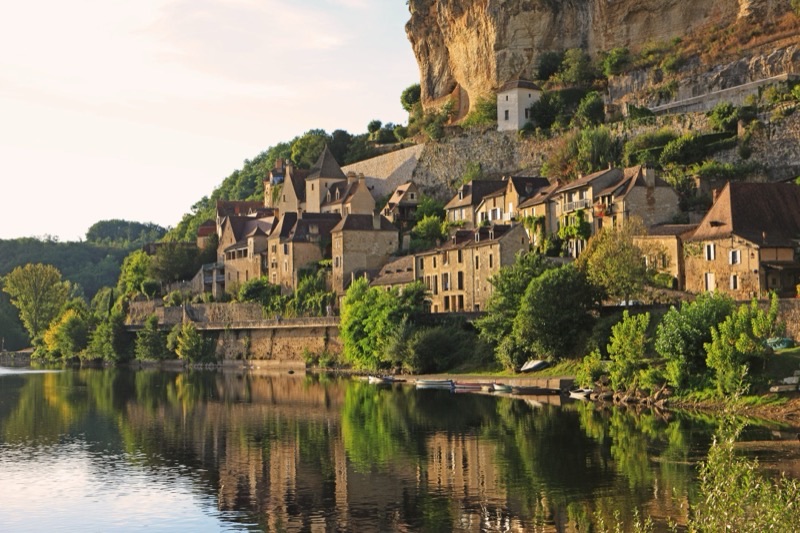
France
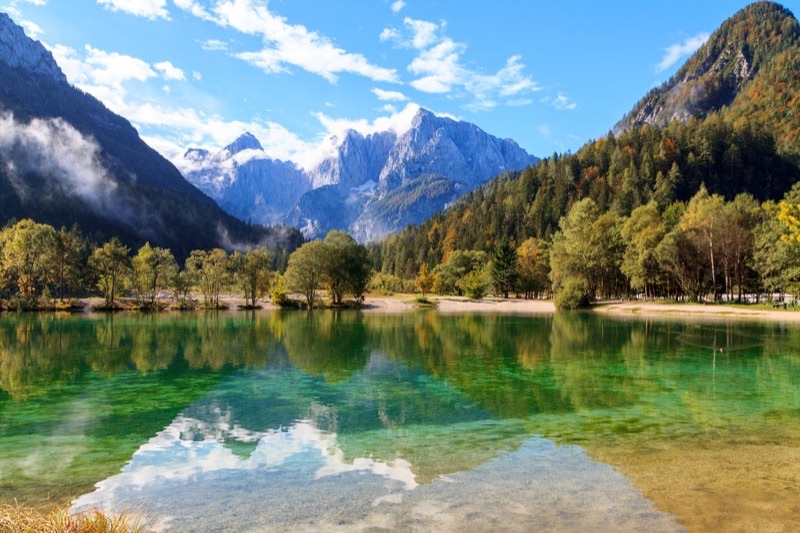
Slovenia
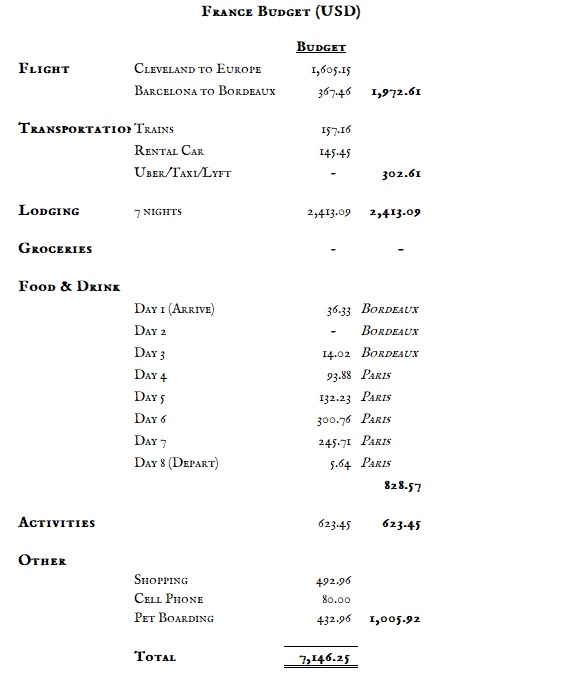
France generally operates at a higher price point across all categories. In Paris, a decent hostel bed costs €40-60 ($43-65) per night, a basic restaurant meal €20-30 ($22-33), and a metro ticket €2.10 ($2.30). Groceries are expensive, and popular attractions like the Louvre or Eiffel Tower entrance fees add up, often €15-20 ($16-22) each. Expect a comfortable daily budget for a solo traveler to be €80-150 ($87-162) excluding long-distance travel, and much more for mid-range hotels and frequent dining out. Regional cities like Lyon or Bordeaux offer some relief but are still more expensive than their Slovenian counterparts.
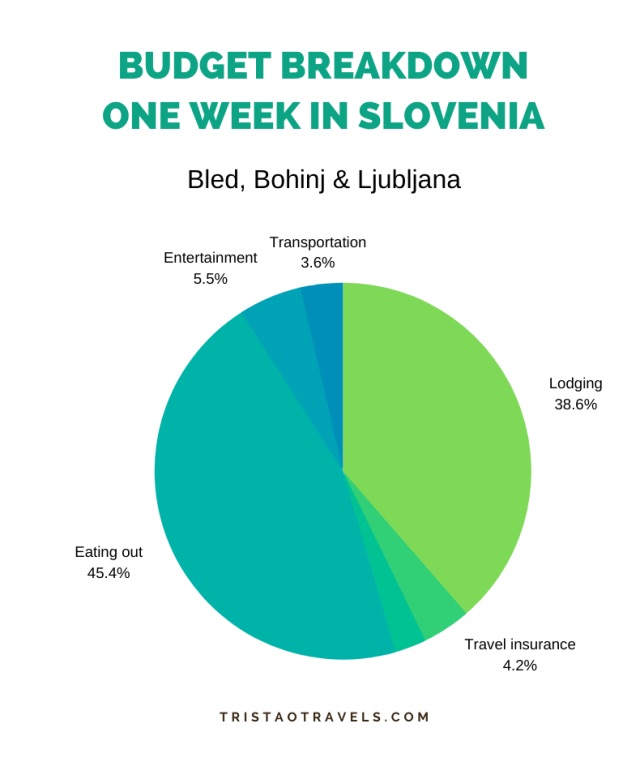
Slovenia offers a strong value proposition. A good hostel bed in Ljubljana costs €25-40 ($27-43), a restaurant meal €12-20 ($13-22), and a local bus ticket €1.30 ($1.40). Attractions like Bled Castle are around €18 ($19.50), and national park entry fees are reasonable. Groceries are affordable, making self-catering a good option. A comfortable daily budget for a solo traveler in Slovenia typically falls into the €50-90 ($54-97) range, allowing for activities and local dining. Even in popular spots like Lake Bled or the Julian Alps, prices remain manageable compared to French tourist hubs.
Tabiji verdict: For budget-conscious travelers seeking more for their money, Slovenia is the clear winner.
- Winner: Slovenia
- Why: Slovenia provides a significantly better value proposition for travelers seeking to manage their expenses.
- Who this matters for: Budget travelers, backpackers, families on a moderate budget
🌲 Nature & Outdoors
France offers a wide range of natural environments, from the French Alps around Chamonix, popular for skiing and mountain sports, to the Mediterranean beaches of the French…
France
Slovenia
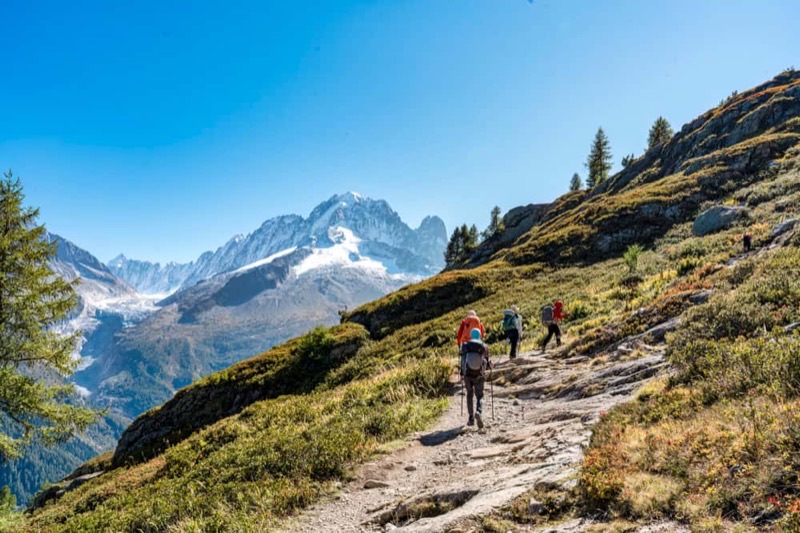
France offers a wide range of natural environments, from the French Alps around Chamonix, popular for skiing and mountain sports, to the Mediterranean beaches of the French Riviera near Nice. The Dordogne region has rivers and caves, and the Loire Valley offers gentle river landscapes. However, these natural areas are spread across a large country, often requiring significant travel time between them. For example, getting from the Mont Blanc region to the Calanques near Marseille means a full day of travel. While each region offers distinct experiences, accessing them efficiently often involves car rental or specific train routes.
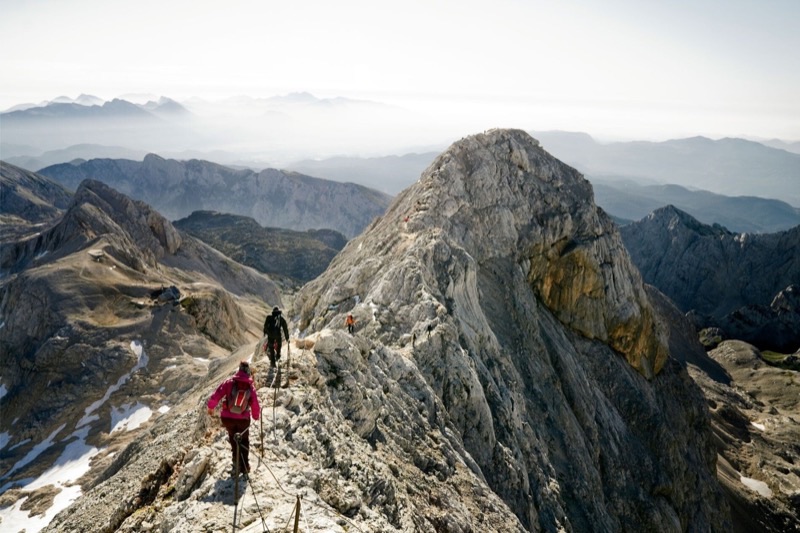
Slovenia excels in accessible, concentrated natural environments. The Julian Alps, including Triglav National Park, offer limestone peaks, alpine lakes like Bled and Bohinj, and rivers such as the Soča, popular for kayaking and rafting. The country also has extensive cave systems like Postojna Cave and Škocjan Caves, which are UNESCO-listed. Most major natural attractions are within a 1-2 hour drive of Ljubljana, making day trips straightforward. You can hike in the mountains in the morning and be by a lake in the afternoon. The compact size of Slovenia means less travel time and more time engaging with nature itself.
Tabiji verdict: For concentrated, easily accessible, and diverse outdoor pursuits, Slovenia provides a superior experience.
- Winner: Slovenia
- Why: Slovenia's compact size and high concentration of diverse natural sites make outdoor activities exceptionally accessible.
- Who this matters for: Hikers, adventure sports enthusiasts, landscape photographers, families seeking outdoor time
🍽️ Food & Drink
France holds a reputation for its cuisine, from casual boulangeries selling fresh croissants and baguettes to Michelin-starred restaurants. Each region has specific dishes:…

France
Slovenia
France holds a reputation for its cuisine, from casual boulangeries selling fresh croissants and baguettes to Michelin-starred restaurants. Each region has specific dishes: cassoulet in the Southwest, bouillabaisse in Marseille, coq au vin in Burgundy, and galettes in Brittany. Wine culture is deeply embedded, with specific regions like Bordeaux, Burgundy, and Champagne producing distinct styles. Eating out can range from €15 ($16) for a simple plat du jour to hundreds for a tasting menu. Cheese and charcuterie are staples, available at markets like Marché des Enfants Rouges in Paris. Learning about local food traditions is a significant part of the French travel experience.
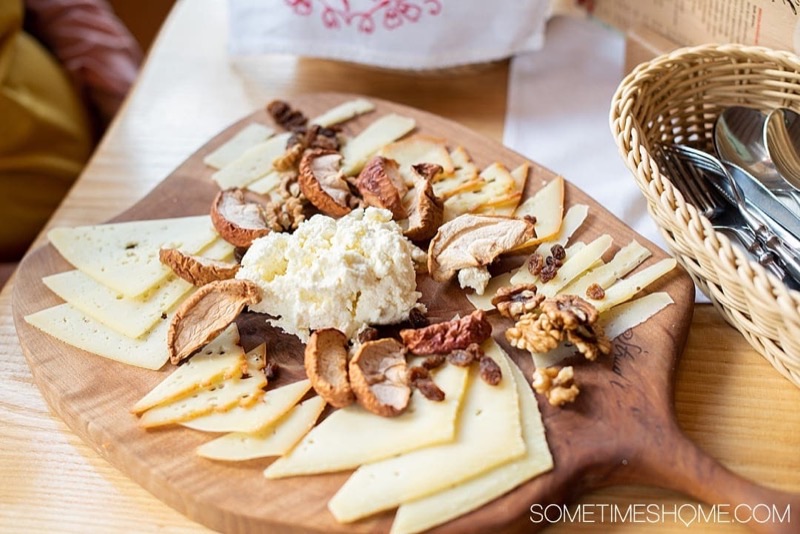
Slovenian cuisine is hearty, drawing influences from its neighbors. Dishes include kranjska klobasa (Carniolan sausage), štruklji (rolled dumplings with various fillings), and potica (nut roll). Seafood is common along the short coast, and pumpkin seed oil is a regional specialty. Slovenian wines, particularly from the Primorska, Podravje, and Posavje regions, are gaining recognition, offering good quality at reasonable prices. While perhaps not as globally recognized as French cuisine, Slovenian food is comforting and uses fresh, local ingredients. Dining at a 'gostilna' (traditional inn) offers a good introduction to local flavors at about €12-20 ($13-22) for a main course.
Tabiji verdict: For culinary diversity, global reputation, and extensive wine choices, France maintains its position.
- Winner: France
- Why: France's established culinary traditions and diverse regional dishes offer a broader and more celebrated food experience.
- Who this matters for: Foodies, gourmands, wine enthusiasts, those who view dining as a central part of travel
🏛️ Culture & History
France offers a breadth of cultural and historical sites. Paris alone contains the Louvre Museum (entry €17, $18.50), the Musée d'Orsay, and the Notre-Dame Cathedral. Beyond…
France
Slovenia
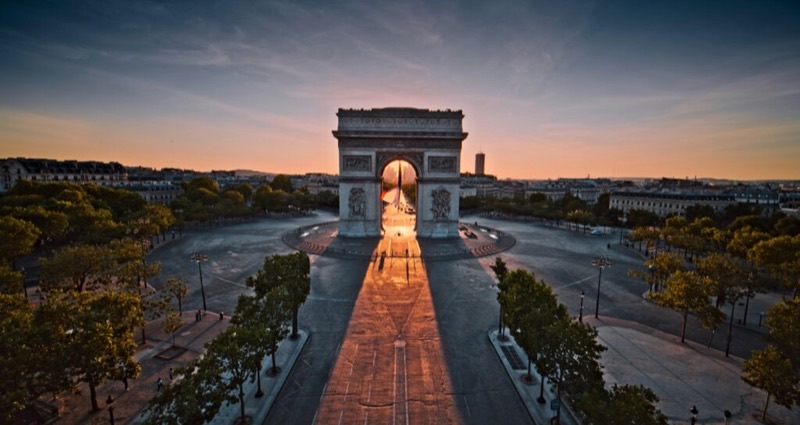
France offers a breadth of cultural and historical sites. Paris alone contains the Louvre Museum (entry €17, $18.50), the Musée d'Orsay, and the Notre-Dame Cathedral. Beyond Paris, you find the Palace of Versailles (€19.50, $21), the Roman amphitheater in Arles, the prehistoric cave paintings of Lascaux, and medieval towns like Carcassonne. The country has been a center for art, philosophy, and political movements for centuries, evident in its architecture, literature, and intellectual discourse. Each region carries its own historical narrative, from the Cathar castles in the south to the D-Day landing beaches in Normandy. This depth and variety are difficult to match.
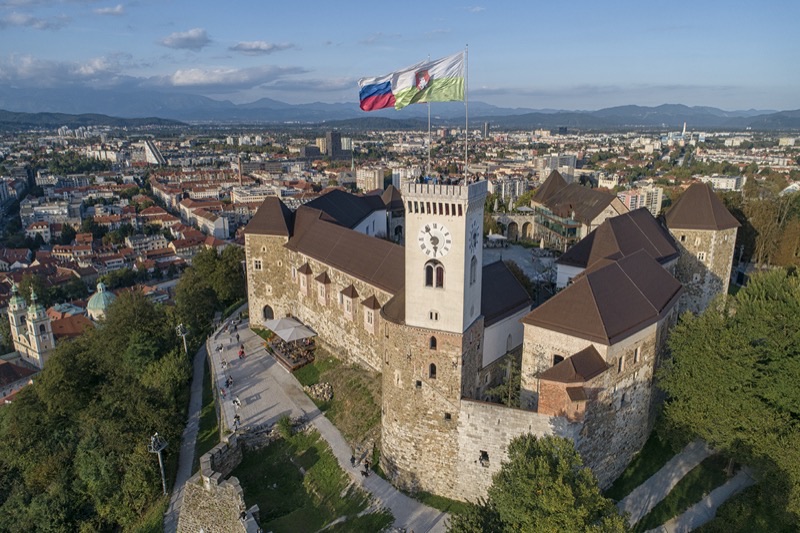
Slovenia's cultural and historical fabric is distinct, reflecting its position at a crossroads of empires. Ljubljana Castle (€18, $19.50) dominates the capital, and Predjama Castle, built into a cave mouth, is a unique sight. The country has a tradition of folk culture and craftsmanship, often tied to its agricultural past. Roman ruins exist in places like Ptuj, and Venetian influence is visible in coastal towns like Piran. While its historical narrative is compelling, it lacks the sheer volume and global recognition of France's historical monuments and art collections. Slovenia's focus often blends its history with its natural environments, such as the ancient churches in alpine settings.
Tabiji verdict: For depth, variety, and global impact of art, history, and cultural institutions, France remains a global leader.
- Winner: France
- Why: France possesses an unparalleled collection of globally significant historical sites, art museums, and cultural contributions.
- Who this matters for: Art historians, history buffs, museum enthusiasts, architecture students
✈️ Getting There & Around
Accessing France is straightforward from most major global hubs. Direct flights from New York to Paris typically take around 7 hours. Within the country, the SNCF train network,…
France
Slovenia
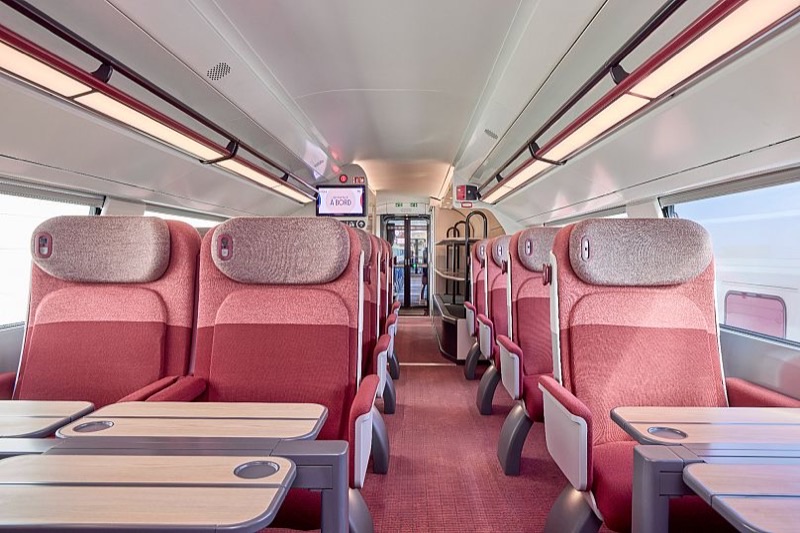
Accessing France is straightforward from most major global hubs. Direct flights from New York to Paris typically take around 7 hours. Within the country, the SNCF train network, especially the TGV high-speed lines, connects major cities efficiently. A Paris-Lyon train can take under 2 hours. Regional trains and buses fill the gaps. Public transport in cities like Paris (metro pass for a week is €30, $32.50) is comprehensive. Renting a car is popular for exploring rural areas, with good road infrastructure. Paris Charles de Gaulle (CDG) and Orly (ORY) are major international gateways.
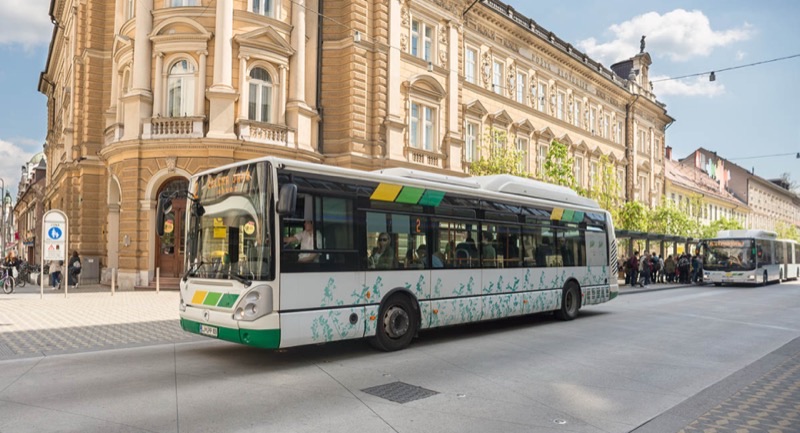
Slovenia has a smaller international airport, Ljubljana Jože Pučnik Airport (LJU), which has fewer direct long-haul flights. Travelers from North America typically connect through larger European hubs like Frankfurt, Munich, or Zurich, making total travel time around 10-12 hours from the US east coast. The country's train network is less extensive than France's; buses are the primary mode of intercity public transport, connecting most towns and attractions reliably. Renting a car is highly recommended for exploring Slovenia's natural areas, as it offers the most flexibility to reach trailheads and remote spots. Driving is easy on well-maintained roads.
Tabiji verdict: For ease of international access and efficient domestic transport options, France offers a more convenient experience.
- Winner: France
- Why: France benefits from more direct international flights and a highly developed, efficient domestic public transport system.
- Who this matters for: Travelers prioritizing speed and convenience, those avoiding car rentals, first-time international travelers
🏨 Accommodation
Accommodation in France spans all categories, from hostels starting at €40-60 ($43-65) in Paris to boutique hotels and grand palaces. In major cities, even mid-range hotels can be…
Accommodation in France spans all categories, from hostels starting at €40-60 ($43-65) in Paris to boutique hotels and grand palaces. In major cities, even mid-range hotels can be €150-250 ($162-270) per night for a double room. Rural areas offer guesthouses (chambres d'hôtes) and gites, providing a local experience, often for €80-150 ($87-162). Availability can be tight in peak season, particularly in popular spots like the French Riviera or Paris, necessitating advance booking. Quality is generally high, but prices reflect demand and location. Expect smaller rooms in city centers.
Slovenia provides excellent value for accommodation. Hostels in Ljubljana are typically €25-40 ($27-43) for a dorm bed. Guesthouses and family-run hotels offer double rooms for €60-120 ($65-130) in cities and popular areas like Lake Bled. Agritourism farms ('turistične kmetije') are a popular option in rural areas, providing lodging and meals, often at €50-80 ($54-87) per person. There are fewer large luxury hotel chains, with the emphasis often on smaller, locally run establishments. Advance booking is still advisable during summer and around Lake Bled, but overall, you get more space and better amenities for your money.
Tabiji verdict: For better value, spacious options, and a focus on local establishments, Slovenia offers a more appealing accommodation experience.
- Winner: Slovenia
- Why: Slovenia consistently offers more affordable and spacious accommodation options for a given budget.
- Who this matters for: Budget-conscious travelers, families needing more space, those seeking local stays
🎉 Nightlife & Entertainment
France, particularly Paris, has a developed nightlife scene. Areas like Le Marais and Bastille in Paris have numerous bars and clubs. You can find everything from high-energy…
France, particularly Paris, has a developed nightlife scene. Areas like Le Marais and Bastille in Paris have numerous bars and clubs. You can find everything from high-energy techno clubs like Rex Club to historic jazz venues such as Le Caveau de la Huchette. Bordeaux, Lyon, and Marseille also have active evening scenes with student populations supporting various pubs and discos. Beyond clubs, France offers a calendar of cultural events, including opera, theater, live music, and art exhibitions that run late into the evening. A cocktail can cost €12-18 ($13-19.50) in a Paris bar.
Slovenia's nightlife is more subdued. Ljubljana has a pleasant bar scene, especially along the Ljubljanica River, where outdoor seating is popular. Metelkova Mesto, an autonomous cultural center, offers alternative music and art spaces, with drinks often around €4-6 ($4.30-6.50). Outside the capital, nightlife mostly consists of local pubs and a few smaller clubs in larger towns like Maribor. During summer, many towns host outdoor concerts, food festivals, and cultural events. While it lacks the scale and variety of France's urban nightlife, it offers a relaxed atmosphere for an evening drink and conversation.
Tabiji verdict: For diverse late-night options, extensive clubbing, and a comprehensive cultural entertainment calendar, France takes the lead.
- Winner: France
- Why: France, especially its major cities, offers a significantly wider and more varied range of nightlife and entertainment choices.
- Who this matters for: Party-goers, club enthusiasts, those seeking late-night cultural activities
🚶♀️ Safety & Solo Travel
France is generally safe for travelers, including solo individuals. However, major tourist areas in Paris, Marseille, and other large cities are known for pickpocketing and petty…
France is generally safe for travelers, including solo individuals. However, major tourist areas in Paris, Marseille, and other large cities are known for pickpocketing and petty theft, requiring awareness, especially on crowded public transport and near popular attractions like the Eiffel Tower. Solo female travel is common and accepted, though standard precautions apply, particularly at night. Demonstrations and strikes can occur, sometimes affecting transport. Overall, the risk of violent crime is low for tourists, but vigilance regarding personal belongings is advised. Using common sense goes a long way here.
Slovenia consistently ranks as one of the safest countries globally. Crime rates are very low, even in the capital, Ljubljana. Solo travelers, including women, often report feeling very secure, even when exploring rural areas or walking alone at night. Pickpocketing is rare but can occur in very crowded city squares during major events. The biggest 'dangers' are often related to outdoor activities, such as hiking, where appropriate gear and caution are necessary. Locals are generally helpful and welcoming to tourists. This high level of safety contributes to a relaxed travel experience for individuals exploring on their own.
Tabiji verdict: For a consistently secure and worry-free experience, especially for solo travelers, Slovenia is a top choice.
- Winner: Slovenia
- Why: Slovenia offers an exceptionally high level of personal safety with very low crime rates, making it ideal for solo travelers.
- Who this matters for: Solo travelers (especially women), first-time international travelers, those prioritizing security
👨👩👧👦 Family Travel
France offers many family-friendly attractions. Disneyland Paris (entry from €56, $60) is a major draw. Children may enjoy the Cité des Sciences et de l'Industrie, or the Jardin…
France offers many family-friendly attractions. Disneyland Paris (entry from €56, $60) is a major draw. Children may enjoy the Cité des Sciences et de l'Industrie, or the Jardin du Luxembourg with its playgrounds and pony rides. However, cities can be crowded and expensive for families, requiring careful budgeting for meals, transport, and entrance fees. Public transport is generally stroller-friendly, but some older metro stations lack elevators. Rural France, with its gites and farm stays, provides a more relaxed family experience, focusing on outdoor activities and local markets. Booking family-sized accommodation well in advance is essential.
Slovenia is well-suited for families, particularly those who enjoy the outdoors. The country's mountains, lakes, and caves provide numerous opportunities for active children. Lake Bled offers boat rides to the island church (€15, $16.20 per person for pletna boat) and a castle. Postojna Cave (entry €28.50, $31) has a cave train, appealing to younger visitors. The smaller crowds and lower costs make family travel less stressful. Accommodation like agritourism farms or apartments often cater well to families. The compact size of the country means less time spent in transit and more time engaged in activities. Many towns have accessible playgrounds.
Tabiji verdict: For an active, less crowded, and more budget-friendly family vacation, Slovenia provides a stronger option.
- Winner: Slovenia
- Why: Slovenia's focus on accessible outdoor activities, lower costs, and smaller crowds makes it more relaxed for families.
- Who this matters for: Families with active children, budget-conscious families, those preferring outdoor experiences over museums
🛍️ Shopping & Local Products
France is synonymous with shopping, from high fashion houses on Avenue Montaigne in Paris to antique markets and local food stalls. You can find luxury brands like Chanel and…
France is synonymous with shopping, from high fashion houses on Avenue Montaigne in Paris to antique markets and local food stalls. You can find luxury brands like Chanel and Louis Vuitton, sophisticated perfumes, and exquisite wines and cheeses. Artisanal goods, ceramics, and lavender products from Provence are popular souvenirs. Weekly markets in almost every town offer fresh produce, local delicacies, and regional crafts. Shopping in France can range from affordable market finds to significant luxury purchases. Department stores like Galeries Lafayette provide a diverse range. Wine, from a simple regional bottle to a grand cru, is a primary shopping focus.
Slovenia's shopping scene focuses more on specific local products and smaller craft items. Popular souvenirs include honey and honey-related products, pumpkin seed oil from the Prekmurje region, and various wooden crafts, lacework (especially from Idrija), and local pottery. Slovenian wines, particularly those from the Vipava Valley or Goriška Brda, are worth purchasing. Ljubljana's Central Market offers fresh produce, cheeses, and local products. While there are some fashion boutiques, Slovenia does not compete with France's fashion reputation or its extensive range of luxury goods. The shopping experience is more about discovering specific, authentic Slovenian items rather than extensive retail therapy.
Tabiji verdict: For breadth of luxury goods, fashion, and globally recognized artisanal products, France offers a more developed shopping experience.
- Winner: France
- Why: France offers a far greater range of shopping opportunities, from luxury fashion to famous gourmet products.
- Who this matters for: Fashion enthusiasts, luxury shoppers, gourmands seeking famous wines and cheeses
🎯 The Decision Framework
Choose France If…
- You desire a classic European trip with iconic landmarks and major museums.
- You are interested in high fashion and luxury shopping experiences.
- You want to explore diverse regional cuisines and renowned wine regions.
- You prefer efficient high-speed rail travel between cities.
- You appreciate developed tourist infrastructure and services.
- You seek an extensive, internationally recognized art and historical narrative.
- You are comfortable with a higher travel budget.
Choose Slovenia If…
- You prioritize accessible outdoor activities like hiking, kayaking, and caving.
- You are looking for a more budget-friendly European destination.
- You prefer a relaxed pace of travel with fewer crowds.
- You value exceptional personal safety and feel comfortable traveling solo.
- You enjoy Central European cuisine and local, lesser-known wines.
- You want a country where natural beauty is easily accessed and compact.
- You appreciate smaller, locally run accommodations and businesses.
📅 Sample Itineraries
Weekend in France (3 Days)
💡 Purchase a Paris Museum Pass (e.g., 2-day pass for €55) to gain entry to many museums and avoid queues, saving both time and money.
Weekend in Slovenia (3 Days)
💡 Consider buying the Ljubljana Card (e.g., €33 for 24h) for unlimited public transport and free entry to major attractions, which can save €10-15 on sightseeing.
One Week in France (7 Days)
💡 Booking TGV high-speed train tickets in France well in advance can lead to savings of 30-50% compared to purchasing on the day of travel.
One Week in Slovenia (7 Days)
💡 Renting a car for around €30-50 per day provides the most flexibility and access to Slovenia's diverse natural attractions, which are often not well-served by public transport.
❓ Frequently Asked Questions
What is the typical flight time and cost from the US to each country?
From major East Coast US cities (e.g., NYC), direct flights to Paris, France (CDG) take about 7 hours, costing €600-900 ($650-975) round trip. Flights to Ljubljana, Slovenia (LJU) typically involve a layover in a major European hub (e.g., Frankfurt, Munich), totaling 10-12 hours and costing €700-1100 ($760-1200) round trip.
How do daily food and drink costs compare?
In France, expect to spend €40-70 ($43-76) per day on food and non-alcoholic drinks for a mix of casual dining and groceries. In Slovenia, this typically ranges from €25-45 ($27-49) per day for a similar mix. Restaurant meals in France are often €20-30 ($22-33) for a main, while in Slovenia they are €12-20 ($13-22).
Which country is better for public transport?
France has a highly developed and efficient public transport network, including extensive high-speed rail (TGV) connecting major cities quickly. Slovenia's train network is smaller, with intercity buses being the primary public transport option for reaching many destinations. For rural exploration, a rental car is more beneficial in Slovenia.
What are the best times to visit each country?
France is enjoyable in spring (April-May) and fall (September-October) for pleasant weather and fewer crowds. Slovenia is ideal in late spring (May-June) and early fall (September) for outdoor activities when the weather is mild and the tourist numbers are manageable. Summer (July-August) is peak season for both, with higher prices and more people.
Is English widely spoken in both countries?
In major tourist areas and cities in France, English is generally spoken, especially by younger generations and those in the service industry. In Slovenia, English proficiency is high, particularly among younger people and in tourist-focused regions. You will likely find it easier to communicate in English in Slovenia overall.
Which country offers more unique accommodation experiences?
France offers a range of unique stays like châteaux hotels, gites (rural cottages), and vineyard stays. Slovenia excels with agritourism farms ('turistične kmetije') in rural areas, offering farm-to-table experiences, and numerous boutique guesthouses near its natural parks. Both provide specific regional charm, but Slovenia's agritourism is a distinct draw.
What is the average cost for a rental car for a week?
A compact rental car in France typically costs €250-400 ($270-430) for a week, excluding fuel and tolls. In Slovenia, a similar vehicle would generally cost €180-300 ($195-325) for a week. Fuel prices are comparable, but tolls are more prevalent on French highways.
Which country is better for a spontaneous trip without much planning?
Slovenia is generally better for spontaneous trips due to fewer crowds, easier access to accommodations, and a compact size that allows for flexible itinerary changes. France, especially during peak seasons or for major cities like Paris, benefits significantly from advance planning for accommodation and popular attractions due to higher demand and costs.
Ready to plan your European trip?
Get a free custom itinerary for France, Slovenia, or both — built from real traveler insights.
👥 Travelers Also Compared
🎟️ Book Tours & Experiences
Hand-picked tours and activities for both destinations — book with free cancellation
Experiences via Viator — free cancellation on most tours