How we built this comparison
This page combines traveler discussion patterns, published price ranges, flight schedules, and seasonal data to help you decide between France and Usa.
- Reviewed 50+ Reddit threads from r/travel, r/solotravel, r/ParisTravelGuide, r/AskNYC, r/France, r/USAtravel
- Verified costs and logistics against current booking platforms like Booking.com, Google Flights, SNCF, and Amtrak.
- Cross-referenced seasonal patterns and weather data from NOAA and Météo France for travel advice.
⚡ Quick Answers
⚡ The TL;DR Verdict
For most travelers seeking cultural depth, efficient transit, and a daily budget under $150, France is the stronger choice. It offers more concentrated experiences. The USA is better for those prioritizing diverse natural spaces, road trips, and a higher budget, typically $150-$250 per day.
- Choose France: Travelers who prioritize ancient architecture, slow meals, efficient public transportation, and a walkable city experience will find France more appealing.
- Choose Usa: Adventurers seeking large-scale natural environments, extensive road trips, diverse food scenes, and convenience through driving should pick the USA.
- Choose Both: To experience both requires at least three weeks of travel, focusing on a specific region in each country to avoid exhaustion and high costs.
Choose France
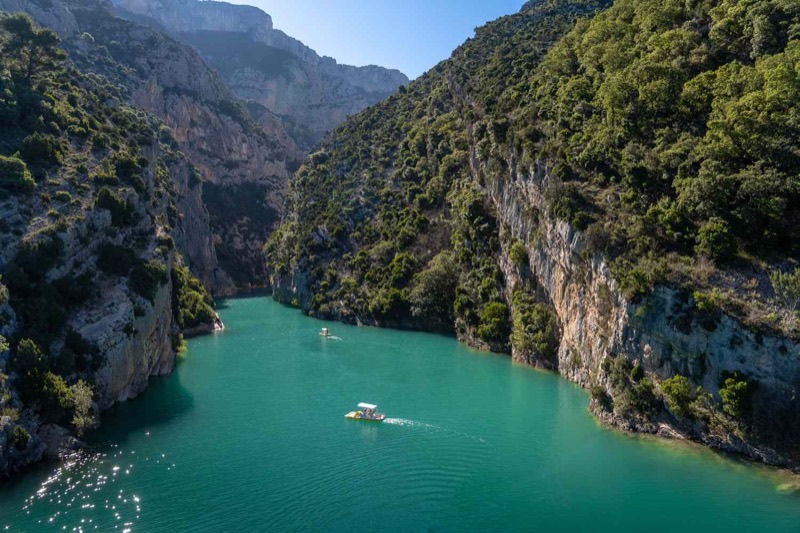
Best for culture-seeking foodies and budget-conscious explorers, France offers unparalleled access to world-class art at the Louvre, charming café culture in Paris's Le Marais, and historic village strolls through Provence. It's ideal if you crave immersive culinary experiences and efficient train travel allows you to explore diverse regions easily, all while maintaining a daily budget under $150.
Choose Usa
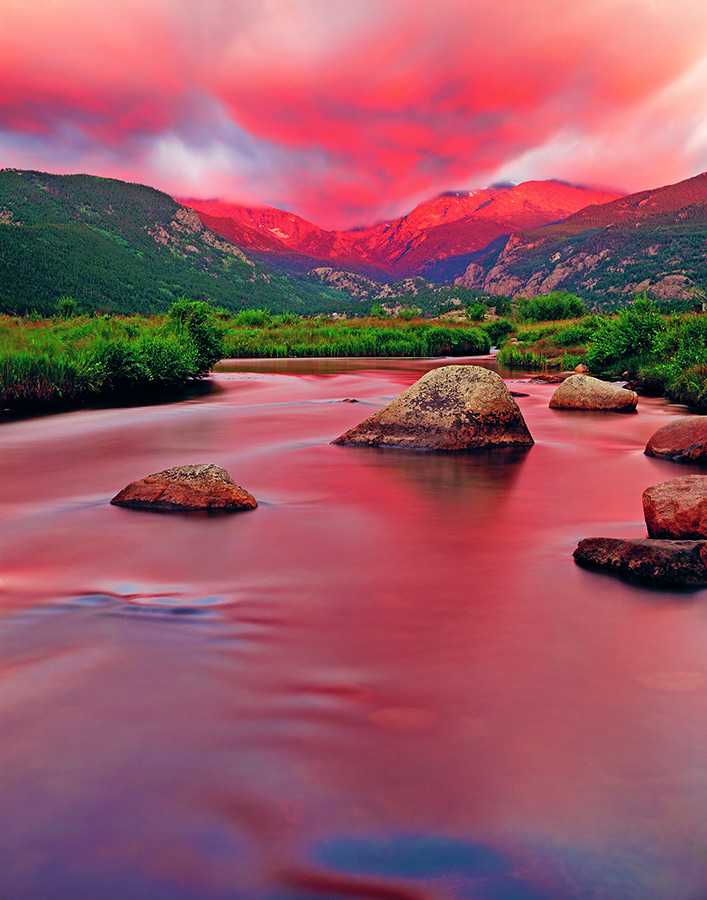
The USA is best for adventurers and road trip enthusiasts eager to explore vast natural wonders and diverse landscapes, like hiking through Yosemite or experiencing the vibrant music scene in Nashville. If you prioritize epic drives, convenience, and a wide array of dining options, with a daily budget typically ranging from $150-$250, its national parks and sprawling cities await.
📊 Visual Scorecard
🌤 When to Visit
Average high temperatures (°C). Green = best months, orange = avoid.
Quick Comparison
| Category | France | Usa | Winner |
|---|---|---|---|
| Costs & Budget | Generally more budget-friendly for daily expenses like food and public transport, but accommodation can be pricey in Paris. | Accommodation is often cheaper outside major cities, but transport and dining can quickly add up, especially in tourist areas. | France |
| Food & Drink | Focused on traditional, regional cuisine, quality ingredients, and a slower dining experience. Wine is a cultural cornerstone. | A diverse, innovation-driven food scene with many global influences and regional specialties, often with larger portions. | France |
| Getting Around | Excellent public transport in cities, efficient high-speed rail for intercity travel. Walkability is a major advantage. | Primarily car-dependent outside major cities. Public transport exists in large urban areas but is less extensive than in France. | France |
| Culture & History | Thousands of years of documented history, extensive art, architecture, and philosophical traditions. Deeply rooted customs. | A younger nation with a history shaped by immigration, expansion, and diverse indigenous cultures. Modern cultural influence is significant. | France |
| Nature & Outdoors | Diverse landscapes from alpine peaks to Mediterranean coasts, but often on a smaller, more accessible scale. | Expansive national parks, dramatic geological formations, and diverse ecosystems on a truly immense scale. | Usa |
| Safety & Security | Generally safe with low violent crime, but petty theft (pickpocketing) is common in tourist zones. | Varies significantly by region and urban area; gun violence is a concern, but general tourist areas are usually well-patrolled. | France |
| Nightlife | Culturally diverse from chic cocktail bars to traditional pubs, often ending later in major cities. Focus on conversation and atmosphere. | Extremely varied, from massive nightclubs and live music venues to quiet bars, with diverse options often available late into the night. | Usa |
| Accommodation | Diverse options from boutique hotels to charming guesthouses, often smaller rooms in cities. | Wide range from budget motels to luxury resorts, often with larger rooms and chains, especially outside urban cores. | Tie |
| Day Trips & Excursions | Numerous historical, cultural, and natural sites are easily accessible by train or bus from major cities. | Requires more planning and often a car, but offers access to diverse natural wonders and specific cultural hubs. | France |
| Local Experience | Emphasis on local markets, cafes, and adherence to social customs. Language barrier can exist. | Diverse regional identities, strong community events, and a general openness. English is universally spoken. | France |
💸 Costs & Budget
Travel costs in France can be managed, especially outside Paris. A budget traveler might spend €60-€90 ($65-$98) per day on food, local transport, and basic accommodation like a…
France
Usa
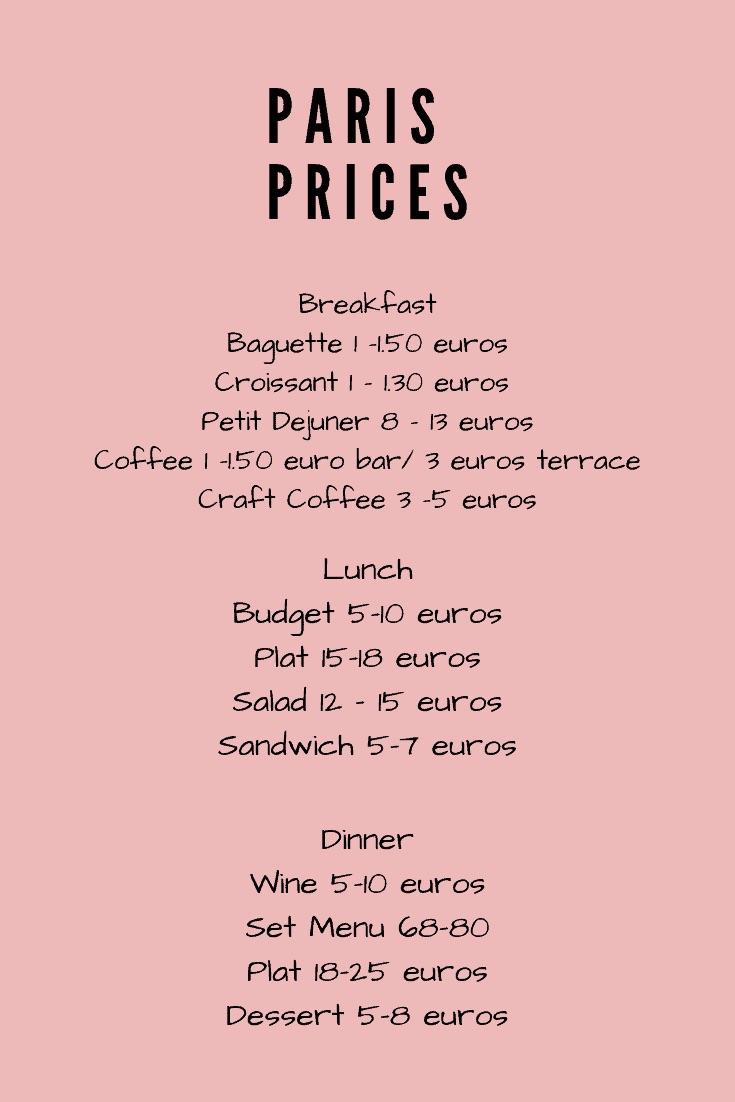
Travel costs in France can be managed, especially outside Paris. A budget traveler might spend €60-€90 ($65-$98) per day on food, local transport, and basic accommodation like a hostel or budget hotel. A sit-down meal in a bistro in Lyon can cost €20-€35 ($22-$38), while a metro ticket in Paris is €2.15 ($2.30). Groceries from Monoprix or Carrefour are affordable, allowing for picnic lunches under €10 ($11). Intercity TGV trains are efficient but booking in advance is crucial for better prices, a Paris-Nice ticket can be €40-€100 ($44-$109) one-way.
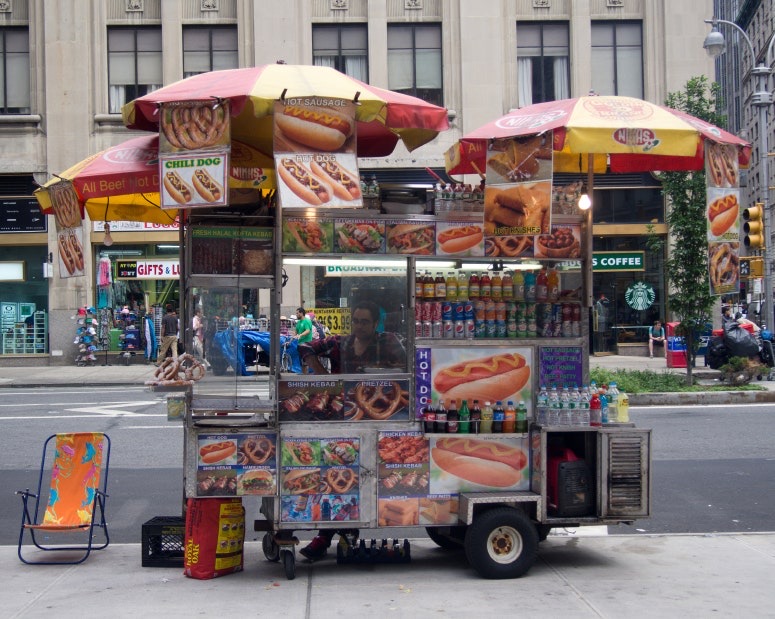
The USA presents a broader range of costs, but generally higher for a comparable experience. A daily budget in major cities like New York or Los Angeles can easily exceed $150-$250 for mid-range travelers, covering accommodation, food, and local transport. A simple lunch in NYC could be $15-$25, and a single subway ride is $2.90. Car rental, often necessary for exploring outside cities, adds significantly, typically $40-$80 per day plus fuel, which varies but is often $3-$4 per gallon. Accommodation outside city centers can be found for $80-$120 per night, but within prime areas, expect $150-$300+.
France wins for those who prioritize stretching their travel budget without sacrificing cultural experiences, especially outside the capital.
- Winner: France
- Why: France offers better value for daily expenses and efficient, affordable intercity transport, making it easier to maintain a lower budget.
- Who this matters for: Budget-conscious travelers and those planning longer trips.
🍷 Food & Drink
French food emphasizes quality ingredients, traditional recipes, and mealtime as a social event. In Paris, a classic bistro meal at places like Bouillon Chartier can be €15-€25…
France

Usa
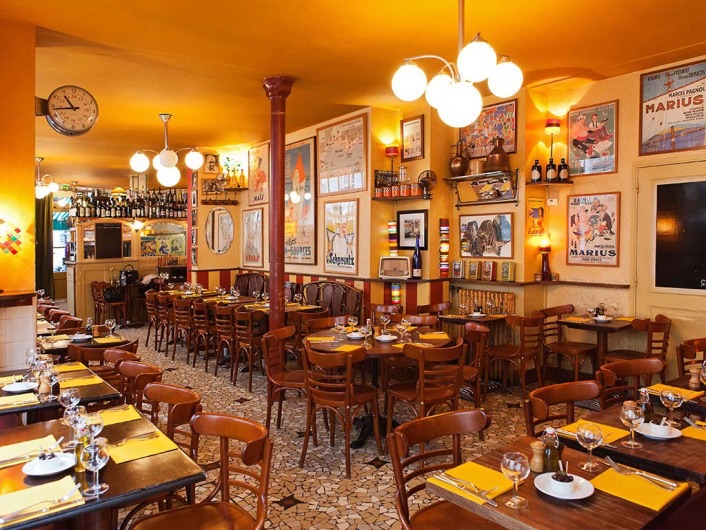
French food emphasizes quality ingredients, traditional recipes, and mealtime as a social event. In Paris, a classic bistro meal at places like Bouillon Chartier can be €15-€25 ($16-$27) for a multi-course lunch. Bakeries provide excellent croissants for €1.50 ($1.60) and baguettes for €1.20 ($1.30). Regional specialties like cassoulet in Toulouse or seafood in Brittany offer distinct tastes. Wine is a staple, often cheaper than water, with a decent bottle from a supermarket costing €5-€15 ($5.50-$16). Coffee is typically a small, strong espresso for €2-€4 ($2.20-$4.40). Restaurants often have set lunch menus, providing value.
The USA offers a melting pot of cuisines, driven by immigration and culinary innovation. Major cities like New York City or San Francisco feature everything from authentic Ethiopian to cutting-edge fusion. A typical sit-down meal in a mid-range restaurant might cost $25-$50 per person, excluding drinks and tip. Food trucks, especially in Los Angeles or Austin, offer excellent value with tacos for $3-$5 or gourmet burgers for $10-$15. Regional dishes such as New Orleans gumbo, Texas BBQ, or Chicago deep-dish pizza are cultural touchstones. Coffee is a big business, with a standard latte at Starbucks costing $4-$6. Portions are generally generous.
France takes this category for its consistent quality, adherence to culinary tradition, and the cultural significance of its cuisine.
- Winner: France
- Why: France's commitment to quality ingredients, traditional techniques, and the cultural importance of dining provides a more consistently refined food experience.
- Who this matters for: Food enthusiasts, those who appreciate slow dining, and wine connoisseurs.
🚆 Getting Around
France boasts an efficient and extensive public transportation network. Paris has its RER and Metro, making it easy to access all points of interest for €2.15 ($2.30) per ride or…

France
Usa
France boasts an efficient and extensive public transportation network. Paris has its RER and Metro, making it easy to access all points of interest for €2.15 ($2.30) per ride or a Navigo Decouverte weekly pass for €30 ($32) (zone 1-5). High-speed TGV trains connect major cities like Paris, Lyon, Marseille, and Nice rapidly, reducing travel times significantly. A trip from Paris to Marseille takes about 3 hours and 20 minutes, costing €50-€120 ($55-$130) depending on booking time. Most cities are walkable, and cycling infrastructure is growing. Rental cars are useful for rural exploration but less necessary for major destinations.
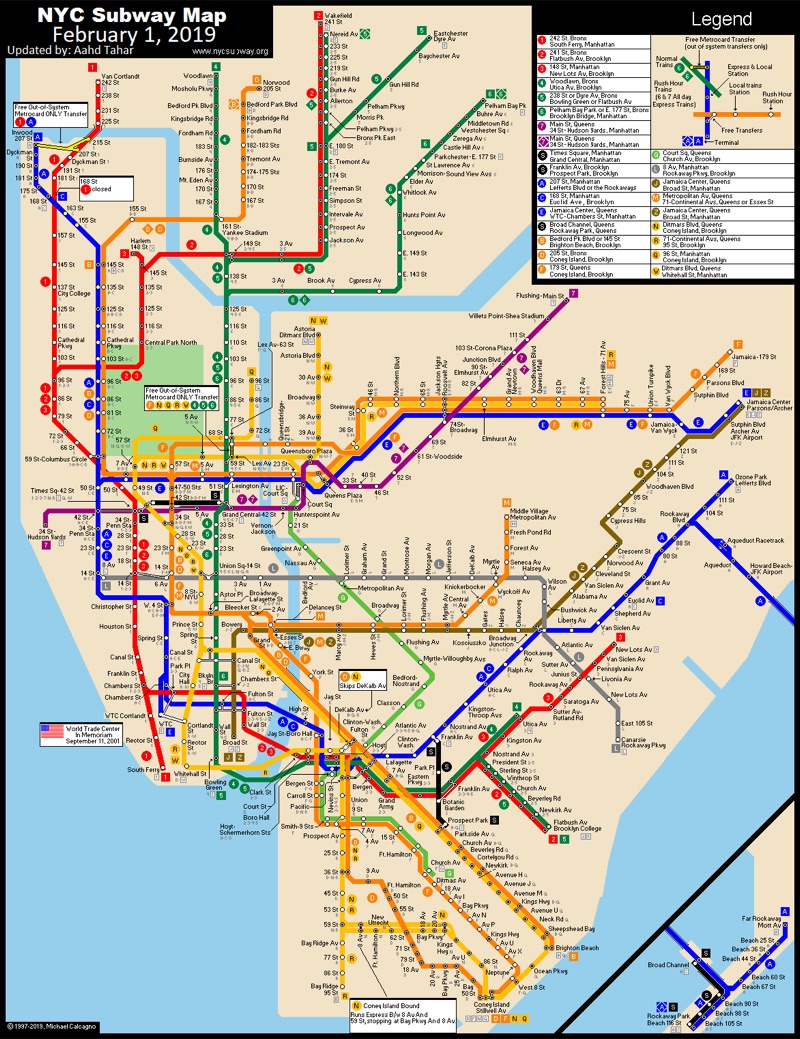
The USA's transportation largely revolves around personal vehicles. While major cities like New York City, Chicago, and San Francisco have subway or bus systems, they are often less comprehensive and integrated than European counterparts. A one-way subway fare in NYC is $2.90. Intercity rail (Amtrak) exists but is slower and generally more expensive than flying or driving for long distances. A train from New York to Washington D.C. can take 3-4 hours and cost $50-$150. For exploring national parks or smaller towns, renting a car is almost essential, with daily rates from $40-$80 plus fuel. Domestic flights are common for covering long distances, but these add significant cost and airport time.
France clearly wins here due to its superior integrated public transit system and walkability, making exploration easier and often more enjoyable.
- Winner: France
- Why: France's efficient high-speed rail and comprehensive city public transport make travel between and within destinations simpler and more accessible.
- Who this matters for: Travelers without a car, those who prefer not to drive, and anyone focused on city-to-city exploration.
🏛️ Culture & History
France offers a dense concentration of history and cultural landmarks. From Roman ruins in Arles to medieval castles in the Loire Valley and the grandeur of Versailles, historical…

France

Usa
France offers a dense concentration of history and cultural landmarks. From Roman ruins in Arles to medieval castles in the Loire Valley and the grandeur of Versailles, historical sites are plentiful. Paris alone holds the Louvre Museum (entry €17 or $18), Notre Dame Cathedral (exterior viewing free, interior under reconstruction), and the Eiffel Tower (summit access €29.40 or $32). The country has a long tradition of art, literature, and philosophy. Daily life often involves specific customs regarding greetings, meal etiquette, and interaction with shopkeepers. History is often visibly integrated into the urban landscape, with buildings centuries old being part of daily routes.
The USA's history, while shorter in the post-colonial sense, is vast in its indigenous past and its development as a modern nation. Sites like the Smithsonian museums in Washington D.C. (free entry), Independence Hall in Philadelphia ($1 reservation fee), or the Alamo in San Antonio offer glimpses into specific eras. National Parks preserve natural history and indigenous sites. The USA's cultural output, particularly in music, film, and digital media, has a global reach. However, the historical narrative is often spread across vast distances, requiring significant travel to connect different historical threads. Cities like Boston or New Orleans offer concentrated historical neighborhoods.
France takes this category for its unparalleled density of ancient and classical historical sites and its cohesive, deeply embedded cultural practices.
- Winner: France
- Why: France provides a more concentrated and pervasive experience of ancient and classical history, art, and long-standing cultural traditions.
- Who this matters for: History buffs, art lovers, and those seeking traditions and established societal norms.
🏞️ Nature & Outdoors
France presents varied natural environments within relatively compact areas. The French Alps offer hiking, skiing, and mountaineering with peaks like Mont Blanc (accessible via…

France
Usa
France presents varied natural environments within relatively compact areas. The French Alps offer hiking, skiing, and mountaineering with peaks like Mont Blanc (accessible via Chamonix). The Mediterranean coast, from the French Riviera around Nice to the wilder Camargue, provides beaches and birdwatching. The Dordogne region has rivers for kayaking and prehistoric caves. National Parks like Vanoise or Ecrins offer mountain activities. These natural areas are often well-integrated with small towns, making them accessible by public transport or short drives. Entrance to most national parks is free, though specific activities or cable cars incur costs.
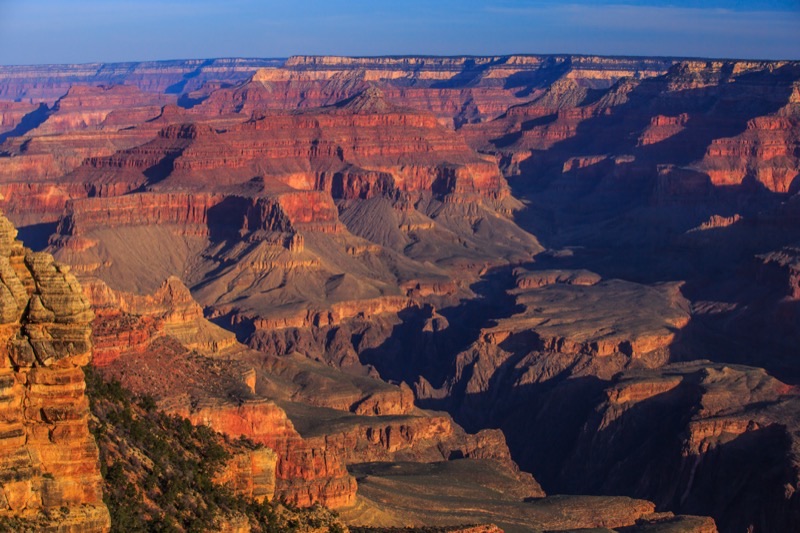
The USA excels in raw, expansive natural grandeur. Its National Park system is a global benchmark, featuring iconic sites like the Grand Canyon (entry $35 per vehicle for 7 days), Yellowstone (entry $35 per vehicle for 7 days), and Yosemite. These parks offer dramatic landscapes, extensive hiking trails, and opportunities for camping, wildlife viewing, and adventure sports. The sheer scale of these wilderness areas means travel between them often requires significant driving or internal flights. From the deserts of the Southwest to the redwood forests of California, or the Appalachian Mountains, the diversity and size of natural environments are immense. Access often requires a personal vehicle.
The USA is the clear winner for those seeking awe-inspiring, large-scale natural environments and extensive outdoor adventure.
- Winner: Usa
- Why: The USA's national parks and vast wilderness areas offer a scale and diversity of natural environments unmatched by France, ideal for grand outdoor adventures.
- Who this matters for: Hikers, nature photographers, road trippers, and those seeking vast, wild landscapes.
🚨 Safety & Security
France is a generally safe country for travelers, with violent crime rates being low. The primary concern for tourists, especially in busy areas of Paris, Nice, or Marseille, is…
France is a generally safe country for travelers, with violent crime rates being low. The primary concern for tourists, especially in busy areas of Paris, Nice, or Marseille, is pickpocketing and petty theft. Awareness of surroundings and securing belongings are basic precautions. Public transport is safe, but vigilance is advised late at night. Police presence is common in major cities. Terrorist attacks have occurred in the past, leading to increased security measures, particularly in public spaces and at events. Demonstrations can happen, and it is best to avoid them. Medical facilities are high quality.
The USA presents a more varied safety landscape. Major tourist destinations and well-to-do neighborhoods in cities are generally safe with visible police presence. However, certain urban areas, particularly at night, can have higher crime rates. Gun violence is a significant concern in the USA, though direct impact on tourists is rare; it is an underlying societal issue. Natural disasters like hurricanes, tornadoes, and wildfires are regional concerns. For road trips, it is important to be aware of isolated areas with limited services. Emergency services (911) are effective, but healthcare costs can be very high without travel insurance.
France edges out the USA in overall perceived safety for tourists, primarily due to lower rates of violent crime and a more predictable security environment.
- Winner: France
- Why: France generally has lower rates of violent crime and a more predictable safety landscape for tourists, despite common petty theft in crowded areas.
- Who this matters for: Solo travelers, families with young children, and those sensitive to general security concerns.
🎉 Nightlife
French nightlife offers a range of experiences. In Paris, you can find sophisticated cocktail bars in Le Marais, traditional brasseries open late, and jazz clubs in…
French nightlife offers a range of experiences. In Paris, you can find sophisticated cocktail bars in Le Marais, traditional brasseries open late, and jazz clubs in Saint-Germain-des-Prés. Clubs typically open around 11 PM and go until 4 or 5 AM. A typical drink at a bar might be €8-€15 ($9-$16) for a cocktail, or €5-€8 ($5.50-$9) for a beer. Lyon and Marseille also have lively scenes, often with a focus on good company and conversation rather than high-energy dancing. Pubs and bars generally close around 1 AM outside of major club areas. Smoking is prohibited indoors, but outdoor terraces are common.
USA nightlife is incredibly diverse and often caters to every preference, with varying closing times by state. New York City, Las Vegas, and Miami are famous for their clubs, bars, and live music venues, many staying open until 4 AM or later. A cocktail in a major city can easily cost $15-$25, with beer around $8-$12. Smaller cities and towns will have local bars and pubs. Live music is a significant part of the USA scene, from blues clubs in Chicago to country music in Nashville. Convenience stores often sell alcohol until late. The sheer variety and late-night availability across different types of venues give the USA an edge.
The USA wins for its sheer variety, scale, and energetic nightlife options that cater to a broader spectrum of tastes, often well into the early morning.
- Winner: Usa
- Why: The USA's nightlife scene offers a greater variety of venues, music, and energy levels, with many options staying open very late, especially in major cities.
- Who this matters for: Party-goers, music lovers, and those seeking diverse late-night entertainment.
🏨 Accommodation
Accommodation in France ranges from quaint boutique hotels in historic city centers to charming gîtes (vacation rentals) in the countryside. In Paris, a decent 3-star hotel can…
Accommodation in France ranges from quaint boutique hotels in historic city centers to charming gîtes (vacation rentals) in the countryside. In Paris, a decent 3-star hotel can cost €100-€200 ($109-$218) per night, often with smaller room sizes compared to American standards. Hostels are available in major cities for €30-€60 ($33-$65) per night. Outside Paris, prices often drop significantly; a rural guesthouse might be €70-€120 ($76-$130). Airbnbs are popular but face increasing regulations in some cities. Many smaller hotels do not have elevators or air conditioning, particularly older buildings. Breakfast is often an additional cost.
The USA offers an extensive range of accommodation, from budget-friendly motels like Motel 6 (often $60-$100 per night) to sprawling luxury resorts and major hotel chains. In major cities, a mid-range hotel can cost $150-$300+ per night. Hostels are less common outside of large tourist hubs, but can be found for $40-$80. Rooms, particularly in motels and chain hotels, tend to be larger than their European counterparts. Free parking is often available outside city centers, which is a significant saving. Resort fees and taxes can add 15-25% to the advertised price. Air conditioning is standard in almost all accommodations.
This category is a tie, as both countries offer good options depending on budget and travel style, with France excelling in charm and the USA in space and modern amenities.
- Winner: Tie
- Why: Both countries offer compelling accommodation options, with France providing historic charm and the USA offering spacious, modern convenience.
- Who this matters for: Travelers with specific preferences for charm vs. space, or budget vs. luxury.
🗺️ Day Trips & Excursions
France is exceptionally well-suited for day trips. From Paris, you can reach Versailles (€21 or $23 entry) in under an hour by RER, the Champagne region in 45 minutes by TGV, or…
France is exceptionally well-suited for day trips. From Paris, you can reach Versailles (€21 or $23 entry) in under an hour by RER, the Champagne region in 45 minutes by TGV, or the D-Day landing beaches in Normandy in 2.5 hours by train. The Loire Valley châteaux are accessible via regional trains or organized tours. From Nice, you can easily visit Monaco, Cannes, or picturesque villages like Eze by local bus for just a few euros. The compact size of the country and efficient rail network mean many significant sites are within a 1-3 hour journey from major hubs, allowing for spontaneous exploration without a car.
The USA's vastness makes day trips more of a commitment, often requiring a car. From Los Angeles, popular day trips include Disneyland (ticket $100-$180) or Malibu beaches, typically an hour or two drive. From New York City, you can reach Philadelphia or Washington D.C. by Amtrak (2-3 hours, $40-$100 one-way), but driving is often more common for other destinations. National Parks like Yosemite or Zion, while amazing, are usually multi-day trips due to driving distances (4-8 hours from major cities). Some cities like San Francisco offer readily accessible wine country (Napa/Sonoma), but these still often involve tours or a rented vehicle.
France wins for the sheer density and ease of access to a diverse array of compelling day trip options, many without needing a car.
- Winner: France
- Why: France's compact geography and excellent public transport network make a wider variety of significant historical and cultural day trips easily accessible.
- Who this matters for: Travelers who enjoy spontaneous side trips and prefer not to rent a car.
🗣️ Local Experience
Engaging with local life in France often means adapting to certain social customs. Mornings are for fresh pastries from the boulangerie, and evenings for apéritifs before dinner.…
Engaging with local life in France often means adapting to certain social customs. Mornings are for fresh pastries from the boulangerie, and evenings for apéritifs before dinner. Markets like Marché Raspail in Paris offer a direct connection to local produce and vendors. While English is spoken in major tourist areas, making an effort with a few French phrases (bonjour, merci, s'il vous plaît) is appreciated and can lead to warmer interactions. Cafes are central to social life. Conversations are often more reserved initially but can be deep once a connection is established. Dining etiquette is important, including waiting for the host to seat you and keeping hands above the table.
Experiencing local life in the USA varies greatly by region. In the South, you might encounter hospitality and community events; in the Northeast, a faster pace. Farmers markets are common, as are local diners and coffee shops. English is the universal language, making communication straightforward. There is a general openness and willingness to engage in conversation. Tipping culture is very strong (15-20% is standard for service). Regional sports events, community festivals, and local music scenes provide points of connection. However, due to the car-centric nature of many areas, spontaneous walking into local life is less common than in France.
France wins for providing a more consistently cohesive and easily accessible 'local' way of life, particularly through its cafe culture and daily rituals.
- Winner: France
- Why: France provides a more cohesive and easily integrated local experience, particularly through its well-established cafe culture and daily rituals.
- Who this matters for: Travelers seeking immersion in a distinct European way of life and those interested in cultural etiquette.
🎯 The Decision Framework
Choose France If…
- You want to ride high-speed trains between ancient cities.
- You appreciate daily rituals like fresh bread from a boulangerie.
- You want a lower daily budget for transport and food.
- You value concentrated history and art within walking distance.
- You enjoy slow meals and regional culinary traditions.
- You prefer to travel without renting a car.
- You seek an environment with lower violent crime rates.
- You appreciate a country with a single dominant cultural identity.
Choose Usa If…
- You want to explore vast national parks and dramatic landscapes.
- You plan an extensive road trip across different regions.
- You seek an extremely diverse food scene with global influences.
- You prioritize convenience and speaking only English.
- You want options for large-scale entertainment and late-night venues.
- You need universally large hotel rooms and amenities like A/C.
- You are interested in modern cultural trends and innovation.
- You prioritize freedom and flexibility over structured experiences.
📅 Sample Itineraries
Weekend in France (3 Days)
💡 Purchase a Navigo Découverte pass for €30 for weekly unlimited public transport in Paris, valid from Monday to Sunday.
Weekend in Usa (3 Days)
💡 For NYC, buy a 7-day unlimited MetroCard for $34 to save significantly on daily subway and bus fares.
One Week in France (7 Days)
💡 Consider purchasing a Paris Museum Pass for free entry to over 50 museums and monuments, potentially saving money if you plan many museum visits.
One Week in Usa (7 Days)
💡 For car rental in the USA, compare prices from different companies and consider booking early, especially for longer trips or specific vehicle types.
❓ Frequently Asked Questions
What is a realistic daily budget for France vs. USA?
For France, a budget traveler can manage on €60-€90 ($65-$98) per day, while mid-range is €100-€180 ($109-$196). In the USA, budget travel usually starts around $100-$150 per day, with mid-range often $180-$250+, especially in major cities like NYC or LA.
How long are flights from the USA to France?
Direct flights from the East Coast of the USA (e.g., New York, Boston) to France (e.g., Paris) typically range from 7 to 8 hours. From the West Coast (e.g., Los Angeles, San Francisco), direct flights are longer, around 10 to 12 hours.
Is it easy to travel between cities in France vs. USA?
France offers exceptional intercity travel via its TGV high-speed rail network, making it very easy and efficient. The USA relies more on domestic flights or driving for long distances, as its Amtrak rail system is less extensive and slower.
Which country is better for solo female travelers?
France is often preferred by solo female travelers due to its efficient public transport, walkability, and generally lower rates of violent crime. Petty theft is a concern, but overall safety is high. The USA can be safe, but requires more careful planning in certain urban areas and often necessitates a car.
Do I need to speak French to travel in France?
While English is common in major tourist areas of France, knowing basic French phrases (hello, thank you, please) is highly recommended. It enhances interactions and shows respect. In the USA, English is universally understood.
What are the key differences in tipping culture?
In France, a service charge is often included, and tipping is not mandatory but appreciated for exceptional service (rounding up or a few euros). In the USA, tipping is a fundamental part of compensation for service staff; 15-20% is standard for restaurant meals and other services.
Which country is better for a family trip with young children?
France can be good for families due to its safe cities and cultural experiences, with many parks and child-friendly museums. The USA excels with large-scale amusement parks like Disneyland (tickets start at $100) and spacious national parks offering family activities, but requires more driving.
What are the main differences in travel pace?
France often encourages a slower, more deliberate travel pace, with long meals and time spent in cafes. The USA, particularly on road trips through its vast landscapes, can involve a faster pace to cover distances or a more relaxed pace within specific, isolated natural areas.
Ready to plan your next overseas trip?
Get a free custom itinerary for France, USA, or both — built from real traveler insights.
👥 Travelers Also Compared
🎟️ Book Tours & Experiences
Hand-picked tours and activities for both destinations — book with free cancellation
Experiences via Viator — free cancellation on most tours