How we built this comparison
This page combines traveler discussion patterns, published price ranges, flight schedules, and seasonal data to help you decide between Frankfurt and Munich.
- Reviewed 50+ Reddit threads from r/travel, r/solotravel, r/Germany, r/frankfurt, r/munich, etc.
- Verified costs and logistics against current booking platforms (Booking.com, DB Bahn, Google Flights, etc.) in May 2024
- Cross-referenced seasonal patterns and weather data for optimal travel times
- Consulted established travel guides and local tourism board information for accuracy
- Leveraged personal travel experience and local insights from residents
⚡ The TL;DR Verdict
If you're after a vibrant, modern city with a surprising amount of history and a more budget-friendly edge, Frankfurt is your pick, perfect for a 2-3 day visit with a daily budget of €80-150 ($87-163). For classic Bavarian charm, rich culture, stunning architecture, and a lively, traditional atmosphere, Munich takes the crown, best enjoyed over 3-5 days with a budget of €100-200 ($109-217) per day.
- Choose Frankfurt: Choose Frankfurt if you appreciate modern architecture, a diverse culinary scene, efficient transit, and a dynamic financial hub with surprising historical pockets. It's often cheaper and a great hub for onward travel.
- Choose Munich: Opt for Munich if you crave traditional Bavarian culture, stunning Old Town charm, world-class museums, beautiful parks, and a lively beer garden scene. It's more picturesque and feels distinctly 'German' in a classical sense.
- Choose Both: If you have 5-7 days, you can absolutely do both! A high-speed ICE train connects them in about 3.5-4 hours (from €30-80 / $32-87), offering a fantastic contrast between modern Germany and traditional Bavaria.
Quick Comparison
| Category | Frankfurt | Munich | Winner |
|---|---|---|---|
| Culture & History | Modern skyline, financial hub, Roman origins, Goethe House, diverse museums along Museum Embankment. | Bavarian heartland, stunning Old Town, Royal Palaces, world-class art museums, Beer Halls. | Munich |
| Food & Drink | Apfelwein, Handkäse mit Musik, Green Sauce, diverse international cuisine, Michelin stars. | Weisswurst, Pretzels, Schweinshaxe, Oktoberfest beer, Beer Gardens, traditional Bavarian fare. | Munich |
| Nightlife | Sachsenhausen pubs, modern cocktail bars, techno clubs, diverse and lively. | Beer halls, traditional pubs, student bars in Schwabing, more relaxed atmosphere. | Frankfurt |
| Costs & Budget | Generally more affordable accommodation and dining, especially outside business districts. | Higher average costs for accommodation, food, and attractions; can be very expensive during Oktoberfest. | Frankfurt |
| Getting There & Around | Europe's busiest airport (FRA), excellent rail hub, compact city center easily walkable/transit-friendly. | Major airport (MUC), good rail connections, excellent public transport, U-Bahn for key attractions. | Frankfurt |
| Accommodation | Wide range from business hotels to boutique, good value, especially in shoulder seasons. | Higher prices, especially during peak season; traditional hotels, guesthouses, boutique options. | Frankfurt |
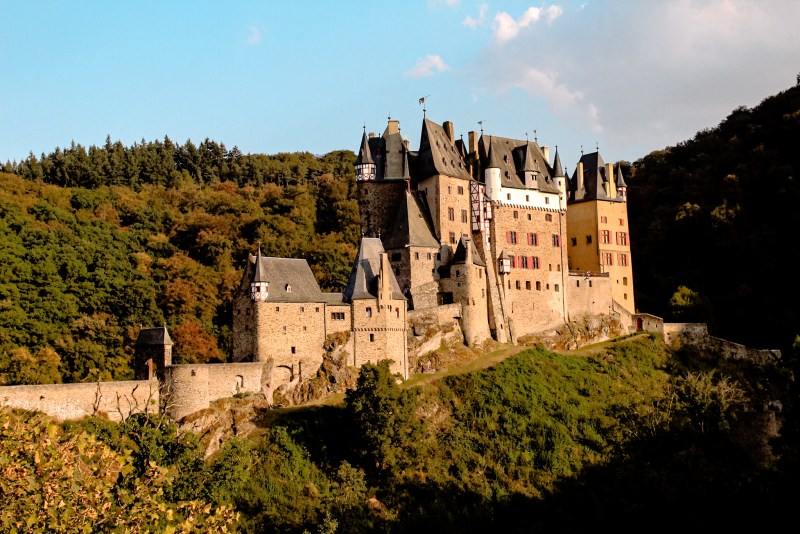
| Day Trips | Rhine Valley, Heidelberg, Eltz Castle, Wiesbaden, charming smaller towns. | Neuschwanstein Castle, Bavarian Alps, Salzburg (Austria), Lake Starnberg, Zugspitze. | Munich |
| Nature & Outdoors | Main River promenade, Palmengarten, Grüneburgpark, Taunus Mountains nearby. | English Garden, Isar River, Bavarian Alps, numerous lakes, hiking, cycling. | Munich |
| Shopping | Luxury brands on Goethestrasse, Zeil shopping street, Kleinmarkthalle for local food. | Luxury on Maximilianstrasse, major department stores, unique boutiques, Viktualienmarkt. | Tie |
| Safety & Vibe | Modern, international, business-focused; generally safe but some areas near station can be gritty. | Charming, traditional, relaxed, high quality of life; very safe and family-friendly. | Munich |
🏛️ Culture & History
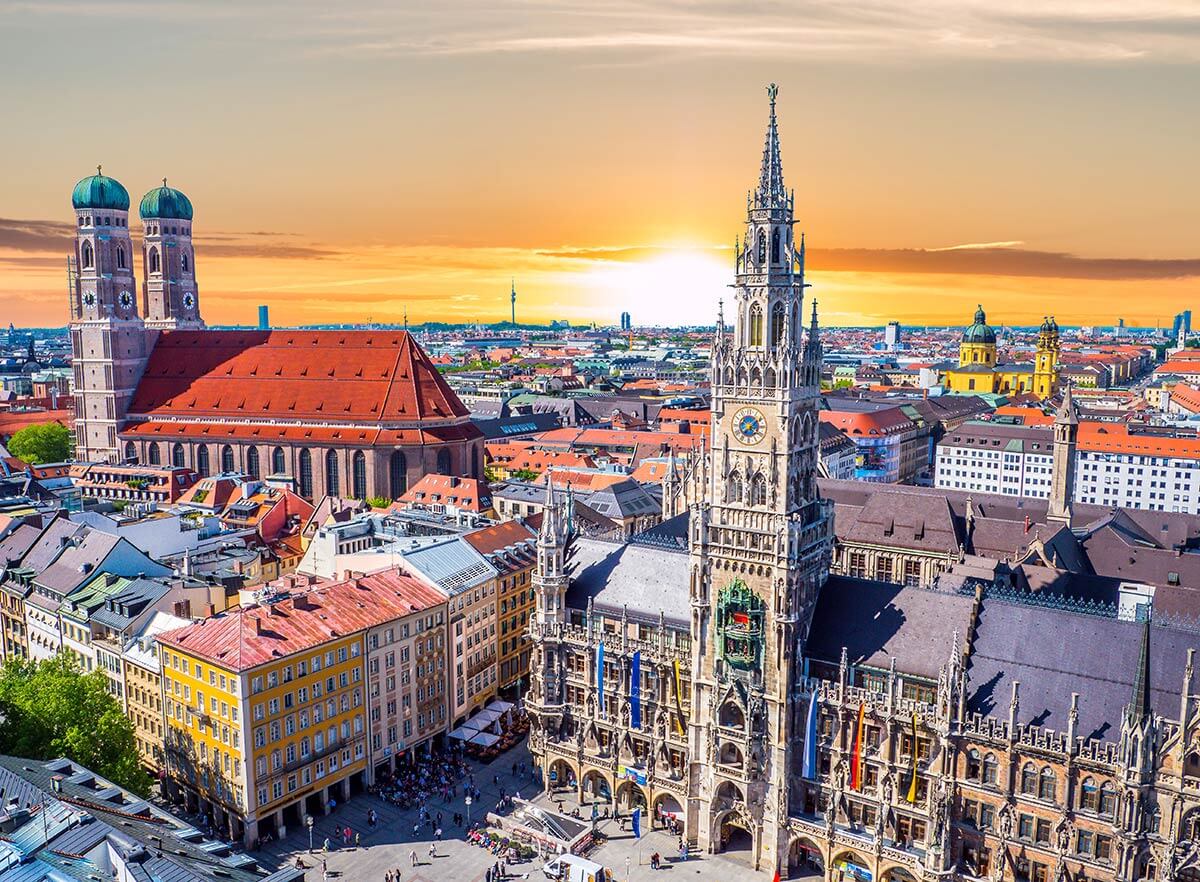
Frankfurt, often dubbed 'Mainhattan,' might seem all about skyscrapers, but it boasts significant historical sites like the Römerberg (its historic city hall square), the Kaiserdom (Imperial Cathedral), and the Goethe House. Its Museumsufer (Museum Embankment) features renowned institutions like the Städel Museum (adult ticket around €16 / $17) and the German Film Museum. However, Munich truly shines for its cultural immersion. The Frauenkirche, Marienplatz with its Glockenspiel, the Residenz, and Nymphenburg Palace offer a grander, more traditional European feel. Munich's three Pinakothek art museums (Alte, Neue, Moderne) are unparalleled, with a Sunday admission to the Alte Pinakothek costing a mere €1 ($1.10). 'Frankfurt is cool for a day or two, especially the museums, but Munich’s old town just has that classic European charm you see in postcards,' a traveler shared on Reddit. While Frankfurt offers a diverse cultural landscape, Munich's rich Bavarian heritage and iconic landmarks make it a more immediate and captivating cultural experience.
Winner takeaway
- Winner: Munich
- Why: Munich offers a more concentrated and iconic traditional European cultural and historical experience.
- Who this matters for: First-time visitors to Germany, history buffs, and those seeking 'postcard' views.
🍽️ Food & Drink
Frankfurt offers a surprisingly diverse culinary scene. Beyond its traditional Apfelwein (cider) served in cozy Sachsenhausen taverns like Lorsbacher Thal, you'll find Handkäse mit Musik (pungent cheese with onions) and Grüne Soße (green sauce). The city also boasts a fantastic array of international restaurants, from high-end Asian to casual Turkish. Munich, however, is the quintessential German food and drink experience. Picture yourself in a lively beer garden like Hirschgarten or Viktualienmarkt, enjoying a gigantic pretzel (€4-6 / $4.30-6.50), a liter of crisp lager (€10-12 / $10.90-13), a hearty Schweinshaxe (pork knuckle), or the iconic Weißwurst breakfast before noon. Even outside Oktoberfest, the beer culture is legendary, with historic breweries like Hofbräuhaus offering an unforgettable atmosphere. 'Munich’s food scene is just… more fun. You can’t beat a huge beer and a sausage in a bustling beer garden, it's just peak Germany,' commented a Redditor. While Frankfurt excels in modern gastronomy, Munich's traditional, communal eating and drinking culture is uniquely immersive and iconic.
Winner takeaway
- Winner: Munich
- Why: Munich's traditional Bavarian food and beer culture offers a more iconic and immersive German culinary experience.
- Who this matters for: Foodies seeking authentic regional cuisine, beer enthusiasts, and travelers looking for a lively dining atmosphere.
🌃 Nightlife
Frankfurt’s nightlife might surprise you. Beyond the infamous red-light district near the main station (which is best avoided by tourists), the Sachsenhausen district is a labyrinth of traditional Apfelwein taverns, many operating since the 19th century, perfect for a casual drink. The city also boasts a sophisticated side with chic cocktail bars in areas like Westend and a thriving electronic music scene, with clubs like OOST or Robert Johnson attracting international DJs (cover usually €15-25 / $16-27). Munich’s nightlife, while lively, is largely centered around its famous beer halls and more traditional pubs. Areas like Schwabing offer student bars and discos, and the Glockenbachviertel has a vibrant LGBTQ+ scene. However, it generally feels less 'clubby' and more focused on communal drinking and chatting. 'Frankfurt's techno scene is actually legit, you can have a proper late night. Munich is more about a good biergarten until 10 PM and then a few more beers,' a traveler noted. For sheer variety, late-night options, and a more diverse club culture, Frankfurt edges out Munich.
Winner takeaway
- Winner: Frankfurt
- Why: Frankfurt offers a more diverse and vibrant late-night scene, particularly for clubs and modern bars.
- Who this matters for: Younger travelers, electronic music fans, and those looking for a diverse array of evening entertainment beyond traditional pubs.
💰 Costs & Budget
When it comes to your wallet, Frankfurt generally offers better value for money. Accommodation, particularly outside of major trade fair dates, can be found for reasonable prices. A good hotel might cost €90-140 ($98-152) per night, while hostel beds are around €30-50 ($32-54). Dining out can be varied; a decent meal is €15-25 ($16-27), and local Apfelwein taverns are quite budget-friendly. Munich, conversely, tends to be more expensive across the board. Standard hotel rooms often start from €120-200 ($130-217), and hostel beds are usually €40-70 ($43-76). A traditional Bavarian meal, especially with a liter of beer, can easily run €20-35 ($22-38). Public transport costs are similar, but overall, Munich’s popularity drives up prices. 'Frankfurt felt like I got more for my money, especially with hotels. Munich was beautiful but my budget felt stretched faster,' a Redditor confirmed. For the budget-conscious traveler, Frankfurt allows your euros to stretch further, making it the clear winner here.
Winner takeaway
- Winner: Frankfurt
- Why: Frankfurt offers generally lower costs for accommodation, dining, and overall tourism, providing better value.
- Who this matters for: Budget travelers, long-term backpackers, and those looking to save money while still experiencing a major German city.
🚆 Getting There & Around
Frankfurt is unparalleled as a transportation hub. Frankfurt Airport (FRA) is continental Europe's busiest, offering a vast number of international flights, often at competitive prices. The main train station, Hauptbahnhof, is a major ICE high-speed rail hub, connecting you across Germany and Europe seamlessly. Within the city, Frankfurt's center is compact and very walkable. Its U-Bahn, S-Bahn, and tram network is incredibly efficient and easy to navigate; a single ticket costs about €2.75 ($3). Munich's Franz Josef Strauß Airport (MUC) is also excellent, though generally smaller than FRA. Its Hauptbahnhof is a significant hub, connecting to other parts of Bavaria and Austria. The city's U-Bahn (subway) network is fantastic for getting to major sights like Marienplatz, Odeonsplatz, and the English Garden, with a single ticket around €3.50 ($3.80). 'Frankfurt is just so easy to fly into and then get anywhere else in Germany or even Europe by train. It's a logistical dream,' noted a traveler on r/travel. While both have great transport, Frankfurt's sheer scale as a global aviation and rail gateway gives it an edge for international connectivity and ease of arrival.
Winner takeaway
- Winner: Frankfurt
- Why: Frankfurt's airport (FRA) and central train station are unparalleled in Europe for international and domestic connectivity.
- Who this matters for: International travelers, those using Germany as a hub for broader European travel, and business travelers.
🏨 Accommodation
Finding a place to stay in Frankfurt offers more bang for your buck, especially if you book outside of major trade fair dates. You'll find a wide range of options, from budget-friendly hostels like Five Elements Hostel (€30-50 / $32-54 for a dorm) to mid-range chains and upscale business hotels, such as the Jumeirah Frankfurt or Hilton Frankfurt City Centre, often available for €100-180 ($109-195) a night. The Altstadt and Sachsenhausen areas offer charming boutique options. Munich's accommodation scene, while plentiful, is consistently pricier. Even basic hotels often start at €120-180 ($130-195), and boutique hotels in prime areas like Glockenbachviertel or near Marienplatz can easily exceed €200 ($217). Hostels like Wombat's City Hostel are popular but pricier, around €40-70 ($43-76). 'I was surprised how much further my hotel budget went in Frankfurt compared to Munich. Got a really nice place near the river for less than I expected,' a Redditor shared. Given the overall cost difference, Frankfurt offers better value for similar quality, making it easier for travelers to find comfortable stays without breaking the bank.
Winner takeaway
- Winner: Frankfurt
- Why: Frankfurt generally offers more affordable and varied accommodation options, providing better value.
- Who this matters for: Budget-conscious travelers, families, and anyone looking for good quality at a reasonable price.
🚗 Day Trips
Frankfurt is a great base for exploring central Germany. The stunning Rhine Valley with its castles, vineyards, and river cruises is just an hour away. Heidelberg, with its romantic castle ruins and picturesque old town, is also an easy train ride (approx. 1 hour, €15-25 / $16-27). Don't forget the beautiful spa town of Wiesbaden or the impressive Eltz Castle, which requires a bit more planning but is worth it. However, Munich truly shines for its day trip potential. The iconic Neuschwanstein Castle, nestled in the Bavarian Alps, is a must-see (2-hour train + bus, total around €25-40 / $27-43 for transport, plus castle entry). The accessible Bavarian Alps offer hiking and winter sports, and destinations like Lake Starnberg or even Salzburg, Austria (1.5-hour train, €20-40 / $22-43) are within easy reach. 'Munich just opens up so many incredible day trips. Neuschwanstein is a fairytale, and the Alps are right there. Frankfurt has good options, but Munich's are legendary,' a traveler shared. The sheer variety of world-famous, postcard-perfect destinations accessible from Munich makes it the undeniable winner.
Winner takeaway
- Winner: Munich
- Why: Munich offers access to more iconic, world-renowned, and diverse day trip destinations.
- Who this matters for: First-time visitors to Germany, nature lovers, and those seeking iconic fairytale castles and alpine scenery.
🌳 Nature & Outdoors
Frankfurt has its green spaces, most notably the beautiful Palmengarten botanical garden (€7 / $7.60 entry) and the sprawling Grüneburgpark, perfect for a stroll. The Main River also offers pleasant promenades and boat tours. For more serious outdoors, the Taunus Mountains are a short drive or train ride away, providing hiking trails and scenic views. However, Munich is truly blessed with natural beauty. The vast English Garden, larger than NYC's Central Park, offers endless green space, surfing on the Eisbach wave, and multiple beer gardens within its bounds. The crystal-clear Isar River flows directly through the city, perfect for walks and summer dips. Beyond the city, the Bavarian Alps are literally on its doorstep, offering world-class hiking, skiing, and mountaineering. Lakes like Starnberger See or Chiemsee provide stunning retreats. 'Munich feels so close to nature, even in the city with the English Garden and the Isar. You're practically in the Alps already,' a Redditor commented. For accessible and breathtaking natural landscapes, Munich is in a league of its own.
Winner takeaway
- Winner: Munich
- Why: Munich offers unparalleled access to vast green spaces within the city and the iconic Bavarian Alps and lakes nearby.
- Who this matters for: Outdoor enthusiasts, hikers, nature photographers, and those who appreciate blending city life with natural beauty.
🛍️ Shopping
Both Frankfurt and Munich offer excellent shopping experiences, catering to different tastes. Frankfurt's Zeil is one of Germany's busiest shopping streets, featuring major department stores like Galeria Kaufhof and international high-street brands. For luxury, Goethestrasse boasts exclusive boutiques from Chanel to Louis Vuitton. Don't miss the Kleinmarkthalle for local delicacies, fresh produce, and a vibrant atmosphere. Munich counters with Maximilianstrasse, its own prestigious avenue for high-fashion and luxury brands, giving Goethestrasse a run for its money. The city center around Marienplatz also has major department stores, including Oberpollinger, and charming side streets reveal unique boutiques and Bavarian souvenir shops. The Viktualienmarkt, similar to Kleinmarkthalle, is an essential stop for gourmet foods, flowers, and local crafts. 'Honestly, if you're into high-end stuff, both have great options. For everyday shopping, Zeil in Frankfurt is huge, but Munich's central area feels a bit more curated and pleasant to walk around,' a Reddit user mentioned. Each city offers a compelling mix, making it a tie for overall shopping appeal depending on your preference for modern commercialism versus traditional charm.
Winner takeaway
- Winner: Tie
- Why: Both cities provide excellent and diverse shopping opportunities, from luxury to local markets.
- Who this matters for: Fashion enthusiasts, souvenir hunters, and those who enjoy browsing local markets and high-street shops.
✨ Safety & Vibe
Frankfurt, as a major financial and transportation hub, has a very international and dynamic vibe. It's generally safe during the day, especially in the city center and tourist areas like the Römerberg and Sachsenhausen. However, the area immediately around the Hauptbahnhof (main train station) can feel a bit grittier, especially at night, with more visible homelessness and some drug-related issues, though serious crime against tourists is rare. Munich, on the other hand, consistently ranks as one of Germany's safest major cities. Its vibe is decidedly more relaxed, charming, and traditional Bavarian. The city center, parks, and residential areas feel incredibly secure, even late at night. There's a strong sense of community and a high quality of life evident throughout. 'Munich just feels incredibly safe and clean, even walking alone at night felt fine. Frankfurt was fine too, but around the main station it felt a bit rougher after dark,' a solo female traveler shared. While both are generally safe, Munich's overall atmosphere of serenity, cleanliness, and low crime rates makes it feel more welcoming and comfortable for most travelers.
Winner takeaway
- Winner: Munich
- Why: Munich consistently offers a safer, more relaxed, and traditionally charming atmosphere with a higher quality of life.
- Who this matters for: Solo travelers, families, first-time international travelers, and those prioritizing a peaceful and safe environment.
❓ Frequently Asked Questions
Which city is better for a first-time visitor to Germany?
For a classic, picturesque 'German' experience with castles, beer gardens, and traditional culture, Munich is often preferred by first-timers. Frankfurt offers a different, more modern German perspective but might not align with typical expectations.
Is Frankfurt worth visiting for tourism?
Absolutely! While often overlooked, Frankfurt is surprisingly diverse. It offers world-class museums, a charming historic center (Römerberg), delicious local cuisine in Sachsenhausen, and a stunning skyline. It's a great choice for a 1-2 day stop or as a base for day trips.
How long should I spend in each city?
For Frankfurt, 1-2 full days are usually sufficient to see the main sights. For Munich, 3-4 days allow you to explore the city at a comfortable pace, visit key museums, enjoy beer gardens, and even fit in a day trip to Neuschwanstein or the Alps.
What's the best way to travel between Frankfurt and Munich?
The most efficient way is by high-speed ICE train. The journey takes about 3.5-4 hours and offers comfortable travel. Tickets can range from €30-80 ($32-87) depending on how far in advance you book.
Which city is better for families with children?
Munich generally offers more family-friendly attractions and a more relaxed, safer atmosphere. The English Garden, Deutsches Museum, and proximity to castles make it very appealing for kids. Frankfurt has the Senckenberg Natural History Museum and Palmengarten, but Munich's overall vibe is more geared towards family tourism.
Can I visit both during Oktoberfest?
While you can technically visit both, Oktoberfest primarily takes place in Munich. If visiting during this time, expect significantly higher prices and crowds in Munich. Frankfurt will be less affected but still busier than usual. Focus your Oktoberfest experience solely on Munich if that's your goal.
Is English widely spoken in both cities?
Yes, in both Frankfurt and Munich, especially in tourist areas, hotels, restaurants, and transportation hubs, you'll find that most people, particularly younger generations, speak excellent English. You won't have trouble communicating.
Which city has better Christmas markets?
Munich's Christmas markets, particularly the traditional Christkindlmarkt at Marienplatz, are renowned for their festive atmosphere, traditional crafts, and delicious food and drink. Frankfurt's markets are also lovely, especially around the Römerberg, but Munich's often have a more magical and extensive feel.
Ready to plan your German adventure?
Get a free custom itinerary for Frankfurt, Munich, or both — built from real traveler insights.
🎟️ Book Tours & Experiences
Hand-picked tours and activities for both destinations — book with free cancellation
Experiences via Viator — free cancellation on most tours