How we built this comparison
This page combines traveler discussion patterns, published price ranges, flight schedules, and seasonal data to help you decide between French Alps and Swiss Alps.
- Reviewed 50+ Reddit threads from r/travel, r/solotravel, r/Switzerland, r/FranceTravel, and dedicated ski/hiking communities.
- Verified costs for accommodation, lift passes, and transportation against current booking platforms (e.g., Booking.com, SBB, SNCF, resort websites).
- Cross-referenced seasonal patterns, weather data, and activity availability with official tourism boards and reputable travel blogs.
⚡ The TL;DR Verdict
For those prioritizing pristine natural beauty, unparalleled efficiency, and a truly iconic mountain experience, the Swiss Alps are unmatched, but prepare for a daily budget of $150-$300+. If you crave more diverse experiences, world-class skiing on a relative budget, and a vibrant culture centered around food and wine, the French Alps offer superb value and charm at $80-$180+ per day.
- Choose French Alps: Pick the French Alps if you're a keen skier or hiker looking for excellent value, a more rustic and lively village atmosphere, and a rich culinary scene without the Swiss price tag. Great for families and those wanting to explore charming towns like Annecy.
- Choose Swiss Alps: Choose the Swiss Alps if your budget allows for breathtaking, postcard-perfect landscapes, incredibly efficient public transport, and a sense of serene, organized adventure. Ideal for those seeking iconic peaks, high-altitude thrills, and a truly 'once-in-a-lifetime' feel.
- Choose Both: For the ultimate Alps experience, consider a longer trip (10+ days) combining both. Start in Geneva (easy access to both), spend 4-5 days in the French Alps (e.g., Chamonix or Annecy), then take a scenic train through the Mont Blanc Express to the Swiss side for 4-5 days (e.g., Zermatt or Jungfrau region). This offers a taste of both worlds.
Quick Comparison
| Category | French Alps | Swiss Alps | Winner |
|---|---|---|---|
| Costs & Budget | Significantly more affordable for accommodation, food, and activities. Expect 30-50% less than Switzerland. | Among the most expensive destinations globally. High prices for everything from coffee to lift passes. | French Alps |
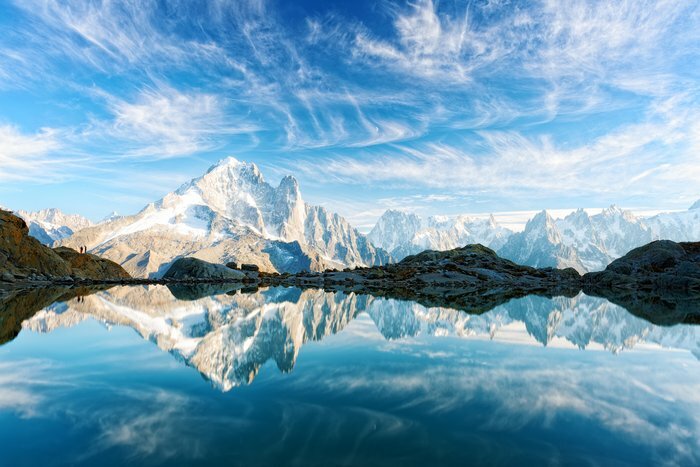
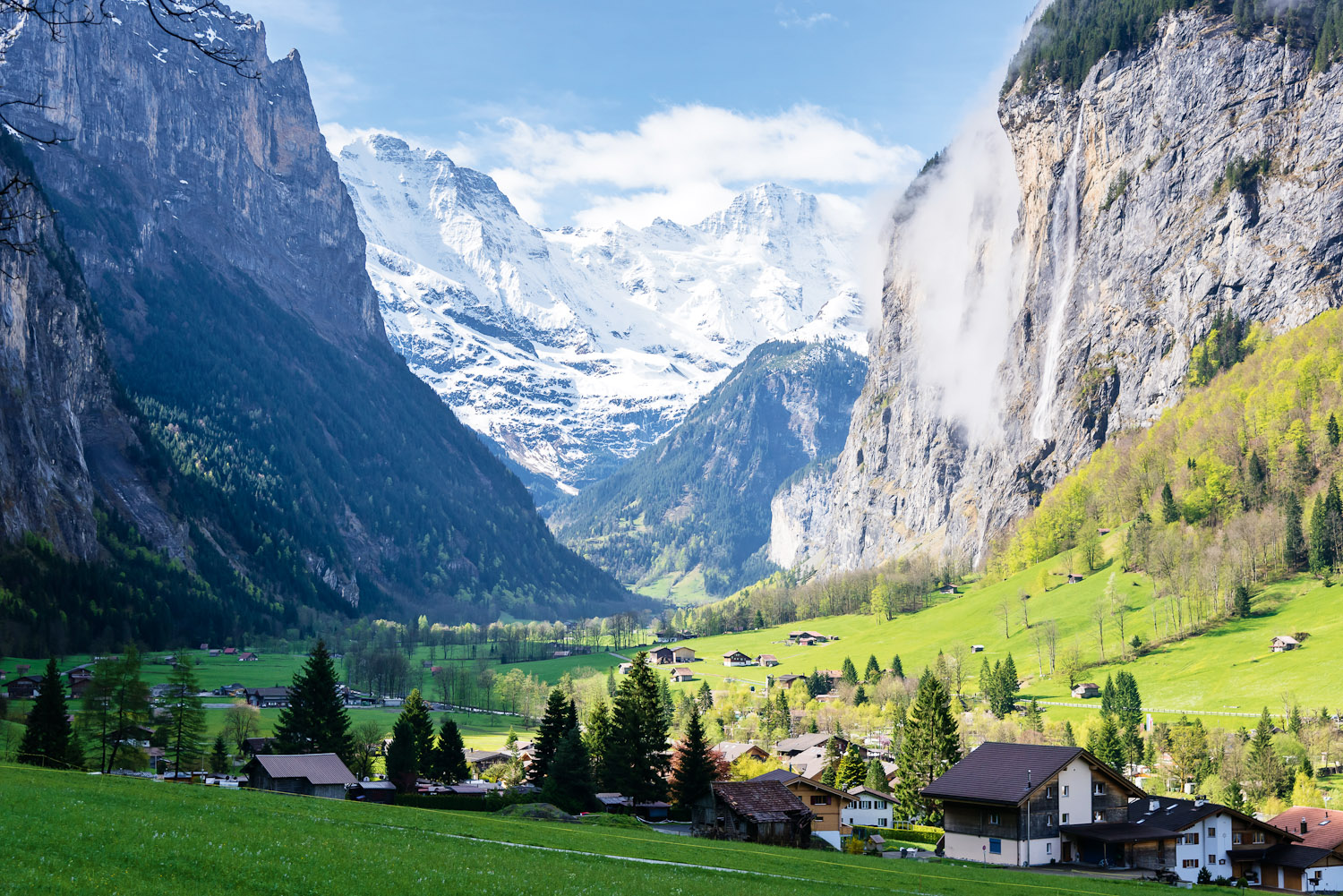
| Nature & Scenery | Home to Mont Blanc, Europe's highest peak. Diverse landscapes from glacial valleys to alpine lakes like Annecy. | Iconic, dramatic peaks like the Matterhorn and Jungfrau. Pristine, almost unreal landscapes often associated with perfection. | Swiss Alps |
| Skiing & Snowboarding | Vast interconnected ski domains (e.g., Portes du Soleil, Three Valleys). Excellent variety, lively après-ski. | High-altitude resorts (e.g., Zermatt, Verbier) with reliable snow. World-class off-piste, but often pricier lift passes. | French Alps |
| Hiking & Summer Activities | Extensive trail networks around Mont Blanc and Vanoise National Park. Picturesque lakes for water sports. | Iconic multi-day treks (e.g., Tour du Mont Blanc from Swiss side), well-marked trails, impressive infrastructure. | Tie |
| Food & Drink | Rich, hearty alpine cuisine with strong influences from French gastronomy. Excellent wines and cheeses. | Traditional Swiss dishes (fondue, raclette) are excellent, but overall dining can be formal and very expensive. | French Alps |
| Getting Around | Good regional bus networks and some train connections, but often requires a car for flexibility, especially outside major towns. | World-renowned, incredibly efficient, and punctual public transport system (trains, buses, boats, cable cars). Swiss Travel Pass is excellent value. | Swiss Alps |
| Accommodation | Wide range from budget hostels to charming chalets and luxury hotels, generally better value. | High-quality, often luxurious hotels and chalets. Limited budget options, and even these are expensive. | French Alps |
| Culture & Vibe | More relaxed, rustic, and lively. Strong French culinary and social traditions. Charming mountain villages. | Pristine, orderly, and efficient. Culturally diverse (German, French, Italian influences), but can feel more reserved. | French Alps |
| Family Friendliness | Many resorts cater to families with excellent ski schools, kids' clubs, and diverse activities. Good value for lodging. | Safe and well-organized, with impressive infrastructure. Activities can be pricey, but many kid-friendly attractions exist. | French Alps |
| Accessibility & Getting There | Primary access via Geneva (GVA) or Lyon (LYS). Direct flights from North America to these hubs are common. | Primary access via Zurich (ZRH) or Geneva (GVA). Excellent train connections from airports directly into the Alps. | Tie |
💰 Costs & Budget
Let's be blunt: Switzerland is eye-wateringly expensive. A simple lunch in Zermatt can easily set you back CHF 25-40 ($27-45 USD), while a similar meal in Chamonix might be EUR 15-25 ($16-27 USD). Accommodation follows suit; a decent mid-range hotel in Grindelwald could be CHF 200-300 ($220-330 USD) per night, whereas a charming chalet in Morzine might be EUR 100-180 ($110-200 USD). Ski passes in the Jungfrau region hover around CHF 80-100 ($88-110 USD) daily, while a Portes du Soleil pass (covering multiple resorts) can be found for EUR 55-70 ($60-77 USD). Even groceries are pricier in Switzerland. Budget travelers will feel the pinch almost immediately. As one Redditor put it, "Switzerland is beautiful, but my wallet cries every time I swipe my card. French Alps felt like a relief after that!"
Winner takeaway
- Winner: French Alps
- Why: The French Alps offer a dramatically more accessible price point for nearly every aspect of your trip without compromising on quality or experience.
- Who this matters for: Budget-conscious travelers, families, and anyone looking to extend their stay without breaking the bank.
⛰️ Nature & Scenery
Both regions are stunning, but the Swiss Alps often feel like a landscape plucked from a painting, almost too perfect to be real. The sheer scale and number of 'iconic' peaks like the Matterhorn, the Eiger, and the Jungfrau are breathtaking. Places like Zermatt, with its car-free charm and direct Matterhorn views, or the Lauterbrunnen Valley, with its 72 waterfalls, are truly unique. The French Alps, while majestic with Mont Blanc dominating the skyline of Chamonix, feel a bit wilder and less manicured. Lake Annecy is gorgeous, and the Vanoise National Park offers incredible hiking, but the concentrated 'wow factor' of the Swiss peaks is hard to beat. "Honestly, nothing beats seeing the Matterhorn for the first time. It's just... epic." The Swiss precision even extends to maintaining their scenic routes.
Winner takeaway
- Winner: Swiss Alps
- Why: The Swiss Alps boast a higher concentration of instantly recognizable, pristine, and breathtaking landscapes that define 'alpine beauty'.
- Who this matters for: Photographers, first-time Alps visitors, and those seeking the most iconic and dramatic mountain vistas.
⛷️ Skiing & Snowboarding
For sheer scale, variety, and value, the French Alps truly excel in skiing. Resorts like the Three Valleys (Courchevel, Méribel, Val Thorens) offer over 600 km of interconnected pistes, making it the largest ski area in the world. Portes du Soleil (Avoriaz, Morzine) is another massive playground. You can often find excellent package deals, and the après-ski scene, particularly in places like Val d'Isère or Val Thorens, is legendary, with lively bars and music starting right off the slopes. Swiss resorts like Zermatt and Verbier are undoubtedly world-class, with incredible terrain and reliable snow thanks to their high altitudes. However, they come with a heftier price tag for lift passes (CHF 80-100 / $88-110 daily) and tend to have a more understated, perhaps more exclusive, après-ski vibe. "If you want huge mileage and good party vibes without spending a fortune, France is your go-to. Switzerland is great, but it's more about the perfect runs and less about the beer."
Winner takeaway
- Winner: French Alps
- Why: The French Alps offer unparalleled ski domain size, diverse terrain for all levels, and a more vibrant après-ski culture at a more accessible price point.
- Who this matters for: Intermediate to advanced skiers, families, groups, and anyone prioritizing extensive piste networks and lively social scenes.
🥾 Hiking & Summer Activities
This category is incredibly close, as both regions offer world-class hiking and summer adventures. The French Alps boast the challenging Tour du Mont Blanc (TMB) circuit, which skirts the highest peak in Western Europe, offering diverse terrain and refuge stays. The Ecrins and Vanoise National Parks provide endless trails, and Lake Annecy is a hub for paragliding, cycling, and water sports. You'll find charming 'refuges' for overnight stays, often serving hearty local food. Switzerland counters with its impeccably maintained and signposted trails, often accessible directly by cable car or cogwheel train, making it easy for all fitness levels to reach stunning viewpoints around Zermatt, Grindelwald, or Wengen. The 'Marmot Trail' in Zermatt or the panoramic trails above Interlaken are fantastic. "Hiking in Switzerland is so easy, even my grandma could do it with the trains and gondolas, but the French trails feel a bit more raw and adventurous." Both offer amazing experiences; it just depends on your preferred style of adventure.
Winner takeaway
- Winner: Tie
- Why: Both regions provide exceptional, diverse, and well-maintained opportunities for hiking and summer activities, catering to all skill levels and preferences.
- Who this matters for: All types of hikers from casual strolls to multi-day trekkers, and those who enjoy a mix of mountain and lake-based summer sports.
🍷 Food & Drink
The French Alps shine here, largely due to France's general culinary prowess. You'll find delicious, hearty Savoyard cuisine – think tartiflette (potato, bacon, reblochon cheese), raclette, fondue, and robust sausages. From cozy mountain 'refuges' to Michelin-starred restaurants, the food scene is vibrant and varied. Prices for a good meal are also more reasonable; a three-course meal in Annecy might cost EUR 25-45 ($27-50 USD), while a similar experience in Lucerne would be CHF 50-80 ($55-90 USD). The local wines (like Apremont or Chignin) and cheeses are fantastic and readily available. Switzerland offers excellent quality too, especially for its traditional fondue, raclette, and rösti, but dining out is a luxury. "The food in France just hits different after a day on the slopes. So much flavor, and you don't feel like you need a second mortgage to pay for dinner."
Winner takeaway
- Winner: French Alps
- Why: The French Alps offer a more diverse, accessible, and gastronomically rich culinary experience, with better value for money.
- Who this matters for: Foodies, those who enjoy pairing meals with local wines, and travelers who appreciate a more vibrant and varied dining scene.
🚆 Getting Around
Switzerland's public transport system is legendary for a reason. The SBB train network connects virtually every town and village, often complemented by post buses, cogwheel railways, and cable cars that extend deep into the mountains. It's incredibly reliable, punctual, and scenic. The Swiss Travel Pass (starting around CHF 232 / $255 USD for 3 days) offers unlimited travel on trains, buses, and boats, plus discounts on mountain railways and free entry to many museums. You can genuinely explore the entire country without a car. In the French Alps, while major towns like Annecy or Chamonix are accessible by train or bus, venturing into smaller ski resorts or hiking trailheads often requires a car. Buses exist, but schedules can be less frequent and connections more challenging. "The Swiss trains are magic. You just show up, and it works, every time. In France, I felt like I was always checking bus schedules and calculating if I needed a rental car."
Winner takeaway
- Winner: Swiss Alps
- Why: Switzerland's integrated public transport system is unparalleled in efficiency, convenience, and reach, making car-free travel effortless.
- Who this matters for: Solo travelers, car-free adventurers, those who value punctuality and ease of navigation, and anyone wanting to maximize sightseeing without driving.
🏨 Accommodation
Finding good value accommodation is significantly easier in the French Alps. In Chamonix, you can find a decent hostel bed for EUR 30-50 ($33-55 USD) or a comfortable mid-range hotel like Hotel L'Arve for EUR 80-150 ($88-165 USD) off-peak. Self-catered apartments and chalets are also widely available and popular, offering excellent options for families or groups. In contrast, Switzerland's accommodation landscape is dominated by higher-end options. A hostel bed in Interlaken might still cost CHF 40-70 ($45-77 USD), and a mid-range hotel in Zermatt could easily be CHF 180-300+ ($200-330 USD) per night. While quality is usually excellent, the price difference is substantial. "I found a cozy B&B in a French village for what a bunk bed cost me in Switzerland. No contest for my budget travel style."
Winner takeaway
- Winner: French Alps
- Why: The French Alps offer a broader spectrum of accommodation options, providing significantly better value for money across all budget ranges.
- Who this matters for: Budget travelers, families, groups, and those looking for charming, authentic stays without premium prices.
🎶 Culture & Vibe
The French Alps generally exude a more laid-back, rustic, and vibrant atmosphere. Villages like Annecy are buzzing with markets, cafes, and lakeside activities, while ski resorts like Morzine or Val d'Isère have a strong après-ski culture and lively evening scenes. There's a tangible warmth and 'joie de vivre' that permeates the region, from the hearty food to the local festivals. The Swiss Alps, while incredibly beautiful and efficient, often feel more reserved and orderly. The cultural influences vary by region (German, French, Italian), but there's a general sense of quiet competence. While charming, towns like Wengen or Mürren are more about serene enjoyment of nature than bustling nightlife. "France just feels more alive. People lingering over meals, laughing loudly, music in the squares. Switzerland is beautiful, but it's a different kind of quiet beauty."
Winner takeaway
- Winner: French Alps
- Why: The French Alps offer a more dynamic, relaxed, and culturally engaging experience with a stronger focus on food, wine, and social vibrancy.
- Who this matters for: Travelers seeking lively village atmospheres, authentic local interactions, and a vibrant après-ski or evening scene.
👨👩👧👦 Family Friendliness
Both destinations are incredibly safe and offer amazing experiences for families, but the French Alps often come out ahead on value and range of family-specific amenities. Resorts like Les Gets, Avoriaz, and Les Arcs are renowned for their excellent ski schools (ESF), dedicated kids' zones, and family-friendly accommodation options at more palatable prices. The ability to find self-catered chalets and apartments at a reasonable cost makes a huge difference for family budgets. Switzerland is also very family-friendly, with many resorts offering 'Kinderland' ski areas and safe environments. However, the cumulative cost of lift passes, lessons, and meals for a family quickly adds up. "We took our kids to Les Gets last year and it was fantastic – so many activities for them, and we didn't feel like we were constantly draining our bank account for every little thing."
Winner takeaway
- Winner: French Alps
- Why: The French Alps provide excellent family-specific infrastructure, a wider range of activities for children, and significantly better value for multi-person trips.
- Who this matters for: Families with young children, those traveling with teenagers, and anyone seeking a budget-conscious family adventure.
✈️ Accessibility & Getting There
Both regions are very accessible from major international hubs. For the French Alps, Geneva (GVA) is often the easiest gateway, especially for resorts like Chamonix or the Portes du Soleil, which are just 1-1.5 hours away. Lyon (LYS) is also a good option for more central French Alps. Direct flights from major North American cities like New York (JFK/EWR) or Toronto (YYZ) to Geneva or Zurich typically range from 7-8 hours. The Swiss Alps are well-served by Geneva (GVA) and Zurich (ZRH), both offering seamless train connections directly from the airport to destinations like Zermatt (3.5-4 hours from ZRH) or Interlaken (2 hours from ZRH). The efficiency of Swiss transport once you land is a major plus. "Landing in Geneva and being in Chamonix in an hour was great. But then again, landing in Zurich and getting on a train right to Grindelwald was equally stress-free." The choice largely depends on your final destination within the Alps.
Winner takeaway
- Winner: Tie
- Why: Both regions are easily accessible from major international airports with robust onward connections, offering comparable convenience for travelers.
- Who this matters for: All travelers, as both destinations offer excellent global connectivity.
❓ Frequently Asked Questions
Is it easy to travel between the French and Swiss Alps?
Yes, it's quite straightforward. The Mont Blanc Express train connects Martigny (Switzerland) to Chamonix (France), offering a scenic route. You can also drive or take regional buses, especially if starting from Geneva, which sits close to both borders.
Which Alps are better for non-skiers?
Both offer plenty for non-skiers. The Swiss Alps boast stunning train journeys, charming car-free villages, and incredible viewpoints accessible by cable car. The French Alps, particularly around Annecy, provide beautiful lake activities, historic towns, and varied hiking opportunities, often at a lower cost.
What's the best time of year to visit each region?
For skiing and winter sports, December to April is ideal. For hiking, cycling, and summer activities, late May to early October offers the best weather. Shoulder seasons (May/June and September/October) can offer fewer crowds and lower prices, though some facilities might be closed.
Are English speakers common in both French and Swiss Alps?
Yes, especially in tourist-heavy areas and larger resorts, you'll find English widely spoken. In Switzerland, especially in the German-speaking cantons, English is very common. In smaller, more rural French villages, basic French phrases will be appreciated.
Do I need a car to explore the Alps?
In the Swiss Alps, a car is absolutely not necessary due to their outstanding public transport. In the French Alps, while major towns are accessible, a car offers greater flexibility for exploring smaller villages, trailheads, and multiple resorts, especially outside peak season.
Which region has better luxury experiences?
The Swiss Alps generally lead in high-end, discreet luxury, with resorts like Zermatt and St. Moritz offering world-class hotels, fine dining, and exclusive experiences. The French Alps also have luxury options, particularly in Courchevel (Three Valleys), but Switzerland's overall standard for luxury tends to be higher and more consistent.
What are some lesser-known gems in each region?
In the French Alps, explore the Queyras Regional Natural Park for authentic villages and hiking, or the Chartreuse massif for stunning monasteries and nature. In the Swiss Alps, consider the Val d'Anniviers (Zinal, Grimentz) for traditional villages and less crowded slopes, or the Appenzell region for rolling hills and unique cultural traditions.
Is travel insurance necessary for an Alps trip?
Absolutely. Travel insurance is highly recommended for any trip to the Alps, covering potential medical emergencies (especially if participating in activities like skiing or hiking), trip cancellations, and lost luggage. European healthcare costs can be high without it, and mountain rescue isn't cheap.
Ready to plan your unforgettable Alps trip?
Get a free custom itinerary for French Alps, Swiss Alps, or both — built from real traveler insights, tailored to your budget and interests.
🎟️ Book Tours & Experiences
Hand-picked tours and activities for both destinations — book with free cancellation
Experiences via Viator — free cancellation on most tours