How we built this comparison
This page combines traveler discussion patterns, published price ranges, flight schedules, and seasonal data to help you decide between Galapagos and Great Barrier Reef.
- Reviewed 100+ Reddit threads from r/travel, r/solotravel, r/ecuador, r/australia, r/Galapagos, r/GreatBarrierReef, and r/diving.
- Verified costs and logistics against current booking platforms (e.g., Kayak, Skyscanner, tour operator sites like G Adventures, Intrepid, Quicksilver Cruises, Reef Magic).
- Cross-referenced seasonal patterns and weather data from NOAA, BOM (Bureau of Meteorology Australia), and local tourism boards.
- Incorporated insights from recent travel blogs, reputable guidebooks (Lonely Planet, Fodor's), and conservation organizations (WWF, Charles Darwin Foundation).
⚡ The TL;DR Verdict
Choose Galapagos if you want nature & wildlife encounters, conservation & ethics. Choose Great Barrier Reef if you want costs & budget, getting there & logistics, getting around (on-site). Split your trip if you want both experiences without forcing one destination to do the other's job.
- Choose Galapagos: nature & wildlife encounters, conservation & ethics.
- Choose Great Barrier Reef: costs & budget, getting there & logistics, getting around (on-site).
- Choose Both: If you have 3-4 weeks and a very generous budget (USD 15,000+ per person), you can absolutely do both, but prepare for significant travel time between continents. Best approached as two distinct, incredible adventures, perhaps spread across different years to fully appreciate each.
- Split your trip: Split your trip if you want Galapagos for its strongest wins but still want Great Barrier Reef for the categories where it clearly does better.
Best-for snapshot
Fast answers first: who each destination tends to serve best, pulled from the page’s own comparison table and verdict.
Best for food
Great Barrier ReefDiverse Australian cuisine, fresh seafood, Asian influences; vibrant dining scenes.
Best for nightlife
TieNot a clean call from the comparison table, so treat this as situational.
Best for budget
Great Barrier ReefMore flexible; options from budget hostels to luxury resorts, tours vary greatly.
Best for first-timers
Great Barrier ReefInternational flights direct to major Australian cities, then domestic to Cairns. Generally simpler.
Best for couples
GalapagosUnparalleled, fearless land & marine wildlife. Up-close encounters guaranteed.
Best for solo travelers
Great Barrier ReefDiverse Australian cuisine, fresh seafood, Asian influences; vibrant dining scenes.
Best for families
Great Barrier ReefMore flexible; options from budget hostels to luxury resorts, tours vary greatly.
Quick scorecards
Lightweight scoring for scanability - a decision aid, not fake precision.
Galapagos
Great Barrier Reef
Quick Comparison
| Category | Galapagos | Great Barrier Reef | Winner |
|---|---|---|---|
| Nature & Wildlife Encounters | Unparalleled, fearless land & marine wildlife. Up-close encounters guaranteed. | Massive, vibrant coral reef system with diverse marine life. Stunning underwater spectacle. | Galapagos |
| Costs & Budget | Significantly higher; mandatory park fees, guided tours, and cruises drive up costs. | More flexible; options from budget hostels to luxury resorts, tours vary greatly. | |
| Getting There & Logistics | Requires international flight to Ecuador, then domestic flight. Complex, often multi-leg journey. | International flights direct to major Australian cities, then domestic to Cairns. Generally simpler. | |
| Getting Around (On-Site) | Primarily multi-day cruises; land-based tours on inhabited islands are an alternative. | Day trips by boat from mainland, island ferries, or liveaboards. More independent options. | |
| Accommodation | Primarily cruise cabins (basic to luxury); limited hotels on populated islands. | Wide range of hotels, resorts, hostels, and island stays to suit all budgets. | |
| Activities & Experiences | Focused on wildlife observation, snorkeling, hiking on specific trails, photography. | Diving, snorkeling, glass-bottom boats, helicopter tours, rainforests, cultural experiences. | |
| Beaches & Scenery | Unique volcanic beaches, white sands with marine iguanas, dramatic lava landscapes. | Stunning white sand cays, iconic Whitsunday beaches, lush tropical rainforest backdrop. | |
| Food & Drink | Fresh seafood, Ecuadorian staples; cruise food is typically international with local touches. | Diverse Australian cuisine, fresh seafood, Asian influences; vibrant dining scenes. | |
| Weather & Seasons | Two main seasons: warm/wet (Dec-May) and cool/dry (Jun-Nov). Wildlife viewing consistent year-round. | Tropical wet (Nov-May, 'stinger season') and dry (Jun-Oct, clearer waters). Dry season is peak. | Tie |
| Conservation & Ethics | Pioneering strict conservation, highly regulated tourism, strong protection for endemic species. | UNESCO site facing coral bleaching, significant efforts in research & sustainable tourism. | Galapagos |
🐢 Nature & Wildlife Encounters
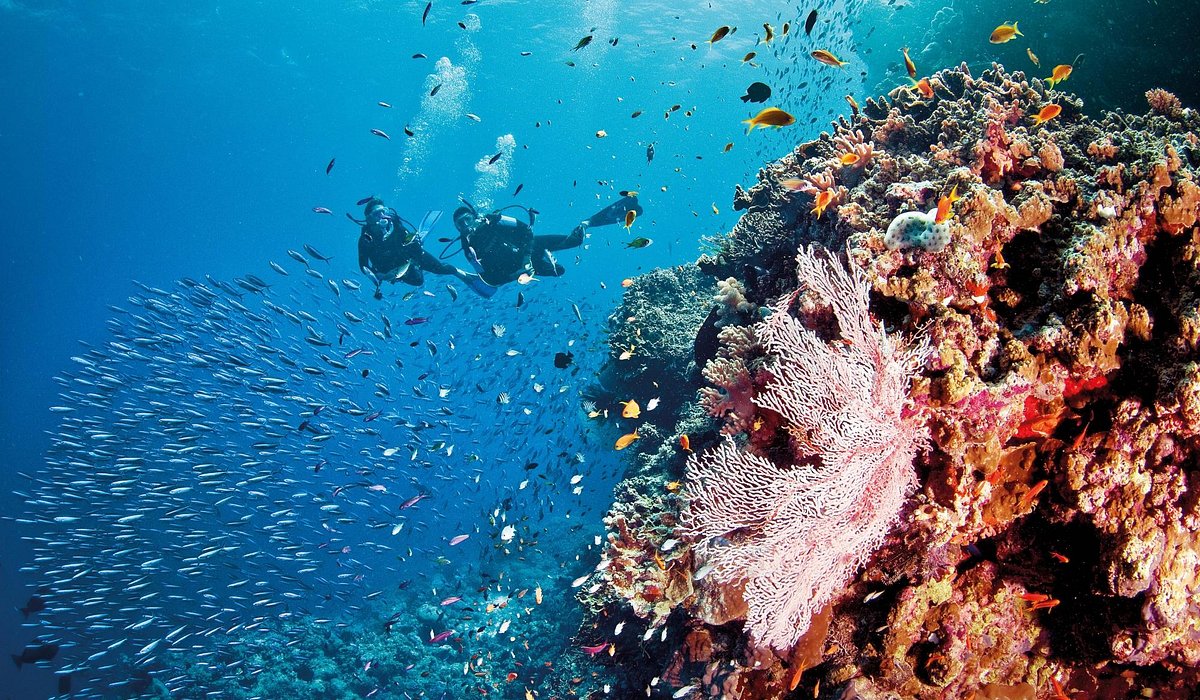
This is where the Galápagos truly shines. Imagine walking past a blue-footed booby nesting just feet away, snorkeling with playful sea lions, or observing giant tortoises lumbering through the highlands – the animals here show no fear of humans, a truly unique experience found almost nowhere else on Earth. You're practically guaranteed incredible close-up encounters every single day, whether you're on a cruise or a land-based tour. The species are endemic and iconic, making every sighting feel special. While the Great Barrier Reef is teeming with marine life – turtles, reef sharks, clownfish, manta rays – it’s primarily an underwater spectacle. You're observing, often from a distance, rather than interacting with animals on their own turf like you do in the Galápagos. A 5-day Galápagos cruise, like those offered by Ecoventura or National Geographic, starting from USD 5,000-8,000, is designed around these encounters. A GBR day trip from Cairns on a boat like the 'Ocean Freedom' (approx. AUD 250-350) will show you incredible reef, but it's a different kind of 'wow.' As one Redditor put it, "Galápagos animals just don't care that you're there, it's wild. GBR is amazing, but you're a visitor in *their* world, not quite the same feeling of mutual indifference."
Winner takeaway
- Winner: Galapagos
- Why: The Galápagos offers a level of intimacy and uniqueness with its fearless, endemic wildlife that is simply unmatched globally.
- Who this matters for: Wildlife photographers, nature enthusiasts, and those seeking truly unique animal interactions.
💸 Costs & Budget
Let's be blunt: Galápagos is expensive, no two ways about it. Expect to pay a USD 100 national park entrance fee and a USD 20 transit control card upon arrival, on top of your international and domestic flights to Baltra or San Cristóbal. The real cost comes from the mandatory guided tours, typically multi-day cruises (4-15 days), which are the only way to truly explore the archipelago. A budget-friendly 4-day cruise might start around USD 2,000-3,000 per person, while mid-range can be USD 4,000-6,000, and luxury options easily exceed USD 8,000+. Land-based tours exist but are less comprehensive. In contrast, the Great Barrier Reef offers far more flexibility. Flights to Cairns can be found for reasonable prices. Accommodation ranges from hostels (AUD 30-60/night) to mid-range hotels (AUD 150-300/night) and luxury resorts (AUD 500+). A full-day Outer Reef tour including snorkeling gear and lunch typically costs AUD 200-350. Diving adds more, but you can tailor your experience. You could do a solid GBR trip for USD 150-250 a day if you're smart, whereas a Galápagos day will rarely dip below USD 500, even on the cheapest land-based options. "My GBR trip cost me less for a week than 4 days in Galápagos, flights not included. But I got to dive every day!" a Reddit user shared.
Winner takeaway
- Winner: Great Barrier Reef
- Why: The Great Barrier Reef offers a much wider range of budget options, making it accessible to more travelers.
- Who this matters for: Budget-conscious travelers, backpackers, and those who prefer more control over their daily spending.
✈️ Getting There & Logistics
Reaching the Galápagos involves a significant journey. From North America or Europe, you'll first fly to a major Ecuadorian city like Quito (UIO) or Guayaquil (GYE). This is typically a 6-10+ hour flight. From there, you'll take a mandatory domestic flight (approx. 2 hours, USD 400-600 round trip) to Baltra (GPS) or San Cristóbal (SCY). You'll usually need an overnight stay in Quito or Guayaquil both ways, adding time and cost. The whole process feels quite structured and regulated. For the Great Barrier Reef, the primary gateway city is Cairns (CNS). You can find direct international flights to major Australian hubs like Sydney (SYD), Melbourne (MEL), or Brisbane (BNE), often 12-18+ hours from North America/Europe. From these hubs, numerous daily domestic flights connect to Cairns (2.5-3 hours). While the total travel time to Australia can be longer, the connection process once in Australia is generally smoother and less reliant on specific tour schedules. Flights within Australia are frequent and competitively priced. "Getting to Galápagos felt like a mission, every step was planned and paid for. GBR felt like just another domestic flight once I was in Aus," a traveler mentioned on r/travel.
Winner takeaway
- Winner: Great Barrier Reef
- Why: The Great Barrier Reef's primary access point, Cairns, is generally easier to reach with more direct flight options once in Australia, simplifying logistics.
- Who this matters for: Travelers prioritizing ease of access and fewer transit complexities.
🚢 Getting Around (On-Site)
In the Galápagos, the definitive way to experience the islands is via a liveaboard cruise. These range from small yachts to larger expedition ships, typically 4 to 8 days. Cruises include all meals, guiding, island excursions, and transport between sites, offering a seamless but structured experience. Land-based options exist on inhabited islands like Santa Cruz, San Cristóbal, and Isabela, utilizing speed boats for day trips. However, these reach fewer, less pristine sites and involve more transit time. In the Great Barrier Reef, you have vastly more flexibility. From Cairns or Port Douglas, numerous operators offer full-day Outer Reef trips (e.g., Reef Magic, Quicksilver) for AUD 200-350, returning to the mainland each evening. You can also take ferries to resort islands like Fitzroy Island (AUD 85 return) or Green Island (AUD 115 return) for day trips or overnight stays. For divers, multi-day liveaboard dive trips (3-7 days, e.g., Spirit of Freedom, starting AUD 1200+) offer extended reef access. You can also hire a car to explore the coastal towns and rainforests on the mainland, giving you complete independence. "I liked that in Cairns I could just decide on a whim to do a different reef trip every day, or just chill on the beach. Galápagos felt like I was locked into a schedule, though an amazing one," a Reddit user noted.
Winner takeaway
- Winner: Great Barrier Reef
- Why: The Great Barrier Reef offers far more independent travel options and flexible day-trip choices compared to the highly structured Galápagos experience.
- Who this matters for: Independent travelers, those who dislike structured tours, and divers seeking liveaboard options.
🏨 Accommodation
Accommodation in the Galápagos is unique: for most visitors, it's a cabin on a liveaboard cruise ship. These range from comfortable, compact rooms on budget yachts (e.g., Alya Luxury Catamaran, Delfin III) to spacious suites on high-end expedition vessels. On the inhabited islands (Santa Cruz, San Cristóbal, Isabela), you'll find a growing number of hotels, from simple guesthouses like Hotel Finch Bay Galápagos (USD 250-500/night) to a few more upscale boutique options. These are often clean and comfortable but lack the luxury amenities of typical international resorts. The choices are limited, and prices are relatively high due to logistics. The Great Barrier Reef region, particularly Cairns and Port Douglas, offers an extensive spectrum of accommodation. You can find backpacker hostels for AUD 30-60/night (e.g., Gilligan's Backpackers Resort), mid-range hotels like the DoubleTree by Hilton Cairns (AUD 180-350/night), and luxury resorts such as the Shangri-La Hotel, The Marina, Cairns (AUD 400-800+/night). Additionally, there are stunning island resorts directly on the reef, like Heron Island Resort or Orpheus Island Lodge, offering exclusive experiences, albeit at a premium. "I stayed in a different hostel in Cairns every few days, but in Galápagos, it was just my boat cabin. Both great, but GBR had more choice," commented a traveler.
Winner takeaway
- Winner: Great Barrier Reef
- Why: The Great Barrier Reef region provides a significantly broader and more diverse range of accommodation options, catering to every budget and travel style.
- Who this matters for: Travelers with specific accommodation preferences, budget travelers, and luxury seekers.
🏊 Activities & Experiences
The Galápagos experience is intensely focused on its unique wildlife and geology. Your days will revolve around guided hikes on volcanic islands, snorkeling with sea lions and marine iguanas, Zodiac boat rides to observe seabirds, and photography. It's deeply immersive in nature, but the range of *types* of activities is narrow and highly regulated to protect the ecosystem. You're not going jet-skiing or parasailing here. The Great Barrier Reef, however, offers a much wider array of activities. Beyond world-class snorkeling and diving on the reef itself (with thousands of dive sites), you can take scenic helicopter flights over the reef, enjoy glass-bottom boat tours, or even try sea walking. On the mainland, the proximity to the Daintree Rainforest opens up entirely different adventures: ziplining, river cruises to spot crocodiles, aboriginal cultural tours, and exploring waterfalls like Millaa Millaa Falls. Cairns and Port Douglas also offer vibrant dining scenes and markets. "In GBR I could dive, then hike a rainforest, then hit a night market. Galápagos was amazing but every day was a variation of 'see animal, snorkel, hike.'" a Redditor highlighted. This versatility gives GBR a clear edge for those seeking diverse experiences.
Winner takeaway
- Winner: Great Barrier Reef
- Why: The Great Barrier Reef region offers a far more diverse range of activities, combining marine adventures with rainforest and cultural experiences.
- Who this matters for: Adventure seekers, families with varied interests, and those who want more than just one type of experience.
🏖️ Beaches & Scenery
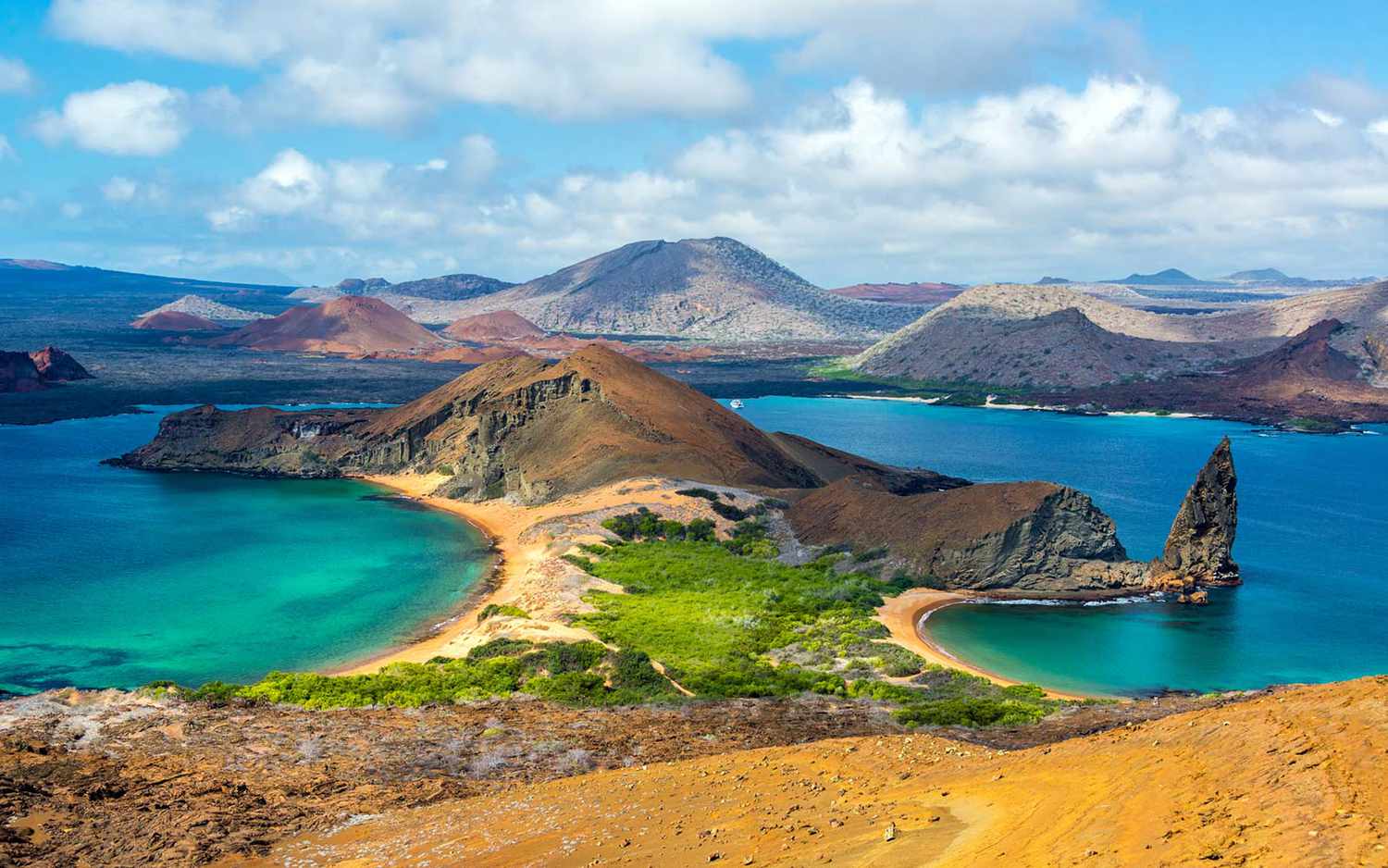
Galápagos beaches are incredibly unique: think black lava rock beaches, red sand beaches (Rábida Island), or pristine white sand beaches like Tortuga Bay on Santa Cruz, often shared with sunbathing sea lions or marine iguanas. The scenery is rugged, volcanic, and feels otherworldly, a raw testament to evolution. It's beautiful in a wild, untamed way, perfect for photography and quiet contemplation. However, if you're looking for classic, postcard-perfect tropical beaches for swimming and lounging, the Great Barrier Reef region delivers in spades. The Whitsunday Islands, a major highlight, boast Whitehaven Beach with its silica-rich sand and turquoise waters – consistently ranked among the world's best. Many of the coral cays (small sand islands) within the GBR itself offer incredible stretches of white sand surrounded by clear, warm water. The mainland coastal areas also feature beautiful tropical beaches, often backed by lush rainforest, like those around Port Douglas. "Galápagos beaches are cool for the animals, but GBR and the Whitsundays have those 'is this real life?' ridiculously perfect white sand and blue water beaches," a Redditor shared. While Galápagos offers a unique aesthetic, GBR provides the quintessential tropical beach paradise.
Winner takeaway
- Winner: Great Barrier Reef
- Why: The Great Barrier Reef region, especially the Whitsundays, offers iconic, expansive white sand beaches and tropical island beauty that are unparalleled for traditional beach experiences.
- Who this matters for: Beach lovers, honeymooners, and those seeking iconic tropical scenery for relaxation and swimming.
🍤 Food & Drink
In the Galápagos, dining experiences often depend on your chosen cruise. Onboard, meals are typically served buffet-style, featuring a mix of international dishes and Ecuadorian staples like fresh seafood (ceviche, 'encocado' - a coconut fish stew), rice, and plantains. On the inhabited islands, you'll find charming local eateries, particularly the 'kioskos' in Puerto Ayora, where you can get grilled lobster for around USD 25-40 or a 'menu del día' (set lunch) for USD 5-10. It's authentic and delicious but not a diverse culinary scene. The Great Barrier Reef region, particularly Cairns and Port Douglas, offers a much broader and more sophisticated culinary landscape. Being a multicultural hub in Australia, you'll find everything from excellent modern Australian cuisine at places like Waterbar & Grill Steakhouse (main courses AUD 30-50), diverse Asian eateries, and of course, an abundance of incredibly fresh seafood – think Barramundi, prawns, and oysters. Pubs, cafes, and fine dining restaurants are plentiful, catering to all tastes and budgets. "Galápagos food was good, especially the fresh fish, but Cairns had so many more options for a foodie like me, from cheap eats to fancy dinners," a traveler commented on r/travel. The variety and quality in GBR easily surpasses Galápagos.
Winner takeaway
- Winner: Great Barrier Reef
- Why: The Great Barrier Reef region boasts a more diverse and developed culinary scene, offering a wider array of dining options from casual to fine dining.
- Who this matters for: Foodies, travelers who enjoy exploring local cuisine, and those looking for dining variety.
☀️ Weather & Seasons
Both destinations are tropical and have distinct seasons that impact the experience, though differently. The Galápagos has a 'warm and wet' season (December to May), with warmer air and water temperatures (25-30°C / 77-86°F), calm seas, and lush green islands, but also occasional afternoon showers. The 'cool and dry' season (June to November) brings cooler air and water (20-24°C / 68-75°F), sometimes choppy seas, and drier, browner landscapes, but plankton blooms mean more active marine life (e.g., whale sharks, sea lions). Wildlife viewing is consistently excellent year-round. The Great Barrier Reef experiences a 'wet season' (November to May), characterized by high humidity, heavy rainfall, and potential cyclones, plus it's 'stinger season' for box jellyfish, requiring stinger suits for swimming/snorkeling. Water visibility can be reduced. The 'dry season' (June to October) is considered peak, with lower humidity, less rain, calm seas, and excellent water visibility, but also cooler air temperatures (20-25°C / 68-77°F). "I went to GBR in July and the weather was perfect, clear skies, calm water. Heard horror stories about stingers in Jan," a Redditor said. While GBR's dry season is objectively 'better' for typical reef activities, Galápagos offers a consistent wildlife experience regardless of the season, making both equally viable depending on priorities.
Winner takeaway
- Winner: Tie
- Why: Both destinations offer distinct seasonal advantages, meaning the 'best' time depends entirely on individual preferences for weather, water conditions, and specific wildlife sightings.
- Who this matters for: Travelers sensitive to heat/humidity, divers prioritizing visibility, and those focused on specific wildlife events.
🌍 Conservation & Ethics
The Galápagos Islands are a global benchmark for conservation. As a UNESCO World Heritage site and a National Park, almost 97% of its land area is protected, and tourism is incredibly regulated. Visitors must be accompanied by licensed naturalist guides, stay on marked trails, and adhere to strict rules (e.g., no touching animals, no flash photography). The USD 100 park fee directly funds conservation efforts. This strict approach has preserved the unique ecosystem and fearless wildlife for decades. "It feels like you're stepping into a protected bubble, and everyone respects it. The guides are super knowledgeable about conservation," a traveler observed. The Great Barrier Reef, while also a UNESCO site, faces monumental challenges, primarily from climate change-induced coral bleaching. While significant efforts are underway – including a 'reef tax' (Environmental Management Charge) on all visitors that funds conservation, extensive scientific research, and sustainable tourism practices by operators – the sheer scale of the reef and external threats make its future more precarious. While many GBR operators are highly ethical, the systemic threats are larger. The Galápagos has arguably managed to maintain a more pristine, controlled environment, making it a stronger example of successful, strictly managed conservation.
Winner takeaway
- Winner: Galapagos
- Why: The Galápagos has a longer, more stringent, and demonstrably successful history of conservation and highly regulated, sustainable tourism practices.
- Who this matters for: Environmentally conscious travelers, those interested in ecological preservation, and travelers who appreciate highly regulated, low-impact tourism.
❓ Frequently Asked Questions
What's the best time to visit Galápagos versus the Great Barrier Reef?
For Galápagos, wildlife viewing is excellent year-round. Dec-May offers warmer water/air, calmer seas; Jun-Nov has cooler water (better for marine life sightings like whale sharks) and drier islands. For the Great Barrier Reef, the 'dry season' (June-October) is ideal, with less rain, lower humidity, and excellent water visibility. Nov-May is 'wet season' with potential cyclones and stingers.
Do I need to know how to swim to enjoy the Great Barrier Reef?
Not necessarily! While swimming and snorkeling offer the best experience, many tours offer alternatives. You can enjoy the reef from glass-bottom boats, semi-submersibles, or even scenic helicopter flights. Some platforms have underwater observatories, allowing non-swimmers to witness the marine beauty.
Is the Galápagos Islands safe for travelers?
Yes, the Galápagos Islands are considered very safe, especially within the protected areas and on organized tours. Crime against tourists is extremely rare. The main concerns are natural elements like sun exposure or seasickness. However, standard travel precautions should be taken in mainland Ecuador (Quito/Guayaquil) when transiting.
Can I visit the Great Barrier Reef on a tight budget?
Absolutely! While luxury options exist, you can find budget-friendly hostels in Cairns/Port Douglas and day trips to the Outer Reef starting around AUD 200. Packing your own snacks, utilizing free activities like exploring beaches or local markets, and choosing self-catering accommodation can further reduce costs.
What's the environmental impact of visiting these places?
Both destinations are fragile ecosystems. Galápagos tourism is highly regulated to minimize impact, with strict rules and a park fee funding conservation. The GBR faces threats like coral bleaching, but visitor fees also contribute to conservation, and many operators adhere to sustainable practices. Choose eco-certified tour operators for both.
Can I do a land-based trip in Galápagos instead of a cruise?
Yes, land-based 'island hopping' tours are an option. You stay in hotels on inhabited islands (Santa Cruz, San Cristóbal, Isabela) and take daily speedboats for excursions. This is generally more flexible and slightly cheaper than a cruise, but you'll cover fewer, less remote sites and spend more time in transit between islands.
Are there sharks in the Great Barrier Reef, and are they dangerous?
Yes, many species of sharks inhabit the GBR, including reef sharks (like white-tip, black-tip), leopard sharks, and occasionally larger species. For the most part, reef sharks are shy and rarely pose a threat to swimmers or divers. Fatal shark attacks on the GBR are extremely rare, far less common than other marine hazards like jellyfish (in season).
Which destination is better for families with young children?
The Great Barrier Reef generally offers more kid-friendly options. Resorts, diverse activities like rainforest tours, and reef trips with glass-bottom boats or pontoon platforms cater well to varying ages. Galápagos, with its structured tours and reliance on boats, might be more challenging for very young children, though older, more adventurous kids will adore the wildlife.
Ready to plan your unforgettable trip?
Get a free custom itinerary for Galapagos, Great Barrier Reef, or both — built from real traveler insights.
🎟️ Book Tours & Experiences
Hand-picked tours and activities for both destinations — book with free cancellation
Experiences via Viator — free cancellation on most tours