How we built this comparison
This page combines traveler discussion patterns, published price ranges, flight schedules, and seasonal data to help you decide between Galapagos and Madagascar.
- Reviewed 50+ Reddit threads from r/travel, r/solotravel, r/ecuador, r/madagascar, and r/safari for real traveler experiences and advice.
- Verified costs and logistics against current booking platforms (e.g., Skyscanner, Booking.com, local tour operators) and official park websites.
- Cross-referenced seasonal patterns, weather data, and health advisories from reputable sources (e.g., CDC, government travel advisories).
⚡ The TL;DR Verdict
For those prioritizing unparalleled, close-up wildlife encounters with easy logistics and higher budgets, Galapagos is your clear winner. If you crave a rugged, culturally rich adventure with truly unique biodiversity and are prepared for more challenging travel, Madagascar beckons. Expect to budget $350-800+ USD/day for Galapagos, while Madagascar can range from $150-400 USD/day depending on your comfort level and tour choices.
- Choose Galapagos: Choose Galapagos if you seek an iconic, once-in-a-lifetime wildlife experience with guaranteed close encounters, comfortable logistics (especially on a cruise), and a pristine natural environment, and you have a generous budget.
- Choose Madagascar: Opt for Madagascar if you're an adventurous, resilient traveler drawn to extremely rare endemic wildlife (especially lemurs), a profound cultural immersion, and are prepared for rustic conditions, longer travel times, and a more unpredictable journey.
- Choose Both: Doing both is for the ultimate biodiversity enthusiast with significant time (4-6 weeks) and budget. Start with Madagascar for its ruggedness, then 'relax' in the more structured, luxurious Galapagos, making for an epic, diverse wildlife saga.
Quick Comparison
| Category | Galapagos | Madagascar | Winner |
|---|---|---|---|
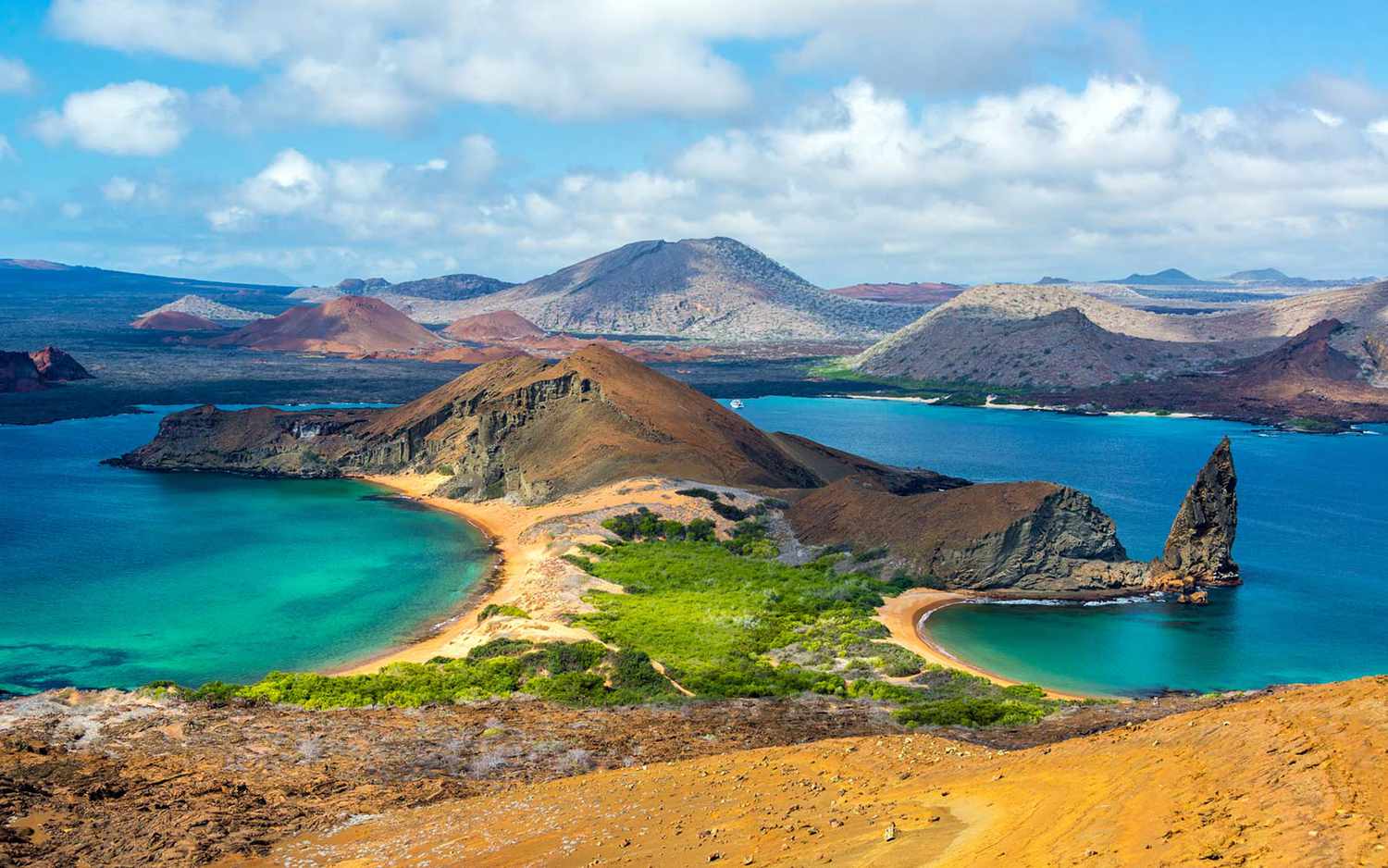
| Nature & Wildlife | Unparalleled, fearless endemic species (giant tortoises, blue-footed boobies, marine iguanas) in a pristine, volcanic archipelago, easily observed up close. | Extraordinary, unique biodiversity with ~90% endemism (lemurs, chameleons, baobabs) across diverse landscapes, requiring more effort to spot but incredibly rewarding. | Galapagos |
| Costs & Budget | High fixed costs (park fees, cruises/tours, flights), limited budget options, but excellent value for the experience. | Lower base costs but significant tour/guide expenses, internal flights, and can quickly add up for comfort; budget-friendly options exist but often compromise on quality. | Galapagos |
| Getting There | Relatively straightforward, requiring international flight to Ecuador (UIO/GYE) then a domestic flight to Galapagos (GPS/SCY). | A long, often multi-stop international journey to Antananarivo (TNR) with limited direct connections, typically requiring 24+ hours of travel. | Galapagos |
| Getting Around | Cruises offer seamless island-to-island transport; island hopping uses small planes/ferries, efficient but less comfortable. | Extremely challenging due to poor roads; relies heavily on private drivers/4x4s for tours, or unreliable internal flights; public transport is slow and uncomfortable. | Galapagos |
| Accommodation | Ranges from luxurious cruise ships to comfortable hotels/hostels on populated islands; generally higher quality and price point. | Diverse range from basic guesthouses to mid-range hotels, often rustic but charming; luxury options are limited and expensive, especially in remote areas. | Galapagos |
| Safety & Health | Extremely safe, low crime rates, excellent medical facilities on major islands; main risks are sunburn and seasickness. | Higher crime rates (especially urban), poor road safety, and significant health risks (malaria, dengue, limited medical facilities); requires careful planning and vigilance. | Galapagos |
| Culture & Local Interaction | Minimal focus on human culture; interactions are primarily with nature and fellow travelers, though small island communities exist. | Rich, vibrant, and unique Malagasy culture with strong ancestral traditions; deep immersion and authentic local interactions are a highlight. | Madagascar |
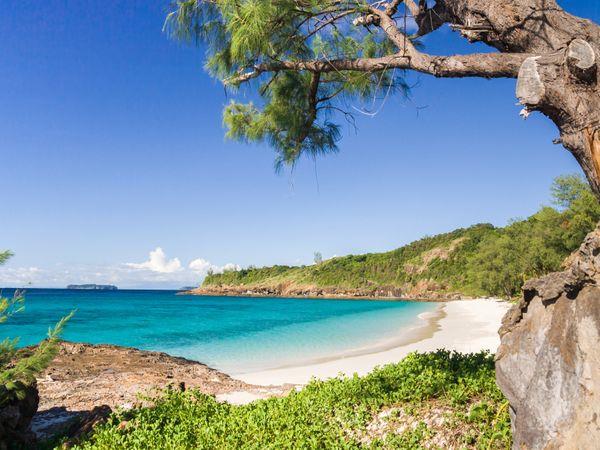
| Beaches & Marine Life | Pristine, volcanic beaches teeming with fearless wildlife; exceptional snorkeling and diving with abundant, unique marine species. | Stunning white-sand beaches, particularly on the west coast and offshore islands; good snorkeling but marine life is less concentrated and unique than Galapagos. | Galapagos |
| Food & Drink | Fresh seafood is a highlight; influences from mainland Ecuador; decent variety on cruises and in main towns, but not a culinary destination. | Delicious, diverse cuisine blending African, Arab, and Asian influences; fresh ingredients, unique spices, and excellent value for money. | Madagascar |
| Best for Families & Solo Travel | Excellent for families due to safety and easy wildlife viewing; solo travel is straightforward, especially on cruises with built-in social interaction. | Challenging for families due to logistics and health risks; solo travel is possible but often requires hiring a private guide, making it less social unless on a small group tour. | Galapagos |
🐒 Nature & Wildlife
Galapagos is the undisputed champion for guaranteed, intimate wildlife encounters. The animals here evolved without human predators, making them incredibly fearless. You'll literally step around sea lions on beaches, swim with penguins, and watch blue-footed boobies perform mating dances at arm's length on islands like Española or North Seymour. Major drawcards include the giant tortoises of Santa Cruz (at El Chato Reserve) and the marine iguanas unique to the islands. Madagascar, on the other hand, boasts mind-boggling biodiversity with almost all its species found nowhere else. Imagine tracking indri lemurs through Andasibe-Mantadia National Park, seeing ring-tailed lemurs at Anja Community Reserve, or spotting a tiny leaf-tailed gecko in Ranomafana. The effort to find them is part of the adventure, often requiring skilled local guides. While the species are more exotic, the interactions aren't as 'in your face' as in Galapagos. "Honestly, I splurged on a higher-end Galapagos cruise and it was worth every penny. Seeing a marine iguana cough up salt right in front of me? Unforgettable." Madagascar's wildlife is a treasure hunt, Galapagos is a wildlife parade.
Winner takeaway
- Winner: Galapagos
- Why: Galapagos wins for its unique, fearless wildlife that guarantees incredibly close and accessible encounters, making it an easier and often more profound wildlife viewing experience.
- Who this matters for: This matters most for travelers who prioritize guaranteed, easy, and intimate wildlife interactions above all else.
💸 Costs & Budget
Galapagos is significantly more expensive upfront, but once you've paid, much of your trip is covered. The mandatory Galapagos National Park entrance fee is $100 USD (adult foreign nationals) and a Transit Control Card is $20 USD. A typical 5-7 day cruise, which is the best way to experience the islands, ranges from $3,000 USD to $8,000+ USD per person, covering accommodation, food, excursions, and expert guides. Island-hopping is slightly cheaper, around $200-400 USD/day for tours, hotels, and food, but requires more planning. Flights from mainland Ecuador are $400-600 USD round trip. Madagascar's costs are deceptive. While daily expenses like a basic meal might be 15,000-30,000 MGA (~$3-7 USD) and a guesthouse 50,000-100,000 MGA (~$12-25 USD), you *need* guides and transportation. A private 2-week tour with a driver/guide can easily run $3,000-5,000 USD for one person, excluding international flights, park fees (e.g., Andasibe 55,000 MGA / ~$12 USD), and internal flights (e.g., Antananarivo to Morondava ~$200-400 USD one-way). "Madagascar felt cheaper on paper, but between the mandatory guides, park fees, and the internal flights because roads are so bad, it added up way faster than I expected. Still cheaper than Galapagos though!" Galapagos offers more transparent, all-inclusive pricing, delivering exceptional value for its unique offerings, while Madagascar's budget can be a labyrinth of hidden costs.
Winner takeaway
- Winner: Galapagos
- Why: Galapagos 'wins' for transparent, all-inclusive pricing (especially on cruises) that delivers exceptional value and a hassle-free experience, despite the high sticker price.
- Who this matters for: This matters for travelers who prefer predictable costs and a high level of service and comfort without constant budgeting worries.
✈️ Getting There
Reaching the Galapagos Islands is a two-step process, but generally well-connected. First, you fly internationally to mainland Ecuador, typically to Quito (UIO) or Guayaquil (GYE). From major North American cities like NYC or LA, this is usually an 8-12 hour flight costing $600-1000 USD. Then, you take a domestic flight to Baltra (GPS) or San Cristobal (SCY), which costs around $400-600 USD round trip and takes about 2 hours. Airlines like Avianca, LATAM, and AEROGAL operate these routes. The process is smooth and organized. Madagascar is a much longer and more complex journey. International flights primarily land in Antananarivo (TNR). There are no direct flights from North America; you'll typically connect through Europe (e.g., Paris with Air France, or Istanbul with Turkish Airlines) or Africa (e.g., Addis Ababa with Ethiopian Airlines, Nairobi with Kenya Airways). Total travel time from the US can easily exceed 24-30 hours, often involving multiple layovers, with round-trip tickets ranging from $1,200-$2,000+ USD. "Getting to Madagascar felt like a mini-expedition before the actual trip even started. So many layovers, but that first sight of Antananarivo from the plane made it all worth it." The journey to Madagascar is a significant commitment in time and energy, demanding more resilience from the traveler.
Winner takeaway
- Winner: Galapagos
- Why: Galapagos is easier and faster to reach from most international hubs, involving fewer connections and significantly less travel time.
- Who this matters for: This matters most for travelers with limited vacation time or those who prefer minimizing long, complex travel days.
🚗 Getting Around
Getting around the Galapagos is remarkably efficient, especially if you're on a multi-day cruise. Your vessel serves as your hotel and transport, seamlessly moving between islands (e.g., from Santa Cruz to Isabela to Fernandina) overnight or during the day. All excursions to landing sites and snorkeling spots are handled by zodiacs or pangas (small boats). For island hopping, inter-island ferries (lanchas) connect major islands like Santa Cruz, Isabela, and San Cristobal, taking 2-3 hours and costing $30-45 USD per leg. Small inter-island planes are also available but more expensive (~$150-200 USD per leg). "Once we landed in Galapagos, everything was just... handled. The cruise schedule was clockwork, always on time, never worried about getting lost." Madagascar's internal travel is a whole different beast. Roads outside major cities and key tourist routes are notoriously bad – often unpaved, potholed, and slow, especially during the rainy season. Distances that look short on a map can take an entire day to cover in a 4x4. Most tourists hire a private driver/guide with a robust vehicle for their entire trip, costing around $50-100 USD/day just for the vehicle and driver. Internal flights with Tsaradia (the domestic airline) are faster but expensive and frequently delayed or canceled. Public transport (taxi-brousse) is cheap but incredibly cramped, slow, and unsafe for tourists with luggage. Navigating Madagascar without a pre-booked tour is not recommended.
Winner takeaway
- Winner: Galapagos
- Why: Galapagos offers effortless and efficient transportation, particularly on cruises, providing a stress-free way to explore the archipelago.
- Who this matters for: This is crucial for travelers who prioritize convenience, comfort, and minimizing time spent on logistical challenges.
🏨 Accommodation
Galapagos accommodation, particularly on cruises, tends to be excellent. You can find everything from opulent luxury yachts (like the Celebrity Flora or National Geographic Endeavour II) offering five-star amenities to comfortable mid-range vessels (like the M/Y Coral or M/C Alya) with great food and service. For island hopping, towns like Puerto Ayora (Santa Cruz) and Puerto Baquerizo Moreno (San Cristobal) have a good selection of hotels and guesthouses. Expect to pay $100-300+ USD per night for a decent hotel like Hotel Solymar or Finch Bay Galapagos Hotel. Even hostels are clean and well-maintained, usually $40-80 USD. "Our cruise cabin was surprisingly spacious, and coming back to a hot shower and delicious meal after a day of exploring felt so luxurious." Madagascar's accommodation varies widely. In Antananarivo, you can find international chain hotels and charming boutique options like Hotel Colbert or The Sakamanga Hotel for $70-200 USD. Outside the capital and major towns, options are more rustic. National park areas often have simple bungalows or eco-lodges, such as those near Andasibe-Mantadia or Ranomafana. Mid-range hotels in smaller towns might cost $30-80 USD, offering basic amenities. Luxury lodges exist (e.g., Miavana on Nosy Ankao), but are extremely expensive and often exclusive. Overall, Galapagos offers a higher baseline of quality and comfort across its accommodation options.
Winner takeaway
- Winner: Galapagos
- Why: Galapagos provides a consistently higher standard of accommodation, especially on its well-appointed cruises, ensuring comfort and convenience.
- Who this matters for: This appeals to travelers who prioritize comfort, reliable amenities, and a seamless lodging experience as part of their adventure.
🛡️ Safety & Health
The Galapagos Islands are remarkably safe, making them an ideal destination for families and solo travelers. Crime is virtually non-existent, particularly on cruises where safety protocols are strict. On land, towns like Puerto Ayora are very laid-back. The main health concerns are typically sunburn, dehydration, and motion sickness on boats. There are well-equipped clinics and hospitals on Santa Cruz and San Cristobal, capable of handling most emergencies. "I felt safer walking around Puerto Ayora at night than I do in my own hometown. The vibe is just incredibly chill and secure." Madagascar, however, presents more significant safety and health challenges. Petty crime (pickpocketing, bag snatching) is common in Antananarivo and other urban areas, and more serious crimes can occur. Road safety is poor due to bad roads, reckless driving, and poorly maintained vehicles. Health risks include malaria (especially outside Antananarivo), dengue fever, and other tropical diseases; vaccinations and prophylactic medications are highly recommended. Medical facilities are very basic, particularly outside the capital, and evacuation insurance is essential. Travelers should exercise caution, avoid walking alone at night, and ideally travel with a reputable tour operator. The contrast in safety and health infrastructure is stark.
Winner takeaway
- Winner: Galapagos
- Why: Galapagos is exceptionally safe with low crime rates and good medical access, offering a worry-free travel experience.
- Who this matters for: This is paramount for families, solo female travelers, or anyone for whom personal safety and health security are top priorities.
🤝 Culture & Local Interaction
Galapagos is fundamentally a nature destination; human culture takes a backseat. The islands are sparsely populated, and the small communities (like Puerto Ayora on Santa Cruz) are primarily service-oriented, catering to tourism. While you'll interact with local guides and service staff, there's not a deep, ancient cultural tapestry to explore. The focus is entirely on the unique wildlife and pristine ecosystems. "We spent a few days in Puerto Ayora, and while everyone was friendly, it's definitely not a cultural destination. It's all about the animals and the ocean." Madagascar, conversely, offers a profoundly rich and distinct cultural experience. The Malagasy people have a fascinating blend of Southeast Asian and African heritage, evident in their language, customs, music, and cuisine. You can witness ceremonies like 'famadihana' (the turning of the bones), explore traditional villages, and interact with artisans creating intricate zebu horn carvings or raffia products. The concept of 'fady' (taboos) is central to daily life and varies by region, making for unique local insights. Engaging with local communities, especially in rural areas, is a highlight, offering a window into a culture truly unlike any other. This is a destination where the human story is as compelling as the natural one.
Winner takeaway
- Winner: Madagascar
- Why: Madagascar provides a deep, authentic, and truly unique cultural immersion with rich traditions and meaningful local interactions.
- Who this matters for: This is vital for travelers who seek to understand local societies, engage with traditions, and experience a destination beyond its natural attractions.
🏖️ Beaches & Marine Life
Galapagos offers an unparalleled marine experience. Its beaches, often volcanic black or coral white, are not just for sunbathing but are active wildlife zones where sea lions lounge, marine iguanas bask, and blue-footed boobies nest. Snorkeling and diving are world-class, allowing you to swim alongside sea turtles, reef sharks, manta rays, playful sea lions, and even penguins in the colder waters. Sites like Kicker Rock (San Cristobal) or Gordon Rocks (Santa Cruz) are legendary dive spots. "Snorkeling in Galapagos was surreal; I had a sea lion swim right up to my mask and play! Nothing else compares." Madagascar boasts breathtakingly beautiful beaches, especially on its west coast (like Ifaty, Anakao) and northern islands (Nosy Be, Nosy Komba, Nosy Iranja). These are idyllic white-sand, palm-fringed paradises perfect for relaxation. The snorkeling and diving are good, with vibrant coral reefs, tropical fish, and occasionally turtles and dolphins. However, the marine biodiversity, while healthy, doesn't quite match the unique, fearless, and easily accessible spectacle of the Galapagos. Think stunning scenery in Madagascar versus extraordinary, interactive marine life in Galapagos.
Winner takeaway
- Winner: Galapagos
- Why: Galapagos' marine environment is globally unmatched for its unique, fearless, and abundant marine life, offering truly interactive snorkeling and diving experiences.
- Who this matters for: This is paramount for avid snorkelers, divers, and anyone who dreams of interacting closely with diverse marine creatures in pristine waters.
🍽️ Food & Drink
Galapagos food is generally good, focusing heavily on fresh seafood (ceviche, grilled fish, lobster) from the Pacific. On cruises, meals are typically included and often buffet-style, offering a mix of Ecuadorian and international dishes. In towns like Puerto Ayora, you'll find restaurants ranging from casual 'almuerzo' (set lunch) spots to fancier establishments. El Garrapatero or Red Mangrove Restaurant offer good options. However, it's not a place you travel to specifically for its gastronomy. "The seafood in Galapagos was fantastic, super fresh every day, but I wouldn't call it a culinary adventure, more functional and tasty." Madagascar, on the other hand, offers a surprisingly rich and diverse culinary scene, especially for the adventurous eater. Staple dishes like 'romazava' (beef stew with leafy greens), 'ravitoto' (pork with shredded cassava leaves), and 'brochettes' (grilled skewers) are flavourful and hearty. Rice is the base of every meal, often served with a side of 'lasary' (salad or relish). The influence of French, Indian, and Southeast Asian cultures is evident in the use of spices and cooking techniques. Street food is ubiquitous and delicious, like 'mofo gasy' (rice cakes) for breakfast. Restaurants in cities like Antananarivo (e.g., La Varangue, Chez Mariette) offer excellent Malagasy and French fusion cuisine at very reasonable prices. Expect to pay 15,000-40,000 MGA (~$3-10 USD) for a good meal. Fresh tropical fruits are abundant and incredible.
Winner takeaway
- Winner: Madagascar
- Why: Madagascar triumphs with its rich, unique, and flavorful culinary scene, offering a delightful blend of cultural influences and fresh, local ingredients.
- Who this matters for: This is ideal for foodies and adventurous eaters who love exploring local flavors and unique culinary traditions.
👨👩👧👦 Best for Families & Solo Travel
Galapagos is an absolute dream for families. The inherent safety, close-up animal encounters that captivate all ages, and structured tours (especially cruises) mean parents can relax while children are endlessly entertained. Many cruises cater specifically to families with kid-friendly activities. Solo travelers will also find Galapagos very welcoming; cruises provide a built-in social environment with fellow passengers and guides, and island hopping allows for easy independent exploration without feeling isolated. "As a solo female traveler, I felt completely safe and comfortable on my Galapagos cruise. Met so many cool people, and never had to worry about logistics." Madagascar, while offering incredible experiences, is more challenging for families. The long travel times, rustic conditions, limited medical facilities, and health risks (like malaria) can be difficult with young children. For solo travelers, it's doable but requires more planning and a higher budget, as hiring a private driver/guide is almost essential for safety and efficient travel. This can feel less spontaneous and social than desired for some solo adventurers, unless joining an organized small group tour. While unique, Madagascar demands more resilience and preparedness from both families and solo travelers.
Winner takeaway
- Winner: Galapagos
- Why: Galapagos is superior for both families and solo travelers due to its exceptional safety, easy logistics, and engaging, accessible wildlife experiences.
- Who this matters for: This category is crucial for parents planning trips with children and individuals embarking on solo adventures who prioritize safety and ease of travel.
❓ Frequently Asked Questions
Which destination is better for photography?
Both offer incredible photographic opportunities. Galapagos provides easy, close-up shots of fearless wildlife, ideal for macro and portrait animal photography. Madagascar requires patience for wildlife shots but offers stunning landscapes, unique cultures, and vibrant street scenes, appealing to those who enjoy diverse photographic subjects.
Is a cruise essential for Galapagos, or can I island hop?
While island hopping is possible and slightly cheaper, a multi-day cruise (4-8 days) is highly recommended for the Galapagos. Cruises offer unparalleled access to more remote islands, seamless logistics, and expert guides, maximizing your wildlife encounters in a comfortable, all-inclusive package. Island hopping requires more planning and limits access to some sites.
What's the best time to visit each destination?
For Galapagos, June to December offers cooler, drier weather and better chances for marine life (whale sharks, penguins). January to May is warmer with calmer seas and green vegetation. For Madagascar, the dry season from May to October is ideal for wildlife viewing and road conditions, especially July-August for humpback whales and October-November for lemur babies and flowers.
Do I need a guide in Madagascar?
Absolutely. For national parks, local guides are mandatory and incredibly valuable for spotting wildlife. For navigating the country, hiring a private driver/guide is highly recommended due to challenging road conditions, language barriers, and safety concerns, making your trip much smoother and safer. Attempting to self-drive or rely solely on public transport is not advisable for most tourists.
How physically demanding are these trips?
Galapagos trips generally involve light to moderate activity (short hikes, snorkeling, zodiac rides), accessible to most fitness levels. Some islands have rocky terrain. Madagascar can be more physically demanding, with longer, bumpy drives, and treks through rainforests or spiny forests to find wildlife, requiring a moderate to good fitness level and resilience.
Which destination is more sustainable or eco-friendly?
Both destinations emphasize conservation due to their unique biodiversity. Galapagos has strict regulations, and tourism is tightly controlled to minimize impact, making it a highly sustainable model despite its popularity. Madagascar faces greater conservation challenges due to poverty and resource extraction, but ecotourism initiatives are growing, directly benefiting local communities and conservation efforts, though infrastructure can be less 'green'.
What's the internet and connectivity like?
In Galapagos, internet is generally limited and slow on cruises (often paid per minute/MB) and sometimes unreliable in island towns. It's best to expect to disconnect. In Madagascar, mobile data (Telma, Orange, Airtel) is widely available in towns, but connectivity can be patchy or non-existent in remote national parks. Wi-Fi in hotels can also be unreliable outside major cities.
Can I combine these trips into one epic adventure?
While logistically challenging due to distance and flight connections, combining them is certainly possible for a truly epic, long trip (4-6 weeks). You'd fly from Ecuador back to a major hub, then connect to Antananarivo. It would be a significant investment in both time and money, but would offer an unparalleled journey through two of the world's most biodiverse and unique regions.
Ready to plan your incredible journey?
Get a free custom itinerary for Galapagos, Madagascar, or both — built from real traveler insights and our expert recommendations.
🎟️ Book Tours & Experiences
Hand-picked tours and activities for both destinations — book with free cancellation
Experiences via Viator — free cancellation on most tours