How we built this comparison
This page combines traveler discussion patterns, published price ranges, flight schedules, and seasonal data to help you decide between Georgia and Armenia.
- Reviewed 100+ Reddit threads from r/travel, r/solotravel, r/Georgia, r/Armenia, r/Tbilisi, r/Yerevan.
- Verified costs and logistics against current booking platforms (Booking.com, Airbnb, Bolt, Yandex Taxi) and recent travel blogs.
- Cross-referenced seasonal patterns and weather data for optimal travel timing.
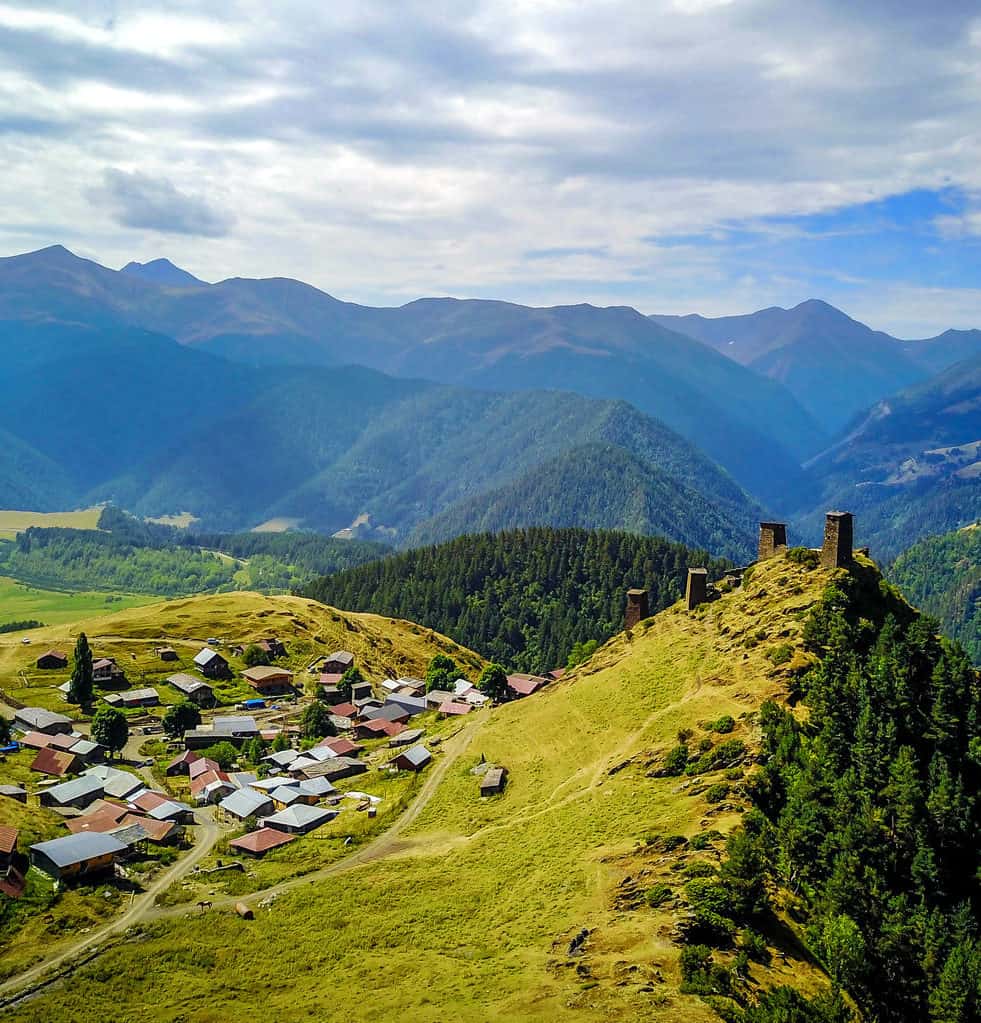
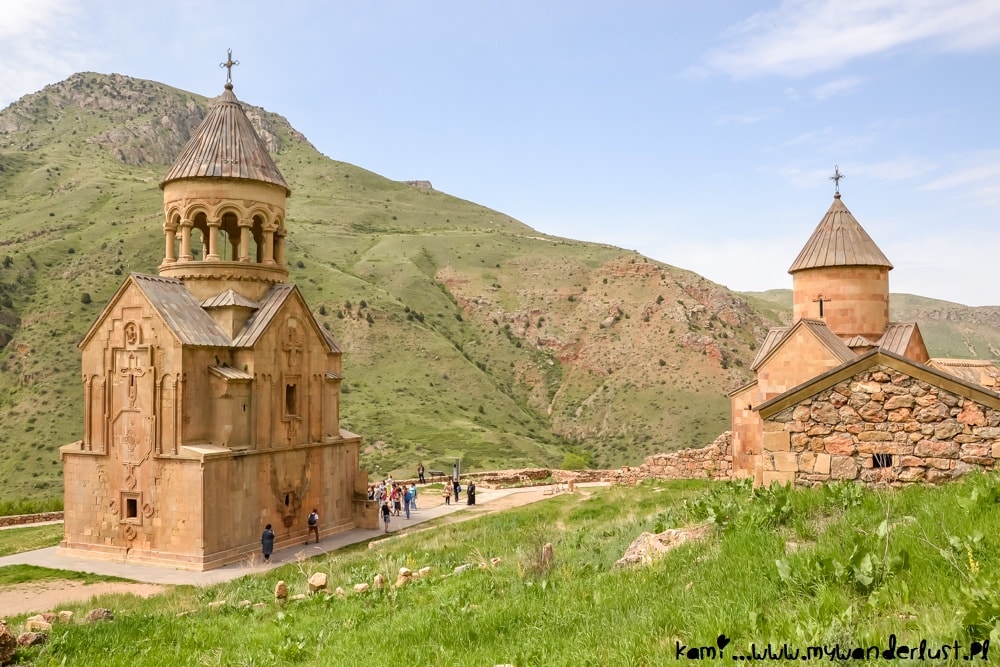
⚡ The TL;DR Verdict
If you're chasing vibrant nightlife, diverse landscapes from mountains to the Black Sea, and a booming food & wine scene, Georgia is your pick. Budget around $40-60/day for a comfortable backpacking trip, or $70-100+ for mid-range. Armenia, on the other hand, is perfect for deep dives into ancient Christian history, stunning monasteries, and a more intimate, perhaps slightly more traditional, cultural experience, often on a slightly tighter budget of $35-55/day.
- Choose Georgia: Choose Georgia for its dynamic capital (Tbilisi), incredible hiking in the Caucasus, diverse food scene, world-class natural wine, and lively electronic music scene. It feels a bit more 'developed' for tourism, offering a wider range of experiences.
- Choose Armenia: Choose Armenia if your priority is exploring ancient monasteries nestled in dramatic landscapes, experiencing a profound sense of history as the first Christian nation, and a more laid-back, perhaps less tourist-trodden, vibe outside its charming capital, Yerevan.
- Choose Both: To truly experience the South Caucasus, doing both is highly recommended. Plan at least 10-14 days for a decent overview (5-7 days per country), connecting via an overnight train or marshrutka from Tbilisi to Yerevan for an immersive journey.
Quick Comparison
| Category | Georgia | Armenia | Winner |
|---|---|---|---|
| Food & Drink | Legendary Khachapuri, Khinkali, natural wine, vibrant culinary scene, diverse regional dishes. | Hearty Lavash, Dolma, Khorovats (BBQ), apricot brandy, traditional home cooking. | Georgia |
| Culture & History | Ancient cave cities, stunning Orthodox churches, UNESCO sites, unique polyphonic singing. | First Christian nation, ancient monasteries in dramatic settings, Genocide Memorial, deep-rooted traditions. | Armenia |
| Nature & Scenery | Soaring Caucasus Mountains, Black Sea beaches, lush vineyards, diverse ecosystems. | Volcanic landscapes, high-altitude Lake Sevan, lush forests of Dilijan, dramatic gorges. | Georgia |
| Costs | Very affordable, especially outside Tbilisi; hostels $10-15, meals $10-20, transport $1-10. | Slightly cheaper overall, particularly outside Yerevan; hostels $8-12, meals $8-15, transport $1-8. | Armenia |
| Getting Around | Extensive marshrutka network, Bolt/Yandex taxis in cities, developing train lines, domestic flights. | Reliant on marshrutkas and shared taxis, fewer train routes, Yandex taxis in Yerevan. | Georgia |
| Nightlife | Tbilisi's booming techno scene, diverse bars, wine bars, lively streets. | Yerevan's growing cocktail scene, pubs, jazz clubs, more subdued but friendly vibe. | Georgia |
| Accommodation | Wide range from budget hostels to luxury hotels, charming guesthouses, Airbnb options. | Good selection of hostels, guesthouses, mid-range hotels, fewer luxury options outside Yerevan. | Georgia |
| Day Trips | Mtskheta, Kakheti wine region, Sighnaghi, Uplistsikhe, Kazbegi, Borjomi. | Garni & Geghard, Lake Sevan, Dilijan, Khor Virap, Tatev Monastery (requires longer). | Tie |
| Safety | Very safe, low crime rates, friendly locals, safe for solo female travelers. | Extremely safe, low crime, welcoming locals, safe for solo female travelers. | Tie |
| Digital Nomad Friendliness | Established DN hub, 1-year visa-free, low cost of living, good internet, coworking spaces, social scene. | Emerging DN scene, 1-year visa-free, very low cost, decent internet, fewer dedicated coworking spaces. | Georgia |
🍽️ Food & Drink
Georgia’s culinary scene is a global darling, and for good reason. From the cheese-filled goodness of Adjaruli Khachapuri to the succulent Khinkali dumplings (expect 1-2 GEL / ~$0.35-0.70 each for quality ones at places like Pasanauri or Samikitno), every meal is an adventure. The natural wine tradition in Kakheti, using qvevri (clay amphorae), is ancient and produces unique, complex flavors – a tasting tour can run 50-100 GEL (~$18-37). Beyond these staples, you’ll find vibrant vegetable dishes, rich stews like Chakapuli, and excellent street food. Armenia offers incredible, wholesome food centered around fresh ingredients and grilled meats. Khorovats (Armenian BBQ) is a must-try, often accompanied by warm lavash bread baked in a tonir. Dolma (stuffed grape leaves or vegetables) and Ghapama (stuffed pumpkin) are delicious, and their apricot brandy is world-renowned. While equally delicious, Armenia’s food feels more traditionally focused, whereas Georgia’s has seen a more modern, diverse explosion in recent years, especially in Tbilisi. "Honestly, nothing beats a fresh Adjarian Khachapuri after a long hike in Kazbegi. Georgia just hits different for foodies."
Winner takeaway
- Winner: Georgia
- Why: Georgia offers a more globally celebrated and diverse culinary landscape, from street food to fine dining, with a unique wine culture.
- Who this matters for: Foodies, wine enthusiasts, and those looking for culinary exploration.
🏛️ Culture & History
Both nations boast incredibly rich histories, but Armenia's identity as the first nation to adopt Christianity (in 301 AD) imbues its cultural sites with a profound sense of spiritual heritage. Monasteries like Geghard, Tatev, Khor Virap (with Ararat views), and Noravank are not just ancient structures; they are seamlessly integrated into breathtaking natural landscapes, offering deeply moving experiences. The Armenian Genocide Memorial Complex in Yerevan is a somber, essential visit. Georgia counters with its own spectacular array of UNESCO sites like Jvari Monastery and Svetitskhoveli Cathedral in Mtskheta, the ancient cave city of Uplistsikhe, and the stunning Gelati Monastery. Tbilisi's Old Town is a mosaic of diverse architectural styles reflecting centuries of trade and invasion. While Georgia's historical sites are grand, Armenia's focus on its early Christian roots and the sheer density of accessible, dramatically situated monasteries gives it a slight edge for those seeking a singular historical narrative. "You can't go to Armenia and not feel the history in every stone, especially at Khor Virap with Ararat in the background. It's just... powerful."
Winner takeaway
- Winner: Armenia
- Why: Armenia's status as the first Christian nation provides an unparalleled concentration of ancient, dramatically situated monasteries and a deeply resonant historical narrative.
- Who this matters for: History buffs, religious pilgrims, and those seeking profound cultural immersion.
🏔️ Nature & Scenery
Georgia is often called 'God's Own Country' for its incredible natural diversity. The towering peaks of the Greater Caucasus, particularly around Kazbegi (Stepantsminda) with the iconic Gergeti Trinity Church, and the remote Svaneti region (Mestia, Ushguli) offer some of the best hiking in Europe. You can go from snow-capped mountains to the subtropical beaches of Batumi on the Black Sea, then to the semi-desert landscapes of David Gareja, and the rolling vineyards of Kakheti, all within a few hours' drive. This variety is hard to beat. Armenia, while equally stunning in its own right, has a more consistent, rugged, and volcanic beauty. Lake Sevan, one of the largest high-altitude freshwater lakes in Eurasia, is a national treasure, and the forested region of Dilijan is often called 'Armenian Switzerland.' The dramatic gorges around monastic complexes like Garni and Tatev are breathtaking. However, Georgia's sheer scale and diversity – from alpine to coastal to desert – give it the winning edge for nature lovers. "Svaneti was easily the most beautiful place I've ever hiked. The views in Ushguli felt like something out of a fairy tale, seriously."
Winner takeaway
- Winner: Georgia
- Why: Georgia offers unparalleled diversity in its landscapes, from majestic high mountains and glaciers to subtropical coastlines and ancient vineyards.
- Who this matters for: Hikers, adventure seekers, landscape photographers, and those who appreciate varied natural beauty.
💰 Costs
Both Georgia and Armenia are incredibly budget-friendly destinations compared to Western Europe or North America, making them fantastic for travelers conscious of their spending. In Georgia, a dorm bed in a good hostel in Tbilisi might run you 30-45 GEL (~$11-16 USD), while a private room in a guesthouse in a smaller town like Kutaisi could be 50-80 GEL (~$18-29). A hearty dinner with a drink at a mid-range restaurant is typically 30-50 GEL (~$11-18). Marshrutka rides are very cheap, often 3-10 GEL (~$1-3.50) between cities. Armenia generally shaves off a few dollars across the board. Hostel dorms in Yerevan can be found for 2,500-4,000 AMD (~$6.50-10.50), and outside the capital, you can find guesthouses for as little as 10,000 AMD (~$26). A satisfying dinner can be had for 3,000-6,000 AMD (~$8-15). Marshrutka fares are similarly low. The difference isn't massive, but if you're truly penny-pinching, Armenia will stretch your dollar just a little further, especially for multi-day trips outside the capital. "I spent two weeks in Armenia and my daily average was like $35, including tours. Couldn't believe how far my money went."
Winner takeaway
- Winner: Armenia
- Why: Armenia consistently offers slightly lower prices for accommodation, food, and transport, making it marginally more budget-friendly overall.
- Who this matters for: Budget travelers, backpackers, and those seeking maximum value for their money.
🚌 Getting Around
Georgia generally has a more robust and slightly more organized public transport system, especially for intercity travel. The marshrutka (minibus) network is vast and can get you almost anywhere, with major hubs in Tbilisi (Didube, Ortachala) and Kutaisi. Fares are cheap, usually 3-20 GEL (~$1-7) for most routes. Bolt and Yandex are ubiquitous and very affordable in Tbilisi and Batumi. The trains are improving, with comfortable services to Batumi and other key cities. Domestic flights also connect Tbilisi to Mestia. Armenia's marshrutka network is also good, but can feel a bit less comprehensive or frequent for certain routes, especially outside Yerevan. Shared taxis (which function similarly to marshrutkas but are usually private cars) are also common and good for reaching more remote monasteries. Yandex Taxi works very well and cheaply in Yerevan and its immediate surroundings. However, Georgia's larger network of connections, developing rail system, and clearer information on routes give it an edge in ease of navigation for independent travelers. "Getting around Georgia was surprisingly easy. Just asked at Didube and someone pointed me to the right marshrutka, no problem. Bolt was dirt cheap in Tbilisi too."
Winner takeaway
- Winner: Georgia
- Why: Georgia boasts a slightly more developed and diverse public transport network, including better train services and more options for intercity travel.
- Who this matters for: Independent travelers, those without a rental car, and travelers who prefer efficiency and options.
🌃 Nightlife
Tbilisi has firmly established itself as a nightlife hotspot, particularly for electronic music enthusiasts. Clubs like Bassiani and Khidi have gained international renown, attracting top DJs and a vibrant, diverse crowd. Beyond techno, the city boasts a plethora of stylish cocktail bars (e.g., Cocktail Factory, Black Lion), cozy wine bars in the Old Town, and lively pubs. The streets of Rustaveli Avenue and Shardeni Street pulse with energy well into the night. Batumi also offers a lively, if more seasonal, beach club scene. Yerevan's nightlife is more understated but steadily growing. It has an excellent selection of craft beer pubs, chic cocktail bars (e.g., Dargett Craft Brewery, The Club), and a decent jazz scene. The Cascade Complex area and Northern Avenue are popular for evening strolls and drinks. However, it doesn't quite match Tbilisi's intensity, scale, or international reputation for cutting-edge nightlife. If you're looking to dance until dawn or explore a truly diverse bar scene, Tbilisi is the undisputed champion. "Tbilisi's club scene blew my mind. I didn't expect to find world-class techno there. Bassiani was insane!"
Winner takeaway
- Winner: Georgia
- Why: Tbilisi's internationally recognized electronic music scene and diverse range of bars offer a far more dynamic and varied nightlife experience.
- Who this matters for: Party-goers, music lovers (especially techno), and those seeking a lively social scene after dark.
🏨 Accommodation
Both countries offer great value for accommodation, but Georgia, particularly Tbilisi, provides a broader and more developed spectrum of choices. In Tbilisi, you can find excellent hostels like Fabrika Hostel & Suites for around 40-60 GEL (~$15-22) for a dorm bed, boutique hotels such as Rooms Hotel Tbilisi for $150-250/night, and luxury options like The Biltmore. Guesthouses are plentiful and often offer a warm, family-run experience. Airbnb is also very popular and provides many stylish options. Armenia also has a strong guesthouse culture, especially outside Yerevan, where you can often find a room for 10,000-15,000 AMD (~$26-39) including breakfast. Yerevan offers many good hostels (e.g., Envoy Hostel for ~4,000-6,000 AMD / ~$10-15) and mid-range hotels. However, the top-tier luxury market and the sheer variety of unique, design-focused accommodations are more prominent in Georgia, reflecting its slightly more advanced tourism infrastructure. "Staying in a traditional guesthouse in Sighnaghi felt so authentic, and it was only like $25 a night with breakfast. Georgian hospitality is real!"
Winner takeaway
- Winner: Georgia
- Why: Georgia offers a wider and more developed range of accommodation options, from luxury hotels to unique boutique stays, particularly in its capital and major tourist hubs.
- Who this matters for: All travelers, but especially those seeking luxury, unique stays, or a very specific type of accommodation.
🚗 Day Trips
Both countries are absolute goldmines for incredible day trips from their respective capitals, offering completely different but equally rewarding experiences. From Tbilisi, you can easily reach the ancient capital of Mtskheta (Jvari and Svetitskhoveli) in just 30 minutes by marshrutka (3 GEL / ~$1.10). The Kakheti wine region, with its charming town of Sighnaghi, is a popular full-day tour. The cave city of Uplistsikhe and the resort town of Borjomi are also highly accessible. For a more adventurous day, a trip to Kazbegi (Stepantsminda) and the Gergeti Trinity Church is possible, though long. From Yerevan, the iconic Garni Temple and Geghard Monastery are a classic half-day trip (often combined, a taxi might cost 7,000-10,000 AMD / ~$18-26). Lake Sevan and Dilijan offer stunning nature, and Khor Virap monastery provides iconic views of Mount Ararat. While Tatev Monastery is arguably best done as an overnight, it's technically a very long day trip. The sheer historical and natural density within an hour or two of each capital makes both exceptional in this category. "Honestly, both countries crush it for day trips. Garni-Geghard from Yerevan was mind-blowing, but so was Mtskheta from Tbilisi. You can't go wrong."
Winner takeaway
- Winner: Tie
- Why: Both nations offer an incredible array of accessible, historically significant, and naturally beautiful day trip options from their capitals.
- Who this matters for: Travelers based in one city, looking to explore surrounding regions without frequently changing accommodation.
🛡️ Safety
Both Georgia and Armenia are remarkably safe countries for travelers, consistently ranking among the safest nations globally. Violent crime against tourists is extremely rare in both. In Tbilisi and Yerevan, you can feel comfortable walking around late at night, even as a solo female traveler. Petty crime, like pickpocketing, exists but is not widespread and can be avoided with basic precautions. Locals in both countries are renowned for their hospitality and willingness to help, often going out of their way for visitors. The primary safety concerns in both are related to driving (roads can be winding, and local driving habits vary) and hiking in remote areas without proper preparation. There are no specific 'no-go' zones for tourists in either country. In terms of feeling secure and welcome, there is virtually no difference between the two – both excel. "I traveled solo through both Georgia and Armenia as a woman and never once felt unsafe. People were incredibly kind and helpful, especially in smaller towns."
Winner takeaway
- Winner: Tie
- Why: Both Georgia and Armenia are exceptionally safe countries with very low crime rates, offering a welcoming and secure environment for all travelers.
- Who this matters for: Solo travelers, families, and those prioritizing personal security while abroad.
💻 Digital Nomad Friendliness
Georgia has actively courted digital nomads, offering a 'Remotely from Georgia' program and a generous 1-year visa-free stay for citizens of many countries. Tbilisi, in particular, has become a well-established hub with numerous coworking spaces (e.g., Terminal, Impact Hub), reliable and fast internet (often 50-100 Mbps readily available), and a vibrant expat and nomad community making it easy to network and socialize. The cost of living is low, and the nightlife and food scene are excellent. Armenia also offers a 1-year visa-free stay for many nationalities and a very low cost of living, making it appealing. Internet speeds are generally good in Yerevan, and there are some coworking options (e.g., Loft, Impact Hub Armenia), but the scene is smaller and less developed than in Tbilisi. Outside Yerevan, reliable high-speed internet can be less consistent. For those seeking a strong community, more infrastructure tailored to remote work, and a wider array of amenities, Georgia's capital has a distinct advantage as a proven digital nomad destination. "If you're a DN, Tbilisi is the move. Fast internet, cheap rent, and a huge community of other nomads. I've been here 6 months and love it."
Winner takeaway
- Winner: Georgia
- Why: Georgia, especially Tbilisi, boasts a more established and comprehensive ecosystem for digital nomads, including more coworking spaces, a larger expat community, and strong government support.
- Who this matters for: Digital nomads, remote workers, and long-term travelers seeking a base with good infrastructure and community.
❓ Frequently Asked Questions
Is it easy to travel between Georgia and Armenia?
Yes, it's relatively easy. The most common and scenic way is by overnight train between Tbilisi and Yerevan, taking about 10 hours. Alternatively, marshrutkas (minibuses) run frequently during the day, taking 5-7 hours depending on border crossing times. Shared taxis are also an option for a slightly faster, more comfortable ride.
Which country is better for hiking?
While both offer fantastic hiking, Georgia generally takes the lead, especially with its access to the Greater Caucasus Mountains. Regions like Svaneti, Kazbegi, and Tusheti offer world-class multi-day treks with stunning alpine scenery. Armenia has excellent hiking around Dilijan National Park and the Tatev area, but Georgia offers greater scale and diversity of trails.
Do I need a visa for Georgia or Armenia?
Most nationalities, including citizens of the EU, USA, Canada, UK, Australia, and many others, can enter both Georgia and Armenia visa-free for up to one year. Always check the specific visa requirements for your nationality before travel, but for many, entry is straightforward.
What's the best time of year to visit both countries?
The shoulder seasons (April-May and September-October) are generally ideal for both, offering pleasant weather for sightseeing and hiking without the intense summer heat or winter cold. Summer (June-August) is great for mountains but can be hot in cities. Winter (November-March) is cold but offers skiing in Georgia and a festive atmosphere.
Is English widely spoken in Georgia and Armenia?
In major tourist areas and cities like Tbilisi and Yerevan, younger generations and those working in tourism often speak good English. Outside these areas, especially in smaller villages, Russian is more commonly spoken among older generations, and local languages (Georgian/Armenian) are prevalent. Learning a few basic phrases in Georgian or Armenian, or having a translation app, is helpful.
Which country is better for wine tasting?
Georgia is unequivocally the winner for wine tasting. It is considered the 'cradle of wine,' with 8,000 years of continuous winemaking tradition using unique qvevri methods. The Kakheti region is dotted with hundreds of wineries, from large producers to small family cellars, offering extensive tasting and touring opportunities. Armenia produces good wine and excellent brandy, but Georgia's wine culture is on another level.
Can I drink the tap water?
In most major cities in Georgia (like Tbilisi) and Armenia (like Yerevan), tap water is generally considered safe to drink and is often sourced from mountain springs. However, water quality can vary by region and building. If you have a sensitive stomach, or are in a very old building or rural area, it's safer to stick to bottled water or use a water filter bottle. Locals usually drink tap water without issue.
Are these countries good for solo female travelers?
Absolutely. Both Georgia and Armenia are highly regarded as safe and welcoming destinations for solo female travelers. Locals are generally respectful and helpful, and crime rates are very low. As with any destination, exercising common sense and being aware of your surroundings, especially at night, is always advisable, but you can feel very comfortable exploring either country independently.
Ready to plan your South Caucasus trip?
Get a free custom itinerary for Georgia, Armenia, or both — built from real traveler insights.
🎟️ Book Tours & Experiences
Hand-picked tours and activities for both destinations — book with free cancellation
Experiences via Viator — free cancellation on most tours