How we built this comparison
This page combines traveler discussion patterns, published price ranges, flight schedules, and seasonal data to help you decide between Georgia and Greece.
- Reviewed 50+ Reddit threads from r/travel, r/solotravel, r/georgia, r/greece
- Verified costs against current booking platforms
- Cross-referenced seasonal patterns and weather data
⚡ Quick Answers
⚡ The TL;DR Verdict
For budget-conscious adventurers seeking ancient history, hiking, and excellent wine without the crowds, Georgia is the clear winner. Travelers prioritizing sunny beaches, iconic classical ruins, and a more developed tourist infrastructure should pick Greece, expecting higher costs. Your daily budget is the biggest deciding factor here.
- Choose Georgia: Solo travelers, backpackers, budget-conscious couples, and hikers who appreciate raw, unfiltered experiences and incredible value for money.
- Choose Greece: Families, couples seeking romantic getaways, history buffs focused on classical antiquity, and those whose priority is coastal relaxation and island exploration.
- Choose Both: If you have 3+ weeks and a flexible budget, combine a week in Georgia (Tbilisi, Kakheti, Kazbegi) with two weeks in Greece (Athens, Cyclades). Aim for shoulder seasons (May/Sept) to manage heat and crowds.
Choose Georgia
Pick Georgia for an unforgettable adventure if you're a budget-conscious solo traveler or backpacker craving authentic experiences. Hike the dramatic Caucasus Mountains, explore ancient cave cities like Uplistsikhe, and savor world-class natural wines in Kakheti without the hefty price tag. It's ideal for those who value raw beauty and incredible value over polished tourism.
Choose Greece
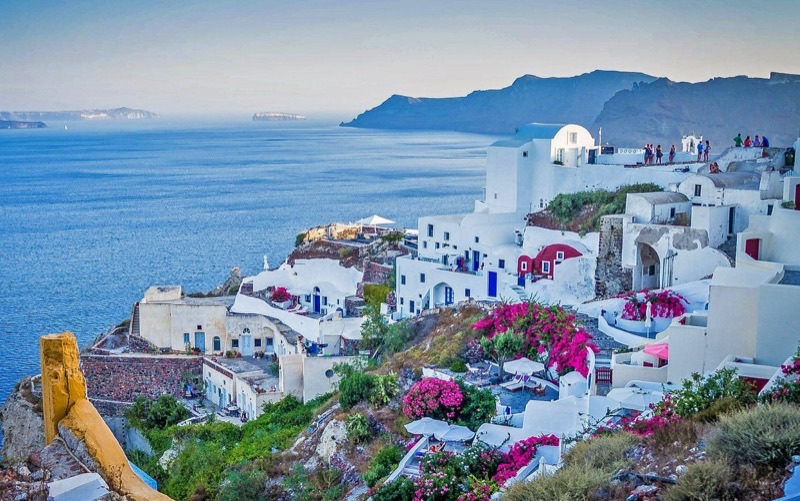
Opt for Greece if your dream vacation involves sun-drenched island hopping, iconic classical history, and a more luxurious, developed tourist experience. Indulge in Santorini sunsets, explore the Acropolis in Athens, or relax on the stunning beaches of Mykonos, knowing you'll have excellent infrastructure. Best for families, couples, and those prioritizing coastal bliss and ancient wonders, with a flexible budget.
📊 Visual Scorecard
🌤 When to Visit
Average high temperatures (°C). Green = best months, orange = avoid.
Quick Comparison
| Category | Georgia | Greece | Winner |
|---|---|---|---|
| Costs & Budget | Significantly cheaper across the board. Daily budget of $50-80 for mid-range travel. | Higher costs for accommodation, food, and transport. Daily budget of $120-180 for mid-range travel. | Georgia |
| Food & Wine | Hearty, flavorful cuisine with a strong emphasis on cheese, bread, and meat. Ancient winemaking tradition. | Mediterranean diet, fresh seafood, olives, and iconic dishes. Diverse wine regions. | Georgia |
| Beaches & Coastlines | Black Sea coast, primarily pebble beaches like Batumi and Ureki (magnetic sands). | Extensive coastlines with diverse beaches, from white sand to volcanic rock, across numerous islands. | Greece |
| Culture & History | Ancient Christian heritage, unique language, Silk Road history, Soviet legacy, cave cities. | Classical antiquity, Byzantine era, Ottoman influences, birthplace of democracy and philosophy. | Tie |
| Getting There | Longer travel times from North America, usually 2+ layovers. Direct flights from major European hubs. | Shorter, often direct flights from North America and major European cities. | Greece |
| Getting Around | Marshrutkas (minivans) are primary intercity transport. Ride-sharing apps in Tbilisi. Renting a 4x4 recommended for mountains. | Extensive ferry network for islands, good bus system on mainland, car rentals common, limited trains. | Greece |
| Accommodation | Abundance of budget-friendly guesthouses, hostels, and basic hotels. Unique stays in remote areas. | Wide range from budget hostels to luxury resorts, especially on popular islands. Higher prices generally. | Georgia |
| Nature & Hiking | Raw, dramatic Caucasus mountains, diverse landscapes from deserts to Black Sea coast. | Diverse terrain including mountains, volcanoes, and coastal paths, but less raw than Georgia. | Georgia |
| Safety | Generally very safe, low crime rates, hospitable locals. Few tourist scams. | Generally safe, but petty crime (pickpocketing) is a concern in tourist areas, especially Athens. | Georgia |
| Digital Nomads | Specific 1-year visa program, low cost of living, good internet in Tbilisi. Growing community. | Digital Nomad Visa available, higher cost of living, good internet in cities. Established EU base. | Georgia |
💰 Costs & Budget
Georgia offers incredible value. A daily budget of $50-80 USD allows for comfortable stays in guesthouses like Guest House Lile in Kutaisi ($25/night), eating out at local…
Georgia
Greece
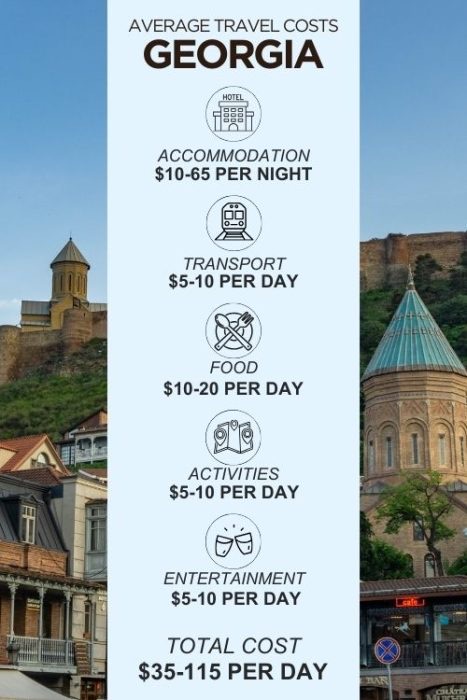
Georgia offers incredible value. A daily budget of $50-80 USD allows for comfortable stays in guesthouses like Guest House Lile in Kutaisi ($25/night), eating out at local restaurants (e.g., Khinkali House in Tbilisi for $0.50-$1 per khinkali), and internal transport via marshrutka (local minivan) for a few dollars. A bottle of decent local wine from a cellar in Kakheti can be as little as $5-10. Activities like hiking in Svaneti are free, and monastery entrances are usually donation-based. You can easily get by on $40 if you're careful, but $70 gives you freedom.
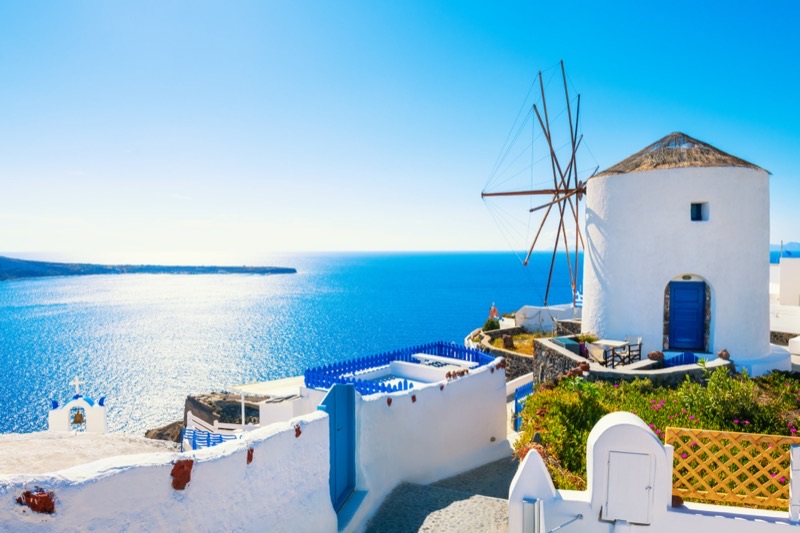
Greece, while cheaper than Western Europe, is still substantially more expensive than Georgia. A mid-range hotel in Athens, like the A for Athens, can cost $100-150/night, and a decent Airbnb on Santorini easily hits $200+. A simple gyro costs $4-6, but a sit-down meal with wine can be $20-30 per person. Ferry tickets between popular islands like Santorini to Mykonos are $50-80. Overall, a sensible budget for a good experience in Greece is $120-180 USD per day, especially if you plan on visiting popular islands. Georgia wins this category without question for budget travelers.
- Winner: Georgia
- Why: Georgia provides a full travel experience for a fraction of Greece's cost, making it accessible to more travelers.
- Who this matters for: Backpackers, long-term travelers, and anyone prioritizing budget efficiency.
🍷 Food & Wine
Georgian cuisine is a revelation: rich, savory, and incredibly satisfying. Dishes like Khachapuri (cheese bread, $3-7), Khinkali (dumplings, $0.50-$1 each), Mtsvadi (skewered…

Georgia
Greece
Georgian cuisine is a revelation: rich, savory, and incredibly satisfying. Dishes like Khachapuri (cheese bread, $3-7), Khinkali (dumplings, $0.50-$1 each), Mtsvadi (skewered meat), and Badrijani Nigvzit (eggplant with walnut paste) are staple experiences. The country is the 'cradle of wine,' with 8,000 years of Qvevri (clay pot) winemaking. Tasting tours in Kakheti, visiting wineries like Pheasant's Tears or Shumi, are affordable ($15-30 for a tasting). Food portions are generous, and prices are low, allowing travelers to indulge frequently without financial strain.
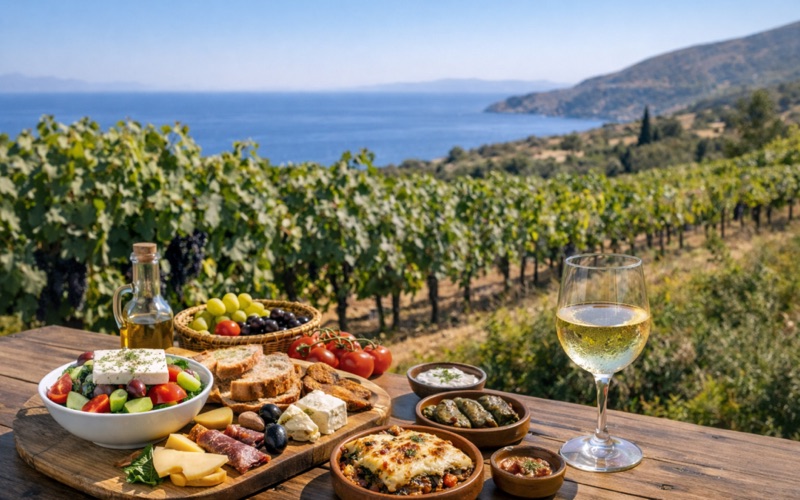
Greek food is globally recognized for its fresh ingredients and Mediterranean flavors. Think souvlaki ($3-5), moussaka ($10-15), fresh fish, and salads loaded with feta and olives. Popular spots like O Thanasis in Monastiraki, Athens, serve excellent grilled meats. Greek wines, while good, don't have the same ancient, distinct cultural significance as Georgian Qvevri wines, and often come at a higher price point. While Greece offers fantastic flavors, the unique historical depth of Georgian wine culture combined with its affordability gives Georgia the edge for a truly distinctive culinary adventure.
- Winner: Georgia
- Why: Georgia offers a more distinctive, ancient, and budget-friendly culinary and wine experience.
- Who this matters for: Foodies, oenophiles, and travelers seeking unique gastronomic traditions.
🏖️ Beaches & Coastlines
Georgia's Black Sea coast, centered around Batumi, offers a different kind of beach experience. Most beaches are pebbly, like Batumi Beach, which stretches for several kilometers,…
Georgia
Greece
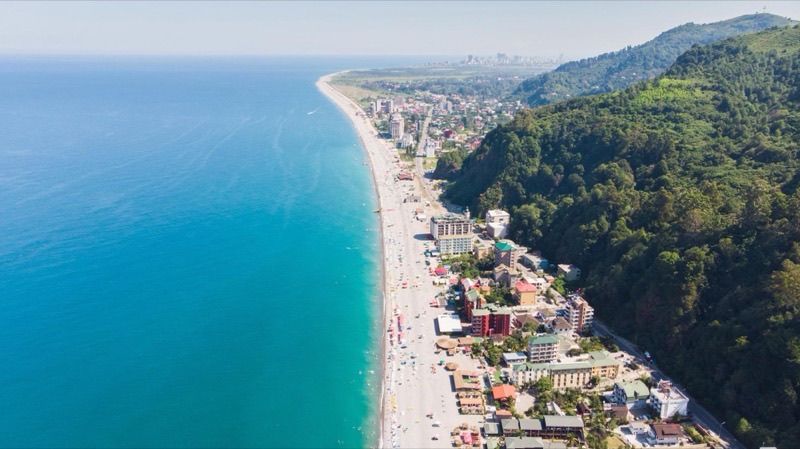
Georgia's Black Sea coast, centered around Batumi, offers a different kind of beach experience. Most beaches are pebbly, like Batumi Beach, which stretches for several kilometers, or the unique magnetic sand beaches of Ureki. While there are some resorts and a lively promenade in Batumi, the water isn't the clear, turquoise ideal many associate with a beach holiday. It's more about the unique atmosphere and Soviet-era charm than pristine swimming conditions. You can find decent spots, but they won't compete with the Aegean.
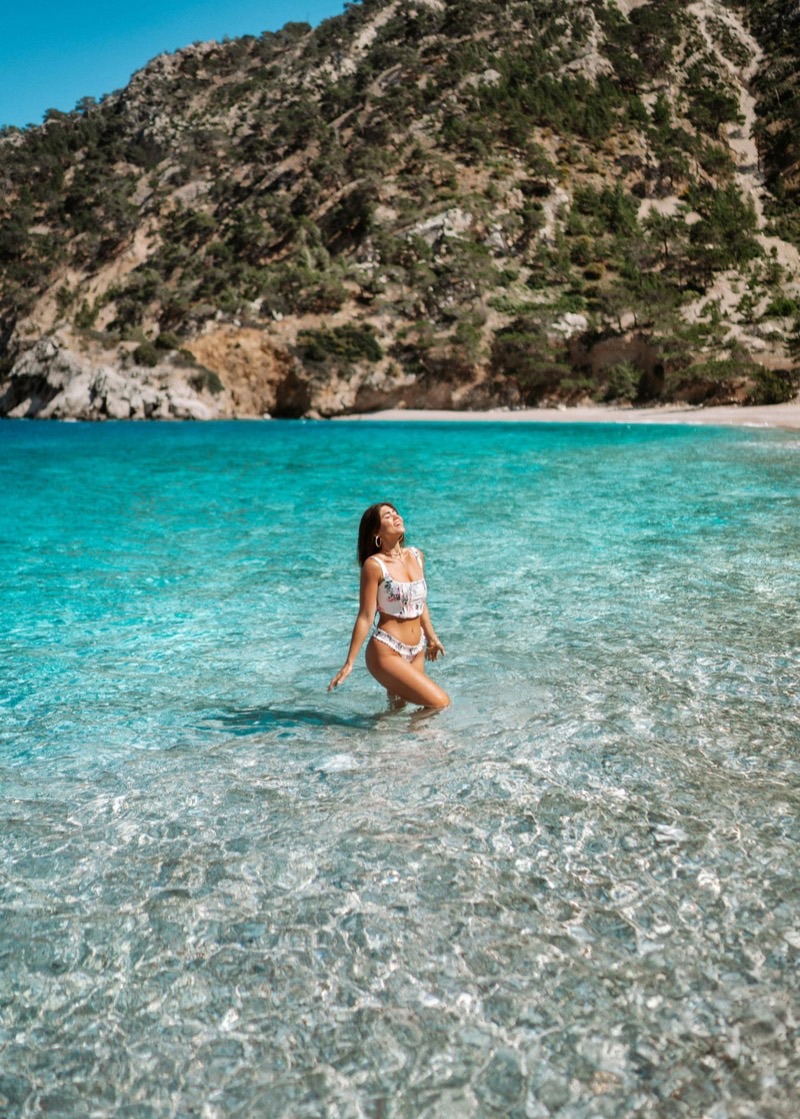
Greece is synonymous with iconic beaches. From the white sands of Mykonos's Paradise Beach to the red sands of Akrotiri on Santorini or the shipwreck cove of Navagio Beach in Zakynthos, Greece delivers. The Aegean and Ionian seas offer incredibly clear, warm waters for swimming, snorkeling, and diving. The sheer variety and quality of Greek beaches across its thousands of islands are unmatched. If lounging on a picturesque beach with crystal-clear water is a priority, Greece is the undisputed champion. The options are endless, from popular spots to quiet coves.
- Winner: Greece
- Why: Greece offers superior beach quality, variety, and iconic coastal scenery that Georgia cannot match.
- Who this matters for: Beach lovers, sun worshippers, and anyone prioritizing swimming and coastal relaxation.
🏛️ Culture & History
Georgia's historical narrative is distinct and profound, particularly its early adoption of Christianity (4th century AD). Sites like the Svetitskhoveli Cathedral in Mtskheta, a…
Georgia
Greece
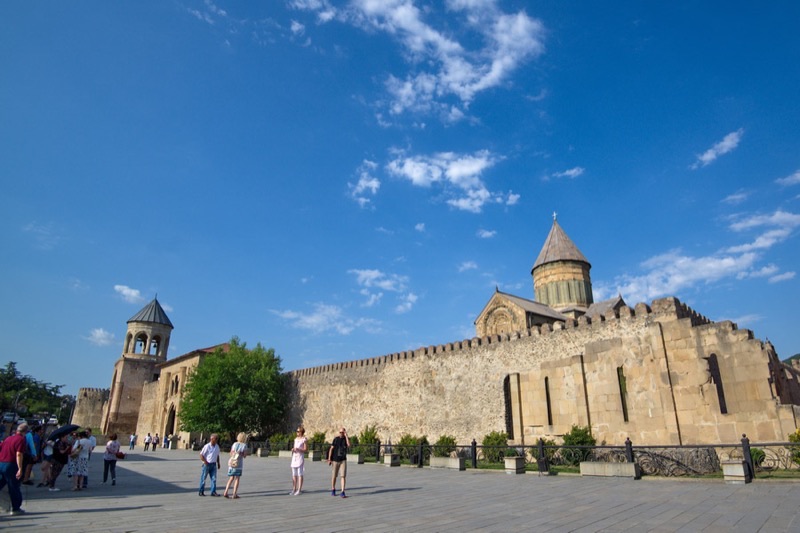
Georgia's historical narrative is distinct and profound, particularly its early adoption of Christianity (4th century AD). Sites like the Svetitskhoveli Cathedral in Mtskheta, a UNESCO site, and the rock-hewn monastery of Vardzia showcase millennia of unique architecture and religious devotion. The ancient cave city of Uplistsikhe dates back to the Iron Age, while Tbilisi's old town reflects Silk Road influences. The country's unique alphabet, polyphonic singing, and complex past under various empires create a deep, layered cultural experience.
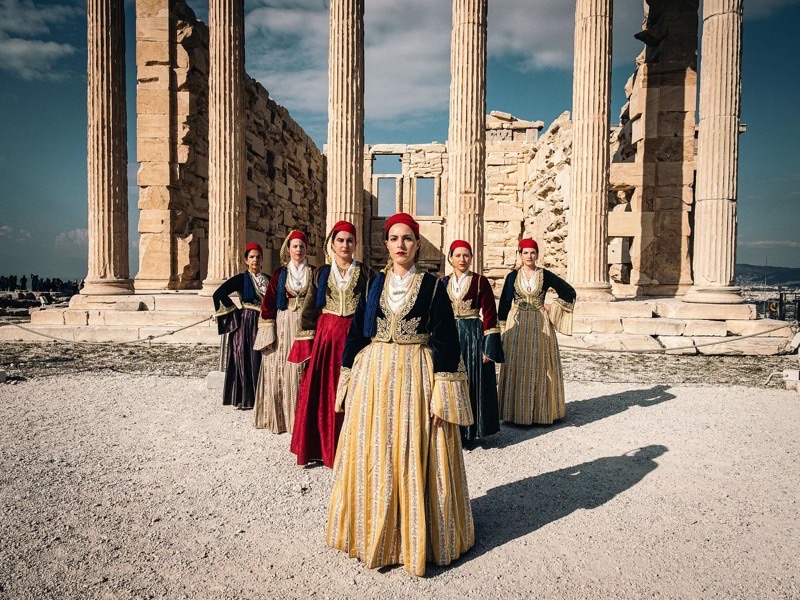
Greece stands as a titan of Western civilization, with an overwhelming concentration of classical sites. The Acropolis in Athens, featuring the Parthenon, is a global icon. Delphi, Olympia, and Mycenae offer profound insights into ancient Greek life and mythology. Later periods add Byzantine churches and Ottoman mosques to the landscape. While Georgia's history is incredibly rich and unique, the sheer scale, recognition, and impact of ancient Greek civilization on global culture means it offers a different, equally compelling historical immersion. Both are excellent, just different flavors of ancient pasts.
- Winner: Tie
- Why: Both countries offer deep, significant historical and cultural experiences, appealing to different interests.
- Who this matters for: Historians, cultural enthusiasts, and anyone seeking to connect with ancient civilizations.
✈️ Getting There
Flying to Tbilisi (TBS) from North America typically involves 18-24 hours of travel with at least two layovers, often in major European hubs like Istanbul, Munich, or Warsaw.…

Georgia
Greece
Flying to Tbilisi (TBS) from North America typically involves 18-24 hours of travel with at least two layovers, often in major European hubs like Istanbul, Munich, or Warsaw. Average round-trip fares from New York (JFK) range from $800-1200 USD. From Europe, direct flights are available from cities like Istanbul (Turkish Airlines), Munich (Lufthansa), and Paris (Air France), taking 3-4 hours and costing $200-400 round-trip, making it more accessible for European travelers.
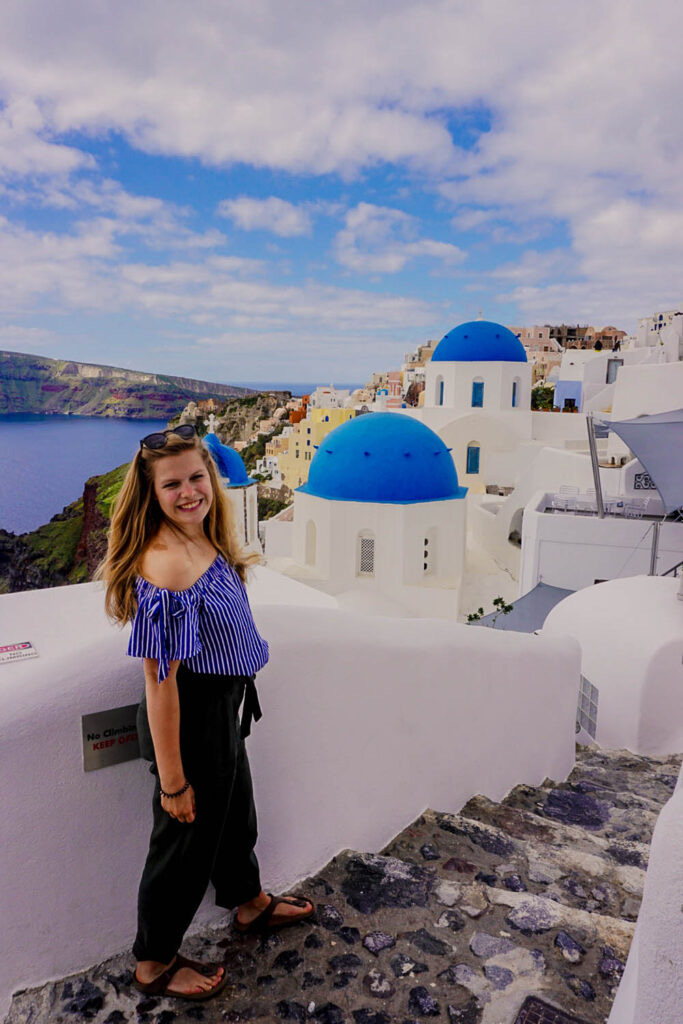
Athens (ATH) is significantly easier to reach from North America, with direct flights available from major cities like New York (JFK) on carriers such as Delta and Emirates, taking around 10-12 hours. Round-trip fares generally fall between $600-1000 USD. From other European cities, direct flights are plentiful and cheap, often under $100 for a short hop. The better connectivity, shorter flight times, and often lower airfares for long-haul travel make Greece a more convenient destination to reach for a broader international audience, especially from the Americas.
- Winner: Greece
- Why: Greece offers better flight connectivity, shorter travel times, and often more direct options from major international airports.
- Who this matters for: Travelers with limited vacation time or those sensitive to long-haul flight durations and layovers.
🚗 Getting Around
In Georgia, marshrutkas are the backbone of public transport, connecting almost every town and village. They are cheap (e.g., Tbilisi to Kazbegi is ~$10), frequent, but can be…
In Georgia, marshrutkas are the backbone of public transport, connecting almost every town and village. They are cheap (e.g., Tbilisi to Kazbegi is ~$10), frequent, but can be cramped and unpredictable. For exploring Tbilisi, Bolt (similar to Uber) is effective and affordable. To access remote mountain regions like Svaneti or parts of Tusheti, a rented 4x4 (around $70-100/day) or hiring a local driver is essential due to challenging road conditions. Trains exist but are limited in scope compared to marshrutkas.
Greece boasts a comprehensive ferry system crucial for island hopping (e.g., Piraeus to Santorini $40-80, 5-8 hours). On the mainland, the KTEL bus network is efficient and comfortable, linking major cities and towns (e.g., Athens to Delphi ~$20, 3 hours). Car rentals are popular and relatively affordable (starting $30-50/day) for exploring the mainland or larger islands like Crete. The infrastructure is generally more developed, offering more reliable and comfortable options for covering distances. While Georgia's transport is part of the adventure, Greece offers more predictability and comfort.
- Winner: Greece
- Why: Greece's combination of efficient ferries, reliable bus networks, and accessible car rentals offers greater ease and comfort for travelers.
- Who this matters for: Families, those with mobility concerns, and travelers who prefer structured and comfortable transit.
🏨 Accommodation
Georgia excels in affordable accommodation. You can find well-rated private rooms in guesthouses in Tbilisi, Kutaisi, or Sighnaghi for $20-40 USD/night (e.g., Fabrika Hostel &…
Georgia excels in affordable accommodation. You can find well-rated private rooms in guesthouses in Tbilisi, Kutaisi, or Sighnaghi for $20-40 USD/night (e.g., Fabrika Hostel & Suites in Tbilisi offers private rooms for ~$60, dorms for ~$15). Mid-range hotels typically cost $50-80 USD. In remote mountain villages like Mestia or Stepantsminda, local guesthouses offer rooms with half-board for around $30-50, providing an authentic cultural exchange. Even boutique options like Rooms Hotel Kazbegi are significantly cheaper than comparable luxury in Greece.
Greece offers a vast array of accommodation, from basic hostels in Athens ($30-50/night for a dorm) to opulent resorts on Santorini or Mykonos ($300-1000+/night). A standard mid-range hotel on the mainland might cost $80-150 USD/night. While options exist for every budget, the value for money is significantly lower than in Georgia. During peak season, prices on the islands skyrocket, making budget travel challenging. For consistent affordability and genuine local experiences in guesthouses, Georgia provides a clear advantage in terms of value.
- Winner: Georgia
- Why: Georgia offers significantly better value for money across all accommodation types, making travel more affordable.
- Who this matters for: Budget travelers, backpackers, and those seeking authentic guesthouse experiences.
⛰️ Nature & Hiking
Georgia's natural landscapes are primarily defined by the towering Caucasus Mountains. Regions like Svaneti offer multi-day treks between ancient villages (e.g., Mestia to…
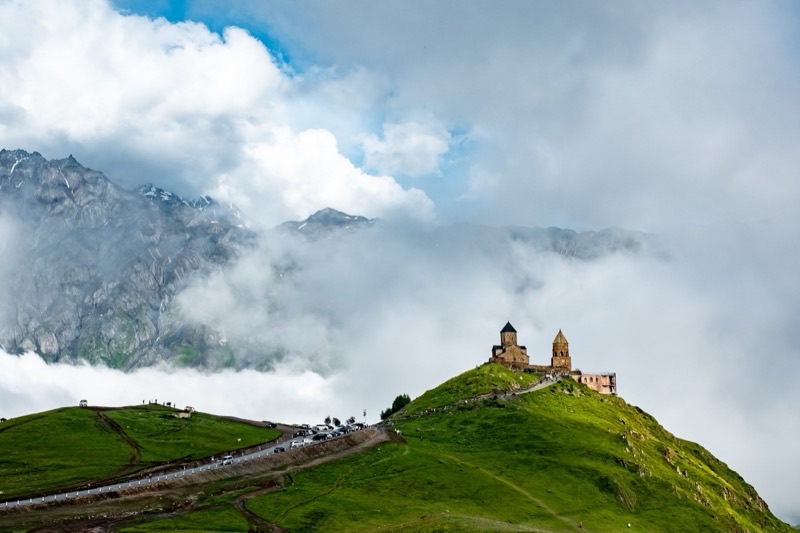
Georgia's natural landscapes are primarily defined by the towering Caucasus Mountains. Regions like Svaneti offer multi-day treks between ancient villages (e.g., Mestia to Ushguli, 4 days), with views of glaciers and peaks like Mount Shkhara. Kazbegi region is famous for the Gergeti Trinity Church against the backdrop of Mount Kazbek. Beyond mountains, there are semi-deserts in Vashlovani National Park and lush forests. The hiking infrastructure is still developing, meaning trails are less crowded and feel more adventurous, requiring some self-reliance. This untouched quality is a major draw.
Greece also offers great hiking, particularly in the Pindus Mountains (e.g., Vikos Gorge, the 'Grand Canyon of Europe'), the Meteora rock formations, and coastal paths on islands like Crete (Samaria Gorge). While beautiful and offering varied scenery from olive groves to volcanic landscapes, the scale and raw, untamed nature of Georgia's high Caucasus are a different proposition. Greece’s trails are generally more developed and often busier. For those seeking truly remote, challenging, and dramatic mountain wilderness, Georgia's Caucasus are an unmatched experience in this comparison.
- Winner: Georgia
- Why: Georgia's Caucasus Mountains offer more dramatic, remote, and extensive high-altitude hiking experiences.
- Who this matters for: Serious hikers, trekkers, and adventurers seeking untouched mountain wilderness.
🚨 Safety
Georgia consistently ranks as one of the safest countries in Europe. Violent crime against tourists is exceedingly rare. Petty theft is also low, particularly outside of crowded…
Georgia consistently ranks as one of the safest countries in Europe. Violent crime against tourists is exceedingly rare. Petty theft is also low, particularly outside of crowded markets in Tbilisi. Georgians are known for their hospitality, often inviting travelers for tea or a drink. While vigilance is always advised, travelers report feeling very secure, even solo female travelers late at night. The main 'risks' might be aggressive driving or poor road conditions in remote areas, not personal safety.
Greece is generally safe for tourists, but major tourist hubs like Athens, particularly around the Acropolis, Monastiraki, and Syntagma Square, are known for pickpocketing and bag snatching. This is less prevalent on the islands, which tend to be very safe. While violent crime is low, tourists should be more aware of their belongings than in Georgia. Scams, such as inflated taxi fares or tourist trap restaurants, are also more common. For a consistent feeling of security and lower overall risk of petty crime, Georgia stands out as the safer option.
- Winner: Georgia
- Why: Georgia boasts exceptionally low crime rates and a general feeling of security, particularly for solo travelers.
- Who this matters for: Solo travelers, families, and anyone prioritizing a worry-free travel environment.
💻 Digital Nomads
Georgia has actively courted digital nomads with its 'Remotely from Georgia' program, offering a 1-year visa for citizens of 95 countries with a minimum income of $2,000/month.…
Georgia has actively courted digital nomads with its 'Remotely from Georgia' program, offering a 1-year visa for citizens of 95 countries with a minimum income of $2,000/month. The cost of living is extremely attractive; rent for a modern 1-bedroom apartment in central Tbilisi can be $400-600 USD/month, and food is cheap. Internet speeds are fast and reliable in Tbilisi. The expat and nomad community is growing, and there are numerous co-working spaces like Terminal or Impact Hub. It's an excellent base for long-term, low-cost living.
Greece introduced its Digital Nomad Visa in 2021, allowing non-EU citizens to stay for a year if they earn at least €3,500/month. While an appealing option for EU access, the cost of living is significantly higher than in Georgia. Rent for a comparable apartment in Athens could be $800-1200 USD/month, and island living is even more expensive. Internet is good in major cities, but can be spotty on some islands. While Greece offers the allure of Mediterranean life within the EU, Georgia's significantly lower costs, more straightforward visa process, and general affordability make it a much stronger contender for digital nomads focused on maximizing their savings and extending their travel.
- Winner: Georgia
- Why: Georgia offers a more accessible digital nomad visa, significantly lower cost of living, and an emerging, supportive community.
- Who this matters for: Remote workers, freelancers, and long-term travelers seeking an affordable base.
🎯 The Decision Framework
Choose Georgia If…
- Extremely budget-friendly, especially for long trips.
- Unique ancient Christian history and architecture.
- Unparalleled, ancient Qvevri winemaking tradition.
- Raw, dramatic Caucasus mountains for serious hiking.
- Genuine local interactions in guesthouses.
- Remarkably safe and welcoming for all travelers.
- Delicious, hearty, and affordable cuisine.
- Straightforward digital nomad visa with low cost of living.
- Less crowded tourist sites, more authentic feel.
Choose Greece If…
- Iconic classical ruins like the Acropolis and Delphi.
- Stunning, diverse beaches and island-hopping opportunities.
- Easier and quicker flight access from North America.
- Well-developed tourist infrastructure and services.
- Mediterranean diet with fresh seafood and produce.
- Reliable ferry system for inter-island travel.
- More comfortable and predictable transportation options.
- Established destination with a wide range of luxury options.
- Familiar currency (Euro) and EU travel benefits.
📅 Sample Itineraries
Weekend in Georgia (3 Days)
💡 To save on dining, look for 'supra' (feast) options at local guesthouses outside Tbilisi, often including multiple dishes and wine for $15-25 per person.
Weekend in Greece (3 Days)
💡 For economical meals, seek out 'gyros' or 'souvlaki' street vendors, where a substantial meal can be purchased for $5-8.
One Week in Georgia (7 Days)
💡 For scenic mountain travel, hire a local driver in Kazbegi for a day to explore remote valleys, costing around $50-80 for a full day.
One Week in Greece (7 Days)
💡 To save on island hopping, choose slower, less expensive ferry options, which can cut costs by 30-50% compared to high-speed catamarans.
❓ Frequently Asked Questions
Which destination is better for a honeymoon?
Greece, specifically the Cycladic islands like Santorini or Mykonos, is generally better for honeymoons due to its postcard-perfect scenery, luxury accommodations, and romantic sunset views. Expect to spend $300-500+ per night for a nice hotel. Georgia is less about luxury resorts and more about rugged charm.
Can I visit both Georgia and Greece on a single trip?
Yes, but allocate at least 2.5-3 weeks. Fly into Tbilisi (TBS), spend 7-10 days exploring Georgia, then take a connecting flight (e.g., via Istanbul or Athens) to Greece for 10-14 days. This will involve around 6-8 hours of travel time between the two countries via flight.
Is English widely spoken in Georgia vs. Greece?
In Georgia, younger generations and those in the tourism sector in Tbilisi and major tourist areas speak decent English. Outside these areas, Russian is more common. In Greece, English is widely spoken in tourist areas, especially on the islands and in Athens. Older generations on the mainland might have limited English.
What are the best times to visit each country?
For Georgia, May-June and September-October offer pleasant weather for hiking and sightseeing, avoiding summer heat and winter snow. For Greece, the shoulder seasons of April-May and September-October provide warm weather, fewer crowds, and lower prices than peak summer (July-August).
Which country offers better nightlife?
Greece, especially islands like Mykonos and Ios, or Athens, offers a more extensive and diverse nightlife scene, from beach clubs to late-night tavernas. Tbilisi in Georgia has a growing underground club scene (e.g., Bassiani, Khidi) and lively bars, but it's more niche and less widespread than Greece's offerings.
Are visas required for US citizens for Georgia and Greece?
US citizens can enter Georgia for up to 1 year without a visa. For Greece (Schengen Area), US citizens can enter for up to 90 days within a 180-day period without a visa. This makes both countries easily accessible for short-term tourism.
Which destination is better for solo female travelers?
Georgia is often cited as one of the safest destinations for solo female travelers due to its incredibly low crime rates and the hospitable nature of its people. While Greece is generally safe, areas in Athens have a higher incidence of petty theft, requiring more vigilance, which can be a minor concern for solo travelers.
What's the internet situation like for remote work?
In Tbilisi, Georgia, internet speeds are generally excellent (100+ Mbps fiber) and reliable, even in guesthouses. In Greece, major cities like Athens and Thessaloniki have good broadband, but speeds can vary on smaller islands, though 4G/5G mobile data is usually strong enough for most tasks.
Ready to plan your trip?
Get a free custom itinerary for Georgia, Greece, or both — built from real traveler insights.
👥 Travelers Also Compared
🎟️ Book Tours & Experiences
Hand-picked tours and activities for both destinations — book with free cancellation
Experiences via Viator — free cancellation on most tours