How we built this comparison
This page combines traveler discussion patterns, published price ranges, flight schedules, and seasonal data to help you decide between Georgia and Turkey.
- Reviewed 50+ Reddit threads from r/travel, r/solotravel, r/Georgia, r/Turkey, r/digitalnomad for authentic traveler perspectives.
- Verified costs and logistics against current booking platforms (Booking.com, Skyscanner, local tour operators) and recent traveler blogs.
- Cross-referenced seasonal patterns and weather data from meteorological sources to ensure accurate recommendations.
⚡ The TL;DR Verdict
For raw, budget-friendly adventure and unique culture, pick Georgia ($50-90/day). For a more polished, historically rich, and diverse experience with better infrastructure, Turkey ($70-110/day) is your go-to. Both offer incredible value, but for different kinds of travelers.
- Choose Georgia: Choose Georgia if you're a budget-conscious adventurer seeking dramatic mountain landscapes, a vibrant emerging food and wine scene, and a truly unique cultural immersion without the crowds. Ideal for hikers, wine enthusiasts, and those who love a less-traveled path.
- Choose Turkey: Choose Turkey for a blend of ancient history, stunning Mediterranean beaches, vibrant city life, and world-class culinary diversity. Perfect for history buffs, beach lovers, foodies, and those who appreciate well-developed tourist infrastructure and a wider range of activities.
- Choose Both: Do both if you have 3-4 weeks and want a comprehensive Black Sea region experience. Start with Georgia's mountains and culture, then fly to Istanbul for history and city life, perhaps ending on Turkey's coast. It’s a fantastic combo that showcases incredible diversity.
Quick Comparison
| Category | Georgia | Turkey | Winner |
|---|---|---|---|
| Costs & Budget | Significantly more affordable across the board, from food to transport. | Generally affordable but popular tourist areas can add up quickly. | Georgia |
| Food & Drink | Unique, hearty cuisine focused on cheese, bread, and meat; ancient wine culture. | Globally renowned diverse cuisine with incredible variety; strong tea culture. | Turkey |
| Culture & History | Ancient Christian heritage, Silk Road remnants, unique alphabet. | Vast empires (Roman, Byzantine, Ottoman), crossroads of civilizations, unparalleled sites. | Turkey |
| Nature & Scenery | Dramatic Caucasus mountains, lush valleys, Black Sea coast. | Unique volcanic landscapes, Mediterranean beaches, diverse climate zones. | Georgia |
| Accommodation | Charming guesthouses, budget hostels, emerging boutique hotels. | Wide range from luxury resorts to boutique hotels, diverse hostel options. | Turkey |
| Getting Around | Marshrutkas (minibuses) are primary; car rental for flexibility. | Extensive bus network, domestic flights, metro in major cities. | Turkey |
| Nightlife & Entertainment | Emerging club scene in Tbilisi, relaxed wine bars, local festivals. | Vibrant and diverse in Istanbul, lively coastal towns, traditional music. | Turkey |
| Safety & Stability | Very safe, low crime rates, welcoming locals, minimal political unrest. | Generally safe, but geopolitical concerns and large city pickpocketing can be factors. | Georgia |
| Beaches & Coastline | Black Sea coast, Batumi is the main resort, generally pebble beaches. | Stunning Mediterranean & Aegean coasts, world-famous sandy beaches, clear waters. | Turkey |
| Digital Nomad Appeal | Low cost of living, 'Remotely from Georgia' visa, growing community. | Affordable, vibrant culture, good infrastructure, popular but no specific visa. | Georgia |
💰 Costs & Budget
Georgia consistently wins on budget. You can easily get by on ₾150-250 ($55-90 USD) a day for a comfortable mid-range trip, including a nice guesthouse, good meals, and local transport. A delicious Khachapuri costs around ₾15-25 ($5-9), and a marshrutka ride across the country might be ₾30-50 ($11-18). In contrast, Turkey, especially Istanbul or Cappadocia, can be pricier. While a good street food simit is cheap (₺10-20, or $0.30-0.60), a decent restaurant meal can be ₺300-600 ($10-20) and a domestic flight from Istanbul to Izmir might run you ₺1000-2000 ($30-60). Accommodation in Georgia, like a charming guesthouse in Mestia, can be ₾80-150 ($29-55) per night, whereas a similar quality boutique hotel in Istanbul's Sultanahmet district often starts at ₺1500-2500 ($50-80). "Honestly, Georgia feels like going back 10 years in terms of prices, in the best way possible. My GEL stretches so far there," shared one Redditor from r/solotravel.
Winner takeaway
- Winner: Georgia
- Why: Georgia offers incredible value for money, making it ideal for budget-conscious travelers without sacrificing quality experiences.
- Who this matters for: Budget travelers, long-term backpackers, and digital nomads.
🍲 Food & Drink
Both countries are culinary powerhouses, but Turkey takes the edge for sheer diversity and global influence. Georgian food is distinct and delicious: think Khachapuri (cheese bread), Khinkali (dumplings), and a rich wine tradition from the Kakheti region, often made in qvevri. A feast at a traditional Georgian restaurant like Shavi Lomi in Tbilisi can be around ₾100-150 ($35-55) for two. However, Turkish cuisine offers a wider spectrum, from the street food delights of Istanbul (kebabs, simit, baklava) to the fresh seafood of the Aegean and the rich stews of Anatolia. A full Turkish breakfast (Serpme Kahvaltı) at a place like Van Kahvaltı Evi in Istanbul is an experience itself, costing around ₺700-1000 ($23-33) for two, while a delicious Döner Kebap on the street is ₺150-250 ($5-8). The spice, variety, and dessert game are simply stronger. "Turkish food is just next level. I could eat my way through Istanbul for a month and never get bored, the variety is insane," a Redditor commented on r/travel.
Winner takeaway
- Winner: Turkey
- Why: Turkey's culinary landscape is incredibly diverse, offering a wider range of flavors, dishes, and regional specialties.
- Who this matters for: Foodies, gourmands, and travelers seeking diverse culinary experiences.
🏛️ Culture & History
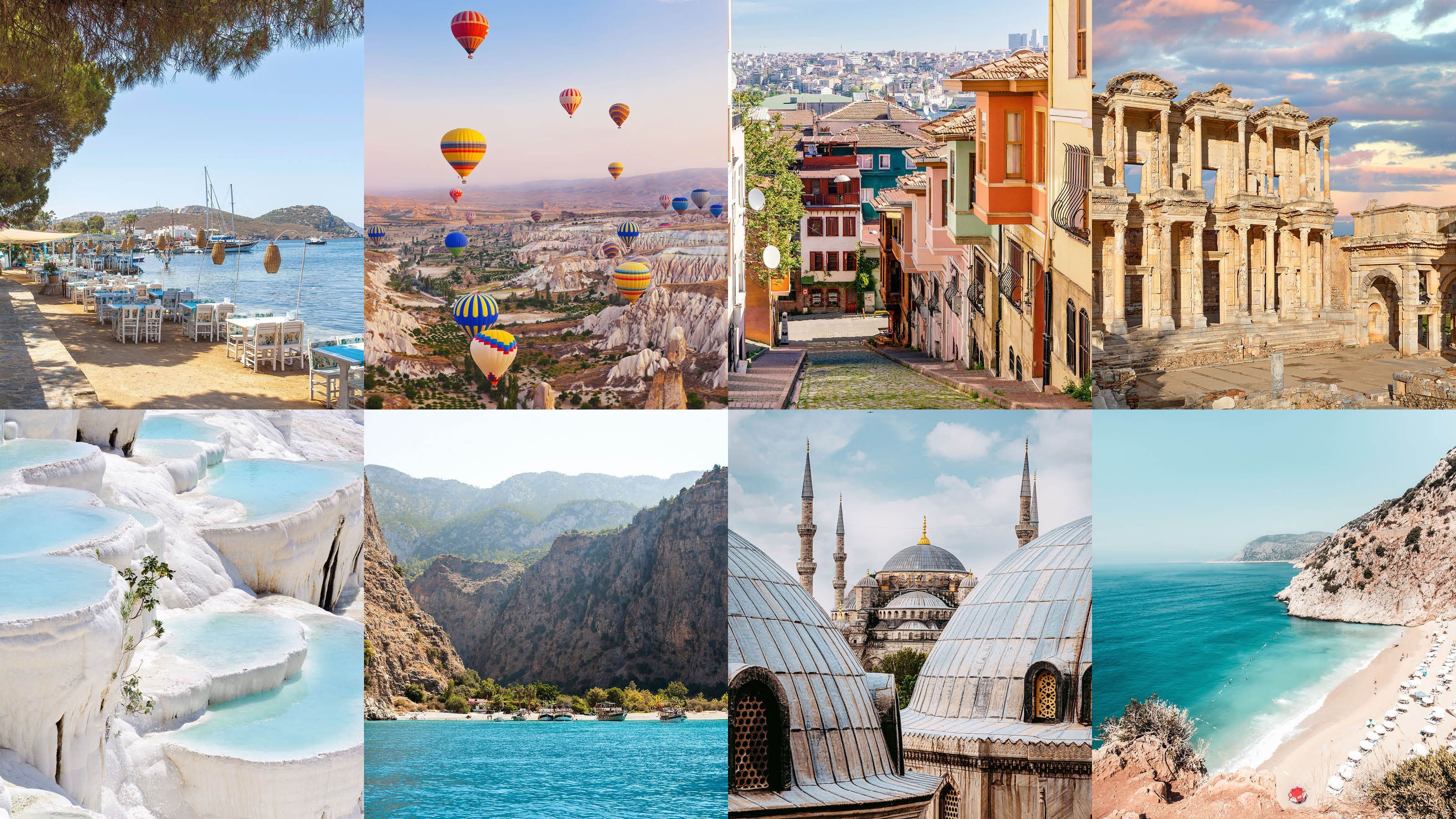
While Georgia boasts a deep Christian history, ancient cave cities like Uplistsikhe (entrance ₾15 / $5.50) and incredible monasteries like Gergeti Trinity Church, Turkey's historical footprint is simply monumental. From the awe-inspiring Hagia Sophia (entrance ₺850 / $28) and Blue Mosque in Istanbul, to the ancient Roman ruins of Ephesus (entrance ₺700 / $23), and the unique landscape of Cappadocia with its cave dwellings and fairy chimneys, Turkey offers a truly staggering array of historical and cultural sites spanning millennia and multiple empires. Georgia's narrative is compelling and unique, but Turkey's scale and global significance in terms of historical sites are unmatched. The Grand Bazaar in Istanbul offers a sensory overload of history and commerce, while Tbilisi's Old Town provides charming, albeit smaller-scale, historical exploration. "I loved Georgia's vibe, but honestly, you can't beat Ephesus or a hot air balloon ride over Cappadocia for pure historical impact and unique beauty. Turkey is just packed with it," a r/traveler remarked.
Winner takeaway
- Winner: Turkey
- Why: Turkey's historical and cultural sites are globally significant, more numerous, and span a greater breadth of civilizations.
- Who this matters for: History buffs, archaeology enthusiasts, and those fascinated by ancient empires.
🏞️ Nature & Scenery
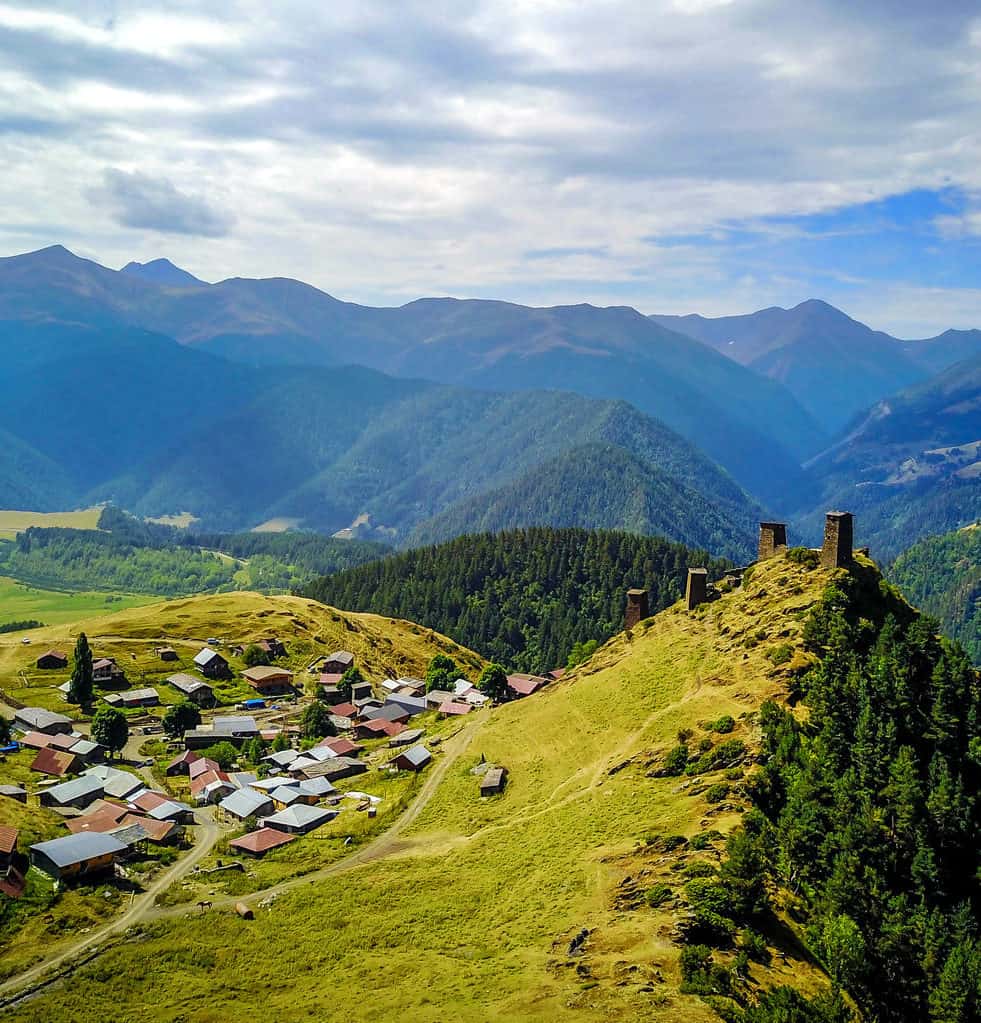
For raw, untamed natural beauty, Georgia reigns supreme. The soaring peaks of the Caucasus Mountains, especially in regions like Svaneti (Mestia, Ushguli), offer world-class hiking and breathtaking vistas. Treks around Chalaadi Glacier or to Koruldi Lakes are unforgettable. The lush vineyards of Kakheti, the semi-desert landscapes of David Gareja, and the developing Black Sea coast around Batumi provide incredible diversity. While Turkey has the surreal beauty of Cappadocia (hot air balloon rides around ₺4000-7000 / $130-230, a must-do!), the travertine terraces of Pamukkale (entrance ₺700 / $23), and stunning Mediterranean beaches (e.g., Oludeniz), Georgia's mountain grandeur feels more untouched and dramatic. "Nothing beats waking up to those Caucasus views in Svaneti. It's just... epic. Turkey has great stuff, but Georgia's mountains feel truly wild," commented a r/travel user.
Winner takeaway
- Winner: Georgia
- Why: Georgia offers more dramatic, rugged, and less developed natural landscapes, particularly its world-class mountain ranges.
- Who this matters for: Hikers, adventure seekers, landscape photographers, and mountain enthusiasts.
🛌 Accommodation
Turkey's tourism infrastructure is more developed, offering a broader and more polished range of accommodation options. In Istanbul, you can find everything from opulent 5-star hotels like The Peninsula Istanbul (starting $500+/night) to charming boutique hotels in Sultanahmet (e.g., Hotel Amira, $80-150/night) and vibrant hostels (e.g., Cheers Hostel, $20-40/night). Along the Mediterranean coast, luxury resorts are abundant. Georgia's accommodation scene is rapidly evolving. Tbilisi boasts excellent boutique hotels like Rooms Hotel Tbilisi ($150-250/night) and popular hostels like Fabrika Hostel ($20-35/night). Outside the capital, charming family-run guesthouses (e.g., in Mestia, $30-60/night with meals) are common, offering an authentic experience but generally less luxury. While Georgia is catching up, Turkey has a longer history of catering to international tourism, resulting in more refined options and higher service standards across various price points. "Turkey just has more choice, plain and simple. From cheap hostels to proper luxury resorts on the coast, they've got it all dialed in," a r/travel thread noted.
Winner takeaway
- Winner: Turkey
- Why: Turkey offers a wider and more established range of accommodation options, from budget to luxury, with generally higher service standards.
- Who this matters for: All types of travelers, from luxury seekers to backpackers, who appreciate variety and quality.
🚌 Getting Around
Turkey offers significantly more convenient and diverse transportation options. Its extensive intercity bus network (e.g., Metro Turizm, Kamil Koç) is comfortable, reliable, and connects virtually every town and city, with tickets from Istanbul to Antalya costing around ₺1000-1500 ($33-50). Domestic flights are also plentiful and often affordable, allowing quick travel between major hubs like Istanbul, Izmir, and Cappadocia. Major cities like Istanbul have efficient metro and tram systems. In Georgia, marshrutkas (shared minibuses) are the backbone of intercity travel. They are cheap (Tbilisi to Batumi ₾30-40 / $11-15) but can be cramped and less comfortable. The train network is limited, and domestic flights are rare. Renting a car in Georgia is popular for flexibility, especially in mountainous regions, but roads can be challenging. "Turkey's bus system is a dream, seriously. So comfy, Wi-Fi, snacks. Georgia's marshrutkas are an adventure, but sometimes you just want easy," a traveler shared on r/solotravel.
Winner takeaway
- Winner: Turkey
- Why: Turkey has a more developed, comfortable, and extensive public transportation network including buses, flights, and urban transit.
- Who this matters for: Travelers who prioritize comfort and efficiency in getting around, and those covering long distances.
🎉 Nightlife & Entertainment
While Tbilisi's nightlife has garnered international attention for its burgeoning electronic music scene (e.g., Bassiani, Khidi with entry around ₾50-80 / $18-29), offering a unique, underground vibe, Turkey, particularly Istanbul, offers a much broader and more established range of entertainment. Istanbul boasts countless sophisticated rooftop bars, bustling meyhanes (traditional taverns), and mega-clubs along the Bosphorus (e.g., Sortie, entry can be ₺1000+ / $33+). Coastal cities like Bodrum and Antalya also come alive in summer with beach clubs and lively bars. Georgia offers charming wine bars and traditional music performances, but the scale and variety of options, from high-end to casual, are far greater in Turkey. If you're looking for global-standard entertainment and variety, Turkey is the clear winner. "Tbilisi's club scene is legendary for a reason, but for sheer variety – from rooftop lounges to huge clubs to traditional music – Istanbul blows it out of the water," stated a r/travel user.
Winner takeaway
- Winner: Turkey
- Why: Turkey, especially Istanbul, offers a larger, more diverse, and globally recognized nightlife and entertainment scene.
- Who this matters for: Party-goers, urban explorers, and those seeking varied evening entertainment.
🛡️ Safety & Stability
Georgia consistently ranks as one of the safest countries in the region, with remarkably low crime rates, even in major cities like Tbilisi. Travelers often report feeling very secure walking alone at night. The political situation is generally stable, and tourists are rarely affected by any local issues. You can leave your phone on a restaurant table and chances are it'll still be there. While Turkey is generally safe for tourists, especially in well-trafficked areas, it has faced more geopolitical concerns and occasional security alerts in the past. Petty crime like pickpocketing is more common in crowded areas of Istanbul, and it's wise to be more vigilant. The perception of safety is definitely higher in Georgia. "I felt safer walking around Tbilisi at 2 AM than I do in my own city. The Georgian people are incredibly hospitable and genuinely look out for you," a r/solotraveler commented, highlighting the local warmth and safety.
Winner takeaway
- Winner: Georgia
- Why: Georgia offers an exceptionally high level of personal safety and stability, with very low crime rates and a welcoming atmosphere.
- Who this matters for: Solo travelers, families, and those prioritizing a worry-free travel experience.
🏖️ Beaches & Coastline
Turkey is a clear winner for beaches and coastline, offering world-class options that draw millions of visitors annually. The Mediterranean and Aegean coasts boast stunning stretches of golden sand, turquoise waters, and picturesque coves, with popular destinations like Antalya, Bodrum, Fethiye, and Ölüdeniz. You can find everything from bustling resort beaches to secluded bays perfect for swimming, sunbathing, and water sports. A boat trip along the Lycian Way costs around ₺800-1500 ($26-50). Georgia's Black Sea coast, centered around Batumi, is developing rapidly with modern architecture and a lively promenade. However, most beaches are pebbly, and the water quality isn't quite on par with Turkey's Mediterranean offerings. While Batumi offers a fun atmosphere and good value (e.g., a nice beachside meal ₾70-120 / $25-45), it doesn't compare to the natural beauty and extensive options of Turkey's coastline. "Turkey's beaches are just legendary, no contest. Oludeniz, Kaputas, Patara... Georgia has Batumi, which is cool, but it's apples and oranges," a Redditor shared on r/travel.
Winner takeaway
- Winner: Turkey
- Why: Turkey's Mediterranean and Aegean coasts offer a vast array of world-class, beautiful sandy beaches and clear waters.
- Who this matters for: Beach lovers, sun worshippers, families, and those seeking coastal relaxation and water activities.
💻 Digital Nomad Appeal
Georgia has actively courted digital nomads with its 'Remotely from Georgia' visa program, allowing stays for up to a year for eligible remote workers. This, combined with an incredibly low cost of living – a decent apartment in Tbilisi can be ₾1500-2500 ($500-900) per month, and a co-working space like Impact Hub ₾300-500 ($110-180) – makes it highly attractive. The internet is fast and reliable. While Turkey is also very popular with nomads for its vibrant culture, affordable lifestyle (Istanbul apartment ₺15,000-25,000 / $500-800 per month, co-working like Kolektif House ₺3000-5000 / $100-170), and good infrastructure, it lacks a specific long-term visa program for remote workers, relying on standard tourist visas or residency permits which can be more complex. The community in Tbilisi feels very tight-knit and supportive. "Georgia's nomad visa made it a no-brainer for me. The cost of living is amazing, and the community in Tbilisi is super welcoming," a digital nomad posted on r/digitalnomad.
Winner takeaway
- Winner: Georgia
- Why: Georgia's specific 'Remotely from Georgia' visa program and lower cost of living give it a significant edge for digital nomads.
- Who this matters for: Digital nomads, remote workers, and long-term budget travelers.
❓ Frequently Asked Questions
Which country is better for a first-time international traveler?
Turkey might be slightly easier for a first-timer due to its more developed tourism infrastructure, clearer signage (often in English), and a wider array of guided tours and services. Georgia is fantastic but can feel a bit more 'raw' and requires a bit more independent planning, though locals are incredibly helpful.
Is English widely spoken in Georgia or Turkey?
In major tourist areas and younger generations in both countries, English is increasingly common. However, outside these bubbles, you'll find more limited English. Learning a few basic phrases in Georgian or Turkish (like 'hello,' 'thank you,' 'please') goes a long way and is greatly appreciated by locals.
What's the best time of year to visit each country?
For Georgia, late spring (May-June) or early autumn (September-October) offers pleasant weather for hiking and sightseeing, avoiding summer heat and winter snow. For Turkey, spring (April-May) and autumn (September-November) are ideal for comfortable temperatures across the country, especially for city exploration and historical sites, while summer (June-August) is perfect for beach holidays.
Are they good destinations for solo female travelers?
Both countries are generally safe for solo female travelers, with Georgia often cited as exceptionally safe due to its low crime rates and friendly locals. In Turkey, while also safe, it's advisable to dress modestly in religious areas and be aware of common scams or overly persistent vendors, especially in crowded markets like Istanbul's Grand Bazaar.
Which country offers better value for luxury travel?
Turkey offers more established and diverse luxury options, from opulent hotels in Istanbul to exclusive resorts on the Aegean and Mediterranean coasts. While Georgia is developing its luxury segment (e.g., Rooms Hotel), Turkey has a longer history of catering to high-end tourism with more refined services and facilities.
How easy is it to get visas for Georgia and Turkey?
Many nationalities enjoy visa-free entry to both Georgia and Turkey for tourist stays (typically 30-90 days). It's always best to check the specific visa requirements for your nationality on their respective government websites well in advance of your trip, as policies can change.
What unique experiences can I find in each country?
In Georgia, unique experiences include savoring traditional qvevri wine in Kakheti, hiking to ancient watchtowers in Svaneti, bathing in Tbilisi's sulfur baths, and witnessing polyphonic singing. In Turkey, unique experiences range from a hot air balloon ride over Cappadocia, exploring ancient Roman cities like Ephesus, cruising the Bosphorus, and haggling in the Grand Bazaar.
Which country has better hiking opportunities?
Georgia is undeniably superior for hiking, especially in its dramatic Caucasus Mountains. Regions like Svaneti offer world-class multi-day treks with stunning alpine scenery and ancient villages. While Turkey has beautiful trails (e.g., Lycian Way), Georgia's rugged, untouched mountain wilderness is a hiker's paradise.
Ready to plan your Caucasus or Anatolia trip?
Get a free custom itinerary for Georgia, Turkey, or both — built from real traveler insights.
🎟️ Book Tours & Experiences
Hand-picked tours and activities for both destinations — book with free cancellation
Experiences via Viator — free cancellation on most tours