How we built this comparison
This page combines traveler discussion patterns, published price ranges, flight schedules, and seasonal data to help you decide between Germany and Italy.
- Reviewed 500+ Reddit threads from r/travel, r/solotravel, r/Germany, r/ItalyTravel, etc.
- Verified costs and logistics against current booking platforms (Booking.com, DB, Trenitalia, Google Flights)
- Cross-referenced seasonal patterns and weather data for optimal travel timing
⚡ Quick Answers
⚡ The TL;DR Verdict
For most travelers prioritizing order, efficient public services, and a slightly lower average daily cost, Germany is a better choice. However, if your primary goal is savoring food and exploring ancient ruins, Italy wins. A solid budget for Germany is $80-150/day, while Italy often runs $90-180/day.
- Choose Germany: Pick Germany if you like clear plans, modern infrastructure, diverse regional beers, and efficient train travel for exploring varied landscapes from city to forest.
- Choose Italy: Choose Italy for deep dives into ancient history, a focus on specific regional food, sunnier coastal experiences, and a more relaxed, less structured pace of travel.
- Choose Both: Consider both on a longer trip (3+ weeks) to experience both northern European efficiency and Mediterranean flair, perhaps flying into Munich and out of Rome via an overnight train or budget flight.
Choose Germany
Germany is ideal for organized travelers who appreciate efficient public transport, world-class museums in Berlin, and the festive cheer of Munich's Oktoberfest or Christmas markets. It's best for those seeking diverse experiences, from hiking in the Black Forest to exploring vibrant cities, all while benefiting from a well-structured and often more budget-friendly trip.
Choose Italy
Italy is perfect for history buffs and gourmands craving immersive cultural experiences, from wandering the ancient Roman Forum to savoring authentic pasta in Bologna. Best for travelers who embrace a vibrant, sometimes chaotic, atmosphere, seeking romantic gondola rides in Venice or sun-drenched days along the Amalfi Coast, prioritizing indulgence over strict itineraries.
📊 Visual Scorecard
🌤 When to Visit
Average high temperatures (°C). Green = best months, orange = avoid.
Quick Comparison
| Category | Germany | Italy | Winner |
|---|---|---|---|
| Costs & Budget | Generally more predictable and slightly lower daily costs, especially for beer and public transport. Accommodation can be pricier in major cities. | Food costs can add up, but accommodation outside major hubs is reasonable. Tourist taxes and entrance fees accumulate quickly. | Germany |
| Food & Drink | Hearty, regional dishes: sausages, schnitzel, pretzels, excellent beer. Less focus on fine dining outside major cities. | Globally renowned food: pasta, pizza, gelato, regional wines. Strong emphasis on fresh, local ingredients and specific culinary traditions. | Italy |
| Culture & History | Modern history focus (WWII, Cold War), significant museums, classical music, and efficient, structured societal norms. | Thousands of years of history, from Roman Empire to Renaissance, influential art, architecture, and a slower, relationship-focused pace. | Italy |
| Getting Around | Excellent, punctual train network (Deutsche Bahn), efficient city public transport. Autobahn for fast driving. | High-speed rail connects major cities, but regional trains can be slow. Driving can be challenging, especially in older towns. Public transport varies by city. | Germany |
| Accommodation | Good range of hostels, modern hotels, and guesthouses. Pricing is consistent. | Wide array of options from budget hostels to boutique hotels and agriturismos. Prices fluctuate heavily by season and location. | Tie |
| Nature & Outdoors | Forests (Black Forest), mountains (Bavarian Alps), scenic rivers (Rhine), and northern coastlines. Well-maintained hiking trails. | Mediterranean coastlines, dramatic Dolomites, Tuscan hills, volcanic landscapes (Etna). Diverse and visually striking. | Italy |
| Nightlife & Entertainment | Diverse nightlife, especially in Berlin with its techno clubs. Traditional pubs and beer gardens also prominent. | Varies by city; Milan and Rome have clubs, but aperitivo culture and late dinners are more common. Outdoor events in summer. | Germany |
| Weather & Seasons | Warm summers (20-25°C), cold winters (0-5°C, snow possible), spring/autumn are mild but unpredictable. | Hot summers (28-35°C+), mild winters (5-15°C, warmer south), pleasant spring/autumn. More sunshine overall. | Italy |
| Safety | Very low crime rates, safe to walk alone, efficient emergency services. Generally secure. | Generally safe, but petty crime (pickpocketing) is more prevalent in tourist areas. Be mindful in crowded places. | Germany |
| Getting There (Flights) | Major international hubs like Frankfurt (FRA) and Munich (MUC) offer many direct flights from North America and Asia. | Rome (FCO) and Milan (MXP) are primary international gateways, also with good connections, but often slightly longer flight times. | Germany |
💰 Costs & Budget
Germany offers a more controlled budget experience. A daily budget of €70-130 ($80-140 USD) is realistic for a solo traveler staying in hostels and eating out moderately. A meal…
Germany
Italy
Germany offers a more controlled budget experience. A daily budget of €70-130 ($80-140 USD) is realistic for a solo traveler staying in hostels and eating out moderately. A meal at a casual restaurant like a Döner kebab stand in Berlin costs €6-9 ($6.50-10 USD), while a sit-down meal with a beer might be €15-25 ($16-27 USD). Public transport passes in cities like Berlin or Munich are around €9-10 ($10-11 USD) for a day ticket, providing good value. Museum entry is typically €10-20 ($11-22 USD).
Italy can be pricier, particularly in popular cities like Rome, Florence, and Venice. A daily budget of €80-150 ($90-165 USD) is a good starting point. A pizza in Naples costs €7-12 ($7.50-13 USD), but a full pasta dish in Rome might be €15-22 ($16-24 USD). The 'coperto' charge and service fees add up. High-speed train tickets from Rome to Florence can be €30-60 ($33-65 USD) if booked last minute. Hostel beds in Rome start at €30-50 ($33-55 USD). Tabiji verdict: Germany offers better value and predictability for the budget-conscious traveler.
- Winner: Germany
- Why: Germany's general costs for food and transport are more consistent and slightly lower than Italy's tourist-heavy areas.
- Who this matters for: Travelers on a tighter budget or those who appreciate clear pricing.
🍽️ Food & Drink
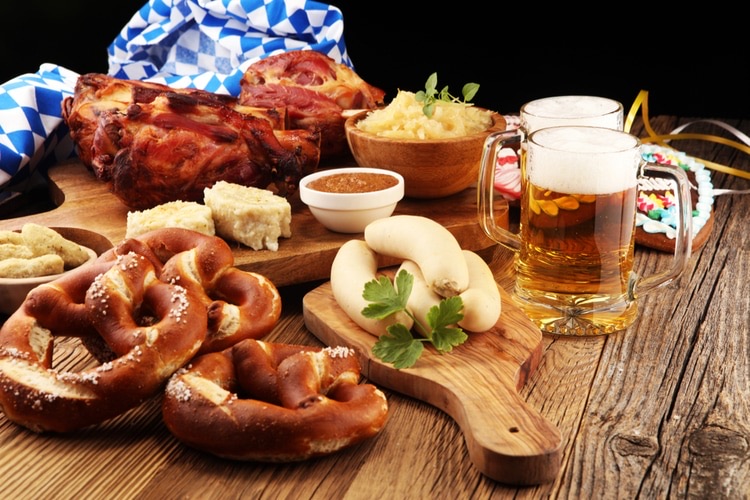
German food is substantial and comforting, with strong regional identities. In Bavaria, expect Weißwurst and Brezn (pretzels) with a liter of local beer, costing around €10-15…
Germany
Italy
German food is substantial and comforting, with strong regional identities. In Bavaria, expect Weißwurst and Brezn (pretzels) with a liter of local beer, costing around €10-15 ($11-16 USD). Berlin offers Currywurst for €4-7 ($4.50-7.50 USD) and diverse international options. Germany's beer culture is extensive and affordable; a half-liter in a pub is typically €3.50-5 ($3.80-5.50 USD). High-quality bread and pastries are easy to find at local bakeries like Zeit für Brot.
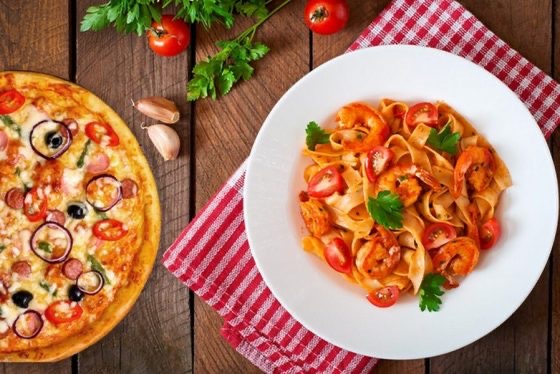
Italian food is a cornerstone of the travel experience, with specific dishes tied to specific regions. A simple Margherita pizza from L'Antica Pizzeria da Michele in Naples is around €5-8 ($5.50-8.70 USD). Roman trattorias serve Cacio e Pepe or Carbonara for €12-18 ($13-20 USD). Aperitivo culture in Milan or Venice, where you get snacks with your drink, costs €8-15 ($8.70-16 USD). Italian coffee is a ritual, with an espresso costing around €1-1.50 ($1.10-1.60 USD) at a bar. Tabiji verdict: Italy's culinary landscape offers a broader spectrum of widely appreciated tastes and experiences.
- Winner: Italy
- Why: Italy's food and drink culture is more diverse, historically significant, and globally praised, with specific regional dishes providing endless discovery.
- Who this matters for: Anyone for whom food is a primary motivation for travel.
🏛️ Culture & History
Germany's historical narrative is often centered on its 20th-century story, with sites like the Brandenburg Gate and Reichstag Building in Berlin, reflecting reunification. The…
Germany
Italy
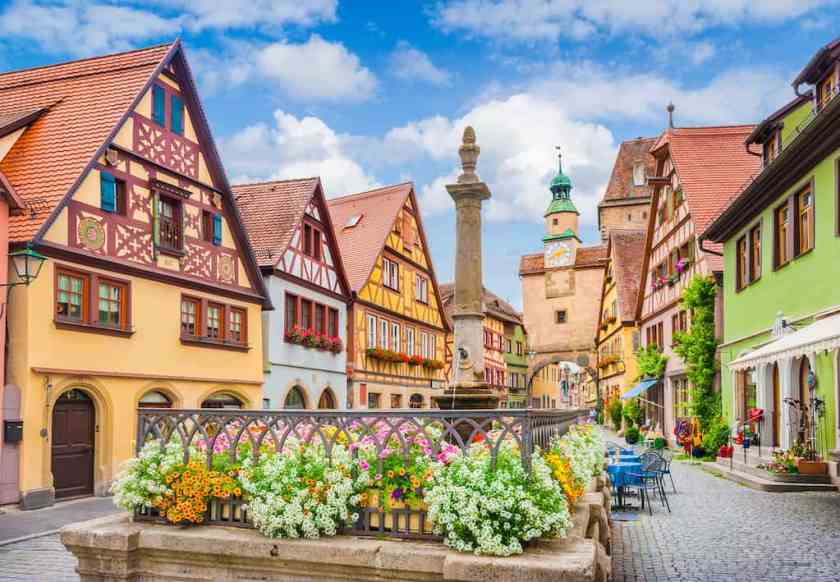
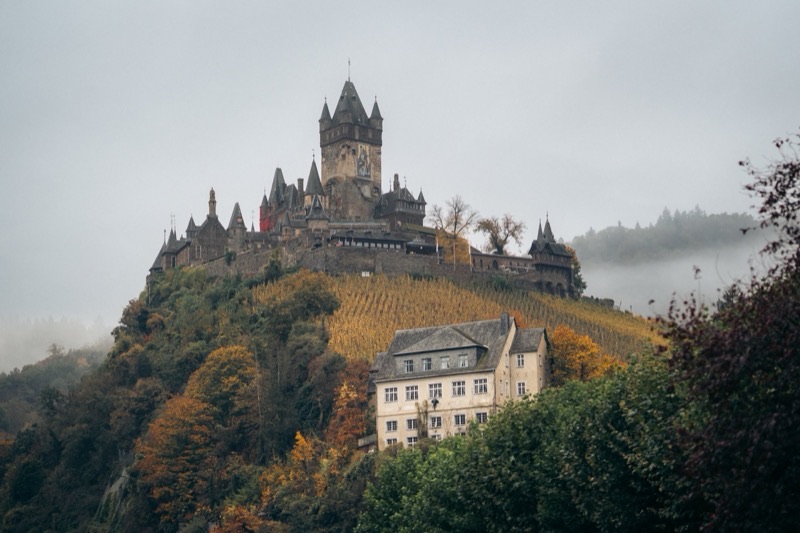
Germany's historical narrative is often centered on its 20th-century story, with sites like the Brandenburg Gate and Reichstag Building in Berlin, reflecting reunification. The Berlin Wall Memorial and the Topography of Terror museum (€0-15 / $0-16 USD) offer sobering lessons. Medieval towns like Rothenburg ob der Tauber provide a different historical perspective. Germany also has a strong tradition of classical music, with concerts often held in venues like the Berliner Philharmonie. Its cultural approach leans towards order and direct communication.
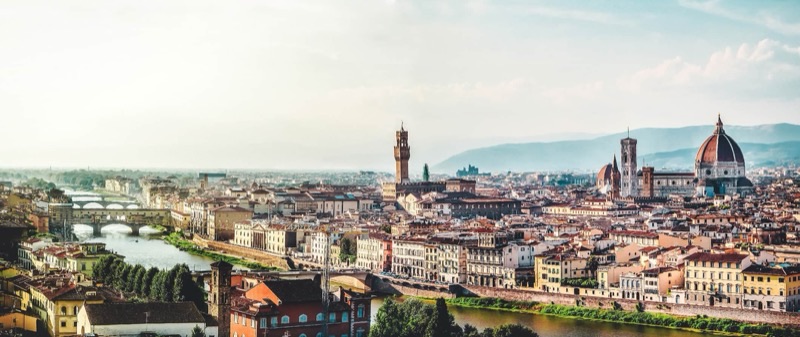
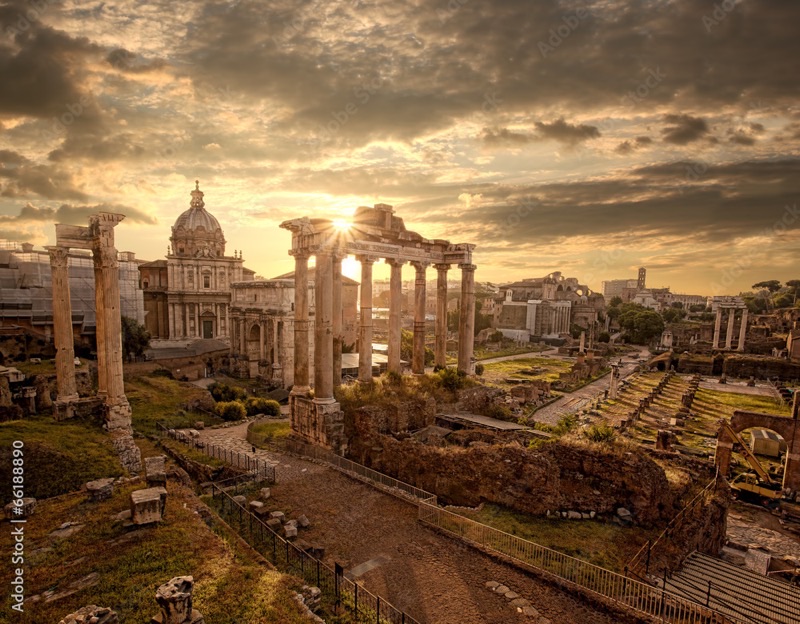
Italy's history spans millennia, from the Roman Forum and Colosseum in Rome (€18-25 / $20-27 USD) to the Uffizi Gallery in Florence (€25-30 / $27-33 USD) showcasing Renaissance art. Pompeii and Herculaneum offer insight into ancient daily life. The Vatican City is a cultural and religious epicenter. Italian daily life moves at a different rhythm; family and community hold central roles. The country's influence on art, architecture, and philosophy is profound. Tabiji verdict: Italy offers a more expansive and foundational historical and cultural journey.
- Winner: Italy
- Why: Italy presents a deeper, more extensive historical record and cultural impact, especially for Western civilization.
- Who this matters for: Travelers with a strong interest in ancient history, art history, or religious history.
🚆 Getting Around
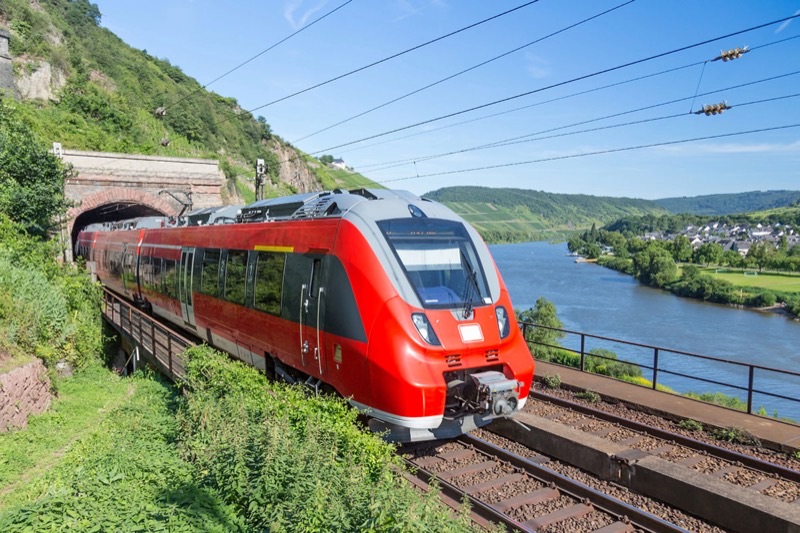
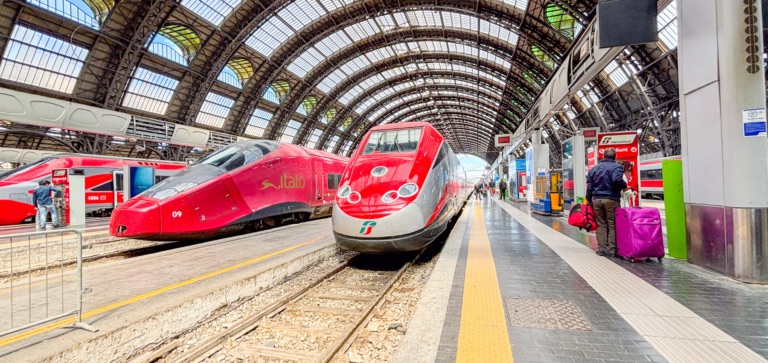
Germany's public transport is a benchmark for efficiency. The Deutsche Bahn (DB) network is extensive and generally punctual, connecting cities like Berlin, Munich, and Hamburg…
Germany
Italy
Germany's public transport is a benchmark for efficiency. The Deutsche Bahn (DB) network is extensive and generally punctual, connecting cities like Berlin, Munich, and Hamburg with high-speed ICE trains. A ticket from Berlin to Munich can cost €80-120 ($87-130 USD) if booked last minute, but much less in advance. City public transport systems (U-Bahn, S-Bahn, trams, buses) are comprehensive and easy to use; a 24-hour pass in Munich is around €8.80 ($9.50 USD). Driving on the Autobahn without speed limits in many sections offers a rapid way to cover long distances, but German road rules are strict.
Italy's high-speed trains (Frecciarossa, Italo) are effective for connecting major cities like Rome, Florence, and Milan quickly; a Rome-Florence ticket might be €30-60 ($33-65 USD). However, regional trains can be slow and less reliable. City public transport is present but can be less integrated or reliable than in Germany, with ticket validation systems that sometimes confuse visitors. Driving in Italian cities, especially historic centers, is difficult due to ZTLs (limited traffic zones) and narrow streets. Outside cities, driving offers freedom, but mountain roads can be challenging. Tabiji verdict: Germany's transport infrastructure provides a more predictable and efficient travel experience.
- Winner: Germany
- Why: Germany's integrated, punctual, and extensive public transport network makes navigating the country significantly easier and more reliable.
- Who this matters for: Travelers prioritizing efficiency, punctuality, and ease of independent movement without a car.
🏨 Accommodation
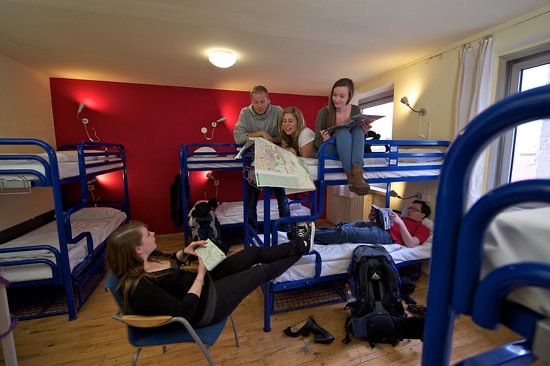
Germany offers a solid range of accommodation types. Hostels in major cities like Berlin or Munich generally cost €25-45 ($27-49 USD) per night for a dorm bed. Mid-range hotels,…
Germany
Italy
Germany offers a solid range of accommodation types. Hostels in major cities like Berlin or Munich generally cost €25-45 ($27-49 USD) per night for a dorm bed. Mid-range hotels, such as a Motel One or a local Gasthof, typically range from €80-150 ($87-163 USD) per night. Quality is generally high, with modern amenities and cleanliness. Booking in advance, especially for popular events like Oktoberfest, is essential, as prices can increase significantly.
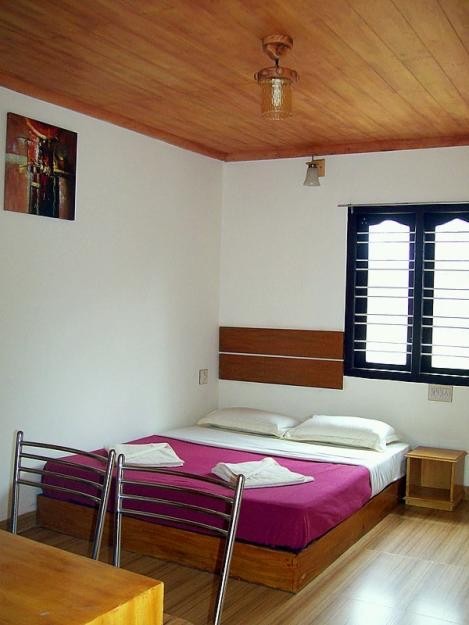
Italy's accommodation landscape is diverse. Hostel dorms in Rome or Florence start around €30-55 ($33-60 USD). Boutique hotels in city centers can be €100-200+ ($109-218 USD). Unique to Italy are agriturismos, farm stays offering rural charm, often with meals, for €60-120 ($65-130 USD) per night outside major cities. Vacation rentals and B&Bs are also popular. Prices fluctuate dramatically between high season (summer) and low season, and between popular cities and less visited regions. Tabiji verdict: Both countries provide excellent accommodation options, with Germany offering consistency and Italy offering unique local experiences.
- Winner: Tie
- Why: Both countries offer a compelling range of accommodation types, from budget to luxury, with specific regional variations that appeal to different traveler types.
- Who this matters for: Travelers looking for specific experiences, whether it's a modern city hotel or a rural farm stay.
🌳 Nature & Outdoors
Germany presents a varied natural landscape. The Black Forest offers dense woods, hiking, and charming villages. The Bavarian Alps, particularly around Garmisch-Partenkirchen,…
Germany presents a varied natural landscape. The Black Forest offers dense woods, hiking, and charming villages. The Bavarian Alps, particularly around Garmisch-Partenkirchen, provide mountain sports, with Zugspitze, Germany's highest peak, accessible via cogwheel train for about €60 ($65 USD). The Rhine River Valley features castles and vineyards. Northern Germany has a Baltic Sea coastline with islands like Rügen, offering beach activities. Hiking and cycling infrastructure are well-developed across the country.
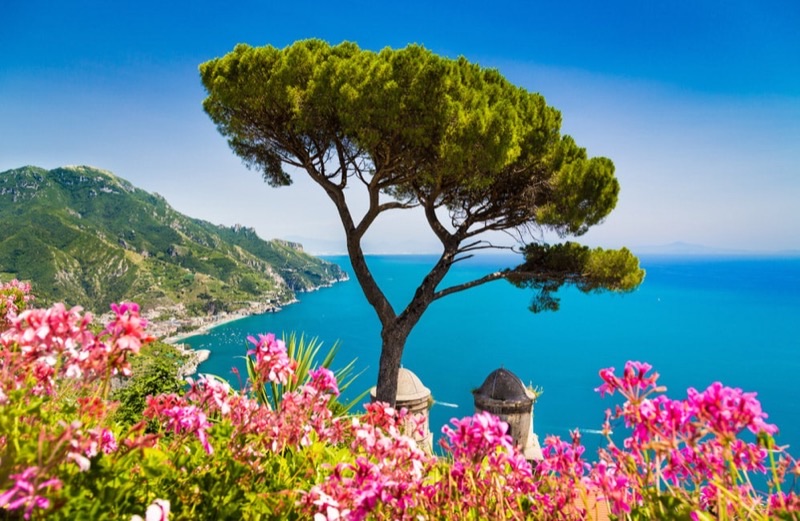
Italy's natural settings are more varied and often more dramatic. The Dolomites in the north provide imposing peaks and alpine meadows, popular for hiking and skiing. The Mediterranean coastline, from the Cinque Terre to the Amalfi Coast, features cliffside towns, beaches, and clear waters, though often crowded. Tuscany's rolling hills are renowned for their beauty. Sicily offers the active volcano Mount Etna for guided treks. Sardinia and Puglia have some of Europe's best beaches. Tabiji verdict: Italy's diverse geography offers a more dramatic and iconic range of natural settings.
- Winner: Italy
- Why: Italy's natural landscapes are more diverse, iconic, and visually striking, from coastal cliffs to volcanic peaks and rolling vineyards.
- Who this matters for: Travelers who prioritize dramatic scenery, coastal activities, or mountain adventures.
🌃 Nightlife & Entertainment
Germany, particularly Berlin, is globally recognized for its nightlife. Berlin's techno scene, with clubs like Berghain or Sisyphos, offers experiences lasting through the…
Germany, particularly Berlin, is globally recognized for its nightlife. Berlin's techno scene, with clubs like Berghain or Sisyphos, offers experiences lasting through the weekend. Cover charges typically range from €15-25 ($16-27 USD). Other cities like Hamburg and Munich also have active club and bar scenes. Traditional German pubs (Kneipen) offer a relaxed setting for local beers, often costing €3.50-5 ($3.80-5.50 USD) for a half-liter. Beer gardens in Bavaria provide outdoor drinking and socializing, especially in warmer months.
Italy's nightlife is more varied. Milan and Rome have sophisticated club scenes, but these are generally less intense than Berlin's. The aperitivo hour is a significant part of Italian evening culture, where you buy a drink for €8-15 ($8.70-16 USD) and get complimentary snacks. This is a primary social activity before dinner. Late dinners (starting 8-9 PM) often extend into the evening. Coastal towns and islands like Ibiza (not Italy, oops, thinking of Sardinia/Sicily) offer seasonal beach clubs, but a consistent, globally famous club scene is less prevalent than in Germany. Tabiji verdict: Germany offers a more consistently dynamic and diverse nightlife experience, especially for electronic music and pub culture.
- Winner: Germany
- Why: Germany offers a more established and globally recognized nightlife scene, particularly in Berlin, alongside a strong traditional pub culture.
- Who this matters for: Younger travelers or those interested in electronic music, diverse clubbing, or traditional pub experiences.
☀️ Weather & Seasons
Germany experiences four distinct seasons. Summers (June-August) are generally pleasant, with temperatures between 20-25°C (68-77°F), though heatwaves reaching 30°C (86°F) can…
Germany experiences four distinct seasons. Summers (June-August) are generally pleasant, with temperatures between 20-25°C (68-77°F), though heatwaves reaching 30°C (86°F) can occur. Winters (December-February) are cold, with temperatures often around 0-5°C (32-41°F) and snow common, especially in the south. Spring and autumn are mild but can be unpredictable with rain. Oktoberfest in late September/early October can be cool.
Italy generally has a warmer, sunnier climate. Summers (June-August) are hot and often humid, particularly in the south and central regions, frequently exceeding 30°C (86°F). This can be intense for sightseeing. Winters (December-February) are mild in the south, with temperatures rarely dipping below 10°C (50°F), but colder and snowier in the northern mountains. Spring (April-May) and autumn (September-October) offer the most comfortable weather for travel, with temperatures typically between 18-25°C (64-77°F) and plenty of sunshine. Tabiji verdict: Italy's longer and warmer shoulder seasons offer a more comfortable and consistently pleasant travel climate for most activities.
- Winner: Italy
- Why: Italy generally has more consistent sunshine, warmer temperatures, and longer, more pleasant shoulder seasons for travel.
- Who this matters for: Travelers seeking sunny weather, warm climates, or outdoor activities without extreme heat or cold.
🛡️ Safety
Germany is considered one of Europe's safest countries. Serious crime rates are low. You can generally walk alone at night in most cities without undue concern. Public transport…
Germany is considered one of Europe's safest countries. Serious crime rates are low. You can generally walk alone at night in most cities without undue concern. Public transport is safe at all hours. Common sense precautions apply, but travelers report feeling very secure. Emergency services are efficient and reliable. Theft reports are infrequent, but keeping an eye on belongings in crowded train stations is always a good practice.
Italy is also generally safe for tourists, but petty crime, primarily pickpocketing and bag snatching, is more common, especially in crowded tourist areas like the Colosseum, Trevi Fountain in Rome, or on public transport in Milan. Being aware of your surroundings and securing valuables is advisable. Scams, such as inflated prices or 'friendly' assistants at ticket machines, can occur. While violent crime against tourists is rare, the perception of safety can be lower due to these more frequent petty offenses. Tabiji verdict: Germany offers a more consistently secure and worry-free travel environment.
- Winner: Germany
- Why: Germany exhibits lower rates of petty crime and a more generalized sense of security for travelers in most areas.
- Who this matters for: Solo travelers, families, or anyone prioritizing a feeling of high security and low crime risk.
✈️ Getting There (Flights)
Germany has two of Europe's busiest and best-connected airports: Frankfurt Airport (FRA) and Munich Airport (MUC). These hubs receive numerous direct flights daily from major…
Germany has two of Europe's busiest and best-connected airports: Frankfurt Airport (FRA) and Munich Airport (MUC). These hubs receive numerous direct flights daily from major North American cities. For example, a direct flight from New York (JFK) to Frankfurt (FRA) typically takes around 7.5 to 8 hours. Prices for round-trip economy flights from the US can range from $600-1000 USD, depending on the season and booking time. Lufthansa is a major carrier, but many other airlines also serve these routes.
Italy's primary international airports are Rome Fiumicino (FCO) and Milan Malpensa (MXP). Both offer substantial direct connections from North America and other continents. A direct flight from New York (JFK) to Rome (FCO) typically takes about 8 to 8.5 hours. Flight costs are comparable to Germany, often ranging from $650-1100 USD for economy round-trip. While well-connected, flight times are marginally longer, and layovers might be slightly more frequent depending on the specific route and origin city. Tabiji verdict: Germany's slightly shorter flight times and massive hub efficiency make it marginally easier to access for many international travelers.
- Winner: Germany
- Why: Germany's major hubs (Frankfurt, Munich) offer slightly shorter direct flight times and slightly more flight options from many international origins.
- Who this matters for: Travelers prioritizing shorter flight durations and more direct, frequent flight options.
🎯 The Decision Framework
Choose Germany If…
- You value strict punctuality and efficient public services.
- You appreciate hearty, substantial meals like sausages and schnitzel.
- You want to explore modern history and impactful 20th-century sites.
- You prefer a highly organized and predictable travel experience.
- You are interested in world-renowned techno clubs or extensive beer culture.
- You plan to rent a car and experience sections of the Autobahn.
- You prioritize a very low crime rate and a feeling of high security.
- You enjoy exploring diverse landscapes, from Bavarian Alps to northern coasts.
Choose Italy If…
- You are deeply interested in ancient Roman and Renaissance history and art.
- Food is your primary reason for travel; you want authentic pizza, pasta, and gelato.
- You prefer warm, sunny weather, especially in spring or autumn.
- You desire dramatic coastlines, volcanic landscapes, or rolling Tuscan hills.
- You value a more relaxed, spontaneous pace of travel and social interaction.
- You want to experience aperitivo culture and long, late dinners.
- You are comfortable navigating crowded tourist areas with an awareness of petty crime.
- You seek unique accommodation like an agriturismo in the countryside.
📅 Sample Itineraries
Weekend in Germany (3 Days)
💡 Purchase a Berlin WelcomeCard for 48 or 72 hours, costing around $30-40, for unlimited public transport and discounts on attractions, saving you about $10-15 on transport and entry fees.
Weekend in Italy (3 Days)
💡 Walk as much as possible in Rome to save on transport costs (single bus/metro ticket is $1.50) and discover small piazzas and cafes. Many major sites are walkable from each other.
One Week in Germany (7 Days)
💡 Utilize the Länder-Ticket or Quer-durchs-Land-Ticket for regional train travel in Germany. A Länder-Ticket for Bavaria can cost around $28-35 for one person, offering significant savings compared to individual tickets for day trips.
One Week in Italy (7 Days)
💡 Book high-speed train tickets between major Italian cities (e.g., Rome-Florence) in advance online via Trenitalia or Italo to secure cheaper fares, often saving 20-40% compared to last-minute purchases.
❓ Frequently Asked Questions
What is a realistic daily budget for Germany vs Italy?
For a mid-range budget, expect to spend around €70-130 ($80-140 USD) per day in Germany, covering hostel stays, local food, and public transport. In Italy, a similar style of travel will likely cost €80-150 ($90-165 USD) daily, especially in popular cities like Rome or Florence.
Which country is better for a first-time solo traveler?
Germany is generally more straightforward for a first-time solo traveler due to its highly efficient transport, clear signage (often in English), and lower petty crime rates. It provides a more predictable and secure environment, allowing for easier navigation and less potential for small frustrations.
How long should I plan to visit each country?
For a good introduction to either country, plan at least 7-10 days to cover 2-3 major cities or a region. If you want to combine both, dedicate a minimum of 3-4 weeks to allow for travel between them and a deeper experience in each without feeling rushed.
Which country has better public transportation?
Germany generally has a superior public transportation system. Deutsche Bahn (DB) trains are known for their punctuality and extensive network. City transport is also highly integrated and efficient. Italy's high-speed trains are good between major cities, but regional lines can be less reliable.
Is driving a good option in either country?
Driving in Germany can be a good option, especially if you want to explore rural areas or experience the Autobahn. Its roads are well-maintained. Driving in Italy, particularly in historic city centers with ZTLs (limited traffic zones) and narrow streets, can be challenging and frustrating for foreign drivers.
Which country is better for foodies?
Italy is a clearer choice for food enthusiasts. Its culinary traditions are globally revered, with distinct regional dishes, high-quality local ingredients, and specific eating rituals like aperitivo. While Germany has delicious regional fare, Italy's food is more universally celebrated.
What are the average flight times from the US?
Direct flights from major US East Coast cities like New York to Germany (Frankfurt or Munich) typically take about 7.5 to 8 hours. Flights to Italy (Rome or Milan) are slightly longer, usually around 8 to 8.5 hours direct.
Which country offers more unique accommodation types?
Italy offers more unique local accommodation types, such as agriturismos (farm stays) in the countryside, charming B&Bs in historic buildings, and trulli houses in Puglia. Germany primarily offers standard hotels, guesthouses (Gasthöfe), and hostels, which are reliable but less distinctively local.
Ready to plan your European trip?
Get a free custom itinerary for Germany, Italy, or both — built from real traveler insights.
👥 Travelers Also Compared
🎟️ Book Tours & Experiences
Hand-picked tours and activities for both destinations — book with free cancellation
Experiences via Viator — free cancellation on most tours