How we built this comparison
This page combines traveler discussion patterns, published price ranges, flight schedules, and seasonal data to help you decide between Germany and Luxembourg.
- Reviewed 100+ Reddit threads from r/travel, r/solotravel, r/Germany, r/Luxembourg, r/EuropeTravel.
- Verified costs and logistics against current booking platforms (e.g., booking.com, Deutsche Bahn, FlixBus).
- Cross-referenced seasonal patterns and weather data from meteorological sources.
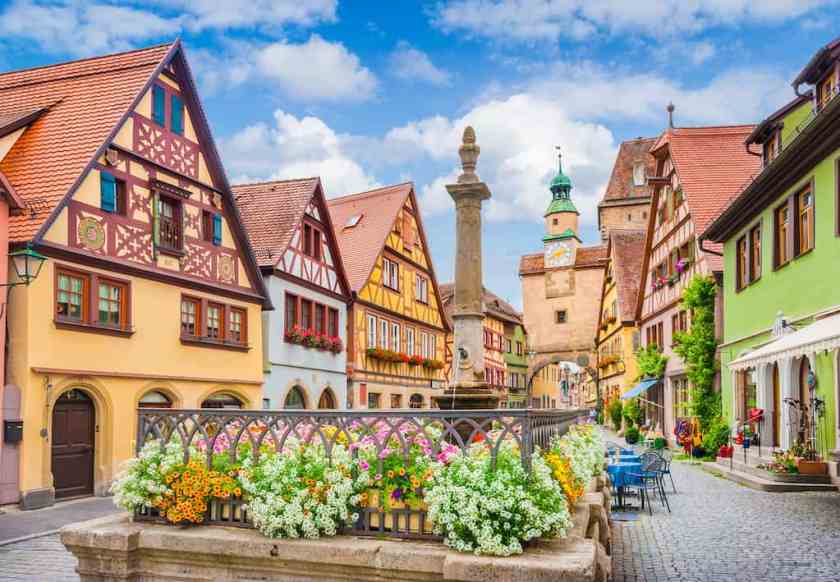
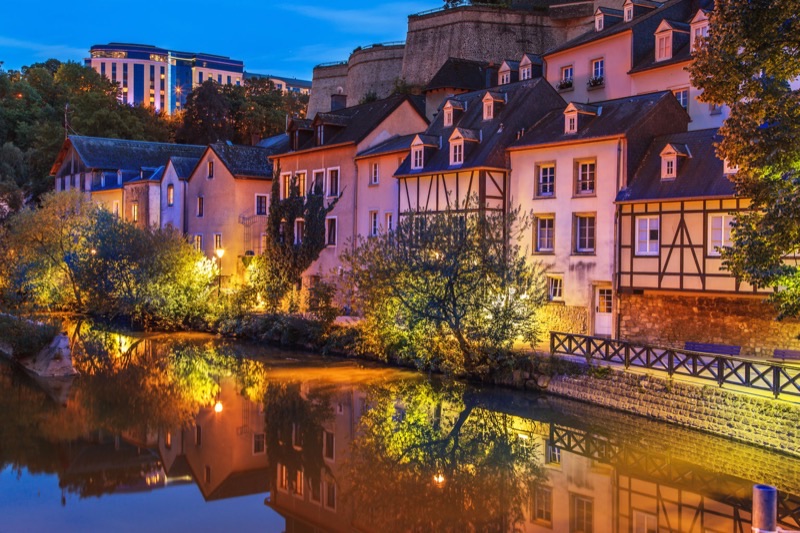
⚡ The TL;DR Verdict
For most travelers seeking varied experiences without breaking the bank, Germany is the clearer choice, providing extensive options for €60-100 per day. Luxembourg suits those prioritizing concentrated European sophistication and a relaxed pace, with daily expenses typically ranging from €120-180. Germany wins for overall scope and value.
- Choose Germany: Pick Germany if you want diverse experiences from large cities to Bavarian alps, a robust public transit network, and a wider range of budget-friendly food and accommodation.
- Choose Luxembourg: Choose Luxembourg if you prefer a smaller, walkable capital, free public transportation, a high standard of living, and are content with fewer attractions spread across a larger area.
- Choose Both: Combine both if you have 7+ days and want to experience both a large European country and a unique microstate. Travel between them is easy by train or bus, making a short 2-3 day stop in Luxembourg feasible after a longer German itinerary.
Choose Germany
Choose Germany if you're a budget-conscious adventurer seeking immense variety and depth. It's best for exploring vibrant cities like Berlin's diverse neighborhoods, hiking the majestic Bavarian Alps, or touring historic castles along the Rhine. Germany offers a rich tapestry of culture, history, and nature, all while keeping daily expenses within a sensible €60-100.
Choose Luxembourg
Opt for Luxembourg if you're a sophisticated traveler prioritizing concentrated charm and a relaxed pace. It's ideal for those who appreciate exploring a picturesque, walkable capital's UNESCO-listed Old Town, enjoying gourmet dining, and utilizing its unique free public transport system. Best for a luxurious, unhurried escape, typically costing €120-180 daily, focused on quality over quantity.
Quick Comparison
| Category | Germany | Luxembourg | Winner |
|---|---|---|---|
| Costs & Budget | Significantly more affordable across food, transport, and lodging, especially outside major tourist hubs. | Among Europe's most expensive destinations, with high prices for accommodation, dining, and activities. | Germany |
| Getting Around | Extensive and efficient rail (Deutsche Bahn) and bus networks cover the entire country. | The entire national public transport system is free for all users, including visitors, making local travel very easy. | Luxembourg |
| Food & Drink | Hearty, diverse regional cuisine from Bavarian sausages to Berlin street food, extensive beer culture. | Influenced by French and German traditions, with some unique local dishes, but dining out is costly. | Germany |
| Culture & History | Centuries of history from Roman ruins to Cold War sites, significant art museums, and a strong contemporary arts scene. | A small but long history as a European crossroads, medieval castles, and a modern financial center, influences from surrounding nations. | Germany |
| Nature & Outdoors | Diverse landscapes from alpine mountains to North Sea coasts, extensive forests and national parks. | Rolling hills, dense forests, and river valleys, with accessible hiking trails and a focus on green spaces. | Germany |
| Nightlife | Legendary club scene in Berlin, diverse bars and pubs across all major cities, from traditional to modern. | Concentrated nightlife in Luxembourg City, with upscale bars, pubs, and some smaller clubs, quieter than major European capitals. | Germany |
| Accommodation | Wide range of options from budget hostels to luxury hotels, significantly more affordable outside capital. | Generally expensive, with fewer budget options and higher prices across all categories, especially in the capital. | Germany |
| Day Trips | Endless possibilities from historical castles to natural wonders, easily accessible by train or car. | Compact and easy to explore, with charming towns and castles within short distances from the capital. | Germany |
| Safety & Security | Generally very safe, low crime rates, but exercise standard precautions in large cities and crowded areas. | One of the safest countries in Europe, with very low crime rates, even in the capital. | Luxembourg |
| Weather & Seasons | Temperate climate with four distinct seasons; hot summers, cold winters, and moderate springs/autumns. | Similar temperate climate to Germany, with slightly milder winters due to Atlantic influence, but can be damp. | Tie |
💰 Costs & Budget
Germany provides a more budget-friendly travel experience. A daily budget of €60-100 (~$65-110) is realistic for a mid-range traveler, including hostel or budget hotel stays,…
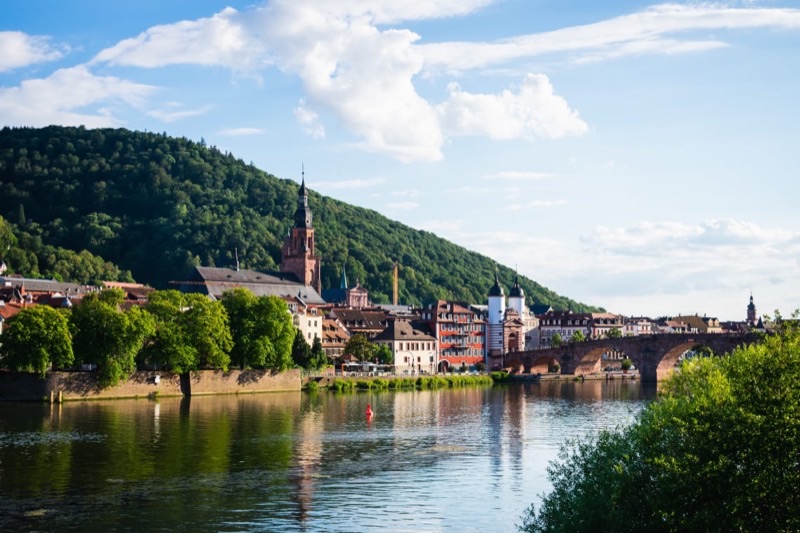
Germany
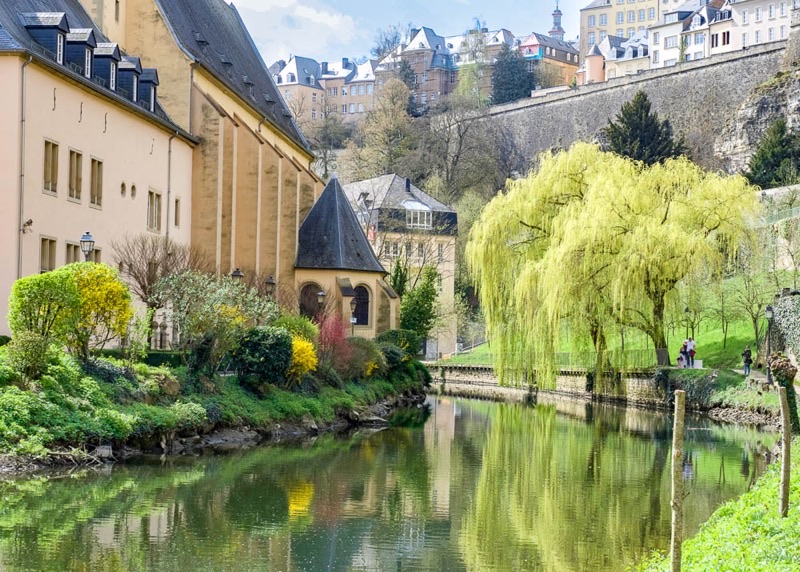
Luxembourg
Germany provides a more budget-friendly travel experience. A daily budget of €60-100 (~$65-110) is realistic for a mid-range traveler, including hostel or budget hotel stays, casual dining like a Döner Kebab for €5-7 (~$5.50-7.50) or a sit-down meal for €15-25 (~$16-27), and local transport. Public transport passes in cities like Berlin cost around €9 (~$10) for a day. Museum entry fees average €8-15 (~$9-16). Groceries at discount supermarkets like Aldi or Lidl are very reasonable, allowing for self-catering to save money.
Luxembourg, in contrast, demands a higher budget. Expect to spend €120-180 (~$130-195) per day for a similar travel style. Even budget hotels can start from €90 (~$98) per night, and a basic meal at a casual restaurant costs €20-30 (~$22-33). A coffee can be €4-5 (~$4.50-5.50). While public transport is free within the country, high accommodation and food costs push the overall budget up significantly. This means travelers need to plan for a substantial spend. tabiji verdict: Germany offers far greater financial flexibility for most travelers.
- Winner: Germany
- Why: Germany offers significantly lower costs for accommodation, food, and activities, making it accessible to a wider range of budgets.
- Who this matters for: Budget-conscious travelers and those planning longer trips.
🚆 Getting Around
Germany boasts an impressive and reliable public transport system, primarily centered around Deutsche Bahn (DB) trains, which connect cities and towns across the nation.…
Germany
Luxembourg
Germany boasts an impressive and reliable public transport system, primarily centered around Deutsche Bahn (DB) trains, which connect cities and towns across the nation. High-speed ICE trains offer quick travel between major hubs like Berlin to Munich (around 4-6 hours, tickets from €30-100, ~$33-110 depending on booking). Local and regional trains (RE, RB, S-Bahn) are excellent for shorter distances. City public transport systems (U-Bahn, S-Bahn, trams, buses) are comprehensive, costing around €3 (~$3.30) for a single ride or €9-10 (~$10-11) for a day pass in larger cities. Renting a car is an option, especially for rural exploration, with daily rates from €30-50 (~$33-55).
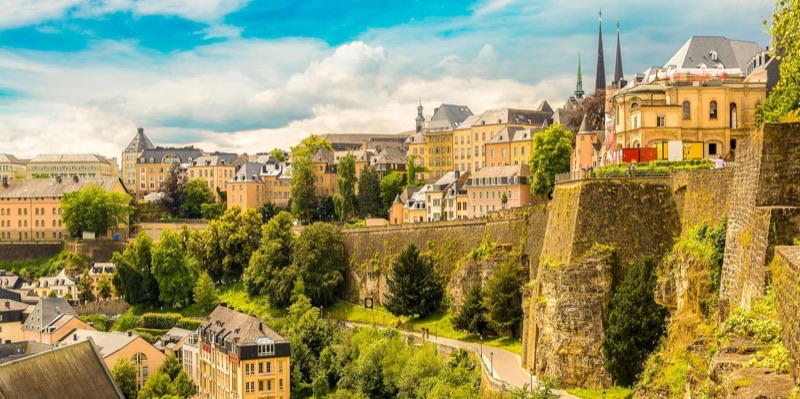
Luxembourg stands out with its unique offering: all public transportation throughout the country is free. This includes buses, trams within Luxembourg City, and national trains. Visitors can simply hop on any mode of transport without needing a ticket, saving significant money and hassle. This free system makes exploring the capital and day trips to places like Vianden Castle or Echternach incredibly convenient and cost-effective. Given the countrys small size, travel times are short; a train from Luxembourg City to Esch-sur-Alzette takes about 20 minutes. While car rental is available, the free public transport system negates much of its necessity for getting around. tabiji verdict: Luxembourg's free, comprehensive public transport is a major draw for visitors.
- Winner: Luxembourg
- Why: Luxembourg wins due to its entirely free national public transport system, making internal travel effortless and zero-cost for visitors.
- Who this matters for: All travelers, especially those on a budget or who dislike navigating ticketing systems.
🍻 Food & Drink
German cuisine offers a wide spectrum of flavors and styles. Expect substantial, meat-centric dishes like Schnitzel, Bratwurst, Currywurst (especially in Berlin, for €4-6,…
Germany
Luxembourg
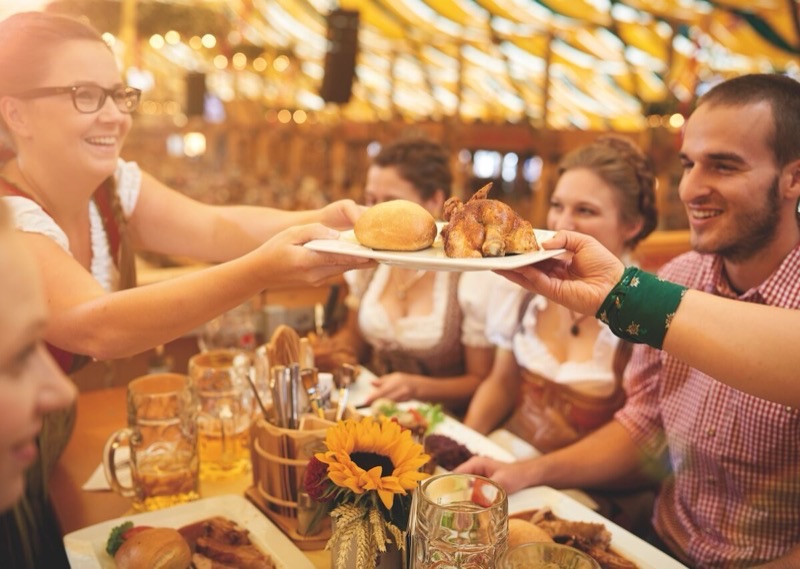
German cuisine offers a wide spectrum of flavors and styles. Expect substantial, meat-centric dishes like Schnitzel, Bratwurst, Currywurst (especially in Berlin, for €4-6, ~$4.50-6.50), and various types of potato dishes. Regional specialties include Weisswurst and pretzels in Bavaria, or Fischbrötchen on the North Sea coast. Germanys beer culture is renowned, with countless breweries producing distinct regional beers, available for €3-5 (~$3.30-5.50) a liter at a Biergarten. Beyond traditional food, German cities have diverse international restaurants and cafes. For a casual dinner, expect to pay €15-25 (~$16-27), while a higher-end meal might be €40-60 (~$44-65).
Luxembourgish food blends German practicality with French sophistication. Staples include Judd mat Gaardebounen (smoked collar of pork with broad beans) and Gromperekichelcher (potato fritters). Dining out, however, is expensive. A main course at a mid-range restaurant in Luxembourg City typically starts at €25-35 (~$27-38). Even a simple sandwich can be €8-12 (~$9-13). While there are some local wines from the Moselle region and breweries like Bofferding, the overall dining experience is less accessible due to price points. The food is good, but the cost limits spontaneous exploration for many. tabiji verdict: Germany provides a more varied and accessible culinary landscape for all budgets.
- Winner: Germany
- Why: Germany offers a wider variety of regional foods and a more accessible price point for dining, alongside its famous beer culture.
- Who this matters for: Foodies, budget travelers, and anyone interested in local beverage culture.
🏛️ Culture & History
German culture and history are vast and complex, spanning millennia. Roman heritage is seen in Trier, while medieval castles dot the Rhine Valley (e.g., Burg Eltz). World War II…
Germany
Luxembourg
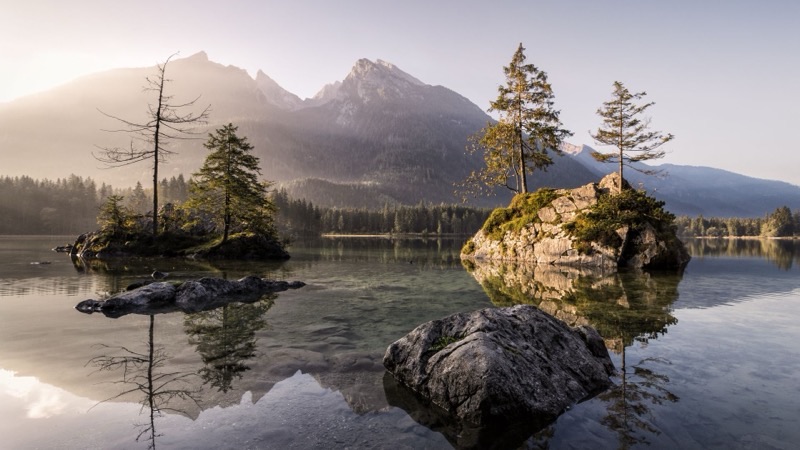
German culture and history are vast and complex, spanning millennia. Roman heritage is seen in Trier, while medieval castles dot the Rhine Valley (e.g., Burg Eltz). World War II and Cold War history are tangible in Berlin at sites like the Brandenburg Gate, the Reichstag Building, the Berlin Wall Memorial, and the Topography of Terror museum (many free or €10-15, ~$11-16). Major cities house world-class museums: Berlins Museum Island, Munichs Alte Pinakothek, or Dresden's Zwinger. Germany also has a powerful literary and philosophical tradition, and its contemporary art and music scenes are active, particularly in Berlin. Visiting a traditional Hofbräuhaus in Munich offers insight into Bavarian convivial culture.
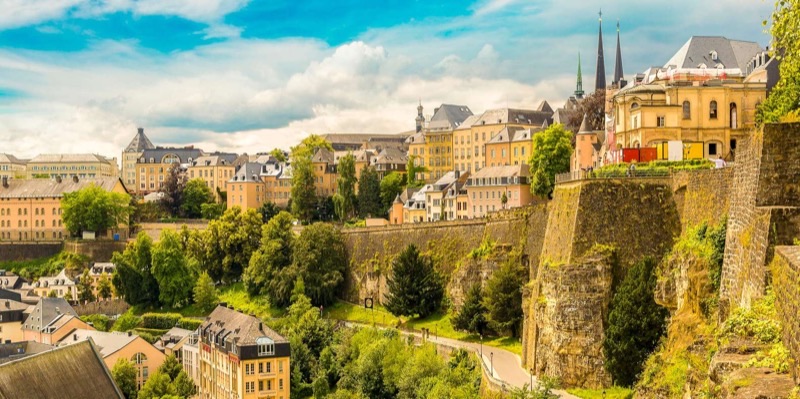
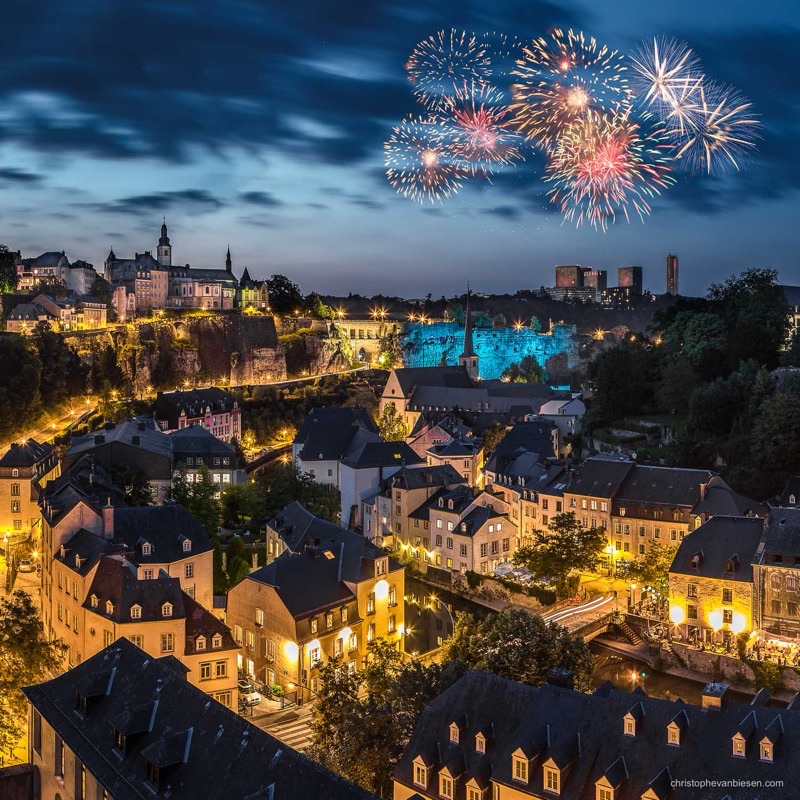
Luxembourg, though small, has a substantial historical narrative, centered on its strategic location. Luxembourg Citys Old Quarter and fortifications (a UNESCO site) offer a journey through medieval military architecture. The Casemates du Bock, underground tunnels, are a highlight (€8, ~$9). Vianden Castle, a well-preserved medieval stronghold, is another key historical site (€10, ~$11). The country also has a history tied to its many different rulers. Culturally, it often feels like a fusion of German and French influences, with a strong international presence due to its role as a European capital. The National Museum of History and Art provides a good overview. However, the sheer scale and diversity of historical sites and cultural institutions in Germany are far greater. tabiji verdict: Germany offers an unparalleled depth and breadth of historical and cultural experiences.
- Winner: Germany
- Why: Germany provides a much wider array of historical sites, museums, and cultural experiences, reflecting its larger size and longer, more impactful history.
- Who this matters for: History buffs, museum enthusiasts, and those seeking diverse cultural insights.
🌳 Nature & Outdoors
Germany offers a broad spectrum of natural environments. The Bavarian Alps in the south provide dramatic peaks like the Zugspitze and serene lakes such as Eibsee, suitable for…
Germany
Luxembourg
Germany offers a broad spectrum of natural environments. The Bavarian Alps in the south provide dramatic peaks like the Zugspitze and serene lakes such as Eibsee, suitable for hiking, skiing, and water activities. The Black Forest is known for its dense woods and charming villages, offering numerous hiking and biking trails. The Harz Mountains feature ancient forests and unique rock formations. Along the North and Baltic Sea coasts, you find sandy beaches, islands like Sylt, and the Wadden Sea National Park, a UNESCO World Heritage site known for its unique ecosystem. National parks like Saxon Switzerland offer striking sandstone formations for climbing and scenic walks. Entry to most natural areas is free, with specific attractions or cable cars costing extra.
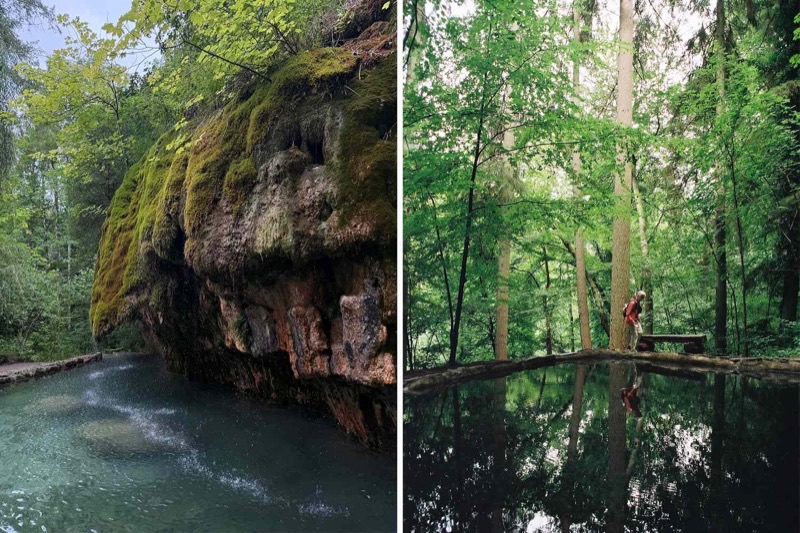
Luxembourgs nature is concentrated and accessible. The Ardennes in the north provide dense forests, winding rivers, and the Sûre Valley, with trails suitable for hiking and cycling. Mullerthal, also known as 'Little Switzerland', is famous for its peculiar rock formations and the Mullerthal Trail, a 112 km (~70 miles) path through forests and past waterfalls. The Moselle Valley offers vineyards and gentle river landscapes. While beautiful, Luxembourgs natural offerings are smaller in scale compared to Germanys vast and varied landscapes. Most natural parks and trails are free to access. The country maintains its green spaces well, providing clean and well-marked routes for outdoor enthusiasts. tabiji verdict: Germany wins for its sheer scale and diversity of natural beauty and outdoor activities.
- Winner: Germany
- Why: Germany presents a far greater variety and scale of natural landscapes, from high mountains to coastal regions and extensive forests, catering to all outdoor interests.
- Who this matters for: Adventure seekers, hikers, nature photographers, and those who enjoy diverse outdoor activities.
🌃 Nightlife
German cities offer a spectrum of nighttime entertainment. Berlin is world-renowned for its electronic music clubs like Berghain or Sisyphos, which can have strict door policies…
German cities offer a spectrum of nighttime entertainment. Berlin is world-renowned for its electronic music clubs like Berghain or Sisyphos, which can have strict door policies and operate for days on end, with entry fees typically €15-25 (~$16-27). Beyond the techno scene, Berlin has countless bars, from dive bars in Neukölln to sophisticated cocktail lounges in Mitte. Munich offers traditional beer halls like Hofbräuhaus (open until late, often with live music), and a good selection of pubs and clubs around the city center. Cologne is known for its Kolsch beer halls and relaxed pub culture. A beer typically costs €3-5 (~$3.30-5.50) in a pub, cocktails €10-15 (~$11-16).
Luxembourg Citys nightlife is more contained and generally leans towards a sophisticated, rather than wild, experience. The Grund and Clausen districts are popular for their pubs and bars, some nestled along the Alzette River. You can find Irish pubs, cocktail bars, and some smaller dance clubs. A beer in a bar might cost €6-8 (~$6.50-8.50), and a cocktail upwards of €12-15 (~$13-16). While there are options for a pleasant evening out, it lacks the variety, scale, and specific cultural impact of Germanys nightlife, especially when compared to Berlins unique club scene. Travelers looking for intense, late-night clubbing will find Luxembourg limited. tabiji verdict: Germany offers a far more expansive and diverse nightlife, catering to a wider range of preferences.
- Winner: Germany
- Why: Germany, particularly Berlin, has a globally recognized and incredibly diverse nightlife, offering everything from traditional beer halls to cutting-edge electronic clubs.
- Who this matters for: Party-goers, club enthusiasts, and those seeking varied evening entertainment.
🏨 Accommodation
Germany provides a much broader and more affordable selection of accommodation. Hostels in major cities like Berlin or Munich can be found for €25-40 (~$27-44) per night for a…
Germany provides a much broader and more affordable selection of accommodation. Hostels in major cities like Berlin or Munich can be found for €25-40 (~$27-44) per night for a dorm bed. Budget hotels, like an Ibis or Motel One, range from €60-100 (~$65-110) per night. Mid-range hotels typically cost €100-150 (~$110-163). In smaller towns and rural areas, guesthouses (Gasthäuser) offer excellent value, sometimes for as little as €50 (~$55) per night. Airbnbs are prevalent and can offer good deals, especially for longer stays or groups. Booking in advance, especially for popular periods like Oktoberfest, is advisable to secure better rates.
Luxembourg's accommodation is a significant budget concern. Even a basic hostel dorm bed in Luxembourg City can cost €40-60 (~$44-65) per night. Budget hotels are rare, with most starting at €90-120 (~$98-130) per night for a simple double room. Mid-range hotels usually command €150-250 (~$163-270) or more. Outside the capital, prices might drop slightly, but options are also fewer. Due to the countrys small size and high cost of living, accommodation remains a major expenditure. Finding good value requires thorough research and booking well in advance. tabiji verdict: Germany is a clear winner for offering more accessible and varied accommodation choices across all price points.
- Winner: Germany
- Why: Germany offers a significantly wider range of accommodation options at more accessible prices, from budget hostels to comfortable hotels across the country.
- Who this matters for: All travelers, but especially budget-conscious individuals and families.
🗺️ Day Trips
Germany excels in day trip opportunities due to its size and diverse geography. From Munich, you can easily visit Neuschwanstein Castle (€15-18, ~$16-20 entry, plus transport) or…
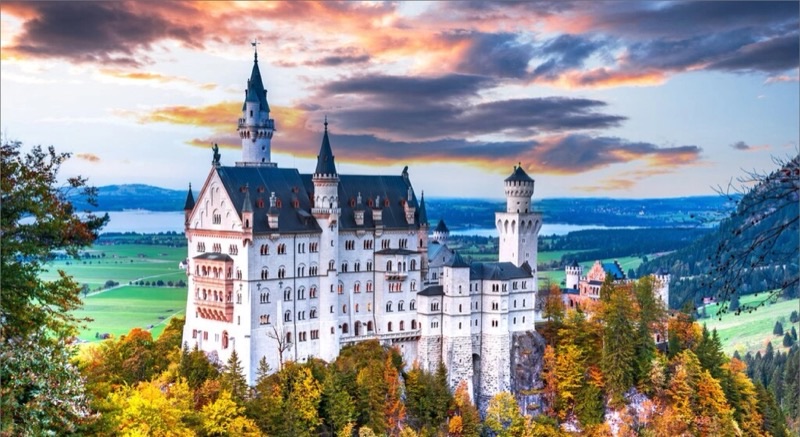
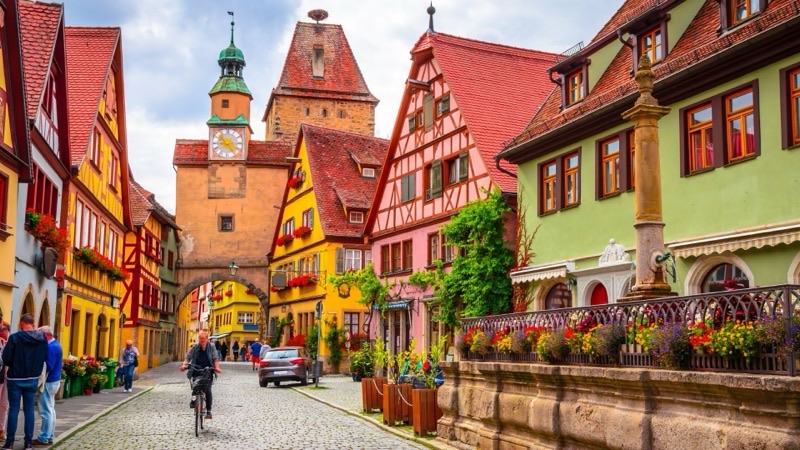
Germany excels in day trip opportunities due to its size and diverse geography. From Munich, you can easily visit Neuschwanstein Castle (€15-18, ~$16-20 entry, plus transport) or explore the Bavarian Alps. From Berlin, Potsdam with its palaces (e.g., Sanssouci, €19, ~$21 for a day pass) or Hamburg for its harbor and Speicherstadt are popular choices. The Rhine Valley offers numerous castles and vineyards accessible by regional train. The Black Forest has charming towns like Freiburg. Public transport makes most destinations accessible, or renting a car opens up even more remote locations. The variety means you can spend weeks discovering new places, from Roman cities like Trier to fairytale towns like Rothenburg ob der Tauber. The options are truly limitless.
Luxembourg offers several appealing day trips, all easily reached thanks to the free national transport. Vianden Castle, a well-preserved medieval fortress, is a popular destination (€10, ~$11 entry, ~1 hour by bus from Luxembourg City). Echternach, the oldest town in Luxembourg, and the hiking trails of Mullerthal ('Little Switzerland') are also within easy reach. The Moselle Valley is good for wine tasting. While the quality of these day trips is high, the quantity and diversity cannot compare to Germany. The country is small, so you can cover most significant day trip locations within a few days. tabiji verdict: Germany offers an unmatched volume and variety of compelling day trip destinations.
- Winner: Germany
- Why: Germany provides an overwhelming number of diverse and iconic day trip options, from famous castles and historical sites to varied natural landscapes.
- Who this matters for: Travelers who enjoy exploring beyond the main cities and want a different experience each day.
🚨 Safety & Security
Germany is a generally safe country for travelers. Serious crime rates are low, and violent crime is rare. However, like any large country with major cities, petty crime such as…
Germany is a generally safe country for travelers. Serious crime rates are low, and violent crime is rare. However, like any large country with major cities, petty crime such as pickpocketing can occur in crowded tourist areas like Alexanderplatz in Berlin, Oktoberfest in Munich, or on busy public transport. Standard precautions like keeping an eye on belongings and avoiding walking alone in unlit areas late at night are advisable. Demonstrations or protests can happen in larger cities, but they are usually peaceful. Emergency services are reliable and responsive. Overall, travelers should feel secure, but situational awareness is always beneficial.
Luxembourg stands out as one of the safest countries in the world. Crime rates are exceptionally low, even in Luxembourg City. Travelers can generally feel very secure walking around at any time, day or night. Pickpocketing and minor theft are almost unheard of, making it a very relaxed place for visitors. The overall atmosphere is calm and orderly. The main concerns for visitors are usually related to navigating language differences or higher costs, rather than personal safety. This feeling of security contributes significantly to a stress-free travel experience. tabiji verdict: Luxembourg provides an exceptional level of safety and peace of mind for travelers.
- Winner: Luxembourg
- Why: Luxembourg is consistently ranked as one of the safest countries globally, offering travelers an almost unparalleled sense of security.
- Who this matters for: Solo travelers, families with young children, and those who prioritize a very secure travel environment.
☀️ Weather & Seasons
Germanys weather follows a classic four-season temperate pattern. Summers (June-August) can be warm to hot, with average temperatures ranging from 20-25°C (68-77°F), though…
Germanys weather follows a classic four-season temperate pattern. Summers (June-August) can be warm to hot, with average temperatures ranging from 20-25°C (68-77°F), though heatwaves can push them higher. This is ideal for outdoor activities and city exploration. Autumn (September-November) sees crisp air and colorful foliage, with temperatures dropping to 10-15°C (50-59°F). Winters (December-February) are cold, with average temperatures around 0°C (32°F) and snow possible, especially in the south. Spring (March-May) is mild and fresh, with temperatures rising from 5-15°C (41-59°F). Rain is distributed throughout the year. Traveling outside peak summer can offer pleasant conditions and fewer crowds.
Luxembourg experiences a similar Western European temperate climate. Summers are pleasant, typically 20-25°C (68-77°F), suitable for walking and outdoor dining. Autumn brings cool temperatures and falling leaves. Winters are generally cold, with average temperatures around 0°C (32°F), and snowfall is common, though sometimes less severe than in parts of Germany due to some Atlantic influence. Spring is mild and often rainy. The weather is generally predictable for its region, but visitors should be prepared for rain showers regardless of the season. Given the proximity and similar climate patterns, neither country holds a distinct advantage in terms of weather; choice depends more on preferred season. tabiji verdict: Both countries offer comparable seasonal weather patterns, making the 'best' time to visit a personal preference.
- Winner: Tie
- Why: Both Germany and Luxembourg share similar temperate climates with distinct four seasons, meaning neither has a significant advantage in terms of weather patterns.
- Who this matters for: Travelers with specific seasonal preferences for activities like skiing (winter) or hiking (summer/autumn).
🎯 The Decision Framework
Choose Germany If…
- You want to spend €60-100 per day for a comfortable trip.
- You are interested in ancient Roman history to Cold War narratives.
- You seek extensive and diverse natural landscapes for hiking or skiing.
- You want a world-renowned electronic music club scene (Berlin).
- You prefer a wide range of accommodation options at varying price points.
- You plan many day trips to castles, cities, and national parks.
- You appreciate hearty regional cuisines and a strong beer culture.
- You want an extensive and reliable rail network for national travel.
- You enjoy exploring large, diverse cities like Berlin, Munich, or Hamburg.
Choose Luxembourg If…
- You want to spend €120-180 per day for a comfortable trip.
- You prioritize exceptionally high personal safety and very low crime rates.
- You want completely free national public transportation.
- You prefer a compact capital city that is easily walkable.
- You are interested in a blend of French and German cultural influences.
- You appreciate well-maintained, accessible hiking trails in rolling hills.
- You seek a relaxed, sophisticated atmosphere rather than intense nightlife.
- You enjoy fine dining, even if it comes at a higher price point.
- You want to visit a European microstate and an important financial center.
❓ Frequently Asked Questions
Which country is better for a budget traveler?
Germany is significantly better for budget travelers. You can realistically travel on €60-100 (~$65-110) per day for accommodation, food, and transport. Luxembourg is one of Europes most expensive countries, often requiring €120-180 (~$130-195) per day even for conservative spending.
How long should I spend in each country?
For Germany, a minimum of 7-10 days is recommended to experience a few key regions like Berlin, Munich, or the Rhine Valley. For Luxembourg, 2-3 full days are sufficient to explore Luxembourg City and take one or two day trips to places like Vianden Castle or Mullerthal. Many combine Luxembourg as a short stopover from Germany.
What are the main transport differences?
Germany has an extensive, efficient, and well-regarded paid rail network (Deutsche Bahn), connecting all major cities. Luxembourg offers a unique advantage: all public transportation (buses, trams, trains) is entirely free for everyone within the country, making internal travel effortless and cost-free.
Which country has better food options?
Germany offers a wider, more diverse, and more affordable range of food options, from hearty regional dishes like Currywurst and Schnitzel to international cuisine. Luxembourgish food blends French and German influences but dining out is considerably more expensive, limiting casual exploration.
Is one safer than the other for solo female travelers?
Both countries are generally safe. Germany has low crime rates but requires standard city precautions. Luxembourg is exceptionally safe, with almost negligible crime, making it one of the most secure places to travel solo, particularly for women who prioritize peace of mind.
Can I easily travel between Germany and Luxembourg?
Yes, travel between Germany and Luxembourg is easy and convenient. Direct trains from cities like Trier (Germany) to Luxembourg City take around 50 minutes and cost about €15-20 (~$16-22). Buses, like FlixBus, also connect them, often cheaper but taking slightly longer.
Which has better opportunities for outdoor activities?
Germany offers greater variety and scale for outdoor activities, from hiking in the Bavarian Alps and Black Forest to coastal activities on the North Sea. Luxembourg has charming hiking trails in Mullerthal and the Ardennes, but its natural areas are smaller and less diverse in comparison.
What is the best time of year to visit both?
Late spring (May-June) or early autumn (September-October) are generally best for both. Temperatures are mild, crowds are fewer than in peak summer, and prices for flights/accommodation might be more reasonable. Winters can be cold with snow, while summers can be warm and busy.
Ready to plan your European trip?
Get a free custom itinerary for Germany, Luxembourg, or both — built from real traveler insights.
🎟️ Book Tours & Experiences
Hand-picked tours and activities for both destinations — book with free cancellation
Experiences via Viator — free cancellation on most tours