How we built this comparison
This page combines traveler discussion patterns, published price ranges, flight schedules, and seasonal data to help you decide between Germany and Mexico.
- Reviewed 100+ Reddit threads from r/travel, r/solotravel, r/germany, r/mexico, r/mexicocity, r/berlin, and r/askeurope.
- Verified costs and logistics against current booking platforms like Booking.com, Google Flights, and local transit sites.
- Cross-referenced seasonal patterns, weather data, and safety advisories from government sources.
⚡ Quick Answers
⚡ The TL;DR Verdict
For travelers prioritizing safety, efficient infrastructure, and a predictable, structured experience, Germany is the clear choice. Those seeking lower costs, warmer climates, and a more spontaneous, sensory-focused journey should pick Mexico. Most travelers will find Mexico a more approachable budget destination for longer trips, while Germany offers a more concentrated, historically dense experience.
- Choose Germany: You value personal safety, punctual public transport, historical depth focused on European empires and recent history, and a predictable travel environment. Your budget allows for €80-150 ($85-160) per day.
- Choose Mexico: You want warmer weather, significantly lower daily expenses, beaches, ancient ruins, and a food experience centered on street stalls and fresh regional dishes. Your budget is closer to MXN 800-2000 ($45-110) per day.
- Choose Both: If you have a month or more and a generous budget, experience German cities and castles for 1-2 weeks, then fly to Mexico for 2-3 weeks of sun and culture. The contrast will be significant and rewarding.
Choose Germany
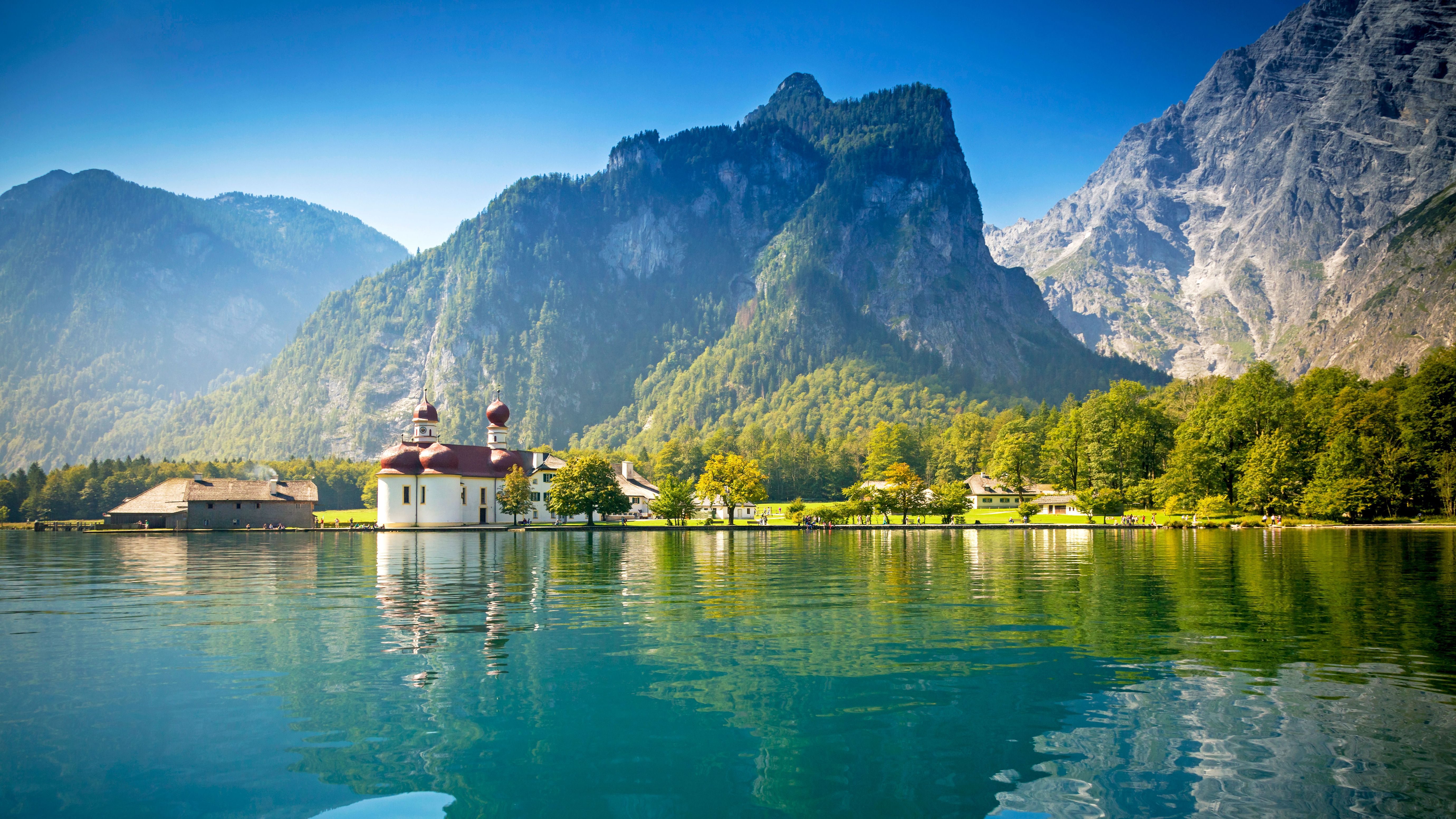
Germany is ideal for culture enthusiasts and history buffs who appreciate pristine efficiency and organized travel. Explore Berlin's world-class museums and vibrant history, delve into medieval castles in Bavaria, or enjoy a perfectly timed train journey across the countryside. It's best for those seeking a sophisticated, comfortable European experience with a moderate to generous budget.
Choose Mexico
Mexico is perfect for vibrant, sensory-rich adventures, offering incredible value for budget-conscious travelers. Dive into the bustling street food scene in Oaxaca, discover ancient Mayan ruins like Chichen Itza, or relax on the stunning beaches of Tulum. It's best for those craving authentic culture, warmth, and spontaneity without breaking the bank.
📊 Visual Scorecard
🌤 When to Visit
Average high temperatures (°C). Green = best months, orange = avoid.
Quick Comparison
| Category | Germany | Mexico | Winner |
|---|---|---|---|
| Costs | Higher across the board for accommodation, food, and transport. Value is good for quality but expect to pay more. | Significantly more affordable, especially for food, local transport, and many activities. Accommodation offers better value. | Mexico |
| Food | Hearty, meat-centric, with excellent bread and beer. Regional specialties are prominent. | Incredibly diverse, fresh, and often spicy. Street food is a highlight, and regional cuisines vary widely. | Mexico |
| Culture & History | Focused on Roman heritage, medieval castles, World War history, and modern art movements. | Rich with pre-Columbian civilizations, Spanish colonial influences, and a strong indigenous cultural continuity. | Mexico |
| Safety | Generally very safe with low crime rates. Public spaces are secure, and emergency services are reliable. | Varies significantly by region. Tourist zones are generally safe but require awareness; some areas have elevated risks. | Germany |
| Getting Around | Excellent, punctual, and extensive public transport network, including high-speed trains and efficient city systems. | Good intercity bus network; cities rely on taxis, ride-sharing, and colectivos. Driving can be challenging. | Germany |
| Nightlife | Diverse nightlife, from Berlins renowned techno clubs to Munichs traditional beer halls and Cologne's bar scene. | Lively and varied, encompassing resort-style clubs, vibrant city bars, and traditional cantinas with live music. | Germany |
| Nature & Outdoors | Lush forests, rolling hills, scenic rivers, and mountainous regions like the Bavarian Alps. Well-maintained hiking and cycling trails. | Extremely diverse, from warm Caribbean beaches and cenotes to deserts, volcanoes, and vast jungles. Opportunities for diving, hiking, and exploring ancient landscapes. | Mexico |
| Accommodation | Clean, efficient, but generally higher-priced hotels and guesthouses. Hostels are good quality. | Wide range of options from budget hostels to luxury resorts, often offering better value for money. | Mexico |
| Beaches | Cooler waters of the Baltic and North Seas, characterized by expansive sandy stretches, dunes, and therapeutic sea air. | Warm, tropical waters of the Caribbean and Pacific, featuring white sands, coral reefs, and vibrant beach culture. | Mexico |
| Solo Travel | Very safe, easy to navigate with excellent public transport, and a strong hostel network. English is widely understood in cities. | Generally welcoming, with good hostel options in tourist areas, but requires higher situational awareness and some Spanish skills. | Germany |
💰 Costs
Traveling through Germany requires a higher daily budget. Expect to pay €80-150 ($85-160) for a comfortable solo travelers budget including mid-range accommodation (hostel private…

Germany
Mexico
Traveling through Germany requires a higher daily budget. Expect to pay €80-150 ($85-160) for a comfortable solo travelers budget including mid-range accommodation (hostel private room or budget hotel, €50-90 / $55-100), meals, and local transport. A basic meal at a casual restaurant or Imbiss (e.g. Currywurst, Döner) costs €6-12 ($6.50-13). Intercity train travel, like a two-hour journey from Berlin to Hamburg, can be €30-60 ($33-65) if not booked far in advance. Museum entries are typically €10-18 ($11-20).
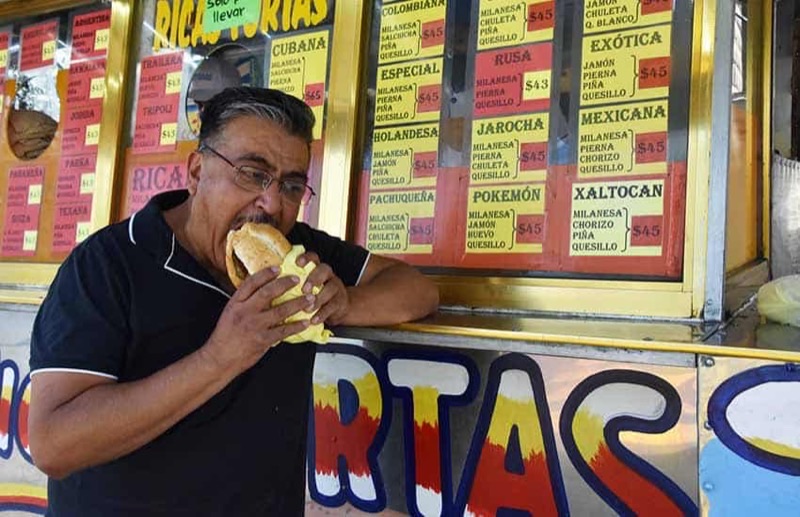
Mexico offers a far more budget-friendly experience. A daily budget of MXN 800-2000 ($45-110) provides good value. You can find hostel dorms for MXN 200-400 ($11-22) or comfortable private rooms in mid-range hotels for MXN 600-1200 ($33-65). Street food like tacos or tortas costs MXN 20-50 ($1-3) per item, and a full meal at a sit-down restaurant might be MXN 150-300 ($8-16). Long-distance bus travel with companies like ADO is also quite reasonable; a five-hour trip from Mexico City to Oaxaca can be MXN 600-900 ($33-50). Entry to archaeological sites like Teotihuacan is around MXN 90 ($5). For pure value, Mexico is the clear choice.
- Winner: Mexico
- Why: Mexico provides a much lower cost of living and travel, making it accessible for longer trips or tighter budgets.
- Who this matters for: Budget travelers, long-term travelers, and those who prioritize stretching their money.
🍽️ Food
German food is generally substantial and well-prepared. Think sausages (Bratwurst, Currywurst), Schnitzel, and various potato dishes. Bakeries offer excellent bread and pastries.…

Germany
Mexico
German food is generally substantial and well-prepared. Think sausages (Bratwurst, Currywurst), Schnitzel, and various potato dishes. Bakeries offer excellent bread and pastries. In Berlin, try a Currywurst from Konnopkes Imbiss for about €4.50 ($5). Munich is famous for its Weisswurst breakfast and pretzels, available at beer halls like Hofbräuhaus. Hearty traditional meals at a Gasthaus might cost €15-25 ($17-27). While good, the variety can feel limited compared to other culinary destinations.
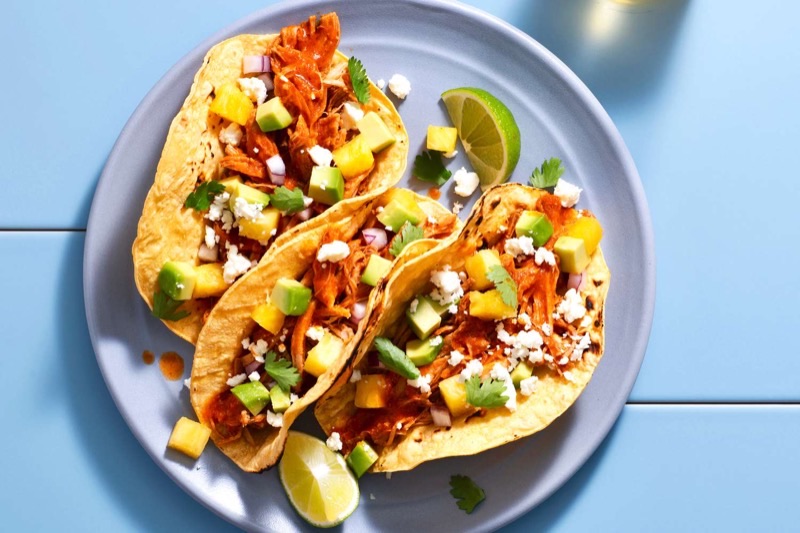
Mexico boasts a culinary landscape that is vibrant and deeply ingrained in its culture. From the street food stands of Mexico City serving Tacos al Pastor for MXN 25 ($1.40) each at places like El Califa, to the complex moles of Oaxaca, the food scene is exceptional. Fresh ingredients are standard, and regional variations are significant. Coastal areas offer incredible seafood, while central regions feature richer, more savory dishes. Eating out is an experience, from fine dining to simple Mercado stalls. The sheer depth of flavor and variety makes Mexico a food lovers destination.
- Winner: Mexico
- Why: Mexico offers an unmatched variety, depth of flavor, and affordability in its culinary traditions, especially for street food.
- Who this matters for: Food enthusiasts, adventurous eaters, and travelers who enjoy exploring local markets and street vendors.
🏛️ Culture & History
German history spans Roman settlements, medieval empires, the Protestant Reformation, and two World Wars. Visitors can explore impressive sites like the Cologne Cathedral, Berlin…
Germany
Mexico
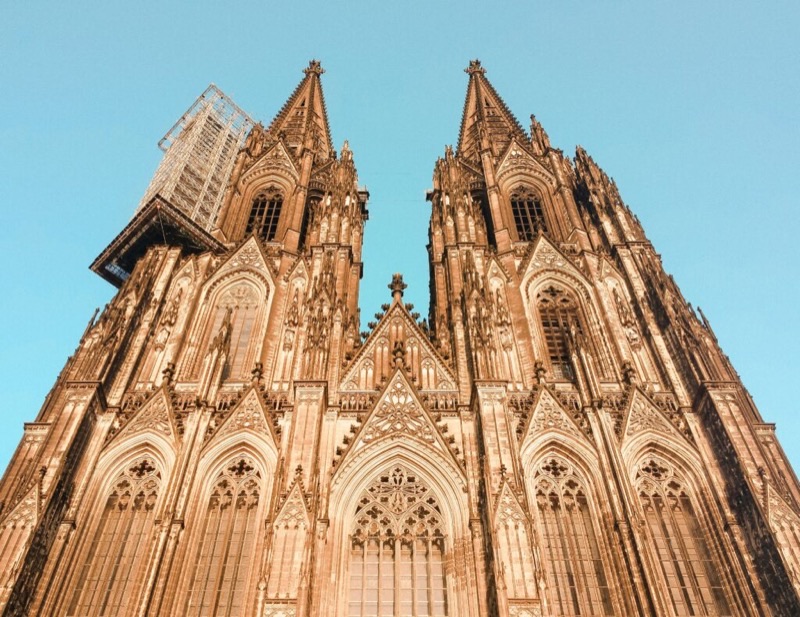
German history spans Roman settlements, medieval empires, the Protestant Reformation, and two World Wars. Visitors can explore impressive sites like the Cologne Cathedral, Berlin Wall remnants, and numerous castles, most famously Neuschwanstein (entry €17.50 / $19). Berlin offers powerful historical narratives at the Brandenburg Gate, Reichstag Building, and various memorials. Museums like the Pergamon Museum in Berlin (entry €12 / $13) house extensive collections. German cultural experiences often involve opera, classical music, and efficient, well-preserved historical sites.
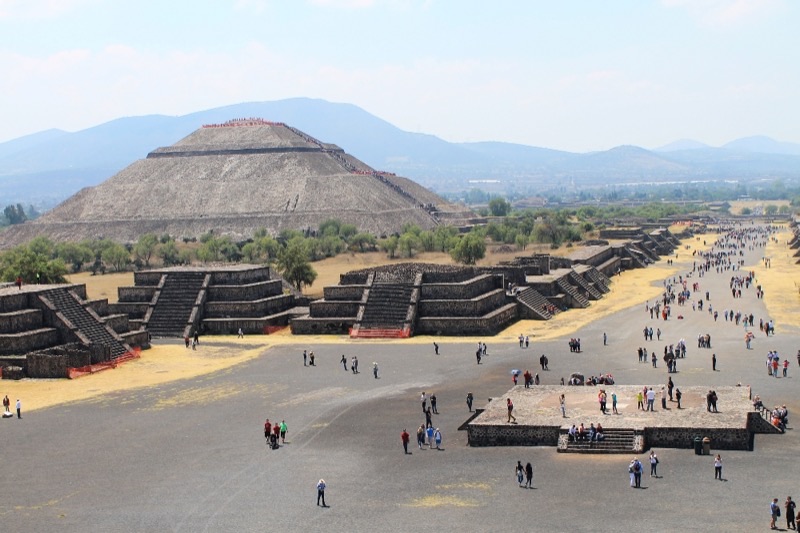
Mexico presents a profound and layered history, from the ancient pyramids of Teotihuacan (MXN 90 / $5 entry) and Palenque, testament to advanced pre-Columbian civilizations, to the colonial architecture of cities like San Miguel de Allende and Oaxaca. Mexico Citys National Museum of Anthropology (MXN 90 / $5 entry) provides an unparalleled overview of the countrys indigenous past. Folk art, traditional music (Mariachi), and festivals like Día de Muertos demonstrate a living culture with deep roots. The blend of indigenous traditions with Spanish influences creates a culturally rich and visibly dynamic experience that feels more immediate and pervasive.
- Winner: Mexico
- Why: Mexico offers a more ancient, visually dramatic, and continuously living cultural history that is deeply intertwined with daily life.
- Who this matters for: Travelers seeking ancient civilizations, vibrant living traditions, and a blend of indigenous and colonial heritage.
🛡️ Safety
Germany consistently ranks as one of the safest countries for travelers. Serious crime is low, and petty theft is mainly a concern in crowded tourist areas or on public transport,…

Germany
Mexico
Germany consistently ranks as one of the safest countries for travelers. Serious crime is low, and petty theft is mainly a concern in crowded tourist areas or on public transport, particularly in major cities like Berlin or Munich. Walking alone at night in most German cities feels secure. Emergency services are efficient and responsive. Public infrastructure is well-maintained, contributing to an overall sense of order and security. Travelers can generally explore with minimal worry beyond standard precautions.
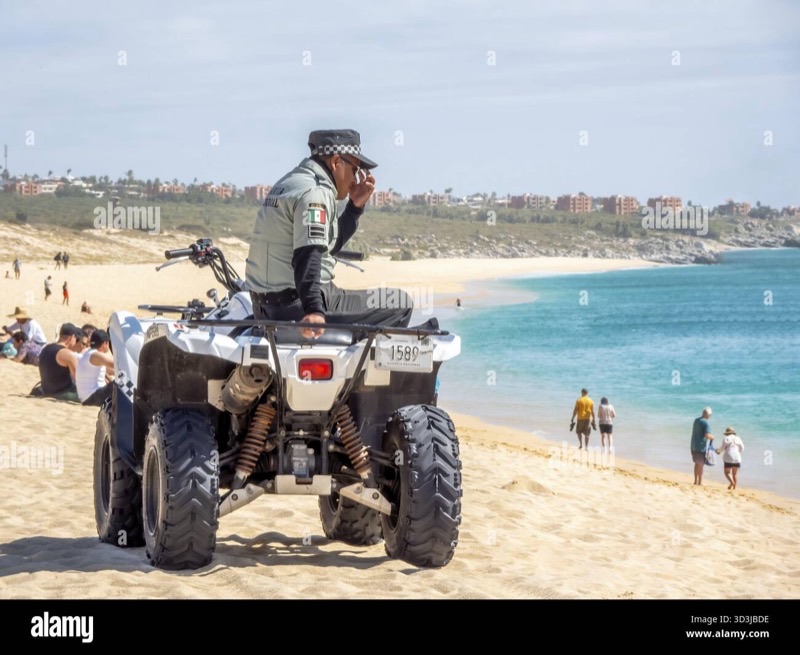
Safety in Mexico is a complex issue and highly dependent on location. Popular tourist destinations such as Cancun, Playa del Carmen, Tulum, Puerto Vallarta, and Mexico City generally have a strong police presence and are relatively safe for visitors, though petty crime like pickpocketing is common. However, certain states and border regions have higher rates of cartel activity and violent crime, which generally do not target tourists directly but can pose indirect risks. It requires more situational awareness, avoiding isolated areas, and being cautious with valuables. While millions visit Mexico without incident, the overall risk profile is higher than Germany.
- Winner: Germany
- Why: Germany offers a consistently high level of personal safety and security across the entire country, reducing travel concerns significantly.
- Who this matters for: Solo travelers, families with young children, and those who prioritize peace of mind and low-risk environments.
🚄 Getting Around
Germany boasts one of the most efficient public transport systems in the world. Deutsche Bahn (DB) trains connect cities with speed and reliability. Regional trains, trams, and…

Germany
Mexico
Germany boasts one of the most efficient public transport systems in the world. Deutsche Bahn (DB) trains connect cities with speed and reliability. Regional trains, trams, and buses cover nearly every town and village. A one-way ticket on Berlins U-Bahn or S-Bahn costs €3.20 ($3.50). City transport passes are readily available and economical for longer stays. Driving on the Autobahn is an experience, with well-maintained roads and clear signage. Navigation is straightforward, and the infrastructure supports smooth travel. Its a system built for convenience and precision.
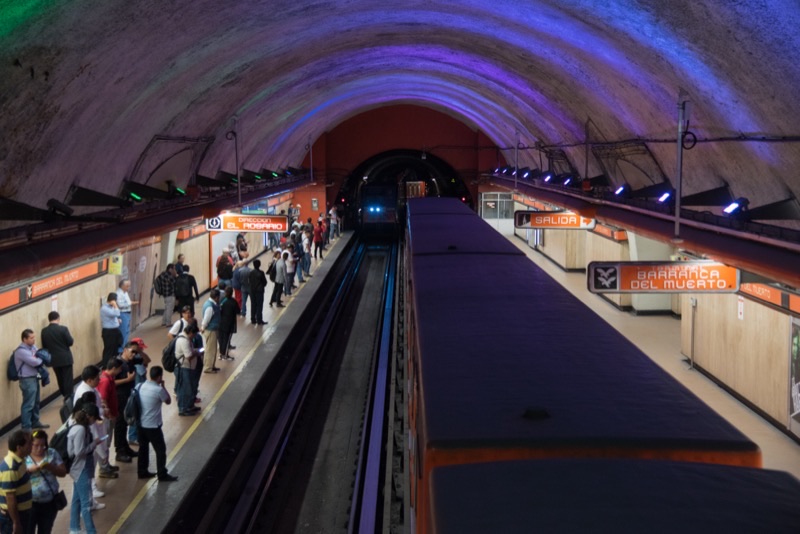
Getting around Mexico varies. For long distances, luxury buses like ADO are comfortable and connect major cities (e.g., Mexico City to Oaxaca takes about 6-7 hours and costs MXN 600-900 / $33-50). Within cities, Uber and Didi are widely available and affordable (a 15-minute ride in Mexico City might be MXN 80-150 / $4.50-8). Taxis are also common but agree on fares beforehand. Colectivos (shared vans) are a local, cheap option for shorter routes (MXN 10-30 / $0.50-1.60). Driving can be a challenge due to varied road conditions, aggressive drivers, and potential safety concerns in certain areas. While functional, the system requires more adaptation than Germanys seamless network.
- Winner: Germany
- Why: Germanys public transport system is exceptionally efficient, punctual, and user-friendly, making travel effortless.
- Who this matters for: Travelers who prefer to rely on public transit, value punctuality, and appreciate well-organized infrastructure.
🌃 Nightlife
Germanys nightlife offers distinct experiences. Berlin is world-famous for its electronic music scene, with clubs like Berghain (highly selective entry), Sisyphos, and Watergate…
Germanys nightlife offers distinct experiences. Berlin is world-famous for its electronic music scene, with clubs like Berghain (highly selective entry), Sisyphos, and Watergate providing unique, often all-weekend parties (entry fees €15-30 / $17-33). Munichs Oktoberfest, while seasonal, highlights the citys deep-seated beer hall culture, exemplified by the Hofbräuhaus. Cologne and Hamburg also have busy bar districts. The focus is often on quality sound systems, specific music genres, or traditional drinking establishments, creating a concentrated and sometimes niche appeal.
Mexico offers a energetic and more broadly accessible nightlife. Cancun and Playa del Carmen are known for large, resort-style clubs like Coco Bongo, offering elaborate shows and open bars (entry $70-100). Mexico City has a sophisticated bar scene in neighborhoods like Roma Norte and Condesa, with live music venues and mezcalerías. Guadalajara is a center for Mariachi music, offering traditional cantinas. While vibrant and fun, the Mexican club scene is often more tourist-oriented in coastal areas and less focused on specific music subcultures than Berlins unique offerings. Germanys distinct electronic music culture and deep-rooted beer traditions create a more specific and internationally recognized draw.
- Winner: Germany
- Why: Germany, particularly Berlin, offers a distinct and globally recognized nightlife scene for electronic music and a deep traditional beer culture.
- Who this matters for: Party-goers seeking world-renowned club experiences, specific music scenes, or traditional beer culture.
🏞️ Nature & Outdoors
Germanys natural landscapes are generally managed and accessible, offering outdoor activities like hiking and cycling. The Black Forest provides dense woodlands and charming…
Germanys natural landscapes are generally managed and accessible, offering outdoor activities like hiking and cycling. The Black Forest provides dense woodlands and charming villages. The Bavarian Alps offer dramatic peaks, such as Zugspitze (cable car ticket €63 / $68), and numerous trails. The Rhine Valley is known for its vineyards and river cruises. The Baltic and North Sea coasts provide calmer, cooler beach experiences. The scenery is beautiful and well-preserved, but often feels tamed compared to Mexicos wilder expanses.
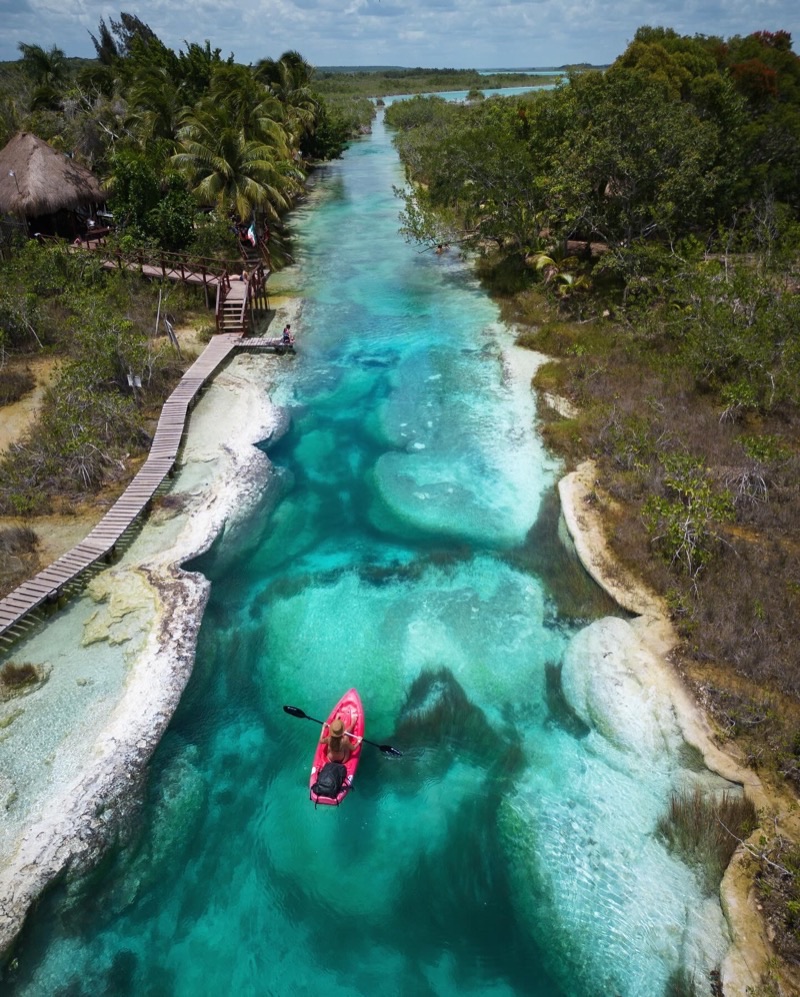
Mexico is a land of incredible natural diversity. Its Caribbean coast boasts white sand beaches and clear turquoise waters, perfect for snorkeling or diving in cenotes like Gran Cenote near Tulum (entry MXN 500 / $28). The Pacific coast offers different beach experiences and surfing opportunities. Inland, you find dramatic landscapes from the deserts of Baja California to the jungles of Chiapas, home to ancient ruins and abundant wildlife. Active volcanoes, vast canyon systems like Copper Canyon, and rich marine life in areas like the Sea of Cortez provide adventure at every turn. The sheer range of ecosystems and the scale of the natural wonders give Mexico the edge.
- Winner: Mexico
- Why: Mexico offers a far broader range of dramatic, diverse, and accessible natural landscapes, from tropical beaches to deserts and ancient jungles.
- Who this matters for: Adventure travelers, nature photographers, divers, and anyone seeking a wide variety of ecosystems and outdoor activities.
🏨 Accommodation
Accommodation in Germany is reliably clean, functional, and well-maintained. A standard double room in a mid-range hotel in a city like Berlin or Munich typically costs €80-150…
Accommodation in Germany is reliably clean, functional, and well-maintained. A standard double room in a mid-range hotel in a city like Berlin or Munich typically costs €80-150 ($85-160) per night. Hostels are prevalent and offer high standards, with a dorm bed often ranging from €25-45 ($27-50). Airbnbs are available but may face local restrictions in some cities. While quality is consistent, finding truly budget-friendly options can be challenging outside of dorms.
Mexico provides a broader spectrum of accommodation and often better value. Hostel dorms can be found for as low as MXN 200-400 ($11-22) in many cities. Mid-range hotels in tourist zones or boutique guesthouses often cost MXN 600-1200 ($33-65) per night for a double room. Luxury resorts, particularly on the coasts, can be expensive but often include many amenities. Airbnbs are widely available and can offer excellent value, especially for longer stays. The range and affordability, particularly for independent travelers, make Mexico a more flexible choice.
- Winner: Mexico
- Why: Mexico offers a wider variety of accommodation options at more accessible price points, providing better value for travelers.
- Who this matters for: Budget-conscious travelers, backpackers, and those seeking good value from their lodging.
🏖️ Beaches
Germanys beaches, found along the Baltic and North Seas, offer a different kind of coastal experience. Think long, sandy stretches, often backed by dunes, with cooler water…
Germanys beaches, found along the Baltic and North Seas, offer a different kind of coastal experience. Think long, sandy stretches, often backed by dunes, with cooler water temperatures. Popular islands like Sylt and Rügen are known for their fresh air, therapeutic climate, and distinct beach chair culture. The North Sea tide flats (Wadden Sea) are a UNESCO site. These are not tropical beaches; instead, they cater to relaxation, walking, and enjoying the cooler maritime climate. They are clean and well-maintained, but offer a more temperate, less swimming-focused experience than tropical shores.
Mexico is renowned for its tropical beaches, particularly on the Caribbean coast (Riviera Maya). Destinations like Cancun, Playa del Carmen, and Tulum offer stretches of white sand, warm turquoise waters, and access to coral reefs for snorkeling and diving. The Pacific coast, including Puerto Vallarta and Oaxaca beaches like those in Huatulco, provide a different vibe with more dramatic scenery and surfing opportunities. The water is consistently warm, inviting swimming and various water sports. The sheer beauty, warmth, and accessibility for traditional beach activities make Mexico the premier choice for beach lovers.
- Winner: Mexico
- Why: Mexico delivers the classic warm water, white sand, tropical beach experience that most travelers associate with a beach vacation.
- Who this matters for: Sun-seekers, swimmers, snorkelers, divers, and anyone wanting a tropical beach holiday.
🚶♀️ Solo Travel
Germany is an excellent destination for solo travelers. Its high safety levels mean you can explore cities and natural areas with minimal worry. The efficient public transport…
Germany is an excellent destination for solo travelers. Its high safety levels mean you can explore cities and natural areas with minimal worry. The efficient public transport system makes navigating independently very straightforward, even without a car. Hostels are plentiful, well-regarded, and offer opportunities to meet other travelers. In major cities and tourist zones, English is widely spoken, easing communication. Locals are generally polite and helpful, though direct. It provides a comfortable and low-stress environment for independent exploration.
Solo travel in Mexico is rewarding but requires more preparation and awareness. While tourist zones and major cities are generally safe for solo travelers, it is important to exercise caution, especially at night or in less populated areas. Knowing some basic Spanish is beneficial, as English proficiency varies outside of major tourist hubs. The hostel network is good, fostering social connections. However, the need for heightened awareness regarding personal belongings, taxi scams, and general street smarts means it demands a bit more from the solo adventurer. Germany offers a more relaxed and inherently safer experience for those traveling alone.
- Winner: Germany
- Why: Germany offers a superior level of safety, ease of navigation, and clear communication for solo travelers, making it less stressful.
- Who this matters for: First-time solo travelers, those prioritizing safety and ease of logistics, and travelers with limited language skills.
🎯 The Decision Framework
Choose Germany If…
- You prioritize personal safety and a low-crime environment.
- You appreciate efficient, punctual public transportation for seamless travel.
- You are interested in medieval castles, Roman history, and World War II sites.
- You enjoy hearty, meat-and-potato-centric cuisine and world-class beer.
- You prefer cooler climates and less humidity, even in summer.
- You value clean, well-organized cities and well-maintained infrastructure.
- You want a straightforward, predictable travel experience with clear rules.
- You are comfortable with a daily budget of €80-150 ($85-160).
Choose Mexico If…
- You seek warm, tropical beaches and opportunities for snorkeling or diving.
- You desire a significantly lower travel budget, around MXN 800-2000 ($45-110) daily.
- You want to explore ancient Mayan or Aztec ruins and colonial cities.
- You crave diverse, flavorful street food and regional Mexican cuisine.
- You enjoy a more spontaneous, lively atmosphere and vibrant cultural interactions.
- You are comfortable with varying levels of safety and require more situational awareness.
- You dont mind slower, less predictable transport options outside major routes.
- You are interested in unique natural features like cenotes, jungles, and volcanoes.
📅 Sample Itineraries
Weekend in Berlin (3 Days)
💡 Purchase a Berlin WelcomeCard for unlimited public transport and discounts on attractions, saving about $5-10 per day if you plan to visit multiple sites.
Weekend in Mexico City (3 Days)
💡 Utilize Mexico City's efficient Metro system (single ride ~$0.25) to save significantly on transportation costs, especially to popular areas like Coyoacán.
One Week in Germany (7 Days)
💡 Consider buying a Deutschland-Ticket for €49/month ($53) if you plan extensive regional train travel within a single calendar month, offering significant savings over individual tickets.
One Week in Mexico (7 Days)
💡 For inter-city travel in the Yucatán Peninsula, use ADO buses; they are comfortable and affordable, often costing $5-15 for routes between Cancún, Playa del Carmen, and Tulum.
❓ Frequently Asked Questions
Which destination is better for a two-week trip?
For a two-week trip, Mexico offers more diversity in terms of climate and activities, from beaches to ancient ruins, without requiring extensive travel. Germany is also excellent for two weeks, allowing you to explore 2-3 major cities like Berlin, Munich, and Hamburg, plus a day trip to a castle, with efficient train connections.
Is English widely spoken in Germany and Mexico?
In Germany, English is widely spoken in major cities, tourist areas, and among younger generations, so communication is generally easy. In Mexico, English proficiency varies. It is common in major tourist hubs like Cancun and Playa del Carmen, but less so in smaller towns or rural areas, where knowing basic Spanish phrases is very helpful.
What is the best time of year to visit each country?
For Germany, late spring (May-June) and early autumn (September-October) offer pleasant weather and fewer crowds. Summer (July-August) is warm but peak tourist season. For Mexico, the dry season from November to April is ideal for most regions, with comfortable temperatures and less rain. The hurricane season runs from June to November on the Caribbean coast.
How do flight times and costs compare from the US?
Direct flights from major US cities to Germany (e.g., Frankfurt, Munich) typically range from 8-10 hours, with costs starting around $600-900 roundtrip. Flights to Mexico (e.g., Mexico City, Cancun) are significantly shorter, usually 2-5 hours, and can cost $300-600 roundtrip, especially from southern US cities.
Which country is better for families with young children?
Germany is generally better for families due to its high safety standards, excellent public infrastructure (stroller-friendly transport, clean parks), and predictable environment. Many museums and attractions are well-suited for children. Mexico can be good for resort-style family vacations, but independent travel with young children might require more planning and awareness due to varied infrastructure and safety.
What are the visa requirements for US citizens for each country?
US citizens do not require a visa for tourist stays up to 90 days in Germany (Schengen Area). For Mexico, US citizens also do not require a visa for tourist stays up to 180 days; a valid passport and a completed FMM (Mexican Tourist Card) are needed upon entry.
Can I drink tap water in Germany and Mexico?
Yes, tap water in Germany is safe to drink unless explicitly stated otherwise. It is of high quality. In Mexico, it is generally not safe to drink tap water. Bottled water is widely available and recommended for consumption, and many hotels and restaurants provide purified water.
Which destination offers more opportunities for hiking?
Both offer hiking, but with different characters. Germany has well-marked, maintained trails in regions like the Black Forest and Bavarian Alps, often through forests or alongside rivers. Mexico offers more dramatic and diverse hiking, from jungle treks to volcano climbs and coastal paths, often with more rugged terrain and varied ecosystems.
Ready to plan your next trip?
Get a free custom itinerary for Germany, Mexico, or both — built from real traveler insights.
👥 Travelers Also Compared
🎟️ Book Tours & Experiences
Hand-picked tours and activities for both destinations — book with free cancellation
Experiences via Viator — free cancellation on most tours