How we built this comparison
This page combines traveler discussion patterns, published price ranges, flight schedules, and seasonal data to help you decide between Germany and Montenegro.
- Reviewed 50+ Reddit threads from r/travel, r/solotravel, r/Germany, r/Montenegro, r/EuropeTravel.
- Verified costs and logistics against current booking platforms (Booking.com, Skyscanner, Deutsche Bahn, FlixBus).
- Cross-referenced seasonal patterns and weather data from meteorological sources for accurate 'best time to visit' advice.
⚡ Quick Answers
⚡ The TL;DR Verdict
For most travelers seeking a well-rounded European trip with excellent infrastructure and diverse experiences without constant budget watch, Germany is the pick, typically requiring $85-160 per day. If dramatic natural settings, coastal escapes, and a lower daily spend are the priority, Montenegro, at $45-85 per day, delivers a memorable, more relaxed journey. Germany is the more versatile choice for a first-time Europe trip; Montenegro is better as a focused nature and coast escape.
- Choose Germany: You want efficient travel, a mix of grand cities and history, reliable services, and don't mind a higher budget.
- Choose Montenegro: You seek dramatic coastal landscapes, mountain hikes, outdoor activities, a slower pace, and prioritize budget travel in nature.
- Choose Both: Consider both if you have 3+ weeks and want a multi-faceted European tour, starting with Germany's cities and finishing with Montenegro's coasts.
Choose Germany
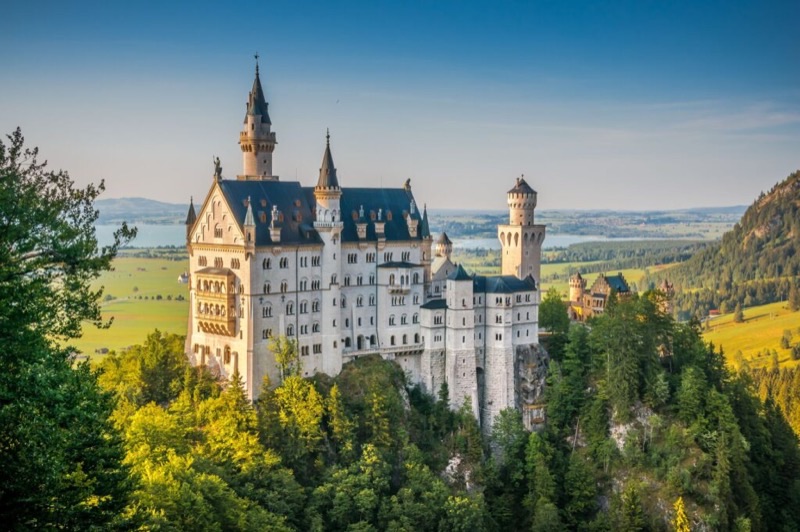
Germany is ideal for travelers seeking a rich blend of history, culture, and efficient travel. Explore vibrant cities like Berlin for its museums and nightlife, or discover fairytale castles along the Rhine and majestic Bavarian Alps. It's best for those who appreciate top-tier infrastructure, diverse experiences, and are comfortable with a daily budget around $85-160.
Choose Montenegro
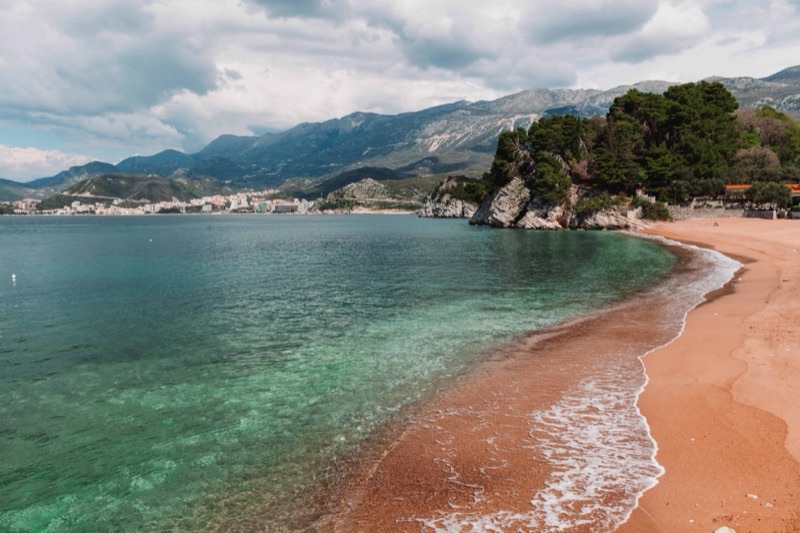
Opt for Montenegro if your ideal trip involves breathtaking natural beauty, a slower pace, and significant savings. Spend days exploring the historic walled city of Kotor, hiking in Durmitor National Park, or relaxing on the Budva Riviera. This destination is perfect for adventure seekers and budget-conscious travelers prioritizing stunning landscapes and outdoor activities for around $45-85 daily.
📊 Visual Scorecard
🌤 When to Visit
Average high temperatures (°C). Green = best months, orange = avoid.
Quick Comparison
| Category | Germany | Montenegro | Winner |
|---|---|---|---|
| Costs & Budget | Higher daily spend, especially in cities like Munich or Berlin. Expect €80-€150 ($85-$160) for mid-range travel. | Considerably more budget-friendly. A comfortable mid-range trip can be done for €40-€80 ($45-$85) per day. | Montenegro |
| Nature & Outdoors | Diverse landscapes from the Alps to the North Sea, including the Black Forest and Bavarian lakes. Well-maintained hiking trails. | Dramatic mountains meeting the Adriatic Sea, with deep canyons, large lakes, and extensive national parks. | Montenegro |
| Cities & Culture | Cities like Berlin, Munich, Cologne offer deep history, museums, diverse arts scenes, and efficient urban experiences. | Coastal towns like Kotor and Budva feature preserved medieval old towns. Podgorica is more modern, less tourist-focused. | Germany |
| Food & Drink | Hearty cuisine: sausages, schnitzel, pretzels, excellent bread, and world-renowned beer. Good vegetarian options in cities. | Mediterranean influences, seafood on the coast, grilled meats, cheese, olives, and local wines/rakija. Less diverse. | Germany |
| Getting There | Numerous direct flights from North America and major global hubs to Frankfurt, Munich, Berlin. | No direct flights from North America. Requires connections, typically through major European or Balkan hubs. | Germany |
| Getting Around | Extensive, efficient, and reliable train (Deutsche Bahn) and bus networks. Excellent public transport in cities. | Primarily relies on intercity buses. Roads can be winding, especially in mountainous regions. Car rental is common. | Germany |
| Beaches | North Sea and Baltic Sea coasts offer sandy beaches, but cold water and a cool climate limit traditional beach holidays. | Adriatic Sea coast features numerous beaches, from pebble to sand, with warm, clear water and a long summer season. | Montenegro |
| Accommodation | Wide range from luxury hotels to budget hostels and guesthouses. Generally high standards, but prices reflect this. | Hostels, family-run guesthouses (apartments/sobe), and boutique hotels. Good value, but fewer high-end international chains. | Tie |
| Safety | Generally very safe. Low crime rates. Major cities have typical precautions for pickpocketing. | Very safe for tourists. Low crime rates, friendly locals. Some road safety concerns in mountains. | Tie |
| Nightlife | World-famous club scene in Berlin, diverse bars, pubs, and cultural performances in other cities. | Coastal towns like Budva and Kotor have lively summer scenes with beach clubs and bars. Inland is quieter. | Germany |
💰 Costs & Budget
Germany operates on a Western European budget. A hostel bed in Berlin or Munich typically costs €30-€50 ($33-$55) per night. A casual restaurant meal, like a Currywurst with…
Germany
Montenegro
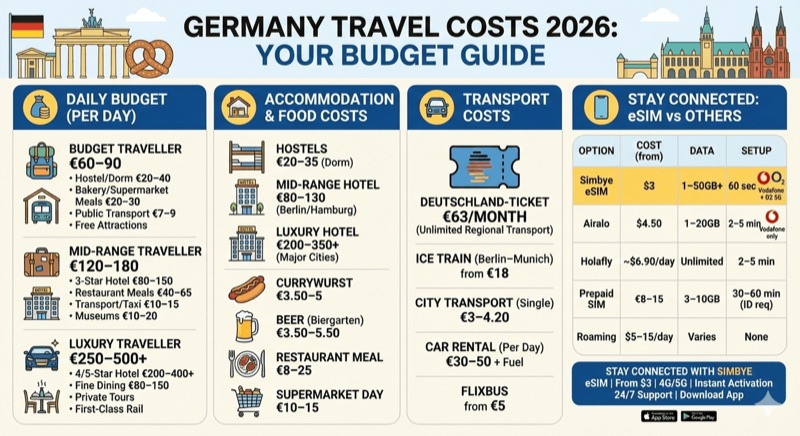
Germany operates on a Western European budget. A hostel bed in Berlin or Munich typically costs €30-€50 ($33-$55) per night. A casual restaurant meal, like a Currywurst with fries, is around €8-€12 ($9-$13), while a sit-down dinner in a mid-range place can easily reach €15-€25 ($17-$28) per person. Public transport in cities is efficient but not inexpensive; a single U-Bahn ticket in Berlin costs €3 ($3.30). Groceries at stores like Aldi or Lidl offer good value if cooking, but overall, you need to plan for a higher baseline.
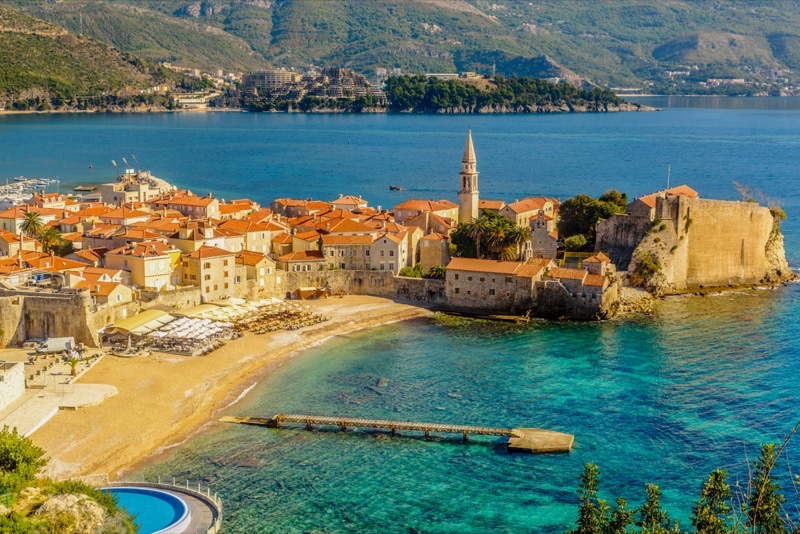
Montenegro provides a significant cost advantage. Hostel dorms in Kotor or Budva typically run €15-€25 ($17-$28) per night. A main course at a local konoba (tavern) can be found for €8-€15 ($9-$17), with a full meal, including drinks, rarely exceeding €20 ($22). Public buses for intercity travel are affordable, for example, Kotor to Budva costs about €3-€4 ($3.30-$4.40). Groceries are cheaper than in Germany, making self-catering a real budget saver. Expect to spend less than half of what you would in Germany for comparable travel experiences. Tabiji verdict: Montenegro is the clear winner for budget-conscious travelers aiming to stretch their euros.
- Winner: Montenegro
- Why: Montenegro offers significantly lower prices across accommodation, food, and transport, making it far more accessible for budget travelers.
- Who this matters for: Budget travelers, long-term travelers, and those seeking good value for money.
🌲 Nature & Outdoors
Germany features impressive natural landscapes, though they are often more manicured. The Bavarian Alps offer hiking, skiing, and scenic drives, with peaks like Zugspitze. The…
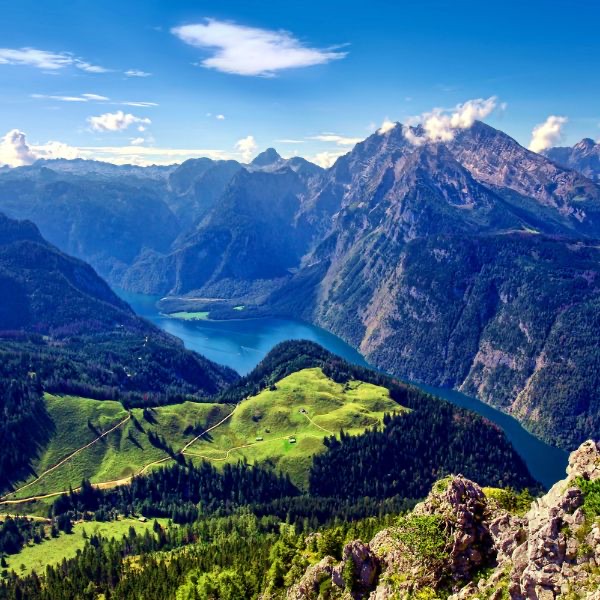
Germany
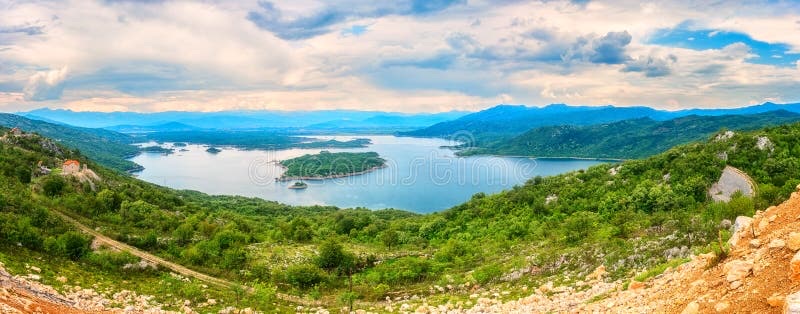
Montenegro
Germany features impressive natural landscapes, though they are often more manicured. The Bavarian Alps offer hiking, skiing, and scenic drives, with peaks like Zugspitze. The Black Forest provides extensive cycling and walking paths, with places like Triberg Waterfalls offering accessible nature experiences. The Baltic and North Sea coasts have sandy beaches and islands like Rügen, though the water is cold for most of the year. Germany's national parks, like Berchtesgaden, are well-preserved and accessible, but generally lack the raw, rugged feel of the Balkans.
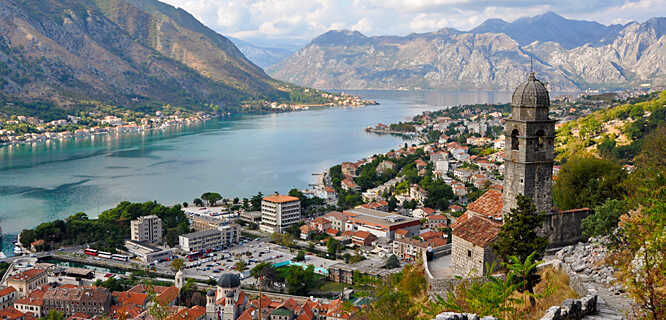
Montenegro is a powerhouse of natural scenery compressed into a small area. Durmitor National Park presents glacial lakes, deep canyons like Tara River Canyon (one of Europe's deepest), and peaks over 2,500 meters, ideal for serious hiking, rafting, and canyoning. Skadar Lake, the largest lake in Southern Europe, is a haven for birdwatching and kayaking. The Bay of Kotor, a fjord-like bay surrounded by steep mountains, offers incredible coastal drives and hikes, such as the Ladder of Kotor trail. The contrast between mountains and the warm Adriatic Sea creates truly spectacular views and outdoor activity options that feel much wilder. Tabiji verdict: Montenegro's compact, untamed nature offers a more intense and varied outdoor experience.
- Winner: Montenegro
- Why: Montenegro's compact size packs an incredible punch of dramatic, diverse, and accessible natural landscapes, from coastal fjords to deep canyons and alpine peaks.
- Who this matters for: Adventure seekers, hikers, photographers, and those who prioritize dramatic scenery.
🏛️ Cities & Culture
Germany excels in urban experiences and cultural depth. Berlin is a major cultural capital with hundreds of museums (e.g., Museum Island, Pergamon Museum, Neues Museum with…

Germany
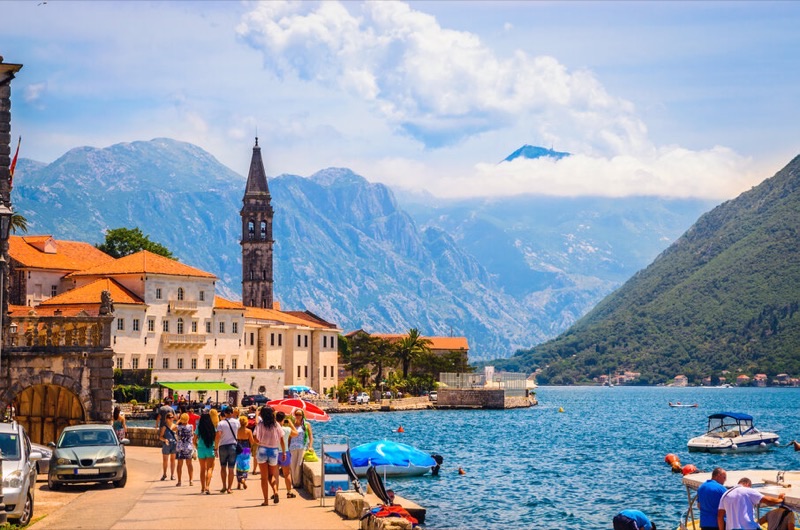
Montenegro
Germany excels in urban experiences and cultural depth. Berlin is a major cultural capital with hundreds of museums (e.g., Museum Island, Pergamon Museum, Neues Museum with Nefertiti Bust), historic sites like the Brandenburg Gate and the Reichstag, and a dynamic arts and music scene. Munich offers Bavarian traditions, grand squares like Marienplatz, and world-class beer halls like Hofbräuhaus. Cologne is famous for its Gothic cathedral and Roman heritage. German cities are clean, efficient, and offer extensive public transport systems, making exploration straightforward. The cultural narrative often revolves around post-WWII reconstruction and reunification, offering a particular perspective.
Montenegro's urban and cultural offerings are focused on its picturesque old towns. Kotor's Old Town, a UNESCO site, is a maze of narrow streets, squares, and churches, entirely pedestrianized. Budva's Stari Grad (Old Town) offers similar medieval charm with adjacent beaches. Cetinje, the old royal capital, has a few museums and a more laid-back, historical feel. Podgorica, the capital, is a modern city without the same depth of historical architecture or museum density as German cities, having been heavily rebuilt after WWII. While Montenegro has its own distinct cultural heritage, particularly in its Orthodox monasteries and folk traditions, it lacks the sheer scale, variety, and depth of cultural institutions found in Germany. Tabiji verdict: Germany delivers a significantly richer and more varied urban and cultural landscape.
- Winner: Germany
- Why: Germany's major cities offer a far greater variety and depth of museums, historical sites, architectural styles, and contemporary cultural scenes.
- Who this matters for: History buffs, museum enthusiasts, city explorers, and art lovers.
🍻 Food & Drink
German food is substantial and satisfying. You'll find a wide array of sausages (Bratwurst, Currywurst) across the country. Bavarian pretzels are a staple, often served with…
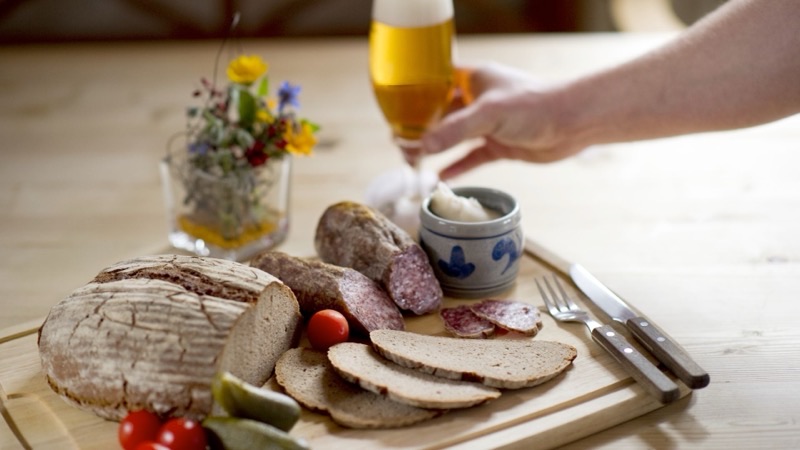
Germany
Montenegro
German food is substantial and satisfying. You'll find a wide array of sausages (Bratwurst, Currywurst) across the country. Bavarian pretzels are a staple, often served with mustard or Obatzda cheese spread. Schnitzel is common, as are various stews and potato dishes. Bakeries are exceptional, offering a huge selection of breads and pastries. Beer culture is central, especially in Bavaria, with countless breweries and beer gardens; a liter of beer typically costs €4-€6 ($4.40-$6.60). In major cities like Berlin, the international food scene is excellent, providing options from Turkish kebabs to Vietnamese pho. Vegetarian and vegan options have become widespread in urban centers.
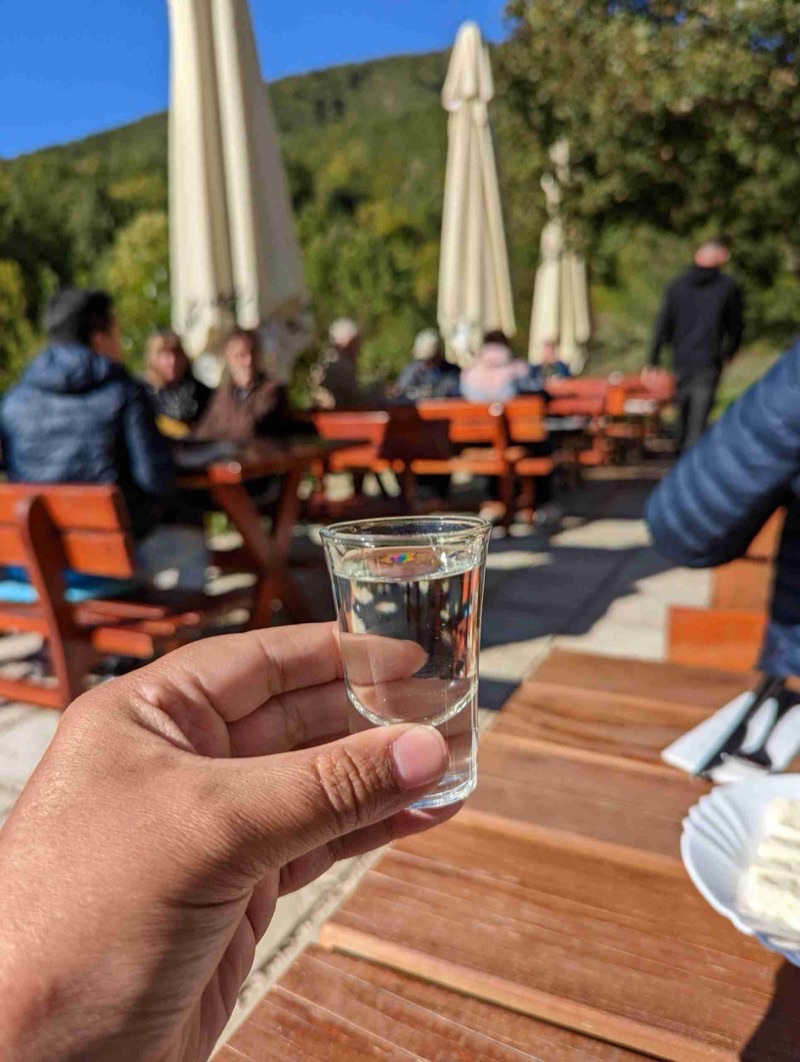
Montenegrin cuisine is influenced by its Mediterranean and Balkan neighbors. Along the coast, fresh seafood is a highlight, often grilled simply with olive oil and garlic. Inland, expect more grilled meats like Cevapi (minced meat sausages) and Pljeskavica (meat patty). Local cheeses and cured hams are common appetizers. Burek, a savory pastry, is a popular breakfast or snack for around €2-€3 ($2.20-$3.30). Rakija, a strong fruit brandy, is the local spirit, and Montenegrin wines, particularly from Plantaže 13. Jul, are gaining recognition. A typical main course might cost €8-€15 ($9-$17). While delicious and authentic, the variety can feel limited compared to Germany's extensive culinary landscape, especially outside of the main tourist hubs. Tabiji verdict: Germany provides a more varied and internationally influenced food scene, alongside its robust traditional offerings.
- Winner: Germany
- Why: Germany offers a wider range of culinary experiences, from traditional hearty dishes to diverse international cuisine, complemented by a world-class beer culture.
- Who this matters for: Foodies, beer enthusiasts, and those who like a broad selection of dining options.
✈️ Getting There
Germany is one of Europe's most accessible destinations by air. Major airports like Frankfurt (FRA), Munich (MUC), and Berlin (BER) serve as significant international hubs,…

Germany
Montenegro
Germany is one of Europe's most accessible destinations by air. Major airports like Frankfurt (FRA), Munich (MUC), and Berlin (BER) serve as significant international hubs, receiving numerous direct flights daily from North American cities (e.g., New York, Toronto, Chicago) as well as destinations across Asia and the Middle East. A direct flight from New York to Frankfurt typically takes 7-8 hours, with round-trip economy fares ranging from $600-$900 outside of peak season. This direct connectivity makes reaching Germany straightforward and relatively quick, minimizing travel fatigue.
Montenegro, while gaining popularity, lacks direct long-haul air connections from North America. Travelers typically fly into a larger European hub like Vienna (VIE), Belgrade (BEG), Istanbul (IST), or Rome (FCO), and then connect to Podgorica (TGD) or Tivat (TIV) airports. The total travel time from North America can easily be 12-16 hours or more, including layovers. Round-trip airfares often range from $800-$1200+, factoring in the multiple segments. While not overly complicated, the necessity of at least one layover adds time and potential complexity to the journey. Tabiji verdict: Germany's direct flight access makes it a significantly easier destination to reach for international travelers.
- Winner: Germany
- Why: Germany offers abundant direct flight options from major global cities, making it much simpler and quicker to access than Montenegro.
- Who this matters for: Travelers prioritizing direct flights, minimal layovers, and faster travel times.
🚆 Getting Around
Germany's transportation infrastructure is among the world's best. Deutsche Bahn (DB) operates a comprehensive rail network connecting virtually every town and city with…
Germany's transportation infrastructure is among the world's best. Deutsche Bahn (DB) operates a comprehensive rail network connecting virtually every town and city with high-speed (ICE) and regional trains. Trains are punctual, comfortable, and tickets can be booked in advance for better prices, though spontaneous travel can be expensive. A high-speed train from Berlin to Munich takes about 4-6 hours. Cities boast excellent public transport systems (U-Bahn, S-Bahn, trams, buses) that are easy to navigate and highly efficient. While car rental is an option, it is often unnecessary for urban and intercity travel unless exploring very rural areas.
Montenegro's public transport relies heavily on intercity buses. The bus network connects most major towns and coastal areas, but schedules can be less frequent and journey times longer due to winding roads. For example, the bus from Kotor to Podgorica takes about 2 hours. There's a scenic train line from Podgorica to Belgrade, but it's not a comprehensive domestic network. For exploring national parks or smaller villages off the main bus routes, renting a car is almost essential. Car rental prices are reasonable, starting around €25-€40 ($28-$45) per day. Taxis are also relatively inexpensive for short distances. Navigation can be slower and less predictable than in Germany. Tabiji verdict: Germany's superior, highly integrated public transport system makes travel much more convenient and stress-free.
- Winner: Germany
- Why: Germany boasts a world-class, highly efficient, and extensive public transportation network (trains, buses, city transit) that simplifies travel.
- Who this matters for: Travelers who prefer public transport, value efficiency, and dislike driving on vacation.
🏖️ Beaches
Germany has a coast along the North and Baltic Seas. The islands of Rügen and Usedom in the Baltic offer wide, sandy beaches, often backed by resort towns and piers. The North Sea…
Germany has a coast along the North and Baltic Seas. The islands of Rügen and Usedom in the Baltic offer wide, sandy beaches, often backed by resort towns and piers. The North Sea coast, particularly around the Frisian Islands, has a more rugged, tidal landscape. Beach chairs (Strandkörbe) are iconic. However, the water temperature is generally cool, even in summer, and the climate is temperate, often breezy. These beaches are more for walking, relaxation, and enjoying the coastal air rather than traditional swimming and sunbathing holidays with warm water. The beach season is short, primarily July and August.
Montenegro's Adriatic coast is built for beach holidays. The Budva Riviera is famed for its numerous beaches, including Mogren Beach and Jaz Beach, offering golden sands and pebbles. Sveti Stefan, with its iconic island resort, is nearby. The Bay of Kotor has charming spots like Perast, though the 'beaches' are often small pebble strips or concrete platforms. Further south, Velika Plaža near Ulcinj is a vast sandy beach stretching for kilometers. The water is warm and crystal clear from late May to early October, ideal for swimming, snorkeling, and water sports. Many beaches have amenities like sunbeds, umbrellas, and beach bars. Tabiji verdict: Montenegro offers a far superior traditional beach experience with warmer waters, longer seasons, and more direct beach access.
- Winner: Montenegro
- Why: Montenegro's Adriatic coast provides warm, clear waters and a long summer season, offering a classic beach holiday experience that Germany cannot match.
- Who this matters for: Sun-seekers, swimmers, and those looking for a traditional warm-water beach vacation.
🏨 Accommodation
Germany offers a very well-developed accommodation sector across all price points. In cities like Berlin or Hamburg, you can find a broad spectrum from international five-star…
Germany offers a very well-developed accommodation sector across all price points. In cities like Berlin or Hamburg, you can find a broad spectrum from international five-star chains (e.g., Hotel Adlon Kempinski) to trendy boutique hotels, reliable mid-range options (e.g., Motel One), and numerous clean, efficient hostels (e.g., Generator Hostels, A&O Hostels) for €30-€50 ($33-$55) a night for a dorm bed. Standards are consistently high, and booking platforms provide extensive choices. Rural areas offer charming guesthouses and Ferienwohnungen (holiday apartments). Prices, however, are higher, with even basic private rooms often starting around €70-€100 ($77-$110).
Montenegro offers excellent value in accommodation, especially if you opt for local guesthouses or apartments. In tourist hubs like Kotor or Budva, you'll find plenty of hostels, with dorm beds typically costing €15-€25 ($17-$28). Private rooms in family-run 'sobe' (rooms for rent) or apartments are very common and affordable, often starting around €30-€60 ($33-$66) for a comfortable stay. While there are fewer large international chain hotels compared to Germany, there are many charming boutique hotels and upscale apartment rentals, particularly along the coast (e.g., Hotel Astoria in Kotor Old Town). The standard is generally good for the price, though luxury options are less prevalent. Tabiji verdict: Both destinations offer solid accommodation for different budgets; Germany has more high-end reliability, while Montenegro provides better value at the mid-to-lower range.
- Winner: Tie
- Why: Germany offers more consistent luxury and mid-range options with established standards, while Montenegro provides better value for budget travelers and unique local stays.
- Who this matters for: Depends on budget: Germany for comfort/luxury, Montenegro for value.
🚨 Safety
Germany is considered one of the safest countries in Europe for travelers. Serious crime rates are low. In major cities like Berlin or Munich, typical urban precautions apply: be…
Germany is considered one of the safest countries in Europe for travelers. Serious crime rates are low. In major cities like Berlin or Munich, typical urban precautions apply: be aware of pickpockets in crowded tourist areas (e.g., Brandenburg Gate, Oktoberfest) and on public transport. Violent crime against tourists is exceedingly rare. Emergency services are reliable and efficient. Solo female travelers generally report feeling very safe even at night in well-lit areas. Public spaces are generally well-maintained and monitored, contributing to a sense of security.
Montenegro is also a very safe country for tourists. Crime rates are low, and locals are generally welcoming and helpful. The biggest safety considerations are usually related to driving on winding mountain roads, which can be challenging, especially in adverse weather. Petty theft, such as pickpocketing, is rare but can occur in crowded coastal towns during peak summer season, similar to any tourist destination. Solo travelers, including women, usually feel secure. The political situation is stable, and there are no specific threats to travelers. Tabiji verdict: Both countries are very safe for travelers, with similar low risks mostly confined to petty theft in crowded areas.
- Winner: Tie
- Why: Both Germany and Montenegro maintain high levels of safety for tourists, with minimal reported crime and friendly environments.
- Who this matters for: Solo travelers, families, and anyone prioritizing personal security.
🌃 Nightlife
Germany, particularly Berlin, is globally recognized for its electronic music and club scene. Clubs like Berghain/Panorama Bar are legendary, known for their specific door…
Germany, particularly Berlin, is globally recognized for its electronic music and club scene. Clubs like Berghain/Panorama Bar are legendary, known for their specific door policies and intense, long nights. Beyond techno, Berlin offers a huge array of bars, pubs, live music venues, and alternative spaces. Munich's nightlife centers around its beer halls (e.g., Hofbräuhaus) and traditional pubs, alongside modern bars. Cologne has a lively student scene with many Kolsch pubs. Most German cities have specific neighborhoods known for their active nightlife. Public transport runs late, making it easy to get around safely.
Montenegro's nightlife is concentrated along its Adriatic coast, especially during the summer months (June-August). Budva is considered the party capital, with numerous beach clubs (e.g., Top Hill club) and bars that stay open late, attracting a younger crowd. Kotor's Old Town has several atmospheric bars and pubs, some with live music, but it's a more relaxed and less intense scene than Budva. Podgorica has a growing number of modern bars and cafes, but it doesn't compare to the scale of German cities. Outside of these coastal hotspots, especially inland, nightlife options are very limited, often confined to a few local cafes or restaurants. Tabiji verdict: Germany offers a more diverse, extensive, and internationally renowned nightlife scene, especially if you're into electronic music or a broad range of urban entertainment.
- Winner: Germany
- Why: Germany, particularly Berlin, boasts a world-renowned and incredibly diverse nightlife scene that caters to a wider range of preferences, from clubs to traditional pubs.
- Who this matters for: Party-goers, club enthusiasts, and those seeking extensive evening entertainment options.
🎯 The Decision Framework
Choose Germany If…
- You want efficient, reliable public transport everywhere.
- You appreciate world-class museums and historical sites.
- You are interested in diverse urban experiences, from grunge to grand.
- You enjoy hearty food and an extensive, established beer culture.
- You prioritize direct flights and shorter travel times from North America.
- You seek an extensive, internationally recognized nightlife, especially clubbing.
- You value high standards of service and infrastructure.
- You like a wider array of diverse international food options in cities.
Choose Montenegro If…
- You prioritize dramatic coastal and mountain scenery.
- You seek a significantly lower daily travel budget.
- You enjoy outdoor activities like hiking, rafting, and swimming in warm seas.
- You prefer a slower pace and smaller, historic coastal towns.
- You are comfortable with bus travel or renting a car for exploration.
- You want a traditional warm-water beach holiday.
- You appreciate less-crowded, more untamed natural settings.
- You are interested in a destination that still feels a bit 'off the beaten path' compared to Western Europe.
📅 Sample Itineraries
Weekend in Germany (3 Days)
💡 Purchase a Berlin WelcomeCard for $20-50 depending on duration, which provides unlimited public transport and discounts on attractions.
Weekend in Montenegro (3 Days)
💡 Many local eateries in Montenegro offer daily specials (dnevni meni) which can be a full meal for $8-12.
One Week in Germany (7 Days)
💡 Consider a German Rail Pass if you plan extensive train travel, as individual long-distance tickets can add up quickly.
One Week in Montenegro (7 Days)
💡 Rent a car for flexibility, especially for exploring national parks; daily rates can be as low as $25-40 outside peak season.
❓ Frequently Asked Questions
What is the typical flight time and cost from the US to Germany vs. Montenegro?
From major US cities like New York, direct flights to Germany (e.g., Frankfurt) take around 7-8 hours and cost approximately $600-$900 round trip. For Montenegro, there are no direct flights; expect at least one layover, total travel time of 12-16+ hours, and round-trip costs typically between $800-$1200+.
Which country is better for a budget solo traveler?
Montenegro is significantly better for a budget solo traveler. Hostel dorms are often €15-€25 ($17-$28), and a filling meal can be found for €8-€15 ($9-$17). Germany's solo travel costs are higher, with dorms at €30-€50 ($33-$55) and meals around €12-€20 ($13-$22) in urban areas.
How do the hiking opportunities compare?
Montenegro offers more dramatic and rugged hiking opportunities in places like Durmitor National Park and the Bay of Kotor, with deep canyons and steep peaks. Germany has excellent, well-maintained trails in areas like the Bavarian Alps and the Black Forest, but the landscapes are generally less wild and raw than Montenegro's.
Is it easy to get around without a car in both countries?
Getting around Germany without a car is very easy due to its extensive, efficient train and public transport networks. In Montenegro, it's manageable for coastal towns using buses, but a car is highly recommended for exploring national parks and more remote, scenic areas effectively.
What kind of nightlife can I expect in each destination?
Germany, especially Berlin, has a world-renowned and incredibly diverse nightlife scene, famous for its electronic music clubs, along with a wide array of bars and pubs in all major cities. Montenegro's nightlife is concentrated in coastal towns like Budva during summer, featuring beach clubs and bars, but is much quieter inland and off-season.
Which country offers better food for vegetarians?
Germany, particularly its larger cities like Berlin, offers a much wider and more developed range of vegetarian and vegan food options, from dedicated restaurants to clearly labeled dishes in traditional eateries. Montenegro has some vegetarian options, but they are generally less varied and harder to find outside of major tourist areas.
When is the best time to visit each country?
For Germany, late spring (May-June) and early autumn (September-October) offer pleasant weather and fewer crowds. For Montenegro, late spring (May-June) and early autumn (September) are ideal for comfortable temperatures, swimming, and hiking, avoiding the intense heat and peak crowds of July-August.
Which destination is more family-friendly?
Germany is generally more family-friendly with its excellent infrastructure, safe environments, numerous parks, and child-friendly museums and attractions. Montenegro is also safe and welcoming, but its winding roads and less comprehensive public transport might be more challenging for families with young children.
Ready to plan your Europe trip?
Get a free custom itinerary for Germany, Montenegro, or both — built from real traveler insights.
👥 Travelers Also Compared
🎟️ Book Tours & Experiences
Hand-picked tours and activities for both destinations — book with free cancellation
Experiences via Viator — free cancellation on most tours