How we built this comparison
This page combines traveler discussion patterns, published price ranges, flight schedules, and seasonal data to help you decide between Germany and Portugal.
- Reviewed 50+ Reddit threads from r/travel, r/solotravel, r/Germany, r/Portugal, and r/europe for firsthand accounts.
- Verified costs and logistics against current booking platforms like Booking.com, Deutsche Bahn, and Rede Expressos.
- Cross-referenced seasonal patterns and weather data from meteorological sources for accuracy.
⚡ Quick Answers
⚡ The TL;DR Verdict
For most travelers prioritizing sunshine, food value, and a relaxed atmosphere, Portugal is the stronger choice, typically requiring a daily budget of $50-100. If you seek efficient travel, deep history, and a more structured itinerary with excellent nightlife, Germany, at $80-150 daily, delivers a distinct experience.
- Choose Germany: You prioritize efficient public transport, extensive historical sites like castles and museums, and a diverse nightlife scene, especially in cities like Berlin. You appreciate organized planning and don't mind cooler weather or higher overall costs.
- Choose Portugal: You are seeking warmer weather, beaches, seafood, a generally lower cost of living, and a more relaxed pace. You enjoy exploring old city districts on foot and are open to using rideshares or less extensive public transit for certain areas.
- Choose Both: If you have at least three weeks and want a journey that combines diverse experiences, consider flying into Lisbon, exploring Portugal for 10-12 days, then taking a budget flight to Berlin for another 10-12 days. This provides a contrast of cultures and landscapes.
Choose Germany
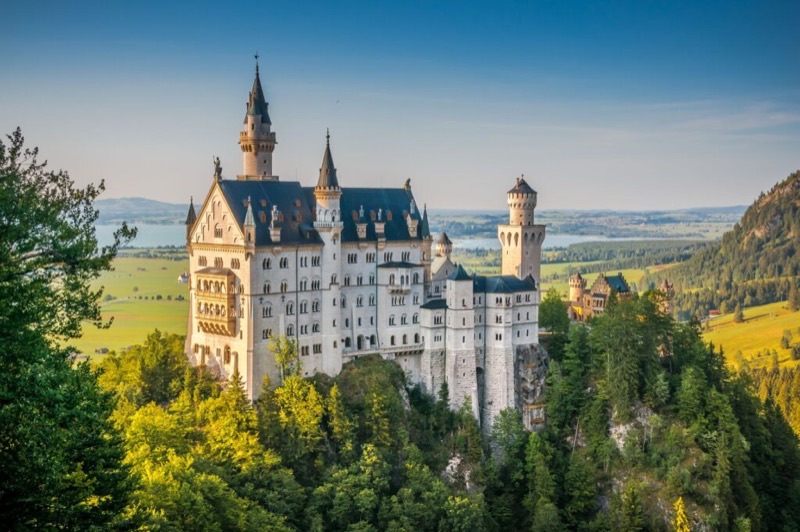
Opt for Germany if you're a history enthusiast or city explorer seeking unparalleled efficiency and rich cultural experiences. Delve into the profound history of Berlin's Museum Island and Brandenburg Gate, or explore majestic Bavarian castles. It's best for travelers who thrive on structured itineraries and appreciate a higher standard of organization, willing to spend $80-150 daily for a comprehensive journey.
Choose Portugal
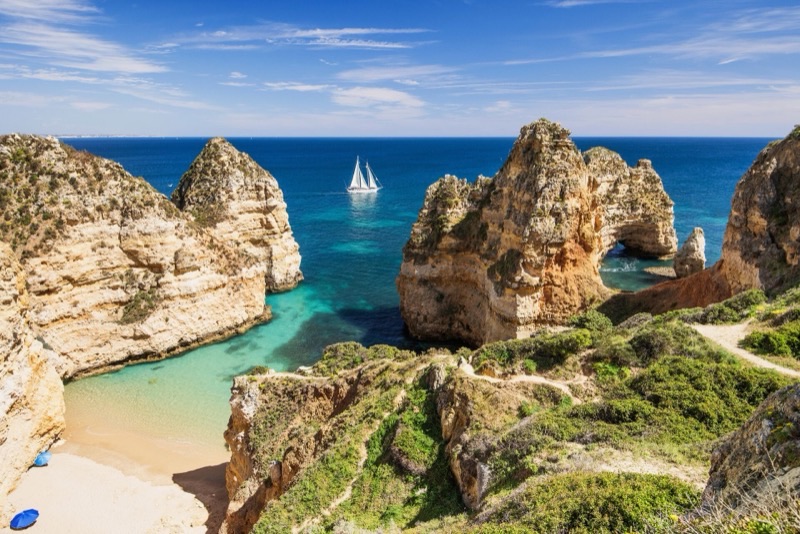
Choose Portugal if your ideal escape involves abundant sunshine, delicious and affordable seafood, and an effortlessly relaxed pace. Wander through the charming, historic alleys of Lisbon's Alfama district or unwind on the stunning beaches of the Algarve. This destination is best for foodies, sun-seekers, and budget-conscious travelers happy with a $50-100 daily spend for an authentic, leisurely experience.
📊 Visual Scorecard
🌤 When to Visit
Average high temperatures (°C). Green = best months, orange = avoid.
Quick Comparison
| Category | Germany | Portugal | Winner |
|---|---|---|---|
| Costs & Budget | Generally higher costs for accommodation, food, and transport, but good value for quality experiences. | Lower costs across the board, making it a budget-friendly option. | Portugal |
| Food & Drink | Hearty, meat-focused cuisine with excellent beer and wine regions. | Fresh seafood, pastries, and a strong coffee and wine culture. | Portugal |
| Culture & History | Deep history from Roman times to modern reunification, with many castles and museums. | Long maritime history, Moorish influences, and melancholic Fado music. | Tie |
| Nature & Beaches | Forests, mountains (Alps), and rivers; limited ocean access. | Extensive Atlantic coastline, dramatic cliffs, and sun-soaked beaches. | Portugal |
| Nightlife | Diverse nightlife from beer gardens to world-renowned clubs in Berlin. | Lively bar scenes, Fado houses, and a relaxed atmosphere. | Germany |
| Getting Around | Excellent, extensive, and punctual public transport network. | Good public transport in cities, but intercity options are less extensive. | Germany |
| Accommodation | Higher prices, good quality standards, fewer budget options outside hostels. | Better value, more charming boutique options, and budget-friendly choices. | Portugal |
| Safety | Low crime rates, generally safe for all travelers. | Low crime rates, generally safe, with pickpocketing common in tourist areas. | Tie |
| Weather & Seasons | Four distinct seasons, colder winters, moderate summers, rain possible. | Milder winters, hot, dry summers, and extensive sunshine. | Portugal |
| Solo Travel | Safe, efficient, but can be less overtly social. | Very safe, easy to meet people, budget-friendly. | Portugal |
💰 Costs & Budget
Travel in Germany requires a higher budget. Expect to pay €60-100 ($65-108) per night for a mid-range hotel outside Berlin or Munich, and €30-50 ($32-54) for a hostel bed in prime…
Germany
Portugal
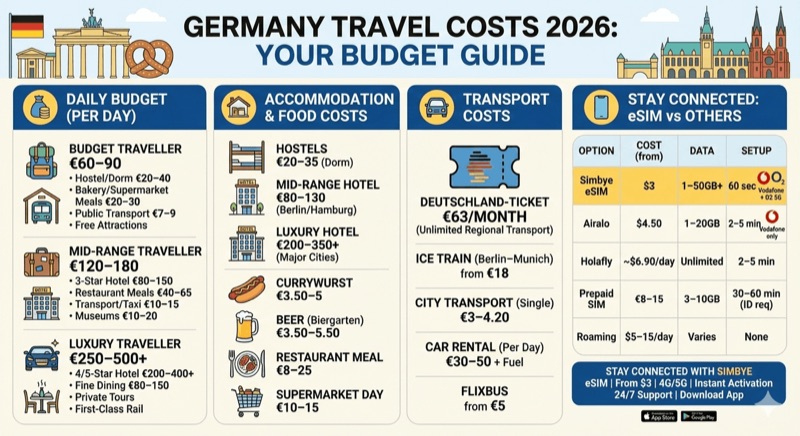
Travel in Germany requires a higher budget. Expect to pay €60-100 ($65-108) per night for a mid-range hotel outside Berlin or Munich, and €30-50 ($32-54) for a hostel bed in prime city locations. A sit-down restaurant meal typically costs €15-25 ($16-27), and a local beer around €4-5 ($4.30-5.40). Transport via Deutsche Bahn is efficient but can add up; a train from Berlin to Munich costs around €80-120 ($86-130) if not booked far in advance. Groceries from Rewe or Edeka are reasonably priced for self-catering, but daily expenses quickly surpass Portugal.
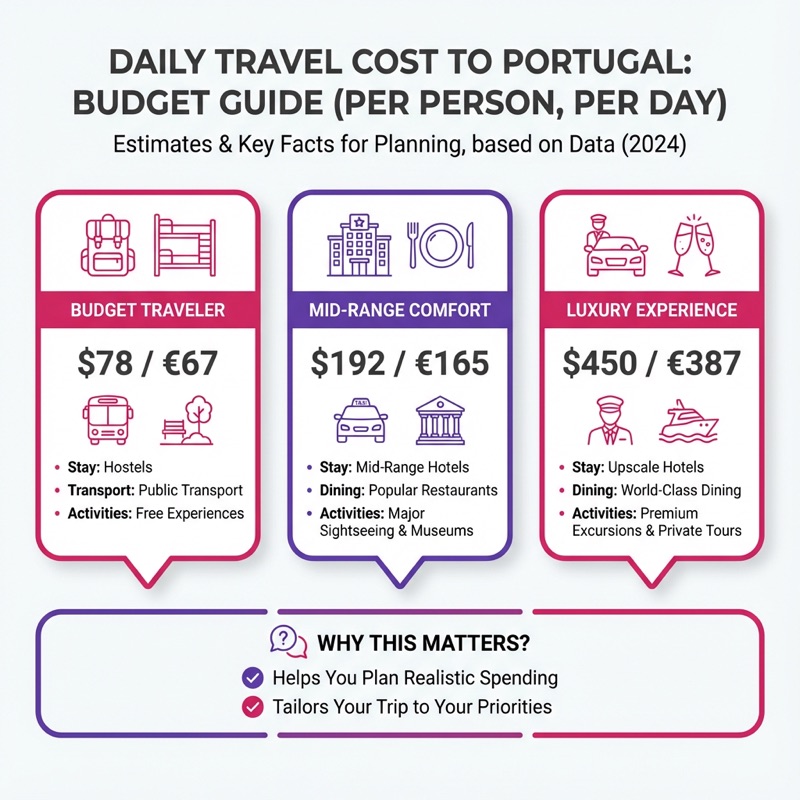
Portugal offers considerably more budget-friendly options. A mid-range hotel in Lisbon or Porto can be found for €40-70 ($43-76) per night, with hostels as low as €15-25 ($16-27). Meals at a local tasca, like those near Praça da Figueira in Lisbon, can be €8-15 ($9-16) for a full meal including wine. A pastel de nata is often less than €1 ($1.10). Intercity buses with Rede Expressos are cheaper than trains, a trip from Lisbon to Porto costs €20-30 ($22-32). Public transport in cities is also affordable, a single metro ticket in Lisbon is €1.65 ($1.80). Portugal allows for a much more relaxed approach to spending. tabiji verdict: Portugal is the clear winner for budget-conscious travelers aiming for extended trips.
- Winner: Portugal
- Why: Portugal provides a better value for accommodation, food, and local transportation, allowing a more relaxed budget.
- Who this matters for: Travelers on a tighter budget, backpackers, and those preferring longer trips.
🍽️ Food & Drink
German food is substantial and comforting. Think schnitzel, currywurst (Berlin street food for €4-5/$4.30-5.40), sauerkraut, and various sausages. Bavarian pretzels are a snack…

Germany

Portugal
German food is substantial and comforting. Think schnitzel, currywurst (Berlin street food for €4-5/$4.30-5.40), sauerkraut, and various sausages. Bavarian pretzels are a snack staple. Beer culture is central, with many regional breweries and beer gardens like Hofbräuhaus in Munich. German wine, especially Riesling from the Mosel region, is also highly regarded. Vegetarian options have increased in cities like Berlin but can be limited in smaller towns. Bakeries offer excellent bread and pastries.
Portugal excels in fresh, flavorful cuisine, especially seafood. Bacalhau (codfish) is prepared in hundreds of ways. Sardines, grilled octopus, and fresh shellfish are common, particularly along the coast. Lisbon has markets like Time Out Market (though touristy, still offers good options) and local tascas serving dishes like 'francesinha' in Porto. The pastry scene is led by pastel de nata (around €1/$1.10). Coffee is integral to daily life, and Portuguese wines, including Vinho Verde and Douro reds, are excellent value. The food experience feels more universally appealing and fresh. tabiji verdict: Portugal offers a more diverse and widely appealing culinary journey, especially for those who enjoy seafood and pastries.
- Winner: Portugal
- Why: Portugal provides a wider array of fresh seafood, diverse flavors, and iconic pastries at better prices.
- Who this matters for: Foodies, seafood lovers, and those who appreciate sweet treats and coffee culture.
🏛️ Culture & History
Germany offers a significant historical journey, from the Roman Limes to medieval castles like Neuschwanstein (entry €17.50/$19) and Heidelberg Castle. World War II and Cold War…
Germany
Portugal
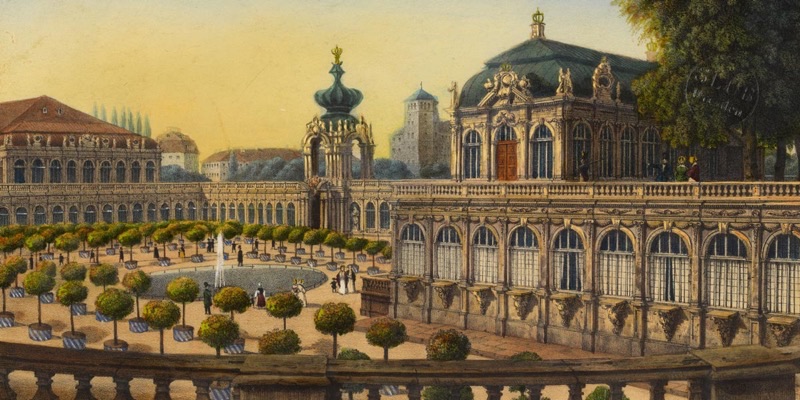
Germany offers a significant historical journey, from the Roman Limes to medieval castles like Neuschwanstein (entry €17.50/$19) and Heidelberg Castle. World War II and Cold War history are tangible in Berlin, with sites like the Brandenburg Gate, Reichstag Building, and the Berlin Wall Memorial. Many museums, such as Museum Island in Berlin, house collections spanning millennia. The country has a robust classical music tradition, with composers like Bach and Beethoven. Its cultural narrative is one of rebuilding and reflection.
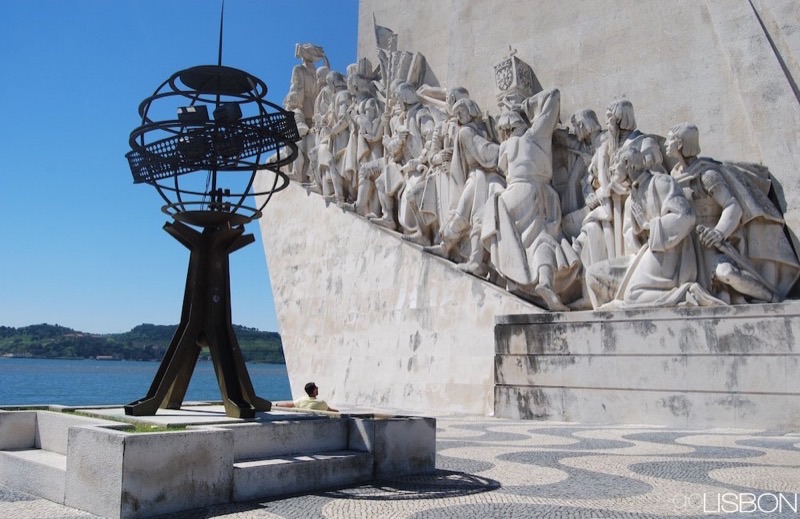
Portugal has an extensive maritime history, evident in Lisbon's Belém Tower and Jerónimos Monastery (entry €12/$13) and Porto's Ribeira district. Moorish influences are clear in the architecture of southern Portugal. Fado music, often heard in Lisbon's Alfama district, speaks to a melancholic yet resilient spirit. Sintra offers fairytale palaces like Pena Palace (entry €14/$15). The country also boasts ancient Roman ruins in Évora and a strong religious heritage. Both nations offer deep, layered historical and cultural experiences; Germany's is more about grand narratives and efficient preservation, Portugal's more about resilience and seafaring exploration. tabiji verdict: Both countries offer profoundly different but equally compelling cultural and historical experiences, making it a matter of personal interest.
- Winner: Tie
- Why: Both countries present significant, distinct historical and cultural narratives, appealing to different interests.
- Who this matters for: Travelers with specific interests in either grand European history (Germany) or maritime exploration and Moorish influences (Portugal).
🏖️ Nature & Beaches
Germany's natural environments include the Black Forest, Bavarian Alps (Zugspitze is the countrys highest peak), and the Rhine River Valley with its vineyards and castles. The…
Germany
Portugal
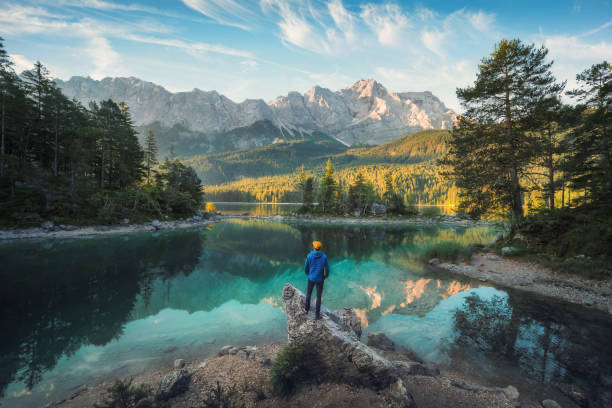
Germany's natural environments include the Black Forest, Bavarian Alps (Zugspitze is the countrys highest peak), and the Rhine River Valley with its vineyards and castles. The Baltic and North Sea coasts offer cold-water beaches and islands like Sylt, but these are not for sun-worshippers seeking warmth. Hiking and cycling are popular activities in areas like Saxon Switzerland National Park. Germany's landscapes are generally green, forested, and well-maintained, but lack the coastal allure of its southern counterpart.
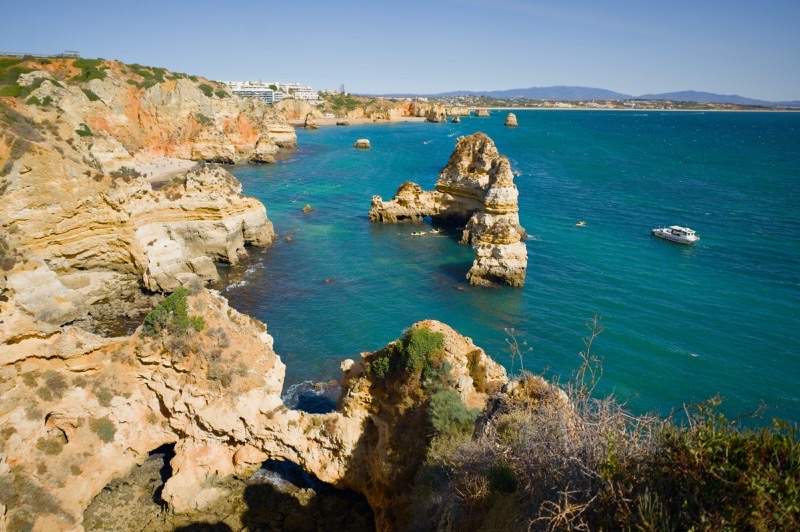
Portugal boasts an Atlantic coastline known for its dramatic cliffs and sandy beaches, especially in the Algarve region (e.g., Praia da Marinha, Praia da Falésia). Surfing is popular in Nazaré and Ericeira. The Azores and Madeira islands offer volcanic landscapes, lush forests, and unique hiking trails. Even near Lisbon, Cascais and Estoril provide accessible beach escapes. The countrys mild climate makes these natural attractions enjoyable for a longer part of the year. For those prioritizing ocean activities and warm weather, Portugal is undeniably better positioned. tabiji verdict: Portugal offers a more accessible and appealing array of coastal and warm-weather natural experiences.
- Winner: Portugal
- Why: Portugal has a superior, more extensive, and warmer coastline with impressive cliffs and beaches.
- Who this matters for: Beach lovers, surfers, sun-seekers, and those who enjoy dramatic coastal scenery.
🌃 Nightlife
Germany offers a range of nightlife options, but Berlin is in a league of its own. It is home to some of the world's most talked-about techno clubs like Berghain and Sisyphos,…

Germany
Portugal
Germany offers a range of nightlife options, but Berlin is in a league of its own. It is home to some of the world's most talked-about techno clubs like Berghain and Sisyphos, with parties extending through the weekend. Entrance fees are typically €15-25 ($16-27), and queues can be long. Munich has its traditional beer halls, while Cologne and Hamburg offer varied bar and club scenes. The nightlife across Germany is generally well-organized, with efficient transport even late at night. The focus in many cities shifts from traditional pubs to modern bars and clubs.
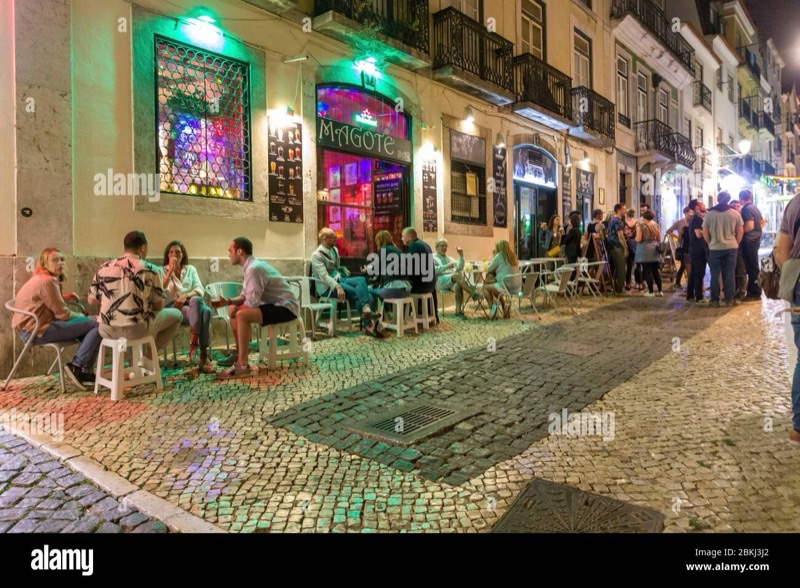
Portugal's nightlife is characterized by its lively street bar scenes, particularly in Lisbon's Bairro Alto or Porto's Galerias de Paris. Drinks are affordable, often €3-6 ($3.25-6.50) for a beer or glass of wine. Fado houses in Lisbon's Alfama district offer a traditional, atmospheric experience, but are not party spots. While there are clubs in Lisbon (e.g., LuxFrágil), they do not have the same global reputation or scale as Berlins venues. The atmosphere is generally more relaxed, focused on socializing in bars and squares. tabiji verdict: Germany, specifically Berlin, offers a more intense and internationally recognized club and nightlife experience.
- Winner: Germany
- Why: Germany, particularly Berlin, has a more diverse, extensive, and globally recognized club scene.
- Who this matters for: Party-goers, techno enthusiasts, and those seeking late-night club experiences.
🚆 Getting Around
Germany boasts one of the most efficient public transport systems in Europe. Deutsche Bahn (DB) operates an extensive network of trains connecting major cities and smaller towns.…
Germany boasts one of the most efficient public transport systems in Europe. Deutsche Bahn (DB) operates an extensive network of trains connecting major cities and smaller towns. High-speed ICE trains are comfortable but pricier; regional trains (RE, RB) are more economical. City public transport (U-Bahn, S-Bahn, trams, buses) in places like Berlin or Munich is clean, punctual, and easy to navigate. A single Berlin U-Bahn ticket costs €3 ($3.25), a day pass €8.80 ($9.50). Driving is also an option with the Autobahn, but parking in cities is difficult and expensive.
Portugal's city public transport in Lisbon (metro, trams, funiculars) and Porto (metro, buses) is effective, though less comprehensive than Germany's. A single metro ticket in Lisbon is €1.65 ($1.80). Intercity travel often relies on buses (Rede Expressos, FlixBus) which are cheaper than the slower train network. Distances are shorter, making driving a reasonable option for exploring regions like the Algarve, but road quality can vary outside major highways. While adequate, it lacks the seamless integration and speed of the German system. tabiji verdict: Germany offers a superior and more efficient experience for intercity and urban public transportation.
- Winner: Germany
- Why: Germany offers a more comprehensive, punctual, and higher-quality public transportation network across the country.
- Who this matters for: Travelers who prefer relying solely on public transport, value efficiency, and plan extensive intercity travel.
🏨 Accommodation
Accommodation in Germany generally comes at a higher price point. A well-located, mid-range hotel in Berlin or Munich can cost €90-150 ($97-162) per night, while budget options…
Accommodation in Germany generally comes at a higher price point. A well-located, mid-range hotel in Berlin or Munich can cost €90-150 ($97-162) per night, while budget options are often limited to large hostel chains like A&O Hostels (around €30-50/$32-54 for a dorm). Quality is consistently high, with clean rooms and good service. Booking in advance, especially for popular periods like Oktoberfest in Munich, is essential. Outside major cities, prices can drop slightly, but finding charming, inexpensive guesthouses is less common than in Portugal.
Portugal offers superior value for accommodation. You can find boutique hotels or guesthouses in Lisbon's Alfama district or Porto's Ribeira for €60-100 ($65-108) per night, often with breakfast included and a local feel. Hostels are plentiful and often highly rated, with dorm beds costing €15-30 ($16-32). Airbnbs are also a popular and generally affordable option. Even luxury stays are more attainable than in Germany. The overall quality-to-price ratio is more favorable, allowing travelers to stay in better locations or more comfortable settings for less money. tabiji verdict: Portugal offers a significantly better value proposition for accommodation across all budget levels.
- Winner: Portugal
- Why: Portugal provides better value and more charming accommodation options for all budget ranges.
- Who this matters for: Travelers seeking good value, boutique stays, or budget-friendly private rooms.
🔒 Safety
Germany is a very safe country for travelers. Serious crime is rare. Basic precautions apply, particularly in crowded train stations or major tourist areas, but personal safety is…
Germany is a very safe country for travelers. Serious crime is rare. Basic precautions apply, particularly in crowded train stations or major tourist areas, but personal safety is generally not a significant concern. Solo travelers, including women, report feeling secure exploring cities and rural areas even after dark. Emergency services are reliable and easily accessible. The overall sense of security allows for relaxed exploration and engagement with local life.
Portugal is also a very safe country, consistently ranking high on global peace indexes. The main concern for travelers is petty crime, particularly pickpocketing in crowded tourist zones like Lisbon's Tram 28 route or Alfama. Keeping valuables secure and being aware of surroundings largely mitigates this risk. Violent crime against tourists is uncommon. Solo travelers also report feeling secure. Both countries maintain high levels of public order and have responsive emergency services. tabiji verdict: Both Germany and Portugal offer comparable and high levels of safety for travelers, making them excellent choices in this regard.
- Winner: Tie
- Why: Both countries maintain low crime rates and provide a safe environment for all types of travelers.
- Who this matters for: All travelers, especially solo travelers and families, who prioritize security and peace of mind.
☀️ Weather & Seasons
Germany experiences four distinct seasons. Summers (June-August) are moderate, with average temperatures around 20-25°C (68-77°F), but rain showers are common. Winters…
Germany experiences four distinct seasons. Summers (June-August) are moderate, with average temperatures around 20-25°C (68-77°F), but rain showers are common. Winters (December-February) are cold, with temperatures often below freezing, and snow in many regions, especially the south. Spring and autumn are cool and can be damp but offer pleasant periods for sightseeing. For example, a visit to the Black Forest in October can be beautiful with fall colors but chilly. The weather is more predictable but less consistently sunny.
Portugal boasts a Mediterranean climate, characterized by milder, wetter winters and hot, dry summers. Average summer temperatures in Lisbon can reach 25-30°C (77-86°F), with many sunny days. The Algarve coast experiences even warmer temperatures and more sunshine hours. Winters are mild, rarely dipping below 10°C (50°F) in coastal areas, making it a good shoulder-season destination. Spring and autumn are warm and sunny, ideal for exploring without the peak summer crowds. For consistently pleasant weather and more outdoor time, Portugal is the better choice. tabiji verdict: Portugal offers a more consistently pleasant climate with more sunshine, especially appealing for those seeking warmth.
- Winner: Portugal
- Why: Portugal offers significantly more sunshine and warmer temperatures for a longer portion of the year.
- Who this matters for: Sun-seekers, beach enthusiasts, and travelers who prefer mild winters and hot summers.
🚶♀️ Solo Travel
Germany is an excellent destination for solo travelers due to its efficient infrastructure and high safety standards. Navigating cities and intercity travel is simple. Hostels are…
Germany is an excellent destination for solo travelers due to its efficient infrastructure and high safety standards. Navigating cities and intercity travel is simple. Hostels are plentiful, especially in major cities like Berlin, providing opportunities to meet other travelers. However, Germans can be perceived as more reserved than Southern Europeans, making spontaneous social interactions less common outside of dedicated social venues. For example, striking up conversations with locals in a casual setting might require more effort. Dining alone is normal and accepted.
Portugal is exceptionally welcoming to solo travelers. Its generally lower costs mean budget-friendly hostels are everywhere, making it easy to connect with others. The open and friendly nature of Portuguese people, combined with a lively bar culture, makes it easier to engage in conversation. Walking tours are popular and effective for meeting people. The compact nature of cities like Lisbon and Porto makes them easy to navigate alone, and distances between attractions are often walkable. The overall atmosphere feels more conducive to spontaneous social connections. tabiji verdict: Portugal offers a more naturally social and budget-friendly environment for solo travelers.
- Winner: Portugal
- Why: Portugal offers a more social atmosphere and is generally cheaper, making it easier for solo travelers to connect and manage costs.
- Who this matters for: Solo travelers looking to meet people, those on a budget, and individuals who appreciate a relaxed social environment.
🎯 The Decision Framework
Choose Germany If…
- You prioritize precise planning and efficient logistics.
- You are deeply interested in 20th-century history and Cold War narratives.
- You want to experience world-renowned techno club culture.
- You appreciate hearty, substantial food and excellent beer.
- You prefer cooler climates or distinct seasonal changes.
- You value extensive, punctual public transportation.
- You seek grand castles and medieval towns.
- You want to explore significant art and historical museums.
Choose Portugal If…
- You crave sunshine, beaches, and coastal landscapes.
- You are a seafood enthusiast and enjoy fresh, flavorful cuisine.
- You prefer a more relaxed pace and spontaneous exploration.
- You are traveling on a moderate or tighter budget.
- You enjoy charming, walkable historic city centers.
- You appreciate a warm, hospitable local culture.
- You are interested in Fado music and Portuguese maritime history.
- You want to easily connect with other travelers, especially as a solo explorer.
📅 Sample Itineraries
Weekend in Germany (3 Days)
💡 Purchase a Berlin WelcomeCard for $25-45 (depending on duration/zones) to save on public transport and museum entries.
Weekend in Portugal (3 Days)
💡 Purchase a Lisboa Card for $25-55 (depending on duration) to cover public transport and give discounts or free entry to many attractions, including Sintra train travel.
One Week in Germany (7 Days)
💡 For train travel between cities, book ICE tickets in advance (weeks or months) on Deutsche Bahn to secure cheaper fares, potentially saving 30-50% on standard prices.
One Week in Portugal (7 Days)
💡 For domestic travel, booking train tickets (CP - Comboios de Portugal) online in advance can provide discounts, especially on longer routes like Lisbon to Porto, saving around 10-20%.
❓ Frequently Asked Questions
Which country is better for a two-week trip?
For a two-week trip, Portugal allows for more extensive exploration of its diverse regions, from Lisbon to the Algarve, without feeling rushed due to shorter distances. Germany, while offering depth, often requires more travel time between its major attractions, making a two-week trip feel more focused on one or two regions.
What are the average flight times from the East Coast US?
Direct flights from major East Coast US cities like New York (JFK/EWR) to Lisbon (LIS) typically take around 6.5-7 hours. Flights to Frankfurt (FRA) or Munich (MUC) are usually 7-8 hours. Both are relatively similar in flight duration.
Is English widely spoken in both countries?
In both Germany and Portugal, English is widely spoken in tourist areas, major cities, and among younger generations. However, in smaller towns in Germany, less English may be spoken. In Portugal, even in smaller areas, many locals will know basic English, especially in the hospitality sector.
Which country offers better value for wine?
Portugal offers significantly better value for high-quality wine. You can find excellent regional wines, including Vinho Verde and Douro reds, for €3-8 ($3.25-8.70) in supermarkets or local restaurants. German wines, while excellent (especially Rieslings), tend to be pricier, often €7-15 ($7.60-16) for a similar quality bottle.
What is the best time of year to visit each?
For Germany, late spring (May-early June) or early autumn (September-early October) offer pleasant temperatures and fewer crowds. For Portugal, spring (April-May) and autumn (September-October) provide warm, sunny weather ideal for sightseeing and beaches, avoiding the peak summer heat and crowds.
Are day trips easy to arrange from major cities?
Yes, day trips are straightforward from major cities in both. From Berlin, Potsdam (S-Bahn: 30 mins, €3.80/$4.10) is simple. From Munich, Neuschwanstein Castle requires a longer train journey and bus. From Lisbon, Sintra (train: 40 mins, €2.30/$2.50) is very easy. Porto offers day trips to the Douro Valley. Both countries have efficient transport for this.
Which country has better hiking opportunities?
Both offer good hiking, but for different experiences. Germany provides trails through dense forests like the Black Forest and mountain paths in the Bavarian Alps. Portugal excels in coastal hiking, particularly along the Rota Vicentina in the Algarve, offering dramatic cliffside views and sea breezes. The choice depends on your preference for mountains/forests or coastal paths.
Can I use Euros in both countries?
Yes, both Germany and Portugal are members of the Eurozone, so the Euro (€) is the official currency in both countries. This makes currency exchange straightforward if you are traveling between them.
Ready to plan your European adventure?
Get a free custom itinerary for Germany, Portugal, or both — built from real traveler insights.
👥 Travelers Also Compared
🎟️ Book Tours & Experiences
Hand-picked tours and activities for both destinations — book with free cancellation
Experiences via Viator — free cancellation on most tours