How we built this comparison
This page combines traveler discussion patterns, published price ranges, flight schedules, and seasonal data to help you decide between Germany and Scotland.
- Reviewed 50+ Reddit threads from r/travel, r/solotravel, r/Germany, r/Scotland, r/germanytravel, r/scotlandtravel.
- Verified costs and logistics against current booking platforms (e.g., Booking.com, Deutsche Bahn, ScotRail, airline sites).
- Cross-referenced seasonal patterns and weather data from meteorological sources.
⚡ Quick Answers
⚡ The TL;DR Verdict
For most travelers seeking a blend of cultural experiences, efficient transport, and varied regional scenes, Germany comes out ahead. It offers a broader range of activities from city exploration to mountain hikes without feeling as remote. Scotland is the pick for those who prioritize dramatic natural spaces and a slower travel pace. Budget-wise, expect to spend $70-120/day in Germany and $60-110/day in Scotland for a comfortable mid-range trip.
- Choose Germany: Go for Germany if you want well-connected cities, serious history, diverse regional food, and an efficient train system to move between distinct cultural zones like Bavaria, Berlin, or the Rhine Valley. It suits those who appreciate structure and a wider array of urban experiences.
- Choose Scotland: Pick Scotland for raw, dramatic landscapes, a rich storytelling tradition, and a focus on outdoor pursuits like hiking or exploring ancient sites. It is better for travelers who prefer smaller cities, pub culture, and are prepared for changeable weather and potentially slower travel between remote areas.
- Choose Both: If you have 3+ weeks, you could combine both. Start with Germany's cities and castles, then fly to Edinburgh (around 2-hour flight, ~$80-150) to experience Scotland's Highlands. This requires a dedicated budget for flights and managing two distinct travel styles.
Choose Germany
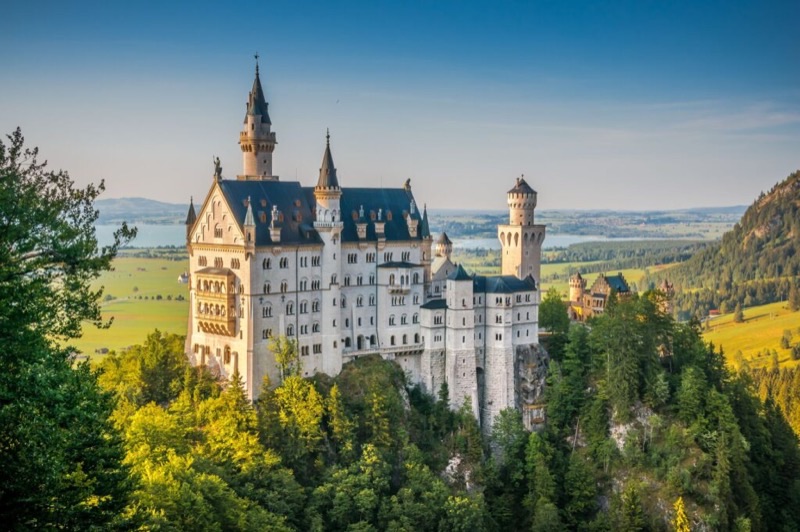
Germany is ideal for travelers craving a rich tapestry of history, art, and efficient modern living. Explore Berlin's iconic Brandenburg Gate and vibrant arts scene, cruise the romantic Rhine Valley, or enjoy Oktoberfest's festive atmosphere in Bavaria. It's best for those who appreciate seamless travel between diverse urban and scenic regions on a comfortable mid-range budget ($70-120/day).
Choose Scotland
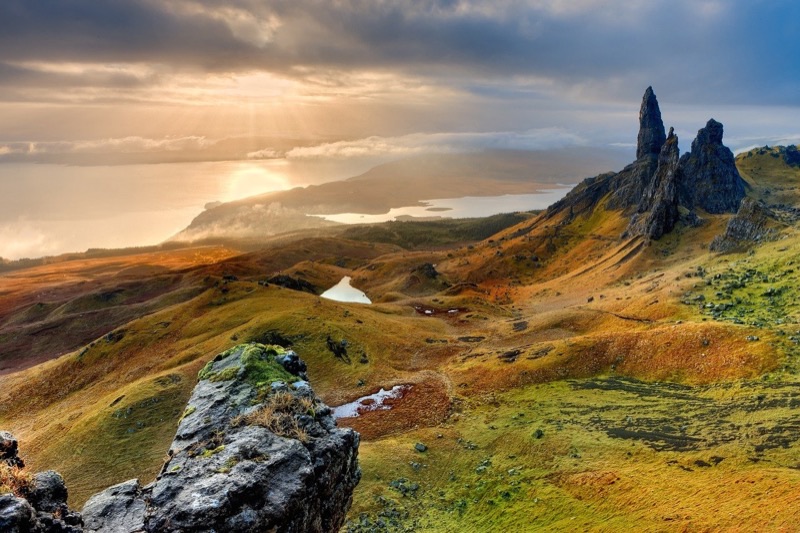
Pick Scotland for an immersive journey into breathtaking, rugged landscapes and ancient mystique. Hike through the dramatic Scottish Highlands, explore historic Edinburgh Castle, or cozy up in a traditional pub with local whisky. It's best for adventurers and culture lovers seeking raw natural beauty, a relaxed pace, and a unique blend of heritage and hospitality, often on a slightly more budget-friendly trip ($60-110/day).
📊 Visual Scorecard
🌤 When to Visit
Average high temperatures (°C). Green = best months, orange = avoid.
Quick Comparison
| Category | Germany | Scotland | Winner |
|---|---|---|---|
| Costs & Budget | Mid-range daily budget for Germany is $70-120, efficient train travel, affordable supermarket food. | Mid-range daily budget for Scotland is $60-110, car rental often necessary for Highlands, pub meals are good value. | Scotland |
| Getting There | Numerous direct flights from North America to major hubs like Frankfurt (FRA), Munich (MUC), Berlin (BER). | Fewer direct flights from North America, primarily to Edinburgh (EDI) and Glasgow (GLA). | Germany |
| Getting Around | Extensive, efficient rail network (Deutsche Bahn), good city public transport. | Reliant on buses and car rental for Highlands; train connections less comprehensive. | Germany |
| Food & Drink | Hearty regional dishes like Currywurst, Schnitzel; excellent beer culture, diverse international cuisine. | Traditional pub fare, haggis, fresh seafood, Scotch whisky distilleries, craft beer. | Germany |
| Nightlife | Berlin's club scene is world-renowned; varied options from beer gardens to upscale bars across cities. | Pub culture is central; Edinburgh and Glasgow have good bar scenes, some clubs. | Germany |
| Culture & History | Roman ruins, medieval castles, Cold War history, art museums, classical music heritage. | Ancient castles, Jacobite history, clan culture, Scottish Enlightenment, literary heritage. | Germany |
| Nature & Outdoors | Bavarian Alps, Black Forest, Rhine Valley, Baltic Sea coast; well-maintained hiking trails. | Dramatic Highlands, lochs, islands (Skye, Outer Hebrides), rugged coastlines; extensive hiking. | Scotland |
| Accommodation | Wide range from hostels to luxury hotels; guesthouses common in smaller towns. | B&Bs are prevalent; hostels in cities and popular hiking areas; fewer large chain hotels outside main cities. | Germany |
| Solo Travel | Easy to navigate alone, safe, hostels common, good opportunities to meet people. | Safe for solo travel, pub culture encourages interaction, group tours for Highlands are good. | Germany |
| Weather & Seasons | Warm summers (June-Aug), mild springs/autumns, cold winters with snow; generally drier. | Cooler summers, wet year-round, unpredictable weather; midge season in summer. | Germany |
💰 Costs & Budget
Germany offers good value if you stick to local eateries, use public transport, and opt for hostels or guesthouses. A hostel bed in Berlin or Munich runs €30-50 ($33-55) per…
Germany

Scotland
Germany offers good value if you stick to local eateries, use public transport, and opt for hostels or guesthouses. A hostel bed in Berlin or Munich runs €30-50 ($33-55) per night. A casual meal with a drink costs €12-18 ($13-20). Intercity train tickets can add up, but day passes for local transport in cities are around €8-10 ($9-11). Museum entries typically range from €10-15 ($11-16). Groceries are inexpensive, allowing for significant savings if you cook some meals.
Scotland often feels slightly cheaper for daily expenses, especially outside Edinburgh and Glasgow. A hostel bed in Edinburgh is £25-45 ($31-56), while a B&B in a smaller town might be £60-90 ($75-112). Pub meals are hearty and cost £10-18 ($12-22). Car rental is often necessary for exploring the Highlands, adding £30-60 ($37-75) per day plus fuel. Attraction entries, like castles, are around £15-20 ($19-25). Public transport within cities is efficient, but intercity buses or trains, especially to remote areas, can be less frequent and sometimes more expensive than in Germany. tabiji verdict: Scotland pulls ahead slightly on overall daily costs, particularly for food and some accommodation outside the main cities.
- Winner: Scotland
- Why: Scotland typically has lower daily costs for food and accommodation, especially if you explore beyond the major cities.
- Who this matters for: Budget-conscious travelers and those planning longer trips.
✈️ Getting There
Germany is a major European aviation hub with extensive connectivity. Direct flights from major US East Coast cities like New York (JFK/EWR) to Frankfurt (FRA) or Munich (MUC)…
Germany
Scotland
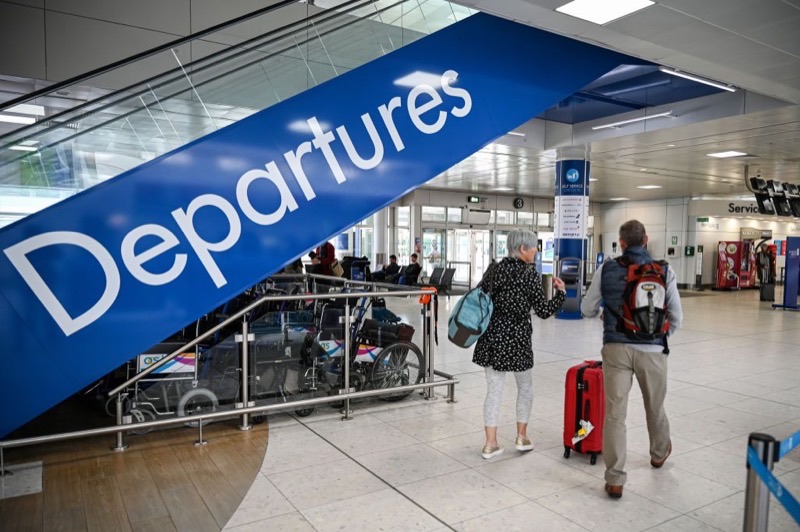
Germany is a major European aviation hub with extensive connectivity. Direct flights from major US East Coast cities like New York (JFK/EWR) to Frankfurt (FRA) or Munich (MUC) typically take 7-8 hours, with fares ranging from $600-900 roundtrip. Berlin (BER) also has direct connections, often slightly longer at 8-9 hours from the US West Coast, but can be found for $700-1000. These airports are well-served by ground transport into their respective cities.
Scotland has direct flight connections, but they are less frequent and from fewer origins than Germany. From US East Coast cities, direct flights to Edinburgh (EDI) or Glasgow (GLA) take 6-7 hours, with roundtrip fares often $500-800. West Coast travelers will almost always have a layover. While fewer direct routes exist, the overall flight duration is often shorter due to Scotland's position further north and west in Europe. tabiji verdict: Germany's broader range of direct routes and larger airport capacity makes it easier to find flight options.
- Winner: Germany
- Why: Germany offers more direct flight options from various global hubs, making access simpler and often more competitive on price.
- Who this matters for: Travelers prioritizing convenience and a wider selection of flight times/airlines.
🚆 Getting Around
Germany's public transportation system is a model of efficiency. The Deutsche Bahn (DB) offers high-speed trains (ICE) connecting major cities like Berlin, Hamburg, Munich, and…
Germany
Scotland
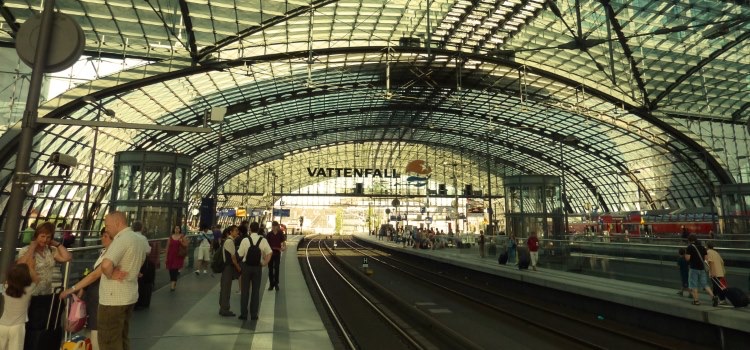
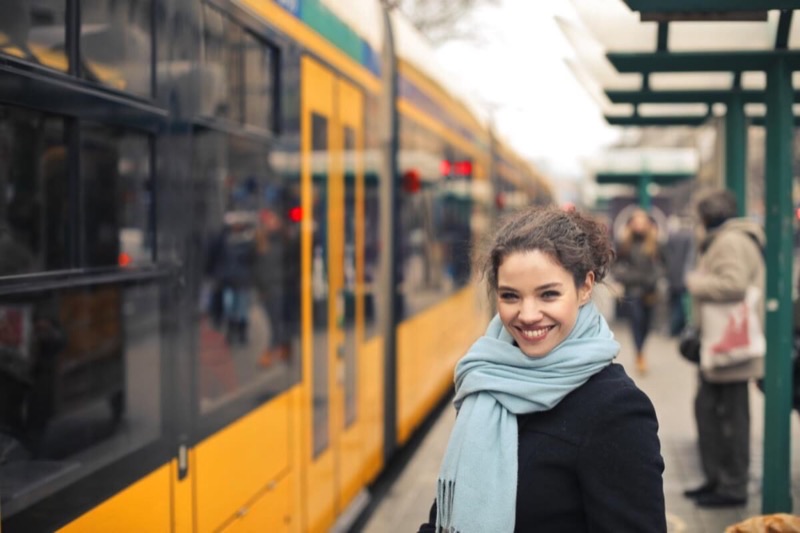
Germany's public transportation system is a model of efficiency. The Deutsche Bahn (DB) offers high-speed trains (ICE) connecting major cities like Berlin, Hamburg, Munich, and Cologne with precision. A high-speed journey from Berlin to Munich takes about 4-5 hours and costs €50-100 ($55-110) if booked in advance. City public transport (U-Bahn, S-Bahn, trams, buses) is clean, reliable, and covers almost everywhere, with day passes around €8-10 ($9-11). Driving on the Autobahn offers an experience, but urban centers are well-suited to car-free travel.
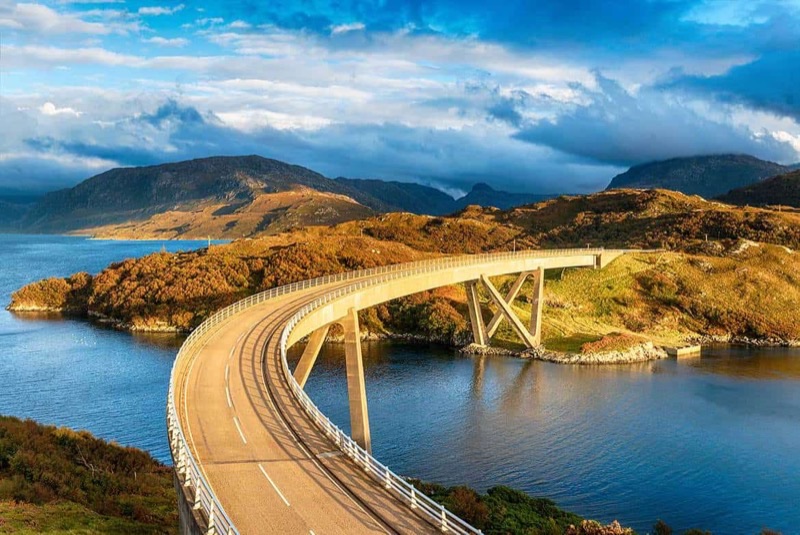
Scotland's public transport serves its major cities well, with buses and trains connecting Edinburgh and Glasgow efficiently (train £14-18/$17-22 one-way, 1 hour). However, exploring the Highlands without a car is challenging. Buses are available but often infrequent and slow. Train lines extend to some northern towns like Inverness or Mallaig but miss many scenic areas. Renting a car, typically £30-60 ($37-75) per day, is recommended for freedom, but be prepared for single-track roads and passing places. tabiji verdict: Germany's integrated and comprehensive transport network significantly streamlines travel within the country.
- Winner: Germany
- Why: Germany's highly developed and interconnected train system makes travel between cities and regions exceptionally easy and fast.
- Who this matters for: Travelers who prefer not to drive and rely on public transportation.
🥨 Food & Drink
German cuisine is regional and hearty. In Berlin, a Currywurst costs €4-6 ($4.50-6.50). In Bavaria, Weißwurst and pretzels are common. Schnitzel is widespread, costing €15-25…
Germany

Scotland
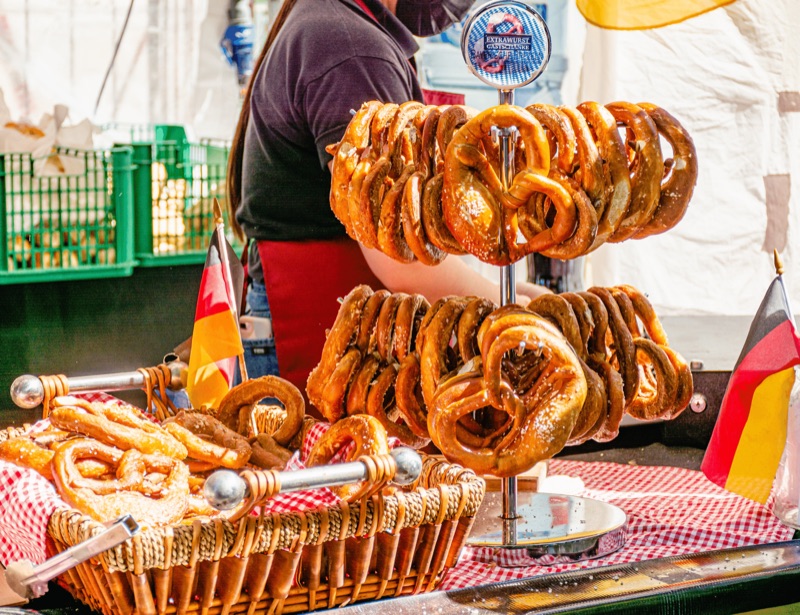
German cuisine is regional and hearty. In Berlin, a Currywurst costs €4-6 ($4.50-6.50). In Bavaria, Weißwurst and pretzels are common. Schnitzel is widespread, costing €15-25 ($16-27) in a restaurant. The beer culture is a core element, with local brews available everywhere, a half-liter costing €3-5 ($3.30-5.50). Cities like Berlin also host a thriving international food scene, from Vietnamese to Middle Eastern, with casual meals from €10 ($11). Farmers markets offer fresh produce and local specialties. German bakeries are excellent for breakfast items and pastries.
Scottish food relies on quality local produce and traditional cooking. Haggis, neeps, and tatties are a classic, found in pubs for £12-18 ($15-22). Fish and chips are readily available for £8-12 ($10-15). Seafood, especially in coastal areas, is excellent but can be pricier. The whisky industry is central, with distillery tours often £15-30 ($19-37). Craft beer is gaining popularity, but traditional real ales are common. Pubs are the social hub for eating and drinking, often offering comfort food and a wide selection of drinks. tabiji verdict: Germany offers a broader and more diverse culinary experience, combining traditional fare with strong international influences.
- Winner: Germany
- Why: Germany provides a wider array of regional culinary styles and an extensive, established beer culture, alongside diverse international options.
- Who this matters for: Food enthusiasts and those who appreciate varied dining experiences beyond traditional pub fare.
🎶 Nightlife
Germany, particularly Berlin, is known for its extensive and unique nightlife. Clubs like Berghain/Panorama Bar are legendary for electronic music, staying open for days (entry…

Germany
Scotland
Germany, particularly Berlin, is known for its extensive and unique nightlife. Clubs like Berghain/Panorama Bar are legendary for electronic music, staying open for days (entry €15-25/$16-27, cash only). Beyond techno, Berlin offers a huge range of bars, speakeasies, and smaller music venues. Munich has its beer halls, like Hofbräuhaus, which provide a communal, boisterous atmosphere (beer liter €10-12/$11-13). Cologne and Hamburg also have active bar and club scenes catering to various tastes. Most major cities have districts dedicated to late-night entertainment.
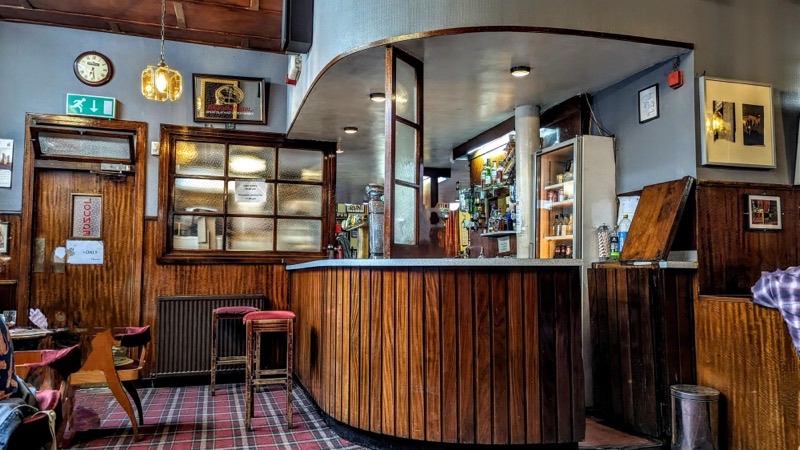
Scotland's nightlife revolves around its pubs. Edinburgh's Old Town and Grassmarket areas have numerous pubs and bars, some with live folk music, where a pint costs £4-6 ($5-7.50). Glasgow has a stronger reputation for clubs and live music venues, especially for rock and indie. While there are clubs, they don't reach the scale or specific subculture intensity found in Berlin. The focus is more on social drinking, conversation, and enjoying local music. tabiji verdict: Germany, specifically Berlin, offers a depth and breadth of nightlife experiences that Scotland cannot match.
- Winner: Germany
- Why: Germany, especially Berlin, has a globally recognized club scene and a wide variety of late-night entertainment options.
- Who this matters for: Party-goers, electronic music fans, and those seeking diverse evening activities.
🏛️ Culture & History
Germany's history spans from Roman times to the modern era, leaving layers of cultural sites. You can find Roman gates in Trier, medieval castles like Neuschwanstein (entry…
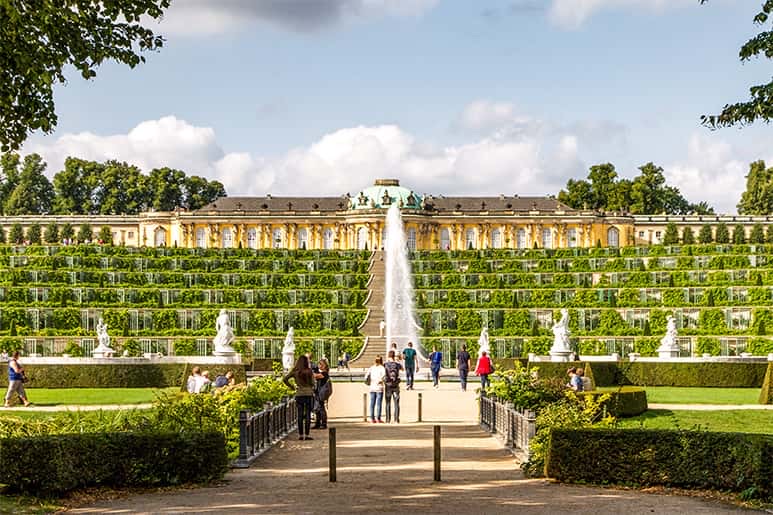
Germany's history spans from Roman times to the modern era, leaving layers of cultural sites. You can find Roman gates in Trier, medieval castles like Neuschwanstein (entry €17.50/$19), and significant World War II and Cold War sites in Berlin (e.g., Brandenburg Gate, Reichstag, Berlin Wall Memorial - free/€10-15). Museum Island in Berlin contains multiple museums, with a day ticket around €19 ($21). Germany is also the birthplace of many classical composers and philosophers, reflected in its opera houses and academic institutions. Its regional identities, from Bavaria to the Hanseatic League cities, add further dimensions.
Scotland offers a history tied to clans, battles, and kings. Edinburgh Castle (entry £18-20/$22-25) is a prime example of its medieval fortifications. Sites related to Mary Queen of Scots and the Jacobite rebellions are spread across the country. The Scottish Enlightenment brought intellectual figures, and the country has a strong literary heritage (Robert Burns, Sir Walter Scott). Ancient standing stones and cairns, like those on Orkney, provide insights into prehistoric life. The National Museum of Scotland (free entry) in Edinburgh covers many aspects. tabiji verdict: Germany offers a broader and more diverse historical timeline and cultural movements, from ancient to modern, appealing to a wider set of interests.
- Winner: Germany
- Why: Germany encompasses a wider historical scope, from Roman influences to medieval castles and significant modern history, alongside a rich classical arts tradition.
- Who this matters for: History buffs with broad interests, classical music fans, and those interested in recent European history.
🏞️ Nature & Outdoors
Germany has varied natural settings, from the Alps in the south to the flat North Sea coast. The Bavarian Alps provide hiking and skiing opportunities, with Zugspitze offering…
Germany has varied natural settings, from the Alps in the south to the flat North Sea coast. The Bavarian Alps provide hiking and skiing opportunities, with Zugspitze offering Germany's highest peak accessible by cable car (return €63/$69). The Black Forest has extensive walking trails through dense woods. The Rhine Valley offers river cruises and vineyards set against hills. National parks like Saxon Switzerland provide unique sandstone formations for climbing and hiking. Germany's outdoor spaces are generally well-marked, accessible, and often come with facilities.
Scotland's landscapes are often more raw and dramatic. The Scottish Highlands are famous for their vast moorlands, towering mountains (Munros), and deep lochs. The Isle of Skye is a popular spot for hiking at the Quiraing or the Old Man of Storr. Coastal areas like the Outer Hebrides offer remote beaches and rugged cliffs. Opportunities for wild camping, hillwalking, and wildlife spotting are extensive. The weather can change quickly, adding to the challenge and character of outdoor activities. tabiji verdict: Scotland's unrefined, epic scenery delivers a more impactful and immersive outdoor experience for those seeking dramatic natural spaces.
- Winner: Scotland
- Why: Scotland's Highlands, lochs, and islands offer a more dramatic and raw natural environment, appealing to adventurers and landscape photographers.
- Who this matters for: Hikers, photographers, and those seeking remote, wild natural beauty.
🏨 Accommodation
Germany offers a comprehensive range of accommodation options. In cities, you'll find hostels from €30-50 ($33-55) per night for a dorm bed, mid-range hotels for €80-150 ($88-165)…
Germany offers a comprehensive range of accommodation options. In cities, you'll find hostels from €30-50 ($33-55) per night for a dorm bed, mid-range hotels for €80-150 ($88-165) per night, and plenty of apartments for rent on platforms like Booking.com. Guesthouses (Gasthäuser) in smaller towns and rural areas provide good value and local charm, often including breakfast for €60-100 ($66-110). Booking in advance, especially during peak seasons or major festivals, is advisable to secure better prices and availability.
Scotland's accommodation landscape often leans heavily on B&Bs, particularly outside of Edinburgh and Glasgow. A typical B&B room can cost £60-100 ($75-125) per night, often with breakfast included. Hostels are available in cities and popular hiking hubs like Fort William or Portree, costing £25-45 ($31-56) for a dorm bed. Hotels, especially major chain ones, are concentrated in the larger cities. In remote areas, choices can be limited and pricey, making early booking crucial. tabiji verdict: Germany's broader selection of hotels, guesthouses, and apartments across all price points provides more consistent availability and competitive pricing.
- Winner: Germany
- Why: Germany has a larger, more diverse, and generally more available range of accommodation types across different budgets and regions.
- Who this matters for: Travelers seeking varied lodging options, from budget to luxury, with good availability.
🚶 Solo Travel
Germany is an excellent destination for solo travelers. Its efficient public transport system makes moving between cities and exploring independently simple and stress-free.…
Germany is an excellent destination for solo travelers. Its efficient public transport system makes moving between cities and exploring independently simple and stress-free. Cities like Berlin and Munich have numerous hostels (dorms €30-50/$33-55) with social atmospheres, making it easy to meet other travelers. Safety is generally high, and English is widely spoken in tourist areas. Joining walking tours, pub crawls, or attending events provides natural opportunities for interaction without needing a companion. Germans are generally reserved but helpful if approached respectfully.
Scotland is also very welcoming to solo travelers. Pubs provide a natural setting for conversation with locals and other visitors. Hostels in Edinburgh, Glasgow, and popular Highland towns (dorms £25-45/$31-56) facilitate meeting people. Many solo travelers opt for organized group tours to explore the Highlands, which removes the stress of driving alone and offers built-in social interaction. Safety is high, and locals are generally friendly and open. However, outside of tourist hubs, public transport can be less frequent, requiring more planning for solo exploration. tabiji verdict: Germany's superior transport network and diverse urban environments offer a slightly easier and more varied experience for independent solo exploration.
- Winner: Germany
- Why: Germany's robust and simple public transportation system and diverse urban social scenes make independent solo travel particularly straightforward and accessible.
- Who this matters for: First-time solo travelers or those who prefer urban exploration without driving.
☀️ Weather & Seasons
Germany experiences four distinct seasons. Summers (June-August) are generally warm, with temperatures often reaching 20-28°C (68-82°F), making it pleasant for outdoor activities…
Germany experiences four distinct seasons. Summers (June-August) are generally warm, with temperatures often reaching 20-28°C (68-82°F), making it pleasant for outdoor activities and city strolls. Spring and autumn are mild and suitable for travel, with average temperatures of 10-18°C (50-64°F). Winters (Dec-Feb) are cold, with temperatures often below freezing, and snow is common, especially in the south, suitable for Christmas markets and winter sports. Rainfall is distributed throughout the year but generally less frequent than in Scotland.
Scotland's weather is notoriously unpredictable and can change rapidly. Summers (June-August) are cool, with average temperatures of 15-20°C (59-68°F), and often wet. Midges (small biting insects) are prevalent in the Highlands during summer, especially at dusk and dawn. Spring and autumn are cool and windy. Winters are cold and damp, with snow possible, especially in higher elevations. Expect rain at any time of year, making waterproof gear essential. The consistent cooler temperatures and higher chance of rain can impact outdoor plans. tabiji verdict: Germany offers more reliable and generally warmer weather across its seasons, making planning less dependent on sudden changes.
- Winner: Germany
- Why: Germany generally provides more predictable and warmer weather, especially in summer, which allows for more consistent outdoor planning.
- Who this matters for: Travelers who prefer warmer temperatures and less unpredictable conditions, and those sensitive to biting insects.
🎯 The Decision Framework
Choose Germany If…
- You want a deep dive into diverse European history, from Roman to Cold War.
- You appreciate efficient, high-speed train travel between major cities.
- You're keen to explore a broad range of regional cuisines beyond one national stereotype.
- You seek extensive, organized nightlife, especially electronic music clubs.
- You prefer generally warmer, more predictable summer weather for sightseeing.
- You want excellent value for quality accommodation and food across many price points.
- You appreciate well-maintained infrastructure and clear signage for independent travel.
- You are interested in cultural experiences like Christmas markets or large festivals.
- You want a wider choice of direct flights into Europe from North America.
Choose Scotland If…
- You prioritize dramatic, rugged landscapes and extensive outdoor hiking.
- You are fascinated by ancient castles, clan history, and Jacobite lore.
- You enjoy a strong pub culture for social interaction and traditional meals.
- You want to visit whisky distilleries and explore the nuances of Scotch.
- You are prepared for unpredictable weather and embrace its contribution to the landscape.
- You prefer a slower pace of travel, especially when exploring remote areas.
- You plan to rent a car to explore off-the-beaten-path areas freely.
- You appreciate the chance for wild camping and solitude in nature.
- You seek an authentic, story-rich cultural experience with warm, friendly locals.
📅 Sample Itineraries
Weekend in Germany (3 Days)
💡 Purchase a Berlin Welcome Card for 48 or 72 hours, offering unlimited public transport and discounts on attractions, potentially saving you $10-15 on transport and museum entries.
Weekend in Scotland (3 Days)
💡 Opt for a multi-day bus pass in Edinburgh for around $10-15. This is more economical than buying individual tickets if you plan on using public transport frequently to explore the city.
One Week in Germany (7 Days)
💡 For regional train travel within Bavaria, consider purchasing a "Bayern-Ticket" for about $29 for one person, which offers significant savings compared to standard tickets for day trips.
One Week in Scotland (7 Days)
💡 If traveling with a group, renting a car to explore the Highlands can be more cost-effective than organized tours, potentially saving $50-100 per person over a few days of exploration.
❓ Frequently Asked Questions
Is Germany or Scotland more affordable for a 10-day trip?
Scotland can be slightly more affordable. A 10-day trip focusing on cities and some Highlands could average $60-110 per day (£48-88), totaling $600-1100. Germany would likely be $70-120 per day (€64-110), totaling $700-1200, due to higher transport costs for its extensive train network and sometimes higher city accommodation prices.
Which country has better opportunities for hiking and nature exploration?
Scotland generally offers more dramatic and wild natural environments for hiking. The Scottish Highlands and islands provide remote, rugged terrain and iconic landscapes like the Isle of Skye. Germany has excellent hiking in areas like the Bavarian Alps and Black Forest, but these are often more structured and less remote than Scotland's expansive wilderness.
What are the key differences in food between Germany and Scotland?
Germany's food is regional, hearty, with strong traditions of sausage (Currywurst), Schnitzel, and pretzels, alongside a significant beer culture. Scotland's food centers on pub fare, traditional dishes like haggis, fresh seafood, and is famous for its whisky distilleries. Germany offers more diverse international cuisine in its cities.
Which country is easier to navigate without a rental car?
Germany is significantly easier to navigate without a rental car. Its Deutsche Bahn train network is extensive, fast, and covers most major cities and towns efficiently. Scotland's public transport is good in cities but becomes sparse and less frequent when trying to reach remote areas of the Highlands, often necessitating a car or organized tour.
Which country is better for a first-time solo traveler?
Germany is slightly better for a first-time solo traveler. Its efficient public transport, high safety levels, and clear infrastructure make independent navigation simpler. While Scotland is also safe, the need for a car in many scenic areas can add complexity for a solo traveler compared to Germany's train-centric travel.
Can I combine a trip to Germany and Scotland?
Yes, but allocate at least 2-3 weeks to avoid rushing. You can fly directly between major German cities (e.g., Berlin, Frankfurt) and Scottish cities (Edinburgh, Glasgow) in approximately 2-2.5 hours. Expect flight costs around $80-150 (€73-137) one-way, in addition to your overall budget for each country.
When is the best time to visit each country for good weather?
For Germany, late spring (May-June) or early autumn (Sept-Oct) offer pleasant temperatures (15-22°C / 59-72°F) and fewer crowds. Summer (July-August) is warmest (20-28°C / 68-82°F) but busier. For Scotland, July and August offer the 'warmest' temperatures (15-20°C / 59-68°F), though rain is still common. Be aware of midges in summer in the Highlands. Late spring (May-June) can be drier.
Which country has more impressive castles?
While both have numerous castles, Germany offers a greater variety in style and historical period, from the fairytale Neuschwanstein Castle (€17.50/$19) to the medieval Eltz Castle. Scotland's castles, like Edinburgh Castle (£18-20/$22-25) and Urquhart Castle, are often rugged, ancient, and deeply tied to clan history and dramatic landscapes, appealing to a different historical interest.
Ready to plan your European trip?
Get a free custom itinerary for Germany, Scotland, or both — built from real traveler insights.
👥 Travelers Also Compared
🎟️ Book Tours & Experiences
Hand-picked tours and activities for both destinations — book with free cancellation
Experiences via Viator — free cancellation on most tours